Inspiration
I was inspired by how many Spanish-speaking immigrant families in the U.S. deeply care about their children’s education, but struggle to navigate the school system. Conversations around things like AP classes, GPA weighting, SATs, and college admissions often involve more than just language barriers. They involve translating an entire system of meaning. I was also inspired by the idea that understanding can get “lost in translation,” especially when families are trying to make important academic decisions together without shared context.
What it does
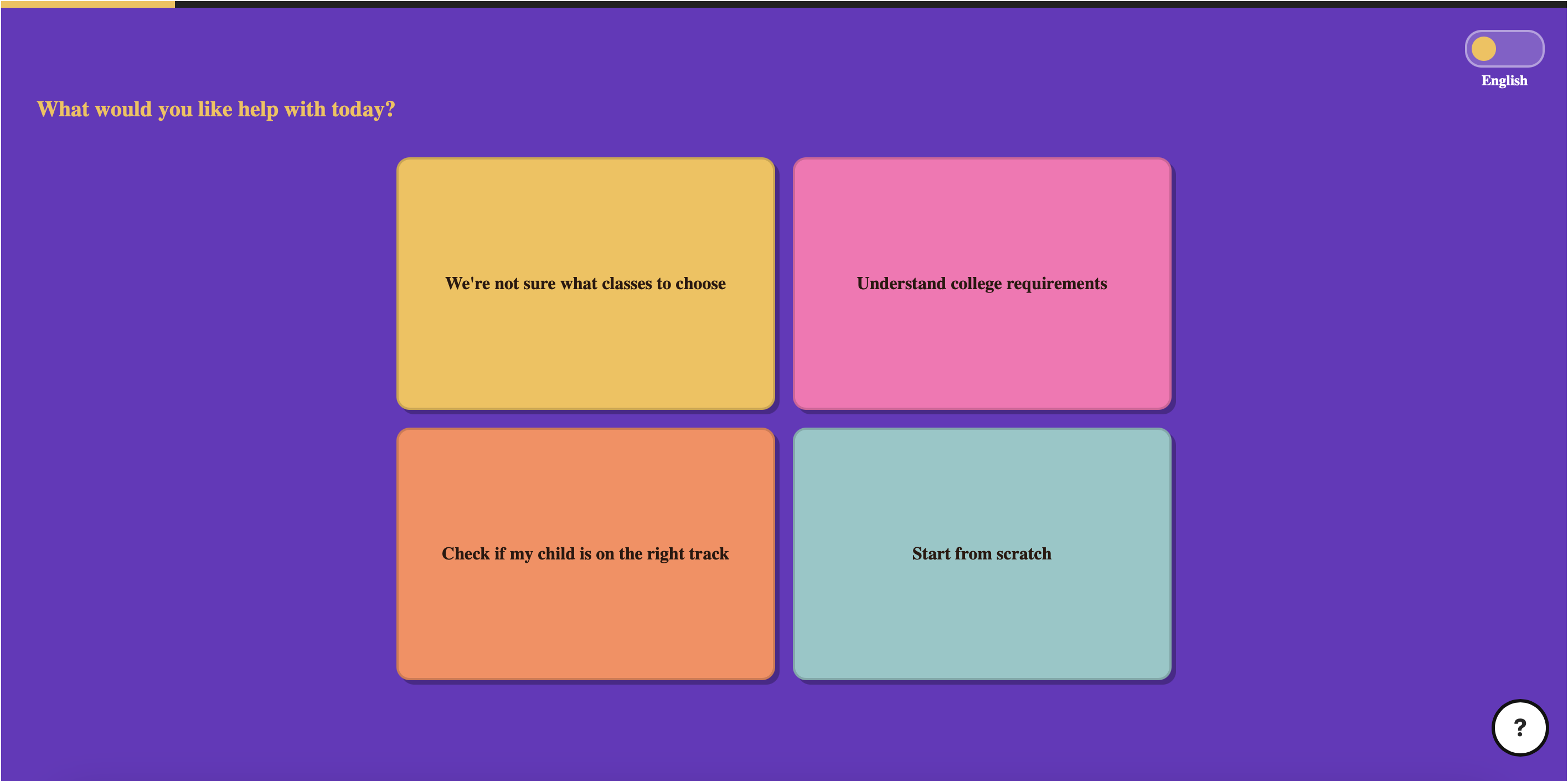
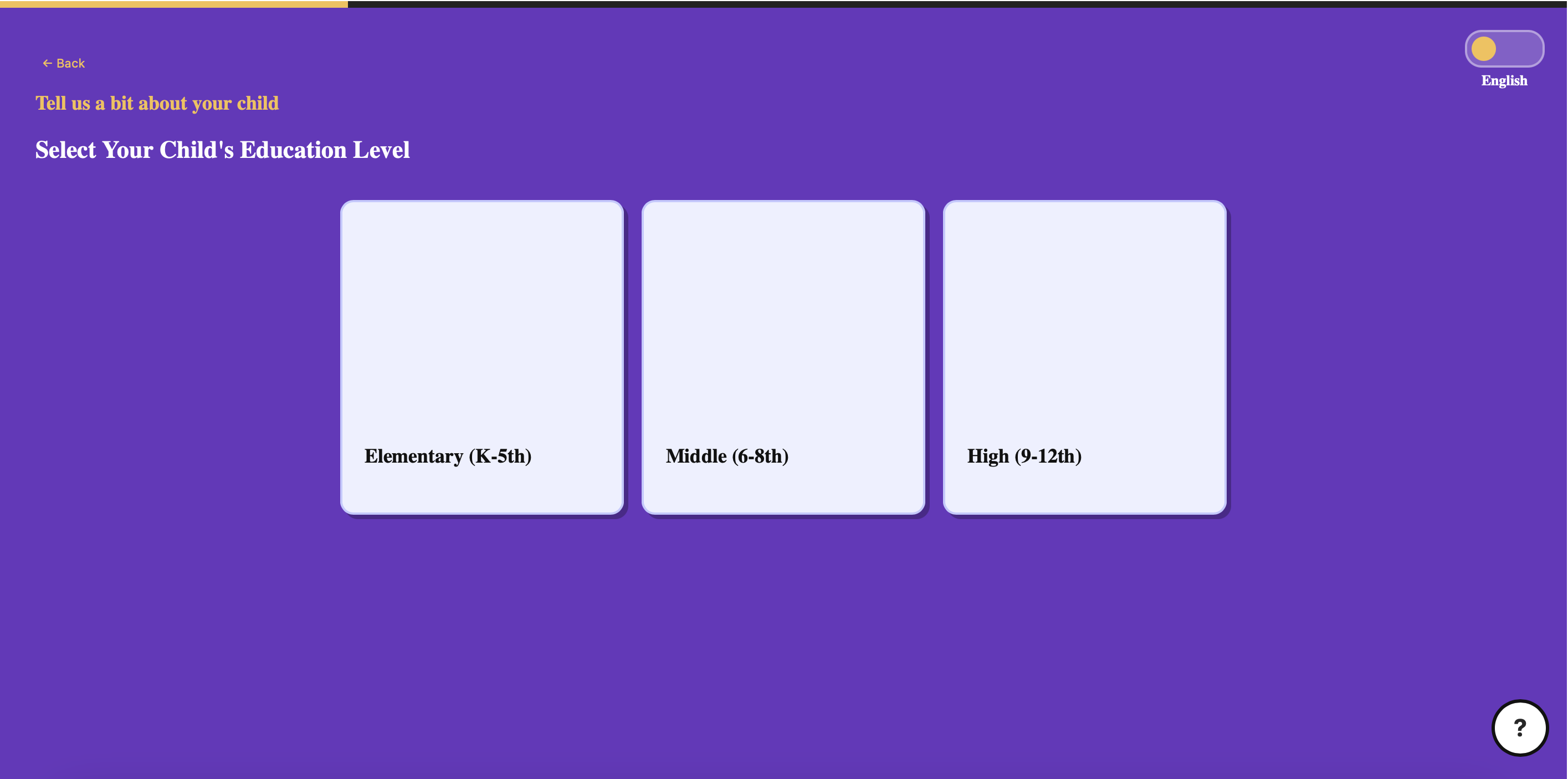
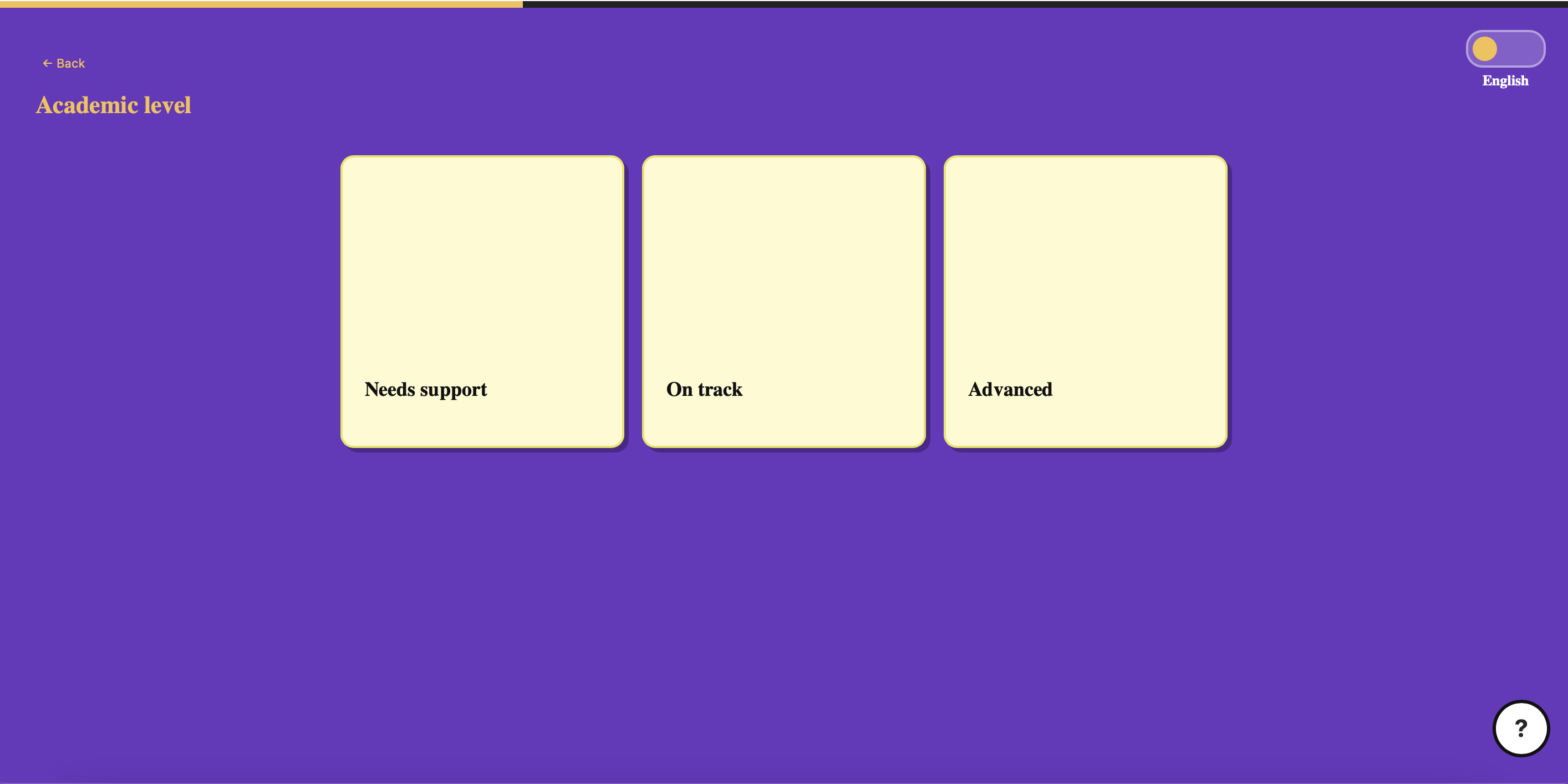
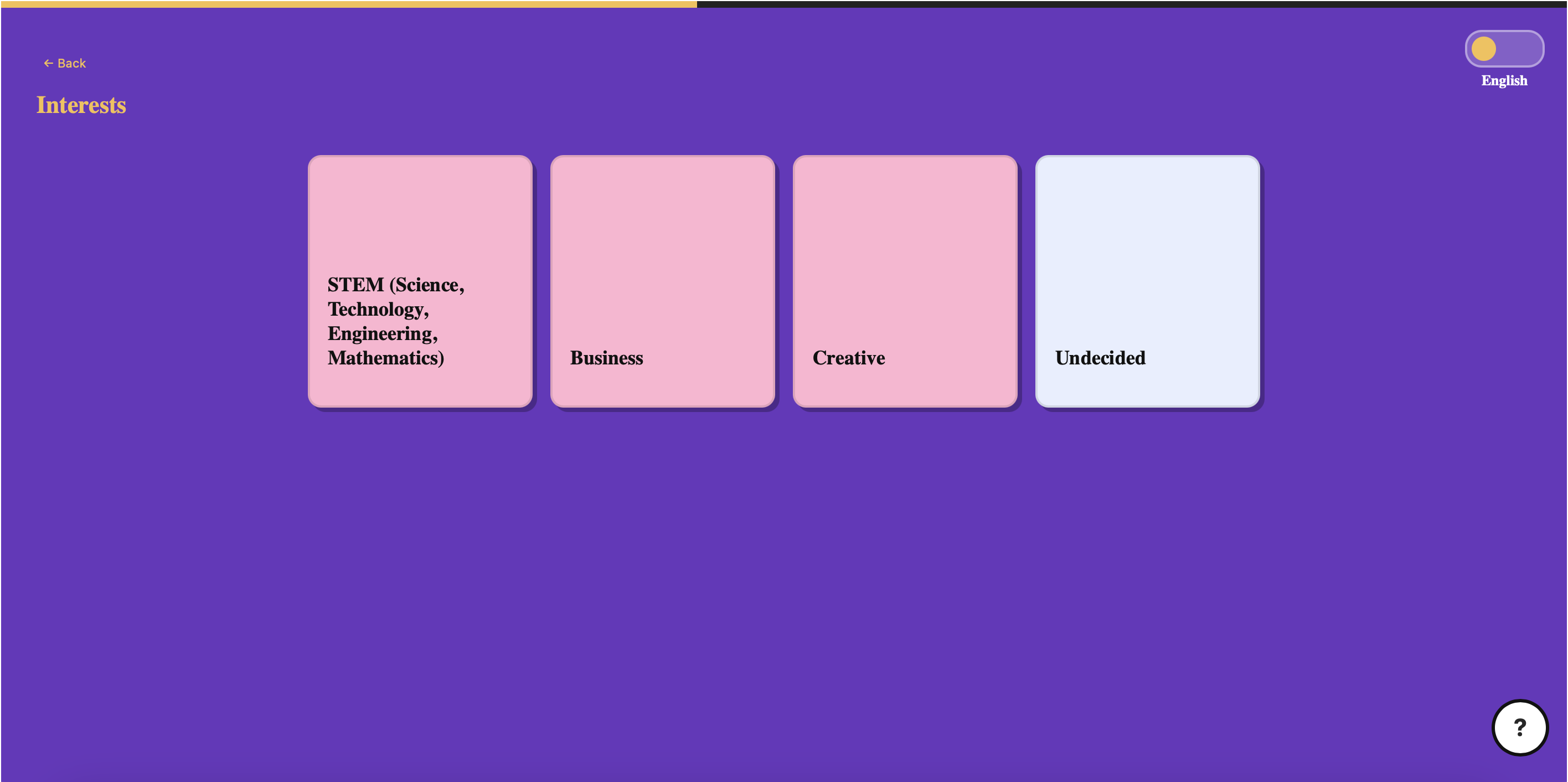
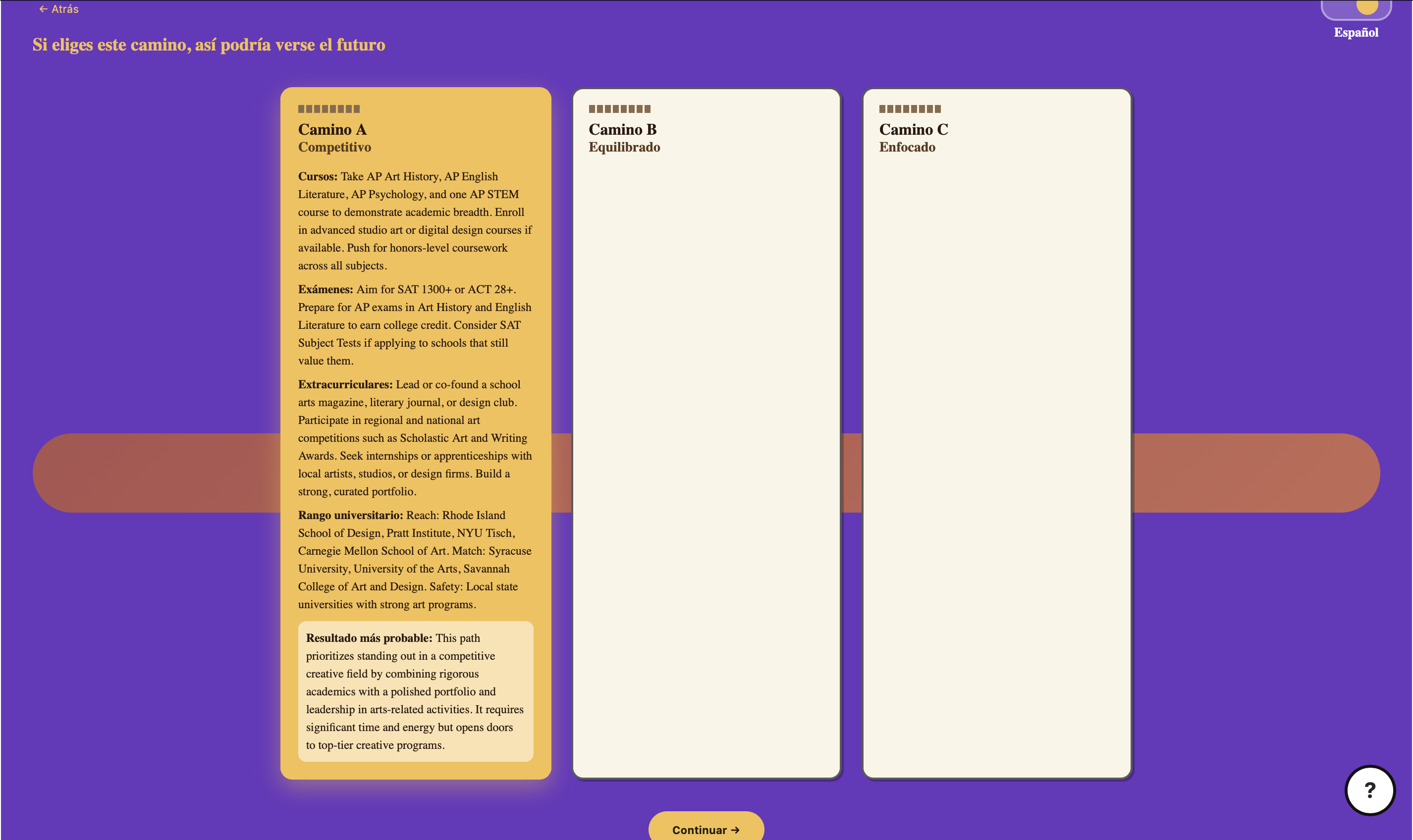
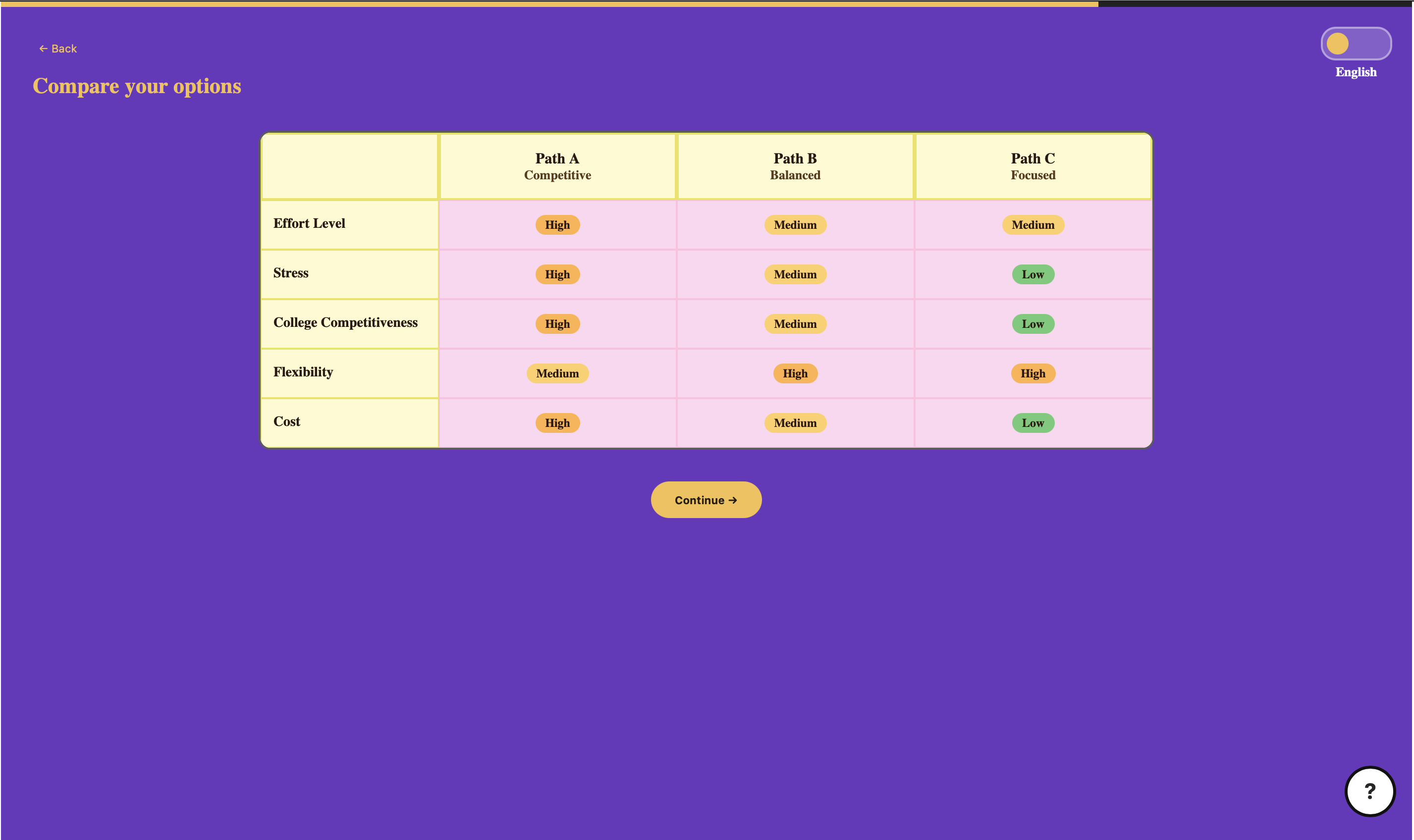
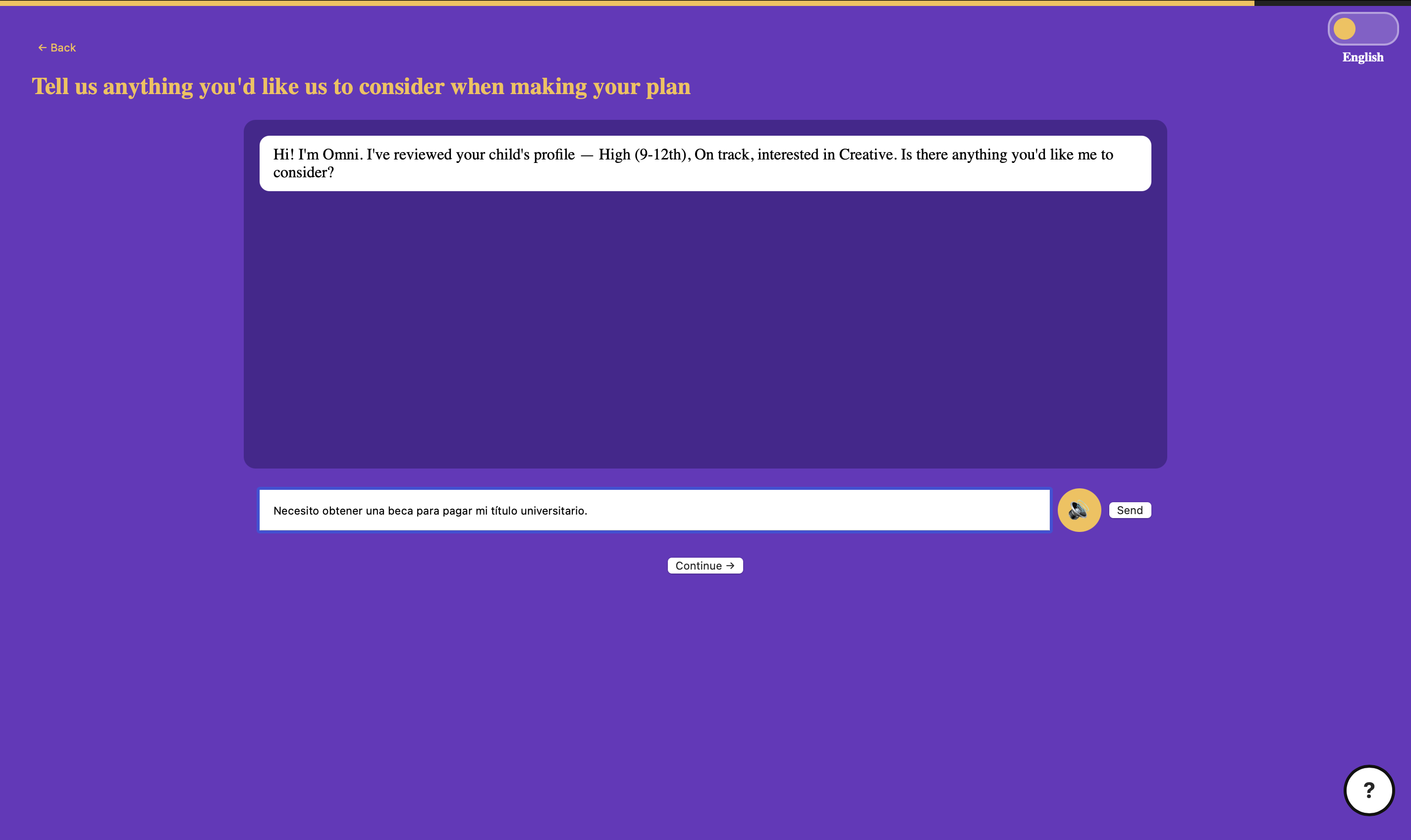
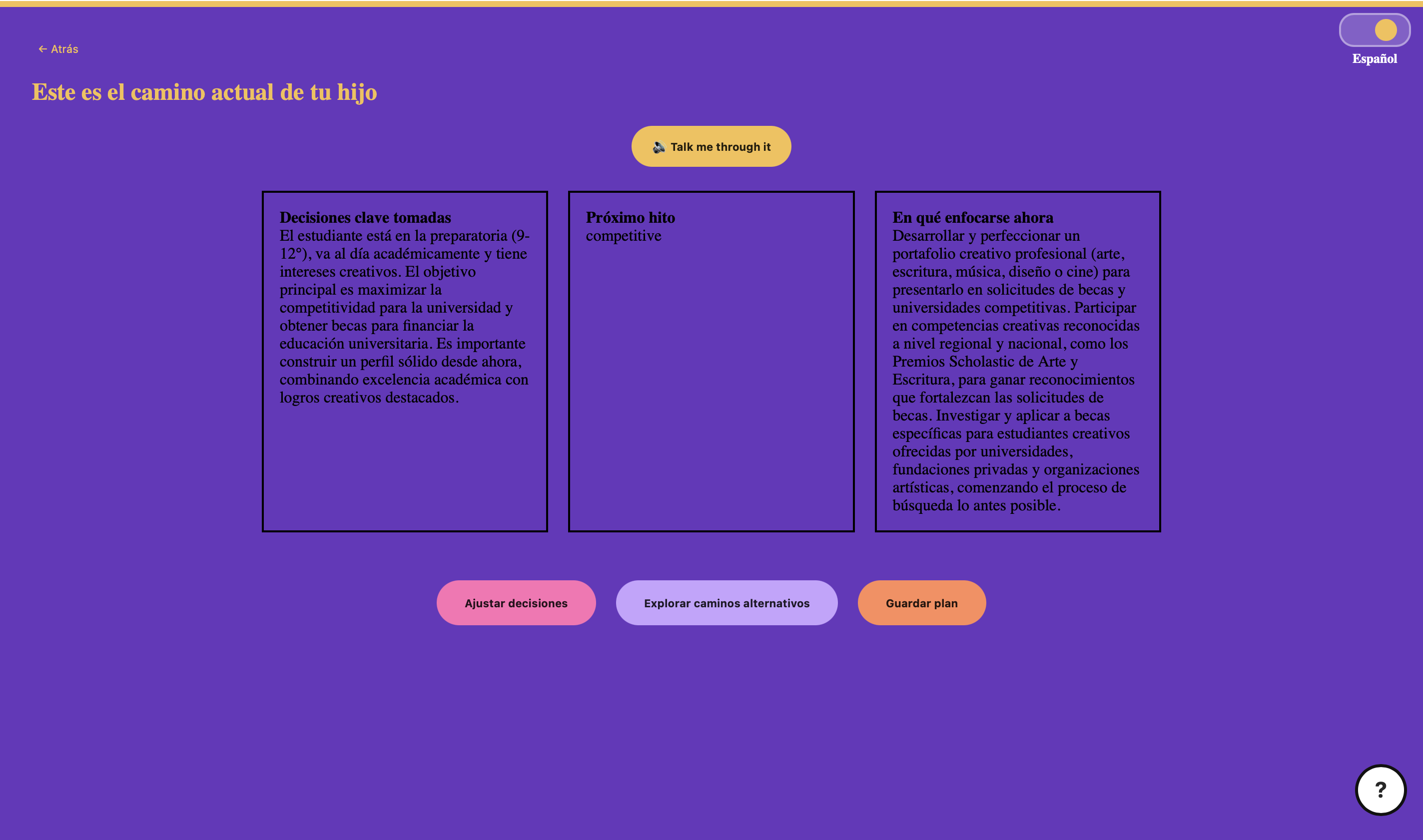
Omni is a guided educational roadmap assistant that helps Spanish-speaking families understand and navigate the U.S. school system in a structured, step-by-step way. It turns a student’s grade level, interests, and academic situation into: personalized academic paths clear tradeoffs between options (stress, rigor, outcomes) conversational refinement of decisions a final structured roadmap with next steps It also includes a voice layer so responses can be read aloud in English or Spanish using browser-based speech synthesis.
How I built it
I built Omni as a React-based web application with a conversational AI interface designed around guided decision-making rather than static answers. The system follows a structured flow: user profile intake generation of academic pathways comparison of tradeoffs in clear language conversational refinement for clarity and context structured roadmap output I also integrated browser-based speech synthesis to ensure accessibility for users who prefer listening over reading, including bilingual households.
Challenges I ran into
One of the main challenges I ran into was designing a system that supports clarity without oversimplifying important academic decisions. I also had to carefully design the experience so it remains accessible and understandable for non-expert users while still reflecting the real complexity of academic planning in the U.S. On the technical side, maintaining a smooth conversational flow and ensuring reliable voice output across different browsers required iteration and testing.
Accomplishments that I am proud of
I’m proud that Omni prioritizes inclusivity and accessibility, rather than assuming all users already understand the U.S. education system. Instead of overwhelming users with information, it organizes academic decisions into structured, understandable pathways that support shared understanding within families. I’m especially proud of the design decisions behind Omni’s interface.The interface uses a vibrant, culturally inspired color palette designed to create a sense of familiarity and warmth, rather than the neutral, institutional aesthetic typical of education tools. I’m also proud that the experience supports both English and Spanish, and includes a voice feature that makes the system more accessible for users who prefer auditory learning or have different levels of reading fluency.
What I learned
I learned that accessibility in educational tools is not just about translation it’s about how information is structured, presented, and gradually built through conversation. I also learned that clarity and inclusivity are more impactful than complexity or feature density. Designing for understanding is more important than simply providing answers.
What's next for Omni
Next, I want to expand Omni into a more inclusive academic planning system that supports: deeper grade-level personalization integration with real school and district requirements stronger multilingual and accessibility support (integrate with ElevenLabs for a clearer voice) improved adaptation for different family contexts and learning preferences Long term, the goal is to make academic planning more equitable by ensuring families can understand and navigate the system regardless of language, background, or prior familiarity.
Built With
- claude
- css
- javascript
- multilingual-voice
- node.js
- react
- speech
- vite


Log in or sign up for Devpost to join the conversation.