Inspiration / Client Research
Interviews / Literature
As we began our ideation process and considered the various problems first responders have, we knew we wanted to design a product that could be used in multiple roles, from firefighters to paramedics. We found that in every role, physical strain and injury are incredibly prevalent and a huge problem that needs to be addressed. With injury rates quadruple those of the national average, physical injuries and the fast-paced nature of emergency services can lead to catastrophic scenarios.
After researching how different first responders manage physical activities and rescue operations, we compiled a list of problems and methods.
-Firefighters don’t like change in routine or in the ways they approach problems -Many injuries come from slips and falls -Moving patients and operating within tight spaces is difficult and physically demanding -Exhaustion and lack of ergonomics lead to fatigue and strain -Awkward positions caused by using certain tools or PPE leads to injury
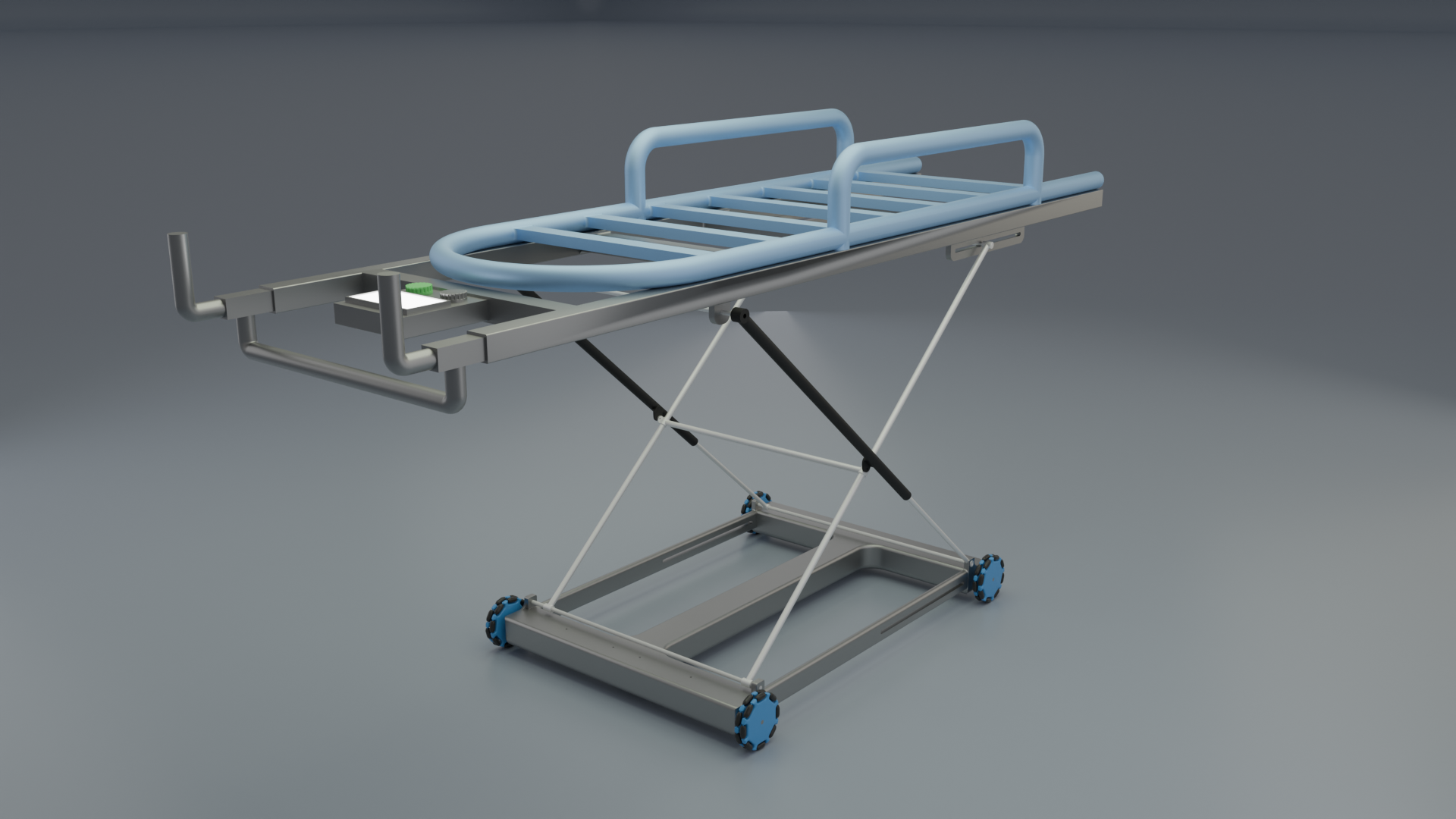
Omni Drive Stretcher Features
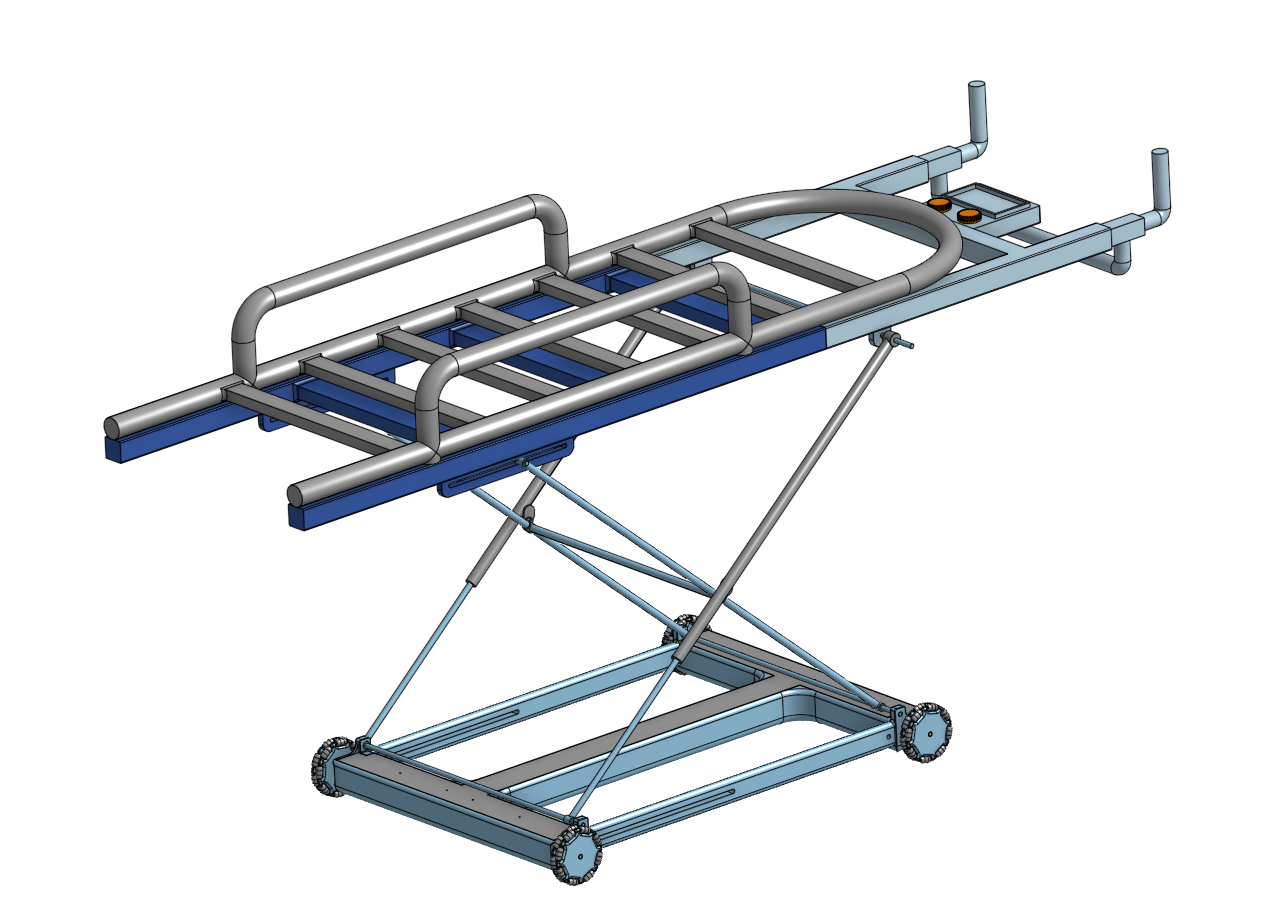
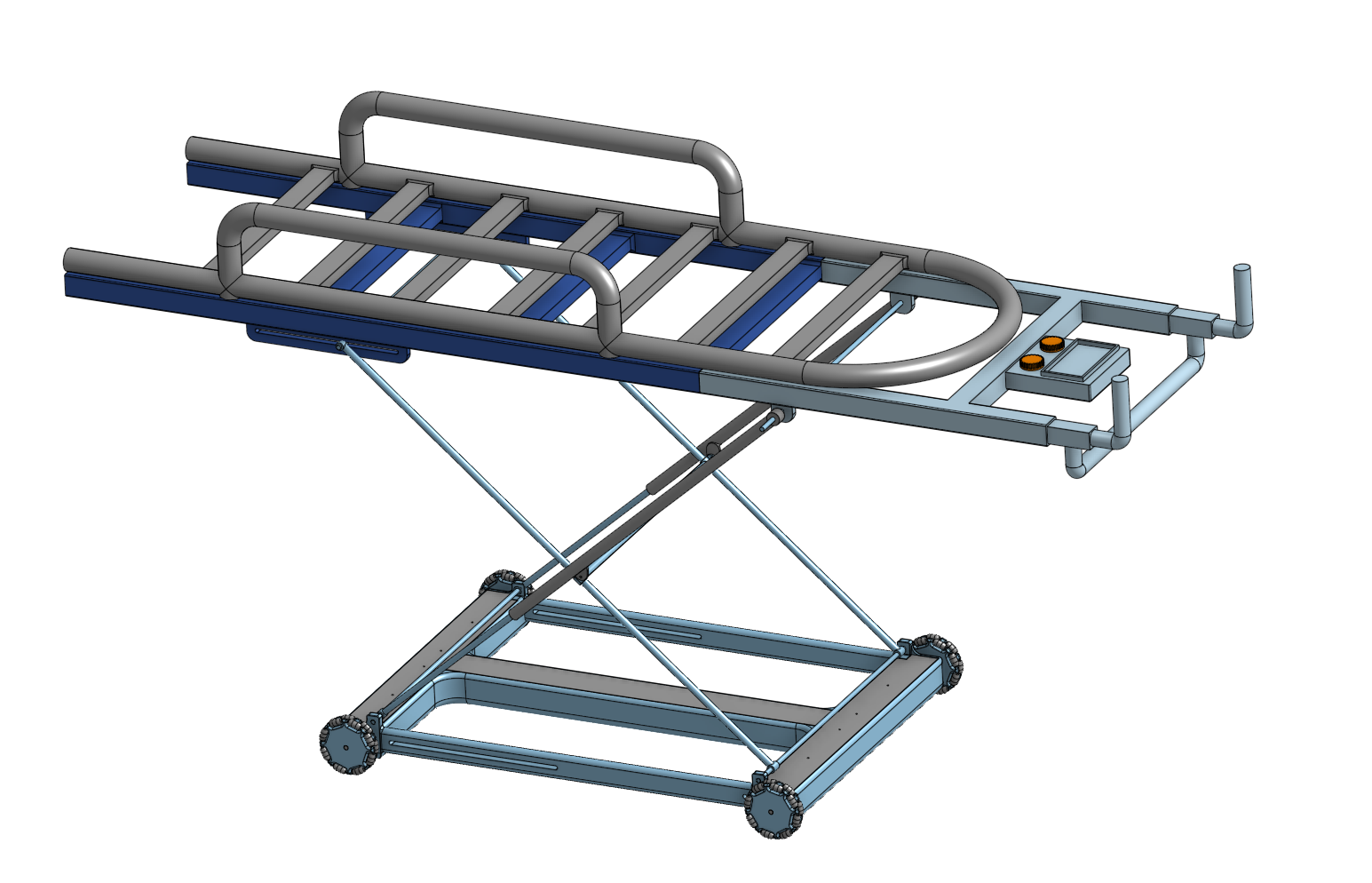
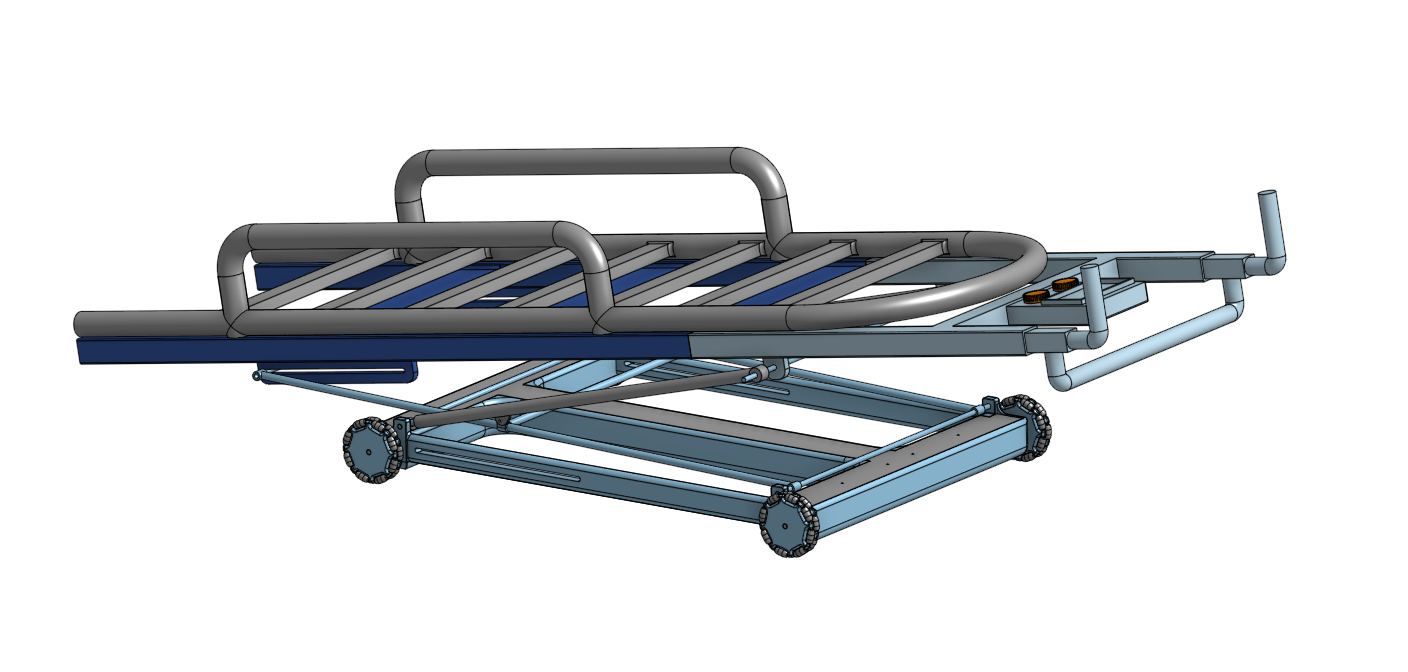
CAD Models(GrabCad)
Drive System
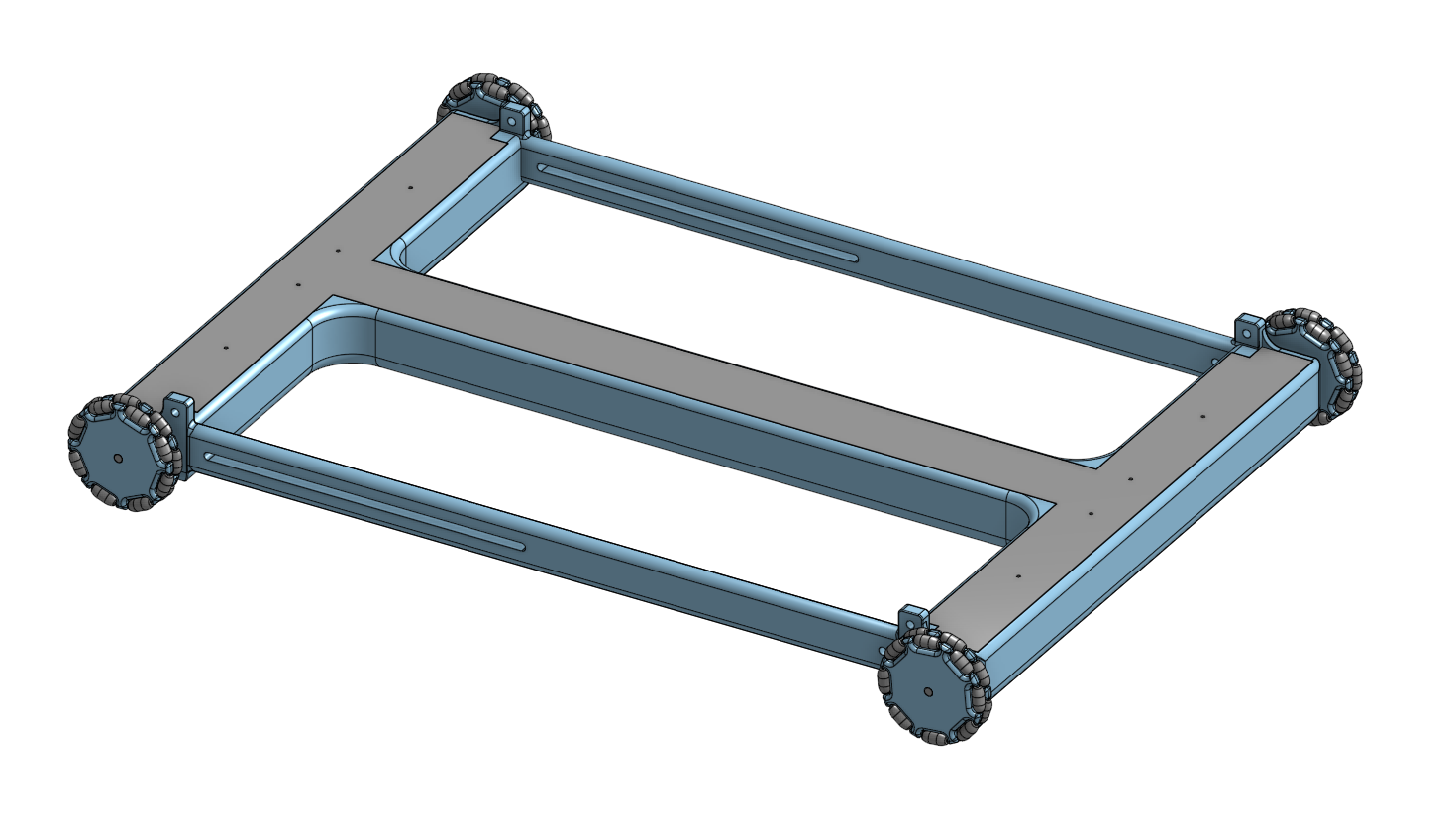
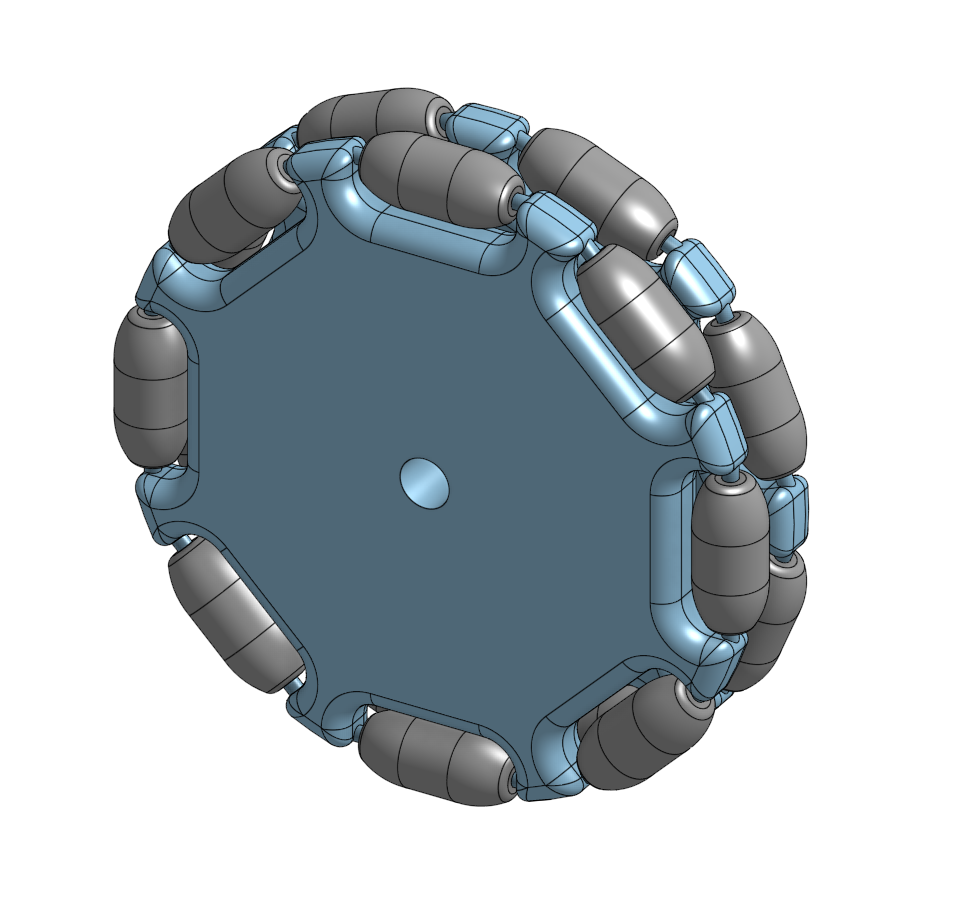
-Four-wheel drive system with omni wheels that incorporate rollers to allow for horizontal and diagonal movement -Independently driven wheels with brushless motors to allow for quieter operation, efficiency, and lower maintenance -Motorized braking system to allow for one touch button for first responders to quickly set the brake without needing to push down multiple stops -The stretcher can still be easily moved when motors aren’t powered
Lift and Height
-Hydraulic system with dual cylinder actuation for easy lifting of the stretcher and maximum stability -Shared battery system with motors to allow for powered actuation to reduce lifting loads on paramedics and firefighters
Motion Control and Handling
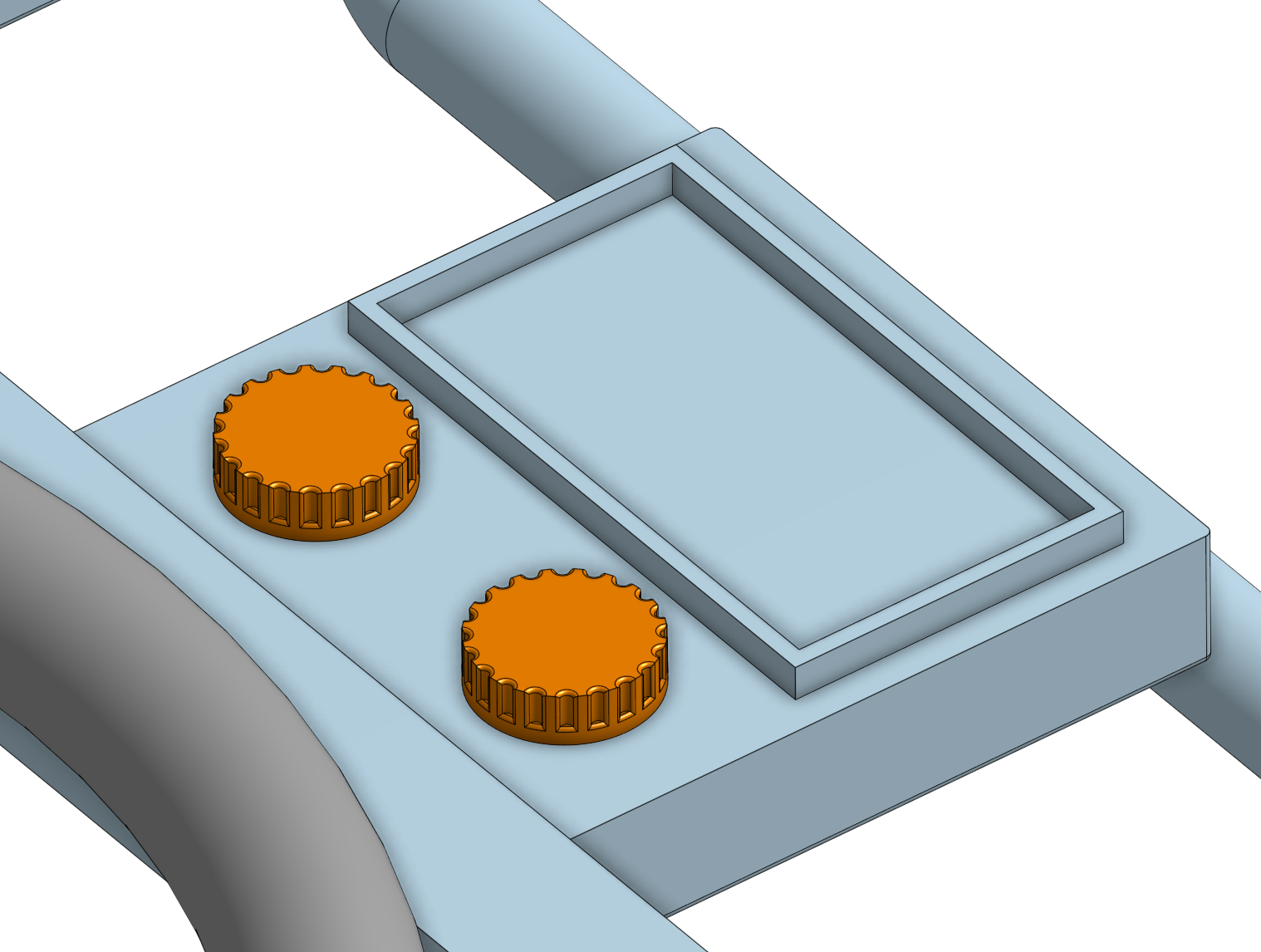
-Ergonomic handles and multiple points of contact to ensure first responders always have a way to push the stretcher instead of needing to pull -Control dials and screen placed near handles to enable quick adjustments and battery level indication
Design Process / Manufacturing
Design
With our list of problems and feedback from first responders on some of the initial ideas, we decided on a powered stretcher with omni wheels and hydraulic lifting. Stretchers are used by firefighters, paramedics, and other first responders, so this design can be widely adopted and solve problems and issues first responders face due to physical injuries.
For our motion system, we chose to use Omni wheels, which allow for both rolling as well as lateral motion, so the stretcher can be moved in any direction without needing to align swivels on normal wheels or locking from the swivels. A hydraulic scissor lift system is attached to our motorized platform, which then carries our gurney and bed. The hydraulics are also supported by extra links to maintain stability and to align our bed to keep it flat at all times.
For motion control, each motor is independently powered and controlled by a PID algorithm to ensure each wheel is spinning at the same rate. By default, our stretcher is designed to accommodate the need for accelerating heavy loads by using a gravity compensation algorithm to make every load effortless. We included dials placed near the handles and a screen to allow first responders to tweak the acceleration rates as well as engage or disengage the electronic brakes quickly. The screen also includes information such as battery life or any issues related to the stretcher and its composition.
Materials
When approaching material selection for our design, we kept in mind the need for a lightweight solution that maximized stiffness and strength to handle a wide range of weights and capacities.
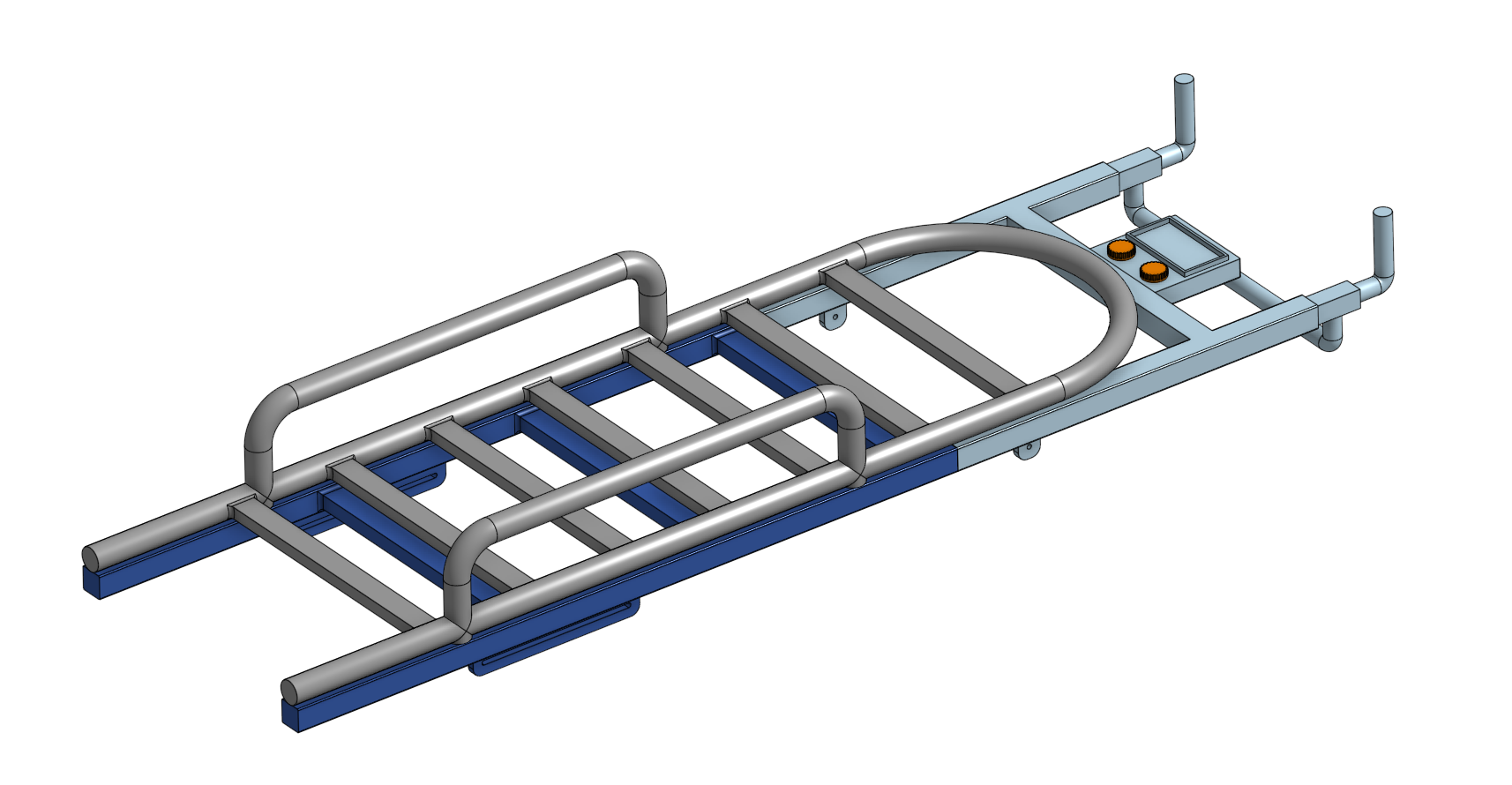
We decided to use aluminum in our gurney frame and bed to keep the weight as low as possible to not move our center of mass further upward. The gurney frame will be manufactured out of aluminum extrusion while our bed padding frame will be welded aluminum tubes
For our motorized platform, we plan on using a mix of temperature-resistant plastic and metal, depending on the use case, to keep our stretcher lightweight and durable in any environment.
Challenges
With the huge set of challenges that first responders face on a daily basis, ideating a product that could fit within their current rescue operations without changing their process or needing to learn a new tool was incredibly difficult. Additionally, finding time to fit within our schedules to meet and work also led to a strain in communication and the design process. However, by creating a robust skeleton and master assembly, we were able to design and work within our own parts without intersecting each other's assemblies.
Goals and Moving Forward
With our initial CAD and models completed, our next step is to begin building a physical prototype to test our solution and see how we actually perform in the field. We plan on testing with ambulance units, firefighters, and in hospitals to see how our stretcher is used in different environments and where we need to make changes. We also plan on conceiving and designing different wheelbases with stronger motors or larger wheels for different terrain and use cases. In the far future, we could add some sort of rail system to the stretcher, so it could be used to transport unconscious people from higher stories down using the fire truck ladders.
Lessons Learned / Accomplishments
As our first experience in the world of hackathons and CADathons, we quickly learned that time constraints and the design process is intense work and require a high level of interdisciplinary thinking and design. This process also allowed us to combine the human-centered design we’ve learned in class and apply it to a real problem that occurs every day. We are proud to have designed a fully working assembly in CAD that demonstrates the motion we hope to achieve, from our scissor lift to the rolling mechanism in our omni wheels. This design challenge, combined with our readings, has given all of us a new perspective on what it’s like to be a first responder and the dangers they face every day.
References
Emergency Services Ergonomics and Wellness. 2020. https://www.usfa.fema.gov/downloads/pdf/publications/emergency-services-ergonomics-and-wellness.pdf
Built With
- onshape


Log in or sign up for Devpost to join the conversation.