Inspiration
Imagine Alex, who bought what he believed were genuine Adidas sandals as a birthday gift. He eagerly awaited delivery, only to discover that the sandals were cheap knock-offs with a misspelled "Addias" logo.
Stories like Alex's highlight a serious problem in online commerce: buyers sometimes receive products that do not match what they ordered, while sellers can also face dishonest return claims involving swapped, damaged, or incorrect items.
Counterfeit products can create risks beyond financial losses. Falsified medicines and unsafe consumer products have been associated with serious injuries and deaths worldwide. Meanwhile, return fraud and abuse cost retailers billions of dollars and undermine trust between businesses and customers.
We started building OMEGA around one important question:
What if buyers and sellers could use visual evidence to establish whether the product delivered actually matches the product advertised?
OMEGA was created to make product verification more transparent, objective, and accessible. Instead of relying entirely on accusations or conflicting descriptions, it uses AI-powered visual analysis to identify differences between expected and received products.
Our goal is simple: help make online transactions more trustworthy for everyone.
What it does
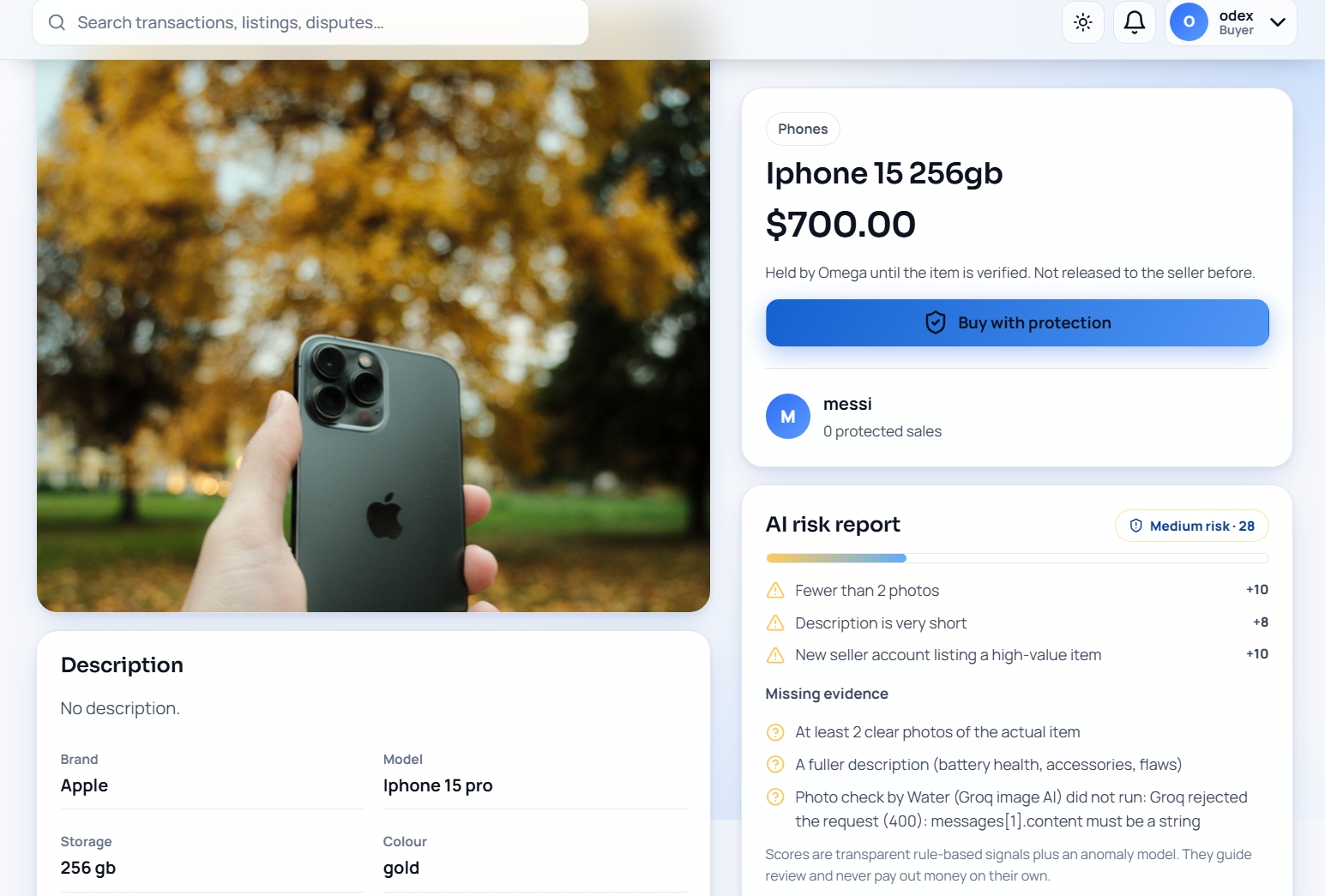
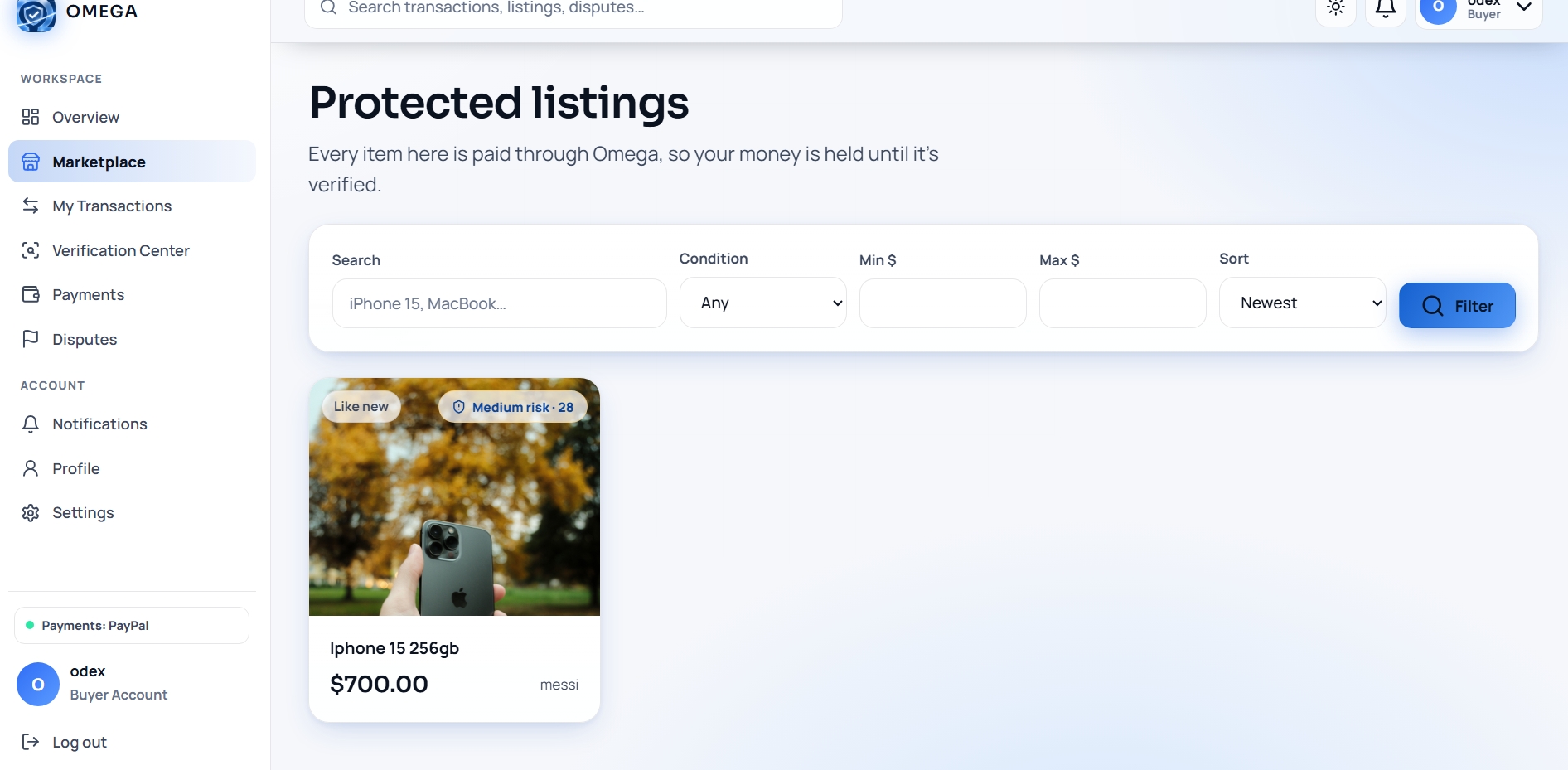
OMEGA is an AI-powered visual product verification platform designed to help buyers and sellers identify discrepancies between advertised products and delivered items.
Users submit images of the expected product and the actual product received. OMEGA analyzes the images using computer vision and AI to identify visible inconsistencies, including:
- Different logos, labels, or branding.
- Changes in product colour or design.
- Missing or additional components.
- Differences in product shape and appearance.
- Packaging and accessory discrepancies.
- Other visible details that may indicate that the delivered item does not match the listing.
Rather than simply returning a result saying two images are different, OMEGA aims to make the differences understandable by presenting visual comparisons and AI-generated explanations.
OMEGA is designed to support both buyers and sellers. It does not automatically accuse either party of fraud or determine who is responsible for a discrepancy. It provides evidence that can help people make more informed decisions.
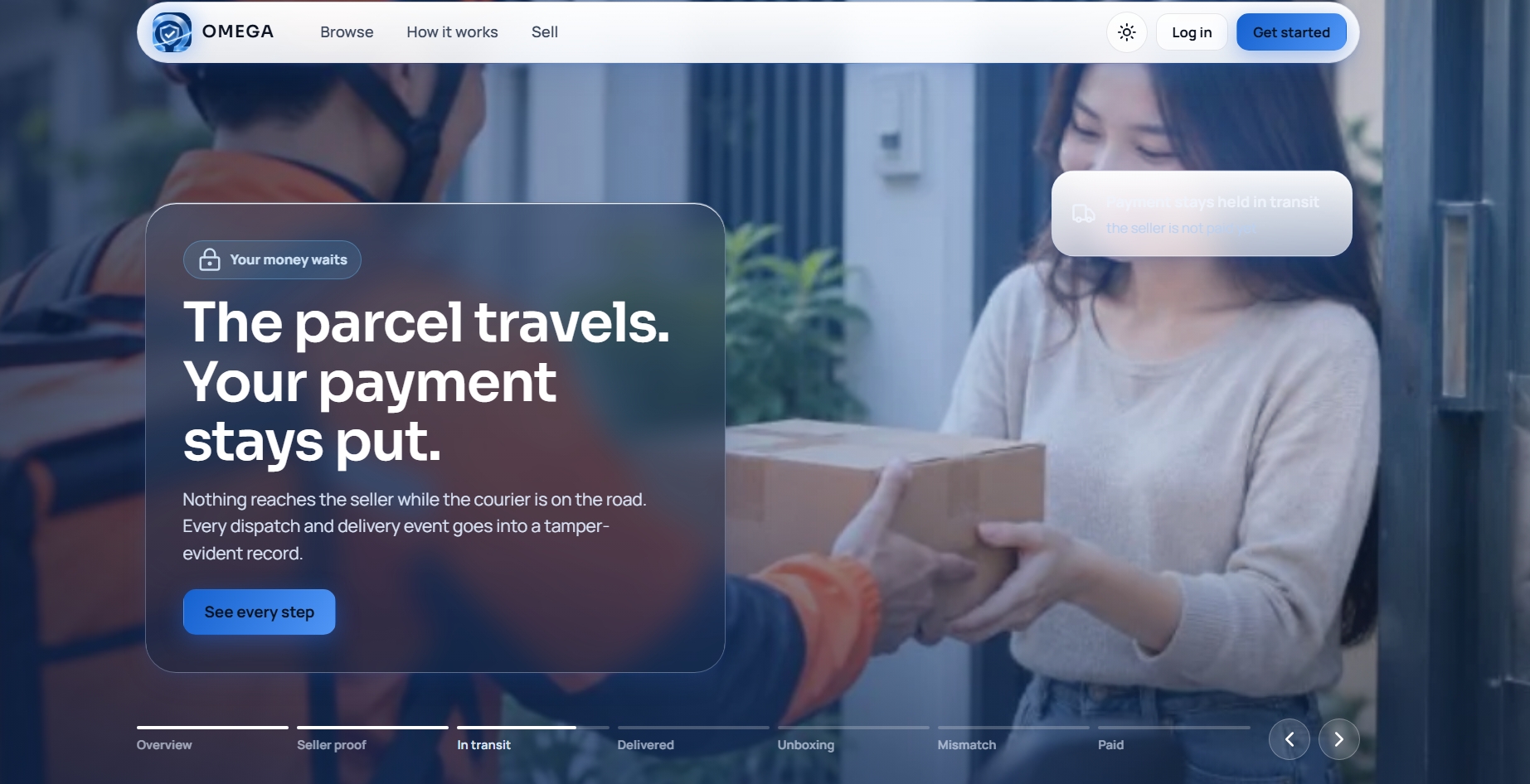
The broader vision is to make product verification part of a more transparent transaction and dispute-resolution process.
How we built it
We built OMEGA using Python, Flask, HTML, CSS, JavaScript, and AI-powered computer vision technologies.
Our implementation combines several technologies:
- Python and Flask: Power the backend, application logic, and image-analysis workflow.
- Google Gemini: Supports AI-powered visual understanding and analysis of submitted product evidence.
- Groq: Provides access to AI models used in visual analysis and related processing tasks.
- Computer Vision: Helps identify and compare visible product characteristics, including shapes, colours, labels, and other visual details.
- HTML, CSS, and JavaScript: Power the user interface and interactive product-comparison experience.
- OpenCV, NumPy, and Pillow:Support image processing and manipulation.
The verification process begins when users submit the expected product image and the image of the item they received. OMEGA processes the available visual evidence and uses its AI-powered analysis pipeline to identify possible discrepancies.
The results are then presented in a way that helps users understand what appears different and where further human inspection may be necessary.
We designed the platform around explainability rather than simply producing an unexplained similarity score. The objective is to help users see the evidence behind a potential mismatch.
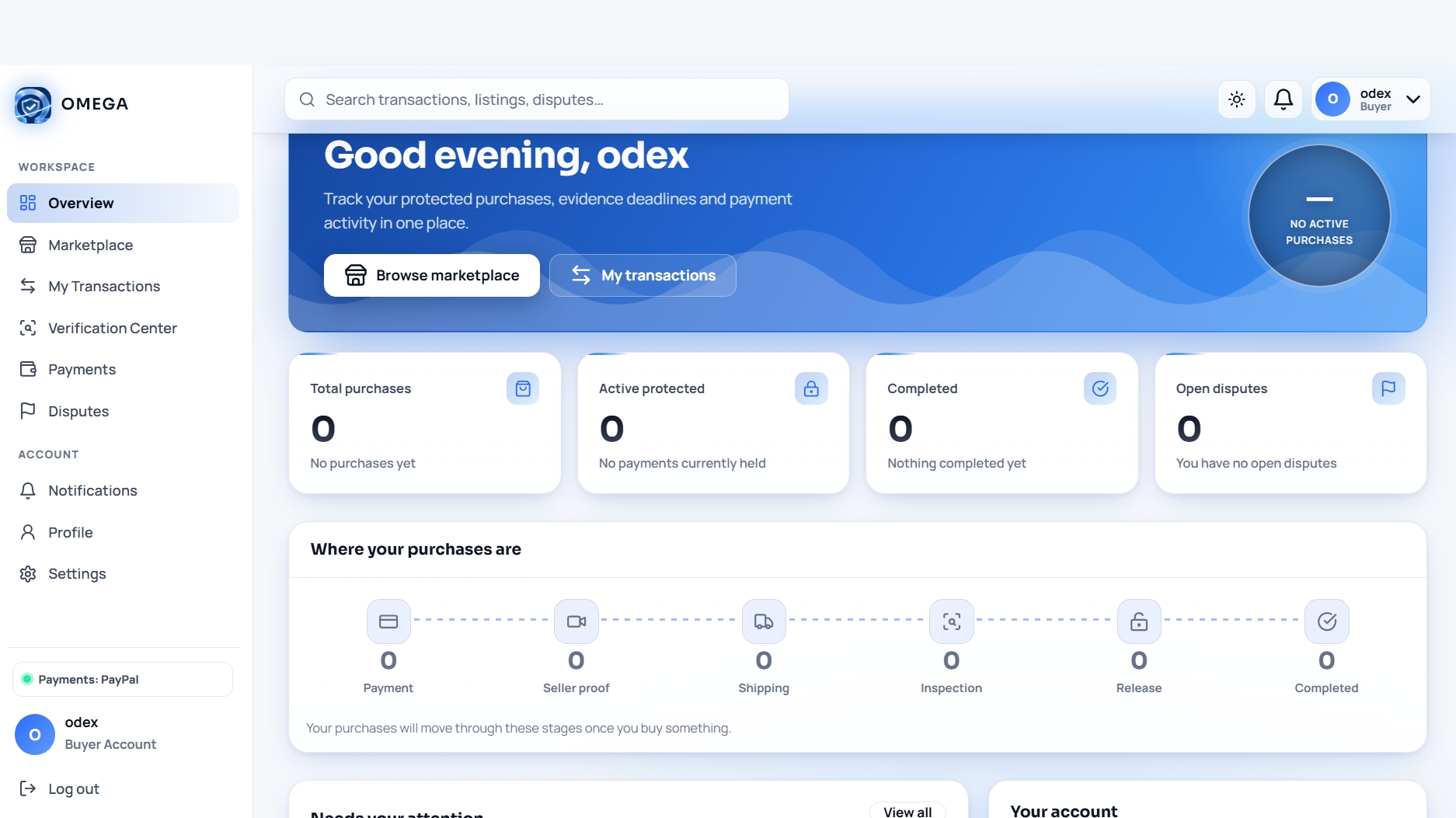
We also designed OMEGA with a broader transaction-verification workflow in mind, where product evidence can support more informed decisions throughout an online transaction.
Challenges we ran into
Building OMEGA presented several technical and practical challenges.
- Distinguishing genuine differences from harmless variations
Two photographs of the same product can look different because of lighting, camera angles, backgrounds, shadows, or image quality. We needed to ensure that the analysis focused on meaningful product differences rather than every visual variation.
Detecting subtle inconsistencies Some product discrepancies are easy to identify, while others involve small details such as altered logos, labels, missing components, or slight design changes. Detecting these differences reliably requires more than basic image comparison.
Integrating multiple AI technologies
Combining Google Gemini, Groq, and computer vision components into a consistent analysis workflow required careful backend integration, request handling, and result processing.
- Limited real-world datasets
There is no universally available dataset covering every possible combination of advertised products and incorrectly delivered items. This made it challenging to evaluate OMEGA across different product categories and real-world conditions.
- Fairness and explainability
We did not want OMEGA to automatically label someone a fraudster based on an image comparison. A visual discrepancy is evidence of a difference, not proof of someone's intention. We therefore focused on presenting findings that buyers, sellers, and human reviewers can examine.
- Privacy and evidence handling
Product images and transaction evidence may contain sensitive information. We had to consider how images are submitted, processed, and handled throughout the verification workflow.
Accomplishments that we're proud of
We are proud to have developed a working OMEGA prototype that demonstrates how AI and computer vision can help identify discrepancies between advertised and delivered products.
Some of our key accomplishments include:
- Integrating Google Gemini and Groq into an AI-powered product-analysis workflow.
- Building an image-comparison experience that helps identify visible product discrepancies.
- Demonstrating the identification of differences involving logos, colours, product designs, and missing components in our test scenarios.
- Developing a backend with Python and Flask to manage the application's verification workflow.
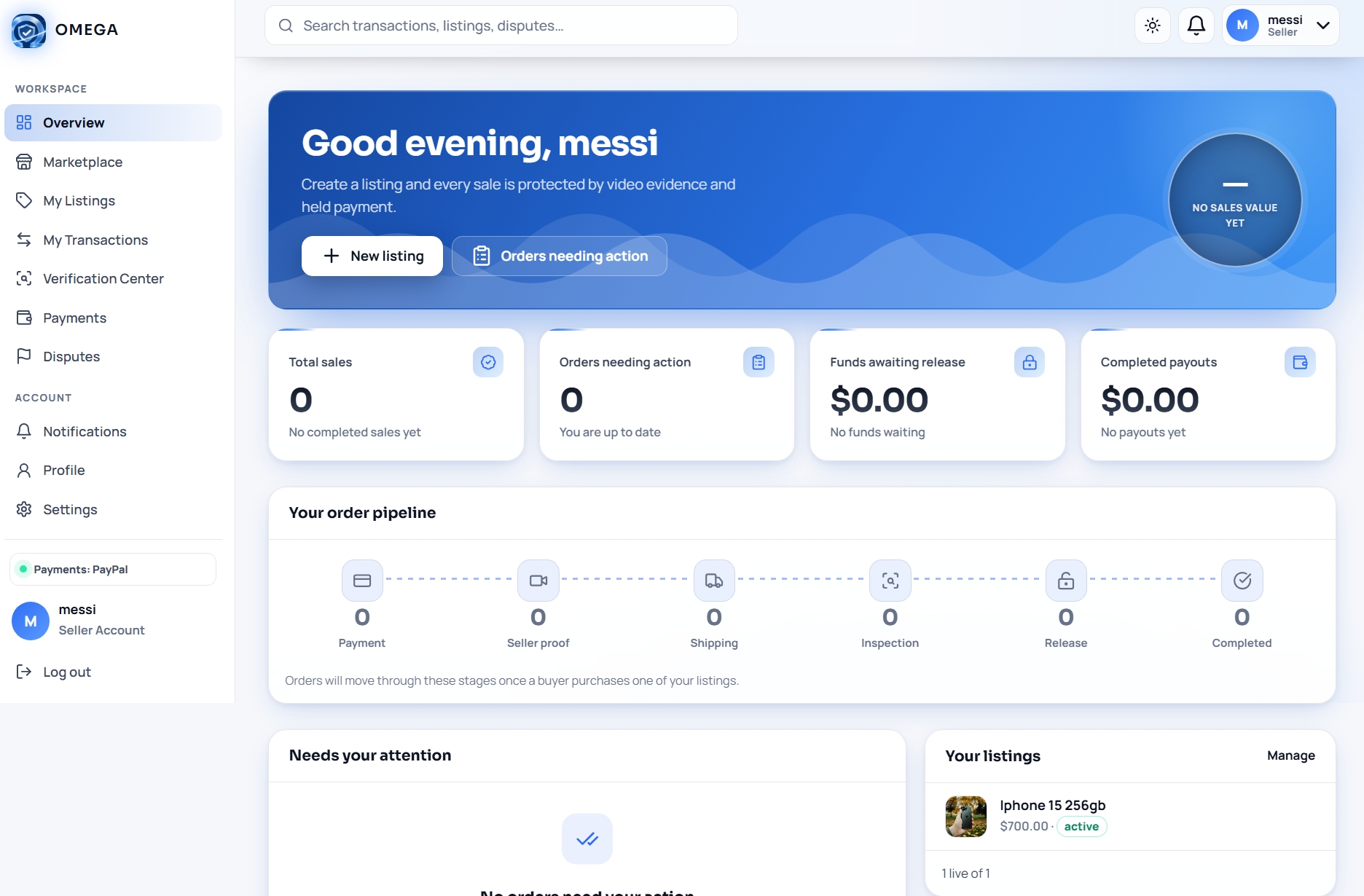
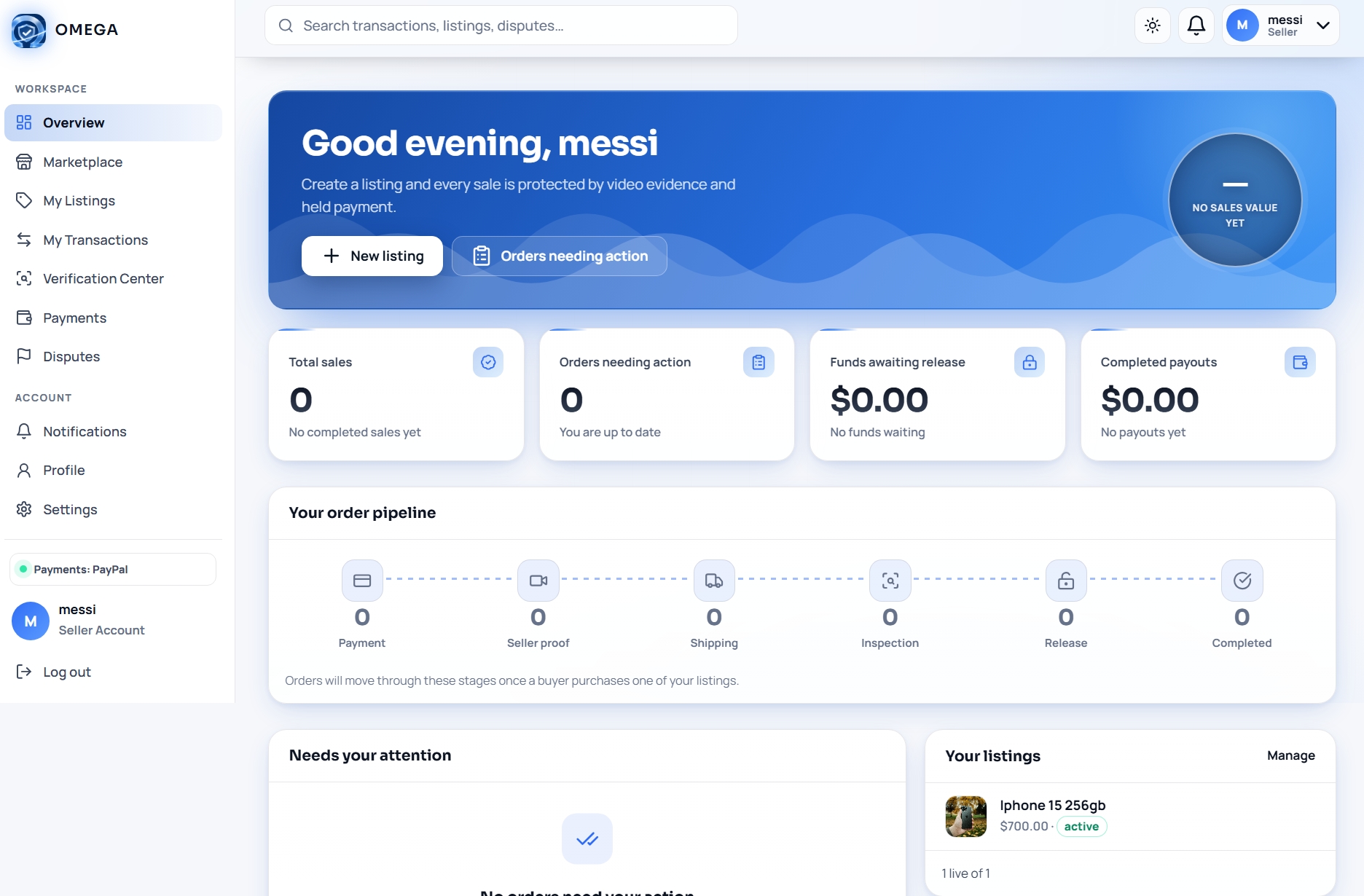
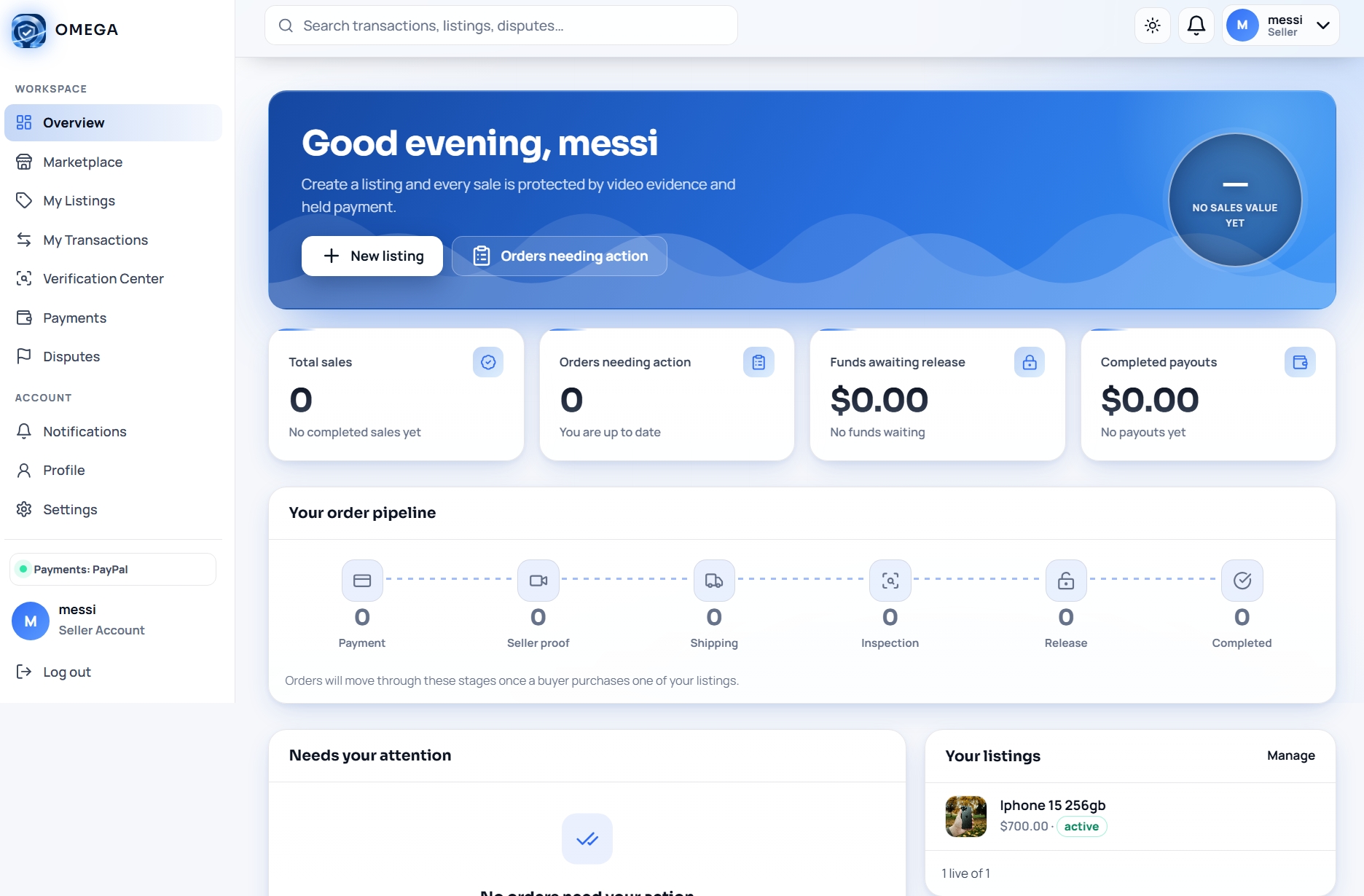
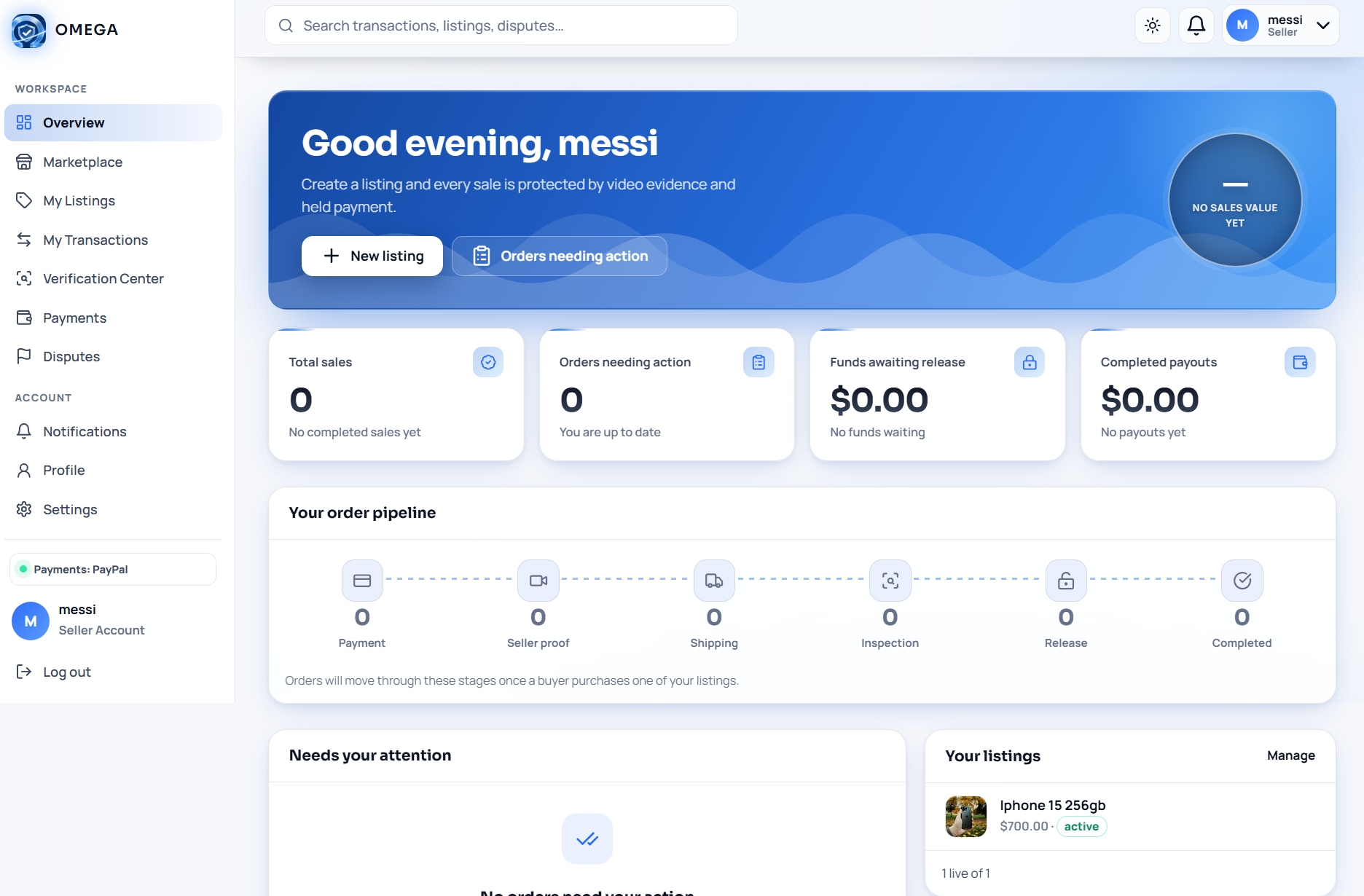
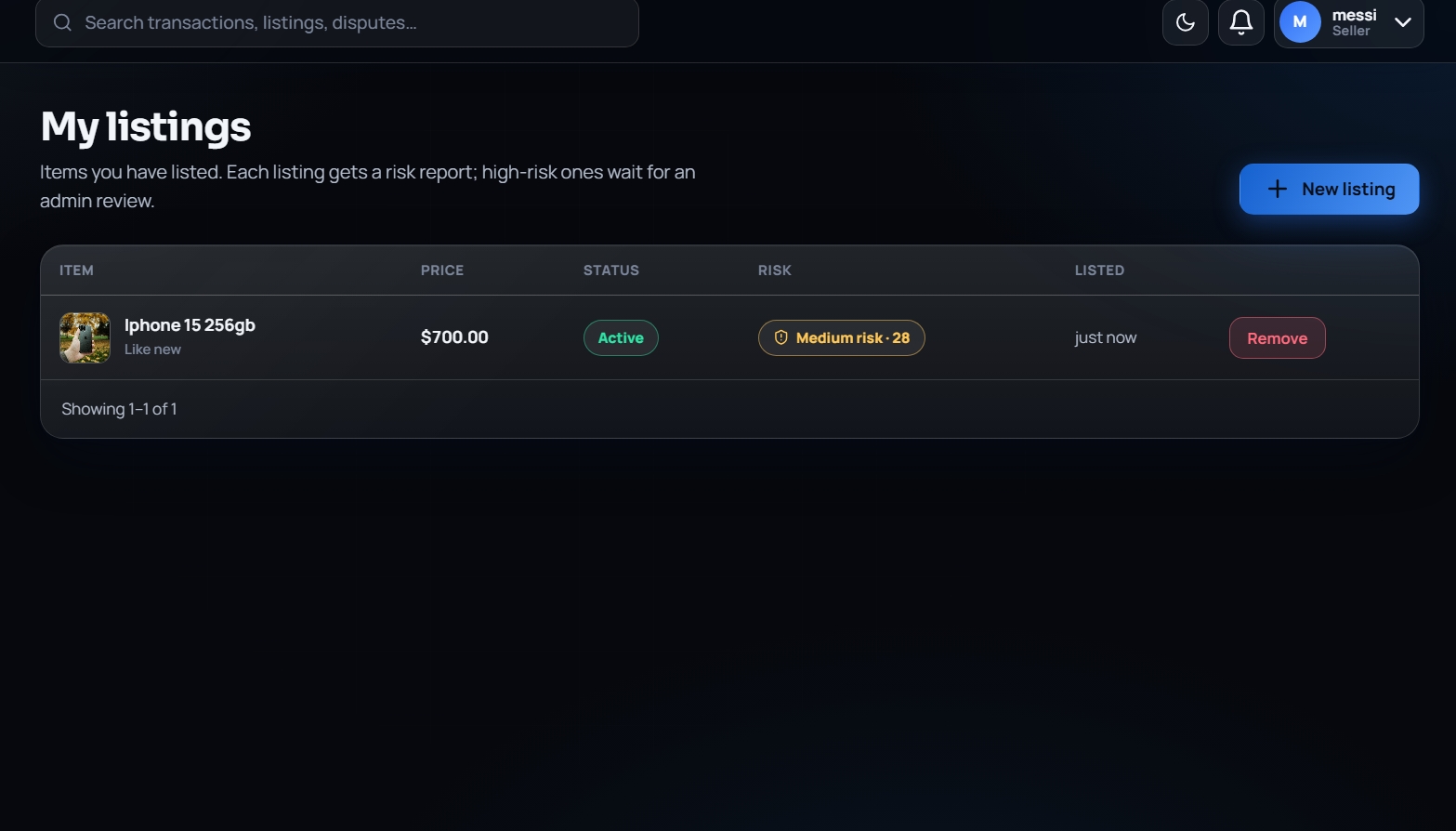
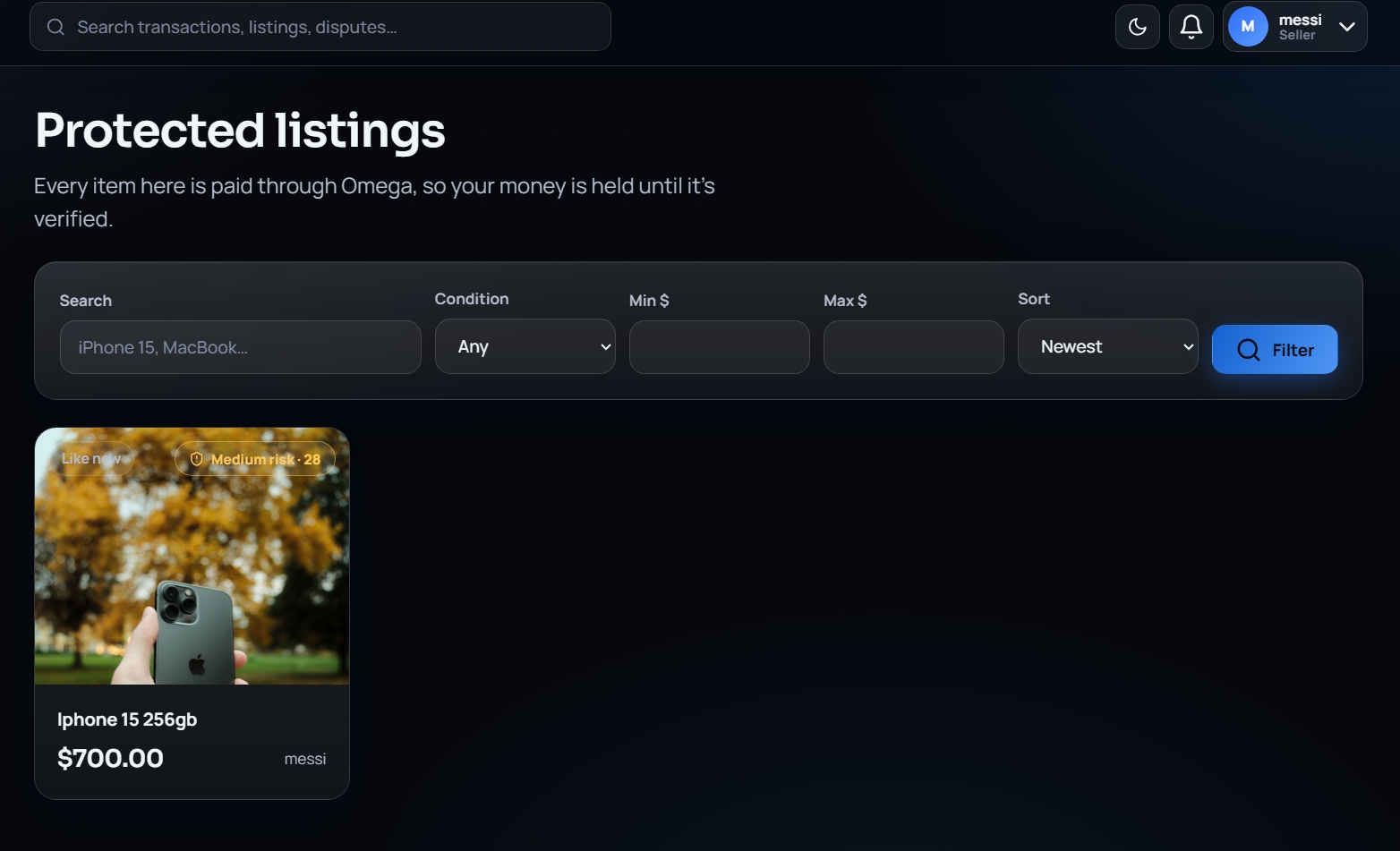
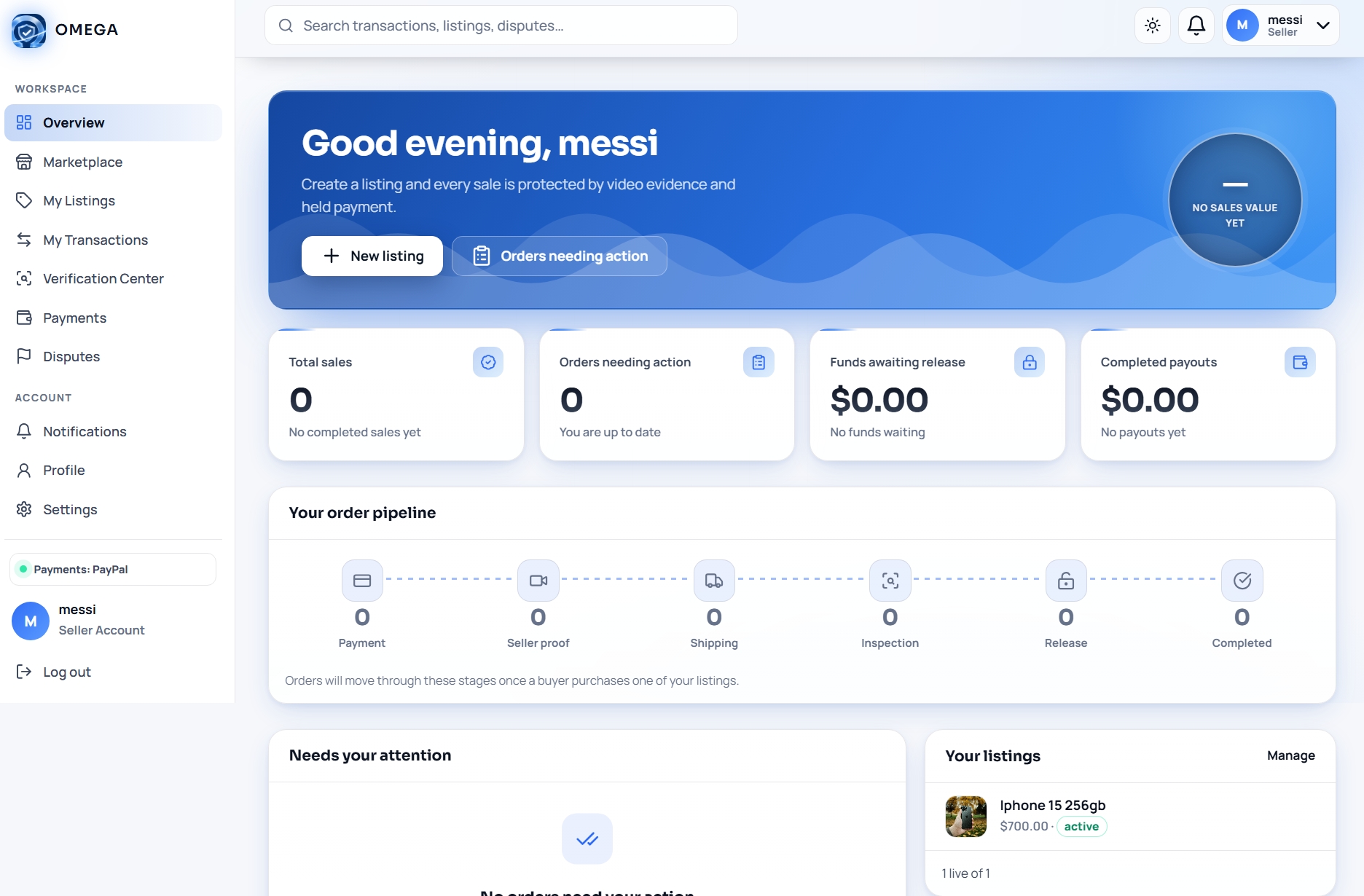
- Creating an interactive interface where users can submit product images and examine the resulting analysis.
- Designing OMEGA around evidence-based verification rather than automatically assigning blame.
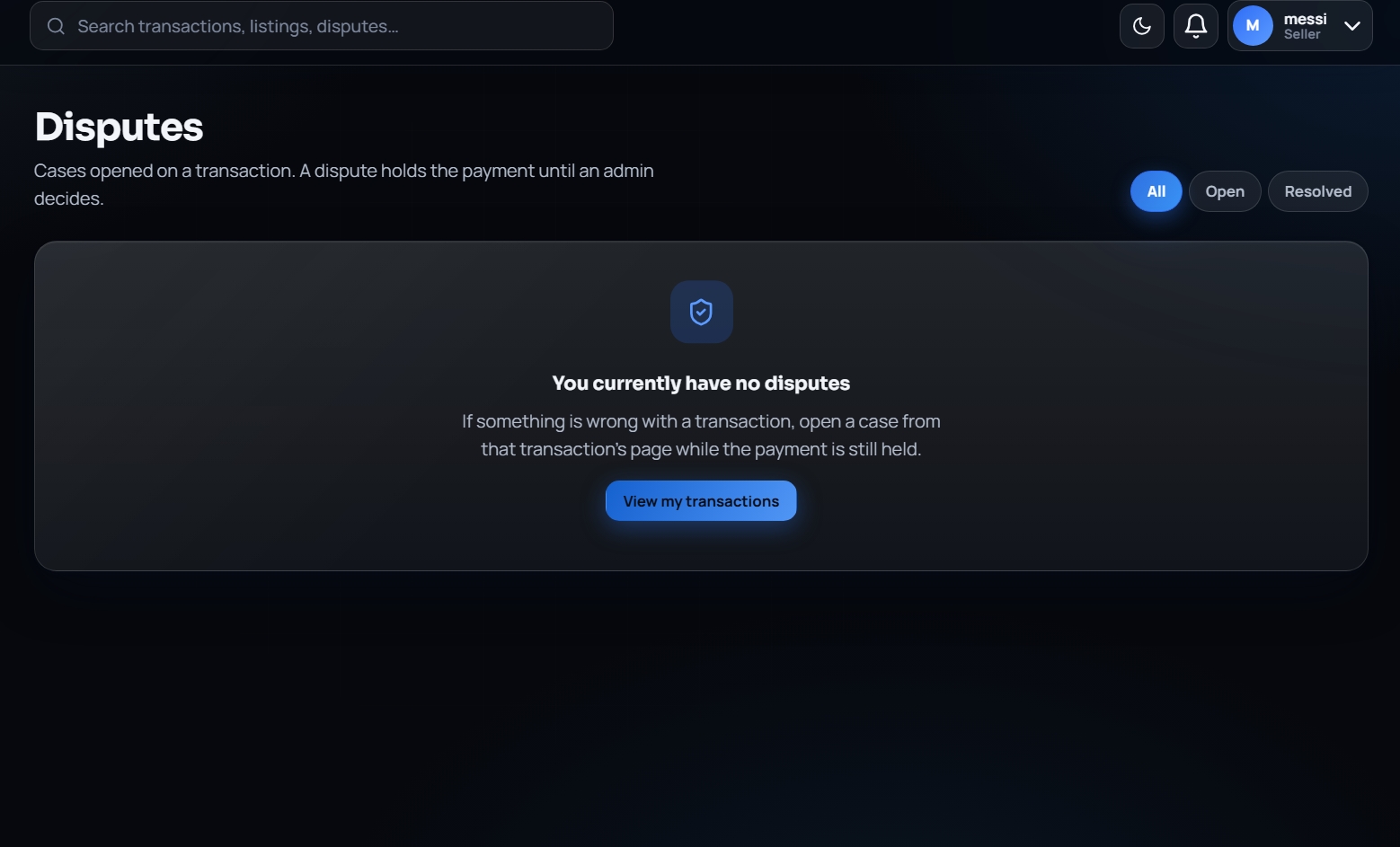
- Establishing a foundation for extending product verification beyond individual image comparisons into broader transaction and dispute-resolution workflows.
Most importantly, we turned an everyday problem affecting online buyers and sellers into a working technology prototype.
What we learned
Building OMEGA taught us that trust in online commerce requires more than simply processing payments or delivering products. It also requires a reliable way to establish what was actually promised and what was actually received.
We learned that AI-powered image analysis has limitations. A photograph may reveal differences in appearance, but it cannot always establish whether an item is genuine, determine its internal condition, or explain why a discrepancy occurred.
We also learned that combining AI visual understanding with traditional computer vision can provide a more useful analysis workflow than relying on a single comparison technique.
Another important lesson was the importance of fairness. AI should support human decision-making, not make unsupported accusations. A mismatch should trigger further inspection when necessary, rather than automatically determining who is at fault.
Finally, we learned that building a useful product requires balancing technical capability, usability, privacy, and real-world reliability.
These lessons are shaping how we plan to develop OMEGA beyond the prototype.
What's next for OMEGA
We see OMEGA as the beginning of a broader product-verification infrastructure for online commerce.
Our next steps include:
- Real-world marketplace pilots
We plan to work with smaller online retailers and marketplace operators to test OMEGA using real product listings, delivery evidence, and customer disputes.
- Unboxing video verification
We want to extend OMEGA to analyze short unboxing videos, allowing the system to examine multiple frames and provide additional evidence about the condition and identity of delivered products.
- Improved AI accuracy and validation
We plan to build larger, carefully labelled datasets and evaluate the system across different product categories. We will measure false positives, false negatives, and agreement with human reviewers rather than relying on unsupported accuracy claims.
- Stronger evidence management
We plan to improve secure evidence handling, transaction histories, and audit trails so that buyers, sellers, and authorized reviewers can understand how a verification result was produced.
Our long-term vision is to help establish a more trustworthy standard for online transactions, where product verification and payment processes work together to protect both sides of a purchase.
FAQ
Q: Does OMEGA decide who is lying or at fault?
No. OMEGA identifies visible differences between product images. It does not determine someone's intentions or automatically accuse buyers or sellers of fraud.
For example, if a buyer receives a product with a different logo or missing component, OMEGA can highlight the discrepancy. However, a human reviewer must consider the wider transaction evidence before deciding what happened.
Q: How accurate is OMEGA?
OMEGA is designed to identify visible product inconsistencies, including differences in logos, colours, designs, labels, shapes, and components.
Its AI-powered analysis uses Google Gemini, Groq, and computer vision techniques to examine submitted product evidence.
The prototype has demonstrated promising results in our test scenarios. However, performance can vary depending on image quality, lighting, camera angles, product categories, and the type of discrepancy.
We are continuing to expand our testing and validation. We do not claim that OMEGA can guarantee authenticity or detect every counterfeit product.
Q: What about privacy and data?
OMEGA uses Google Gemini and Groq as part of its AI-powered analysis workflow. This means that images or relevant image data submitted for analysis may be processed through external AI services.
We do not describe the current AI-powered workflow as entirely offline or claim that images never leave the user's device.
Our development priorities include secure image handling, responsible use of external AI services, minimizing unnecessary data retention, and improving transparency about how submitted evidence is processed.
Users should avoid submitting sensitive personal information that is not required for product verification.
Q: Can OMEGA handle any type of product?
OMEGA is designed for products with identifiable visual characteristics, including clothing, footwear, electronics, toys, accessories, and other consumer goods.
It is most useful when the expected product and received product have visible features that can be compared.
Some discrepancies, such as internal hardware changes, software differences, hidden defects, or differences that cannot be seen in photographs, may require additional inspection.
We plan to expand the supported product categories and improve performance across different image conditions.
Q: What about performance and cost?
OMEGA uses a combination of backend processing, computer vision, Google Gemini, and Groq.
Processing time and operating costs can vary depending on image size, AI model selection, external API response times, network conditions, and the number of analysis requests.
We are working to improve processing efficiency and make the platform more affordable as it scales.
Q: How big is the problem OMEGA addresses?
OMEGA addresses the problem of trust and verification in online commerce.
Retailers face significant financial losses from return fraud and abuse, while buyers can receive products that do not match what they ordered.
Counterfeit and unsafe products also create consumer safety risks.
OMEGA focuses on one practical part of this problem: helping establish whether the visible product evidence matches what was advertised.
Q: What evidence supports OMEGA's approach?
Product-image comparison is a practical way to identify visible discrepancies between an advertised item and a delivered item.
Computer vision and AI can help examine product characteristics that may be difficult to compare manually, particularly when images contain multiple details.
However, visual differences alone do not prove fraud or establish responsibility. OMEGA is designed to provide supporting evidence that can be reviewed alongside transaction records, delivery information, and other relevant information.
Q: Why use both Google Gemini and Groq?
OMEGA combines different AI services and computer vision components to support its product-analysis workflow.
Google Gemini provides AI-powered visual understanding, while Groq provides access to AI models used in the application's analysis pipeline.
This approach allows us to build a flexible system that can use different models and processing techniques for different parts of the verification process.
