Inspiration
The project was inspired by the difficulty we found in finding motivated groups of people to come together and make projects while learning how to code. Finding a group of beginners with which you can hone your team-working skills is essential to the development of one's cooperability. Although it is different from our final project, the initial idea was to centralise an educational environment in which beginners can simulate a team environment and make fun projects.
What it does
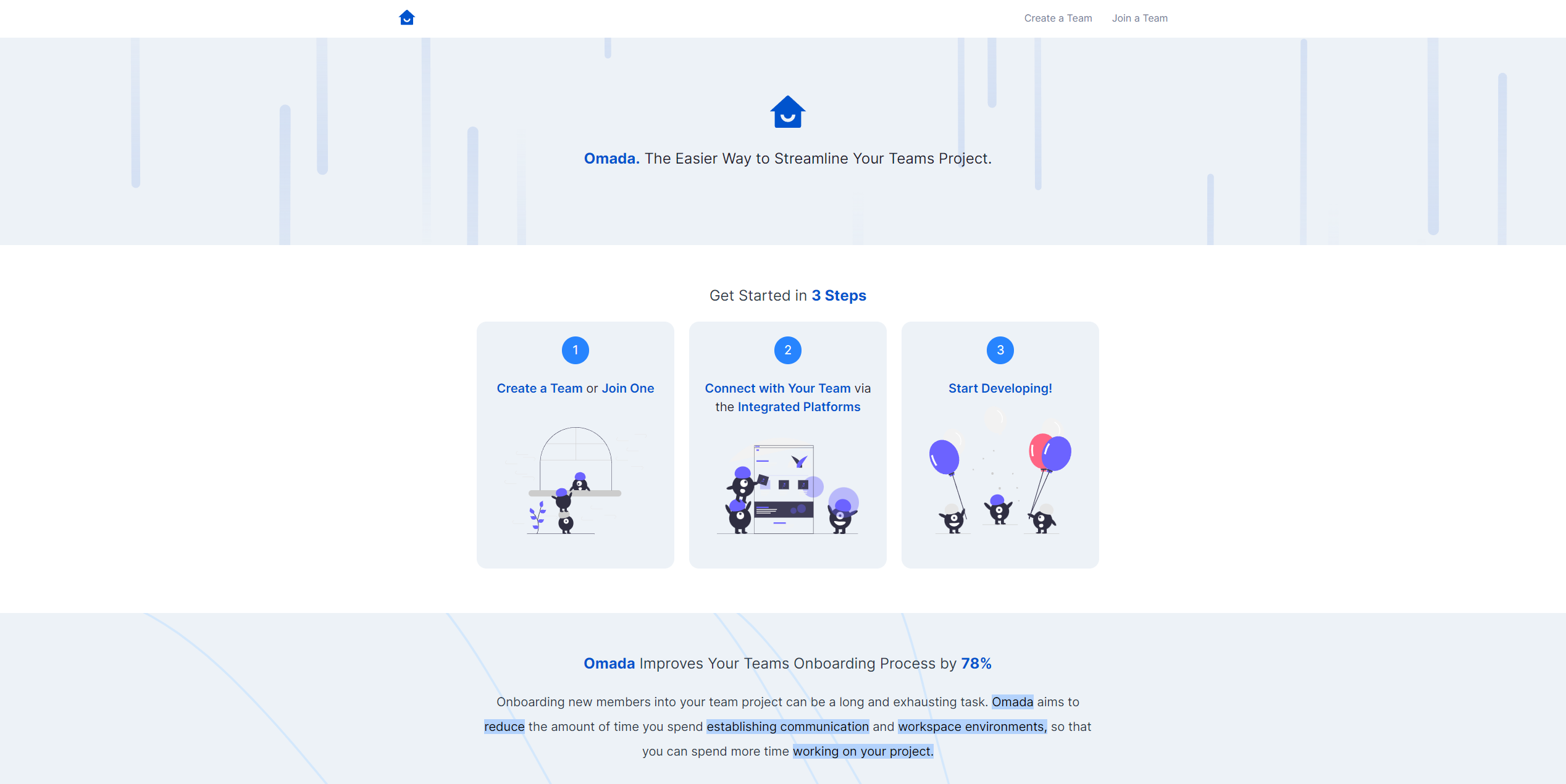
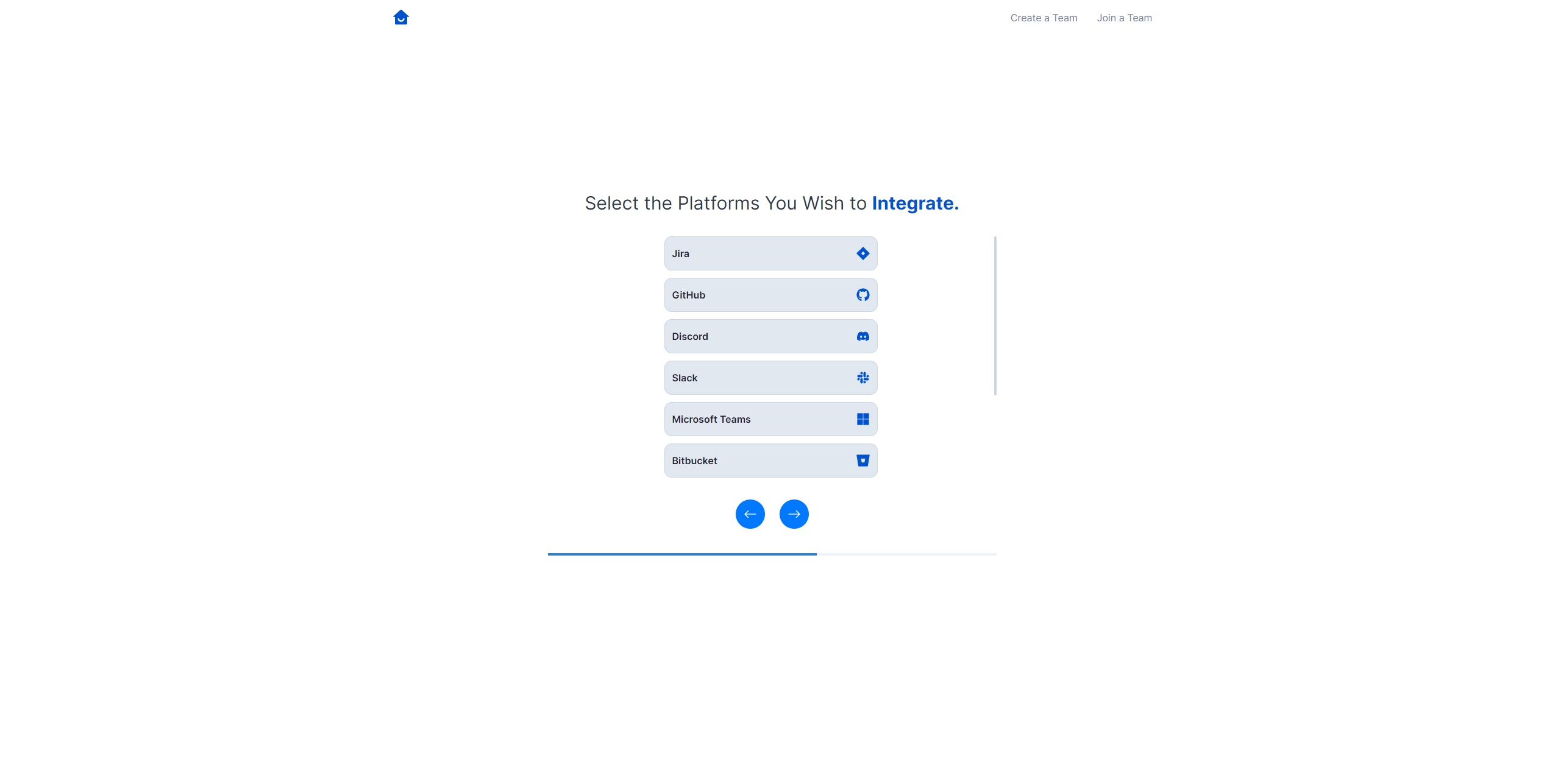
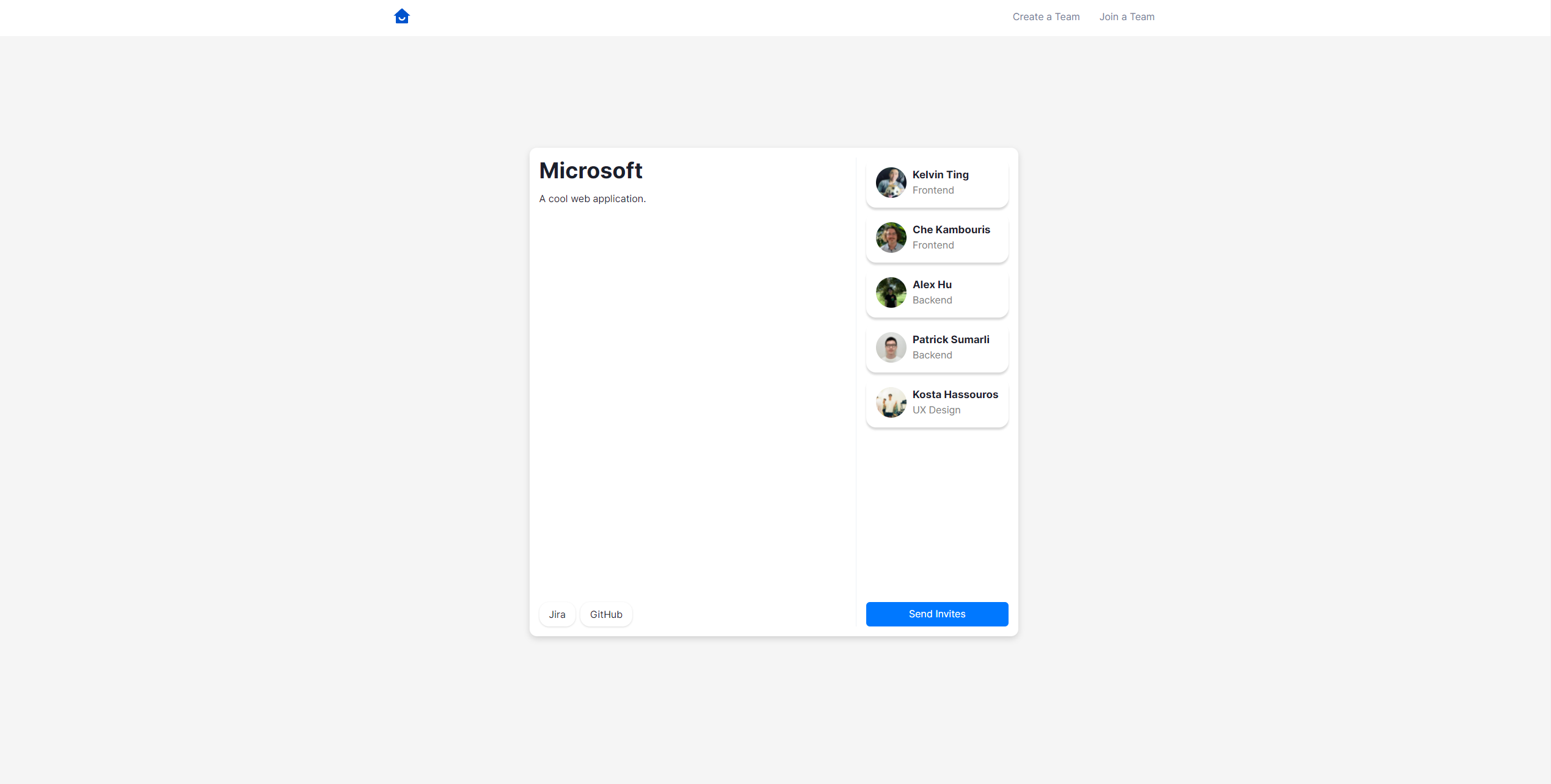
Our project changed focus on the second day of the UniHack when we took the advice of a mentor to make automation of workspace setups the primary feature. When someone enters the website with their account, they can choose to make a project in which they can add all of their workspace environments such as GitHub, Discord, Microsoft Team, Trello and more. Using these workspaces, the application will streamline the process of adding someone into their team, giving them the correct permissions and invite links.
How we built it
We built the project using NodeJS, MongoDB via Mongoose, ExpressJS, React with the ChakraUI framework. This stack gave us an efficient, batteries-included workflow which looked and performed great out of the box. For the project management side of things, we utilised Jira.
Using these technologies, we began by setting out a detailed and well-documented plan for the first few hours. When we were all satisfied with the plan, we created tickets and a rough timeline with which we were able to utilise each member with minimal conflicts.
Creating each component of the web application independently made seamless workflows up until the end, where the only job was to assemble it.
Challenges we ran into
The primary challenge we faced was when we decided to pivot into the automation-focused application rather than the original educational/networking app. In hindsight we should have retraced our steps and re-formulated the plan instead of attempting to adjust it.
The only other challenge was a lack of planning on how we were going to assemble the application once each page and component was completed, however with some minor modifications, we were able to make the final project. In a larger scale application, assigning someone to fit the pieces together and manage the tickets would be ideal.
Accomplishments that we're proud of
The most impressive part of our application would have to be the visuals. The animations, styles and design makes the website feel like a professional application you may see in a workplace.
That said, we are definitely proud of the sheer amount of content we were able to create in such a short amount of time. Our entire team had never before been a part of any Hackathon-like event, so we were not even sure if we were capable of completing an application within the short amount of time we were given.
What we learned
We learned a lot about team-work skills, project management, and time management skills. Our team has also improved in our coordination and honed our web development skills. You can expect our team to be on an even higher calibre for future updates and projects.
What's next for Omada (Team UofA #01)
Omada is a useful project management tool as is, but we would love to improve it more. The ability to manage each of the workspaces from a higher level, single page dashboard could streamline any changes to a project, and showing stats about contributor performance could prove useful to team leaders. They could review Trello, Jira, Github and even Discord performance metrics and frequency from a single place.
There is also the ability to, just like in our original idea, network and find teams. There is a plethora of routes to go from here.


Log in or sign up for Devpost to join the conversation.