-
-
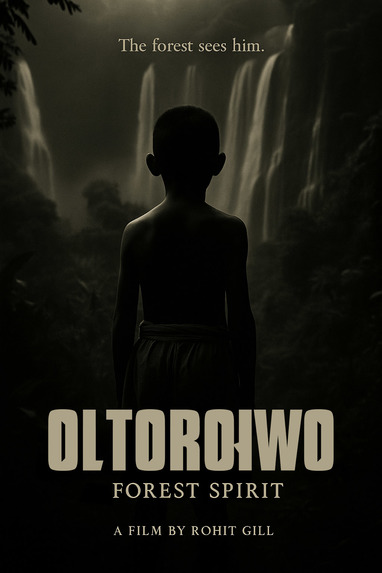
Oltoroiwo_Poster
-
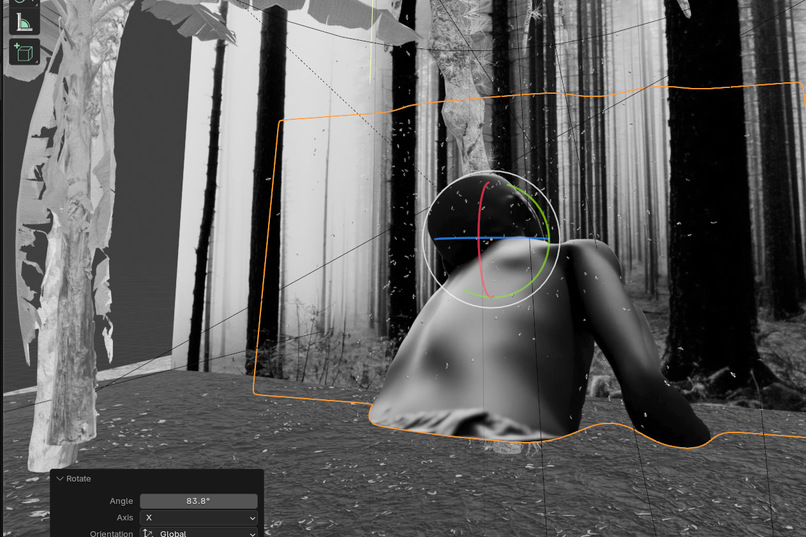
Depth Matte & 2.5D Projection
-
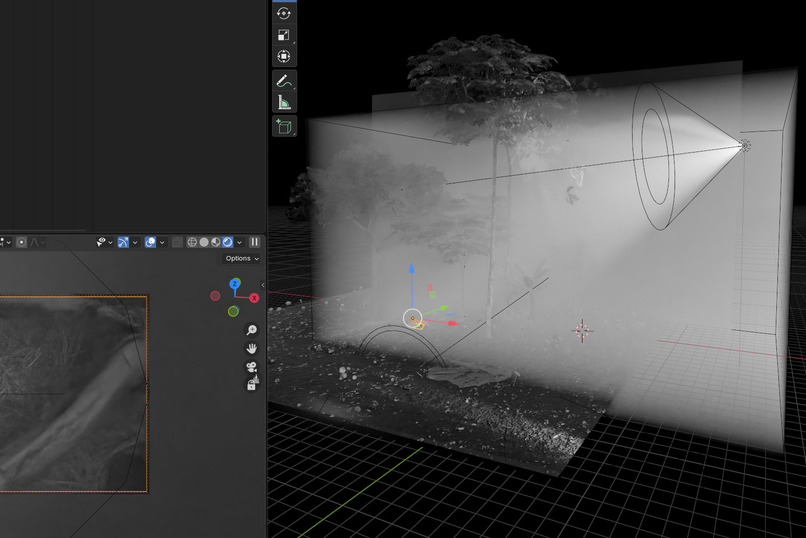
Volumetric Lighting & Atmospheric Pass01
-
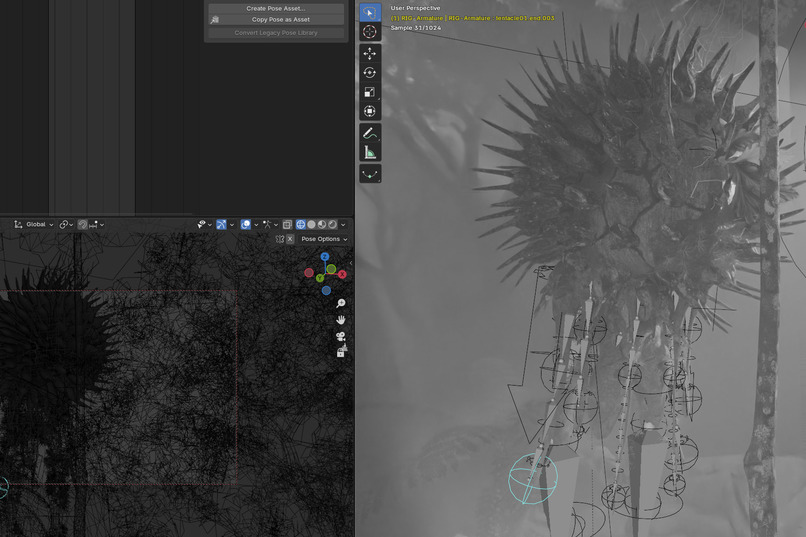
Volumetric Lighting & Atmospheric Pass02
-
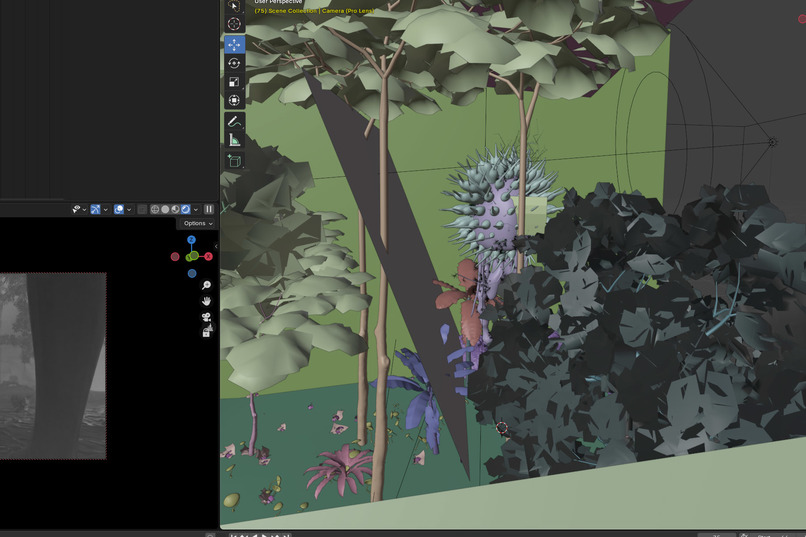
Blender Environment Setup
-
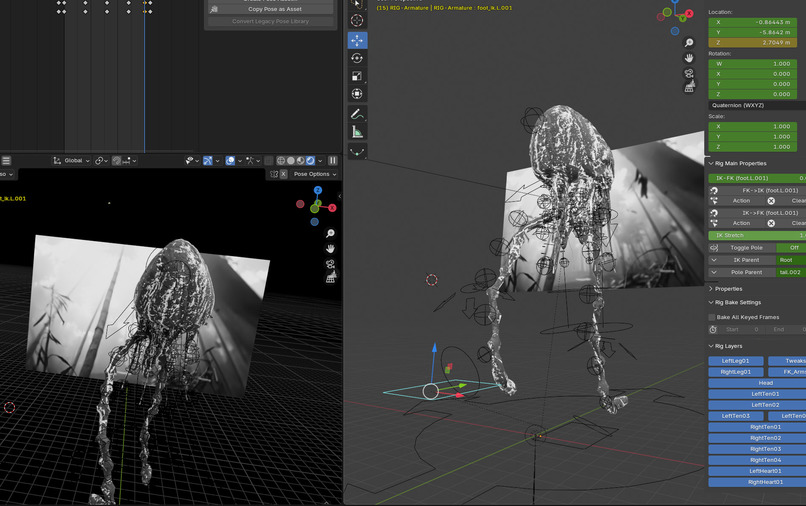
Creature Rig and Animation Setup
-
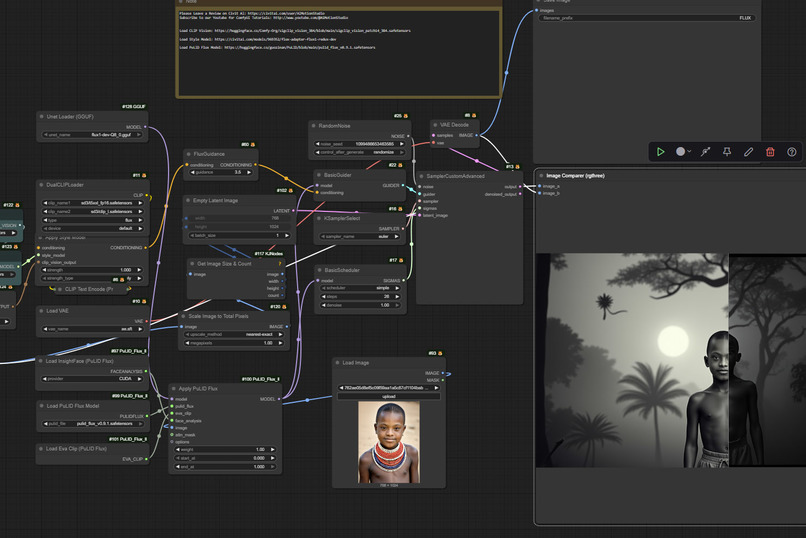
Face Swap
-
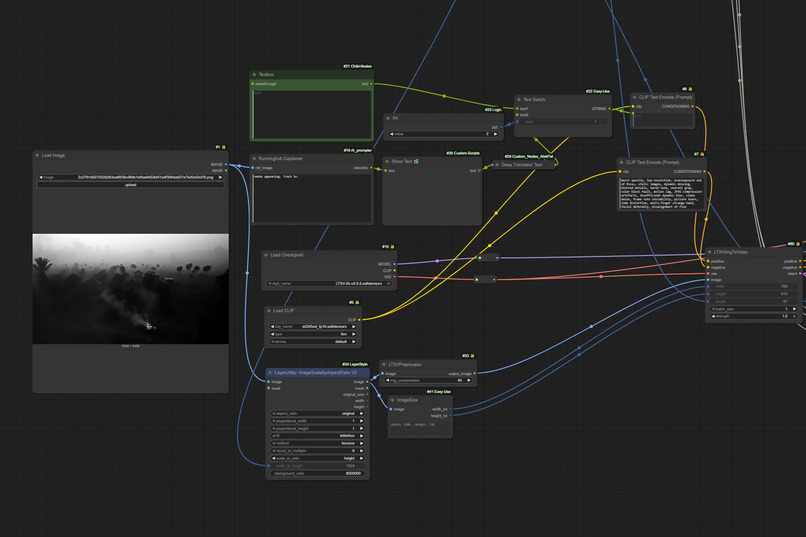
LTXV Video Generation
-
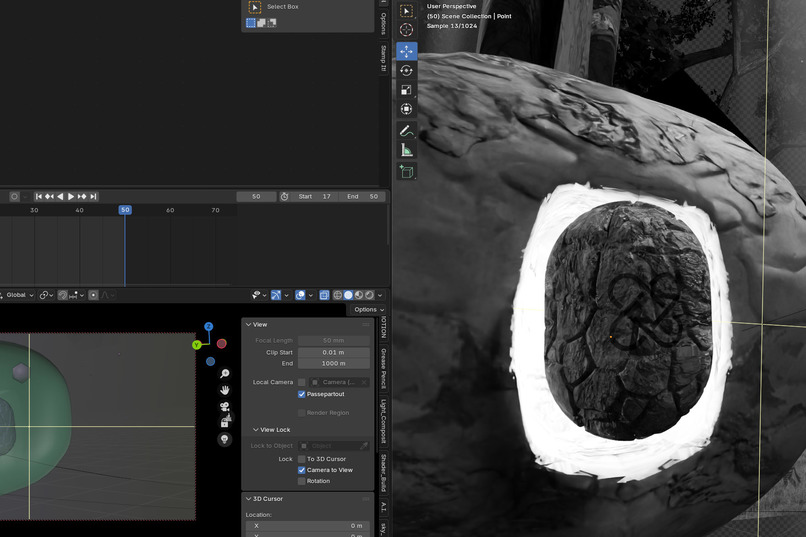
Stone
-
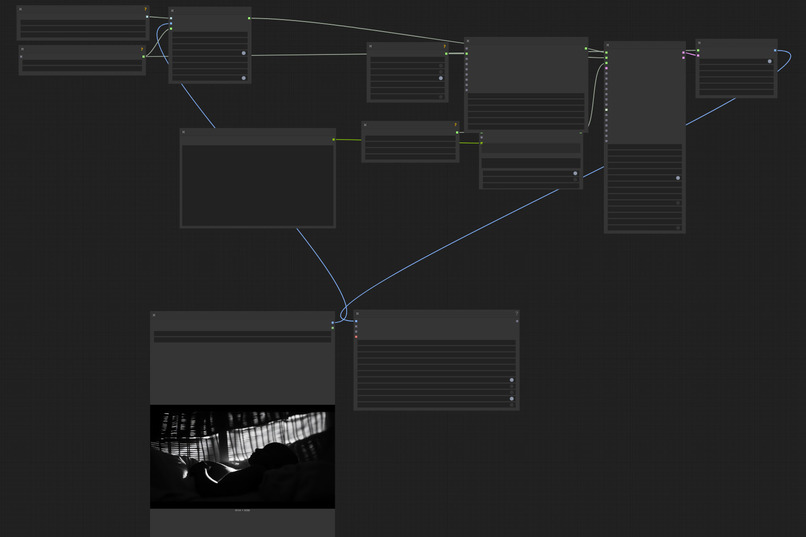
Wan 2.1 Image-generated video
-
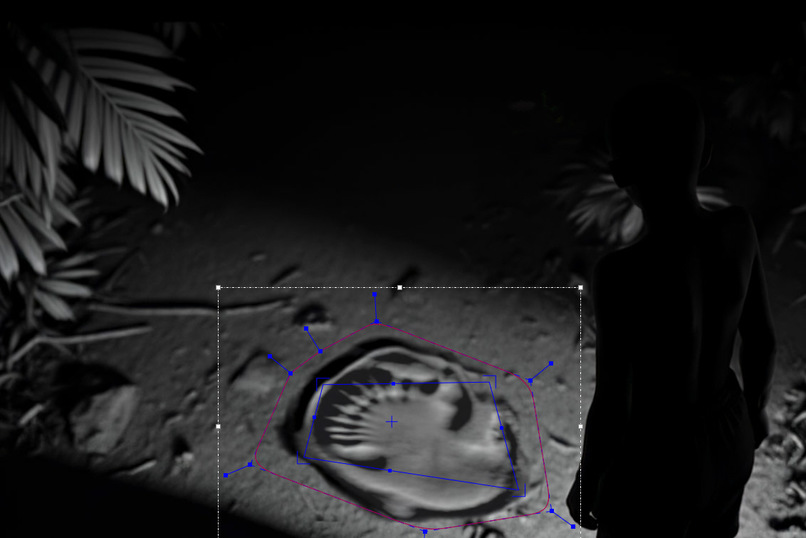
Mocha_AE
-
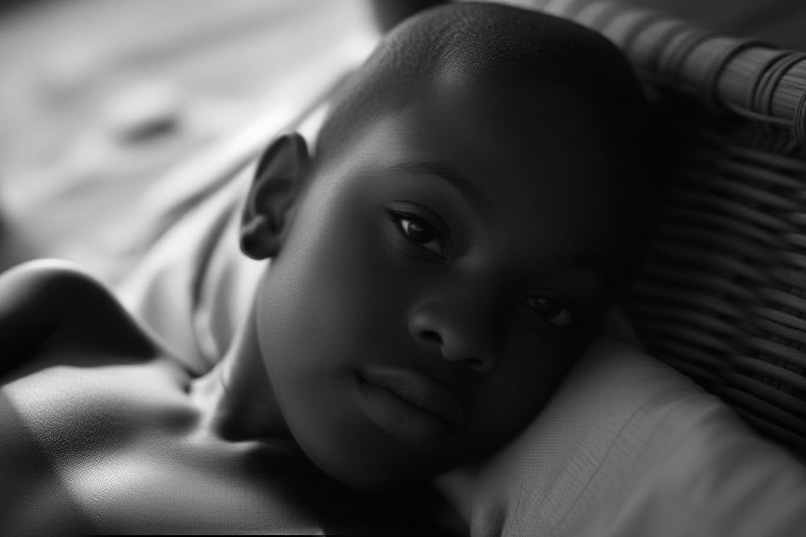
Hero - Ankene
-
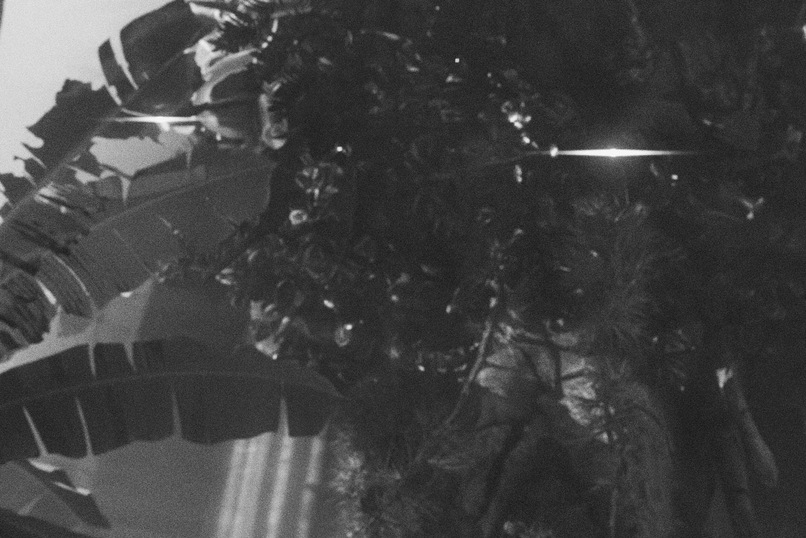
Creature - Guardian spirit
-
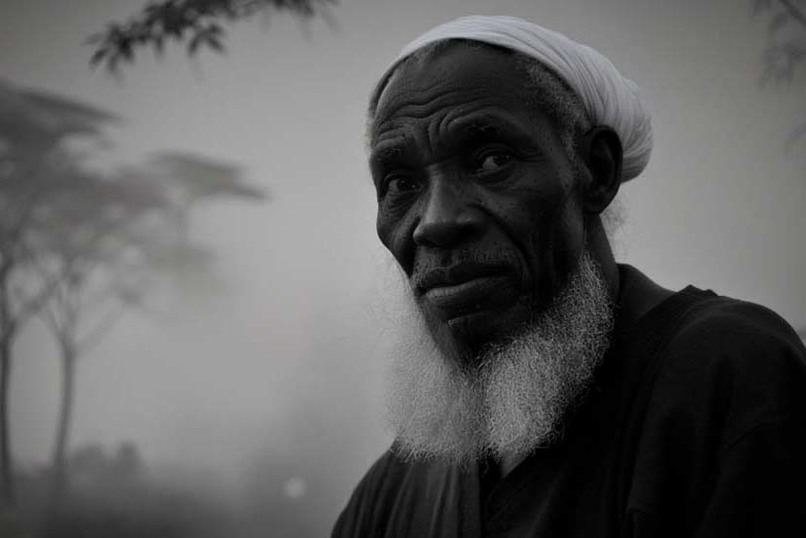
Elder (Mentor) - Saitoti


Oltoroiwo – Forest Spirit Inspiration
Oltoroiwo – Forest Spirit began as a story about a child stepping into fear and discovering who they truly are. I wanted to tell a fantasy narrative from the viewpoint of a selectively mute child with additional needs, expressing emotion through breath, gesture, and silence.
The film draws on three mid-century classics that shaped my approach:
Godzilla (1954) for its textured film stock and mythic presence
Kurosawa’s Throne of Blood (1957) for fog, ritual, and elemental imagery
Satyajit Ray’s Pather Panchali (1955) for intimacy, humanity, and realism
My goal was to merge these influences into a neo-realist fantasy, using modern AI/VFX tools while grounded in analogue emotional truth.
What it does
The film follows a silent boy entering a sacred forest to confront a guardian spirit that tests his courage. It blends AI-generated visuals, CGI environments, atmospheric lighting, analogue-style texture, and an original score with African percussion to create a quiet, ritualistic experience where mythology and inner fear shape the world.
How we built it AI Generation
ComfyUI pipelines for image generation and stylisation
Flux models for cinematic lighting and texture
Kling AI, Hailuo AI, Wan 2.1 for video generation
Custom face-swap workflows for identity continuity
Photoshop inpainting for cleanup and artefact repair
E2 F5-TTS for voice-over
Hedra AI for syncing VO to character movement
Stable Audio for generative ambience
CGI / VFX / Hybrid Workflows
ZBrush for the creature sculpt
Blender for creature textures, environments, volumetrics, and lighting
Depth matte / Z-projection workflow for 2.5D environment integration and accurate parallax
Mossify geometry nodes for vegetation
Physical Starlight & Atmosphere for sky and sunlight modelling
Volumetric scattering for depth
Gobo lighting for patterned shadows
Handheld virtual cinematography to emulate neo-realism
Mocha for planar tracking
After Effects for compositing, spectral layers, fog passes, and analogue textures
Topaz for upscaling and detail enhancement
Sound & Editing
Original score and sound design by James Morris
African drums and percussion by Christian Takadoum
Edited in Premiere Pro
Graded using FilmConvert to emulate mid-century film stock
Challenges we ran into
- Face morphing and identity stability
Generative AI models kept altering the boy’s facial structure between shots. Stabilising identity required regeneration, face-swaps, inpainting, and compositing.
- Keeping fantasy grounded in realism
The biggest creative challenge was avoiding over-stylisation. I repeatedly pulled the imagery back toward handheld, believable, grounded cinematography.
- Unifying multiple AI systems
ComfyUI, Flux, Kling, Hailuo, and Wan 2.1 each produced different aesthetics. Achieving coherence required heavy colour grading and repeated iteration.
- Atmospheric consistency
Volumetrics, Mossify, and Physical Starlight & Atmosphere simulated light differently. Matching fog density, shadow behaviour, and atmospheric tone required extensive tuning.
- Integrating AI motion with CGI
Hedra AI syncing, AI video generation, and Mocha planar tracking required precise compositing to maintain believable movement.
- Achieving analogue warmth in digital workflows
Recreating a 1950s-style texture required layered grain, flicker passes, FilmConvert grading, and hand-adjusted colour science.
Accomplishments that we're proud of
Creating a grounded, emotional fantasy told through a silent protagonist
Successfully blending AI, CGI, and analogue-style aesthetics
Designing an original guardian-spirit creature
Achieving visual consistency across multiple AI systems
Building a repeatable hybrid AI/VFX filmmaking pipeline
Producing a tactile, mid-century look using digital tools
Completing the film with a small, focused team
What we learned
How to stabilise AI-generated characters
How to merge generative and traditional VFX workflows
How silence can carry emotional weight in storytelling
How to control volumetrics and environment systems in Blender
How to integrate AI audio without losing human warmth
How analogue texture enhances digital worlds
What's next for Oltoroiwo – Forest Spirit
The next step for Oltoroiwo – Forest Spirit is to expand its mythology into a connected follow-up short set during the North African campaign of World War II. This new story follows Jaspal, a Sikh war cameraman assigned to document an archaeological team in the desert. After a collapse traps him inside an ancient tomb, Jaspal begins filming on his hand-cranked Bolex camera, only to discover that the camera reveals things his eyes cannot — including a new manifestation of the same guardian spirit.
This continuation allows the creature to exist across eras and cultures, turning the Bolex into a gateway between myth and reality. The aim is to deepen the themes of fear, identity, and liminal space while evolving the analogue–digital aesthetic established in the original film.
Built With
- adobe-creative-sdk
- e2
- mocha
- stable
- topaz

Log in or sign up for Devpost to join the conversation.