Inspiration
Human–wildlife conflict has increasingly become a recurring reality, frequently appearing in news and policy discussions. In regions like Kerala, it has even been recognized as a state-specific disaster. From the stories of Jim Corbett’s man-eaters to present-day incidents, the problem persists. Often it is the weakest or displaced wildlife that attacks humans, largely due to their superior sensing abilities, coupled with factors such as habitat loss, climate change, and declining food sources.
While humans may be aware that wildlife exists nearby, they cannot sense or predict encounters early enough, whereas animals can detect human presence from a distance and prepare to react. This sensory imbalance often leads to sudden encounters and panic-driven fight-or-flight responses, resulting in fatalities. This project was inspired by the question:
How can human senses be augmented to approach the awareness of the wild and create time to retreat safely?
What it does
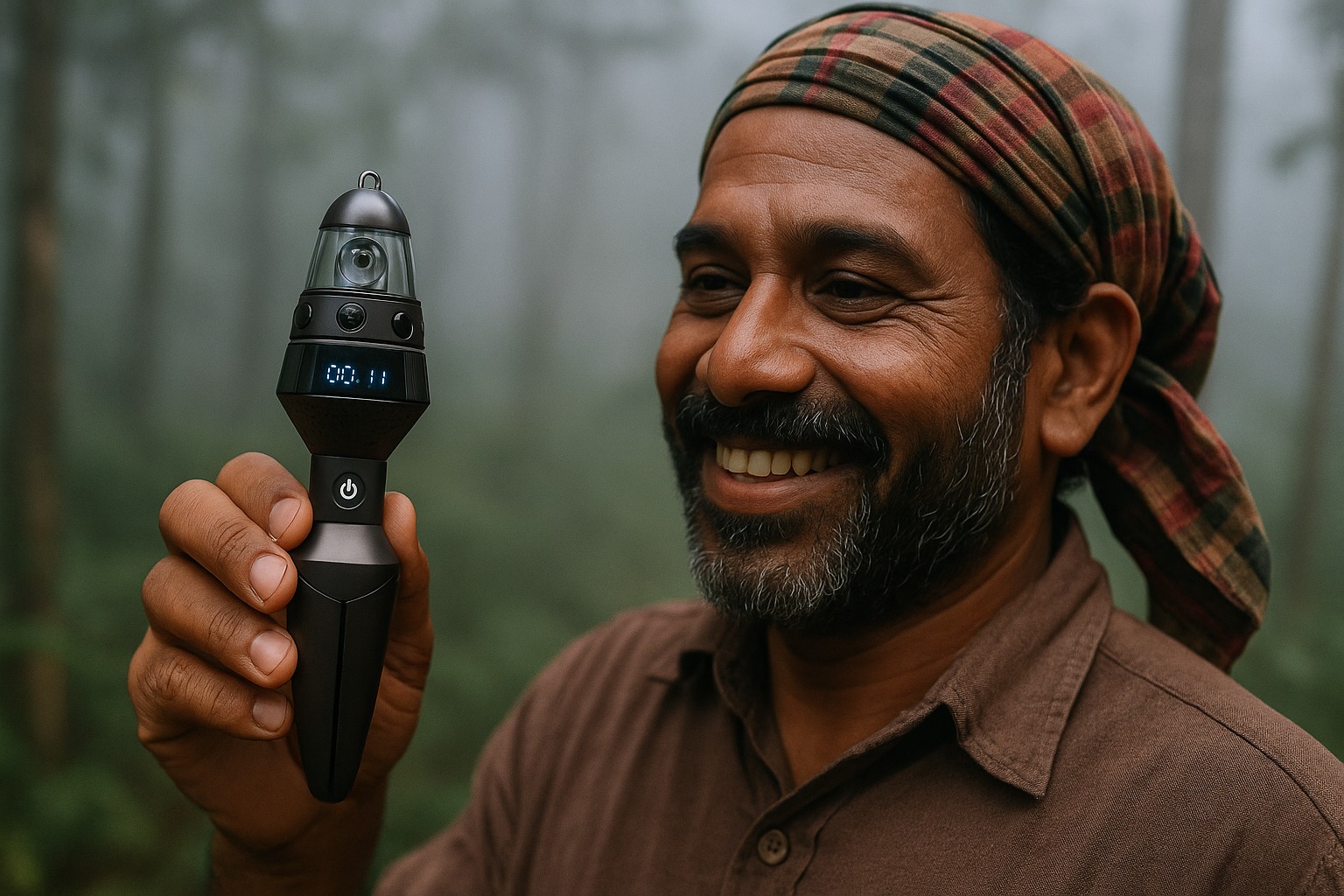
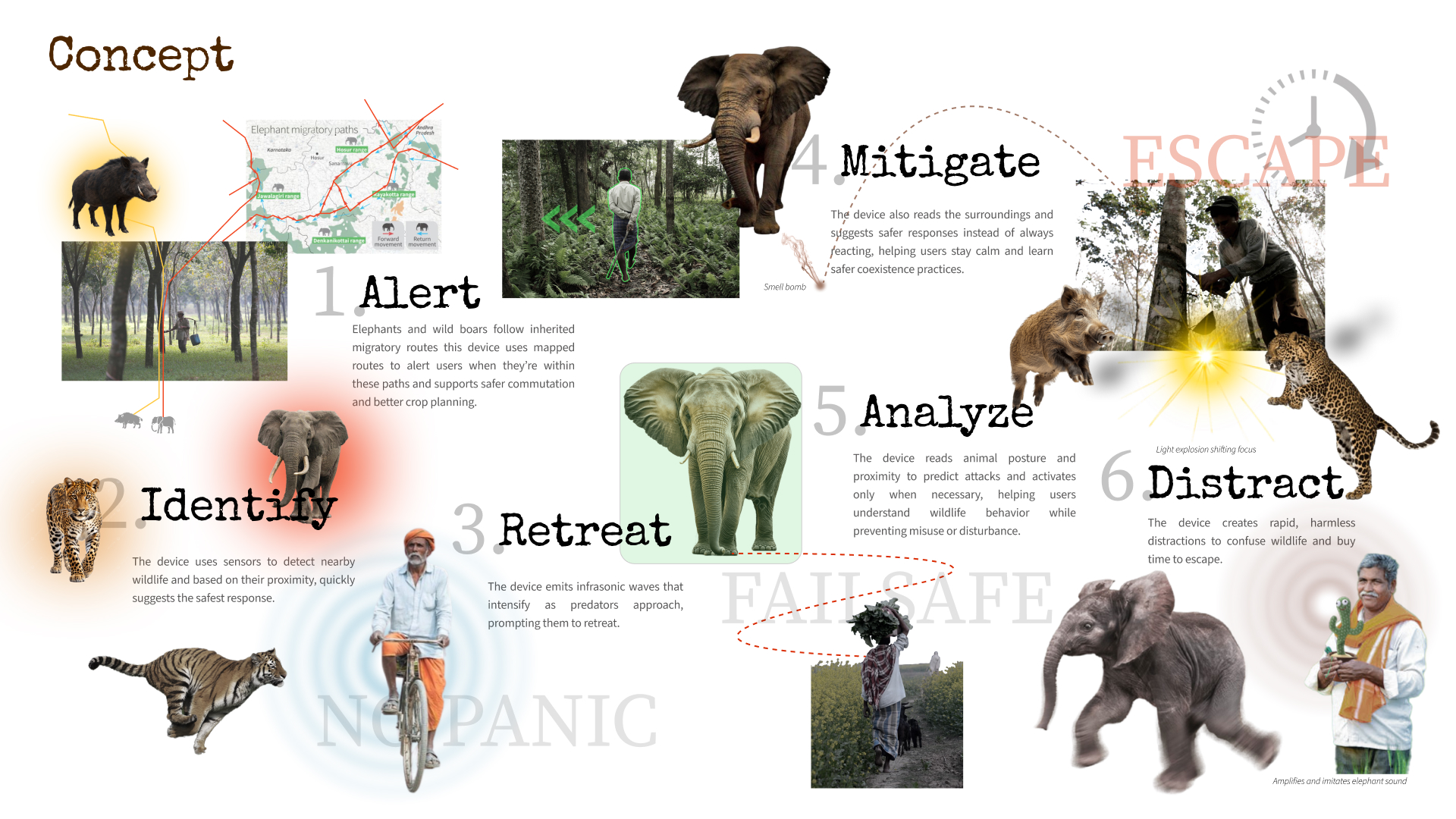
OLI is a lightweight sensory augmentation device designed to help humans detect and interpret nearby wildlife presence. Using thermal sensing and behavioral cues such as proximity and posture, the device predicts possible encounters and provides subtle alerts to the user.
The system introduces a three-level response mechanism based on how close the animal is:
- Ultrasonic signals (audible only to animals) encourage them to retreat.
- Bee sound emission, which many animals instinctively avoid without waiting for visual confirmation.
- Directional flashlights that create momentary visual disruption if the animal gets dangerously close.
By translating environmental signals into intuitive feedback, OLI buys crucial seconds for humans to retreat safely, helping balance human perception with the instincts of wildlife.
How we built it
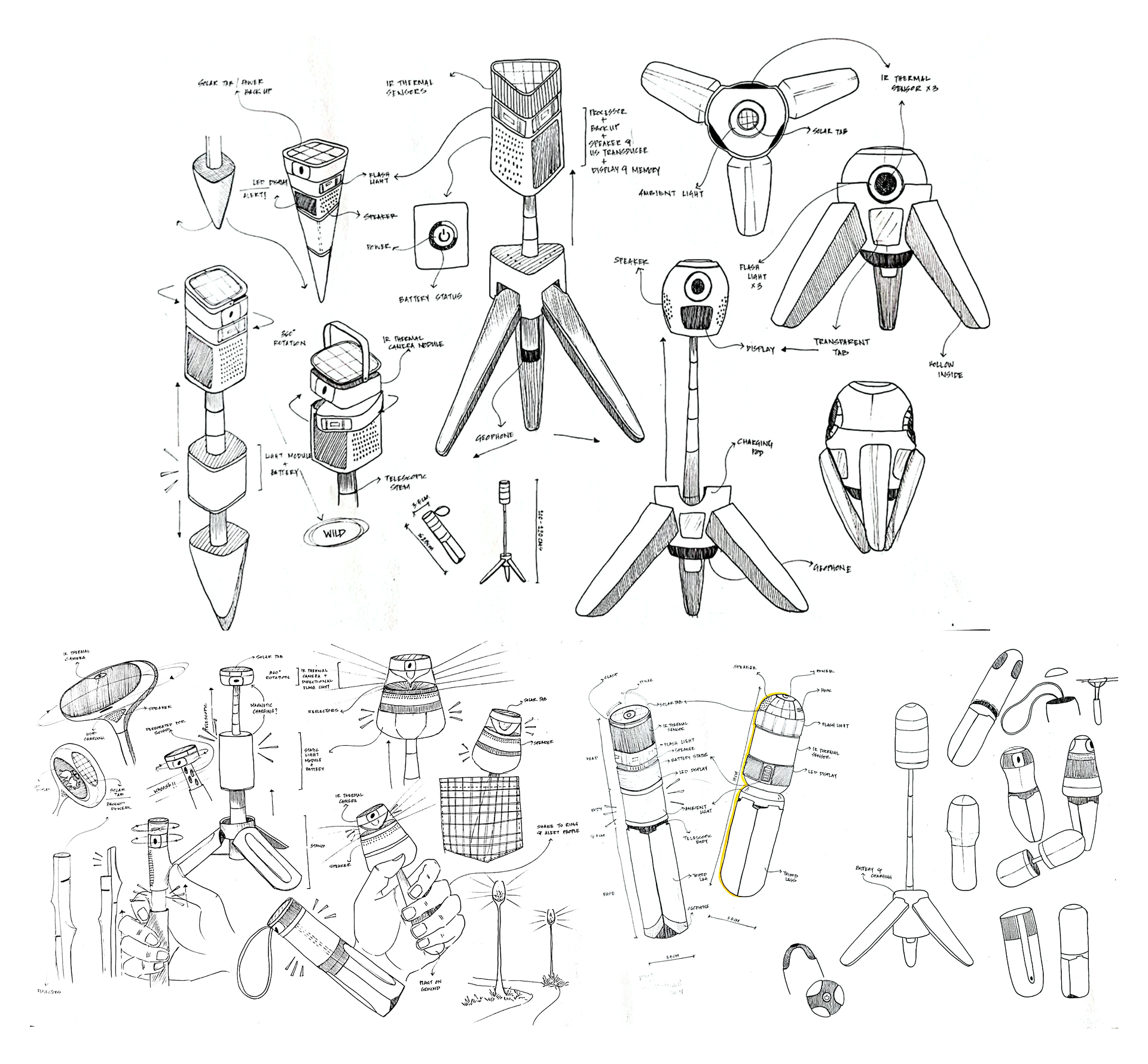
The device was developed through multiple rounds of research, ideation, and iteration, focusing on the real needs of people living and working in forest fringes.
The current form integrates:
- Three thermal sensors for detecting wildlife presence and posture
- Three infrared cameras providing all-round environmental awareness
- Three directional flashlights aligned with each sensor for targeted response
- Ultrasonic emitters and acoustic deterrents
- GPS-based geofencing with preloaded migratory routes and time-based wildlife movement data
To keep the device affordable and reliable in remote areas, it uses a no Wi-Fi / no Bluetooth approach, relying instead on preloaded environmental data. The device is USB rechargeable, with future considerations for solar-assisted charging. It can also extend onto a small tripod, allowing it to monitor surroundings while users work in fields without constantly carrying it.
Challenges we ran into
One of the biggest challenges was balancing technological capability with real-world usability. Many potential users may not be digitally advanced, so the device needed to remain intuitive, simple, and non-intrusive.
Other challenges included:
- Designing a system that does not invade human privacy
- Preventing the device from becoming heavy or burdensome
- Keeping the cost affordable for rural communities
- Ensuring the system does not harm or provoke wildlife
- Avoiding rapid animal habituation to deterrence methods
Creating a product that responds ethically while remaining effective required careful consideration of animal behavior, human habits, and environmental constraints.
Accomplishments that we're proud of
- Designing a device that augments human sensing rather than aggressively deterring wildlife
- Developing a multi-layer response system based on animal proximity and posture
- Integrating behavioral insights of wildlife into product functionality
- Creating a solution that respects human dignity, animal ethics, and environmental coexistence
- Designing the product to be lightweight, affordable, and adaptable for rural use
Most importantly, the project reframes mitigation not as conflict management but as a tool for coexistence.
What we learned
This project revealed that the root of many conflicts lies in the sensory imbalance between humans and wildlife. Animals often detect humans long before humans detect them. Through studying both human behavior and wildlife ecology, it became clear that deterrence alone cannot solve the problem. Long-term sustainability depends on awareness, prediction, and coexistence rather than confrontation. Designing technology for sensitive ecological contexts also requires deep consideration of ethics, usability, privacy, and social acceptance.
What's next for OLI
The next step is field testing with real users living in forest fringe communities. Observing how people interact with the device in real environments will help refine its responsiveness, usability, and effectiveness.
Future improvements may include:
- Solar-assisted charging
- Improved behavioral prediction models
- Enhanced durability for rugged environments
- Expanded wildlife movement datasets
Ultimately, the goal is to evolve OLI into a practical tool that helps restore the balance of senses between humans and the wild, supporting safer coexistence.


Log in or sign up for Devpost to join the conversation.