Project Name
Oki-Doki: AI Companion for Mental Well-being & Daily Support
Track Selection
Neuroscience & Mental Health
Project Description
Oki-Doki is a context-aware AI companion designed to support students dealing with stress, anxiety, and mental fatigue in daily life.
In many communities, including student environments, mental health support is either inaccessible, stigmatized, or reactive. People often struggle silently without consistent support.
Oki-Doki addresses this by acting as a continuous, non-judgmental presence that understands user behavior and provides timely emotional and practical support.
Problem (Real + Specific)
Students frequently experience:
- Academic pressure and burnout
- Lack of accessible mental health resources
- Hesitation to seek help due to stigma
This leads to unaddressed mental stress, reduced productivity, and long-term health impact.
Solution
Oki-Doki uses AI to:
- Detect behavioral patterns (activity, speech, usage signals)
- Identify possible emotional states
- Provide real-time support (conversation, nudges, reminders)
- Encourage healthier routines and habits
It focuses on early intervention, not just crisis response.
How Claude AI is Used (VERY IMPORTANT)
Claude is central to Oki-Doki’s intelligence:
- Conversational Reasoning: Generates emotionally aware, context-sensitive responses
- User State Understanding: Interprets behavioral signals into meaningful insights
- Decision Layer: Decides when and how to intervene (nudges vs conversation)
- Structured Outputs: Produces actionable suggestions based on user context
Claude is not just used for chat—it acts as the core reasoning engine behind the system.
How it Works (Implementation)
- A Python-based local agent monitors user interaction patterns
- Data is stored using PostgreSQL + pgvector for semantic memory
- Speech recognition (Whisper) enables voice interaction
- AI processes inputs and generates responses in real-time
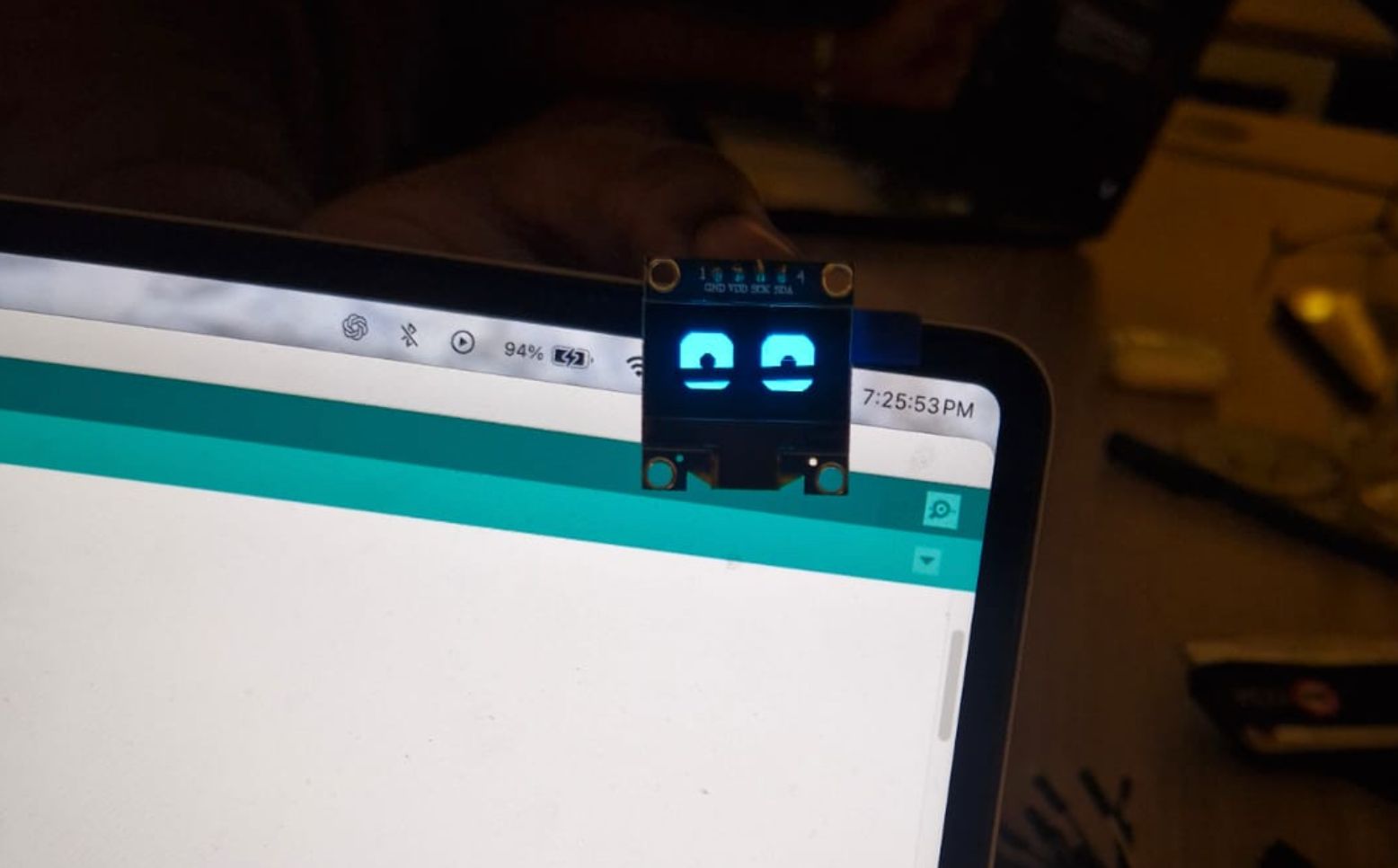
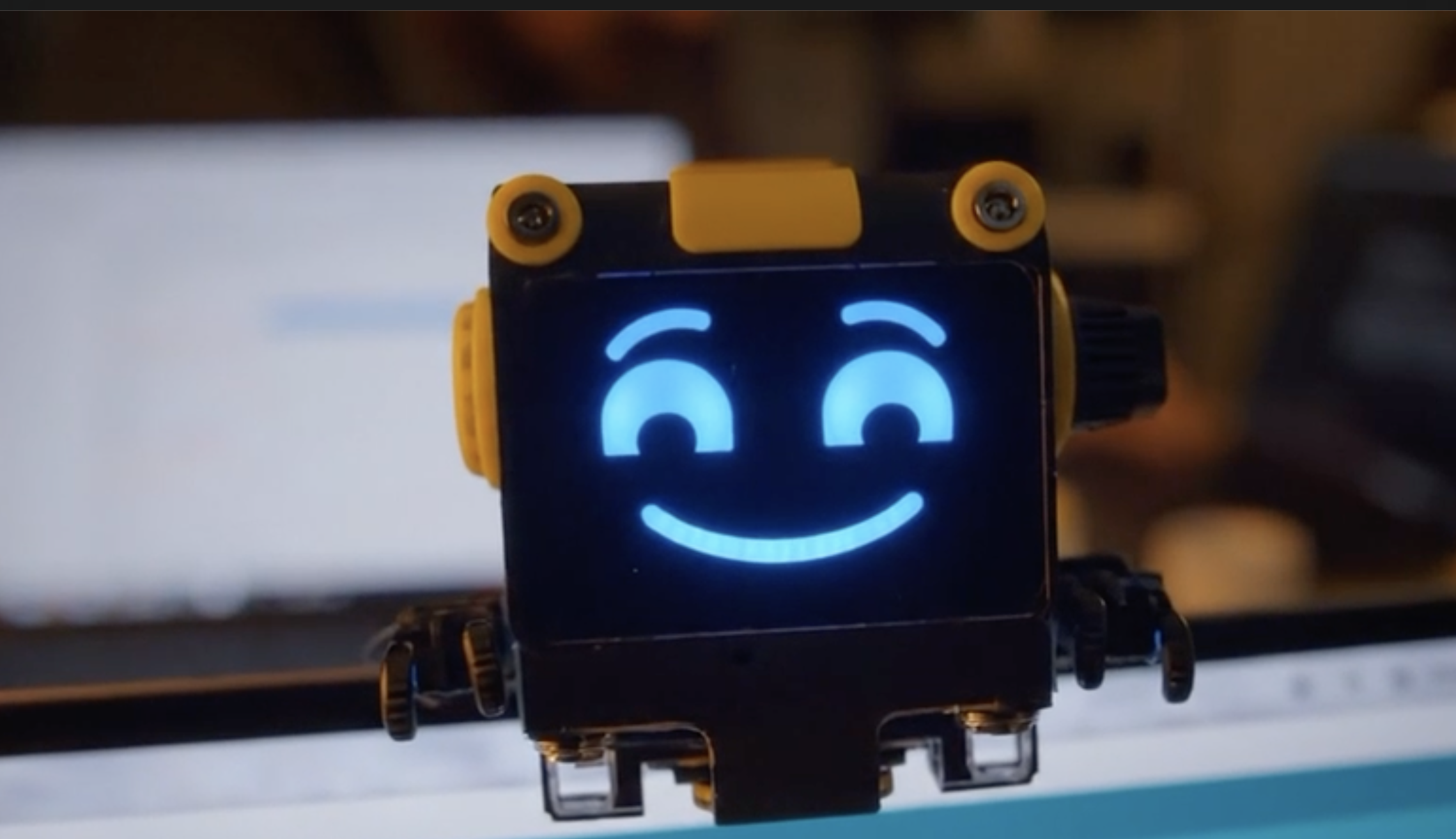
- Optional ESP32 hardware layer enables physical feedback
We also implemented the Me-Do framework:
- Me → Understand emotional state
- Do → Convert into actionable support
Impact Potential
- Provides accessible mental support without stigma
- Works continuously, not just when opened
- Can scale across schools, colleges, and workplaces
- Especially valuable in regions with limited mental health infrastructure
Ethical Alignment
- Designed to assist, not replace human support
- Avoids making critical medical decisions
- Encourages seeking professional help when needed
- Focuses on privacy-first processing (local + controlled data use)
- Keeps users in control of their data and interactions
Technical Execution
- Multi-layer system combining AI, local processing, and cloud sync
- Real-time interaction pipeline (voice + behavioral signals)
- Semantic memory for personalization
- Hardware + software integration
Presentation Video
https://drive.google.com/file/d/1n9O97OijyY3VhWEWojuTXZnZ2BTYCbyY/view
Built With
- ai
- api
- arduino
- behavioral
- c++
- claude
- computer
- computing
- edge
- embeddings
- esp32
- framework
- gemini
- human-centered
- iot
- javascript
- me-do
- memory
- natural-language-processing
- next.js
- pgvector
- platformio
- postgresql
- python
- react
- real-time
- semantic
- speech-to-text
- sql
- sqlite
- supabase
- systems
- text-to-speech
- typescript
- vision


Log in or sign up for Devpost to join the conversation.