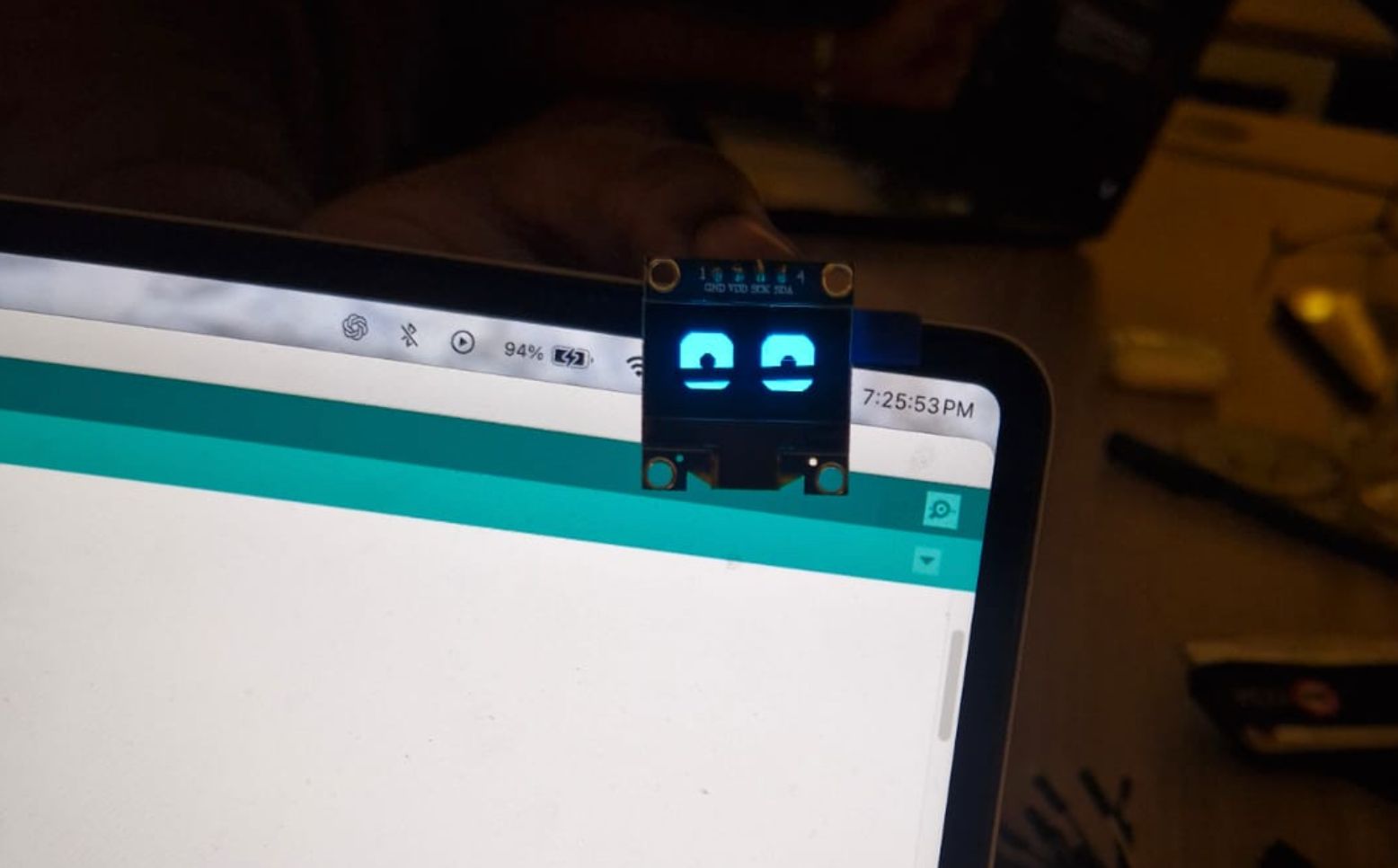
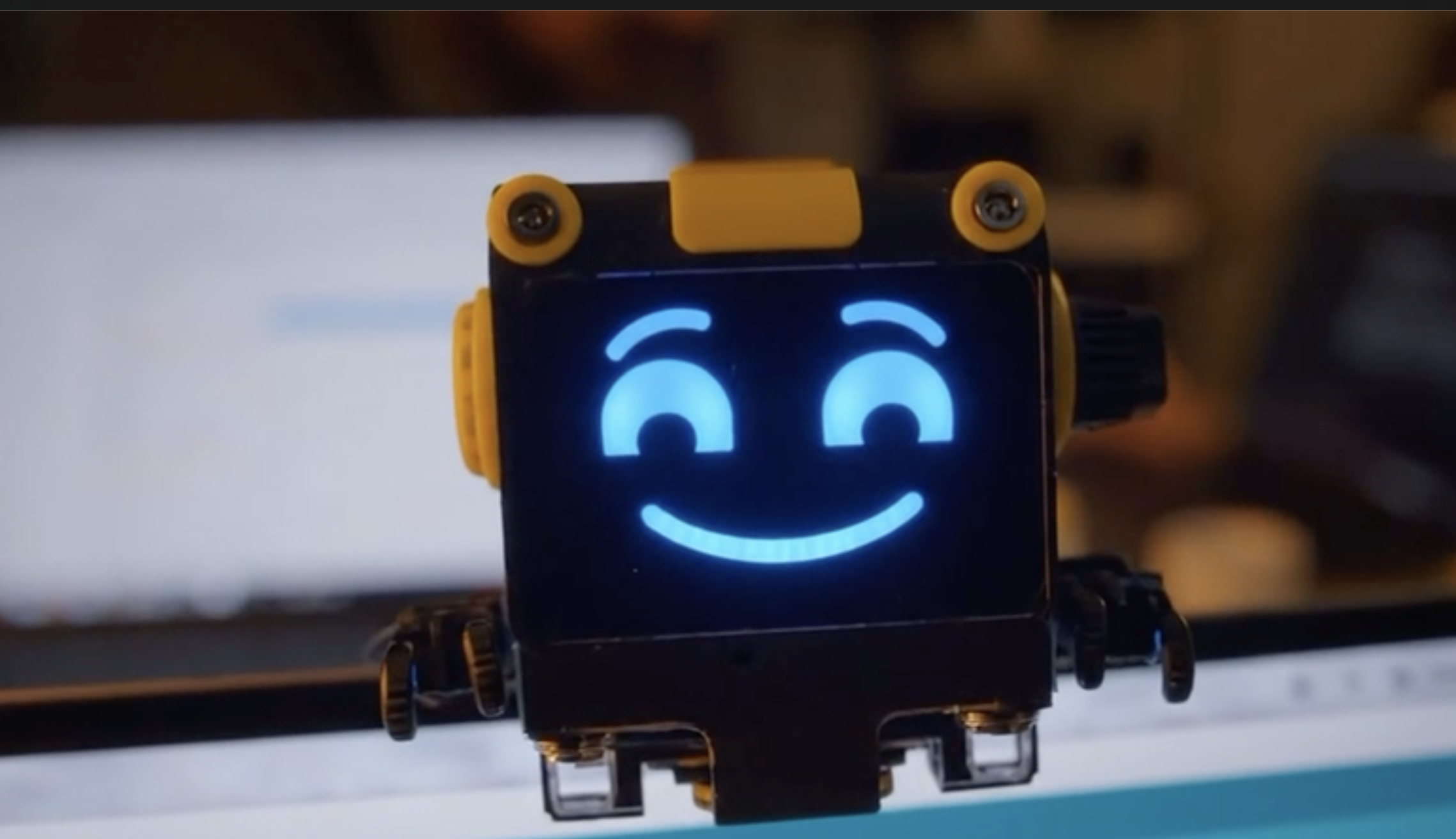
We realized that in a world full of technology, people still feel alone. Oki-Doki was created to be more than an app— to be a presence that stays, listens, and cares.
What it does Oki-Doki is an AI-powered emotional support system that lives seamlessly across your devices (laptop, mobile, etc.).
It acts as a proactive mental wellness companion by:
Monitoring behavioral patterns through interaction signals Providing real-time emotional support via conversational AI Offering personalized coping suggestions and check-ins Acting as a continuous presence—not just an app you open
Unlike traditional tools, Oki-Doki is designed to feel like something that stays with you, not something you visit.
How we built it We combined multiple technologies to create a unified experience:
Frontend: Responsive interface that floats across devices AI Layer: NLP-based conversational engine for emotional interaction Behavioral Analysis: Pattern recognition from user interactions Cloud Integration: Ensures continuity across devices Prototype System: Demonstrates real-time response + presence concept
The core idea was to build not just a chatbot—but a living interface layer that integrates into daily digital life.
Challenges we ran into Emotional accuracy: Making AI responses feel human, not robotic Real-time presence: Ensuring seamless experience across devices Privacy concerns: Handling sensitive user data responsibly Scope vs time: Building a meaningful MVP within hackathon constraints Accomplishments that we're proud of Built a functional prototype that demonstrates continuous presence Designed a unique positioning beyond typical mental health apps Created a clear product vision that resonates emotionally and technically Delivered a concept that is both scalable and deeply human-centric
What we learned Users don’t just need solutions—they need companionship Emotional design is as important as technical execution Simplicity in interaction creates stronger engagement The future of AI lies in presence, not just intelligence
What's next for Oki-Doki Improve AI emotional intelligence using better models and datasets Add voice + visual interaction layers (camera-based awareness) Build privacy-first architecture with local processing options Launch beta testing with real users for feedback Explore partnerships with mental health professionals Scale into a full ecosystem of ambient AI companions
Me-Do Integration (Human-Centered Layer) Me-Do Framework — bridges mental (Me) and behavioral (Do) states Converts emotional insights into actionable nudges (e.g., hydrate, move, reflect) Works on top of AI outputs to ensure real-world impact, not just conversation Enables habit formation + emotional regulation loop Personalizes interventions based on user patterns stored in semantic memory
demo link - https://drive.google.com/file/d/1n9O97OijyY3VhWEWojuTXZnZ2BTYCbyY/view
Built With
- arduino
- c++
- google-genai
- hydrate
- javascript
- me-do
- me-do-framework
- move
- python
- reflect)-works-on-top-of-ai-outputs-to-ensure-real-world-impact
- sql
- supabase
- typescript

Log in or sign up for Devpost to join the conversation.