Okanegotchi
Inspiration
Checking your finances can feel really overwhelming, especially as college students, learning to manage your own money for the first time. We wanted to make that habit feel more approachable and appealing. Inspired by the retro theme and fun old clunky hardware, like the Tamagotchi, we imagined a small pixel pet that helps you notice your spending, celebrate progress toward savings goals, and build a routine of checking in. The name 'Okanegotchi' is a play on the toy with 'Okane' meaning money and 'gotchi' meaning watch/wearable in Japanese!
Our main idea is that the pet should respond to awareness, not reward spending. Buying food might make it eat, an Uber might send it traveling, and progress toward a savings goal might spark a celebration! Caring for the pet comes from reviewing your finances, so you never need to buy anything to keep it happy.
What we built
We built the first version of Okanegotchi’s companion website with React, Vite, TypeScript, and Tailwind CSS. Visitors can try a demo without creating an account, choose an animated sprite Gator, Robot, or Duck, and save a companion name and preferences. The demo also includes fictional financial accounts and transactions, spending views, and a savings goal that tracks progress against a connected demo account.
We explored how a person might send their choices to a physical pet through an animated “letter to your egg.” The website packs the selected companion and preferences into a proposed data packet, then uses a simulator to show delivery, offline, and retry states. We also added Supabase sign-up and login flows, although live authentication still needs verification with a configured project.
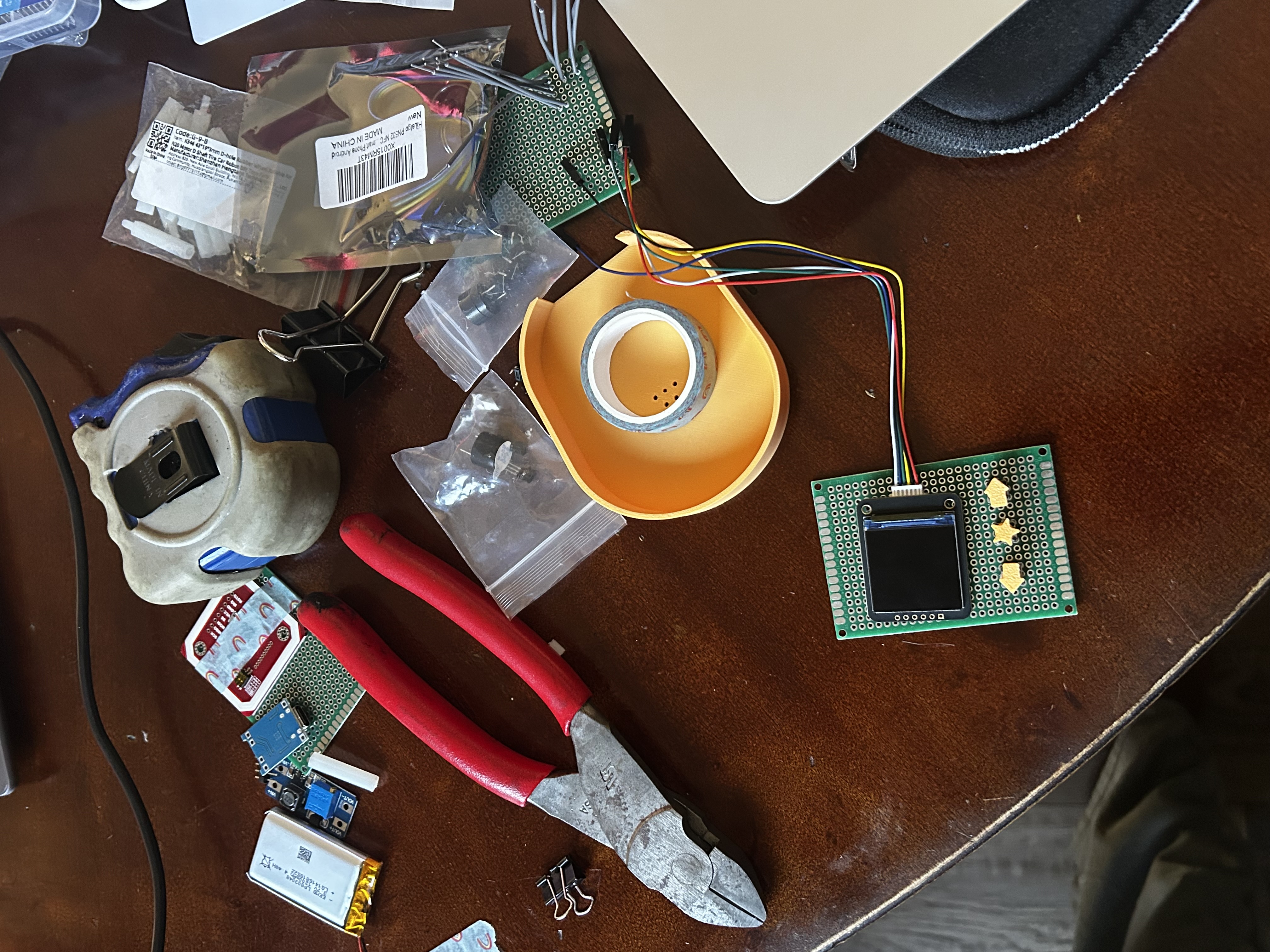
The handheld is central to our vision: its pixel pet would animate on the device itself, while the website would provide setup, financial context, and explanations. Physical pairing, live bank connections, and delivery to a real device are still future integration work.
Challenges we faced
The hardest design question was how to make financial feedback feel encouraging without implying that spending money is good for the pet. We separated the pet’s care from transaction activity: financial events can prompt reactions, but check-ins drive care. We also clearly labeled every account, balance, and transaction in the current demo as fictional.
Connecting a website to a handheld raised another challenge. A device may be offline when someone changes a setting or triggers an event. We designed and simulated packet validation, queued delivery, retries, and uncertain receipt states so those cases are visible before connecting physical hardware. Our next integration step is agreeing on shared pet assets and data fields across the website and firmware teams.
What we learned
We learned that a playful interface still needs precise rules. A celebration should have a clear cause, a savings goal should explain how its progress is calculated, and a delivery animation should never claim that a physical device received something when it has not. Building the demo helped us turn a broad idea into testable screens, data formats, and questions for our hardware team.
Okanegotchi is a step toward making financial check-ins feel less like a chore and more like a small, fun daily ritual.
Built With
- canvas
- claudecode
- codex
- css
- html
- javascript
- react
- supabaseauth
- tailwind
- typescript
- vite


Log in or sign up for Devpost to join the conversation.