-
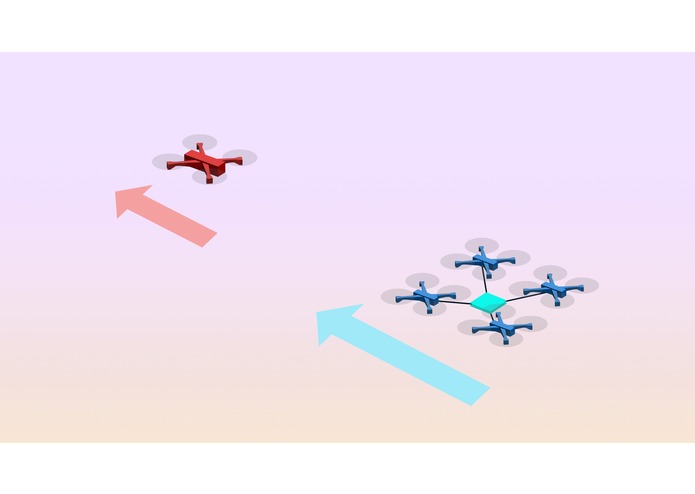
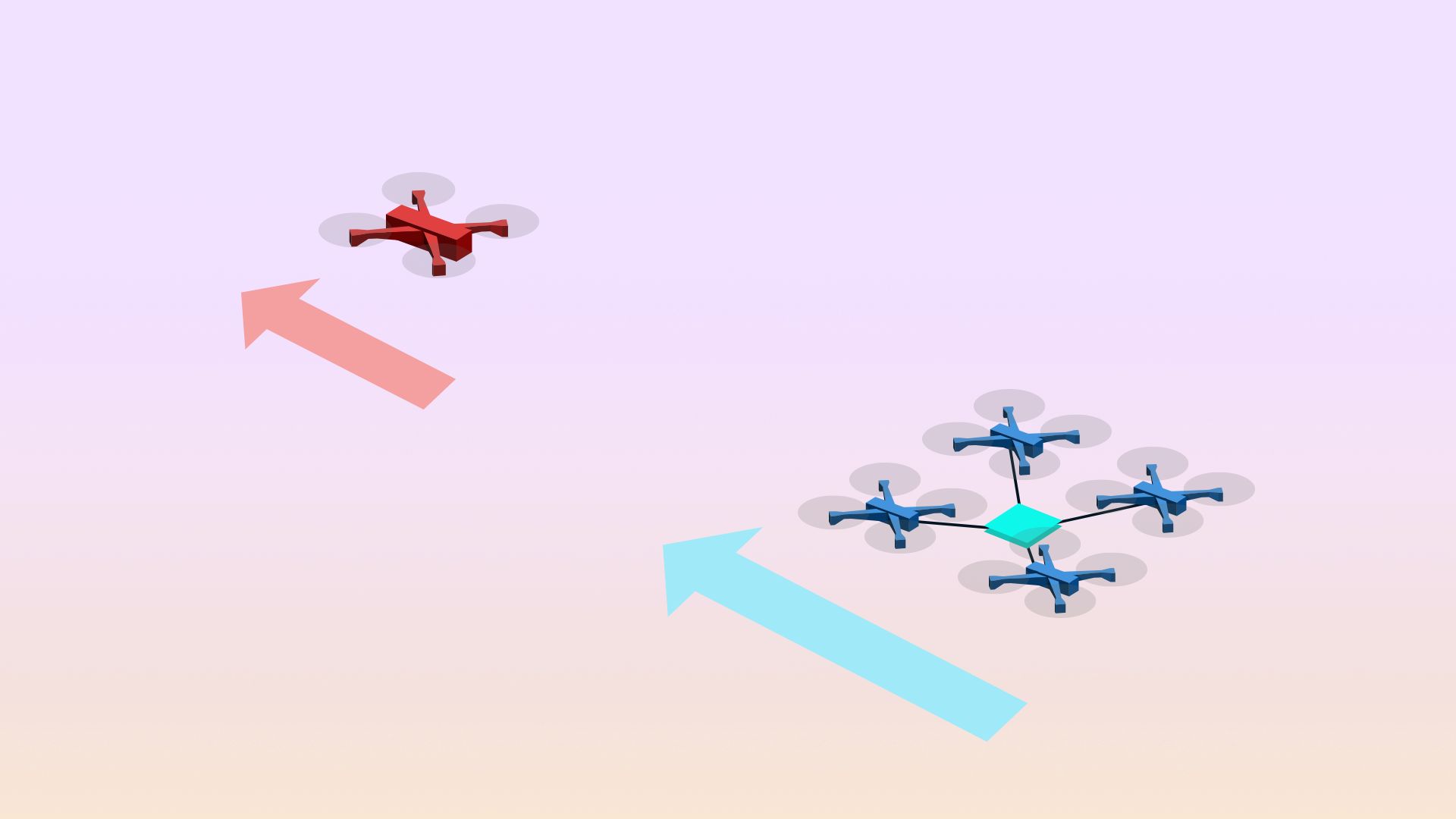
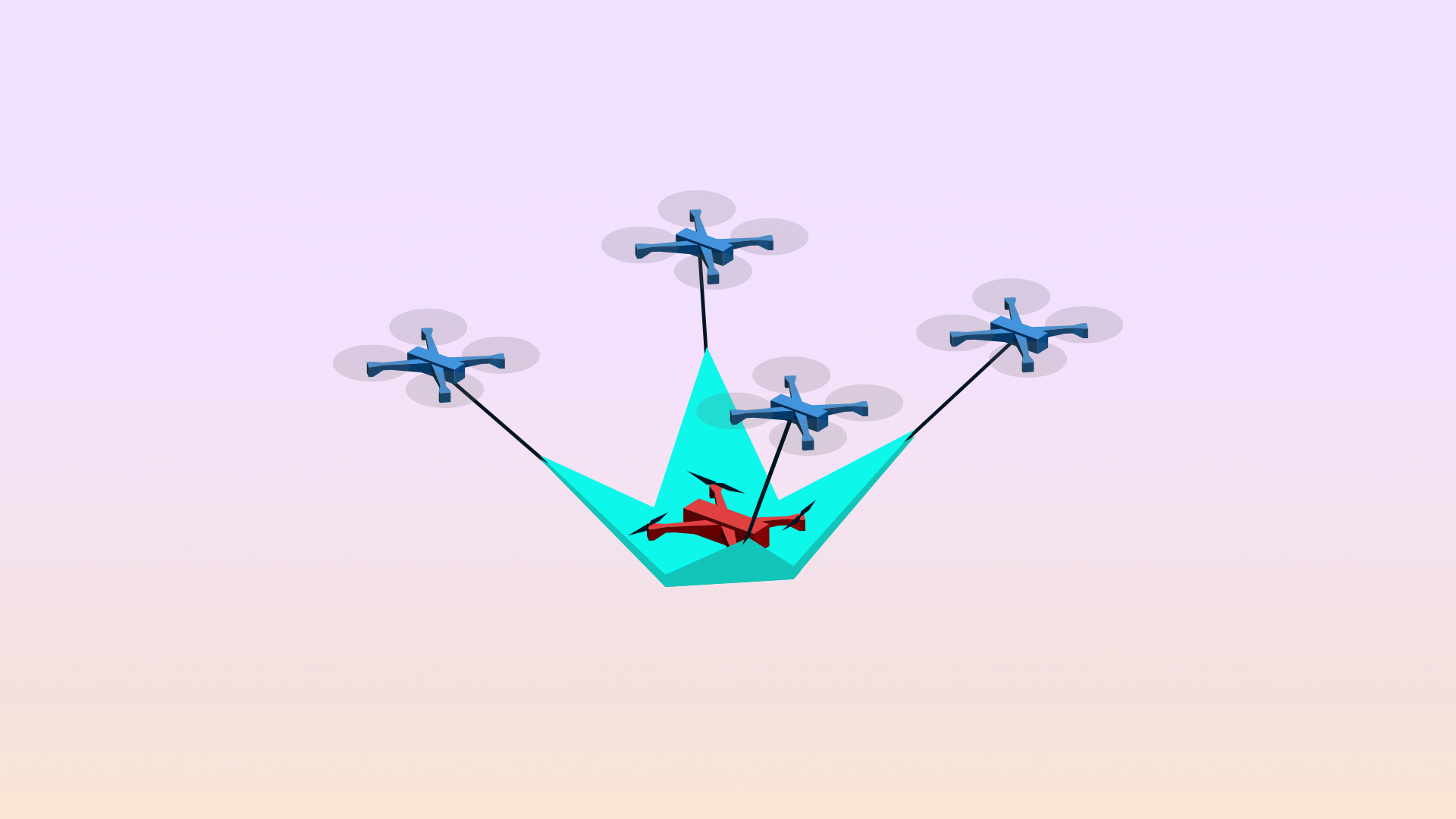
4 adjoined drones approaching as one body towards the enemy drone and carrying our bullet proof fabric folded up.
-
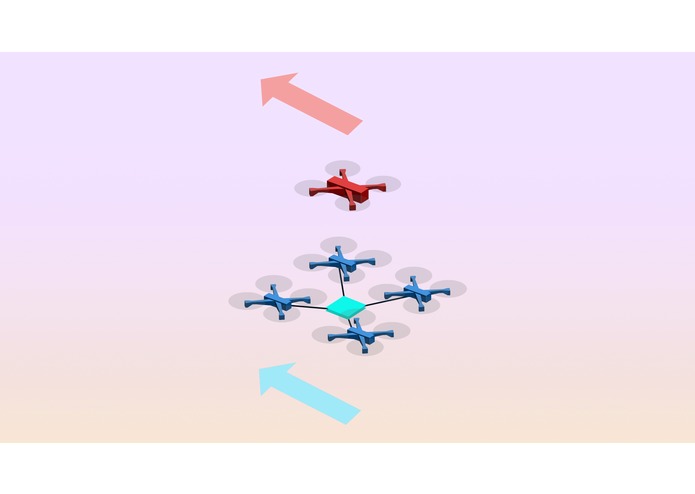
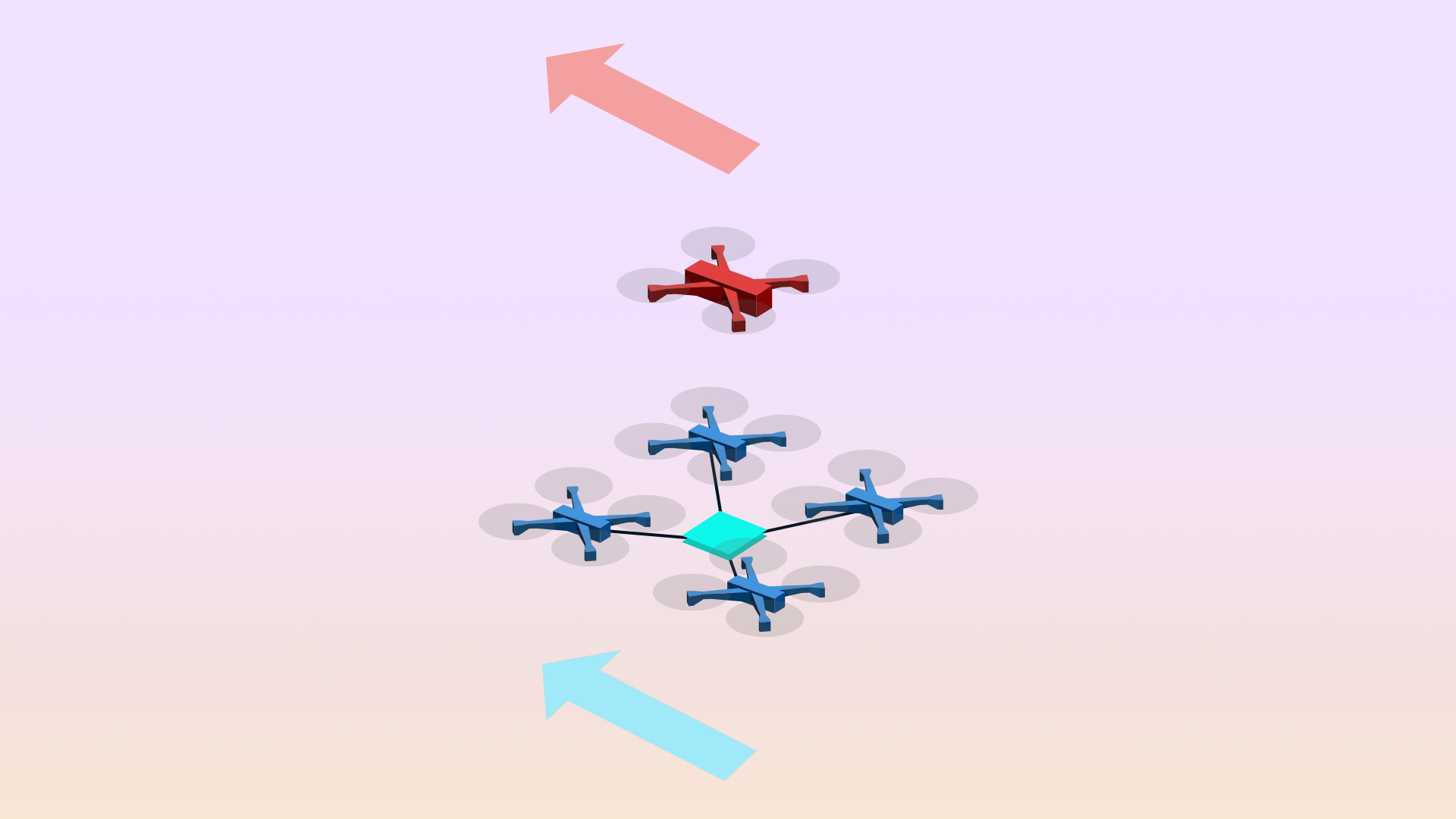
4 adjoined drones match the speed of an enemy drone and mirror its movements with our patented predictive motion detection technology
-
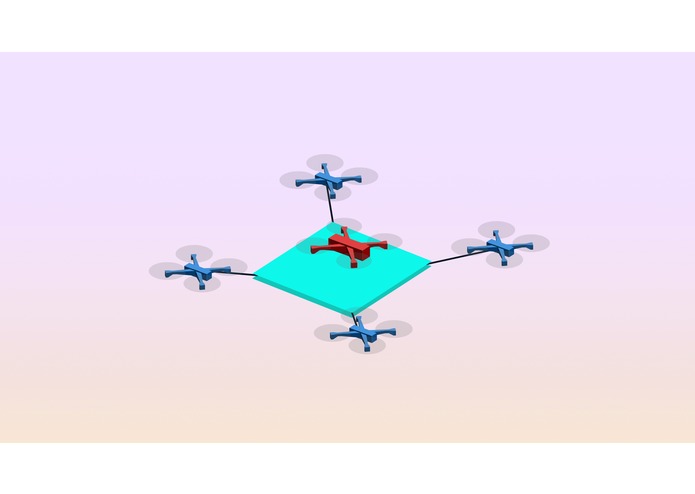
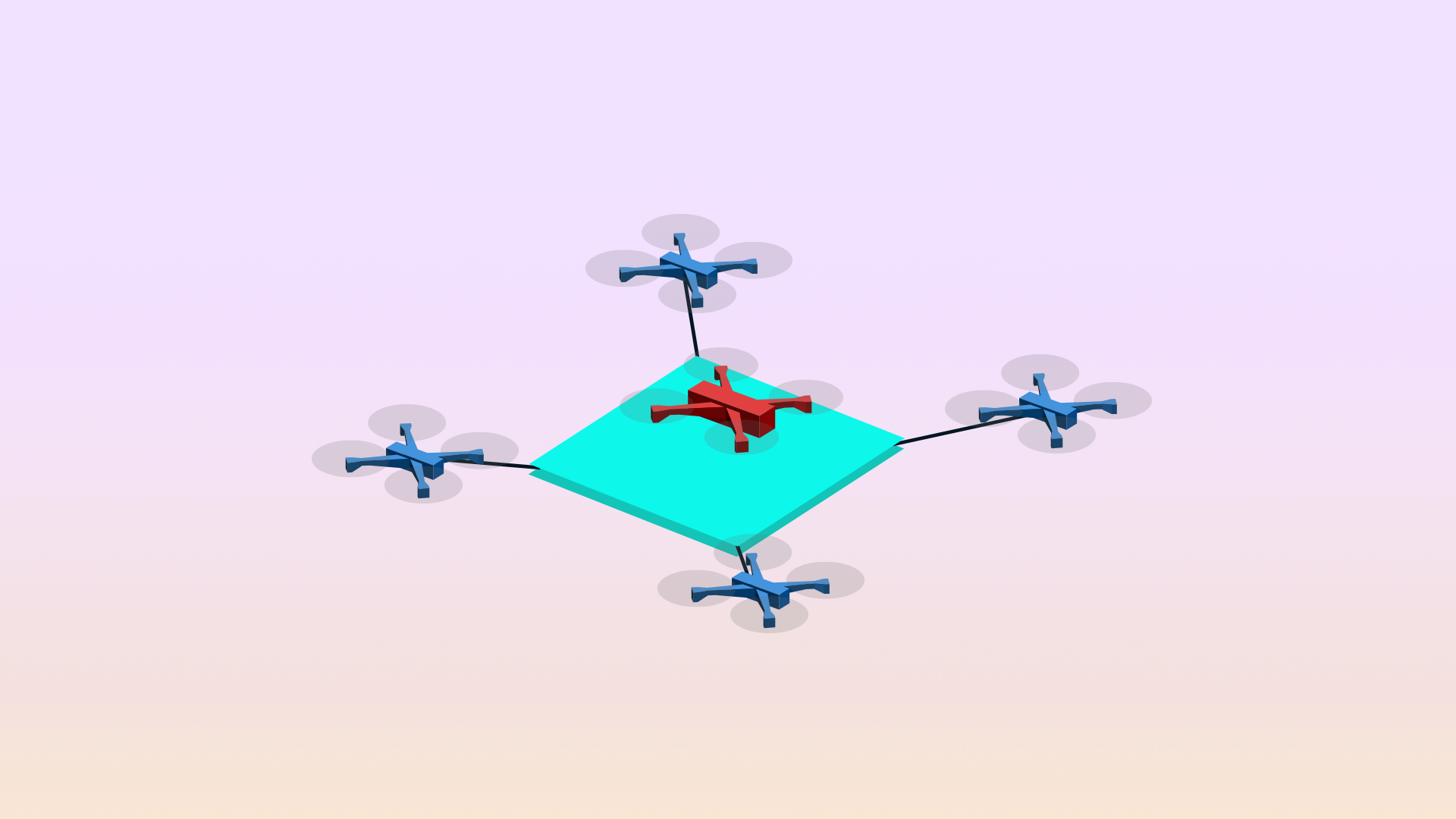
4 drones spreads out to open our patented bullet-proof fabric and use it to block the camera views and possible explosion damage from enemy
-
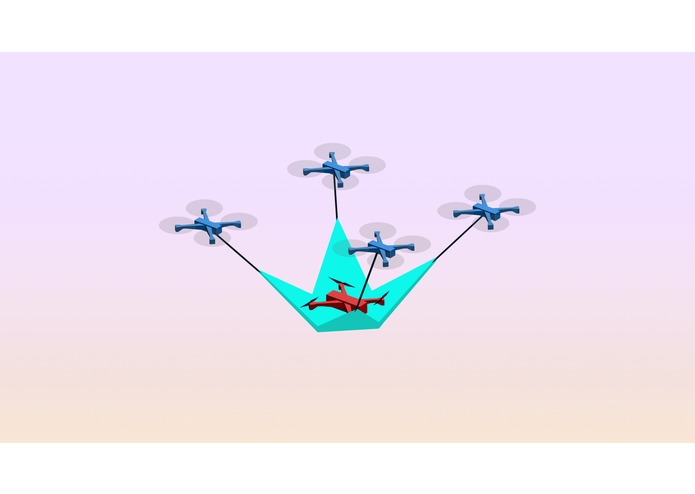
4 drones coordinates an attack on the enemy drone for containing the explosion or bringing it down unharmed for forensic analysis
-
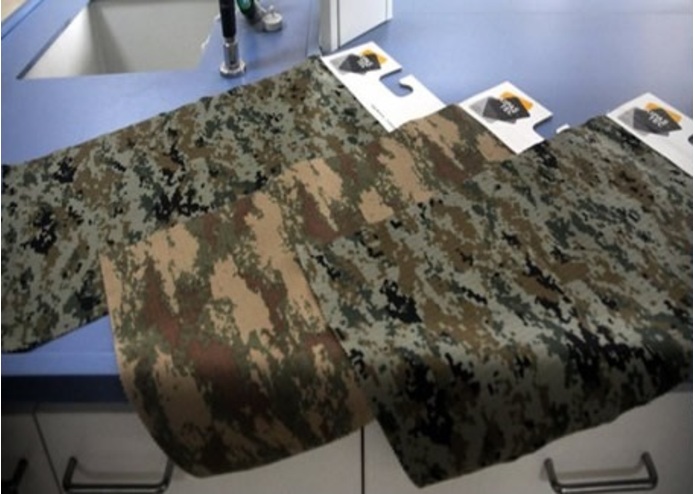
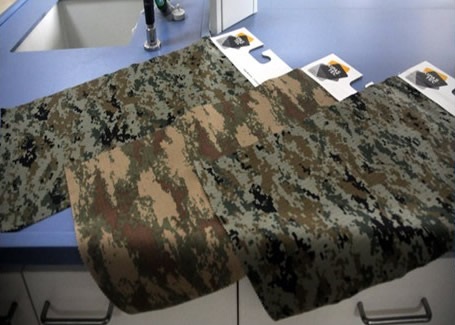
Older version of our patented bullet-proof fabric that is non-flammable, waterproof, invisible to infrared rays, and now even lighter weight
Nebi Cem Erdogan and Melis Ozturk came together to watch presentations of the organizers on the opening day of the A-Hack-of-the-Drones competition. One of the deck pages from those presentations projected an image of Venezuelan president hiding behind black umbrellas when a COTS attacked him with explosives to assassinate.
Nebi wondered if those secret service umbrellas were made of a special fabric to protect against explosions and shrapnel pieces. Since Nebi helps universities launch deep technology startups and commercialize their intellectual properties globally, he gets to read thousands of invention disclosures from research universities of developing countries all across the world, so that he can creatively identify cross-border monetization opportunities for these underappreciated technologies in better developed economies. While thinking about the fabric material for the open umbrellas against explosive drones, he remembered a recently patented technology from Turkey about a nanotechnology fabric that is light-weight and bullet-proof. Then, he began to wondering how he could use 4 drones to shield the public from drone explosions. The idea got shaped further in his mind by imagining 4 drones flying as one unit towards an enemy drone, and then spreading these 4 speedy drones out to 4 different directions for opening a bullet-proof sheet right underneath this enemy drone. Our special nanotechnology sheet weights only 250 gr per square meter, and it is capable of absorbing very large bullet impacts, so it can be carried folded-up like a parachute by our drones towards the enemy drone until it is close enough to spread it open in 4 directions by 4 small drones. At this point, our 4 small drones only need to coordinate their movement with the enemy drone to keep its positioning in the middle of the fabric sheet. Our solution needed these 4 drones hold 4 corners of our patented special fabric sheet and maintain their distance between each other while also mimicking the movements of the enemy drone altogether.
The benefits of an enemy hardware and enemy software independent approach like this are clearly superior to any other nullification or elimination methods.
We asked Gavin Gillas if he could help us connect with a software developer who knows about the autonomous flight control technologies. His recommendations allowed us to meet with Jonathan Josephson that night. Jonathan is the Founder and CTO of Quantum Interface, which happened to hold 23 patents in predictive motion technology and algorithms. He even had a software demo on his mobile phone to show how he already had the exact capability algorithm built-in. While discussing our idea with him, we also learned from him how our sheet could also confuse the geo-locator of the targeted drones. If the enemy drone senses a closer planar surface right below, it might think that it got closer to the ground than it actually is, and keep elevating up in the sky. Moreover, if our sheet opens up right above the enemy drone, our sheet could also block the GPS signals without getting seen by the target. Our potential excited Jonathan so much that we were able to recruit him into our team as well. Getting the buy-in from such an experienced technology executive gave us further confidence for exploring additional use-cases and identifying a new advantages in our solution. We also had countless discussions with various mentors during the hackathon for learning and eliminating any implementation issues from the real-world scenarios that we didn't know about. These conversations revealed many more advantages of an approach like ours and brought a lot more versatility to our use cases.
During these conversations we found out further benefits than just the venus fly-trap style approach to close up like a clam.
IMAGINE:
A Counter-UAS Solution feasible with TODAY’s TECHNOLOGY that is:
NON-DESTRUCTIVE
You’re party of a forward deployed reconnaissance unit in contested enemy territory with multiple aerial threats overhead. You have to mitigate the risks overhead but are unable to use a ballistic solution as your position would be compromised.
NON-EMITTING
You’re part of a cutting edge counter-Electronic Warfare unit in a hostile country. Any RF emissions would immediately give your presence away, so you need a non-emitting solution to take down enemy drones without getting caught.
INSTANTLY EXPLOITABLE
An enemy drone is flying over your FOB. You can’t shoot it down because your team needs to exploit the data on the device so it can’t be destroyed
Introducing:
OH SHEET
Our novel solution that uses automated drone tracking algorithms and bullet proof fabric to ensure aerial threats are leveraged to ensure safety of friendly forces while maximizing every advantage on the battlefield.
Built With
- bullet-proof-fabric
- drone
- nono-technology
- predictive-motion-technology


Log in or sign up for Devpost to join the conversation.