-
-
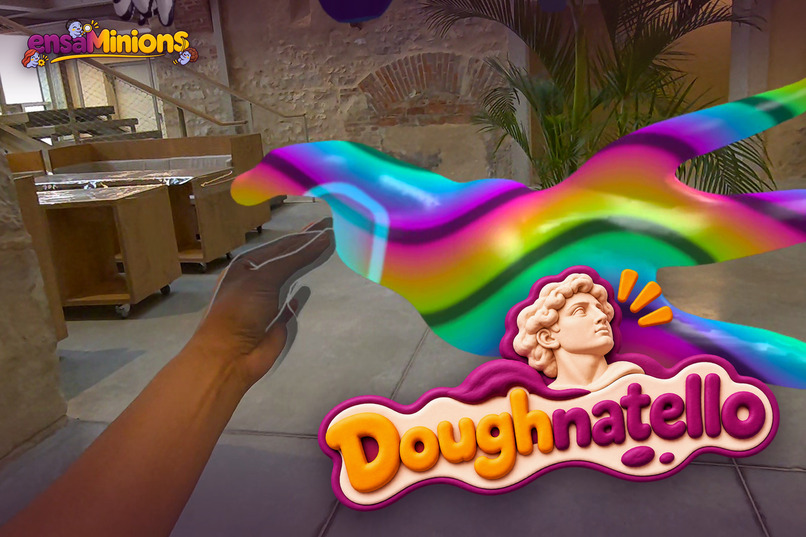
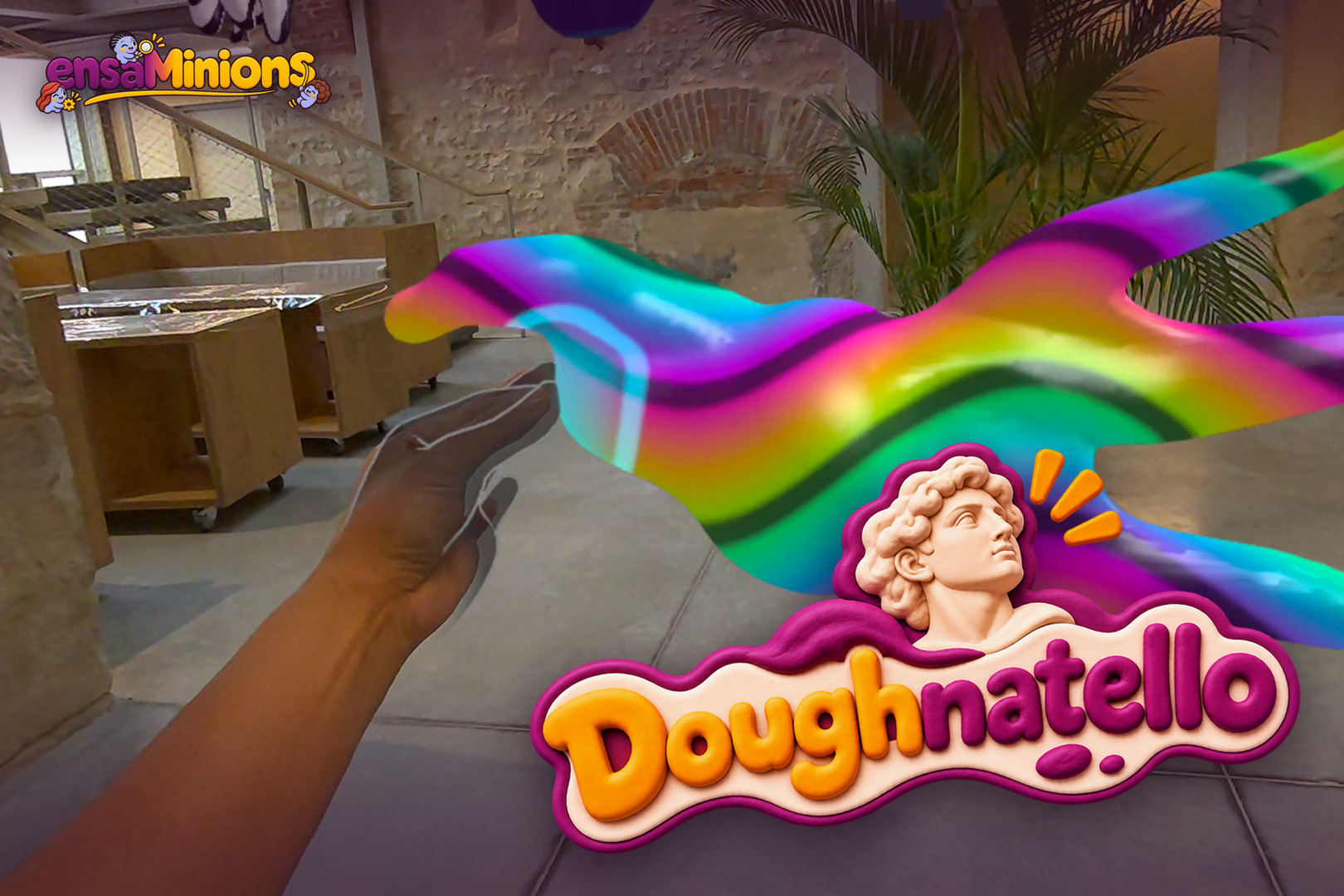
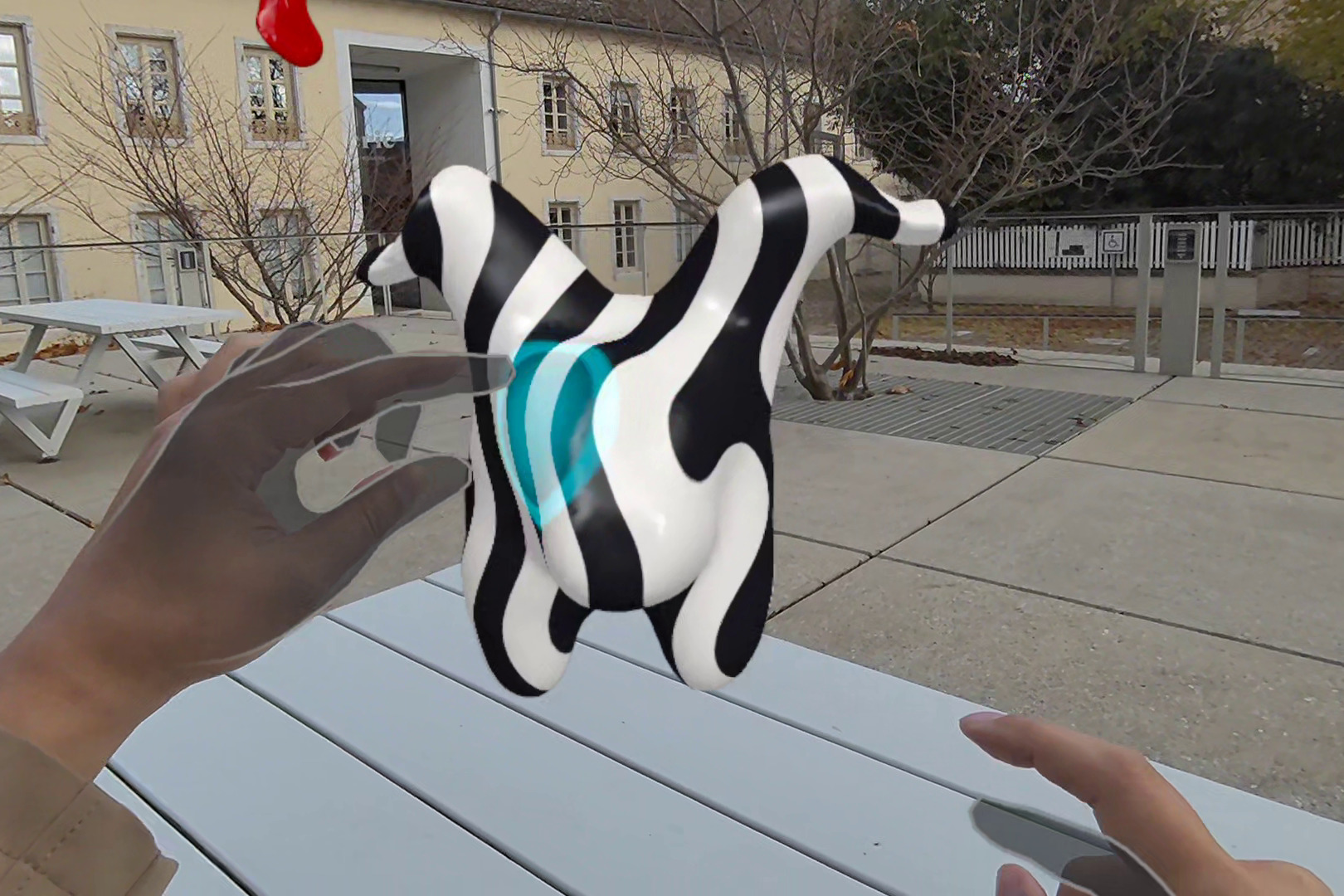
From Play-Doh to Doughnatello! Squish, stretch, and sculpt with your bare hands in mixed reality.
-
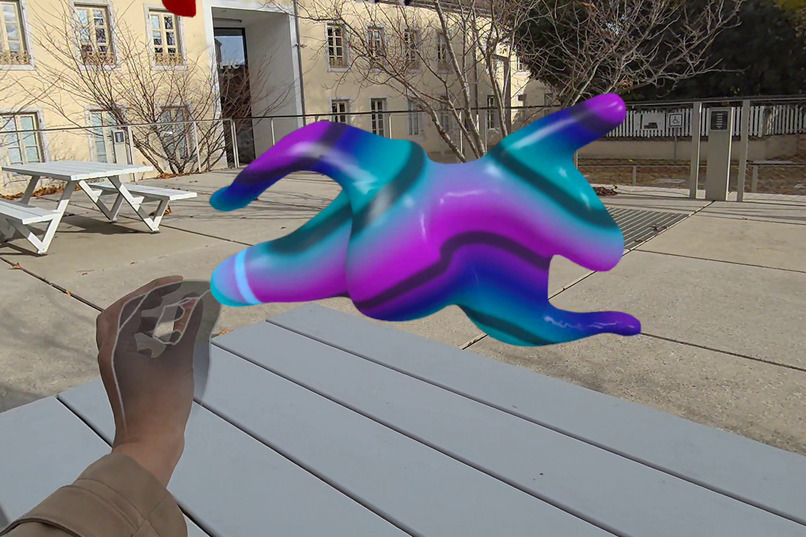
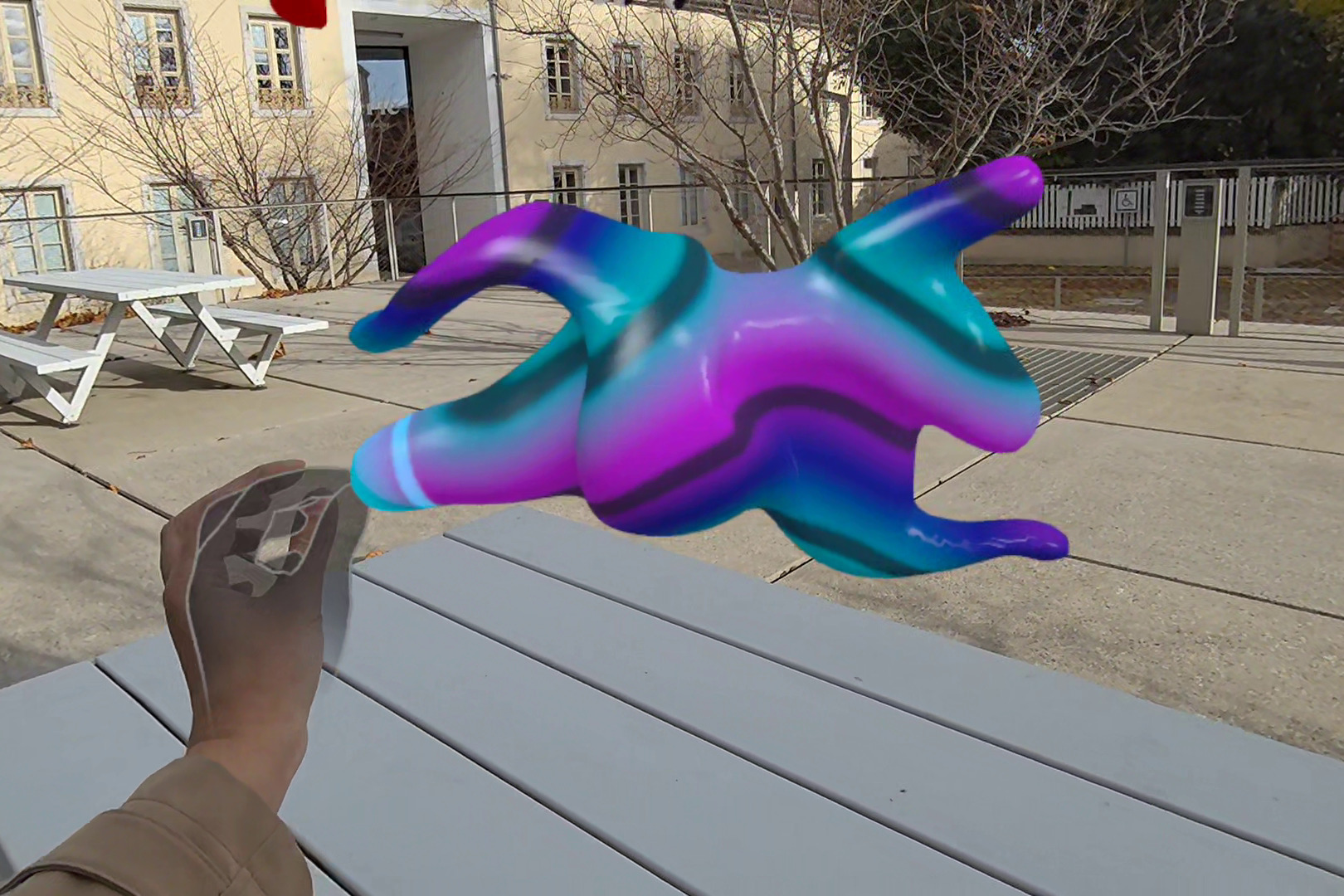
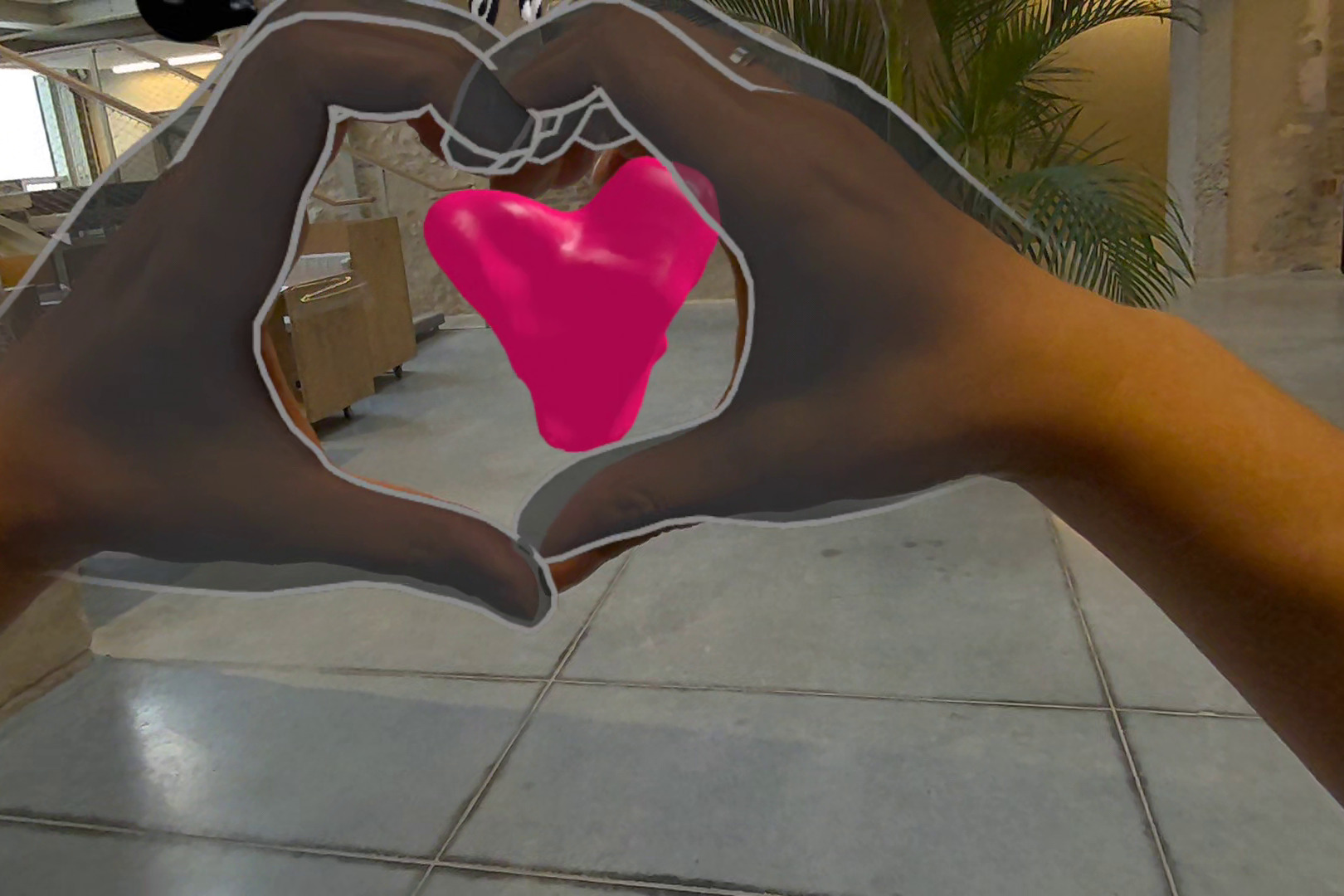
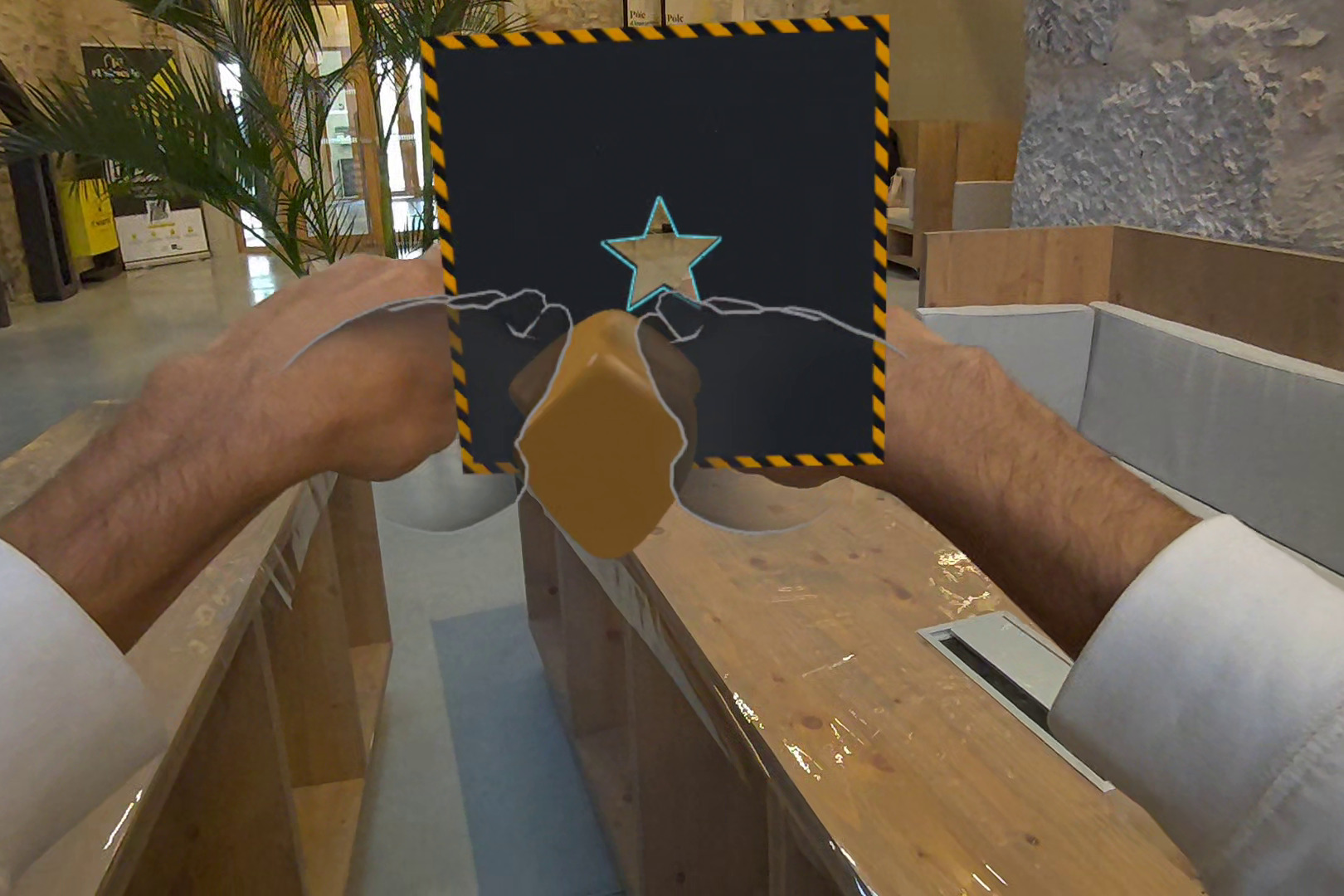
No controllers needed: pinch, grab, squeeze, and stretch virtual dough with your hands.
-
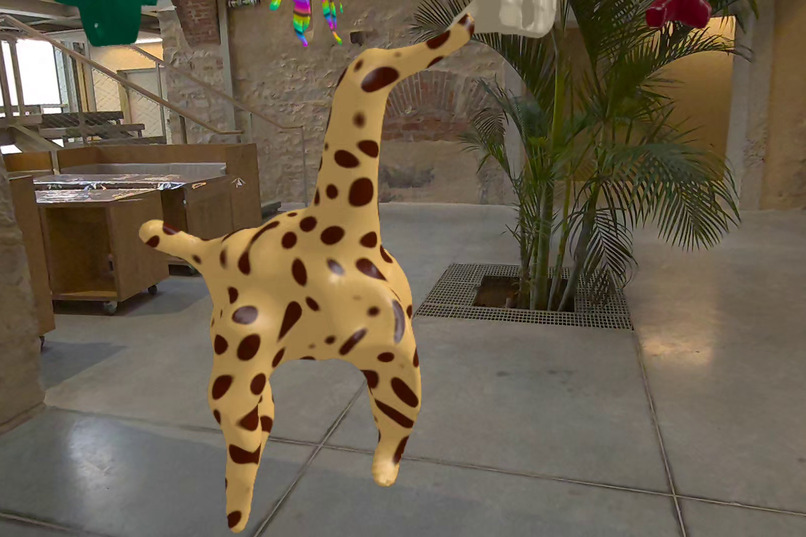
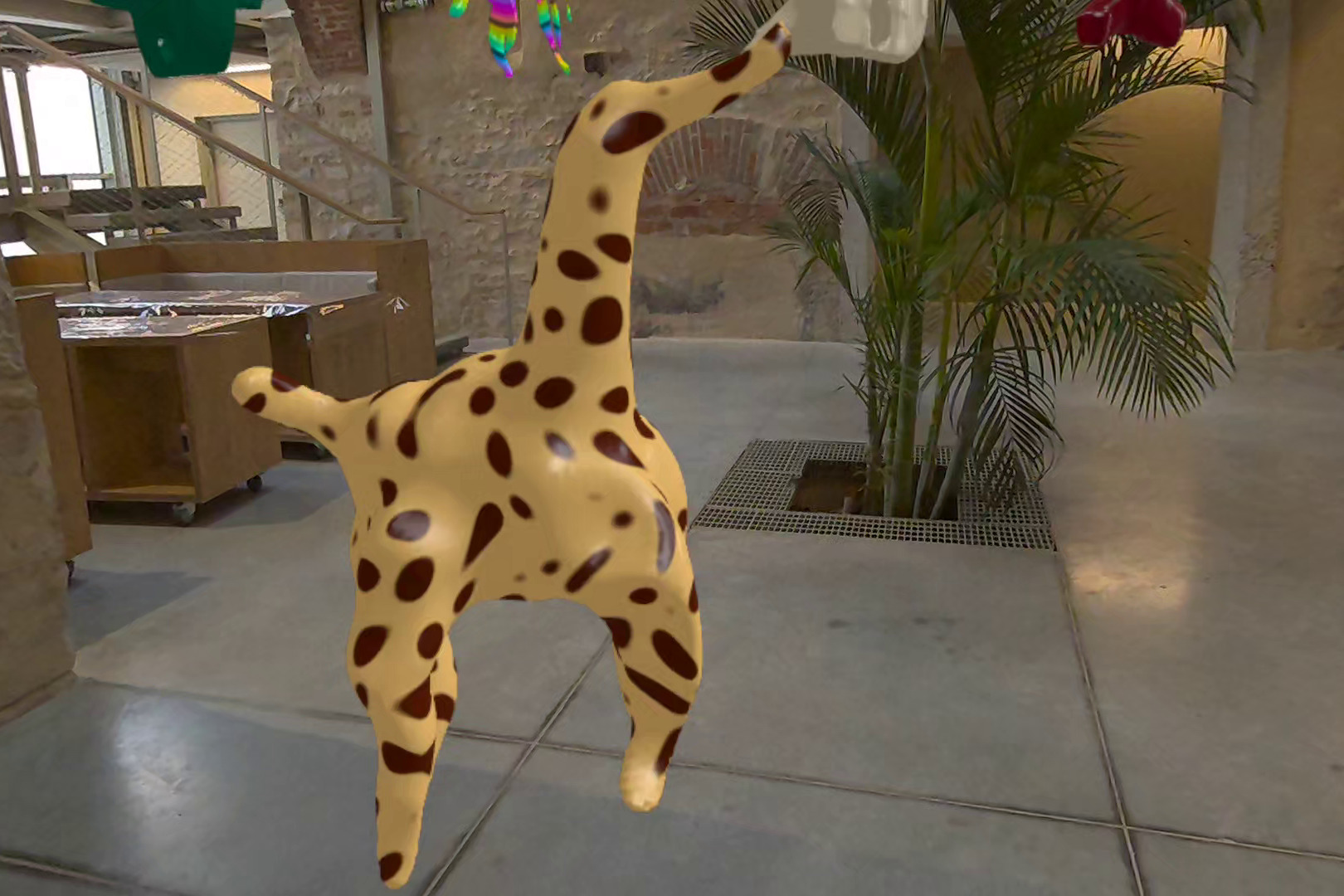
Free Play: sculpt whatever you imagine, without rules or pressure.
-
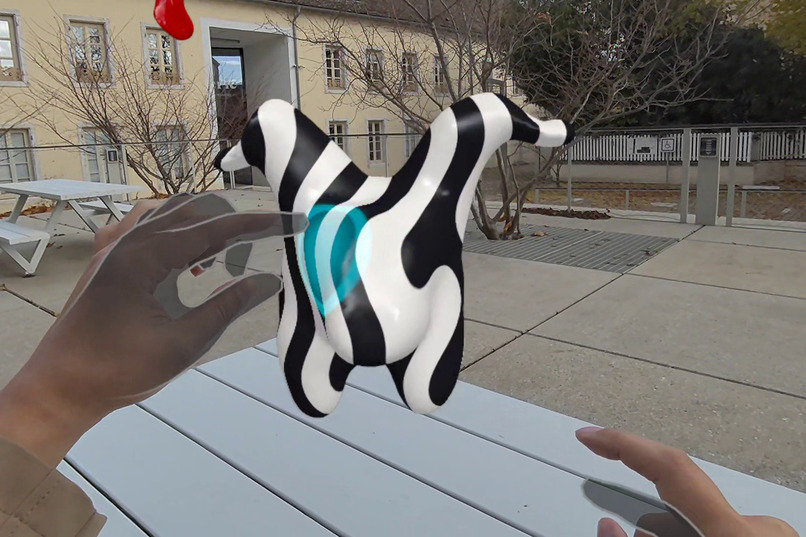
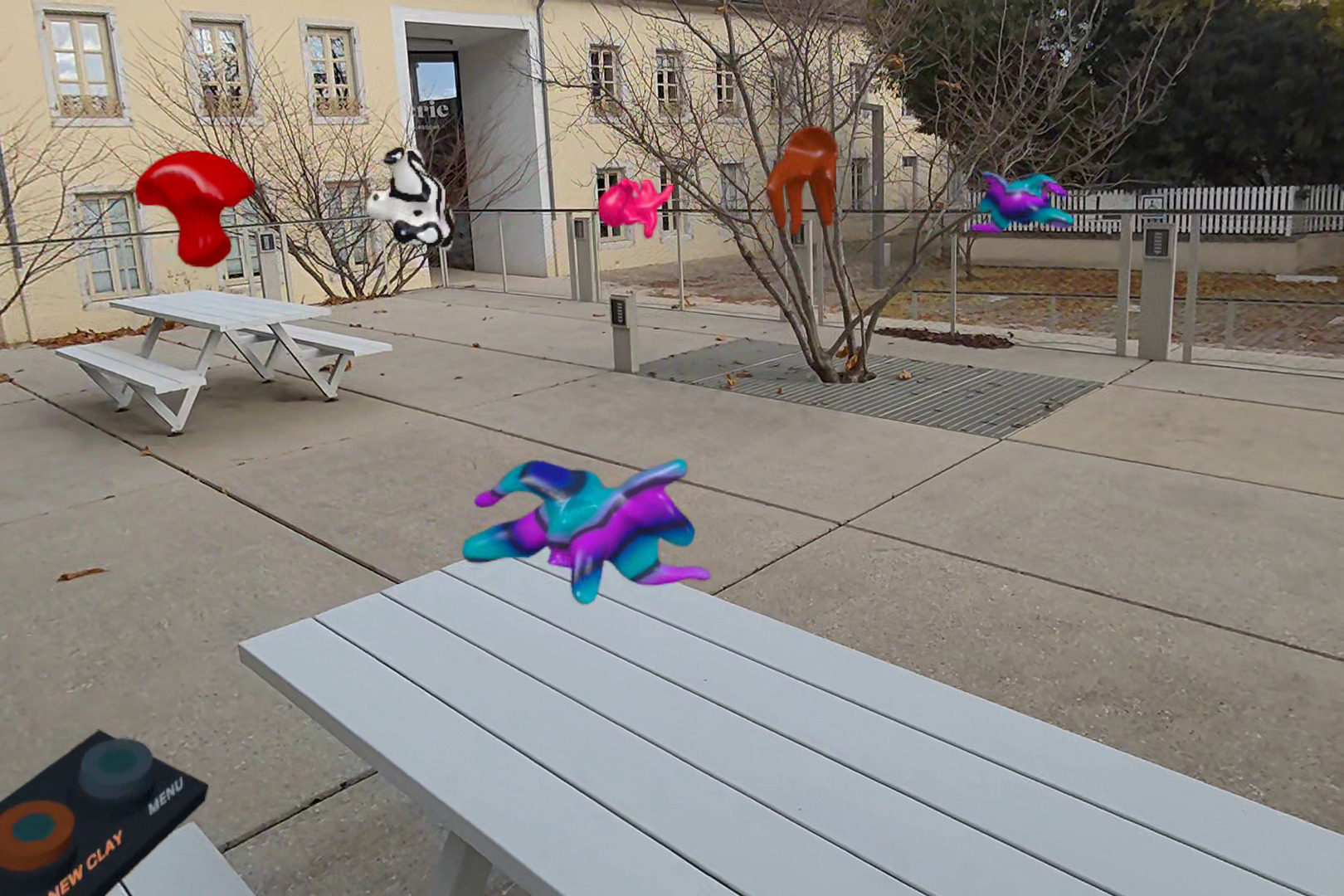
Mixed reality passthrough turns any space, indoors or out, into your sculpting studio.
-
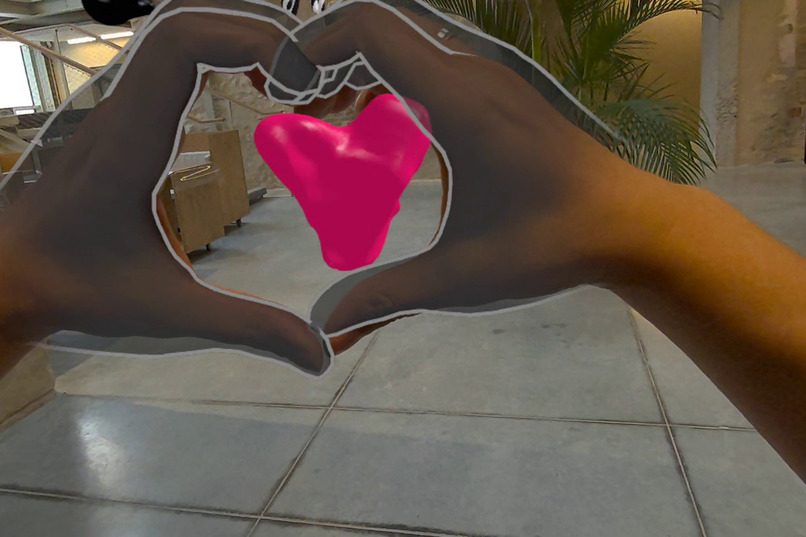
Anything you can imagine, shaped by your own two hands. It is really relaxing.
-
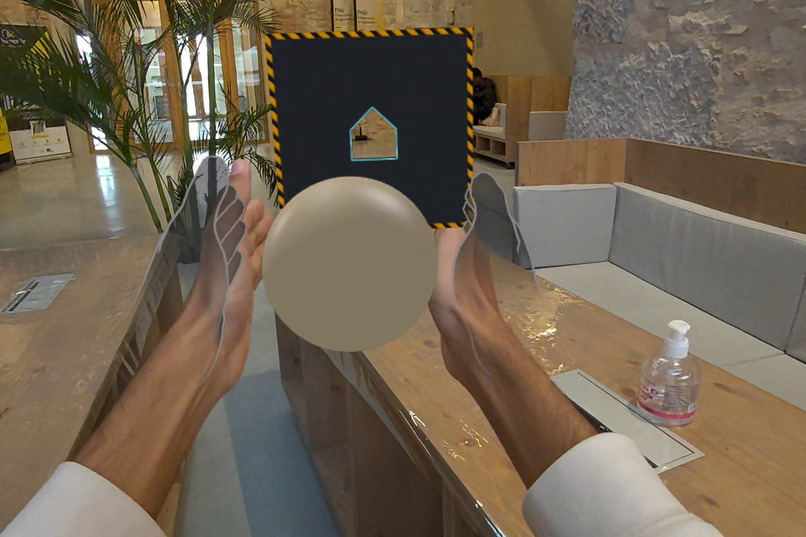
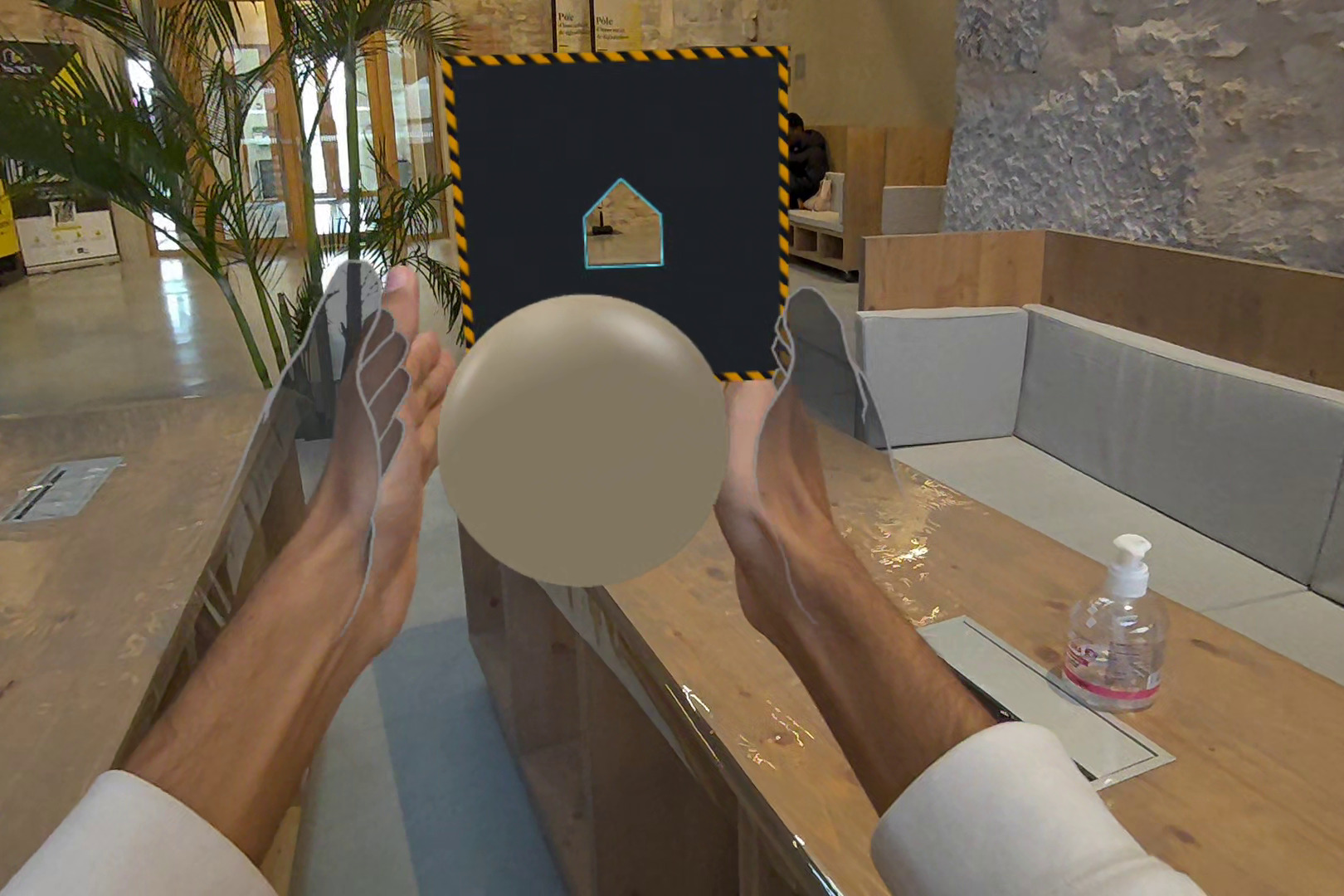
Or challenge yourself: shape your dough to match the target while wasting as little material as possible.
-
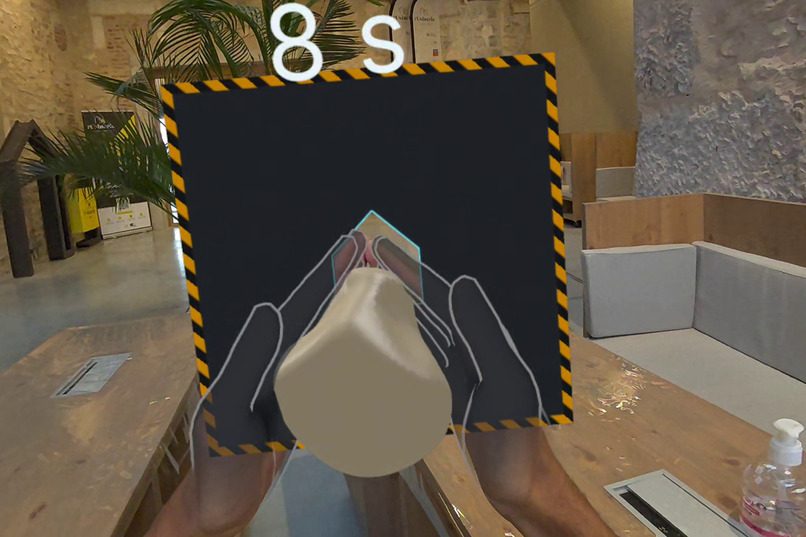
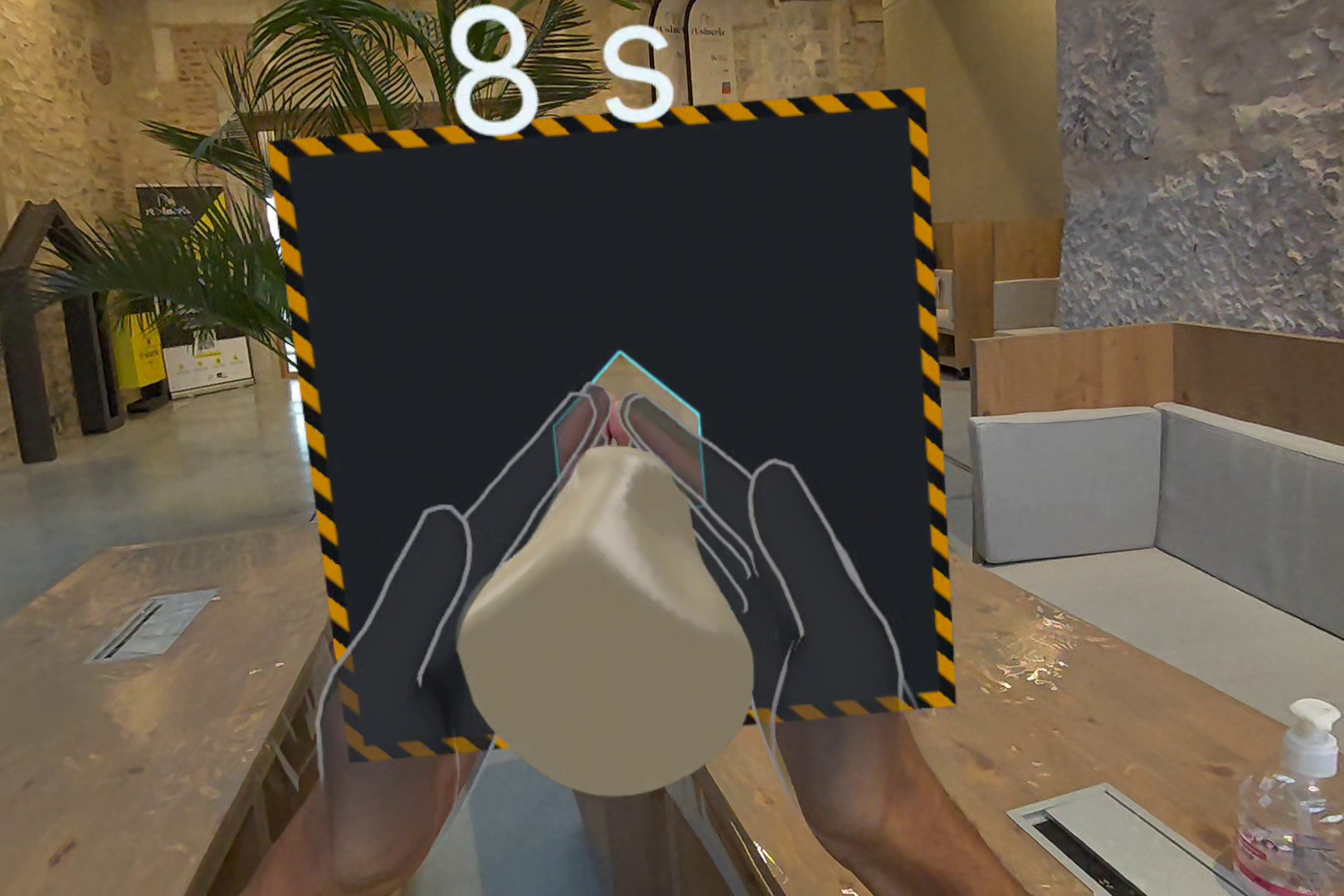
Form your dough into shape before the countdown runs out.
-
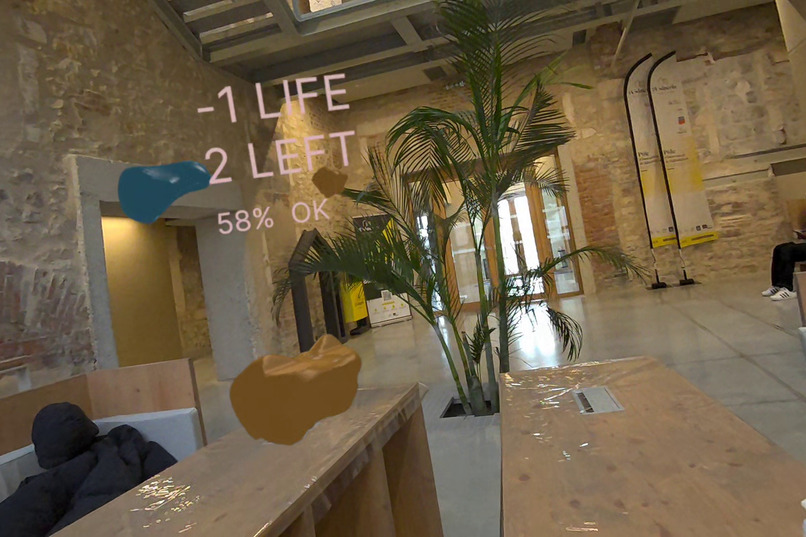
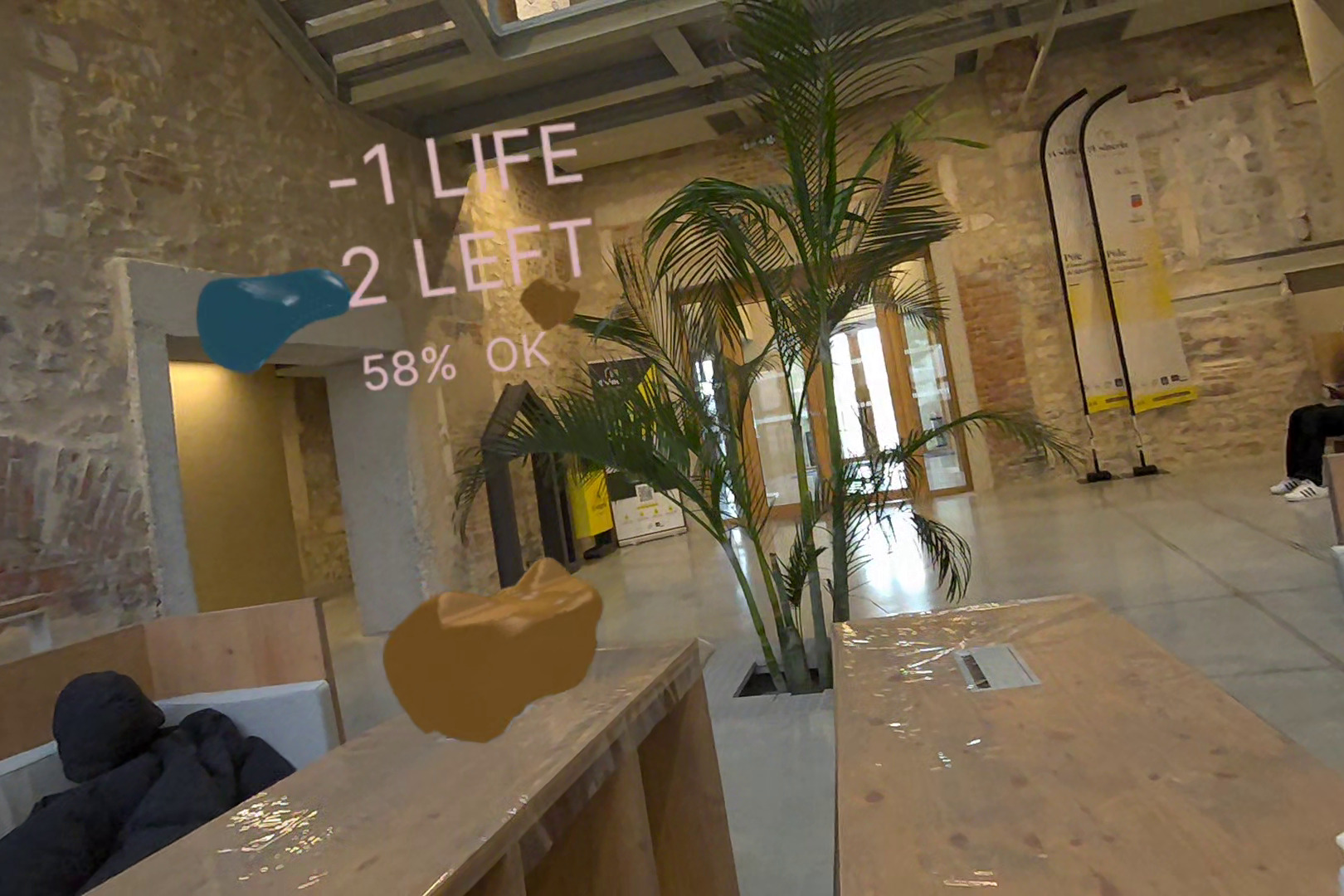
Every imperfect fit costs you material and a life. How far can you make it?
-
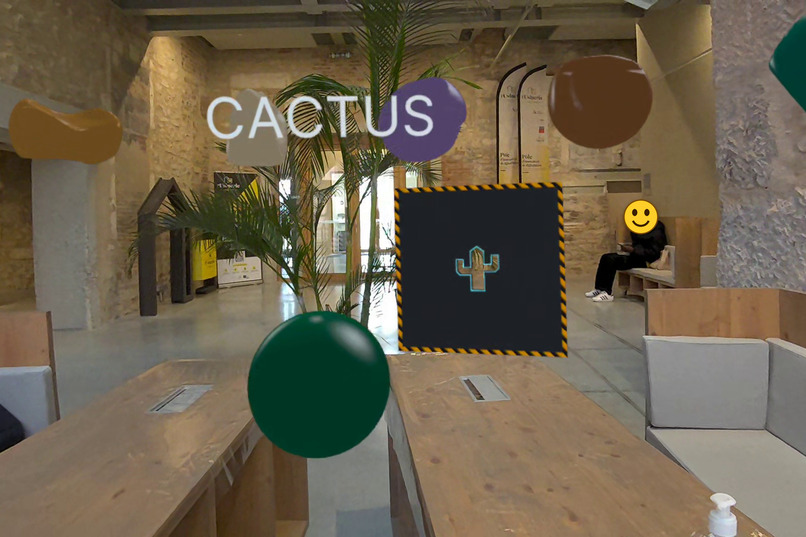
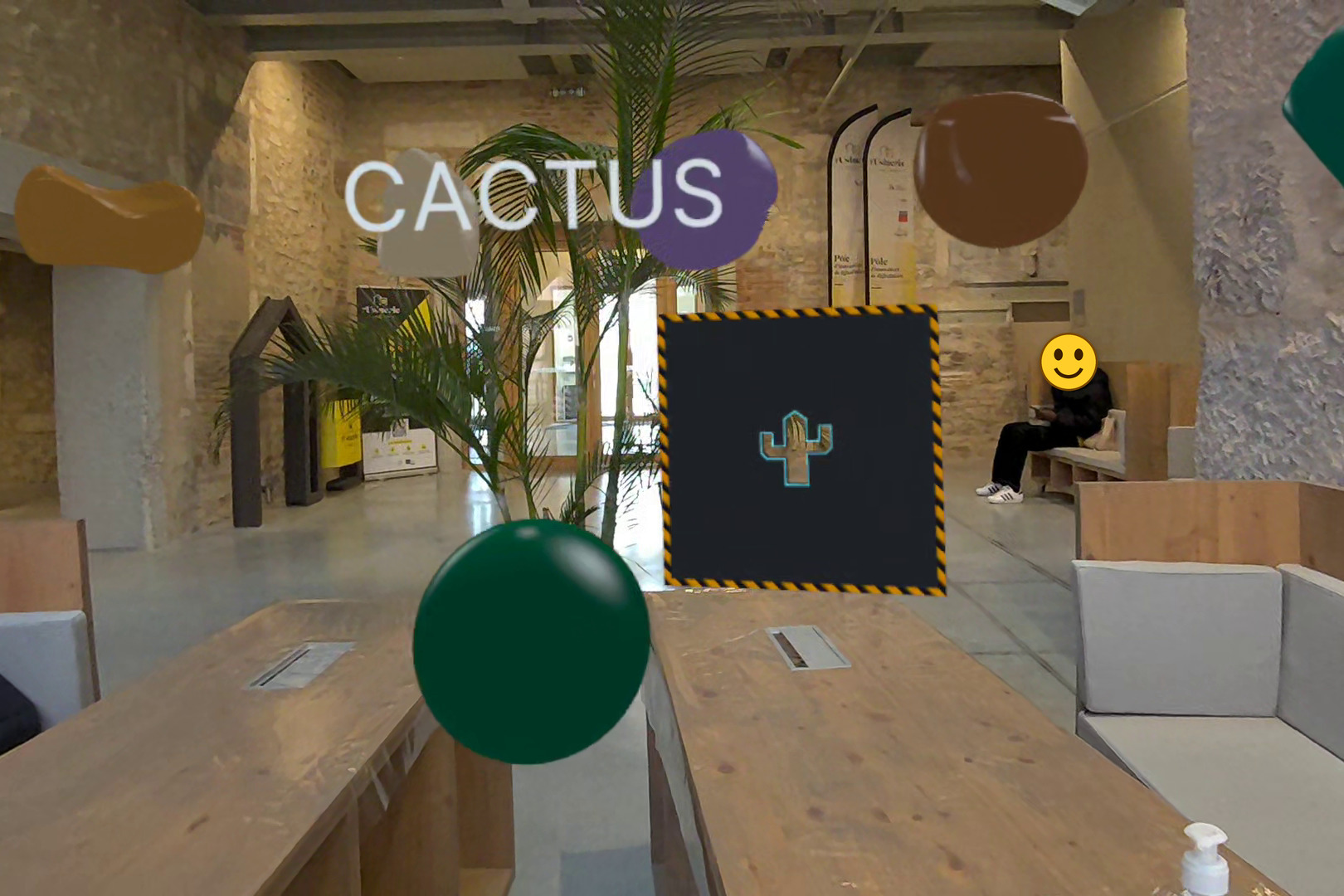
Take on stencils from simple shapes to a house and a cactus, and aim for the perfect fit.
-
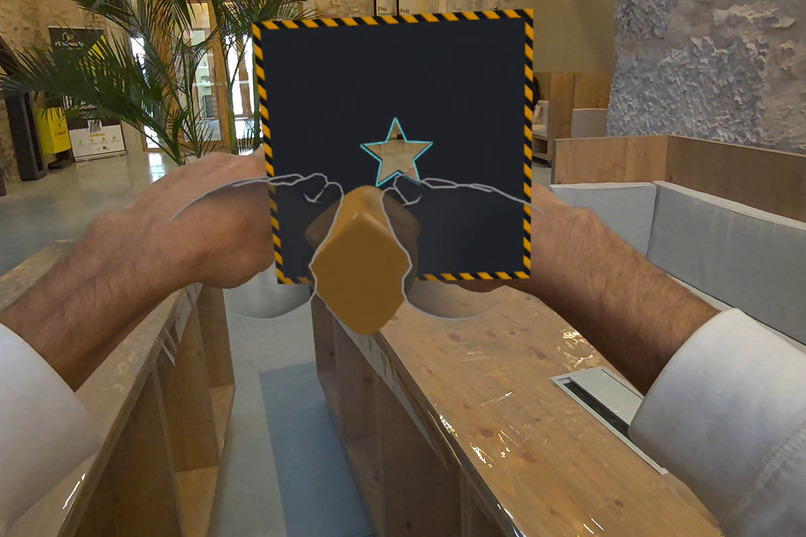
Survival: this is getting out of hand! Stencils rush toward you and cut away any dough that doesn’t fit.
-
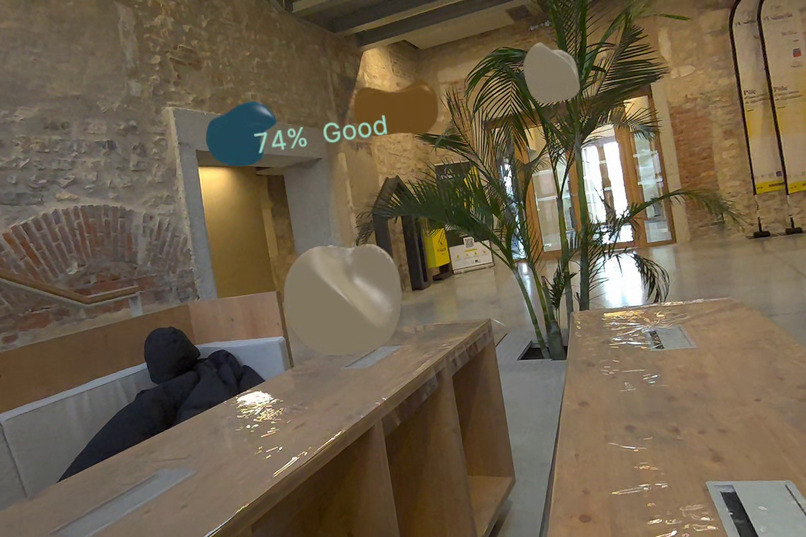
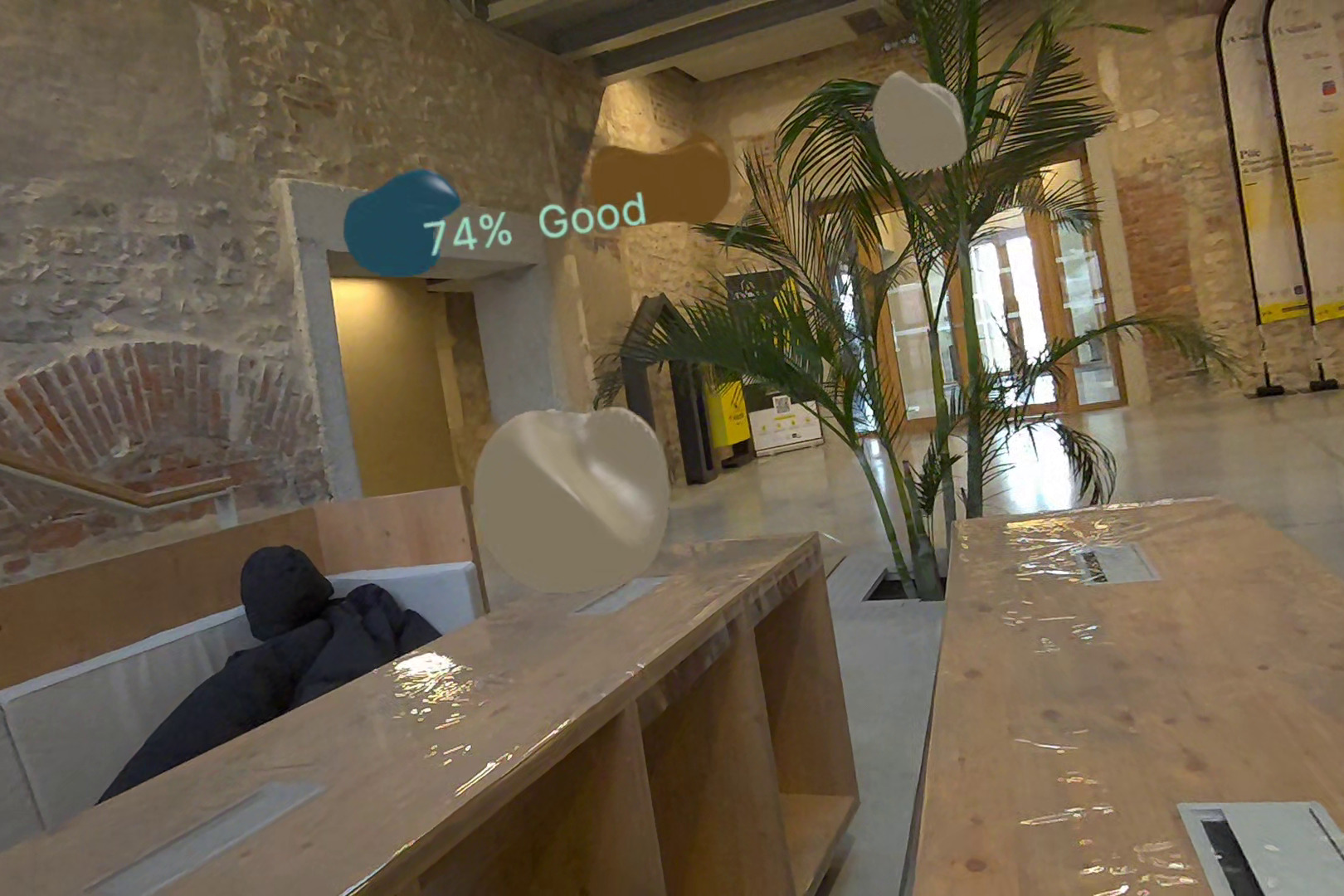
Get instant feedback on how closely your sculpture matches the target.
-
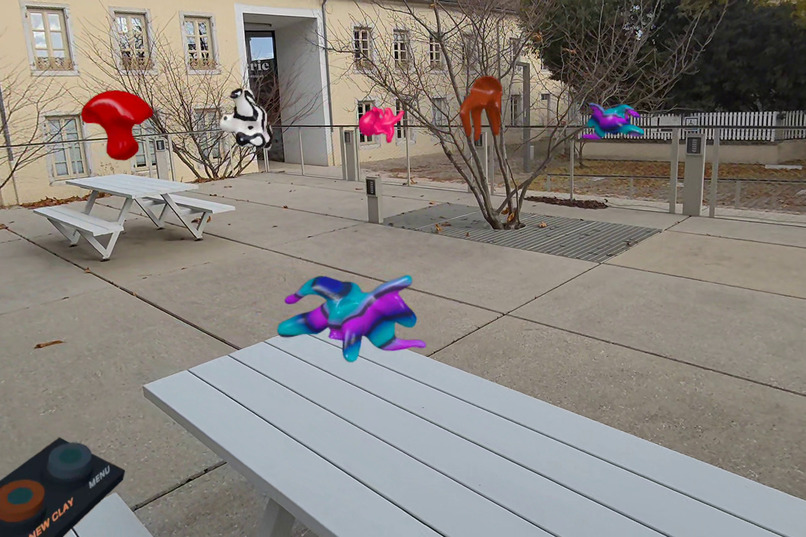
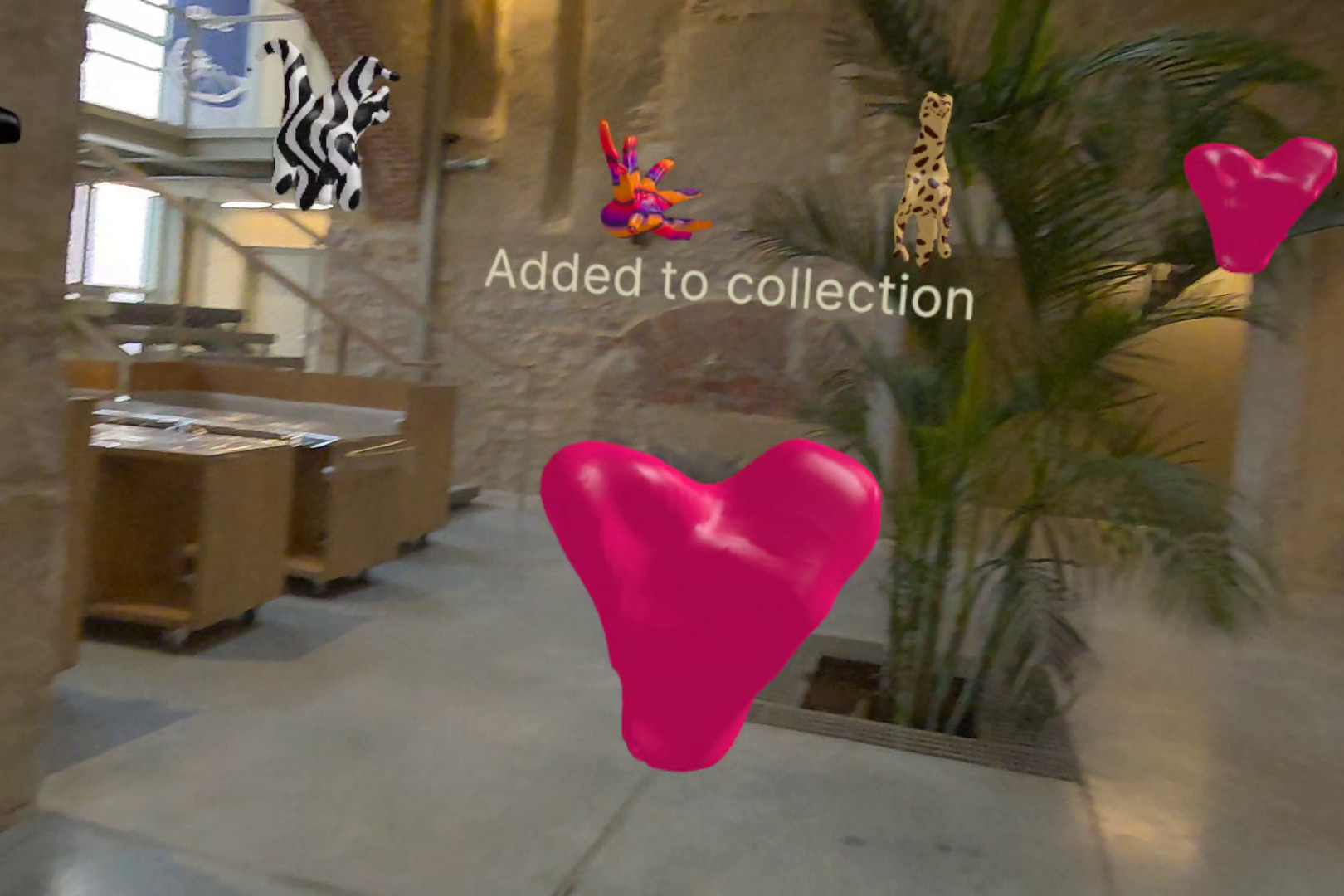
Save your creations and fill your space with your own mixed-reality sculpture gallery.
-
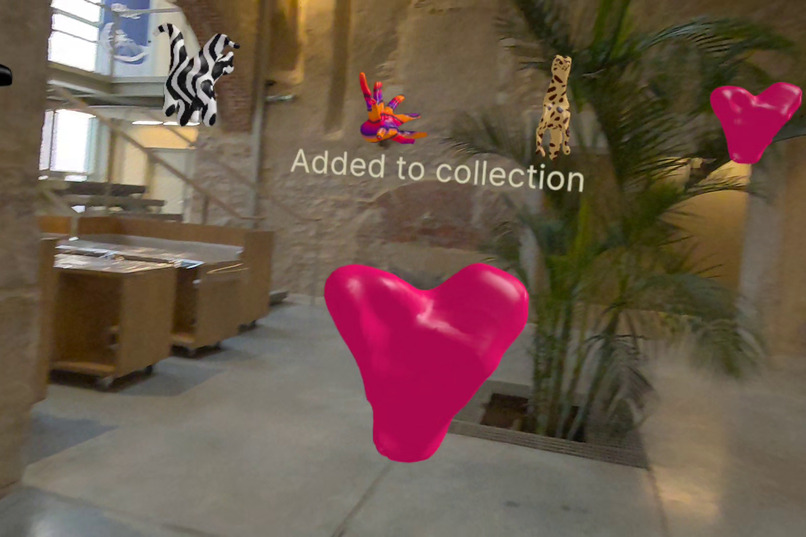
Every finished sculpture can be added to your growing collection.
Inspiration
Remember playing with modeling dough as a kid? We wanted to bring that same freedom into mixed reality, using your bare hands instead of controllers. Then we added a challenge: can you turn a squishy blob into a precise sculpture?
What it does
Doughnatello lets you grab, squeeze, stretch, and sculpt colorful virtual material with your hands.
Three ways to play:
- Free Play: Sculpt whatever you imagine, without rules or pressure.
- Stencil Challenges: Use stencils to create specific sculptures, from simple shapes to a house. Aim for the perfect fit and minimize wasted material.
- Survival: This is getting out of hand! Race against time as each imperfect fit permanently costs you material. How long can you survive?
How we built it
We built Doughnatello in Unity for Meta Quest, combining hand tracking, mixed reality passthrough, and real-time material deformation.
Challenges we faced
Making virtual material feel tangible without physical resistance or haptic feedback was a central challenge. We also had to balance deformation quality, intuitive hand interactions, and performance on a standalone headset.
What we learned
Realistic physics doesn't automatically make an interaction satisfying. Responsive deformation, predictable behavior, and immediate visual feedback can matter more than perfect physical accuracy.
What's next
We're planning a major overhaul of the graphics, gameplay mechanics, and game modes, with more varied challenges, improved visuals, and more satisfying interactions.


