-
-
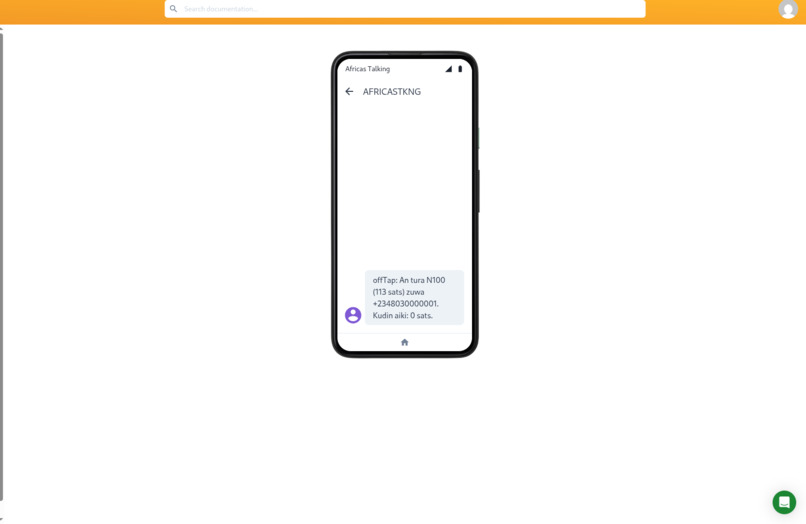
SMS
-
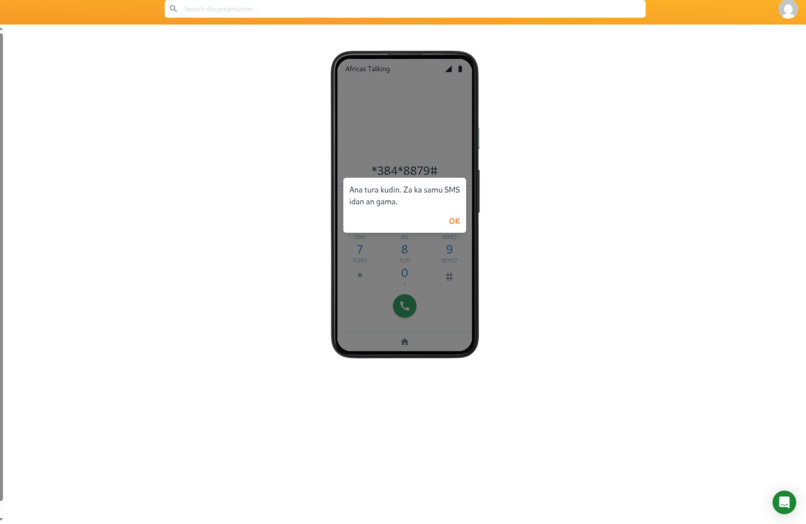
sent
-
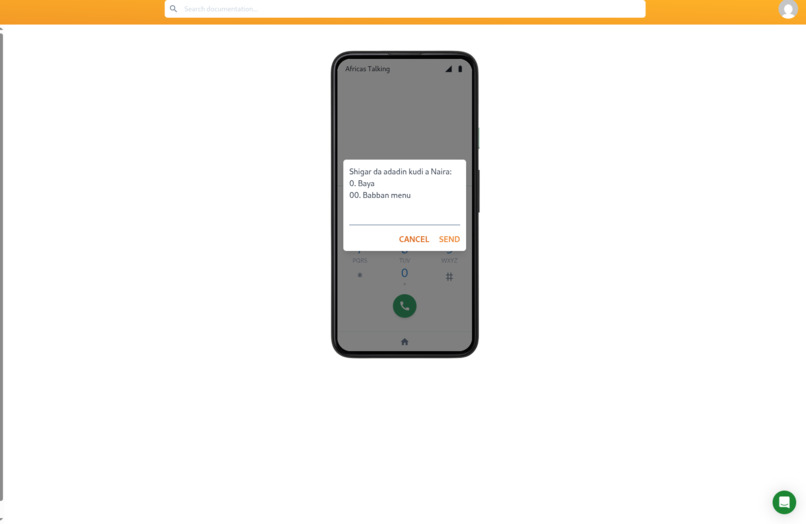
Amount
-
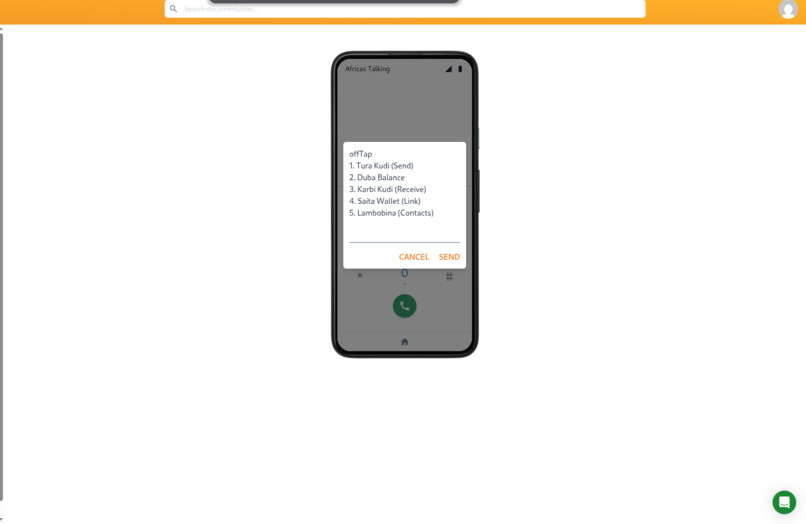
main menu
-
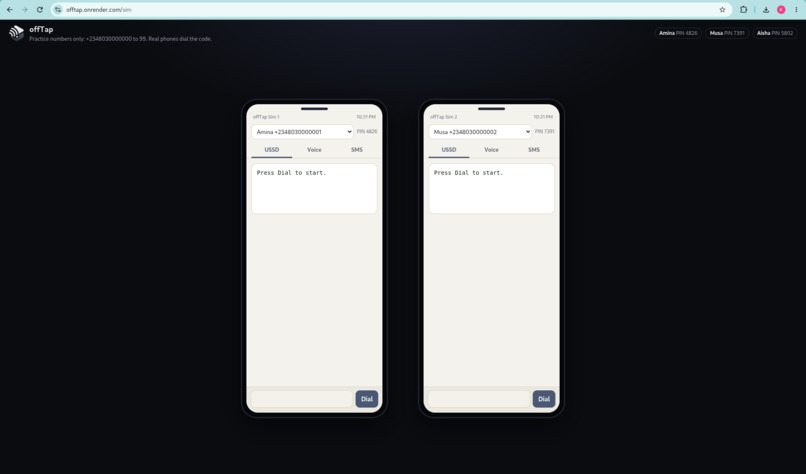
simulation page
-
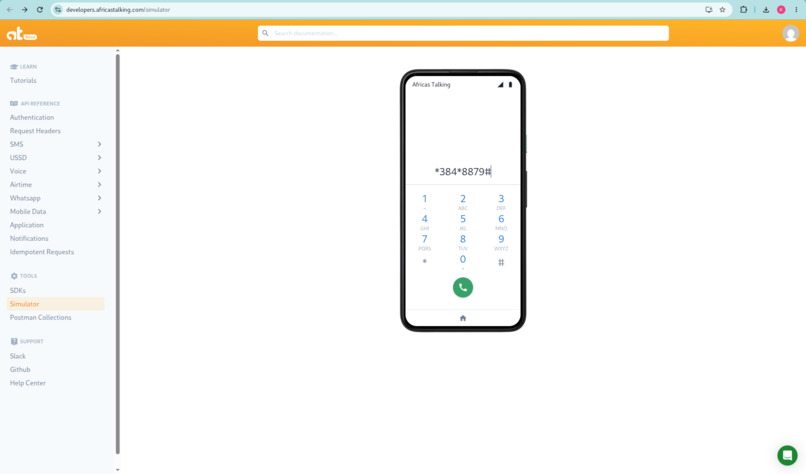
short code
-
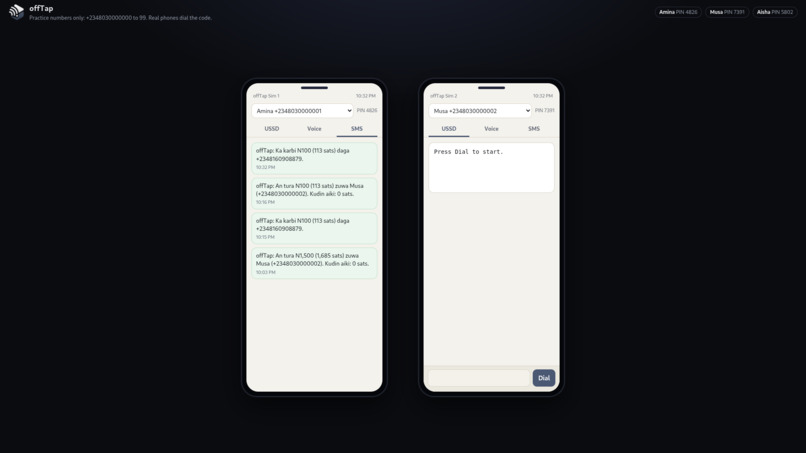
Simulation Page
Inspiration
Anyone who has bought something in a Kano market knows the moment. You have made the transfer, the trader is staring at their phone waiting for the alert, and nothing comes. Sometimes it takes ten minutes. Sometimes you leave without the goods, and they lose the sale.
In markets like Kantin Kwari and Dawanau this happens every week. Transfers hang, the POS agent's machine has no network, and the agent still takes a cut when it works. Lightning solves the cost and the downtime, but every Lightning wallet I tried assumes a smartphone with steady data and a user who reads English. That is not the trader I had in mind.
So the question became: what is the least a trader needs in their hand to pay over Lightning? The answer I settled on is a phone signal and their own language.
What it does
offTap lets a trader hold and send sats from any phone, with no data and no app, in Hausa.
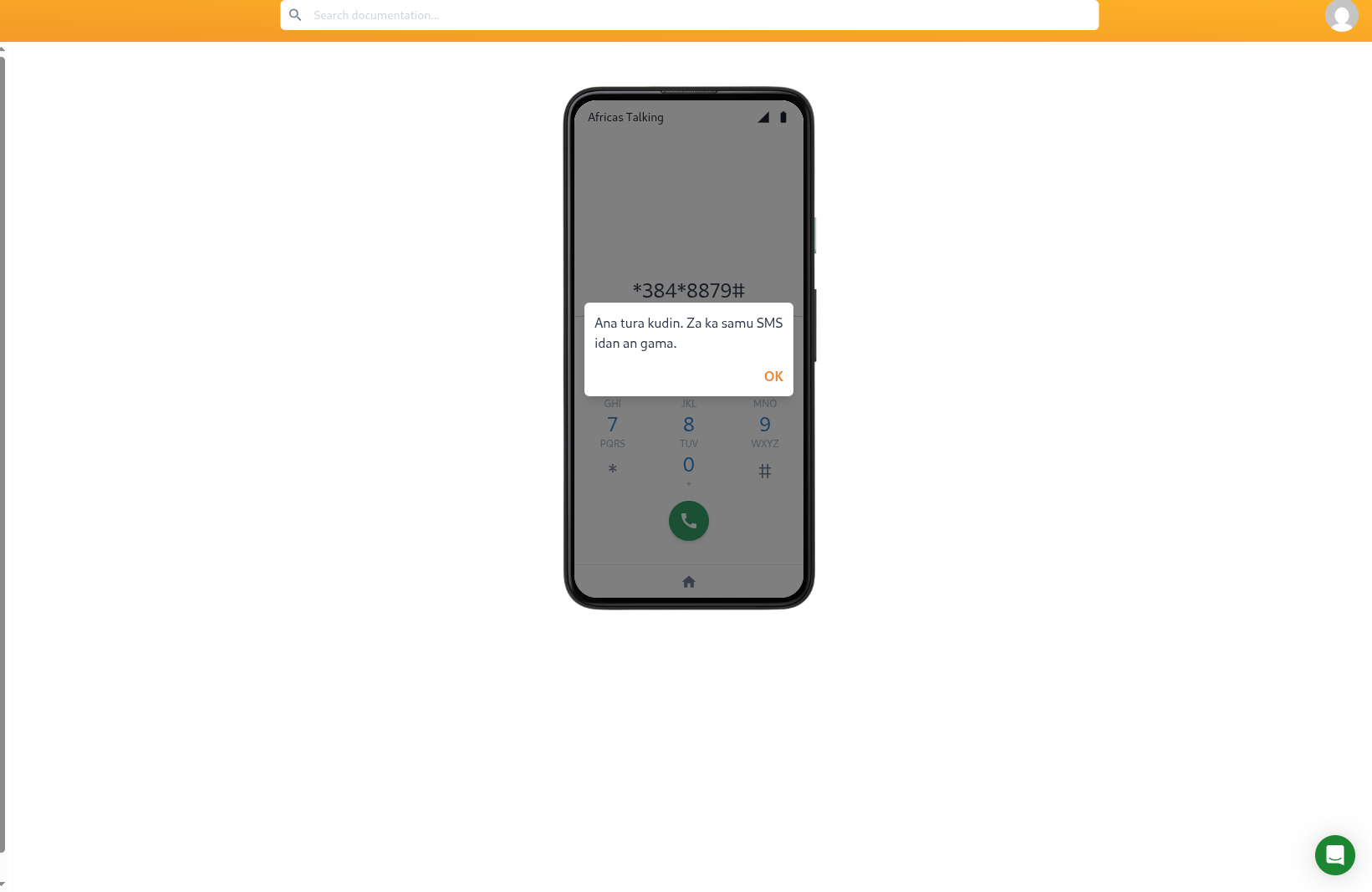
Sign up by dialling. Dial the USSD code, pick a 4 digit PIN, and you have a wallet. Nothing to install and nothing to paste.
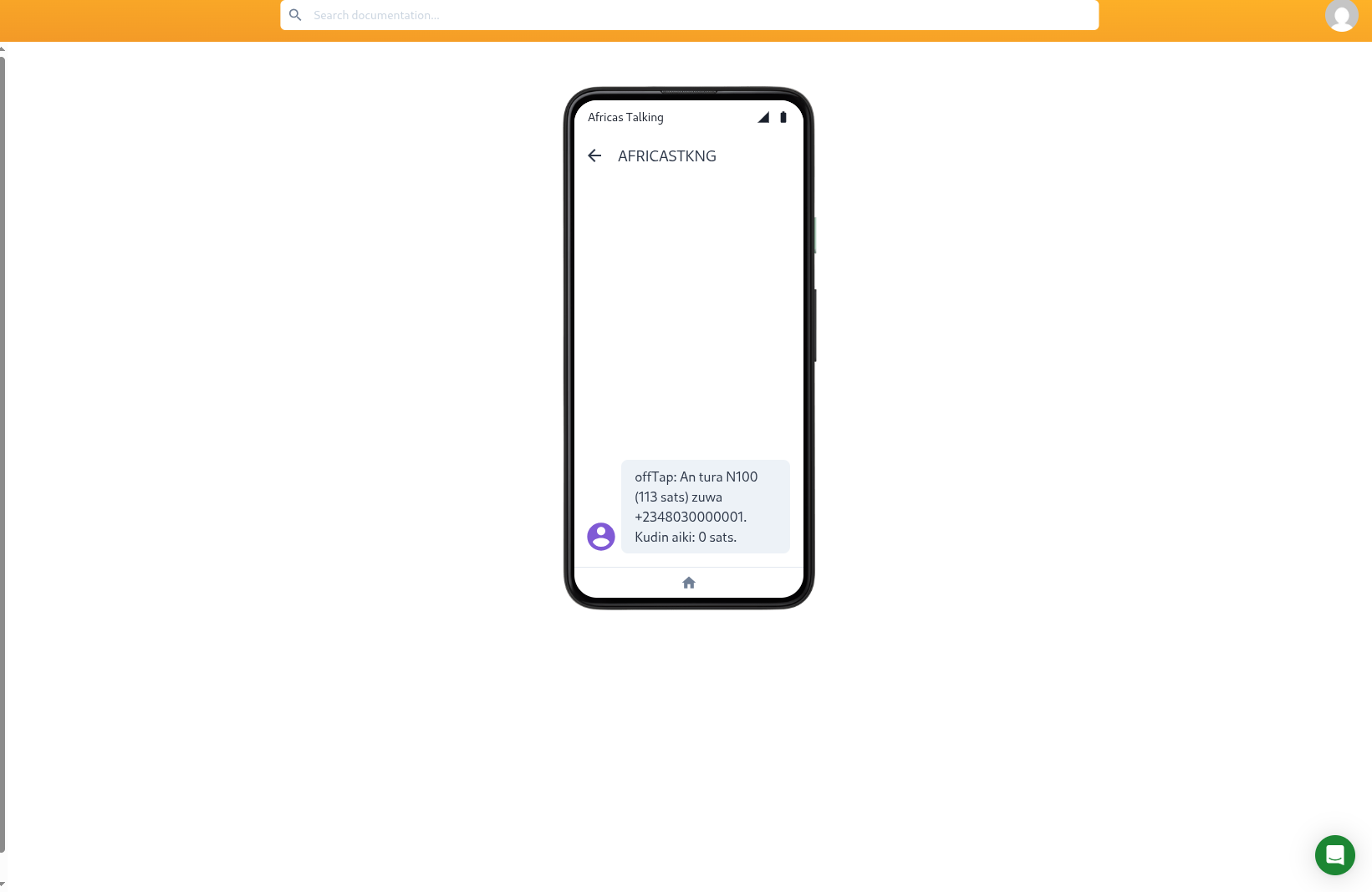
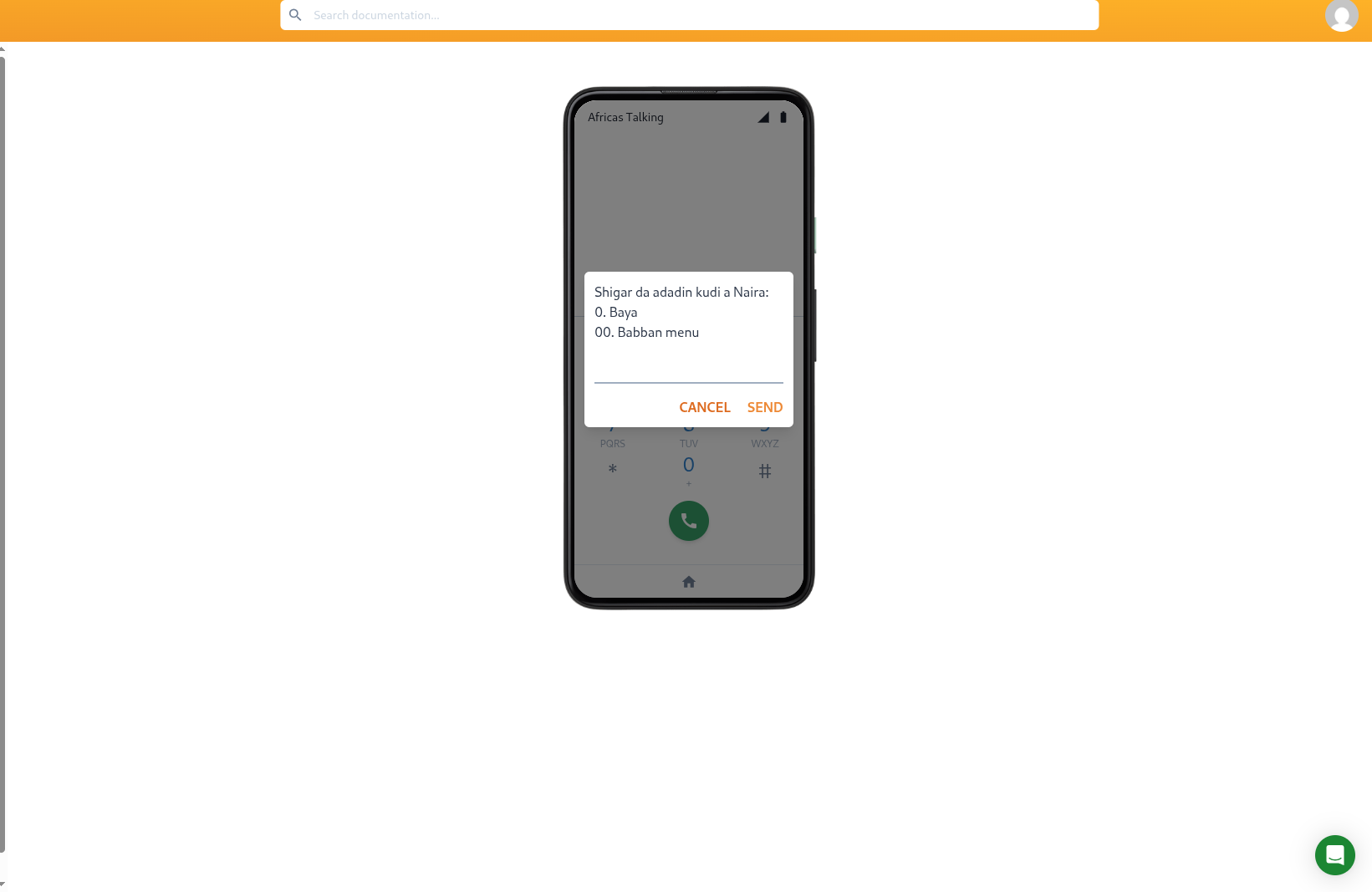
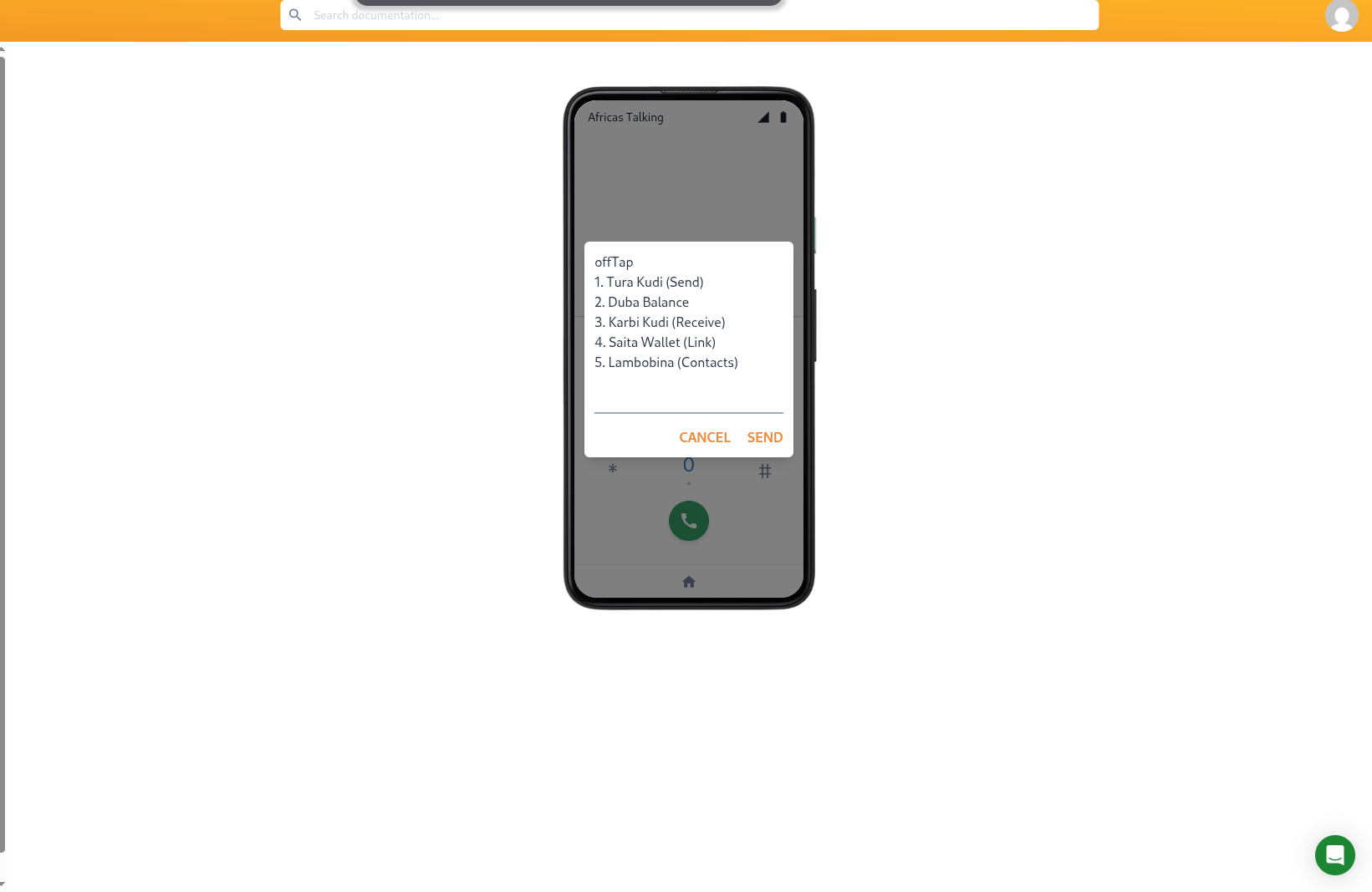
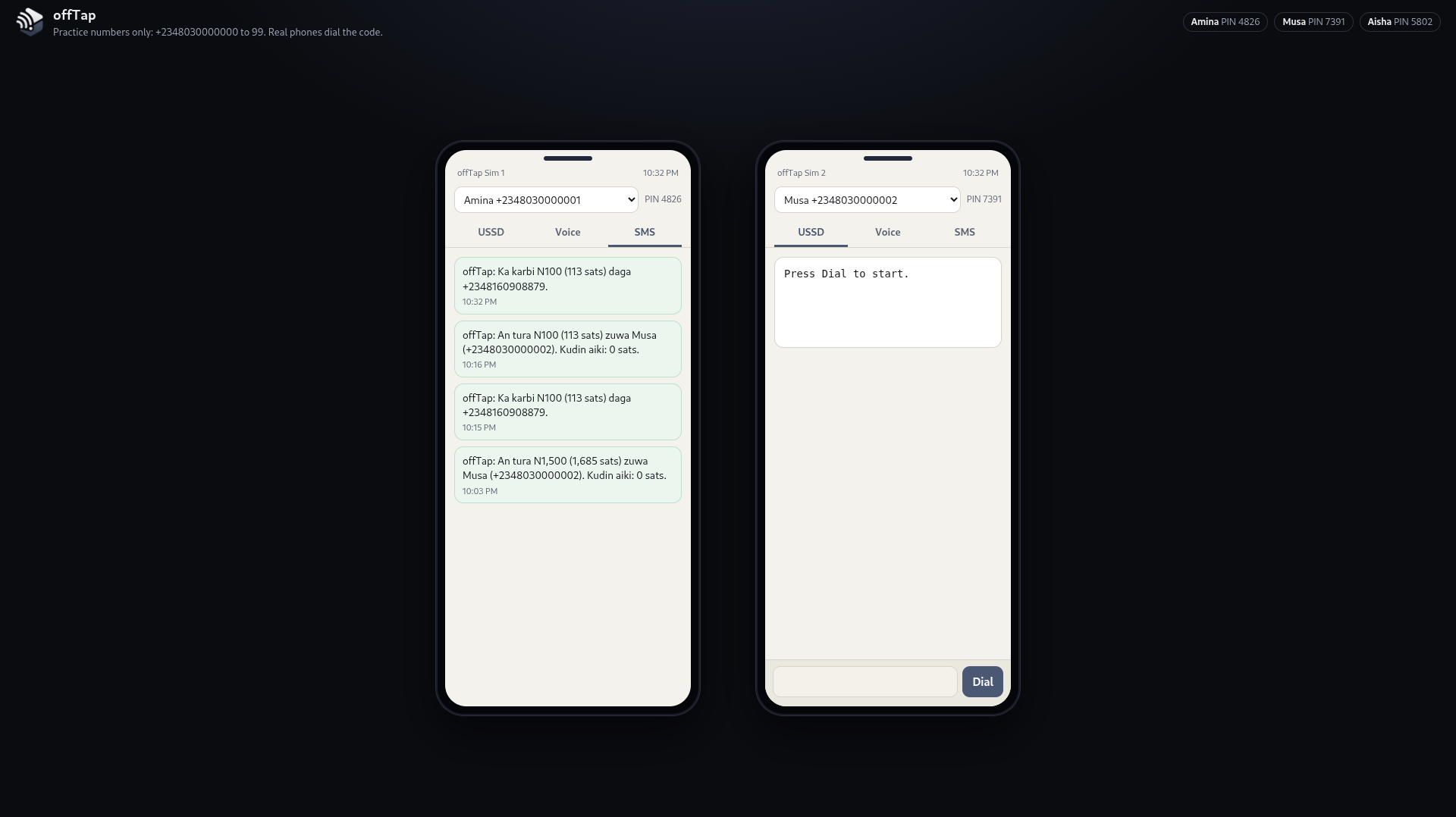
Pay from a menu. Choose Tura Kudi, enter a phone number or pick a saved name, type an amount in naira, see it in sats, and confirm with your PIN. Both sides get an SMS.
Pay by voice. Call in and say "Tura dubu biyar zuwa Musa". offTap reads it back in Hausa, and you approve by typing your PIN on the keypad. The PIN is never spoken, and voice only pays people you have saved.
Two kinds of wallet, and I say which is which. The wallet you get by dialling is custodial: it is held on the operator's Lightning node, because a trader with a feature phone cannot run one. A merchant who wants to hold their own funds links their own wallet over Nostr Wallet Connect instead. Then offTap can only spend up to a budget they set, and they can revoke it from their wallet at any time. Same menu, same PIN, and a trader can move from the first to the second whenever they like.
How I built it
- Server: Node.js and TypeScript with Fastify, SQLite for storage.
- Payments: Nostr Wallet Connect (NIP-47) to reach each wallet, and Lightning Address (LNURL-pay) to pay people outside offTap.
- Easy wallets: an isolated sub-wallet per phone number on an Alby Hub node, or test wallets with test sats for trying it free.
- Voice: Whisper for speech-to-text (hosted on Groq, or self-hosted), then a small Hausa parser I wrote for number words and intents. "Dubu biyu da dari biyar" becomes 2,500 by rule, not by a model's best guess.
- Rates: naira to sats from Yadio, which tracks the street rate traders actually use, with CoinGecko as a fallback.
- Telecom: Africa's Talking for USSD, SMS and voice.
- Setup: one
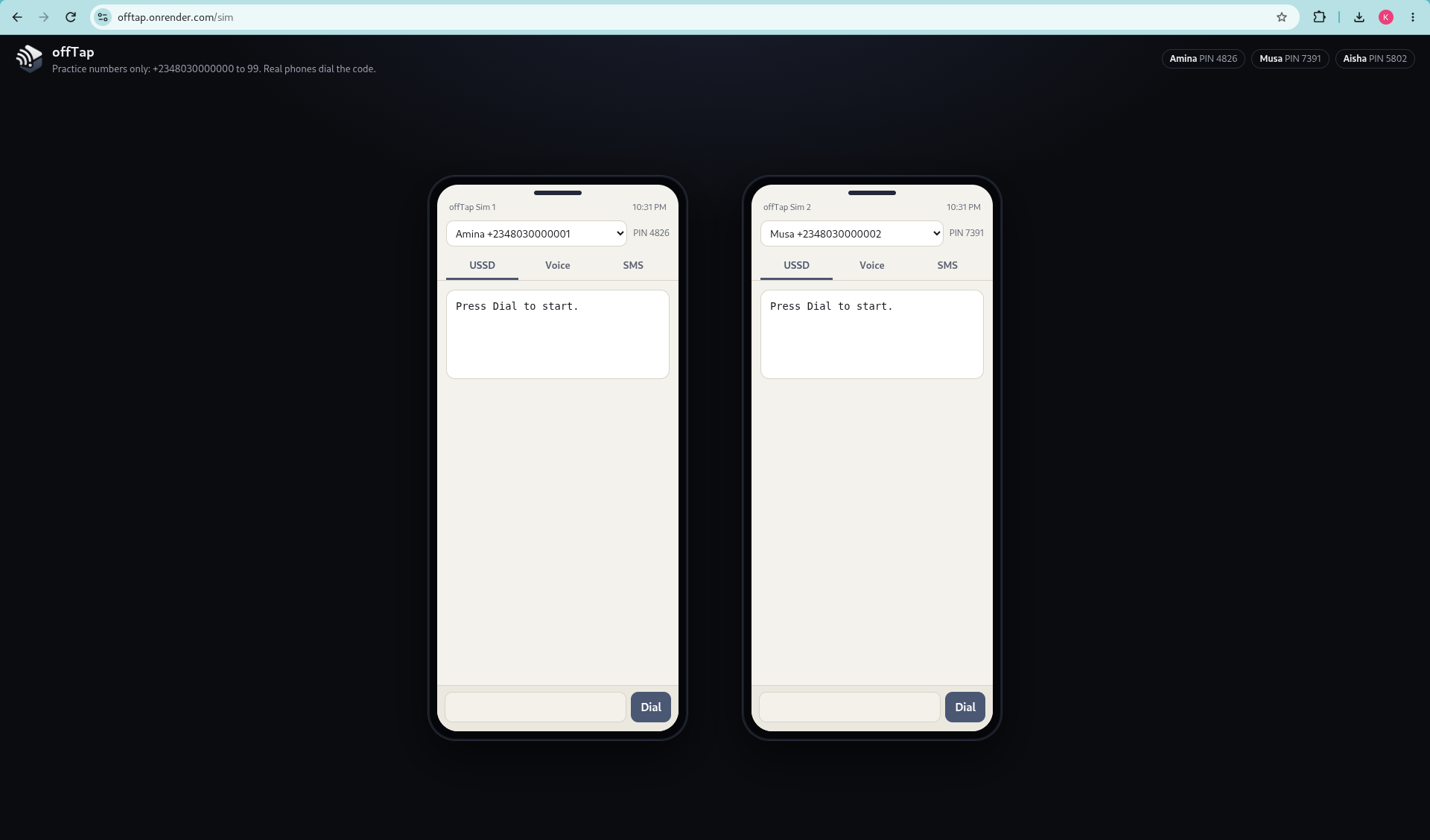
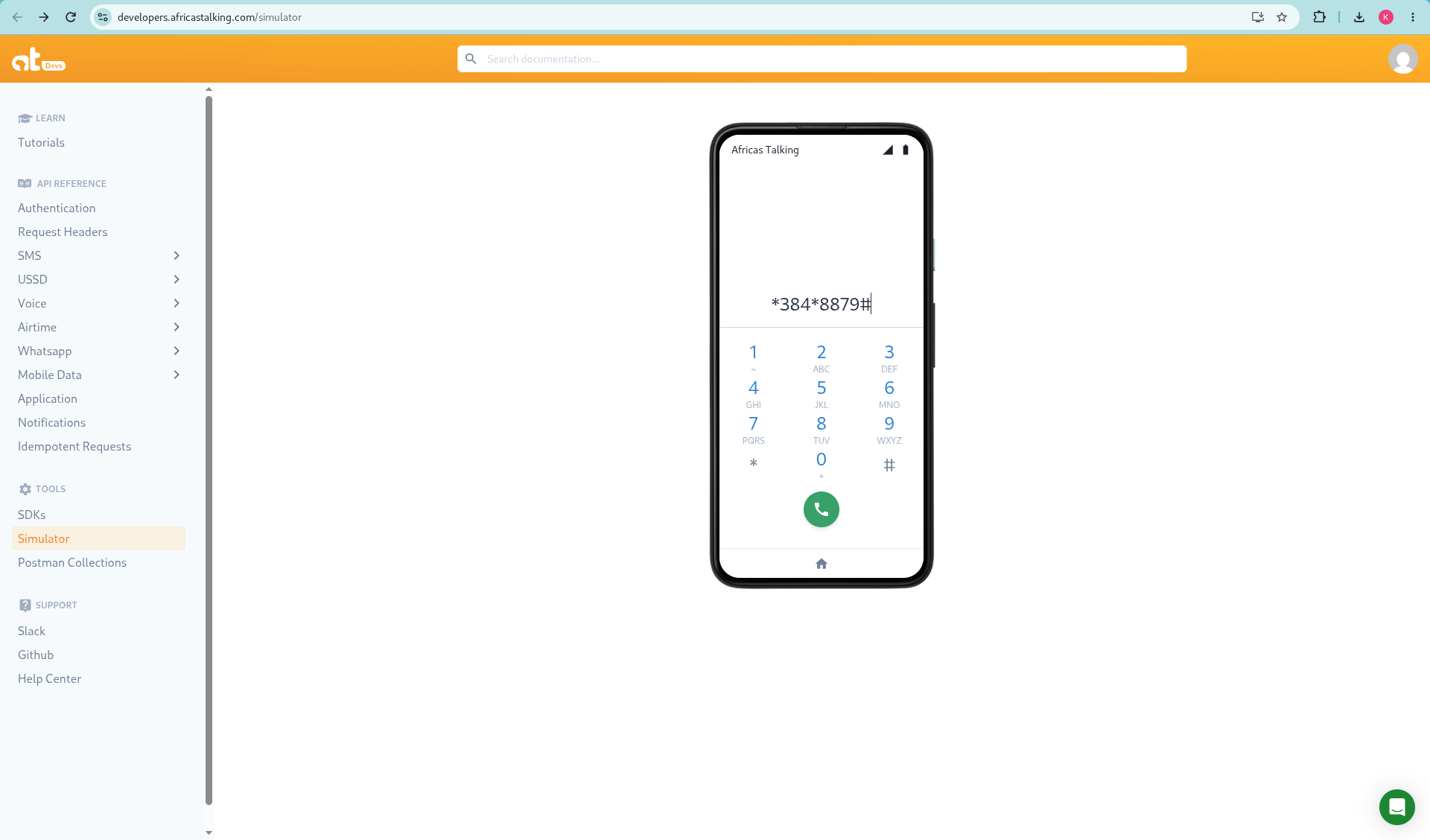
docker compose up. It starts with three demo traders, test wallets, saved contacts and a payment history, plus a phone simulator in the browser, so anyone can send a payment in under a minute without a telecom account.
Challenges
Being honest about custody. My first plan said the server could never spend a user's money because the wallet connection was encrypted with their PIN. That does not hold up. A 4 digit PIN has only 10,000 possibilities and it passes through the server every time you pay. I rewrote the security model around what is actually true, and wrote a threat model that lists what an operator can do and what I have not solved yet.
The trader I built for could not use my first version. Linking a wallet meant pasting a connection string into a web page. Nobody in Kwari market is doing that. Adding the dial-and-pick-a-PIN wallet meant accepting custody for those users, and I decided an honest custodial wallet that people can use beats a non-custodial one they cannot.
Not trusting the speech model with money. Speech recognition for Hausa makes mistakes. So what it hears is never acted on directly: the amount and name are read back, a name has to clearly match one saved contact or offTap asks again, and nothing moves without the PIN.
Proving who owns a phone number. If anyone could link a wallet to any number on a web page, an attacker could attach their wallet to your number and receive money meant for you. Sign-up and link codes are only issued inside a USSD session, so only the person holding the SIM can get one.
USSD does not wait. A session times out in seconds and a Lightning payment can take longer. Payments run in the background and the result arrives by SMS, and the balance check falls back to SMS if the wallet is slow.
Building on a slow connection. My own Docker builds kept timing out, and wallet connections dropped mid-test. Fixing that for myself, with retries and smaller downloads, made it more reliable for anyone else on a weak network, which is the whole audience.
What I learned
Nostr Wallet Connect is a better fit for this than I expected. A scoped, revocable connection with a budget is exactly the kind of permission a shared service should have.
I also learned that the security claims are part of the product. It is easy to write "non-custodial" on a slide and much harder to say precisely what a server operator can and cannot do.
And the parts that feel like AI problems are often not. The most reliable piece of the voice feature is forty lines of Hausa grammar.
What's next
- Testing with real traders in Kano and fixing the wording they stumble on.
- Hausa audio on calls, so the read-back is spoken in a natural Hausa voice.
- Protection against SIM swap: re-linking a number should need the old PIN or a waiting period.
- A cap on how much an easy wallet can hold, and a simple way to move out to your own wallet as the balance grows.
- A companion app for merchants who do have a smartphone, sharing the same wallet as their USSD number.
Built With
- africas-talking
- alby-sdk
- bitcoin
- docker
- fastify
- lightning-address
- lightning-network
- lnurl
- nip-47
- node.js
- nostr
- nostr-wallet-connect
- sms
- sqlite
- typescript
- ussd
- yadio

