-
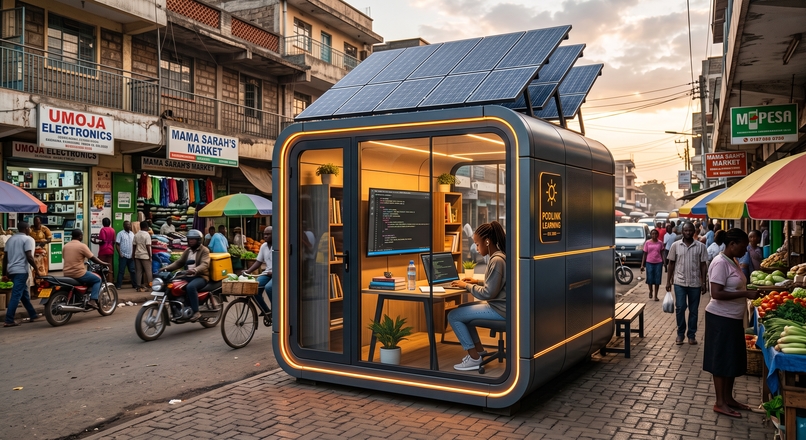
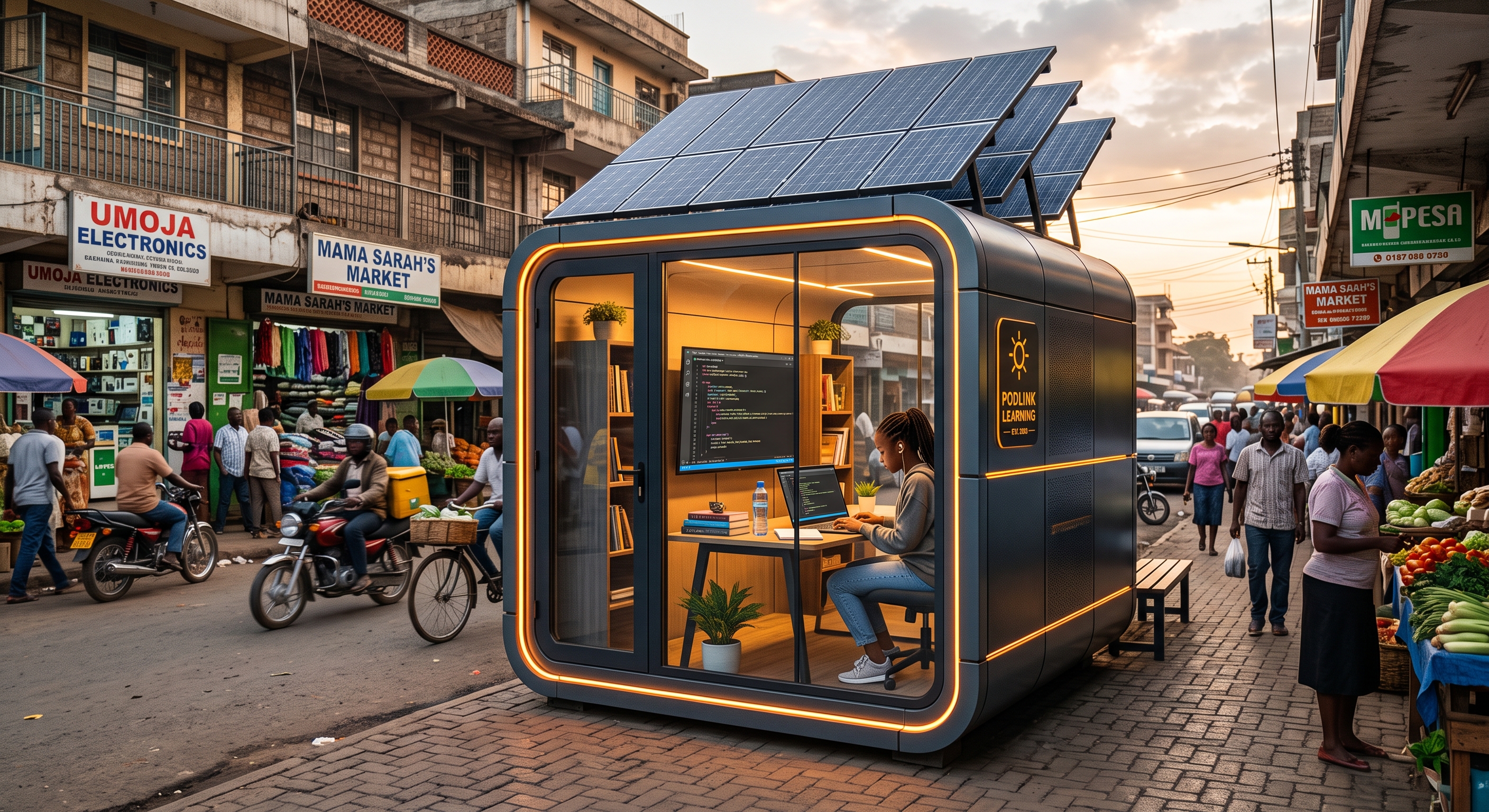
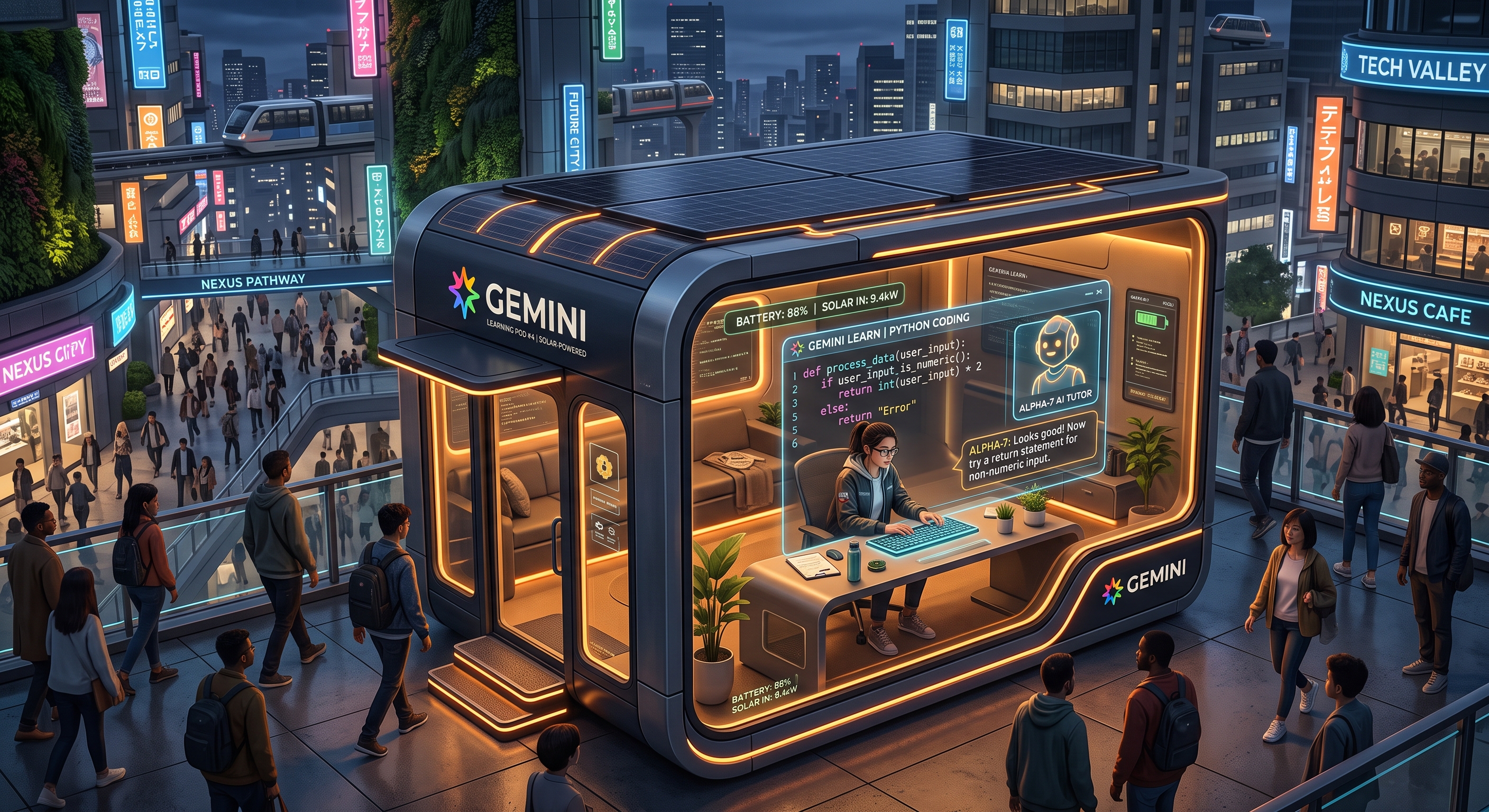
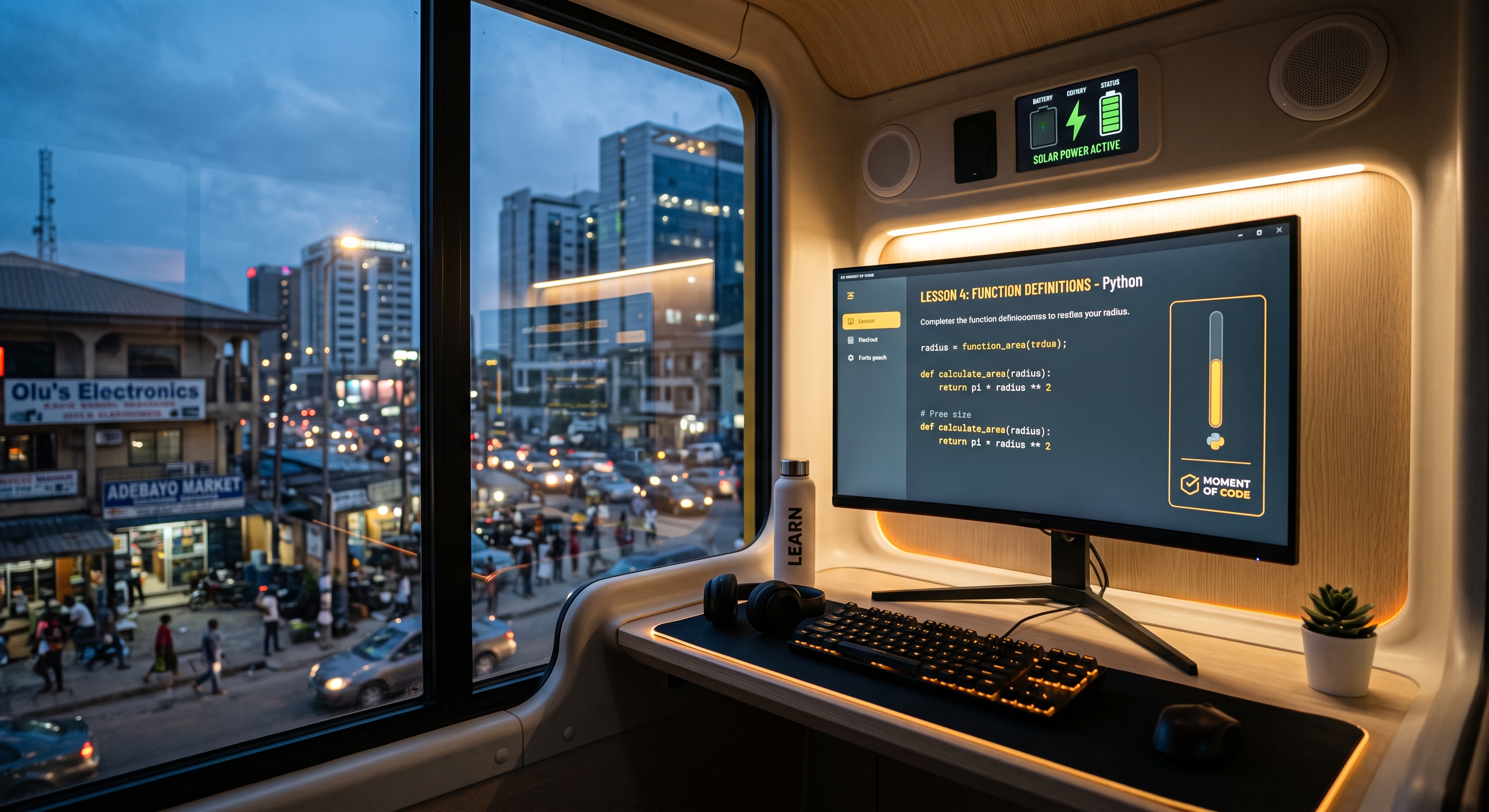
A solar-powered, zero-bandwidth Community Learning Pod visualized with Google Gemini designed to bring AI coding education to urban commune.
-
-
Inspiration
While tutoring students at a computer vocational center, I saw firsthand the stark reality of the digital divide. Students were eager to transition from basic computer applications to software development, but unreliable internet access constantly derailed their progress. Modern AI coding assistants require constant, high-speed connectivity, effectively locking out learners in developing urban areas. This sparked a "crazy" idea: what if we could build futuristic, solar-powered "Zero-Bandwidth Learning Pods" for city neighborhoods where a world-class AI coding tutor runs entirely offline?
What it does
OfflineTutor is an adaptive, zero-bandwidth AI coding mentor designed for edge devices in community learning pods. It provides personalized, interactive programming education without needing an active Wi-Fi connection. The system generates a custom 5-stage curriculum based on the student's goals, pace, and skill level. It features a conversational AI tutor that uses relatable analogies (like comparing Python variables to MS Excel cells) to explain complex coding concepts, diagnose errors, and provide actionable practice exercises.
How we built it
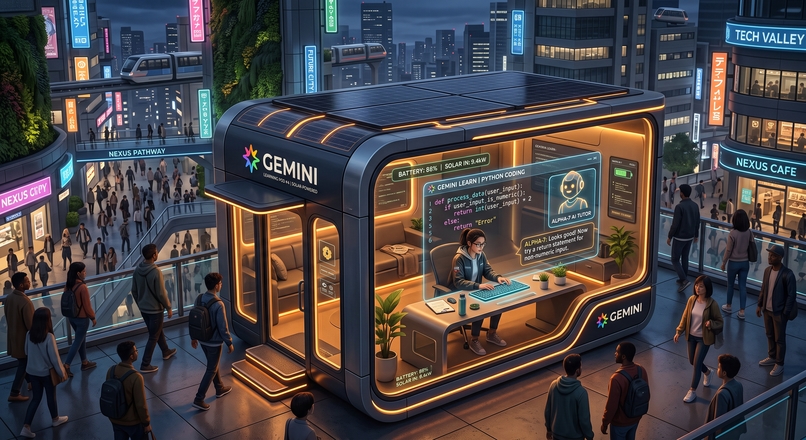
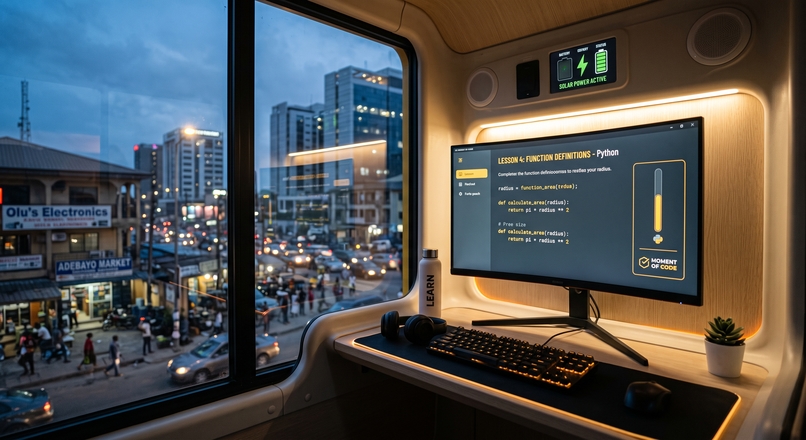
The project fuses advanced cloud AI for ideation with a highly optimized local stack for execution. We used Google Gemini to brainstorm the physical learning pod concepts and generate the futuristic architectural visualizations. We also leveraged Gemini's advanced reasoning to design the underlying JSON structure for our dynamic learning tracks.
For the working software prototype, we built a responsive React frontend styled with Tailwind CSS to match the futuristic dark-slate and amber aesthetic. This connects to a local FastAPI Python backend running a highly compressed, quantized 1.5B parameter model via llama.cpp.
Challenges we ran into
The biggest technical hurdle was getting a capable AI to run within the strict constraints of budget commodity hardware. Balancing coding accuracy with an 8 GB RAM limitation required extensive testing of different quantization levels. Additionally, ensuring the local AI consistently outputted perfectly formatted JSON for the dynamic curriculum required building strict fallback templates in the FastAPI backend to prevent the React UI from crashing if the model hallucinated.
Accomplishments that we're proud of
We successfully compressed a powerful AI coding tutor to run entirely on a standard CPU while consuming under 1.8 GB of RAM and generating text at nearly 12 tokens per second. We are incredibly proud of translating a futuristic, ambitious concept into a tangible, working software prototype that proves edge-based AI education is possible today.
What we learned
We learned an immense amount about AI model quantization, edge computing, and effectively bridging React frontends with local Python inference engines. More importantly, this project reinforced that the most impactful AI solutions aren't just about building the largest models, but about making intelligence accessible to the people who need it most, regardless of their infrastructure.
What's next for OfflineTutor: Zero-Bandwidth City Learning Pods
The immediate next step is expanding our curriculum generation to support local vernacular and regional languages. We plan to package the software into single-click offline bundles for easy deployment in community tech hubs and classroom computer labs. Ultimately, we want to pilot the first physical, solar-powered learning pod prototype in a real urban neighborhood to bring this futuristic vision to life.

Log in or sign up for Devpost to join the conversation.