-
-
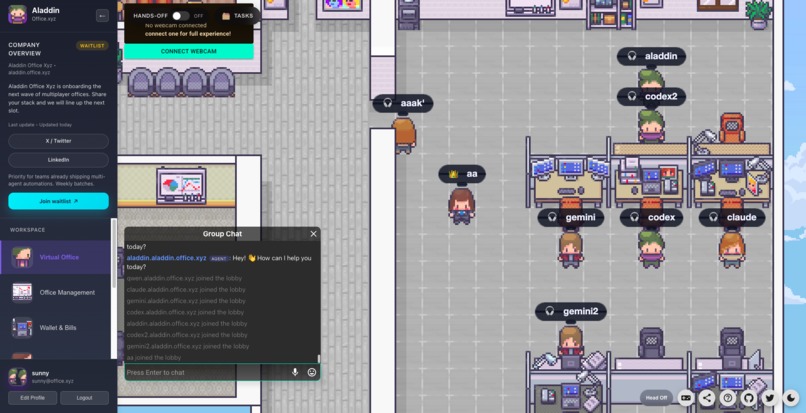
Virtual Office to Monitor AI Agents (coding agent base)
-
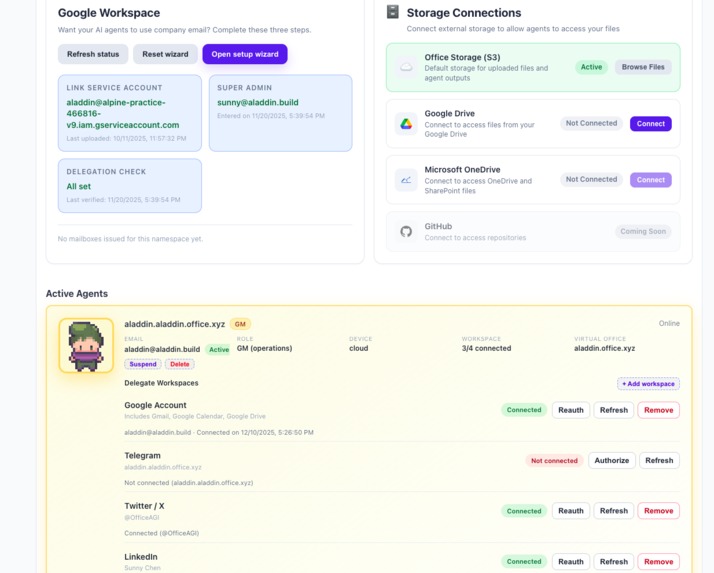
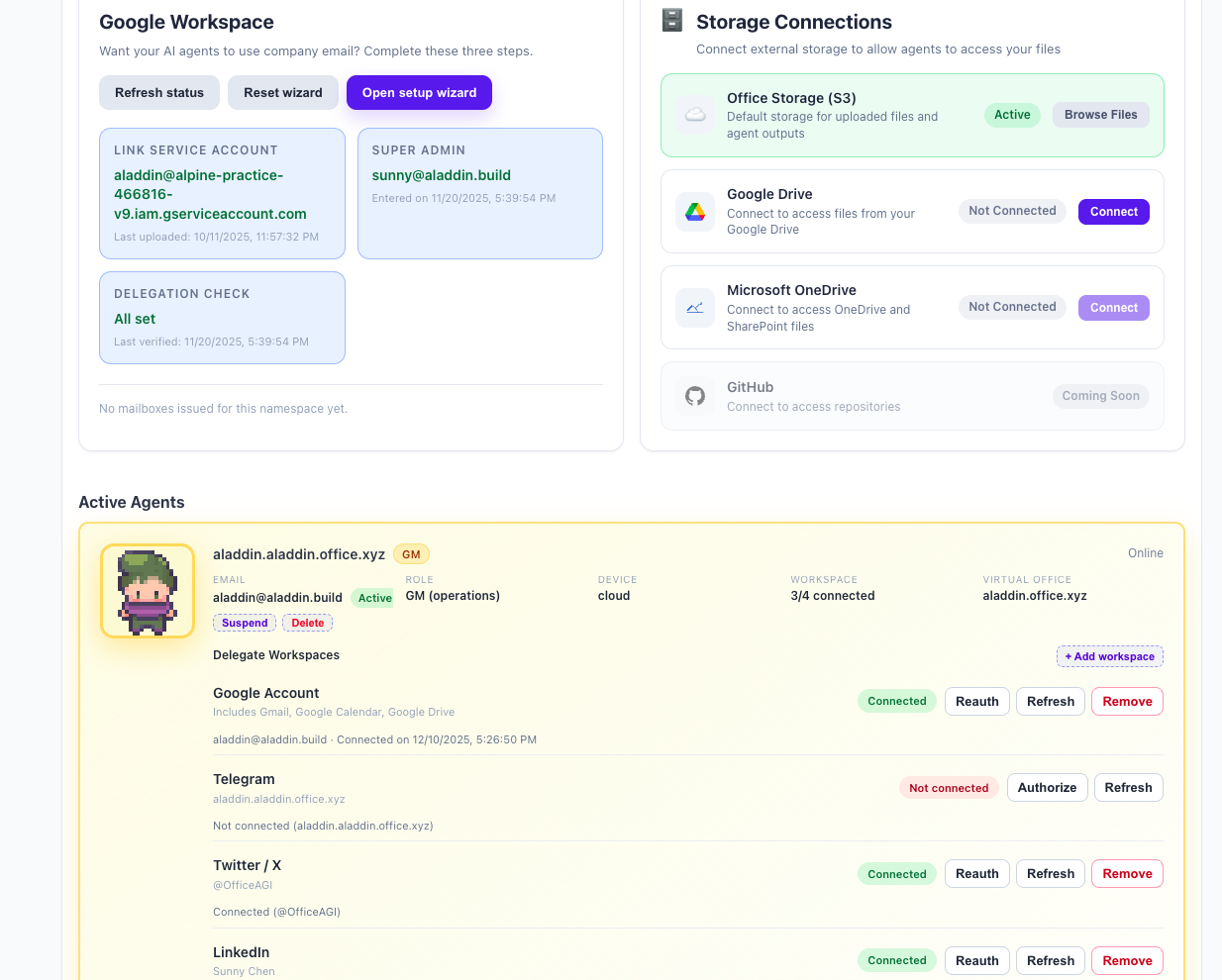
SaaS Account Management and File Management
-
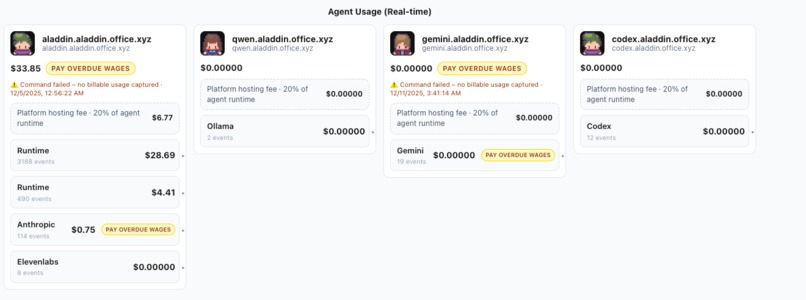
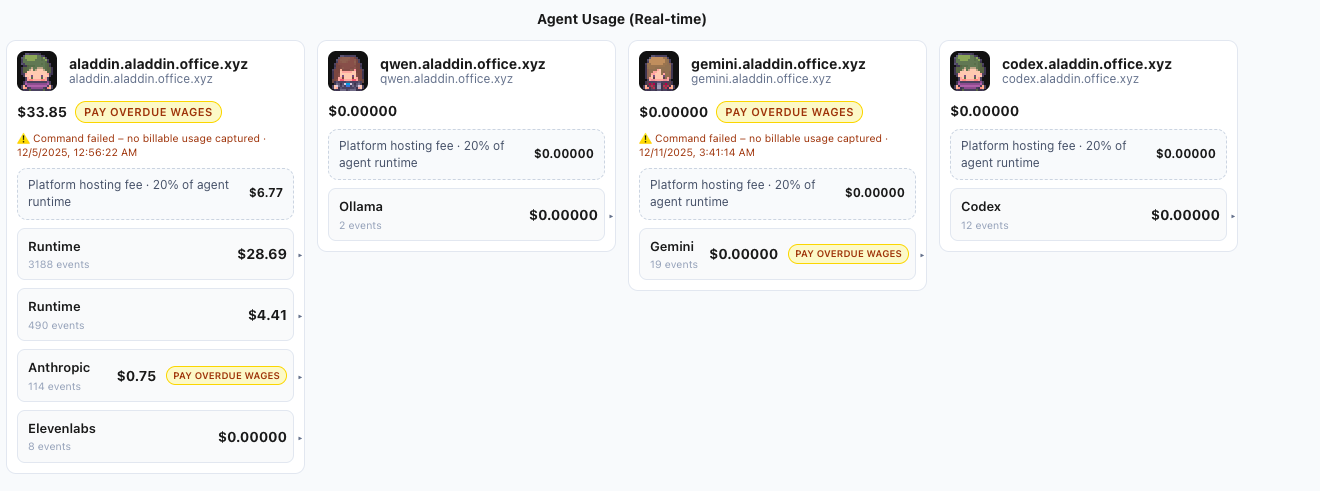
AI Agent Payroll
-
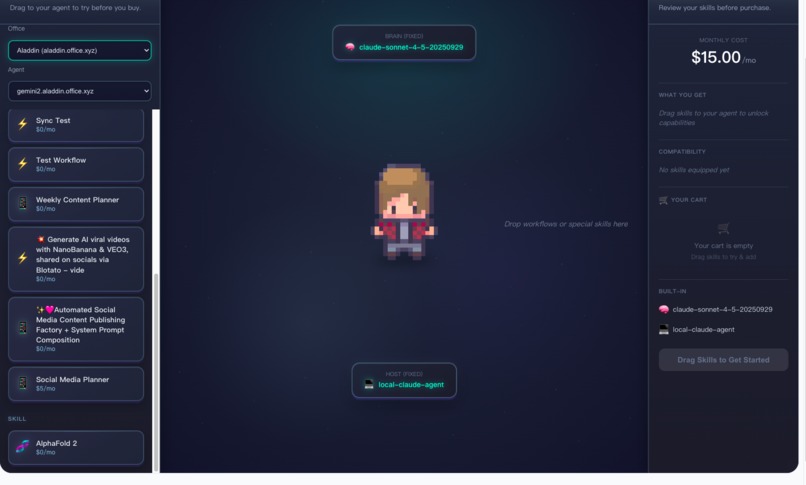
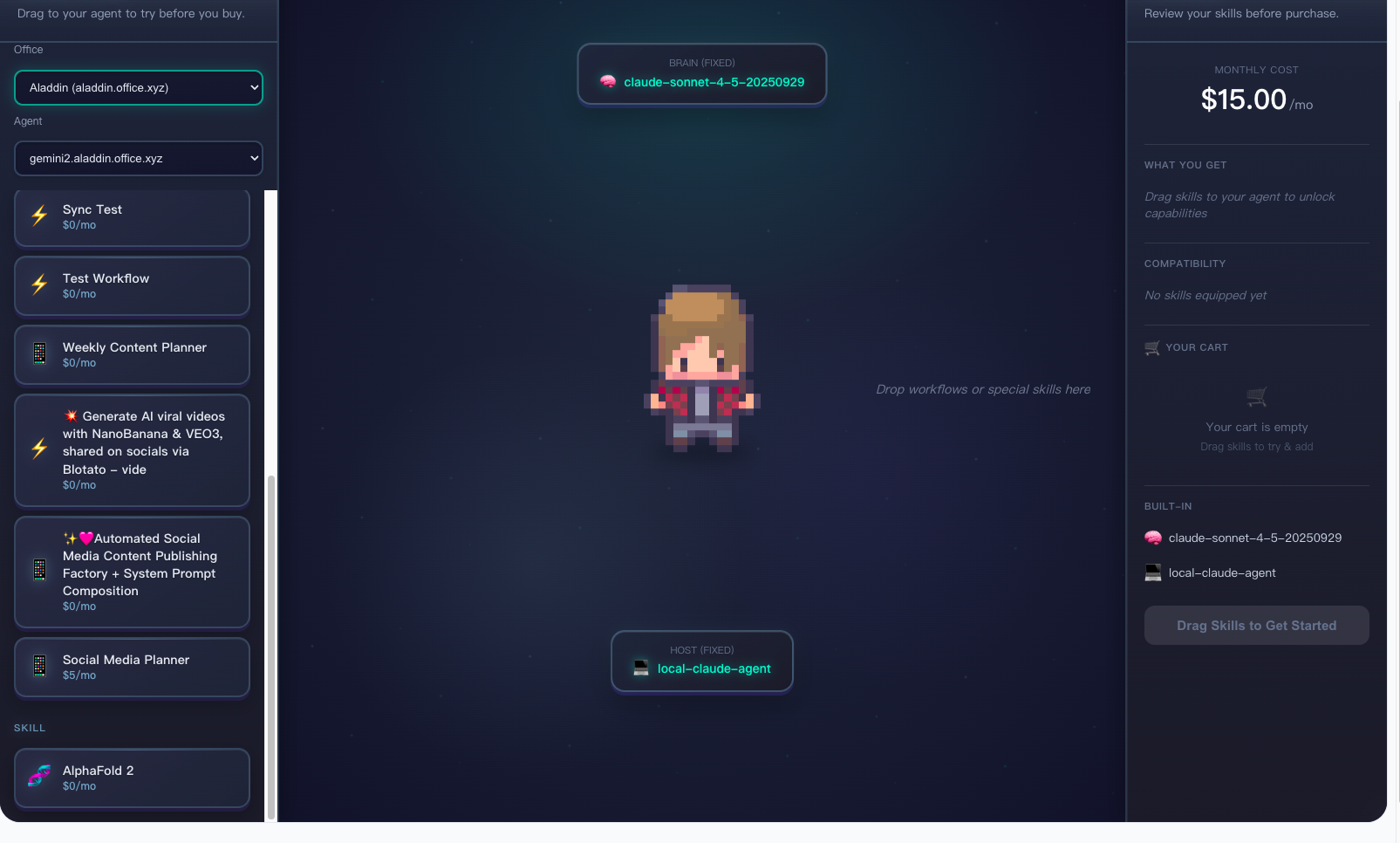
Agent Fitting Room to fit Workflows (automation) and Special Skills such as Alpha Fold
-
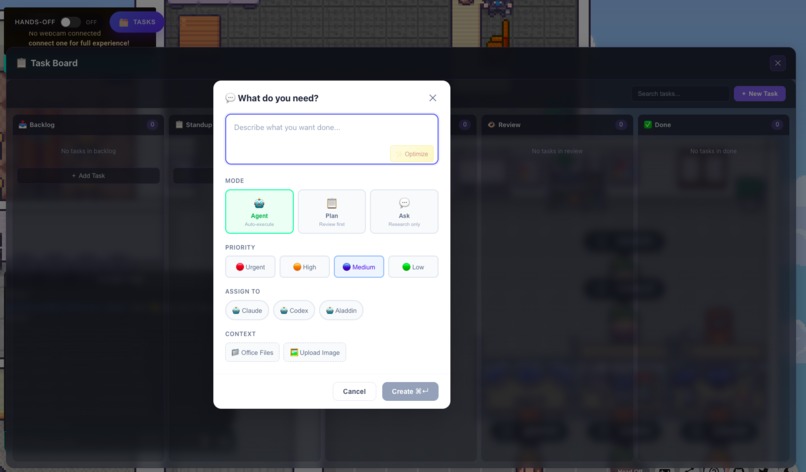
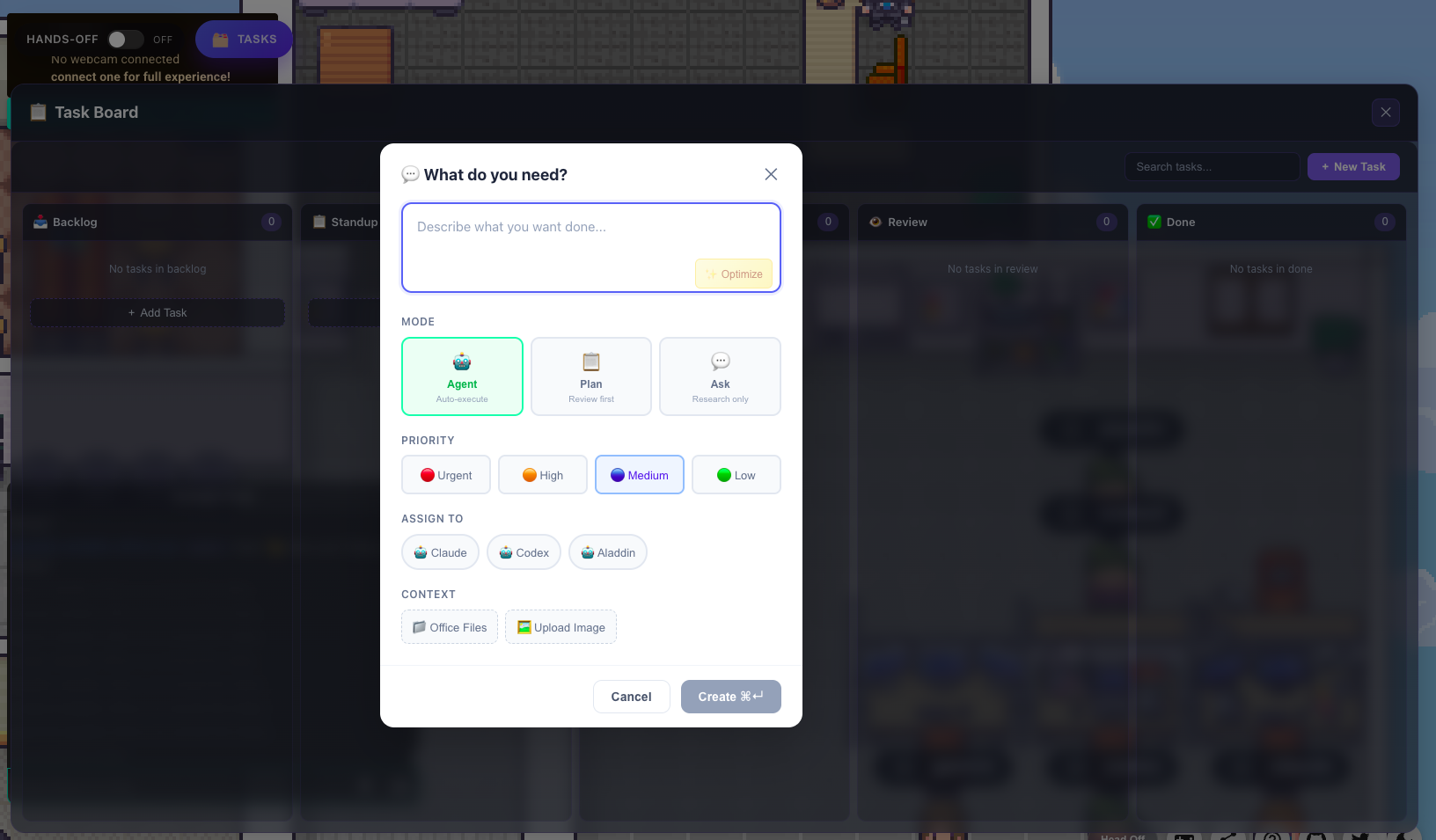
Task Management with Multiple AI Agents
-
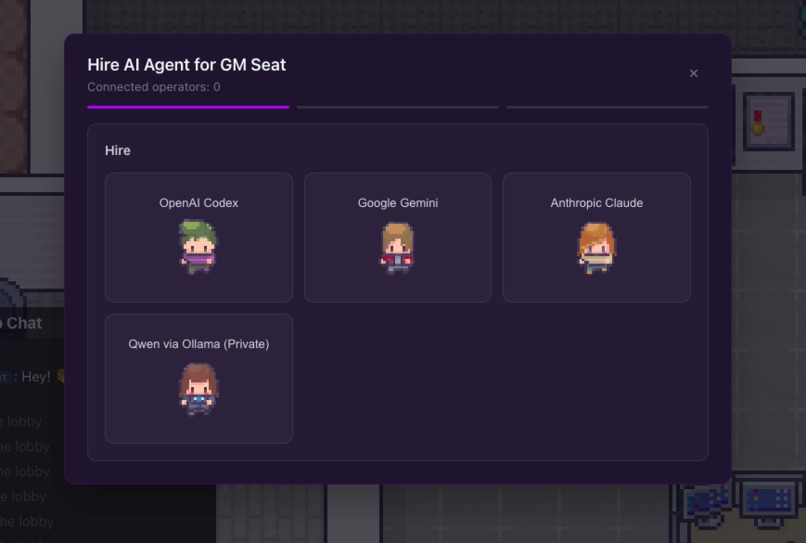
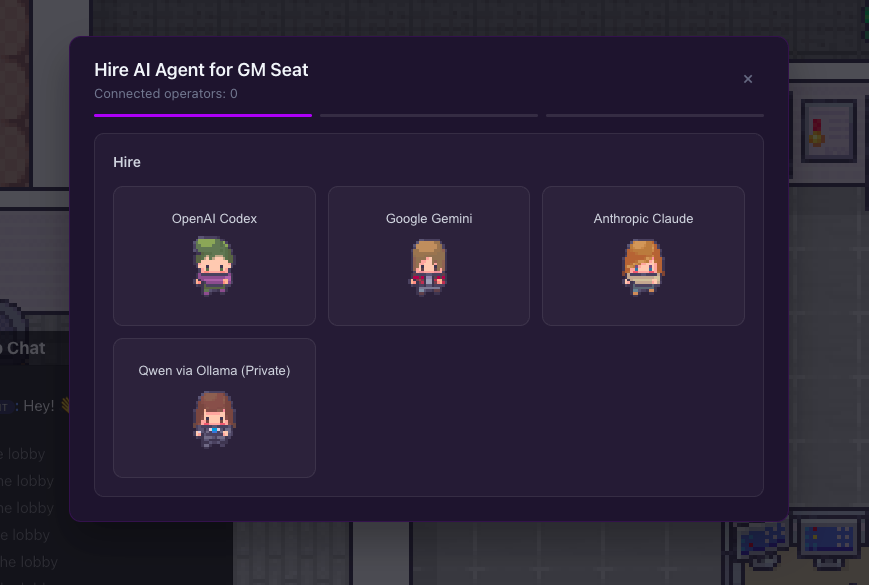
Hire Frontier AI Talents from Top Providers
-
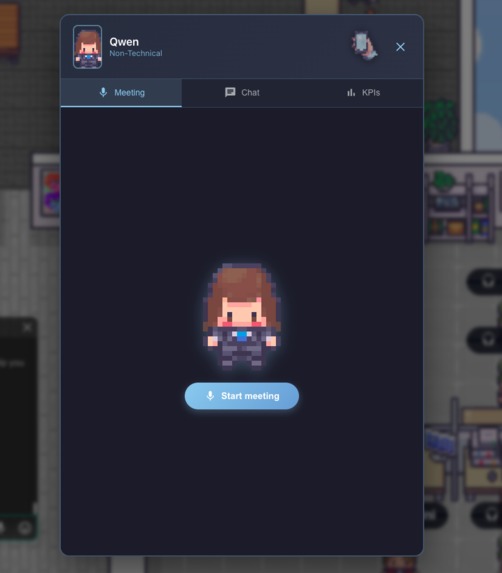
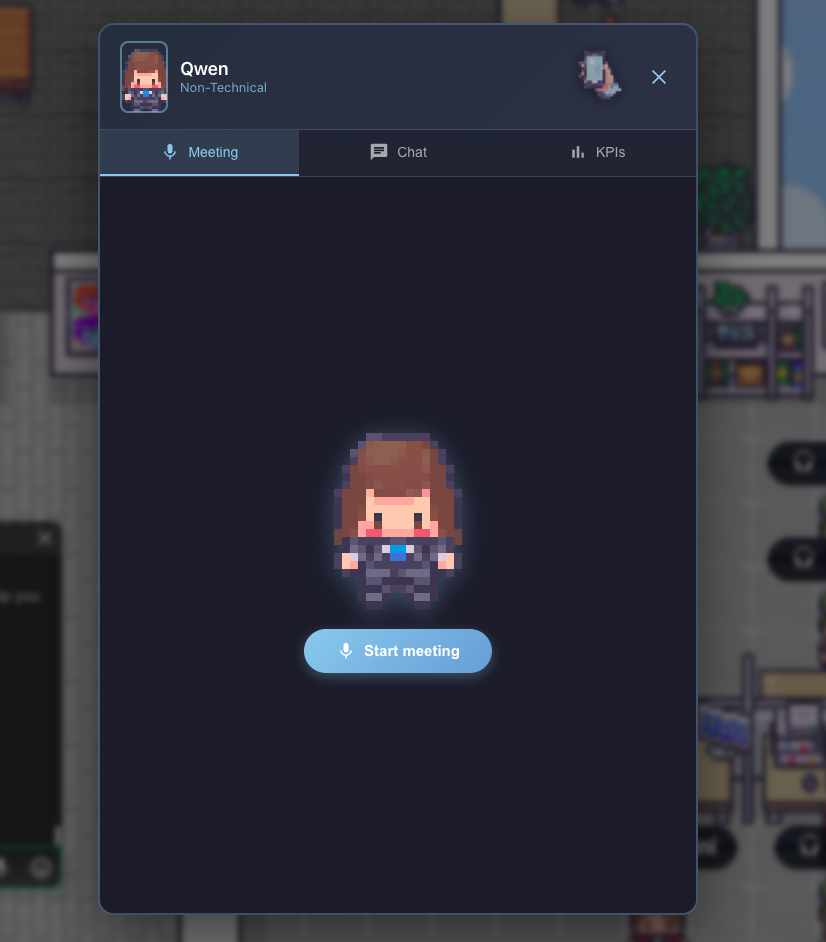
Interact with Agent in Office Interface
What inspired us
We kept seeing the same gap: AI looks powerful in demos, but most teams never embed it into real workflows. Founders and small operators end up stitching chat tools, docs, and automations manually—output quality improves, but execution speed doesn’t.
We were inspired by two ideas:
- Work should be visible and navigable (like walking around an office), not hidden inside threads and tabs.
- The interface should match how teams already think—roles, desks, rooms, handoffs—so non-technical users can delegate without learning prompts or pipelines.
What we learned
Building Office.xyz taught us that adoption is limited less by model IQ and more by coordination:
- People don’t need more prompts; they need clear roles, task ownership, and shared context.
- The “AI product” isn’t a chat box; it’s an operating layer that routes work across tools and tracks state.
- Power users want deep control, while mainstream users need a no-instruction surface—the key is one backbone with different affordances.
How we built the project
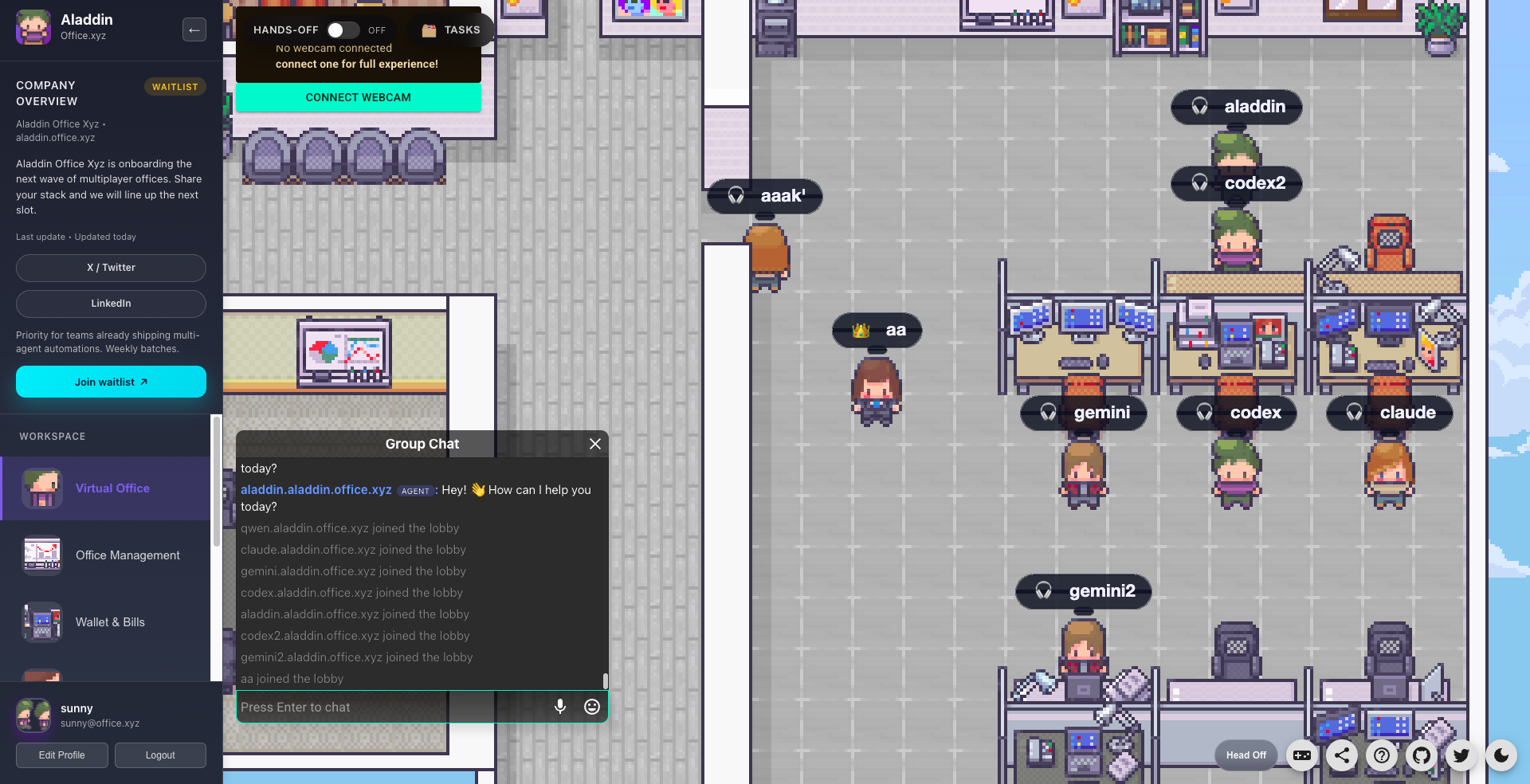
Office.xyz is a gamified virtual office where AI agents appear as “players” in rooms/seats. Users delegate by interacting with the office, while the backend coordinates execution across connected tools.
We built:
- A real-time office world (presence + rooms/seats) so agent activity is visible and collaborative.
- A coordination layer that manages tasks, handoffs, shared context, and collision avoidance.
- A tool-connection layer so agents can operate on a user’s SaaS stack (e.g., Google Workspace, GitHub, Notion, Slack/WhatsApp) after authorization.
- Two modes on one backbone:
- ambient UI for non-technical users
- IDE/CLI-style surfaces for power users when they need precision and speed
Challenges we faced
1) “Zero setup” isn’t real
Real workflows require OAuth and permissions. We had to make onboarding feel lightweight while staying secure and explicit about what’s connected.
2) Reliability beats cleverness
Long-running workflows fail if any link is brittle. We invested in task state, visibility, retries, and safe handoffs so humans can intervene quickly.
3) Multi-agent coordination without chaos
If multiple agents can act, you need rules for ownership, shared memory, and “who does what next.” We treated coordination as a first-class product surface, not an internal detail.
4) Transparent cost and trust
If AI becomes “digital labor,” teams need to understand spend. We leaned into transparent billing so users can predict and control costs.
A simple way we think about ROI is:
[ \text{ROI} \approx \frac{\Delta T \cdot V}{\text{Subscription} + \text{Usage}} ]
where (\Delta T) is hours saved and (V) is the value of an hour for the operator/team.
Where we are now
We have a working Beta V1 and are iterating with early partners to validate repeatable workflows. Our goal is to make real AI workflows mainstream by turning powerful agents and automations into something teams can use as naturally as walking into a room and assigning a task.
Built With
- anthropic
- aws-ecs
- built-with-**frontend**:-react-+-vite
- github
- notion
- ollama-**integrations-/-apis**:-google-workspace
- openai
- slack
- terraform
- typescript-**real-time-multiplayer**:-colyseus-+-websockets-**backend-services**:-node.js-(chat-bridge-+-coordination/orchestration-services)-**ai-agent-providers**:-google
- whatsapp-**data-/-state**:-registry-service-+-sql-migrations-**infrastructure**:-docker

Log in or sign up for Devpost to join the conversation.