-
-
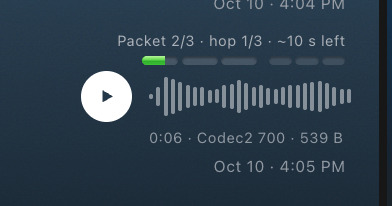
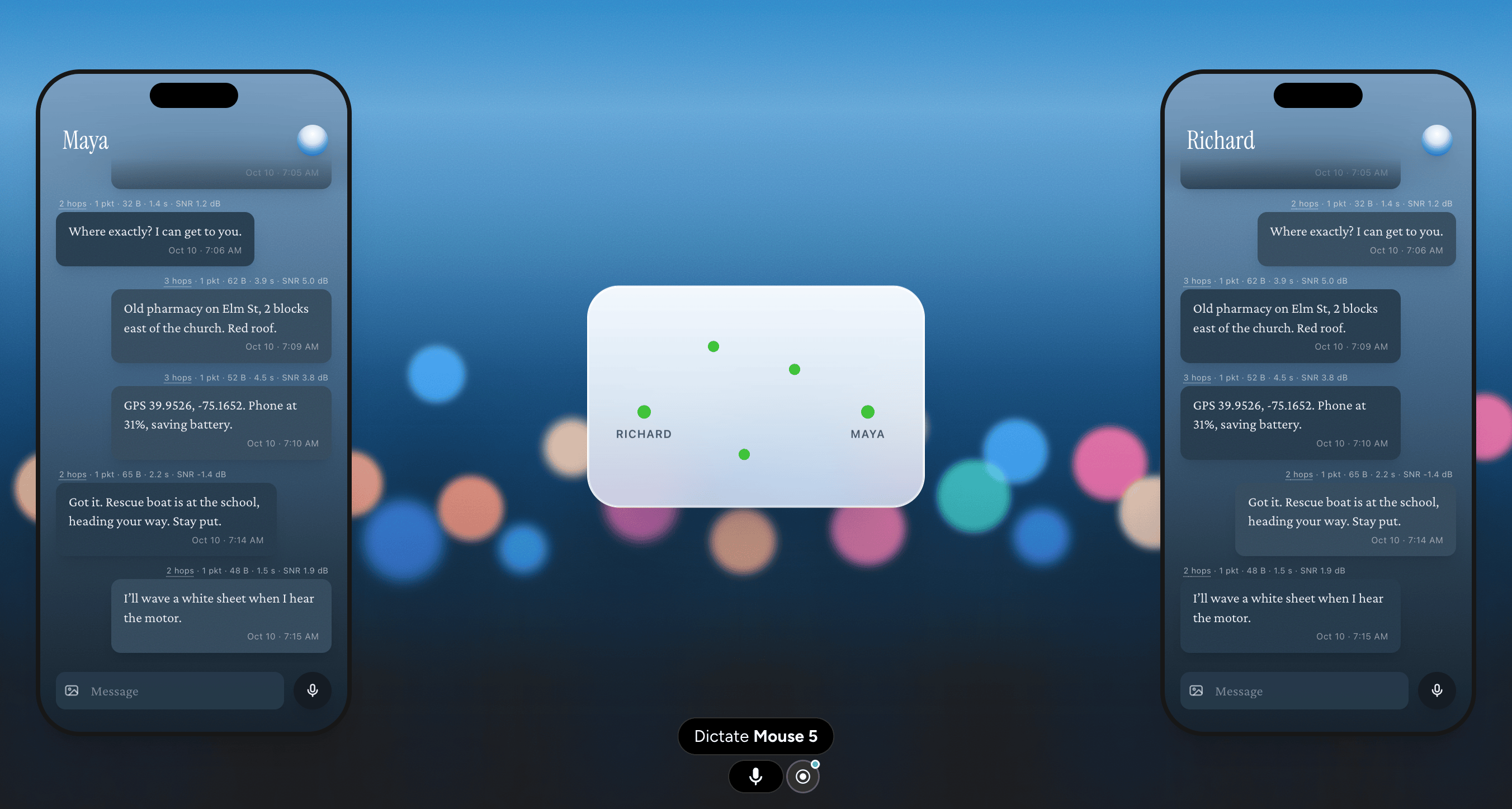
Audio transfer
-
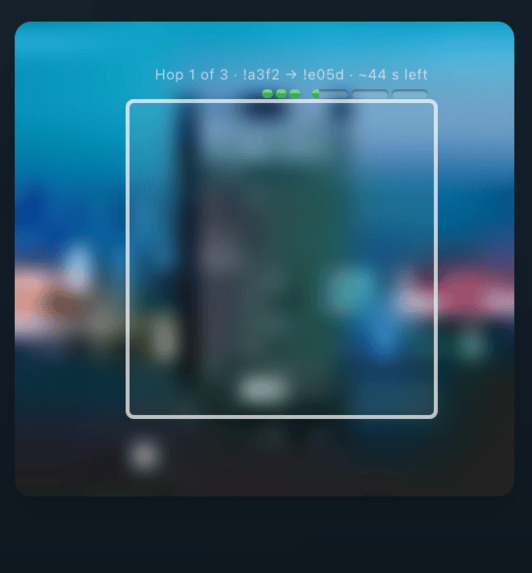
Partial image rendering
-
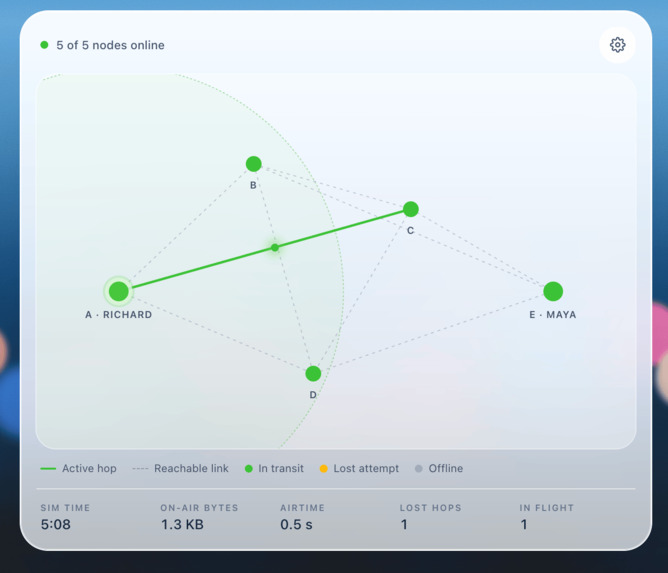
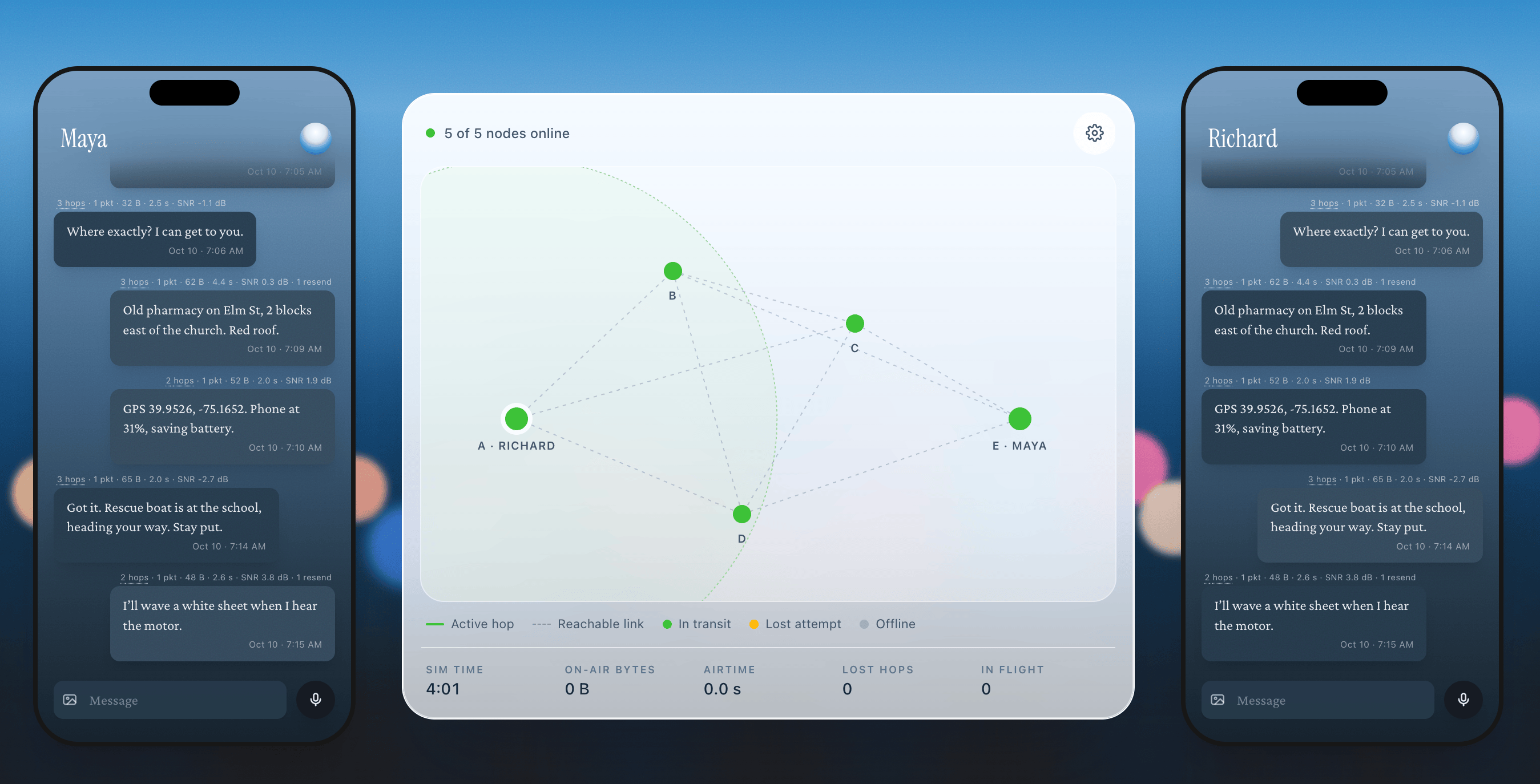
Mesh simulation
-
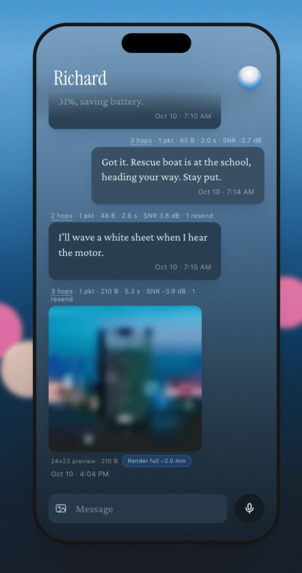
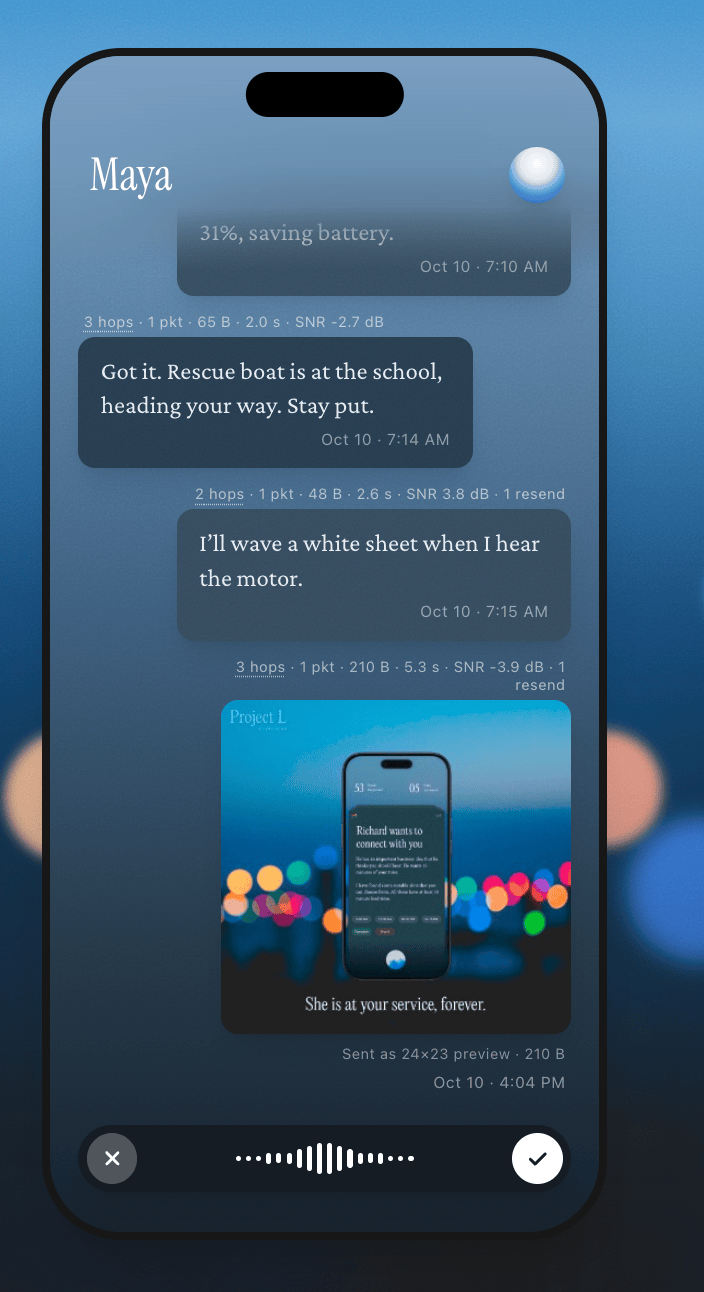
Received low quality image preview
-
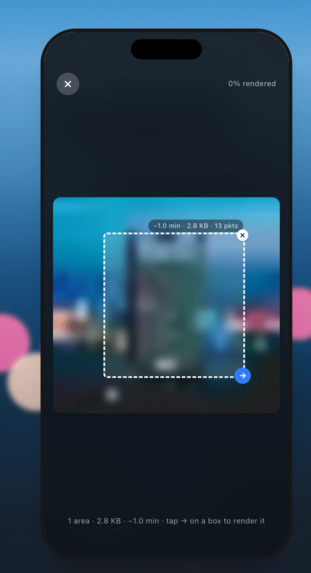
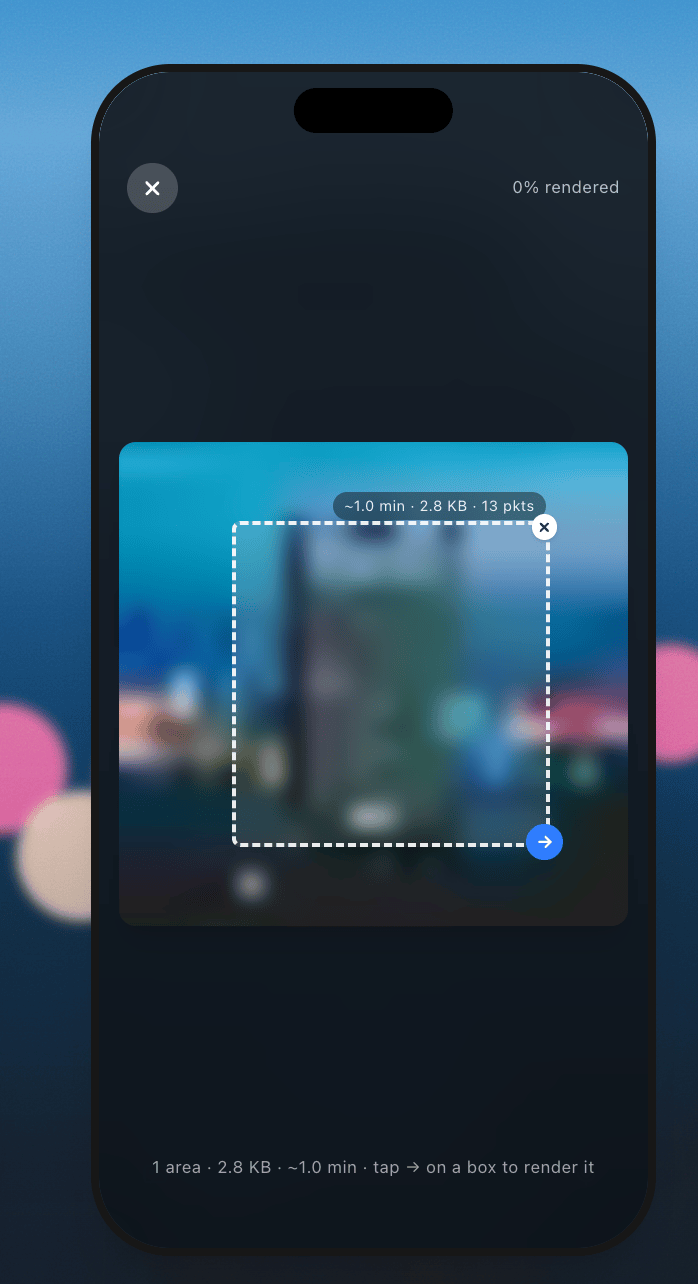
Selecting the image to be rendered
-
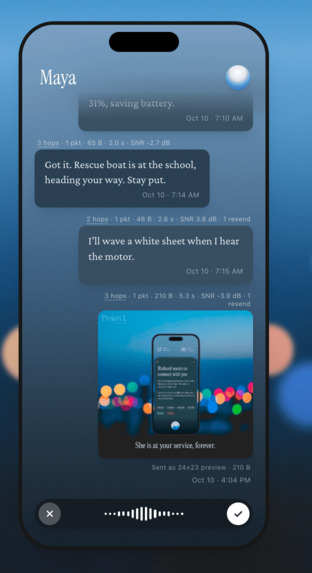
Image preview
-
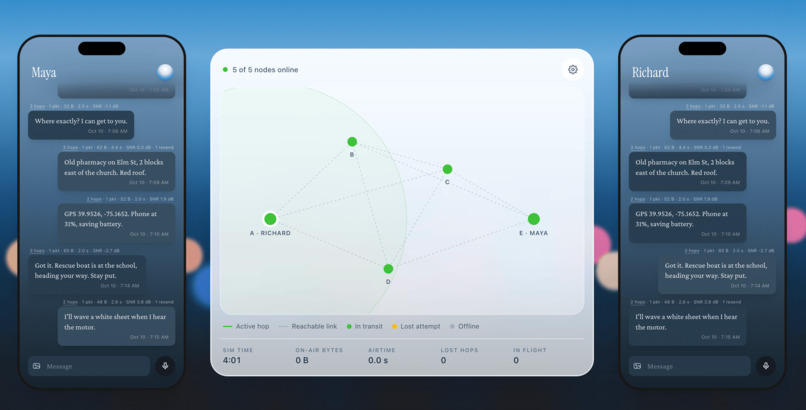
Expanded home view
-
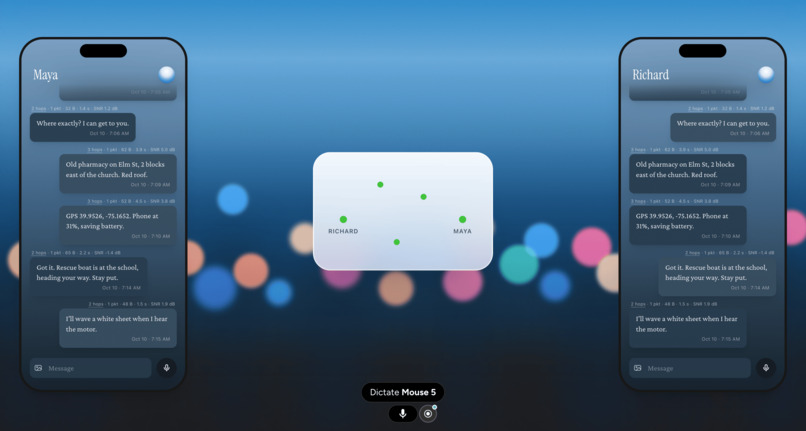
Default home view
Bunkr: Send what matters
A message begins as a thought. We use words, voices, and images to help someone else understand it. Language can slow that exchange when we cannot find the right words. In an emergency, a broken network can stop it altogether. What matters most then is how quickly another person understands our intent and can act.
This is a real problem, not a distant possibility. Floods and landslides struck 21 districts in Nepal in September 2024. During the response, some cell towers and internet service points remained down. The UN’s Nepal floods response plan describes both the scale of the damage and the disruption to communications.
Imagine someone stranded by floodwater sending a photo to a rescuer. The photo shows the sky, the water, the building, and the place where the person is waiting. The rescuer does not need every pixel at full quality. They need to inspect the one part that helps them make their next decision. Sending the entire image first spends precious time on details they may never use.
That idea shaped Bunkr. We trust the person receiving a message to decide what they need to see. Our goal is to give people a shared picture of a situation when they are isolated from the grid, then let them ask for the detail that matters.
What we built
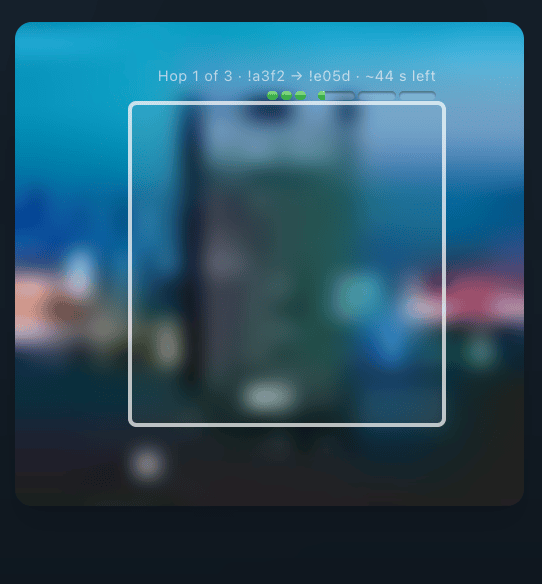
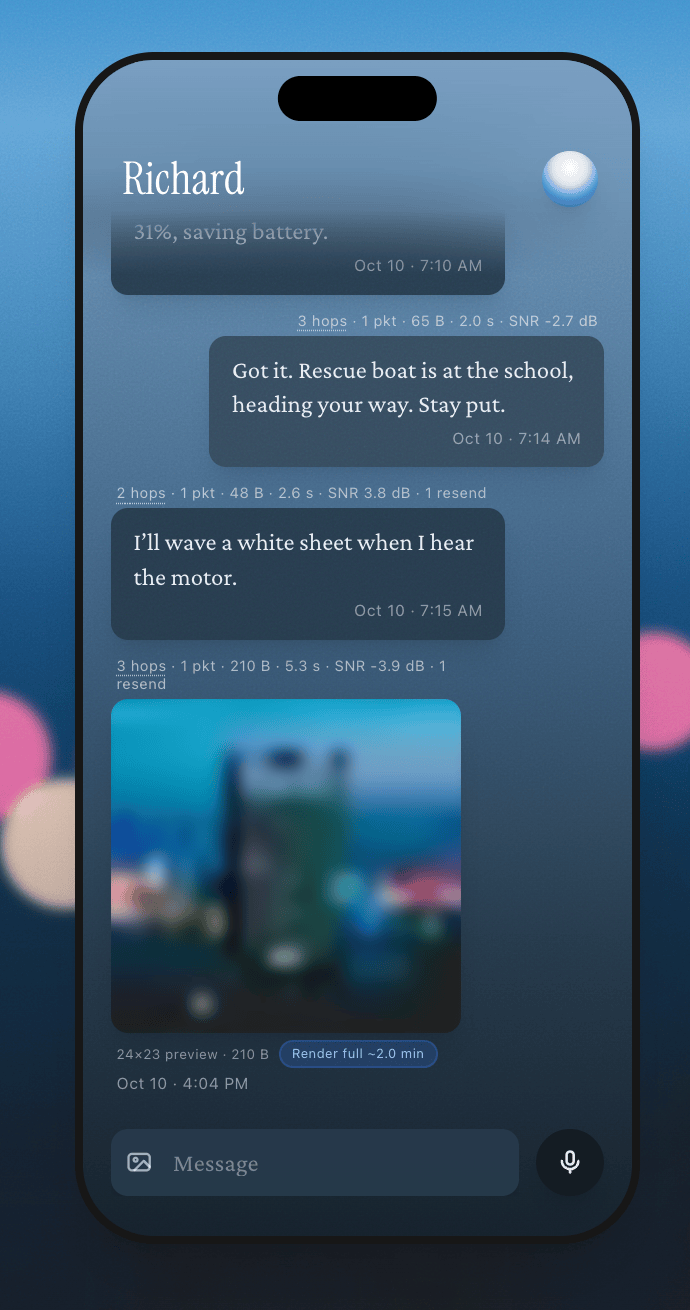
We built a software prototype that sends text, voice notes, and images across a simulated five-node radio mesh. For an image, the sender transmits a small, compressed preview first. The receiver selects an important area, and that request travels back through the mesh. The sender then sends a clearer crop from the original photo, ahead of less important image data.
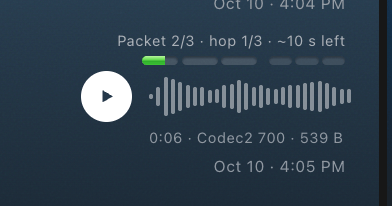
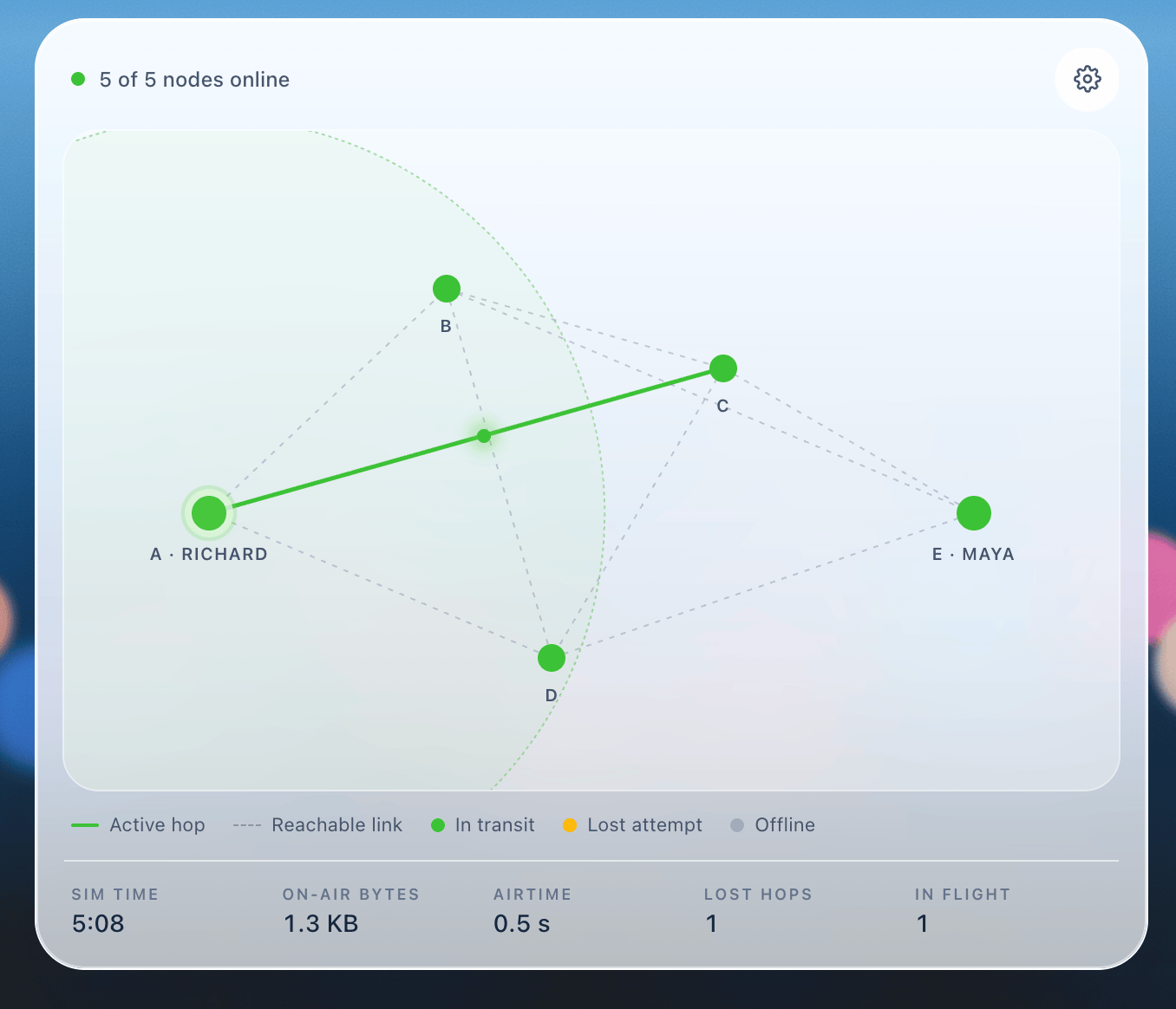
The simulator splits media into tiny packets and models radio range, transmission time, and lost packets. It retries missing data and reassembles what arrives. The interface shows the route and the progress of each transfer. It confirms receipt only after the receiver verifies the content and the acknowledgment reaches the sender.
What we learned
The hardest question was not simply how to shrink an image. It was how to deliver useful information first without pretending that incomplete data had arrived. We learned to measure speed by the time it takes someone to see the detail they need, and to treat an honest delivery status as part of the message itself.
Bunkr is still a software prototype. We built it around a simple belief: when communication becomes scarce, people should control where its limited capacity goes.

Log in or sign up for Devpost to join the conversation.