-
-
AR Contact Lenses
-
New CGM Toolkit
-
Traditional Old CGM's
-
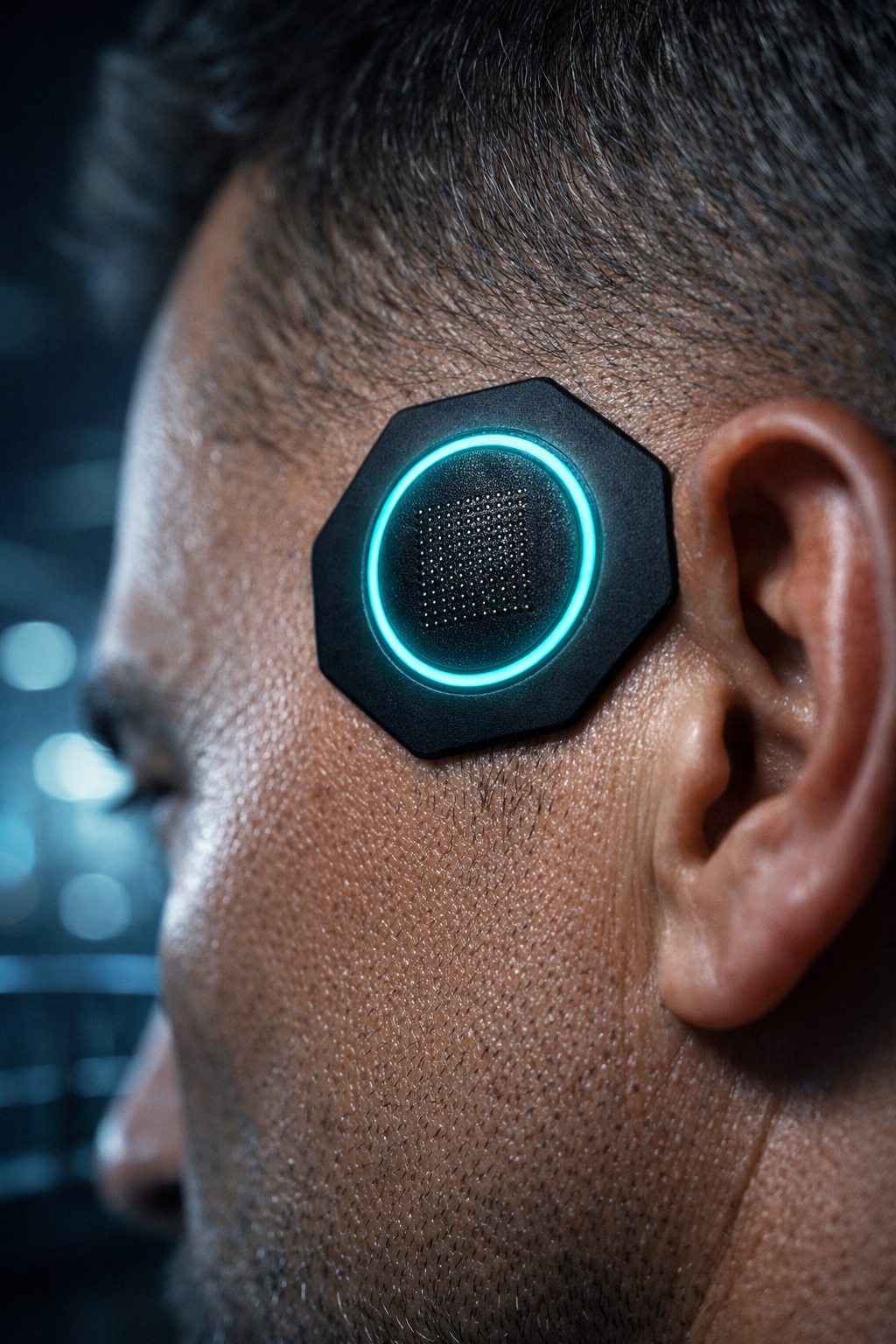
New Temple Hub Device
-
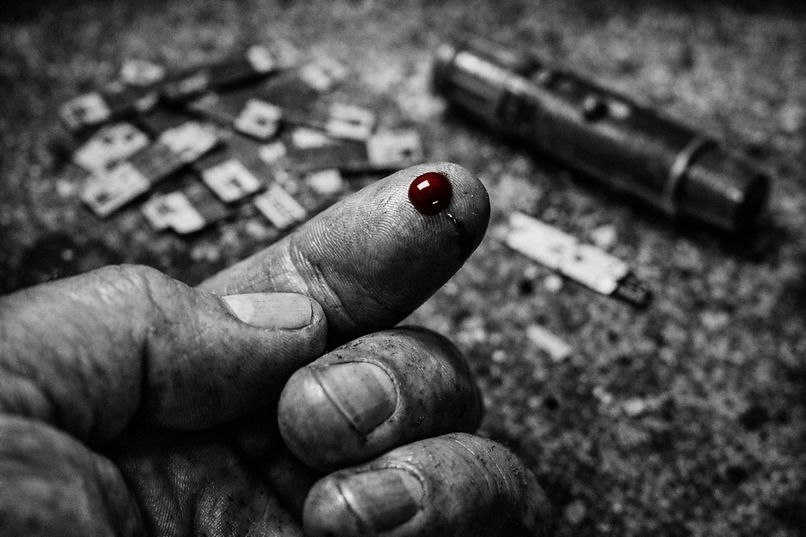
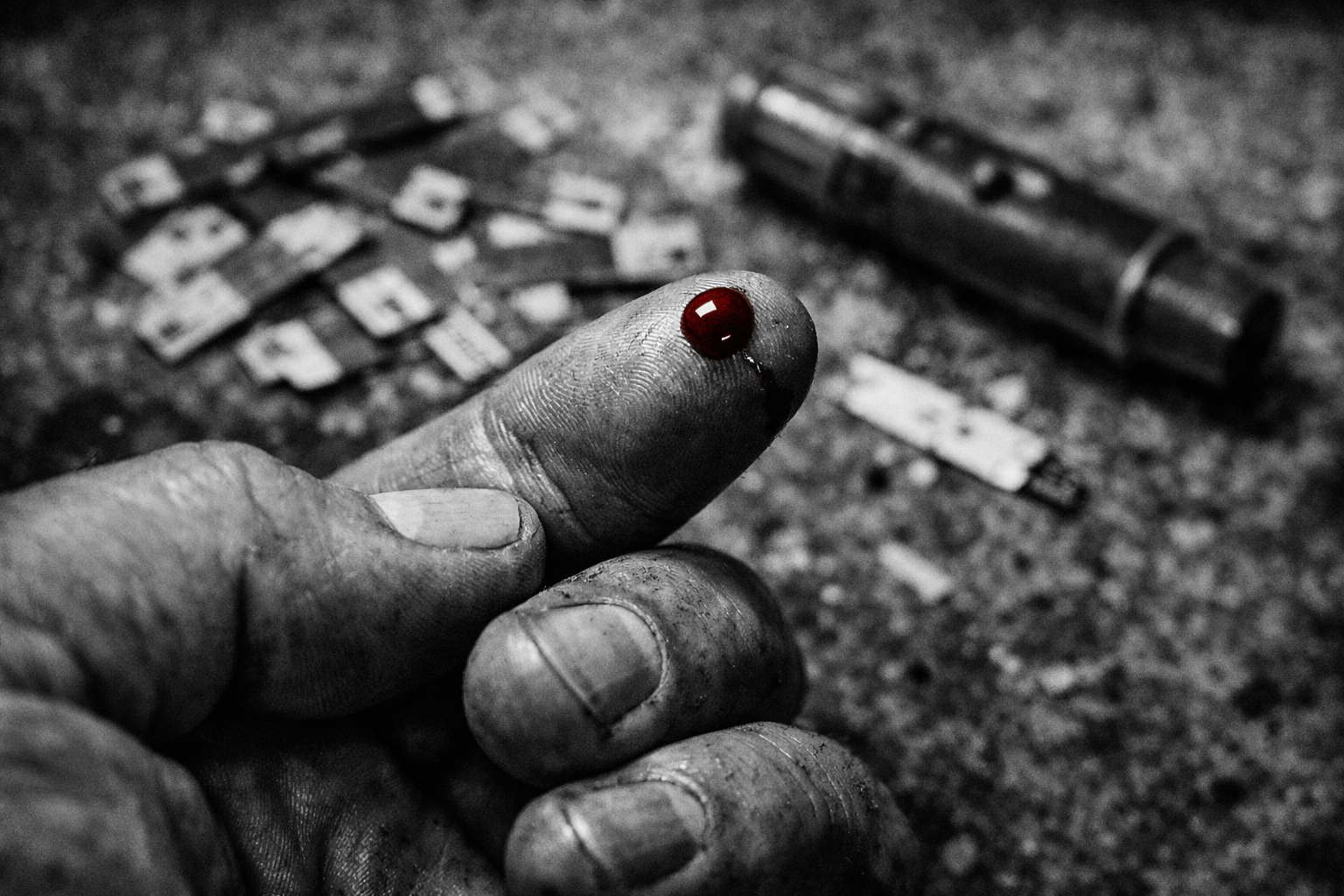
Lancet Process
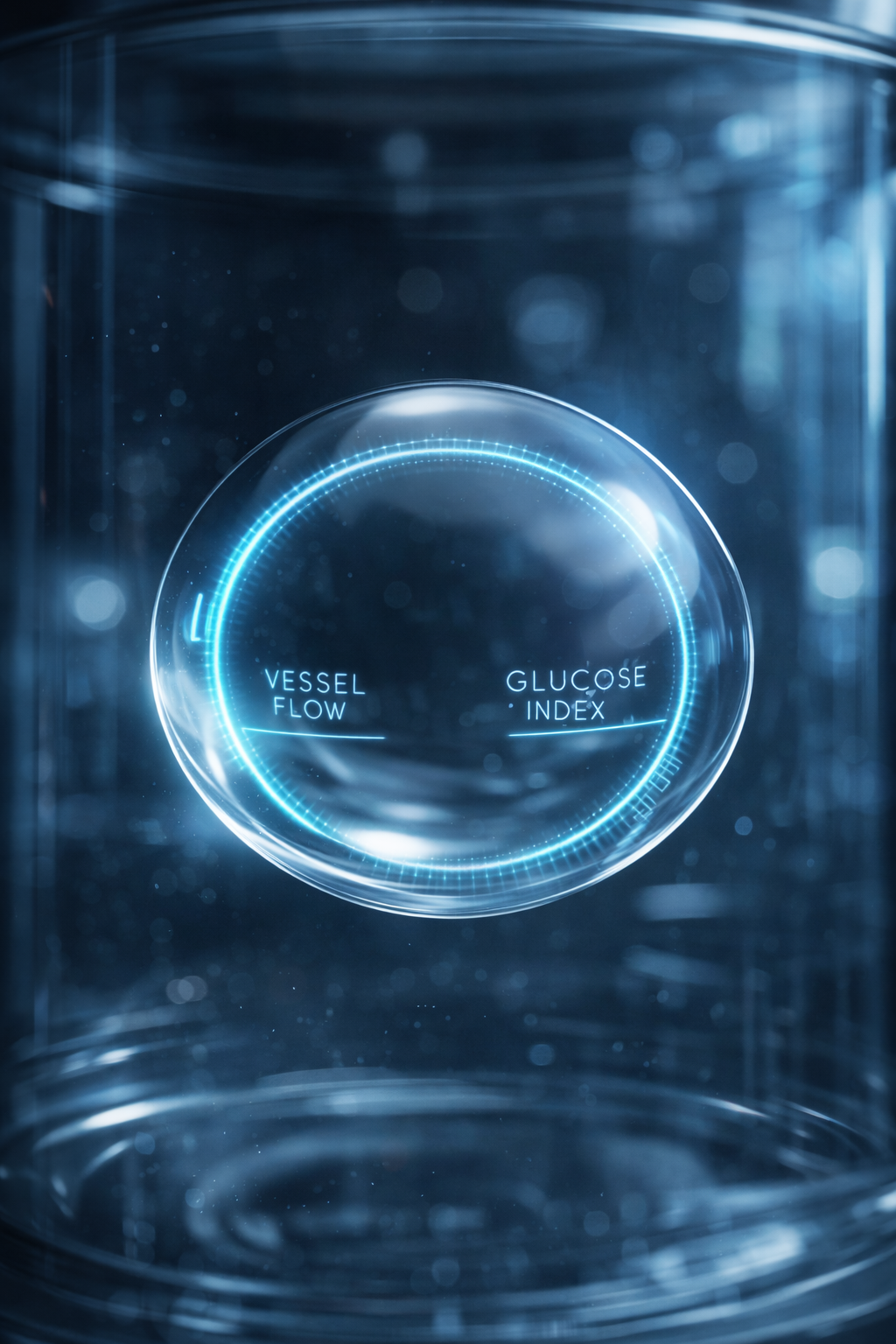
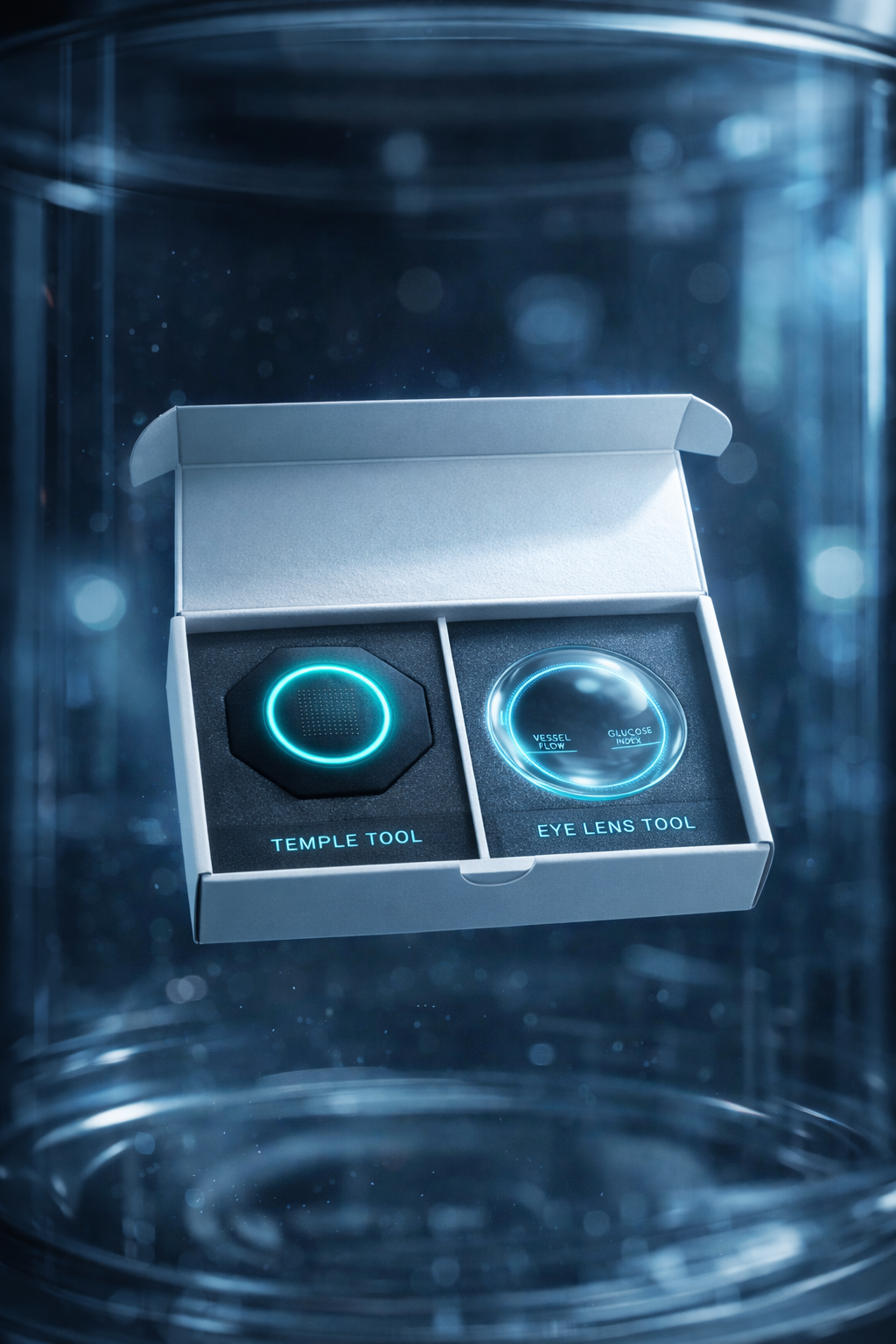
Inspiration
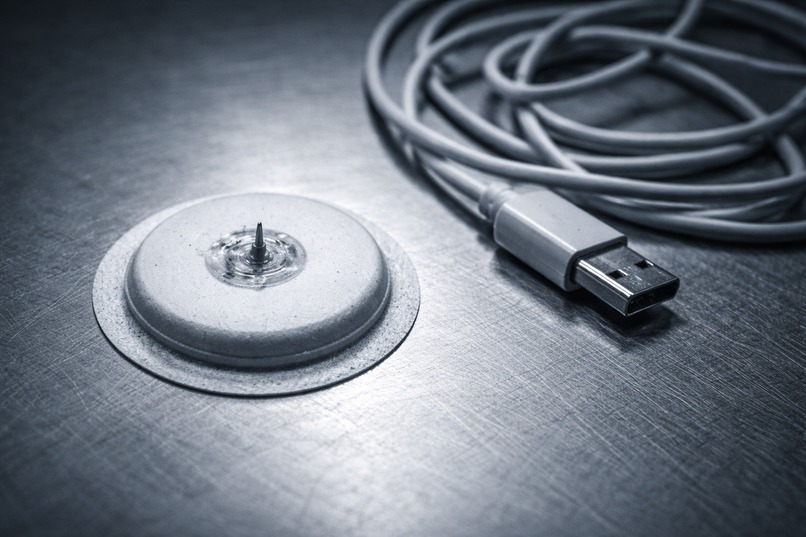
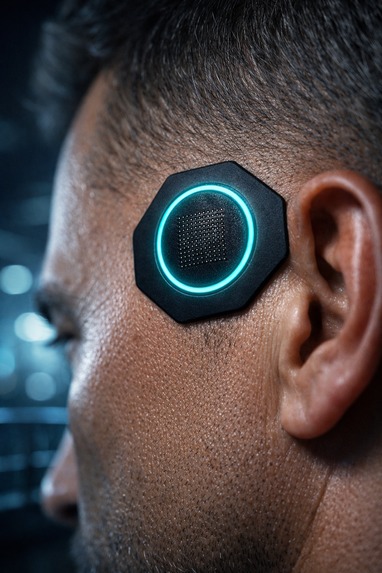
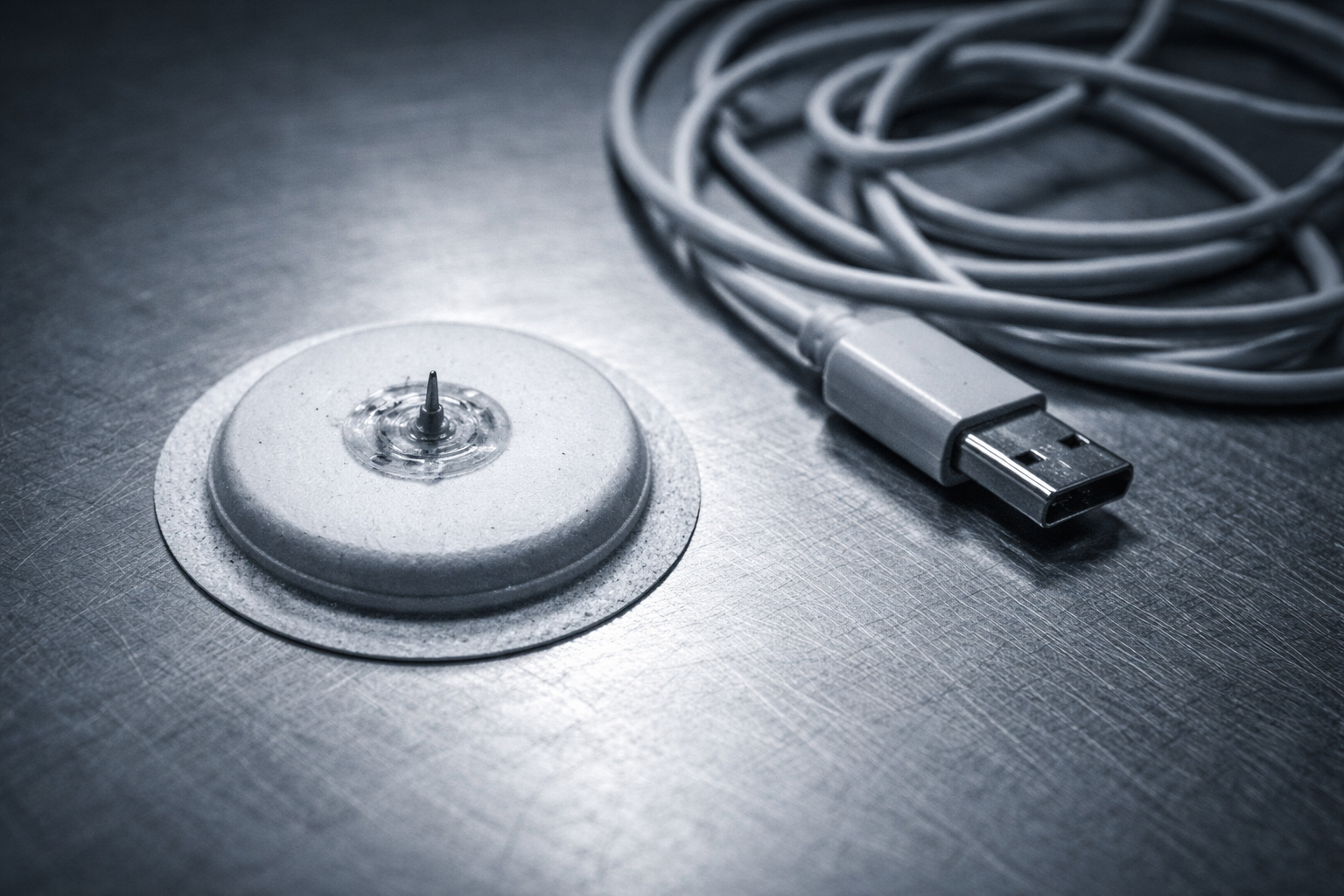
The spark for OcuFlow actually came from Deepinder Goyal’s recent fascination with temple-based wearable tech. Seeing how the temple is an untapped goldmine for clean arterial signals made me realize we’ve been looking at medical monitoring all wrong. It's 2026—we have AI agents running our lives, yet millions of people are still stuck in a "painful loop," using prehistoric lancets and bulky CGMs that require a permanent needle in the skin. I wanted to take that temple-developing idea and turn it into a non-invasive reality that lifts the "invisible burden" of chronic care.
What it does
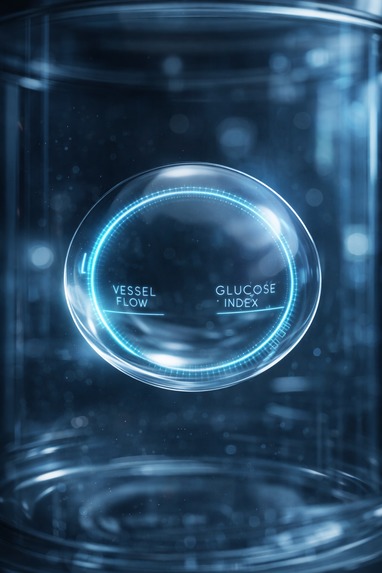
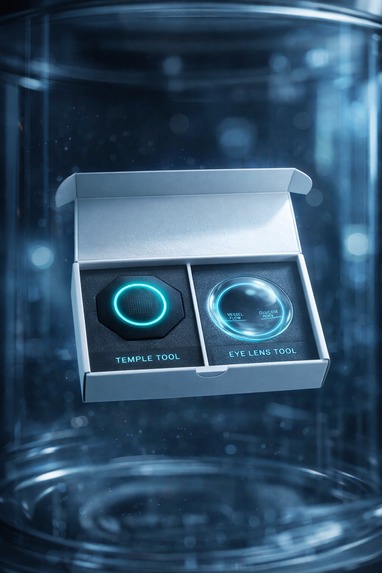
OcuFlow is a two-part ecosystem designed to make health monitoring invisible and painless. The Temporal Hub is a sleek, non-invasive patch that sits on your temple, using light (fNIRS) instead of needles to track glucose and blood flow. It’s entirely self-sustaining, harvesting energy from your own jaw movements. This data is then projected directly into your peripheral vision via the Iris HUD smart lens, giving you a live health dashboard without ever needing to look at a screen.
How we built it
This has been an absolute adventure. This is not just my first Figma project—it’s my first ever hackathon. I spent nights diving deep into the biomechanics of the temporal artery and how spatial design can reduce medical anxiety. I used Figma to bridge the gap between "science fiction" and a "tangible product," focusing on how we can use human senses—like peripheral sight—to deliver life-saving data without the stress.
Challenges we ran into
The biggest wall was the "Impossible Tech" factor. How do you make a medical device that doesn't feel like a medical device? Figuring out the charging mechanism led me to the kinetic jaw-movement idea, and designing an interface that is helpful but not distracting in a smart lens was a massive spatial design puzzle. Also, learning Figma from scratch while the deadline clock was ticking was its own special kind of stress!
Accomplishments that we're proud of
I’m incredibly proud that I managed to create a cohesive, futuristic ecosystem for my very first submission. Moving from a blank canvas to a fully realized kit containing the Temporal Hub and Iris HUD feels like a huge win. I’ve managed to turn a "painless vision" into a high-fidelity prototype that actually feels like the future of 2026.
What we learned
I learned that design is much more than how things look—it’s about empathy. I learned how to think "spatially" and how to use Figma as a tool for storytelling. Most importantly, I learned that even as a beginner, you can take a complex medical problem and find a human solution if you’re willing to experiment.
What's next for OcuFlow
OcuFlow is just starting. Next, I want to refine the Zen Mode chromotherapy features to tackle mental health alongside glucose monitoring. I also want to explore more "kinetic energy" sources from the human body to make OcuFlow the first truly "un-rechargable" life-saving wearable.
Built With
- chatgpt
- figma
- gemini


Log in or sign up for Devpost to join the conversation.