-
-
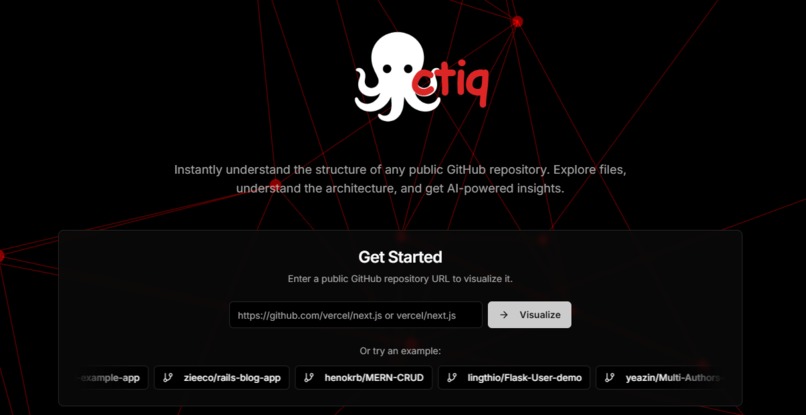
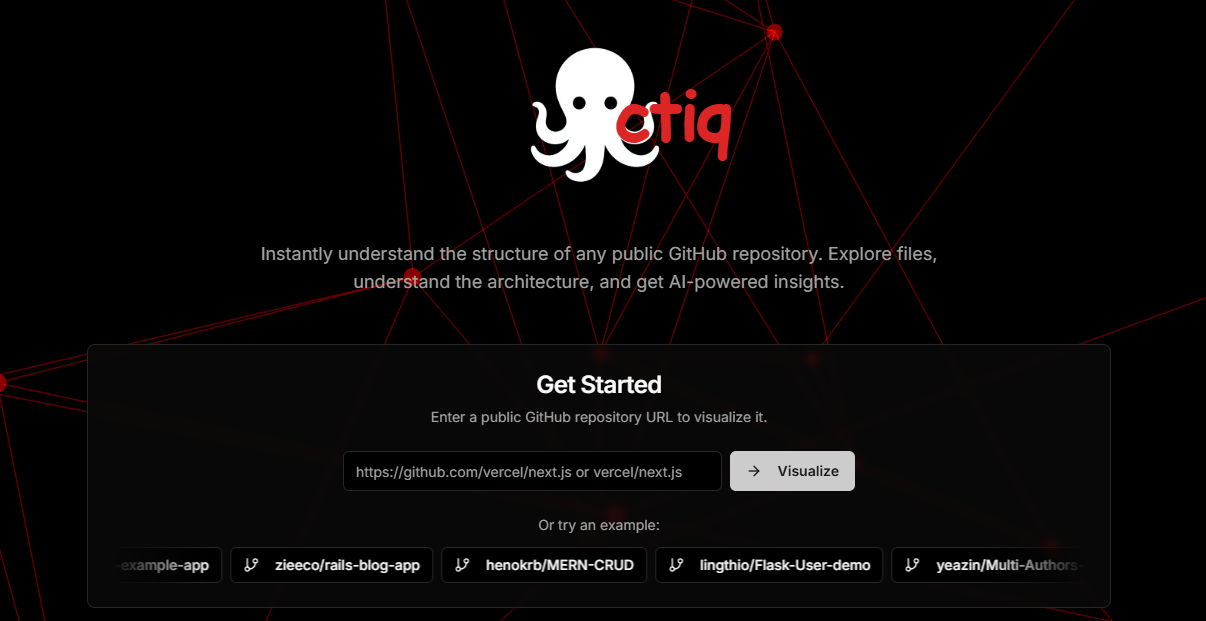
Landing Page
-
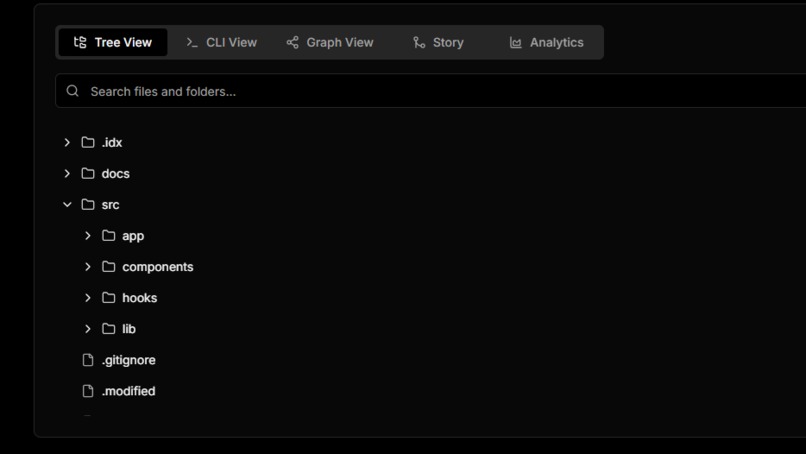
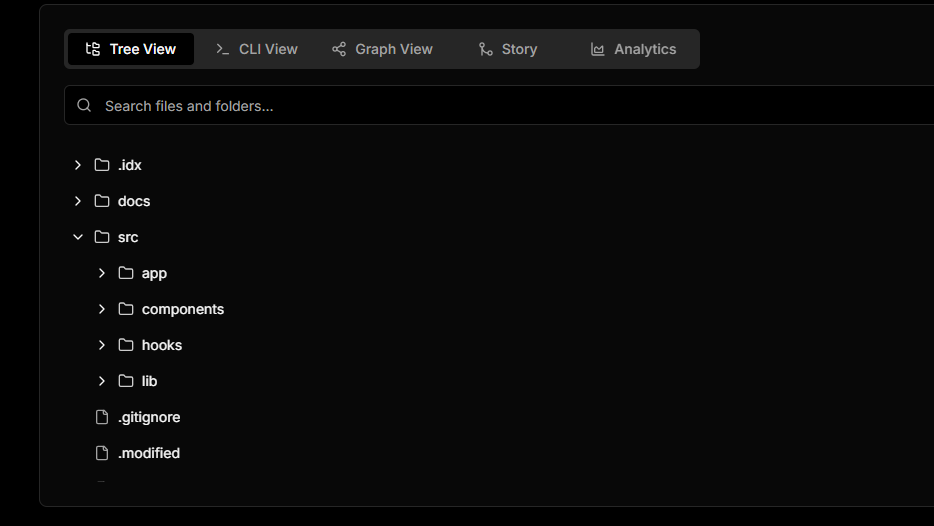
Files in repo with Tree view
-
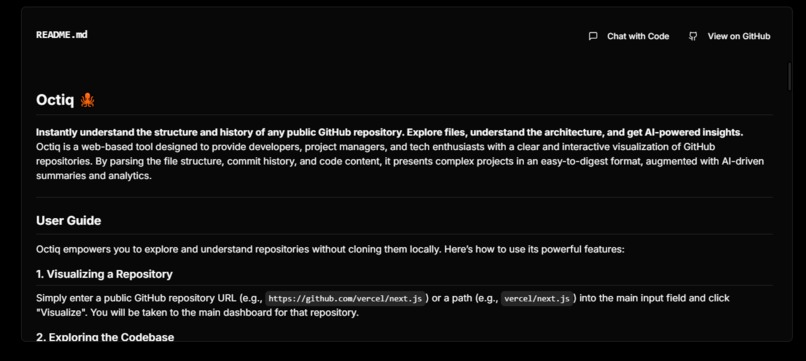
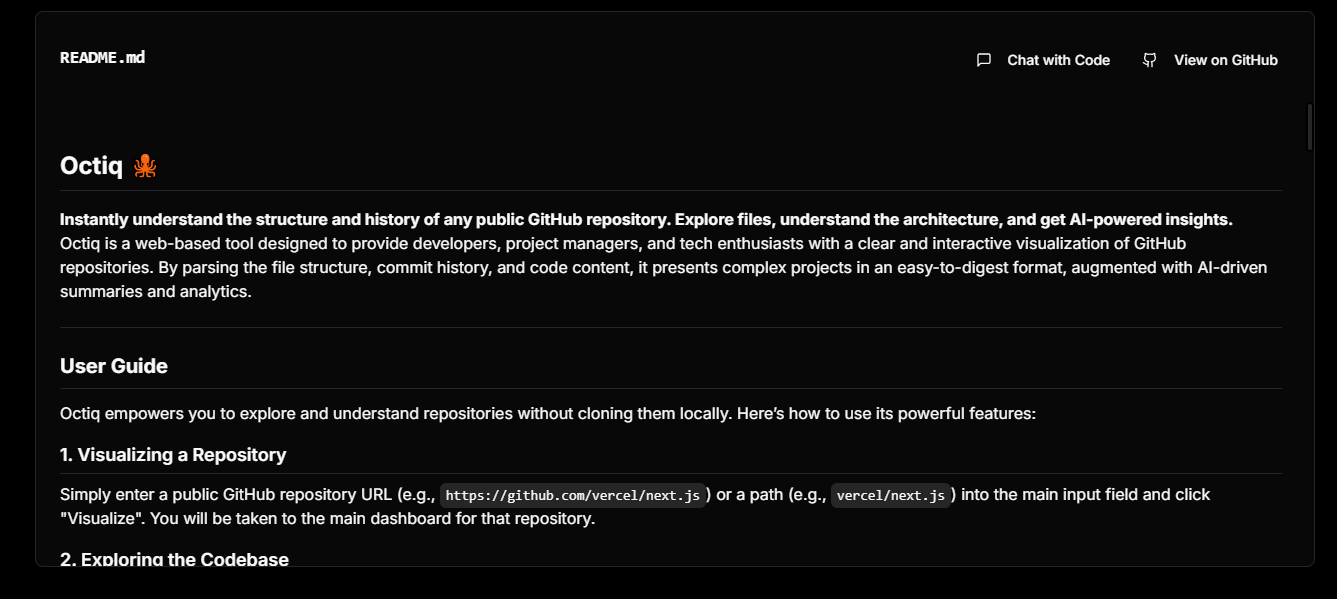
File Viewer it supports all file types
-
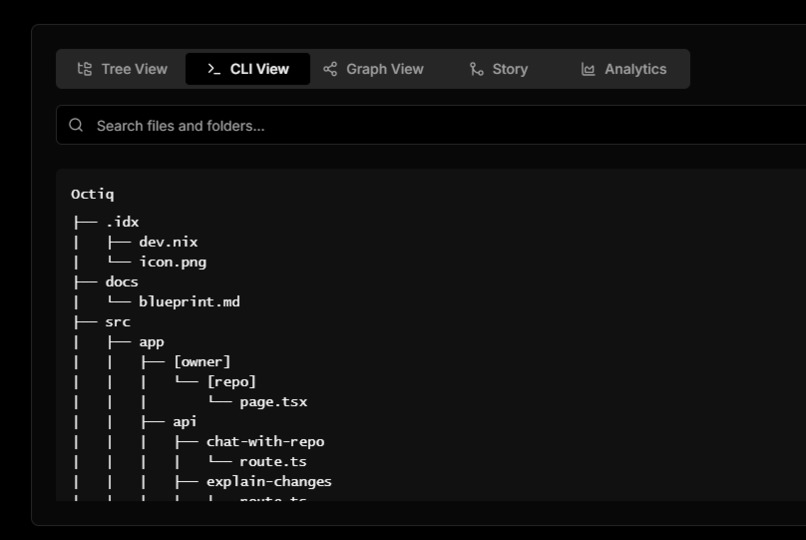
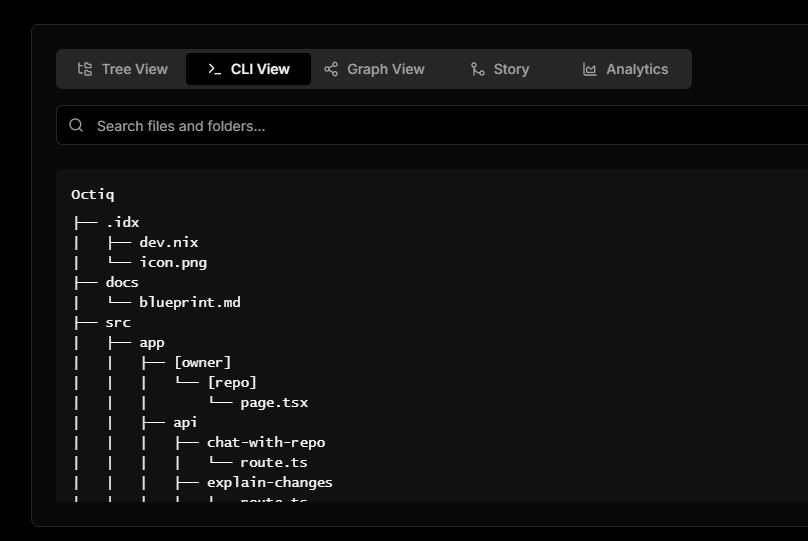
CLI view of all files in Repo this can be copied for reference
-
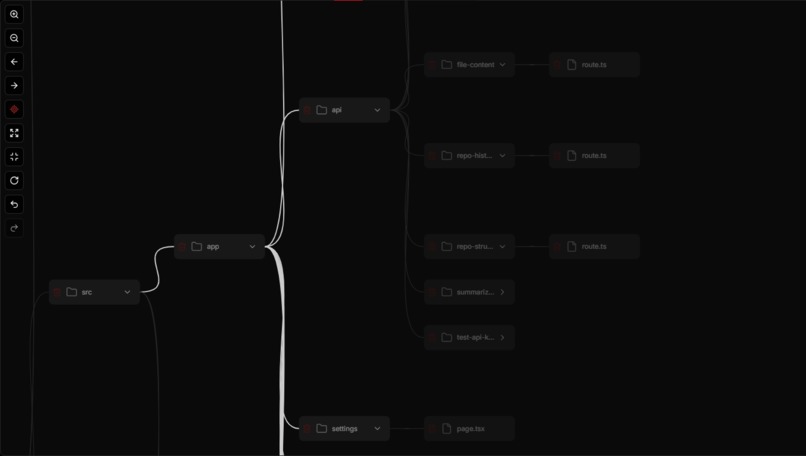
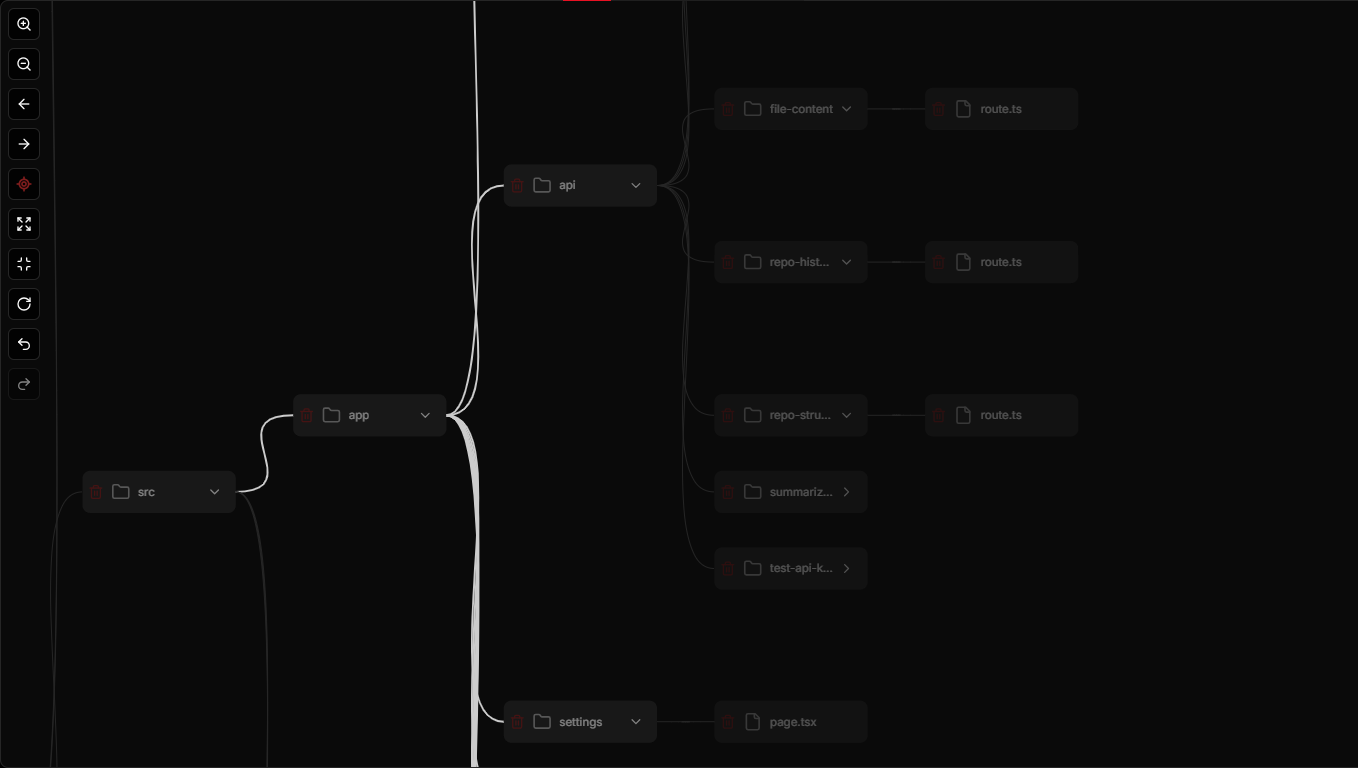
The main GOAT Graph view of all files , we can relocate the graph as we want and it will help us better understand the repo files directory
-
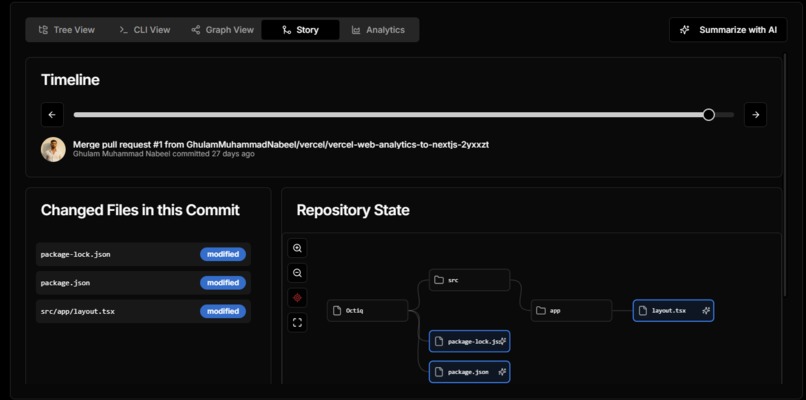
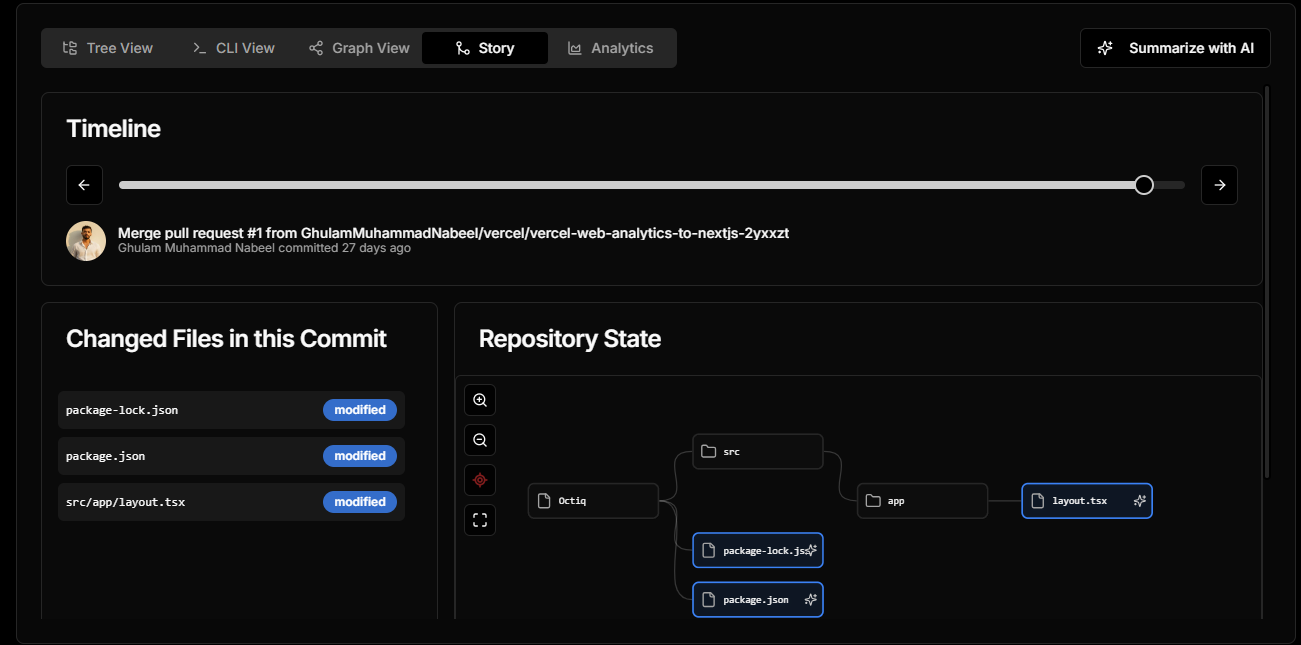
Story of commit history by owner and collaborators.
-
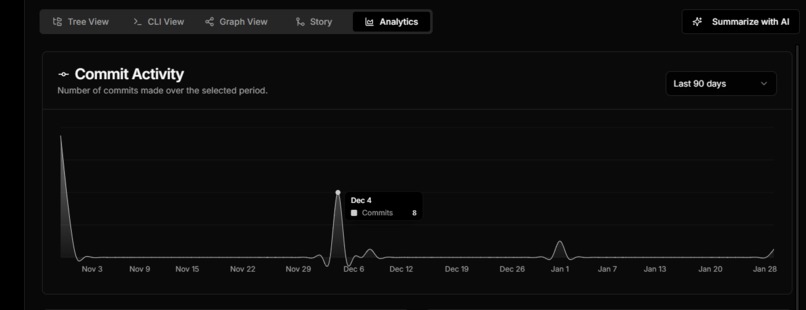
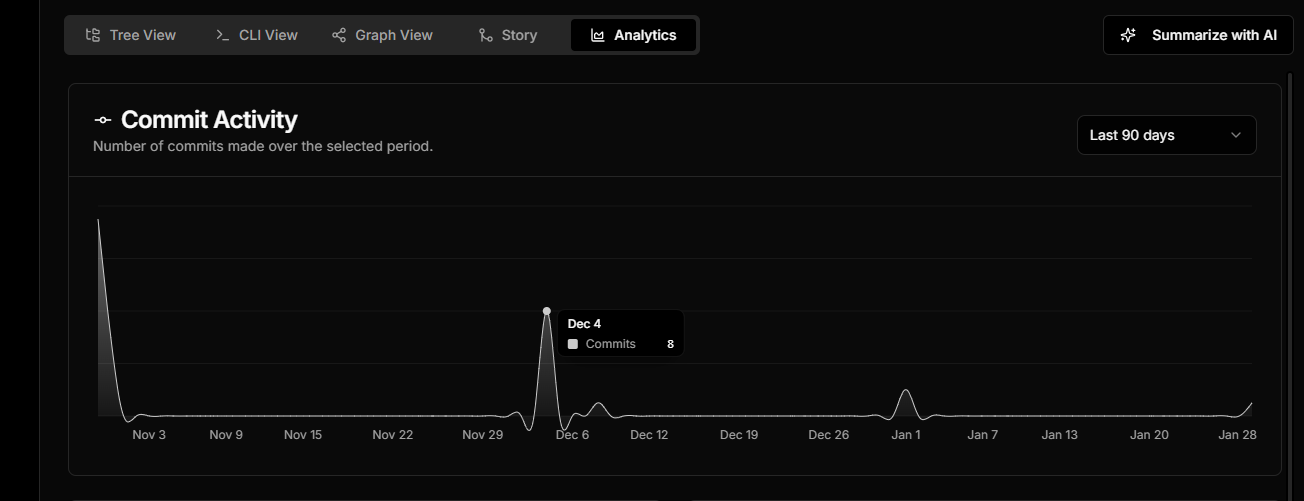
Analytics of commit activity
-
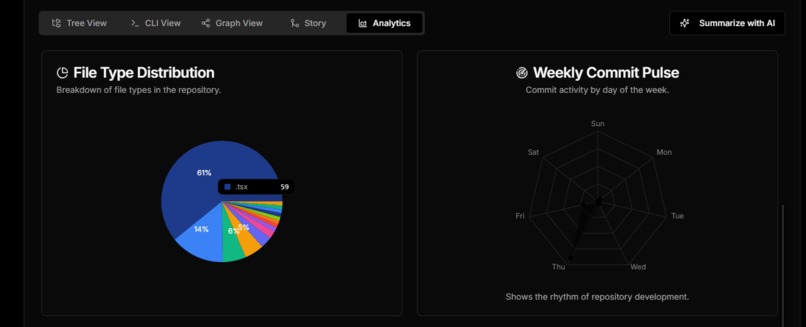
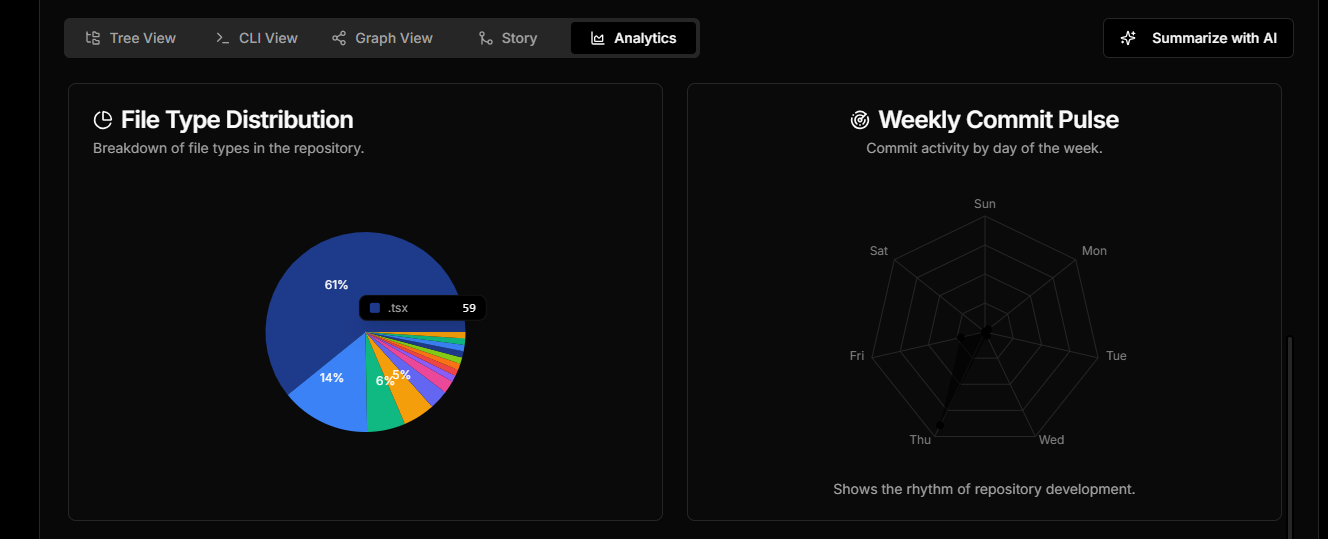
File type distribution and weekly commit history
-
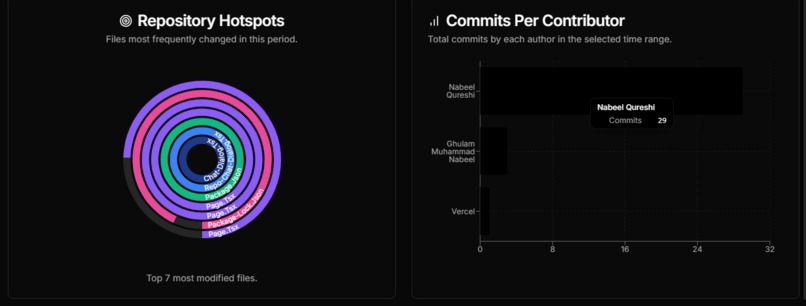
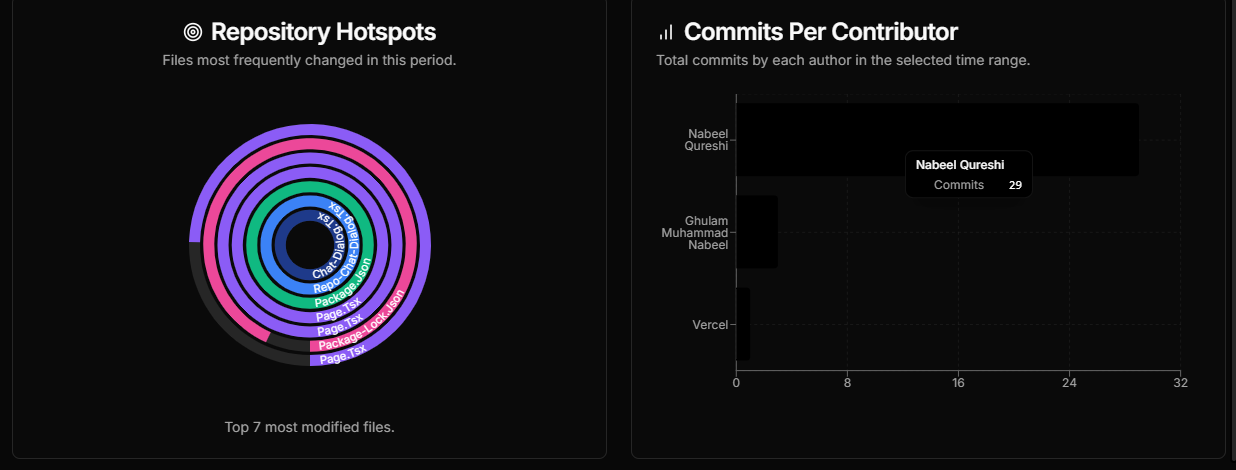
Repo hotspots and commits per contributor
-
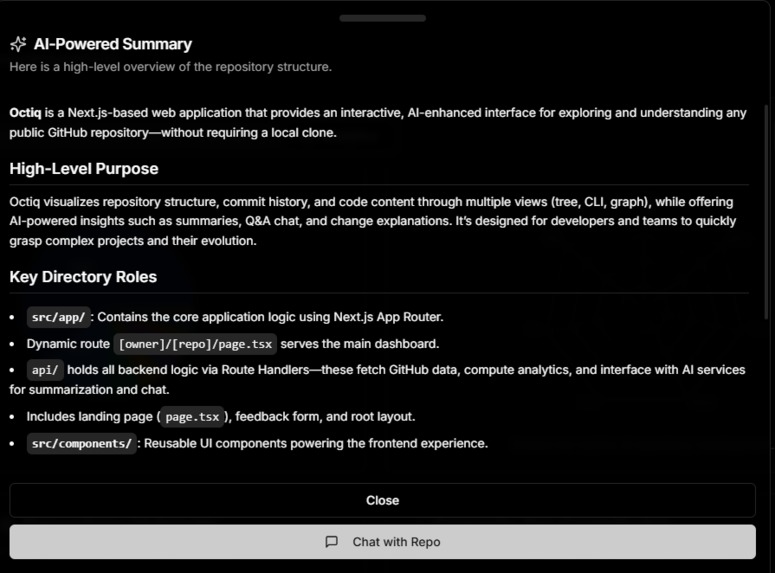
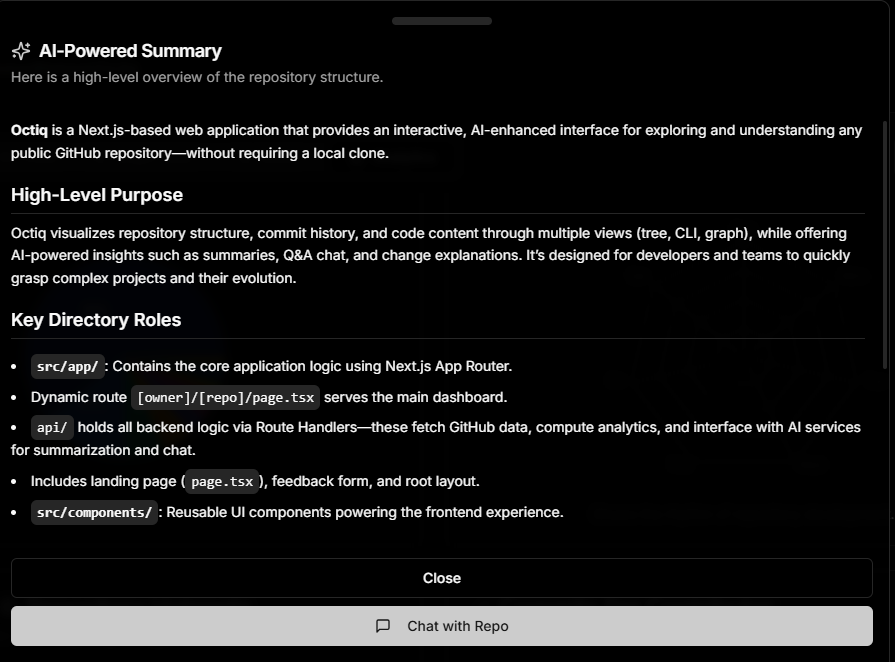
AI powered summary
-
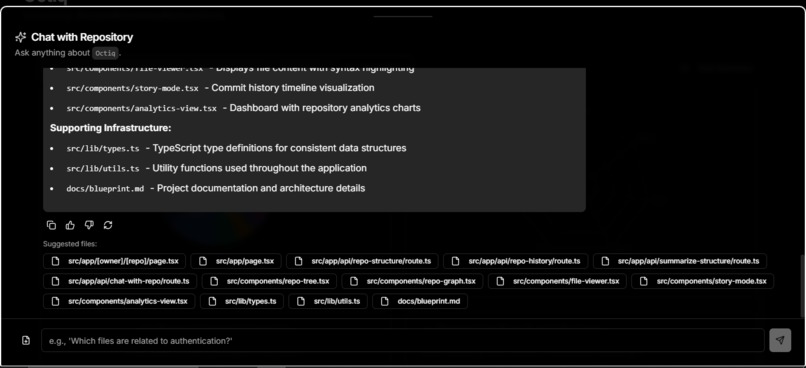
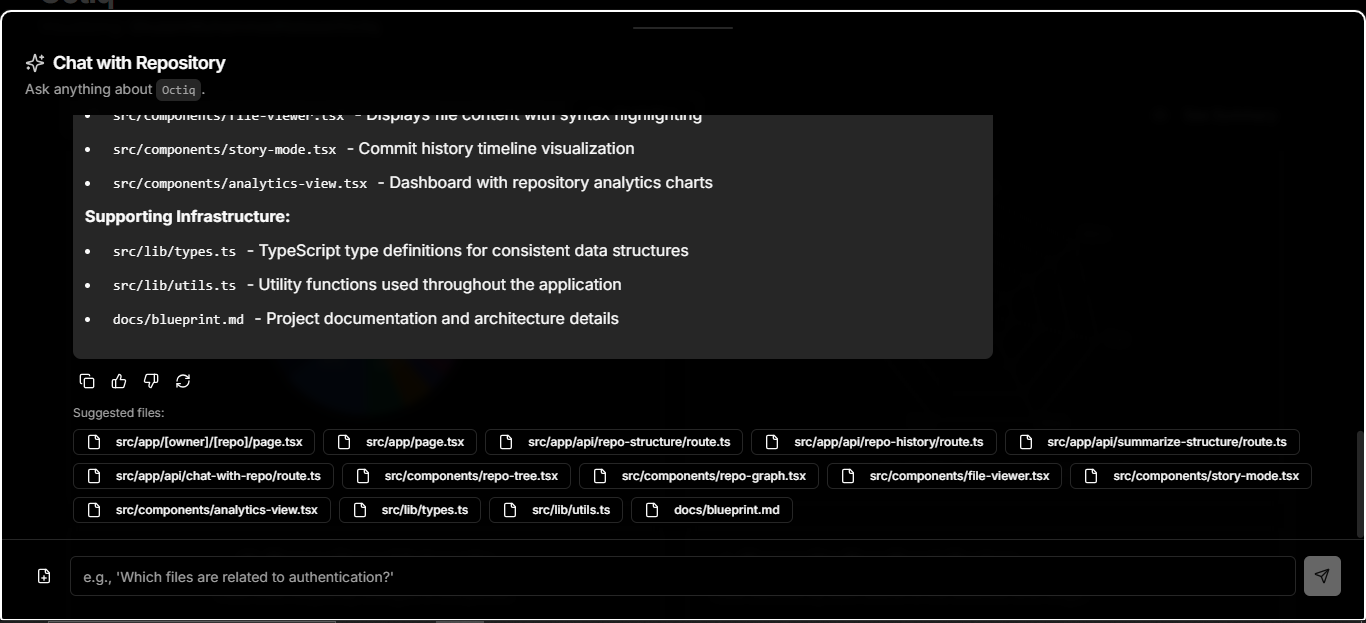
Chat with repo
Inspiration
Modern GitHub repositories are powerful-but intimidating. For someone new to a codebase (or even experienced developers joining a new team), understanding what a project does, how it’s structured, and how it evolved often requires cloning the repo, jumping between files, and manually reading commit histories.
I wanted to answer a simple question:
“What if understanding a GitHub repository felt as easy as exploring a story?”
Octiq was inspired by the frustration of onboarding into large open-source projects and the belief that repository knowledge should be visual, interactive, and conversational, not buried inside thousands of files and commits.
What it does
Octiq is a web-based GitHub repository visualizer that helps users instantly understand the structure, history, and intent of any public repository.
It allows users to:
- Visualize repository structure via Tree View, CLI View, and Graph View
- Explore files without cloning the repository
- Understand project evolution through commit-by-commit Story Mode
- Analyze repository trends using automated analytics dashboards
- Interact with repositories using AI-powered chat and summaries
- Ask questions like “Where is authentication handled?” and jump directly to relevant files
- Understand code changes with AI explanations per commit
All of this works directly from a GitHub URL.
How we built it
Octiq is built using a modern, scalable web stack:
- Next.js (App Router) for frontend and backend (Route Handlers)
- TypeScript for type safety
- Tailwind CSS + shadcn/ui for clean and accessible UI
- GitHub REST API for repository data
- Serverless architecture on Vercel for automatic scaling
- AI integration for summaries, chat, and explanations
- IndexedDB for aggressive client-side caching
Architecture Overview
- The frontend fetches repository structure, history, and analytics via Next.js API routes.
- Backend Route Handlers communicate with GitHub and AI APIs.
- A token rotation strategy ensures GitHub and AI rate limits are handled gracefully.
- Repository data, summaries, chats, and analytics are cached locally using IndexedDB for near-instant reloads.
Large repositories are handled intelligently by summarizing only the root structure to avoid API failures.
Challenges we ran into
GitHub API rate limits when analyzing large repositories → Solved using token rotation and client-side caching.
Handling massive repositories efficiently → Implemented recursive tree fetching and adaptive AI summarization.
Keeping Story Mode and Analytics performant → Centralized data fetching and reused processed commit history.
Unpredictable AI responses → Added robust JSON parsing and fallback error handling.
Caching large datasets safely in the browser → Switched from localStorage to IndexedDB for reliability and scale.
Accomplishments that we're proud of
- A fully serverless GitHub visualization platform
- Smooth exploration of even very large repositories
- A unique Story Mode that turns commit history into a narrative
- AI chat that returns actionable file suggestions, not just text
- Near-instant reloads due to client-side caching
- A clean, intuitive UI that doesn’t require GitHub expertise
What we learned
- Developer experience improves drastically when information is visualized
- AI is most useful when paired with structured context, not raw code dumps
- Client-side caching can outperform traditional backend scaling
- Designing for rate limits early saves major architectural rewrites later
- Good tooling can turn complex systems into approachable stories
What's next for Octiq
- Support for private repositories
- Deeper semantic code understanding (architecture diagrams, dependency flows)
- Exportable insights for onboarding and documentation
- Team collaboration features
- Smarter AI explanations with cross-file reasoning
- Optional self-hosted deployment for enterprises
Built With
- github
- indexeddb
- javascript
- longcat
- next.js
- react
- recharts
- shadcn
- tailwind
- typescript
- vercel


Log in or sign up for Devpost to join the conversation.