-
-
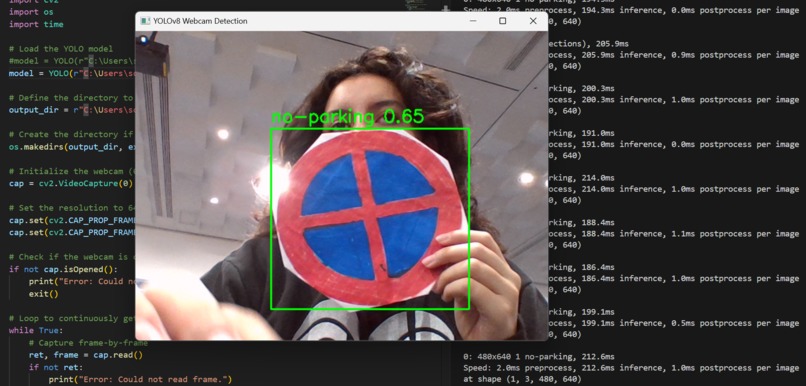
our first detection
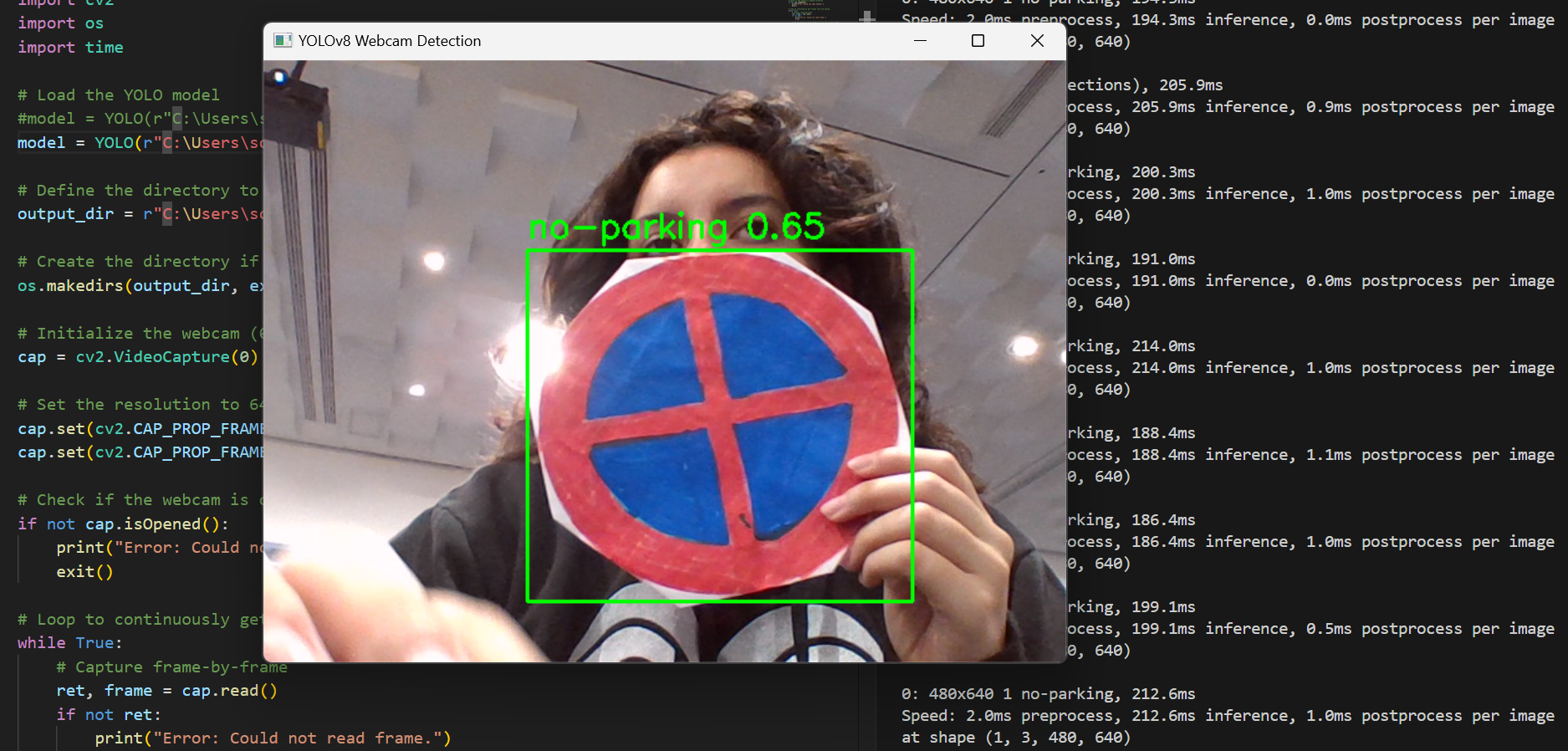
Inspiration
We are inspired by the uses of new technologies that have a positive impact in society. Technology should bring us together regardless of who we are, from the way it has brought us together for this hackathon to the way it can bring people with disabilities closer to the world.
What it does
OCI AI enables people with blindness to navigate a store independently by allowing them to ask the device for directions to their desired destinations and being easily implemented in stores around the globe.
How we built it
We used a YOLOv8 model trained on traffic signs to capture the video from a webcam on our device to detect where the user is at the time, then using speech to text and text to speech technologies the user can speak their question and hear an answer to the device, which uses FRIDA for natural language processing to query a database and know the path to the desired destination. These models are then optimized using openVINO, which helps us make them faster and have a better real life performance.
Challenges we ran into
We had never coded a vision model before this which was quite the challenge! We had to try many things before we landed on the model OCI uses, training from scratch, classical computer vision and other open source models. We also had to process language fast enough to be useful which involved trying out many different technologies for this implementation, not to mention learn about and use the technologies our sponsors recommended. All of this on top of coming up with an idea to our and to the sponsor's liking.
Accomplishments that we're proud of
This is what makes us proud of this project. We were able to use technologies we had never used before because we were able to research, learn quickly and use them for a project with an idea we liked.
What we learned
We learned a lot about computer vision models, specially about how to use openVINO to optimize them. We learnt about the business side of things: our solution might be technologically advanced but to be a good idea it has to be economical and easy to implement.
What's next for OCI IA
We hope we can keep training our architecture trough the things we learn along the way: we could train our own deep neural network for the sign detection, we could optimize it enough to run OCI on the cheapest and smallest device we can find, process natural language to perfection, but overall, we want to keep using technology to bring people together.
Built With
- flask
- google-web-speech-api
- opencv
- openvino
- python
- yolov8

Log in or sign up for Devpost to join the conversation.