-
-
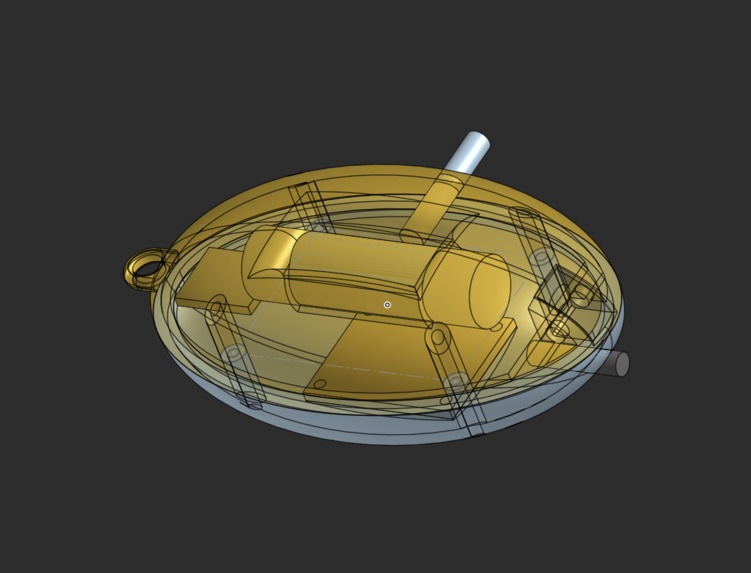
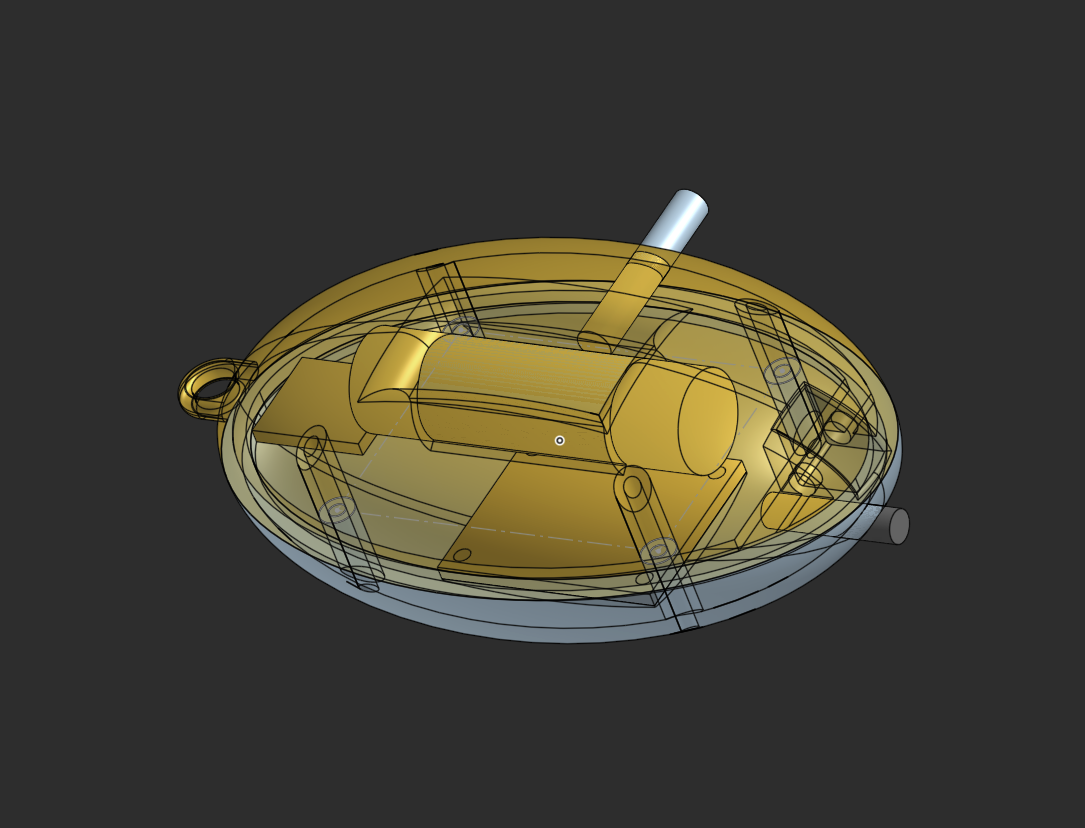
Fully assembled OceanPulse module
-
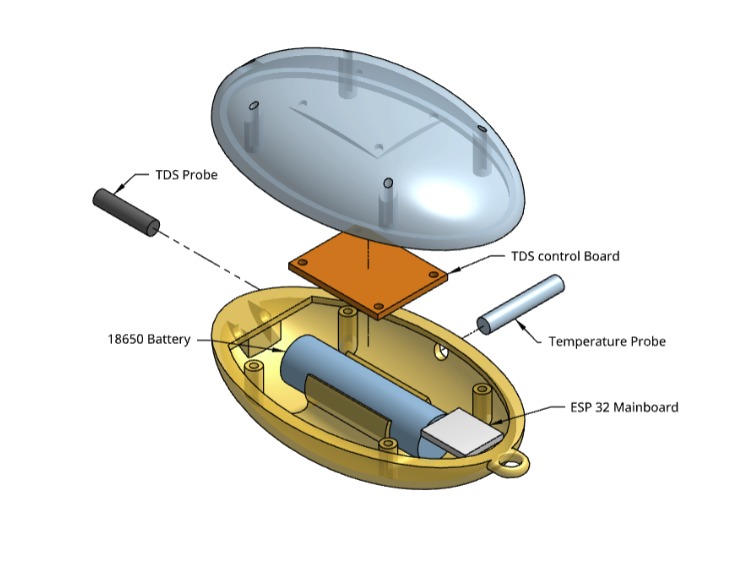
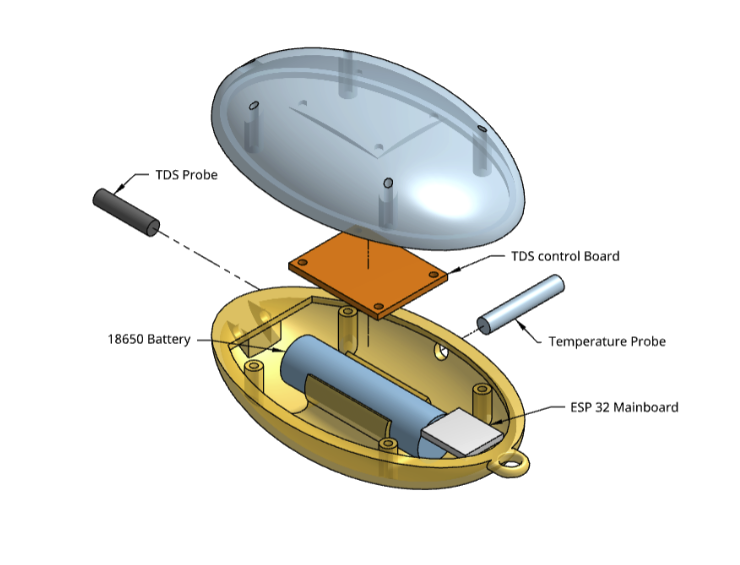
Assembly diagram for OceanPulse module
-
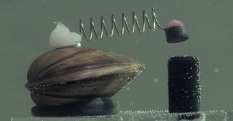
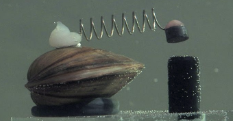
Our inspiration, the Warsaw clams.
-
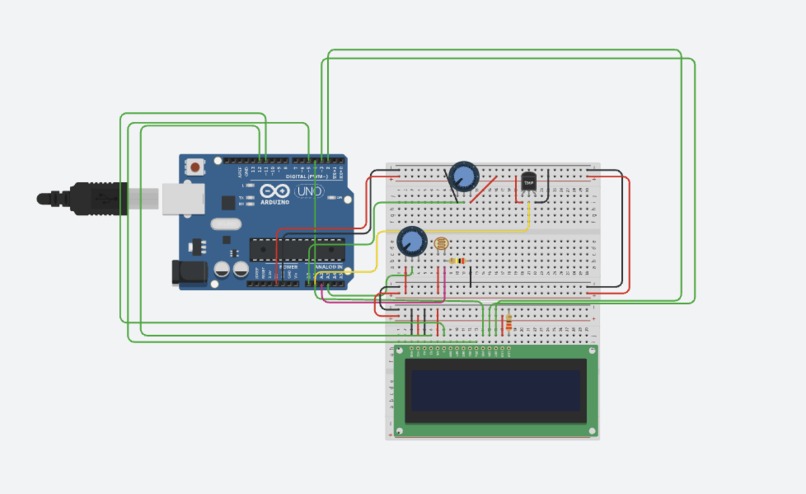
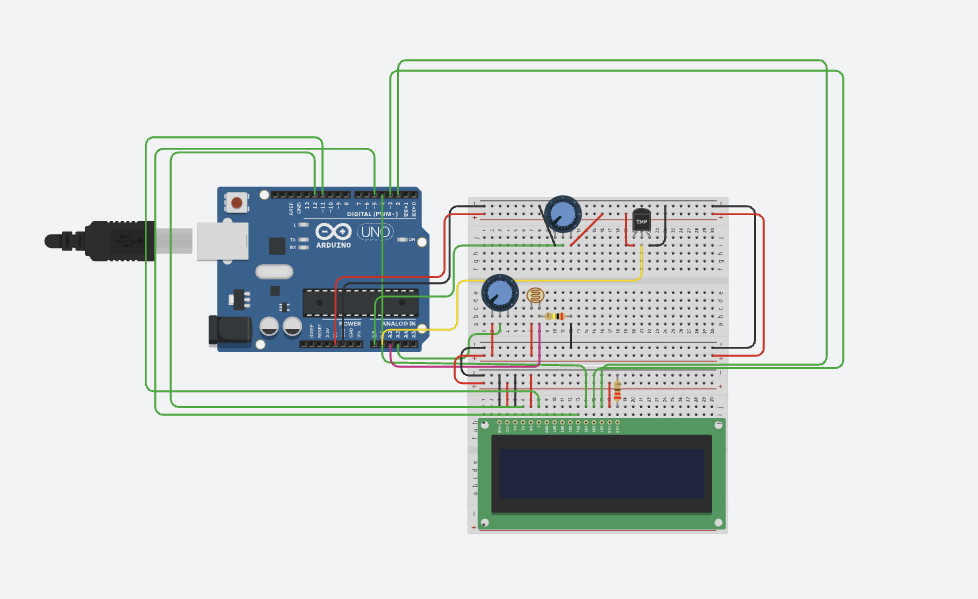
TinkerCad Model with potentiometers voltage dividers instead of advanced sensors.
Inspiration
Our inspiration for this project was influenced by the growing concern for the health of Earth's oceans. Today, it is estimated that over 3 billion gallons of wastewater and pollutants enter the ocean and contaminate ocean ecosystems. These pollutants include various plastics, industrial waste, sewage, and harmful chemicals that can rest in the water for thousands of years, known as PFAs. These pressing issues require systems for scientists to accurately monitor and measure ocean contamination, such that over a long time use, scientists can utilize years of accumulated data to devise possible solutions. Our design inspiration was the clams used by Warsaw's water supply to protect water quality with natural sensors. The clams would take in water when it was relatively clean, but as soon as heavy metals or toxins entered, they would close, alerting scientists, who would then check the water. This system is currently in use, protecting 2 to 3 million people's water supply in Warsaw and the surrounding areas.
What it does
OceanPulse uses various sensors to measure different aspects of the water and accumulate data. These sensors detect temperature, pH, TDS (total dissolved substances), and photoresistance (turbidity). With the accumulated data from the sensors, scientists can make useful conclusions pertaining to the quality of the water. As for the payload, the sensors are mounted on a unit that is placed underwater for a short while before being taken out and run again.
How we built it
We designed Ocean Pulse to be built with simple and affordable sensors paired with an ESP32 - C3 board. We made our model in Onshape, wrote the code in Arduino IDE, and simulated it on TinkerCad.
Challenges we ran into
One of the biggest challenges we ran into was the fact that most of our sensors were not prebuilt on TinkerCad. Instead, what we did was we used simple sensors such as Potentiometers in a voltage divider setup to achieve the same functionality as more complicated sensors like a TDS sensor or a pH sensor.
What's next for OceanPulse
After this hackathon, this project could be expanded to work with a physical module, as well as attaching a solar-powered module which would float at the surface, allowing for longer-term data collection while remaining true to the mission of keeping our product affordable and useful.


Log in or sign up for Devpost to join the conversation.