-
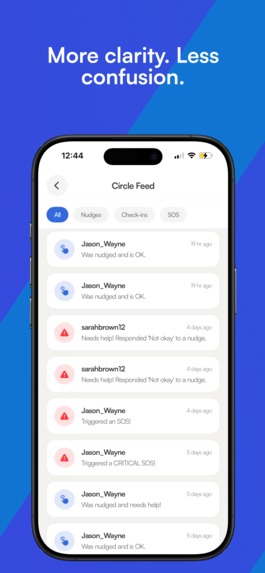
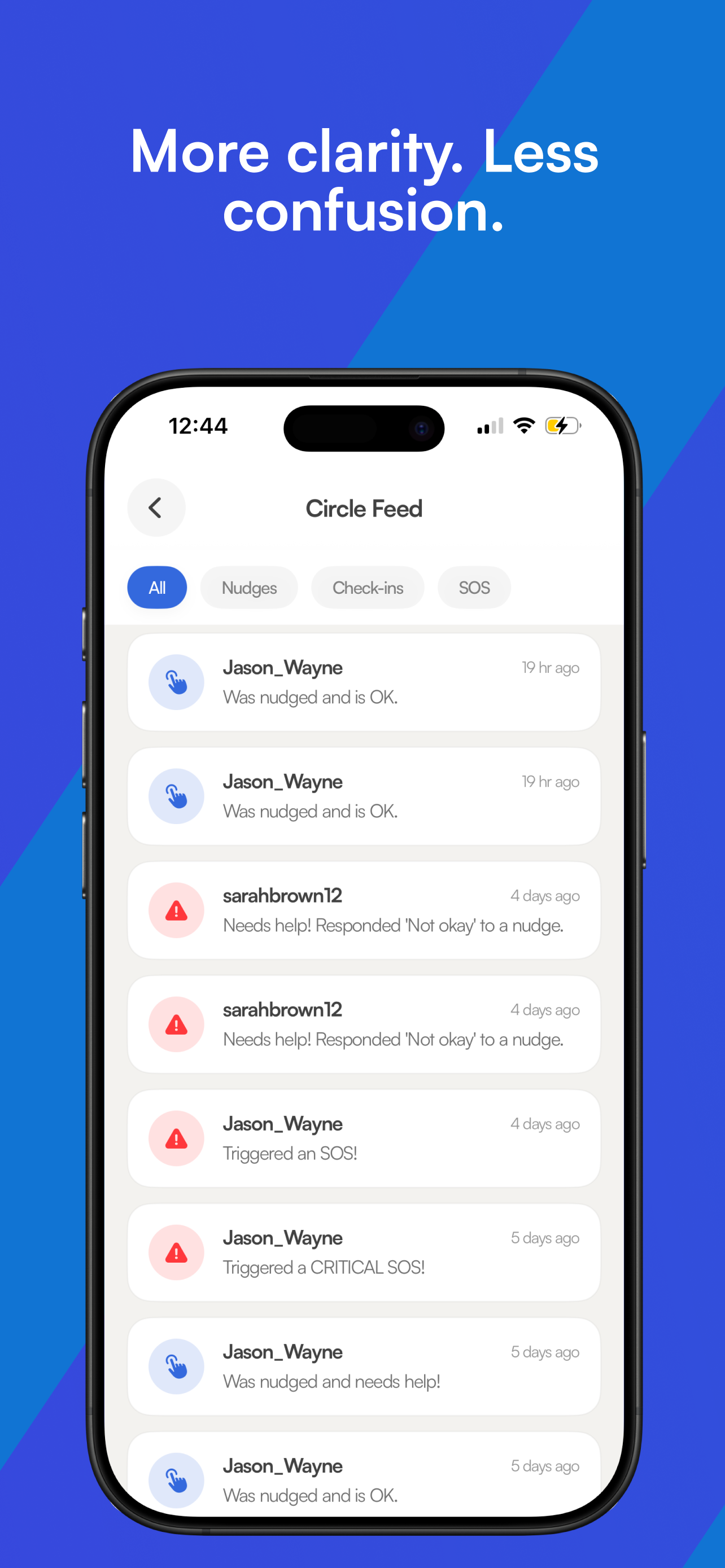
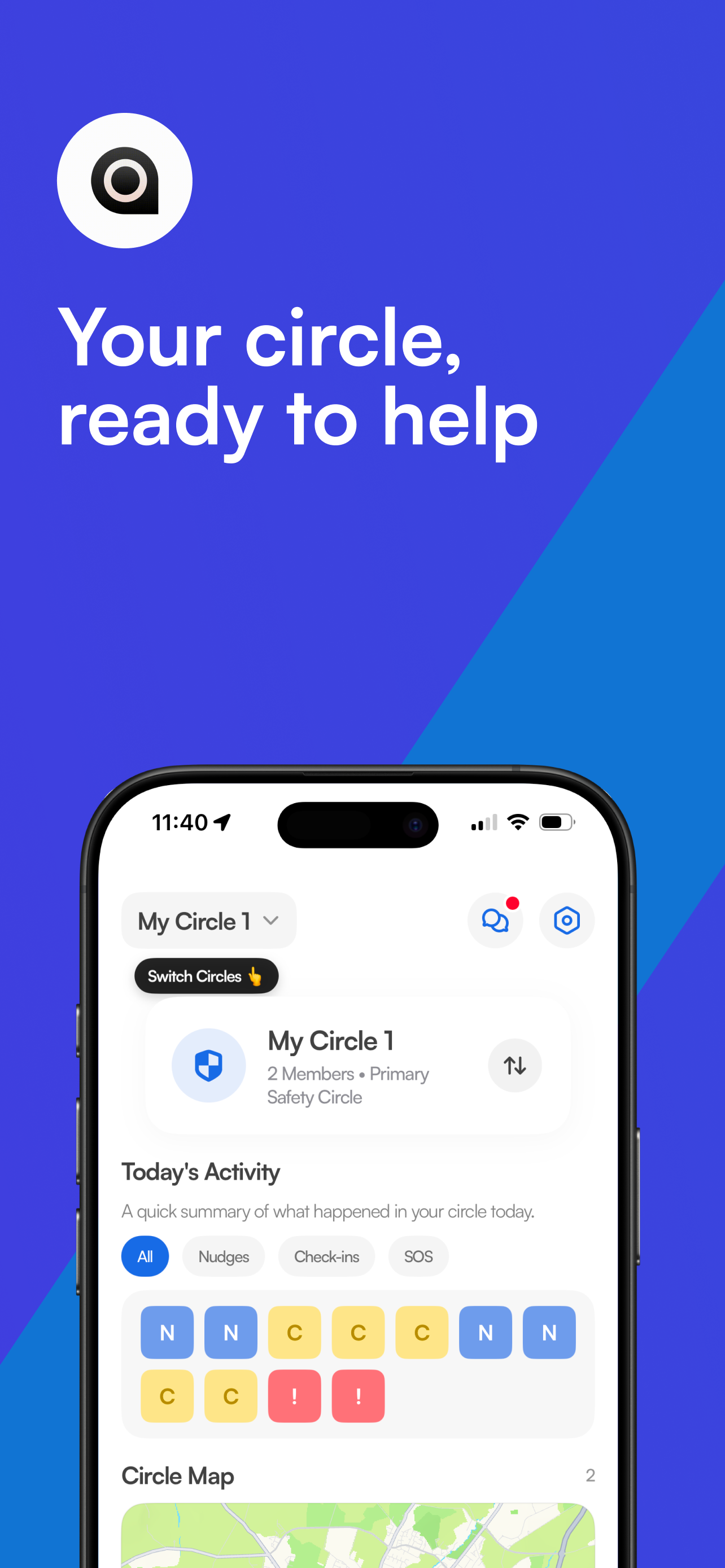
Obserc Circle feed
-
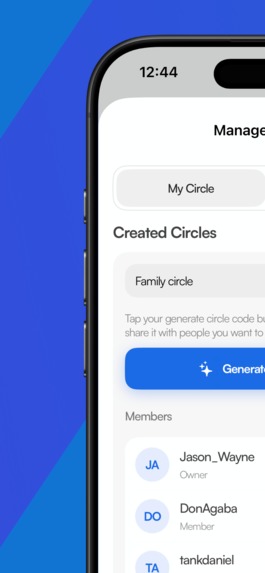
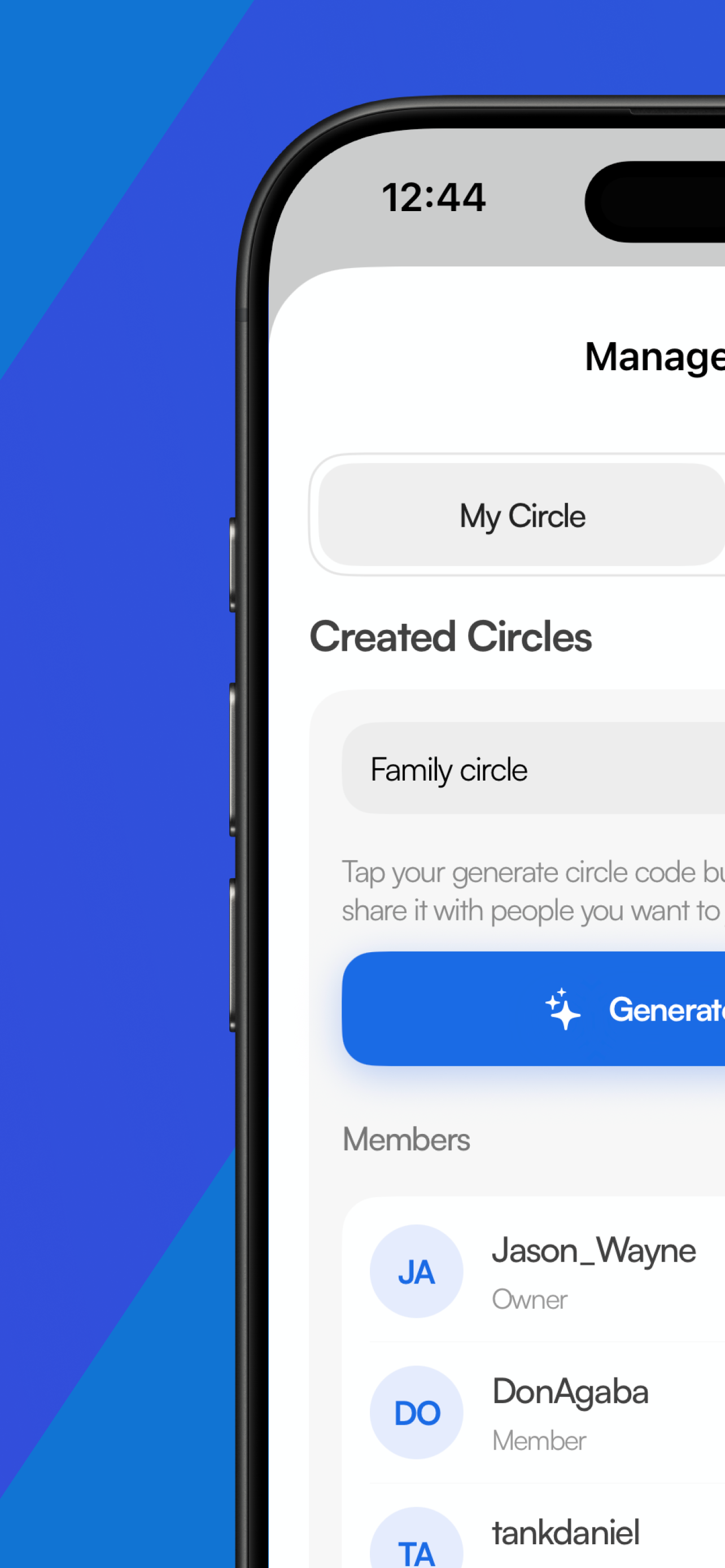
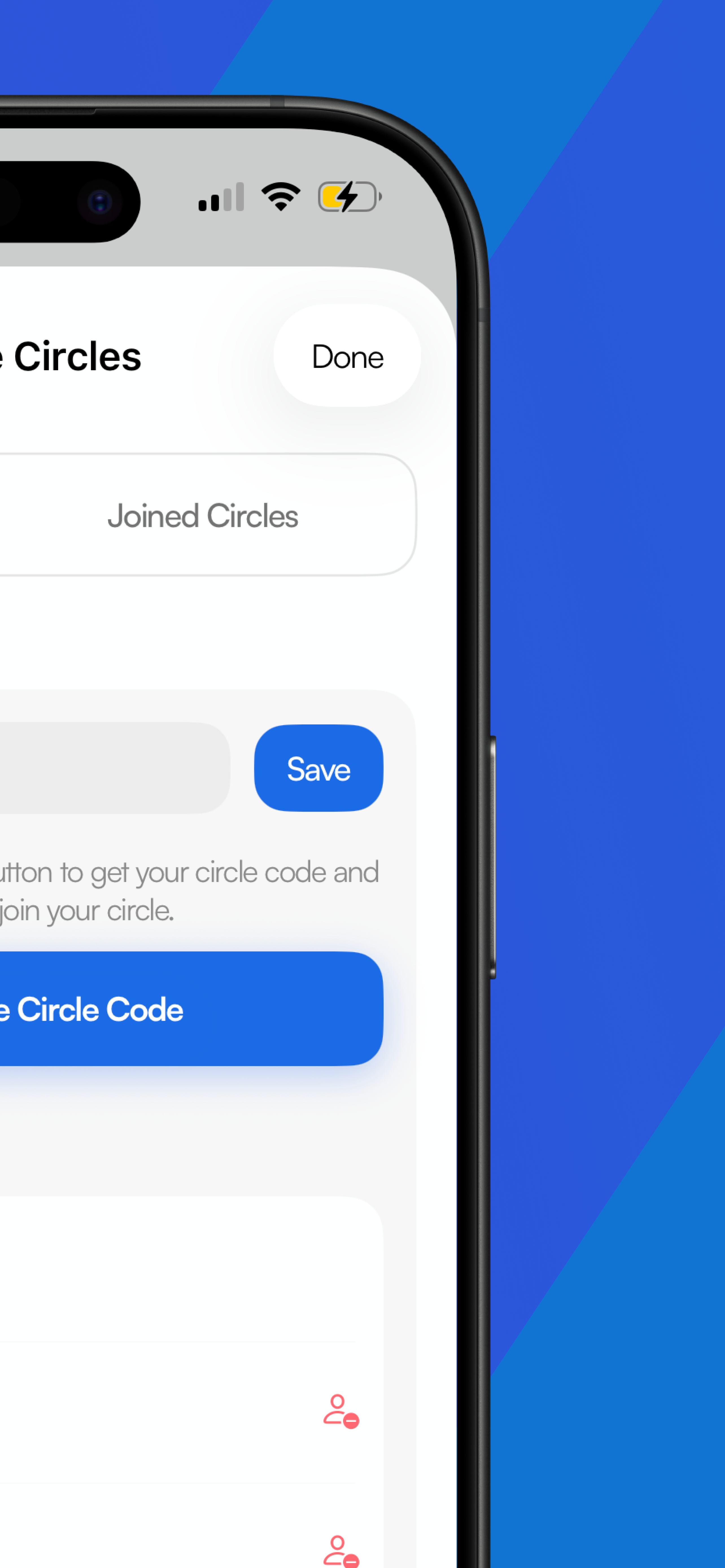
Obserc Manage Circles
-
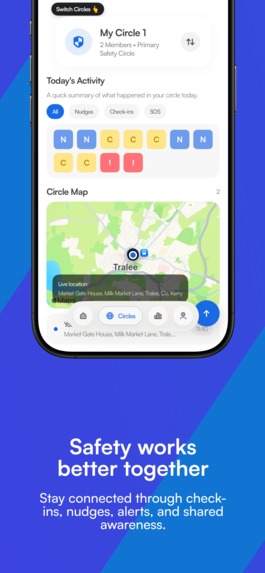
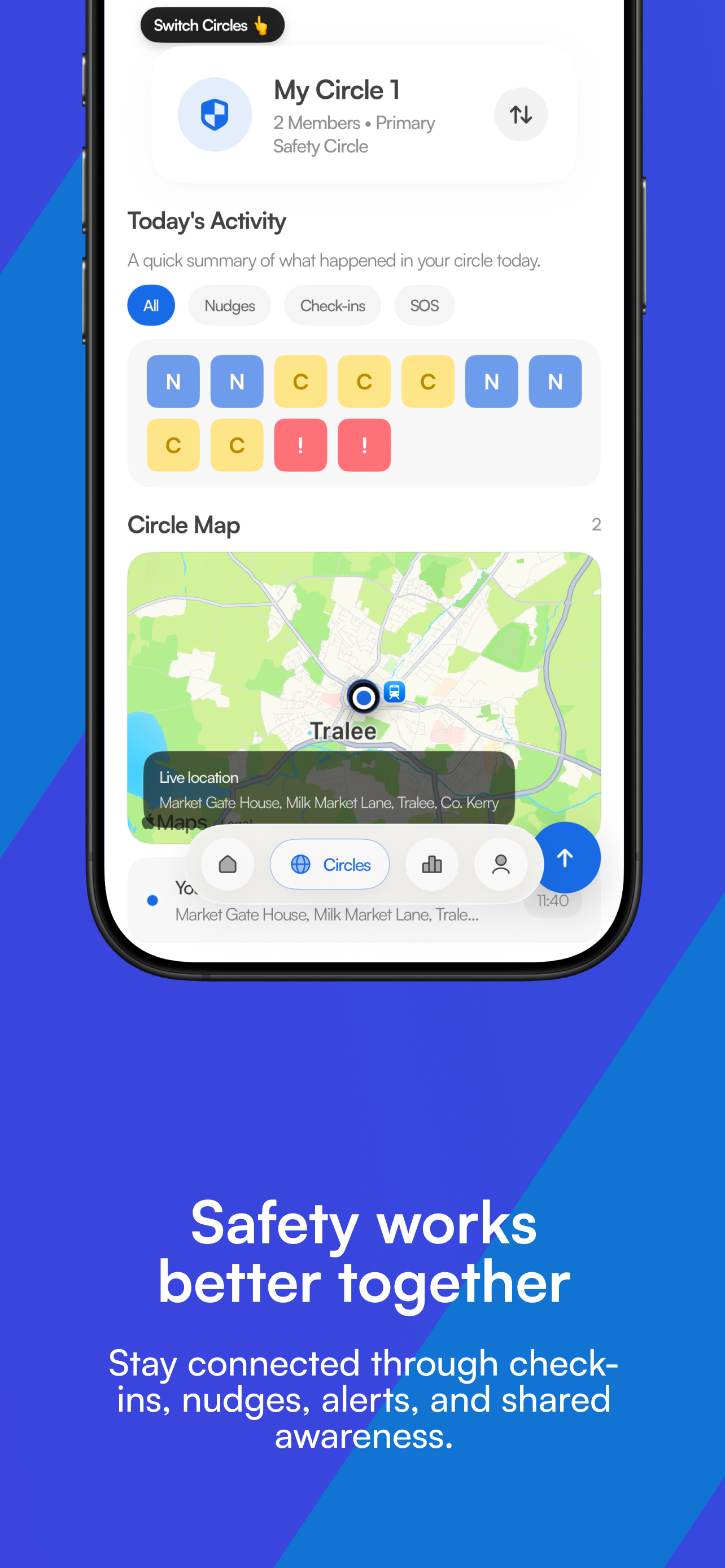
Obserc Circle Continued
-
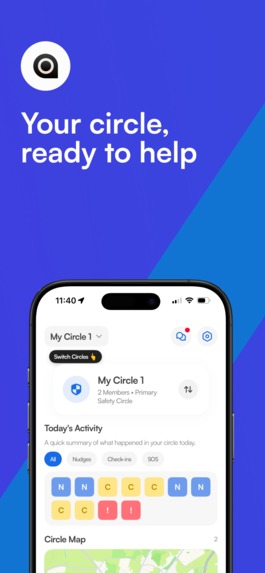
Obserc Circle
-
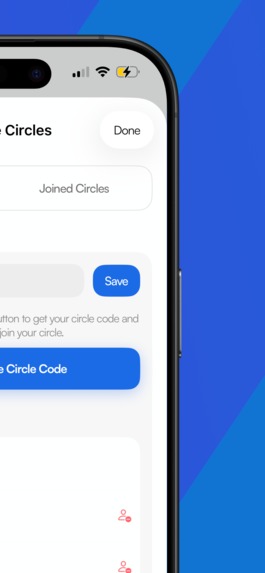
Obserc Manage Circles Continued
Obserc
Obserc is a personal safety app built around one simple idea: safety should not feel cold, complicated, or reactive. It should feel connected, supportive, and already part of your everyday life.
Download Obserc on the App Store
Inspiration
Obserc came from thinking about how personal safety is usually handled today. Most safety tools are built for the worst moment only. They often feel like panic tools instead of something people would actually want to keep open, use regularly, and trust every day.
We wanted to build something different.
Instead of creating an app that only becomes useful in an emergency, we focused on building a safety companion that works before, during, and around everyday situations. Whether someone is on a night out, trying to keep track of friends, checking in with people they trust, or needing a fast way to send help signals, Obserc is designed to make safety feel social, proactive, and human.
The bigger inspiration was this question:
$$ \text{How do we make safety part of normal life, instead of something people only think about when it is too late?} $$
That question shaped everything.
What it does
Obserc helps users stay connected with trusted people through a set of features designed around real-world situations.
Core features include:
- Circles – trusted groups of friends, family, or close contacts
- Check-ins and nudges – lightweight ways to stay connected without overcomplicating things
- SOS Beacon – fast emergency signaling when someone needs immediate attention
- Night Out Mode – a dedicated experience built for social environments, helping users stay aware of friends, plans, and possible risk moments
- Live safety context – helping users and their trusted circle stay informed without making the experience feel overwhelming
The goal is not to replace emergency services or overpromise impossible protection. The goal is to create a smarter layer of awareness, communication, and support.
How we built it
Obserc was built as a native iOS app using SwiftUI, which allowed us to create a smooth, modern interface and tightly control the user experience. We cared a lot about making the app feel premium, calm, and emotionally intelligent rather than harsh or alarm-driven.
On the backend, we used Supabase for key infrastructure such as:
- authentication
- database management
- real-time features
- secure user and circle data handling
That combination let us move fast while still building real-time, connected functionality across users.
A lot of the product work also went into system design rather than just UI. We spent time thinking through:
- how trusted circles should work
- how presence and safety interactions should feel
- how to reduce friction in onboarding
- how to make emergency-related features fast and intuitive
- how to build an experience users would actually return to, not just download and forget
Challenges we ran into
One of the biggest challenges was balancing seriousness with usability.
Safety is a high-stakes space. If the app feels too casual, it loses trust. If it feels too intense, people may avoid using it altogether. We had to constantly ask ourselves how to create something that felt reassuring, lightweight, and useful without making it feel frightening or clinical.
Another major challenge was product focus. There are so many directions a safety app could go, and it was tempting to keep adding more. We had to step back and decide what actually mattered most for the first strong version of Obserc.
Real-time interaction was also a challenge. Building features around connected users, circles, and safety-aware flows meant we had to think carefully about reliability, privacy, and how information should be shared in a way that feels helpful rather than invasive.
Finally, there was the design challenge. We wanted Obserc to feel different from traditional utility apps. The app needed warmth, clarity, and polish while still being trusted as a serious product.
What we learned
We learned that building in the safety space is as much about behavior as it is about technology.
A technically impressive feature means very little if people do not understand it, trust it, or feel comfortable using it in everyday life. We learned to think more deeply about user psychology, friction, habit formation, and emotional design.
We also learned the importance of restraint. A good product is not just about what you add, but what you deliberately leave out. Obserc became stronger when we stopped trying to make it everything at once and focused on making the core experience feel right.
From a technical standpoint, we learned a lot about building real-time mobile experiences, structuring trust-based user systems, and designing around privacy-conscious safety interactions.
What makes Obserc special
What makes Obserc different is that it is not just a panic button app.
It is built as an everyday safety layer — something that works through trusted relationships, social context, and proactive awareness. That opens the door for much more than emergency response. It creates a foundation for a broader ecosystem of safety experiences that can grow over time.
In simple terms:
$$ \text{Reactive safety} \rightarrow \text{Proactive safety} $$
That shift is at the heart of Obserc.
What’s next
This is only the beginning.
We see Obserc as the start of a much larger safety ecosystem — one that can evolve into smarter features, stronger real-world utility, and new categories of safety support for different situations and different kinds of users.
Right now, the focus is on refining the core experience, growing adoption, and continuing to make the product feel as useful, trustworthy, and seamless as possible.


Log in or sign up for Devpost to join the conversation.