Inspiration
See Beyond the Surface. We were inspired by the idea that most people interact with objects every day without ever thinking about what they're made of. A soda can, a water bottle, or a window may seem ordinary, but each is made from materials with unique properties, histories, and environmental impacts.
We wanted to create an experience that encourages curiosity and exploration while making learning feel natural and fun. By combining Spatial AI, augmented reality, and storytelling, we imagined a world where players could see beyond the surface of everyday objects and discover a hidden layer of reality.
This led to the creation of O.R.E. Explorers, a game where players join the Outer Rim Exchange (O.R.E.), a mysterious intergalactic marketplace that views Earth as one of the most valuable resource planets in the galaxy.
What it does
O.R.E. Explorers is a Spatial AI-powered educational adventure.
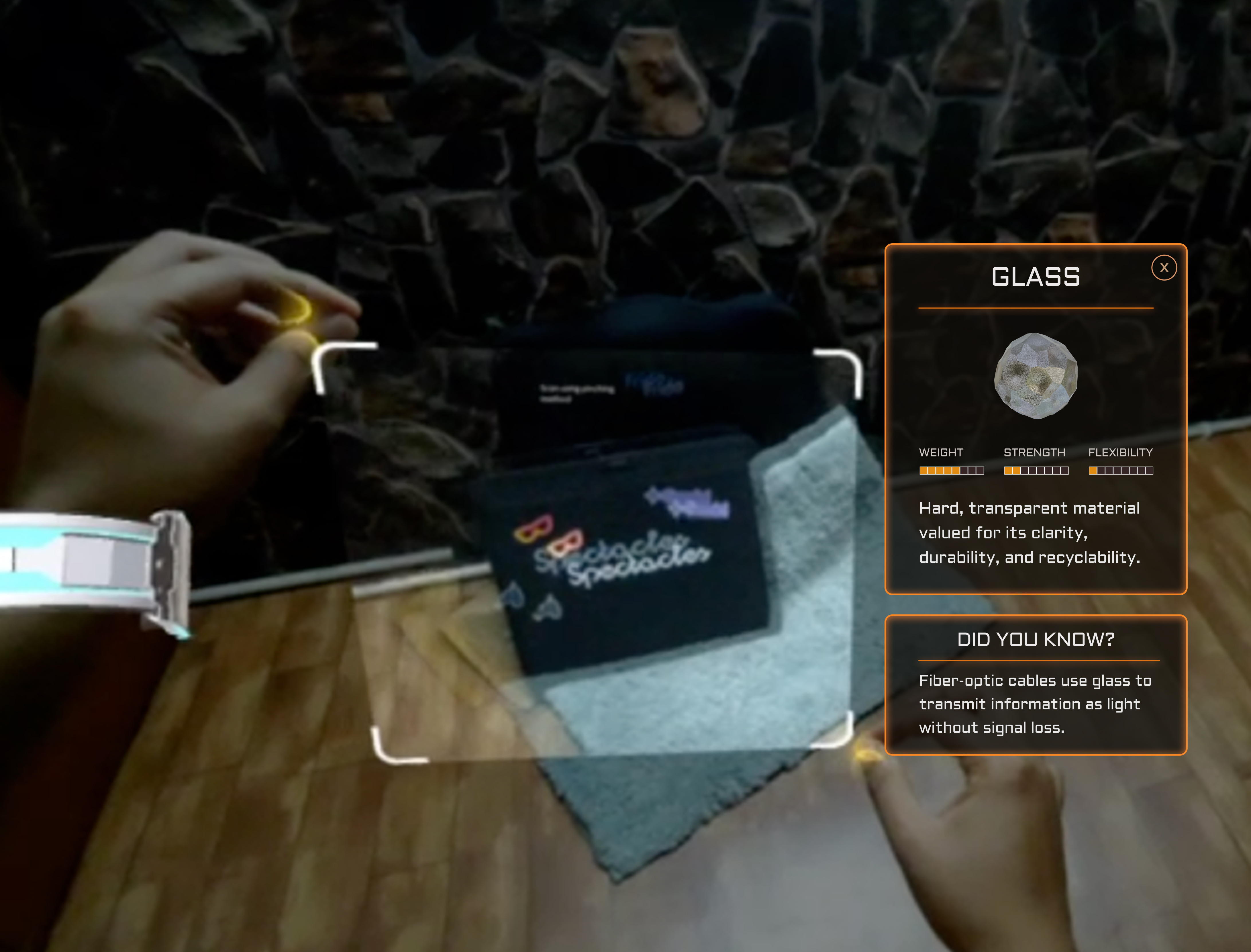
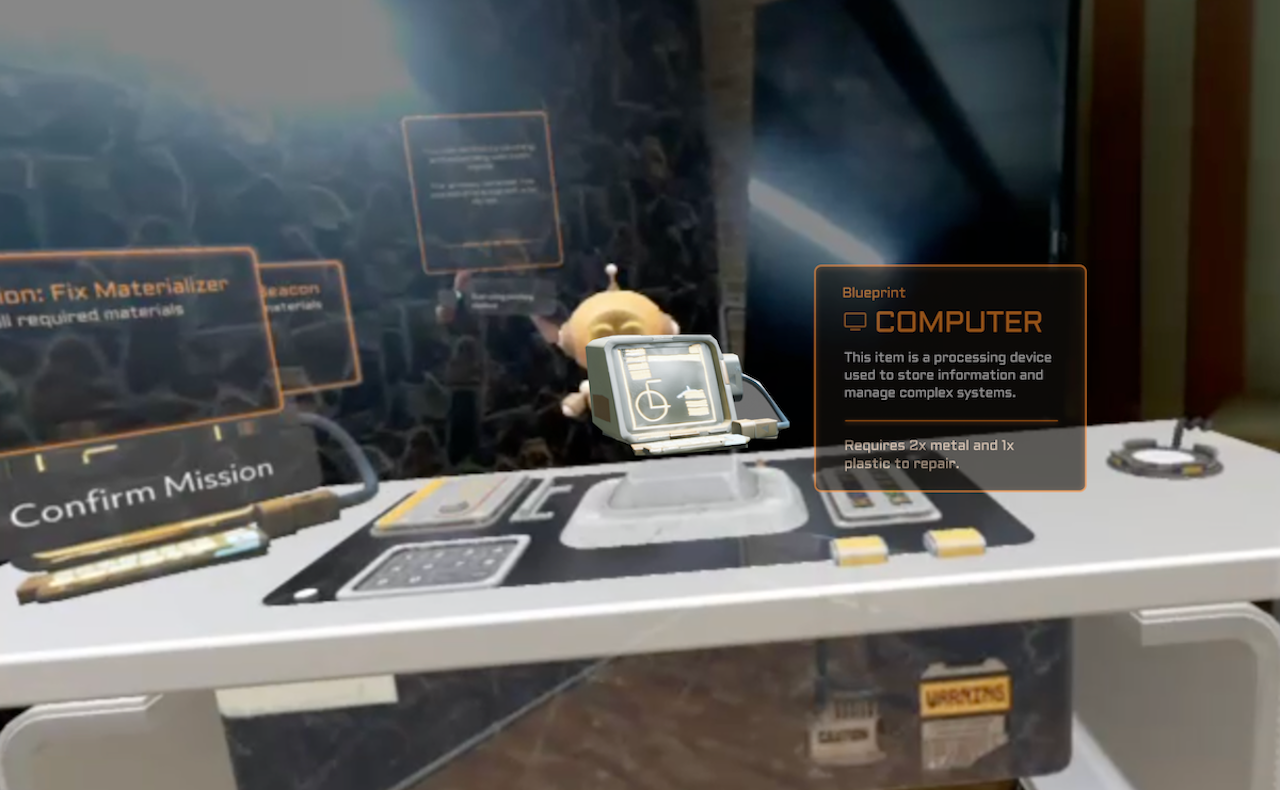
Players are recruited by an alien trader named ZYX and tasked with exploring their surroundings to identify and collect materials hidden inside everyday objects. By scanning real-world items such as soda cans, plastic bottles, and windows, players learn about materials like aluminum, plastic, and glass while collecting resources for crafting.
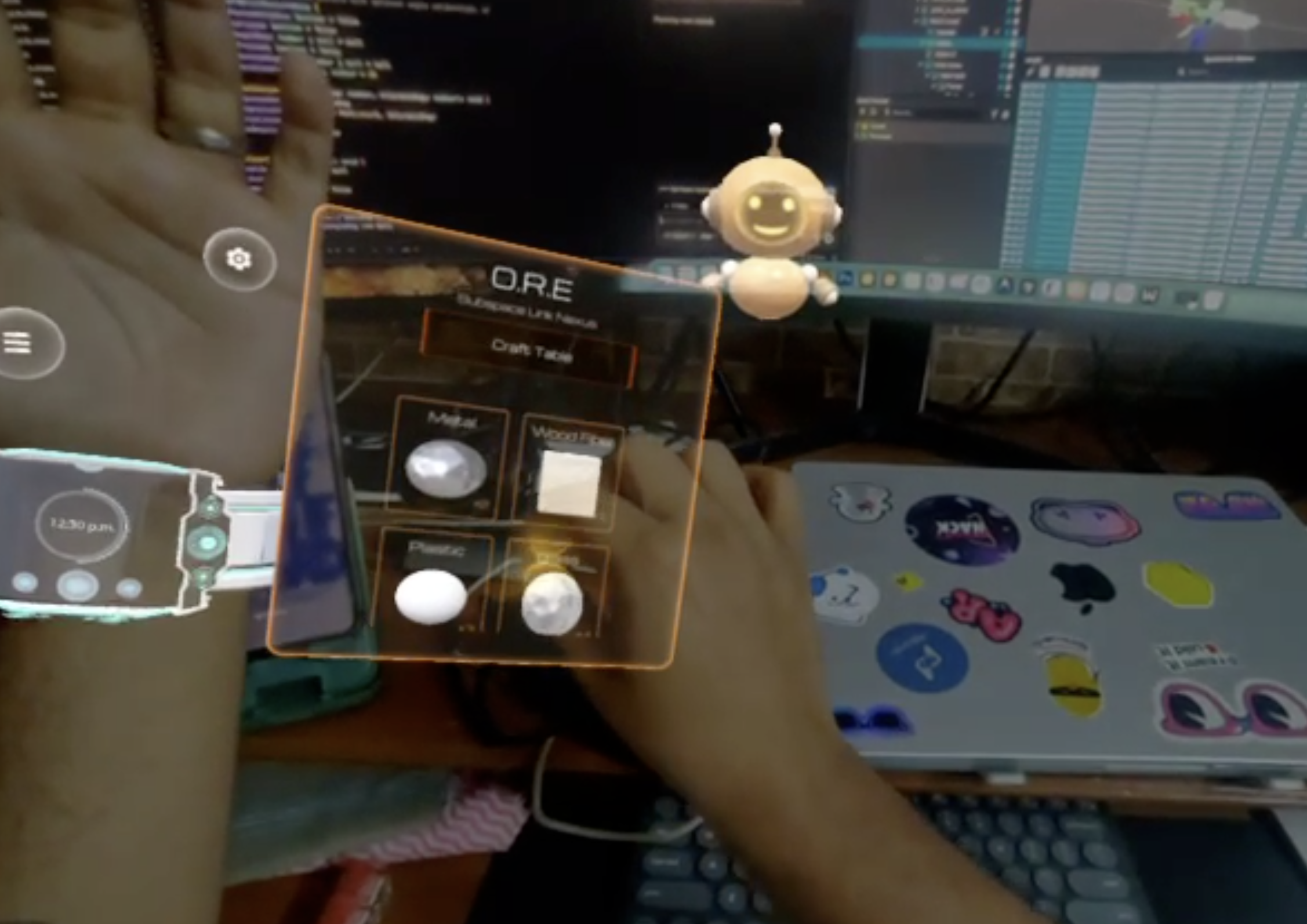
Once enough materials are gathered, players use their O.R.E. Craft Table where they transform those resources into human or alien technology, beginning with a Signal Beacon that establishes first contact with another civilization.
The experience teaches material science, sustainability, observation skills, and resource awareness through exploration and play.
How we built it
We designed the experience around simple and intuitive interactions, allowing players to learn through discovery rather than traditional instruction.
We built O.R.E. Explorers using:
- Snap Spectacles
- Lens Studio
- Spatial AI scanning systems
- Hand tracking and gesture interactions
- AR user interface design
- Narrative-driven educational content
The core gameplay loop consists of:
- Scanning real-world objects
- Identifying materials
- Learning material properties
- Collecting resources
- Crafting human and alien technology
Challenges we ran into
One of the biggest challenges was balancing education and entertainment. We wanted players to learn material science concepts without making the experience feel like a lesson.
Another challenge was designing an AR interface that felt natural within the Spectacles environment. Since the real world is the game board, we focused on minimizing screen clutter and making interactions feel spatial and immersive.
We also had to simplify our original vision into a focused MVP that could be completed within the hackathon timeline while still showcasing our core mechanics and educational goals.
Accomplishments that we're proud of
- Creating a complete educational gameplay loop using Spatial AI.
- Designing an original AR experience that transforms the real world into a resource discovery game.
- Building a narrative that connects learning with exploration and discovery.
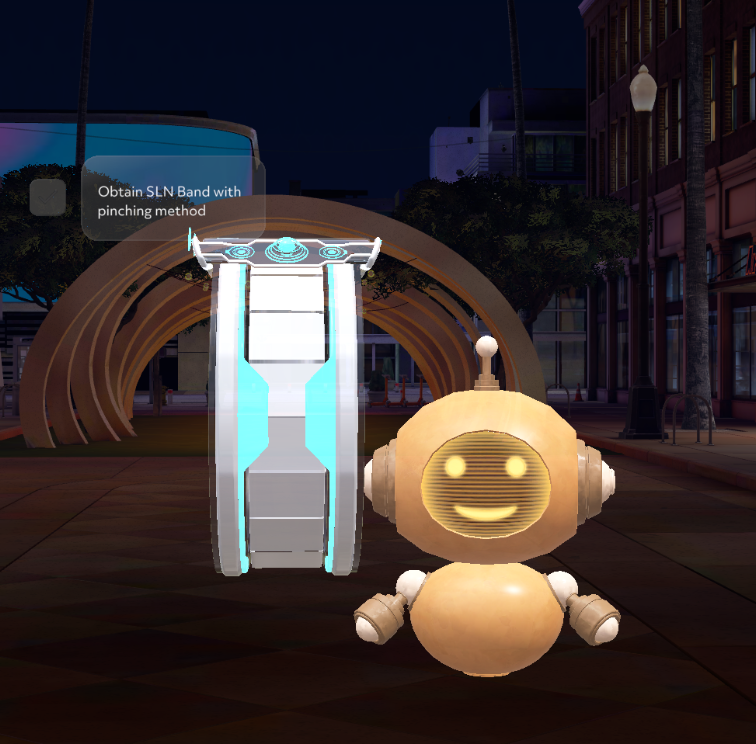
- Creating a memorable character in ZYX who guides players through the experience.
- Demonstrating how Snap Spectacles can be used for immersive educational gameplay rather than traditional screen based learning.
- Successfully combining storytelling, AR interaction, and material science into a single experience.
What we learned
Throughout development, we learned that curiosity can be a powerful educational tool.
Rather than teaching players through quizzes or lectures, we found that allowing players to discover information through interaction creates a more engaging learning experience.
We also learned how Spatial AI can help bridge the gap between digital experiences and the physical world by turning everyday objects into opportunities for exploration and learning.
Finally, we gained valuable experience designing user interactions specifically for wearable AR devices and learned the importance of keeping those interactions simple, intuitive, and immersive.
What's next for O.R.E. Explorers
Our vision is to expand O.R.E. Explorers into a larger educational AR universe.
Future plans include:
- Additional material types and advanced scanning abilities
- New alien civilizations and storylines
- Expanded crafting and technology systems
- Sustainability and recycling challenges
- Multiplayer exploration experiences
- AI-generated missions and adaptive learning paths
- A growing material encyclopedia that helps players better understand the world around them
Ultimately, we want O.R.E. Explorers to inspire players to see everyday objects differently and develop a deeper appreciation for the materials, resources, and systems that shape our world.
Built With
- blender
- gpt
- javascript
- openai
- typescript


Log in or sign up for Devpost to join the conversation.