-
-
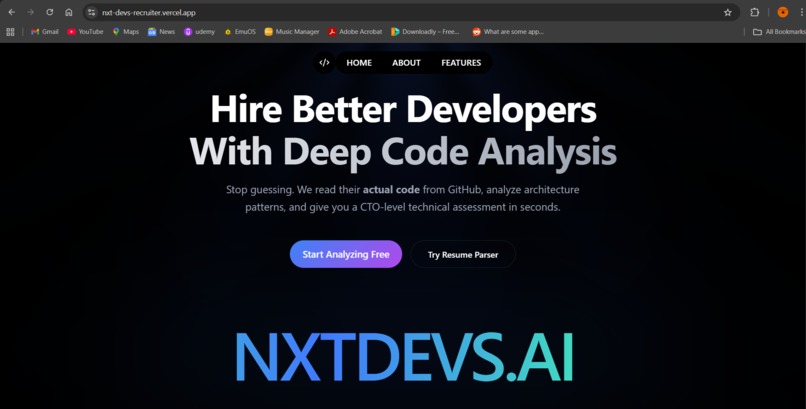
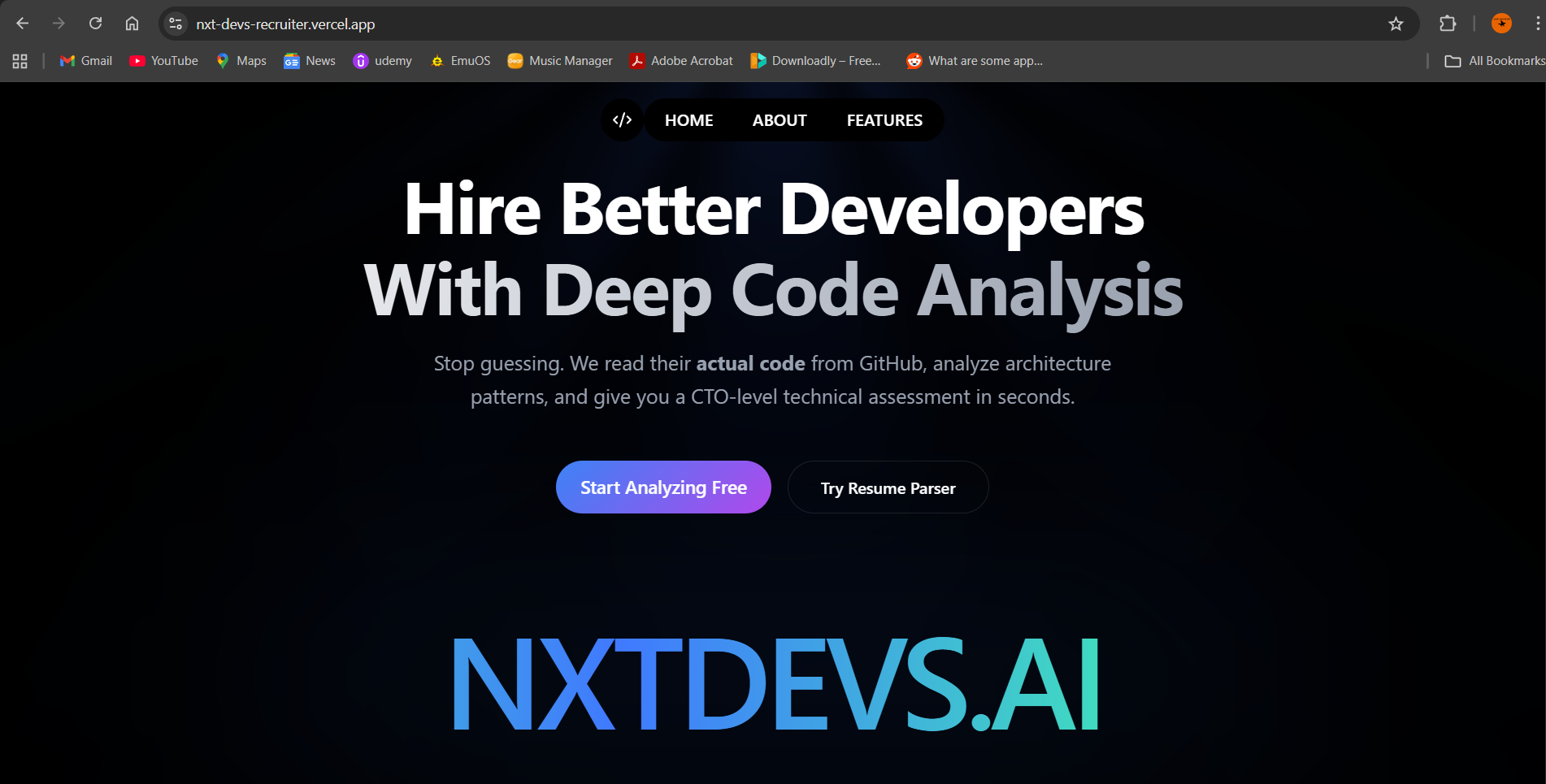
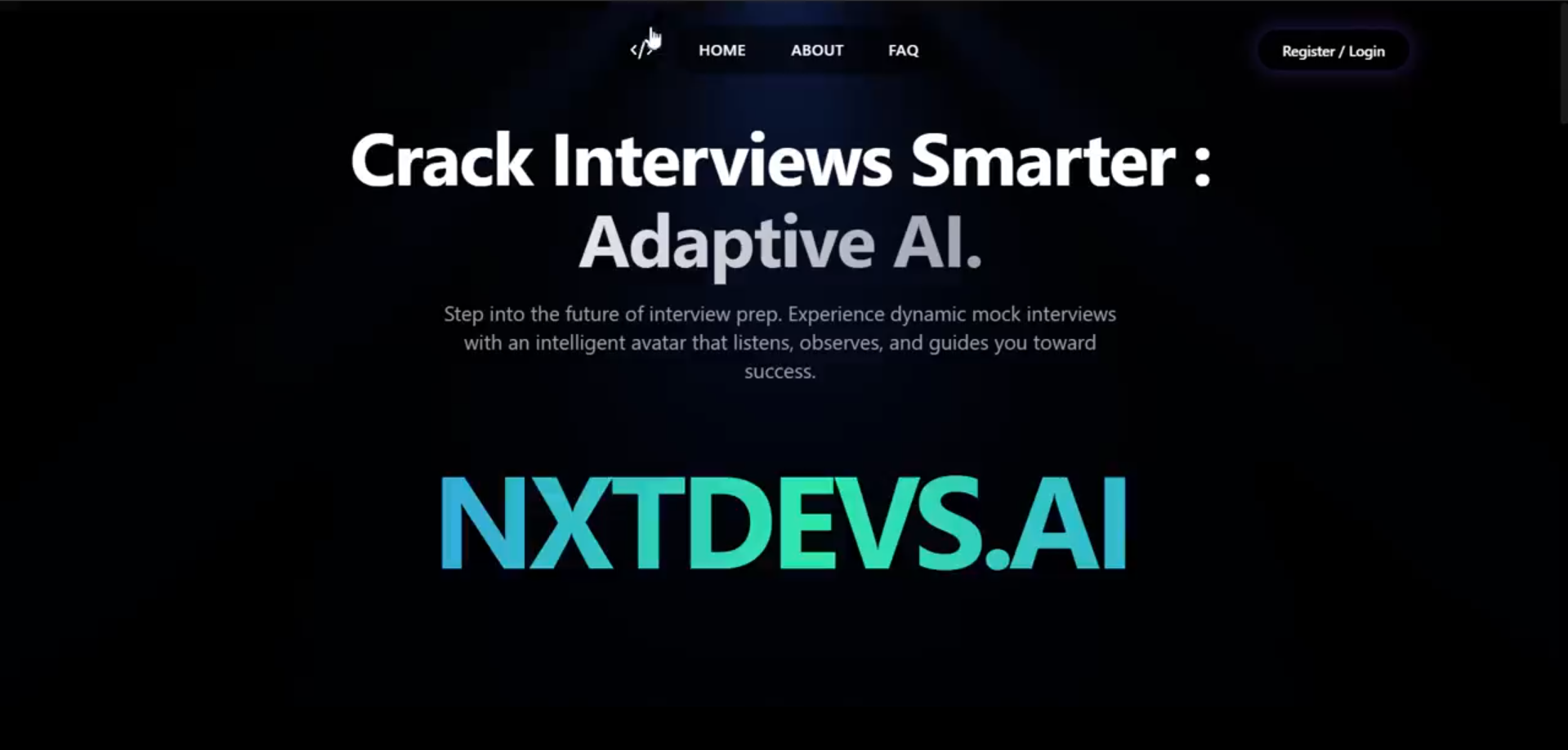
Landing Page Recuiter
-
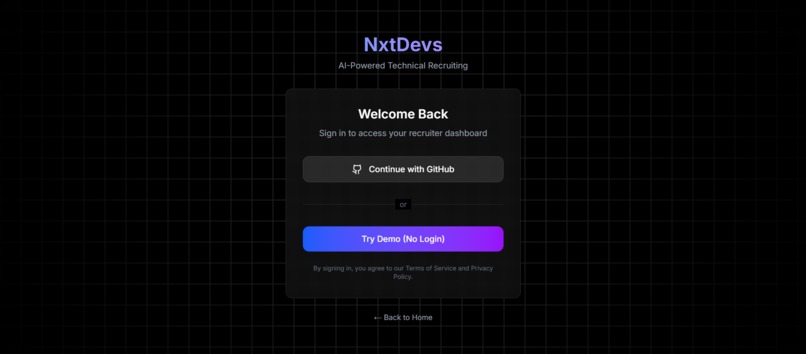
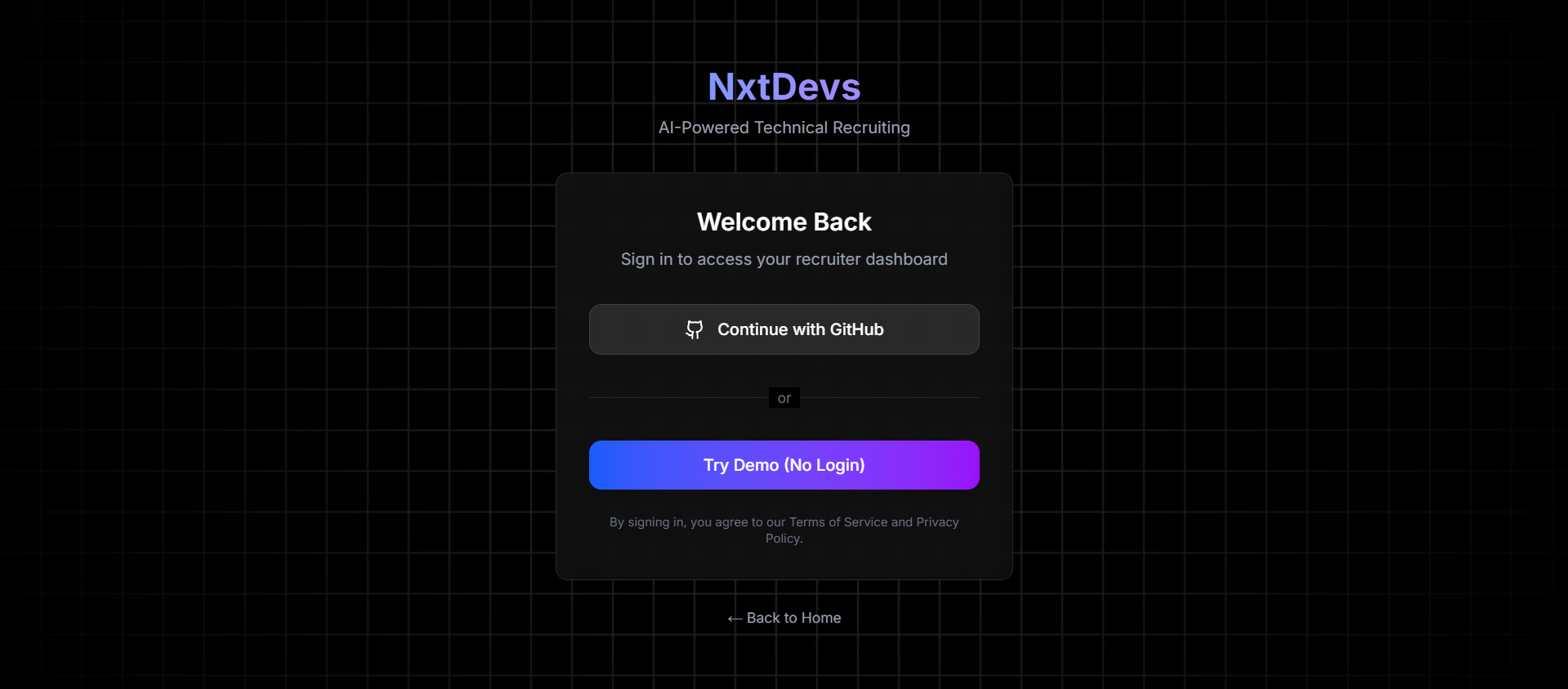
Github Login
-
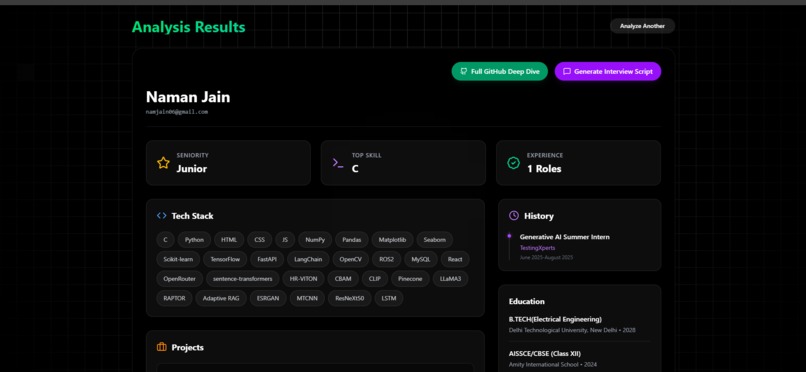
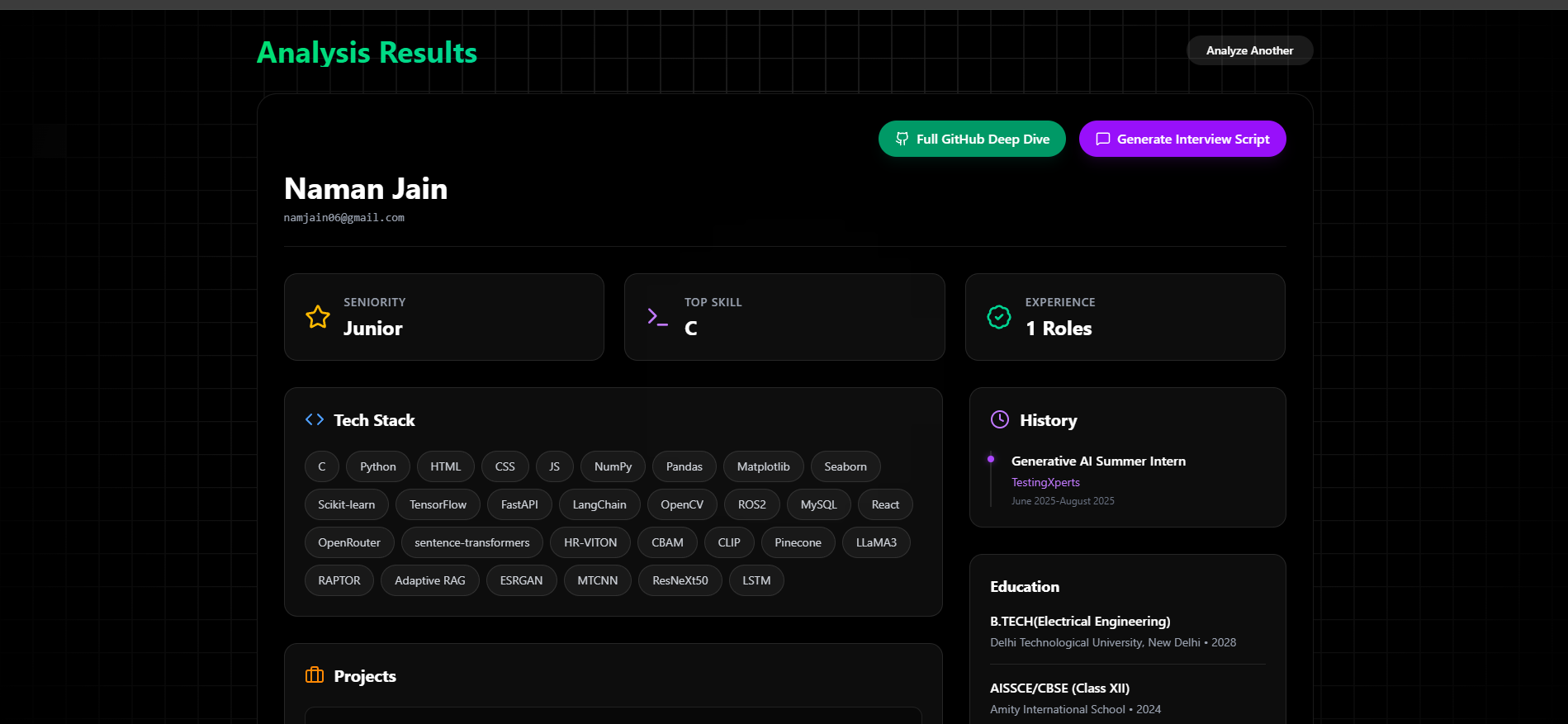
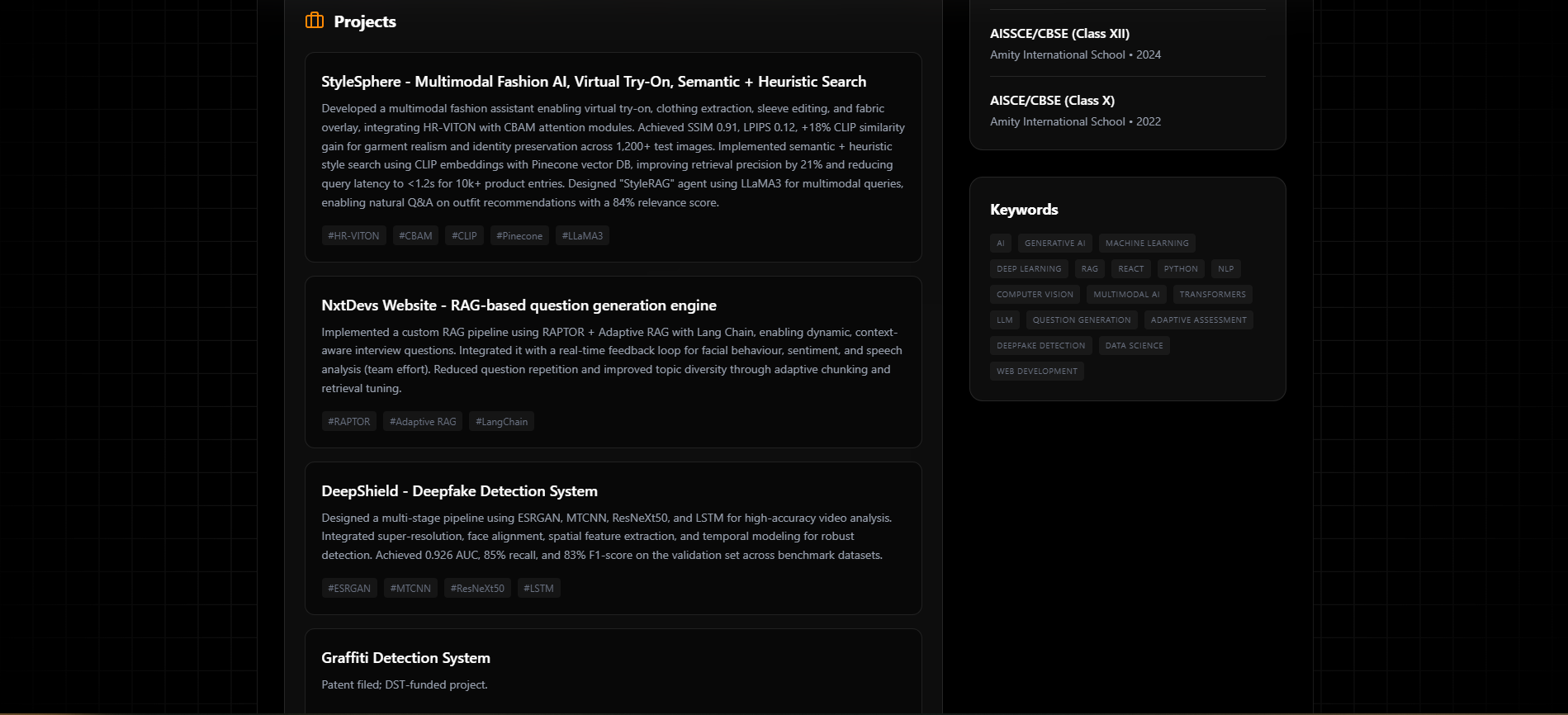
Resume descp
-
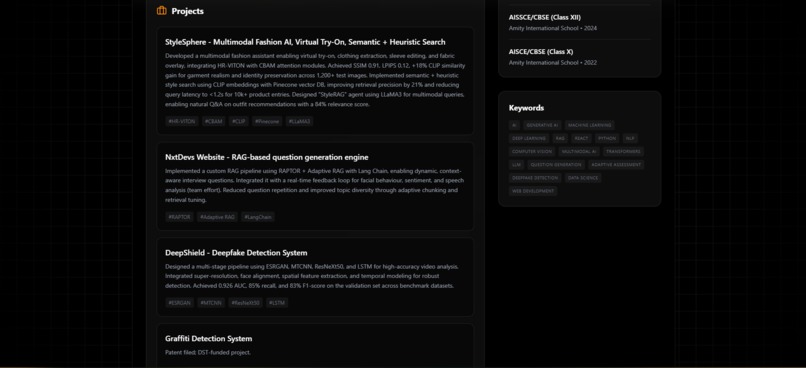
Resume descp
-
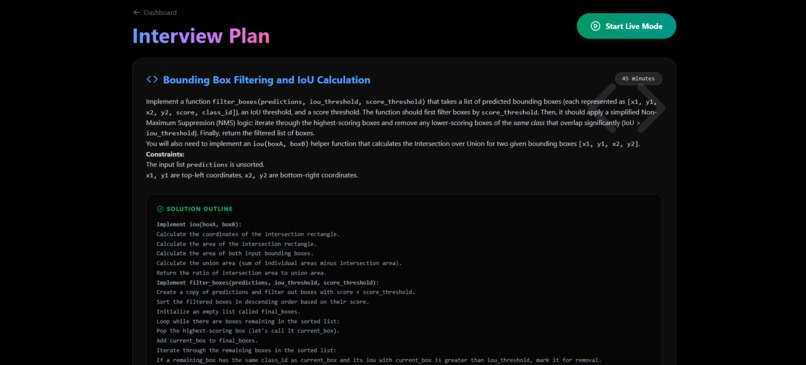
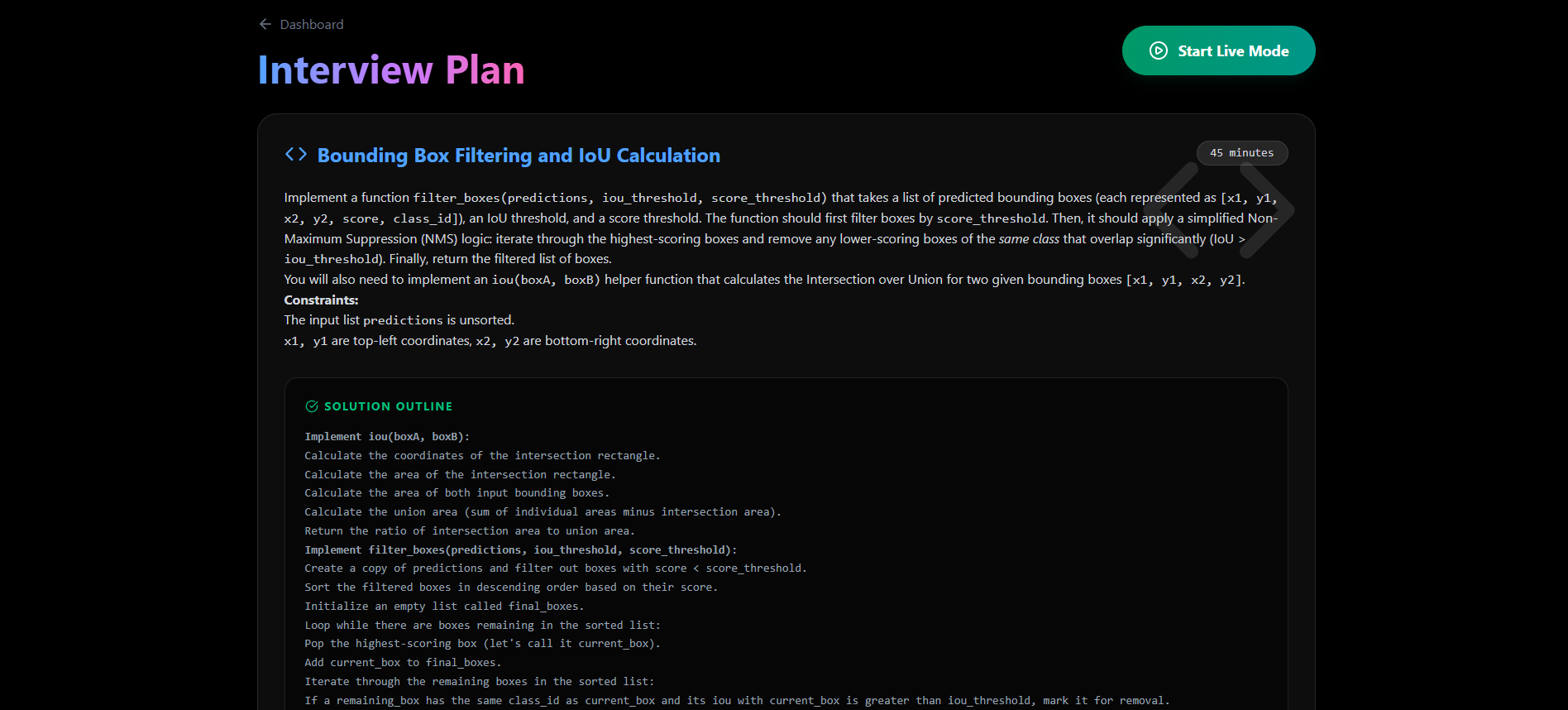
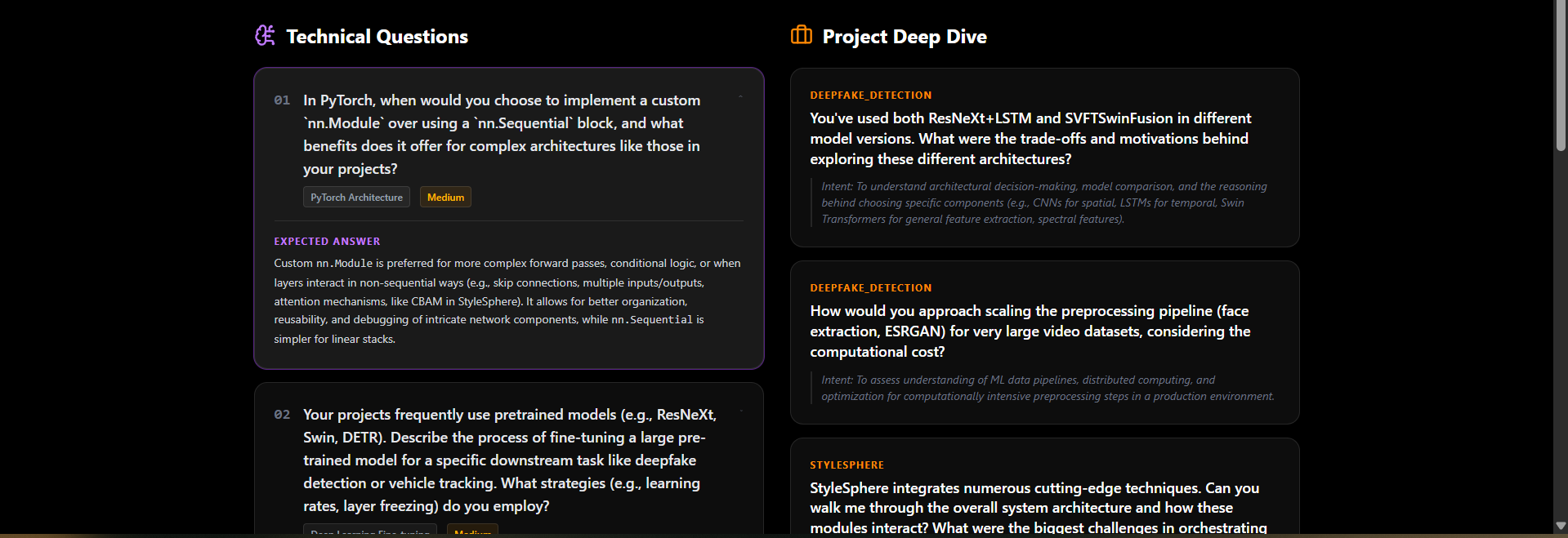
Intv Question
-
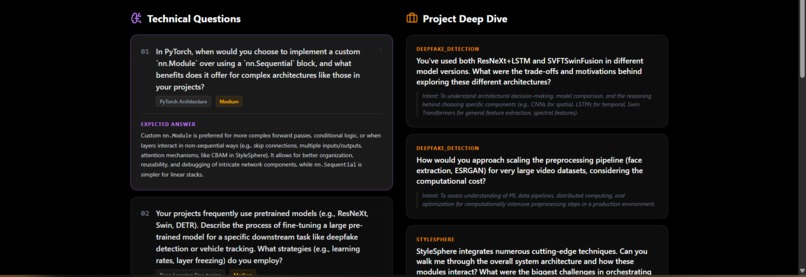
Intv Questions
-
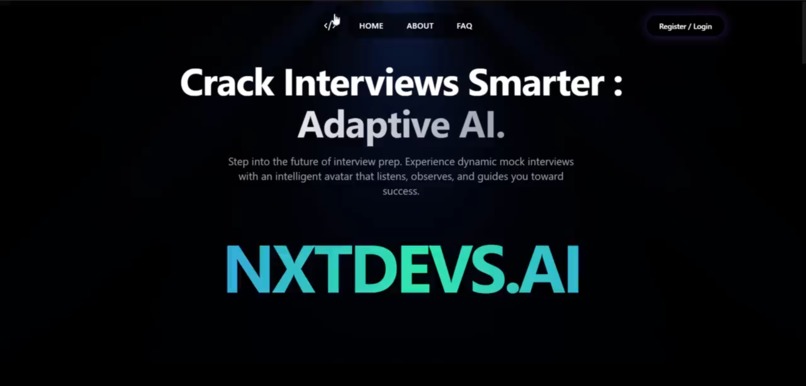
Landing page - Student
-
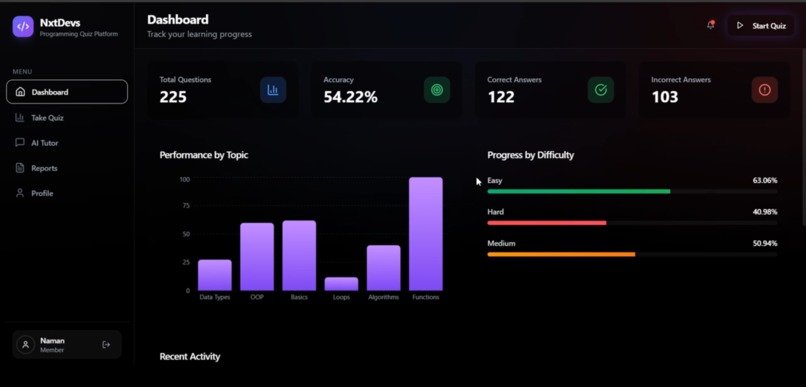
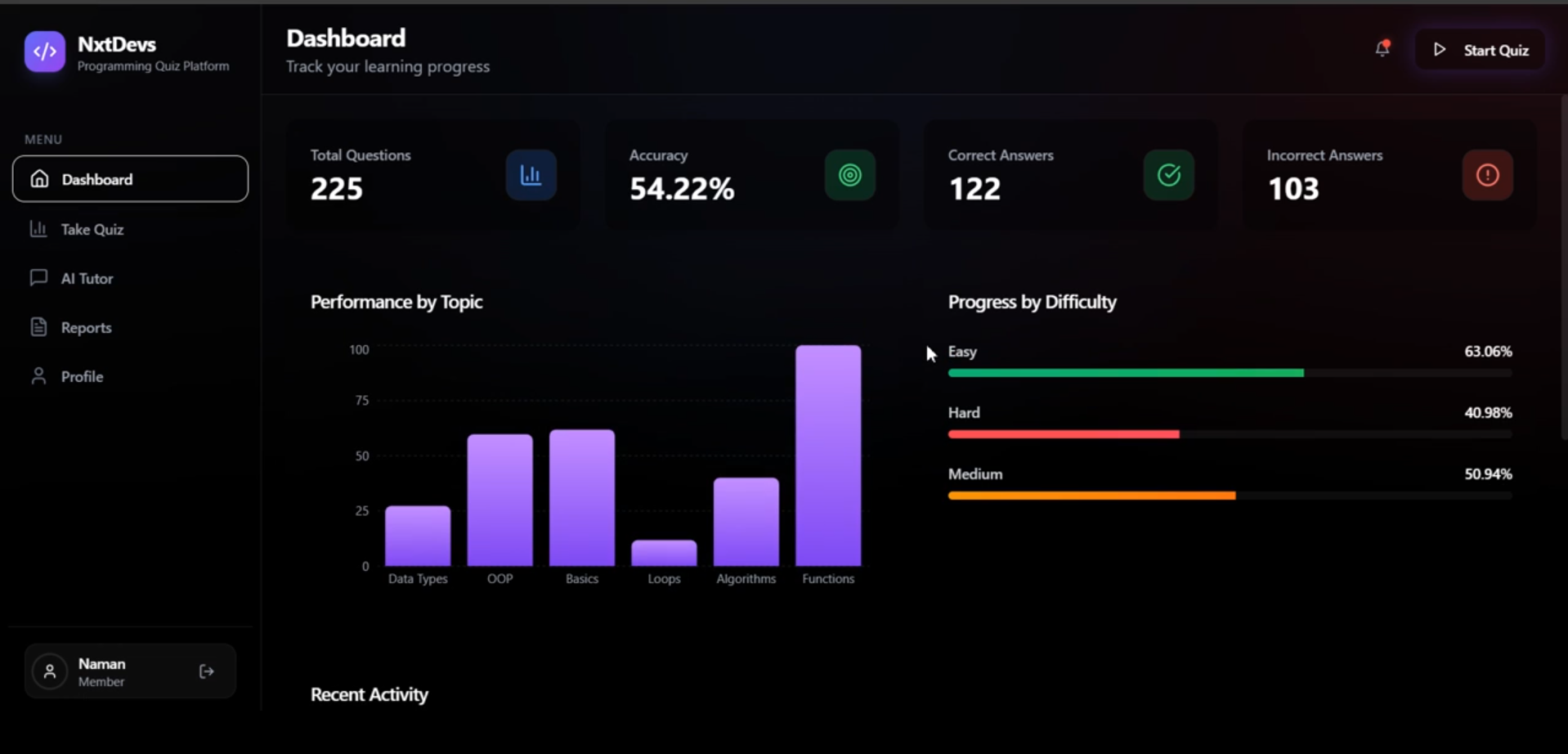
Dashboard
-
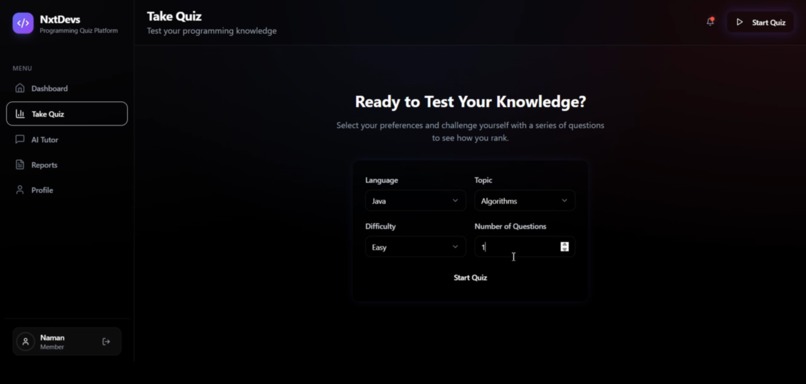
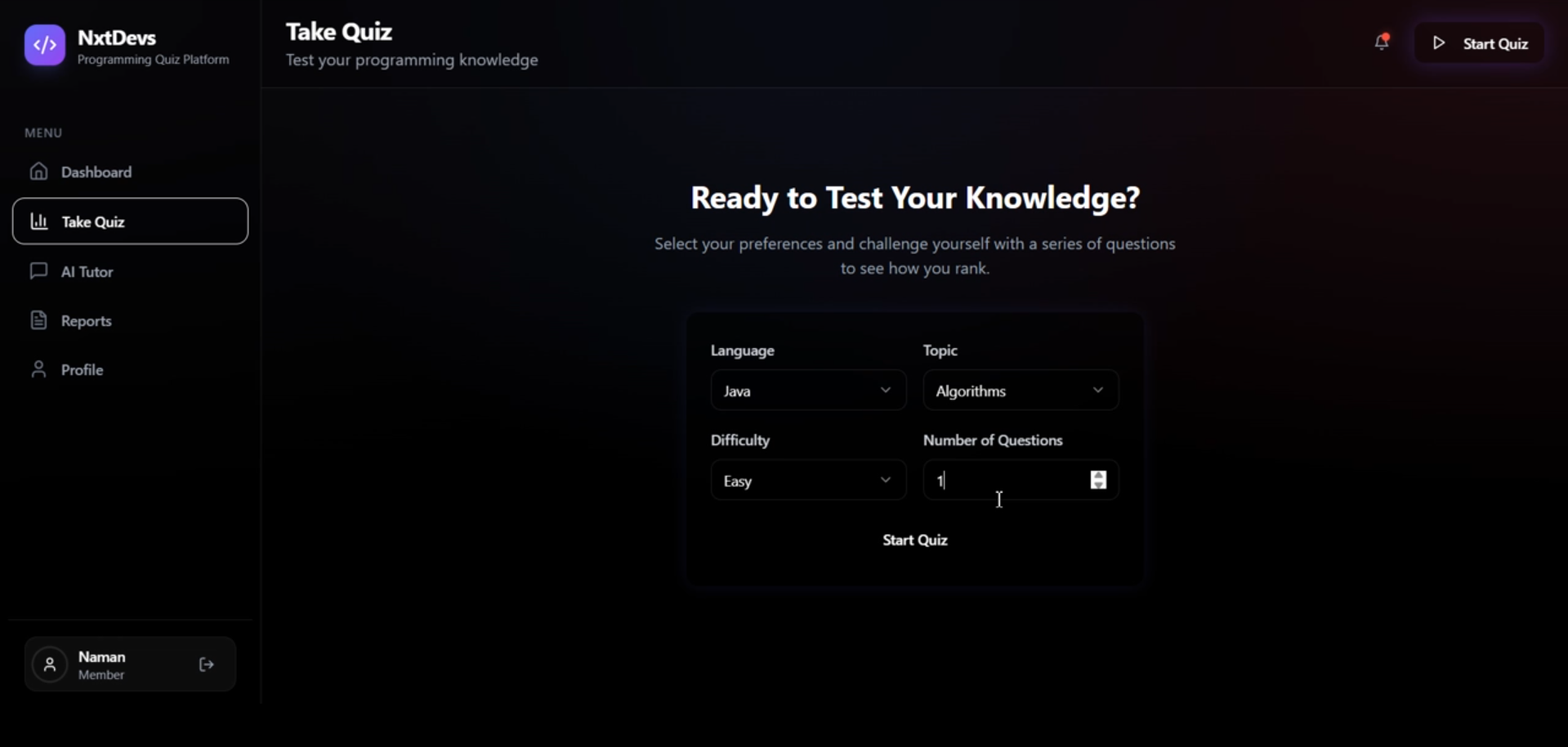
Quiz
-
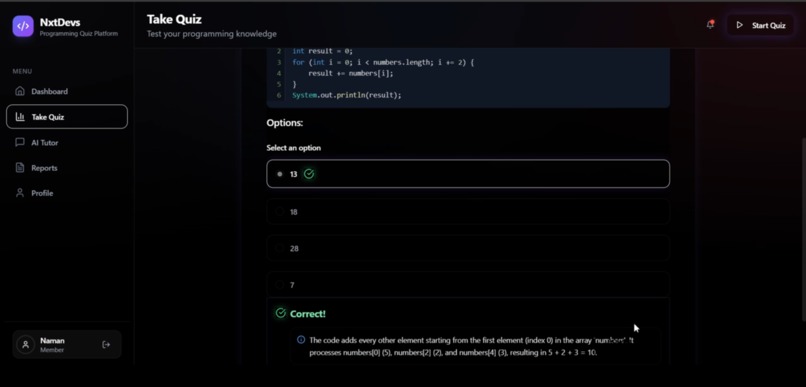
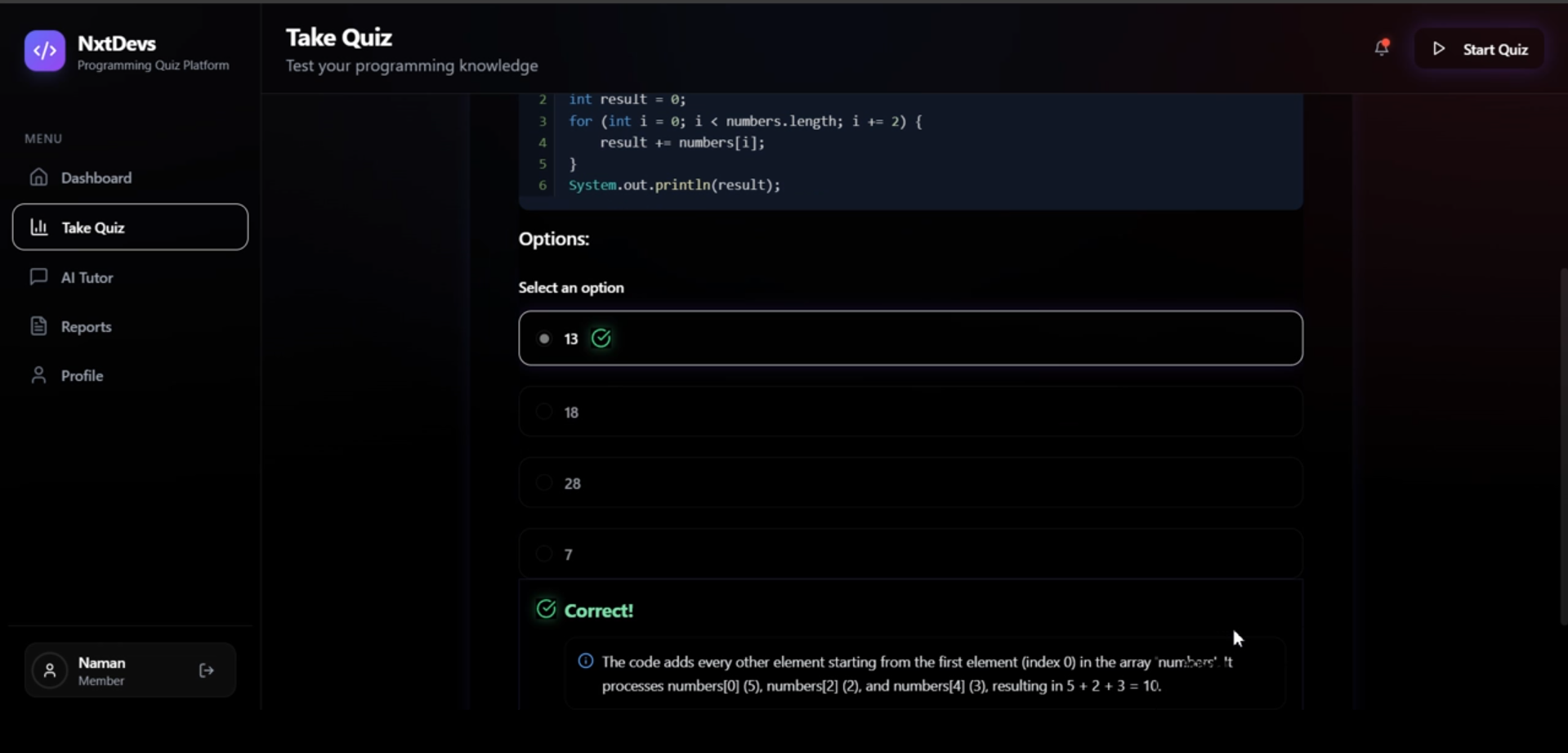
Quiz Questions
-
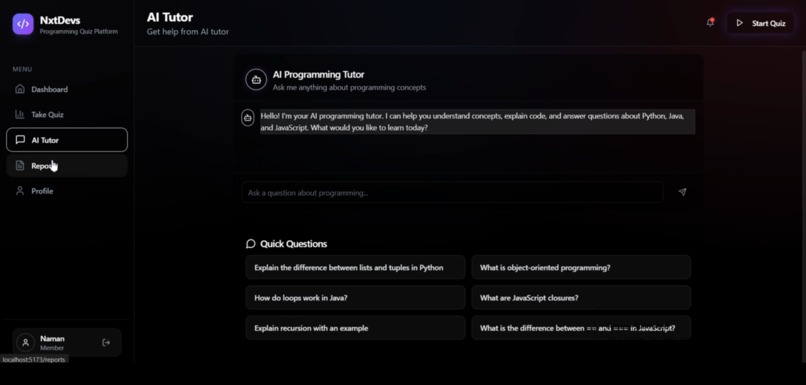
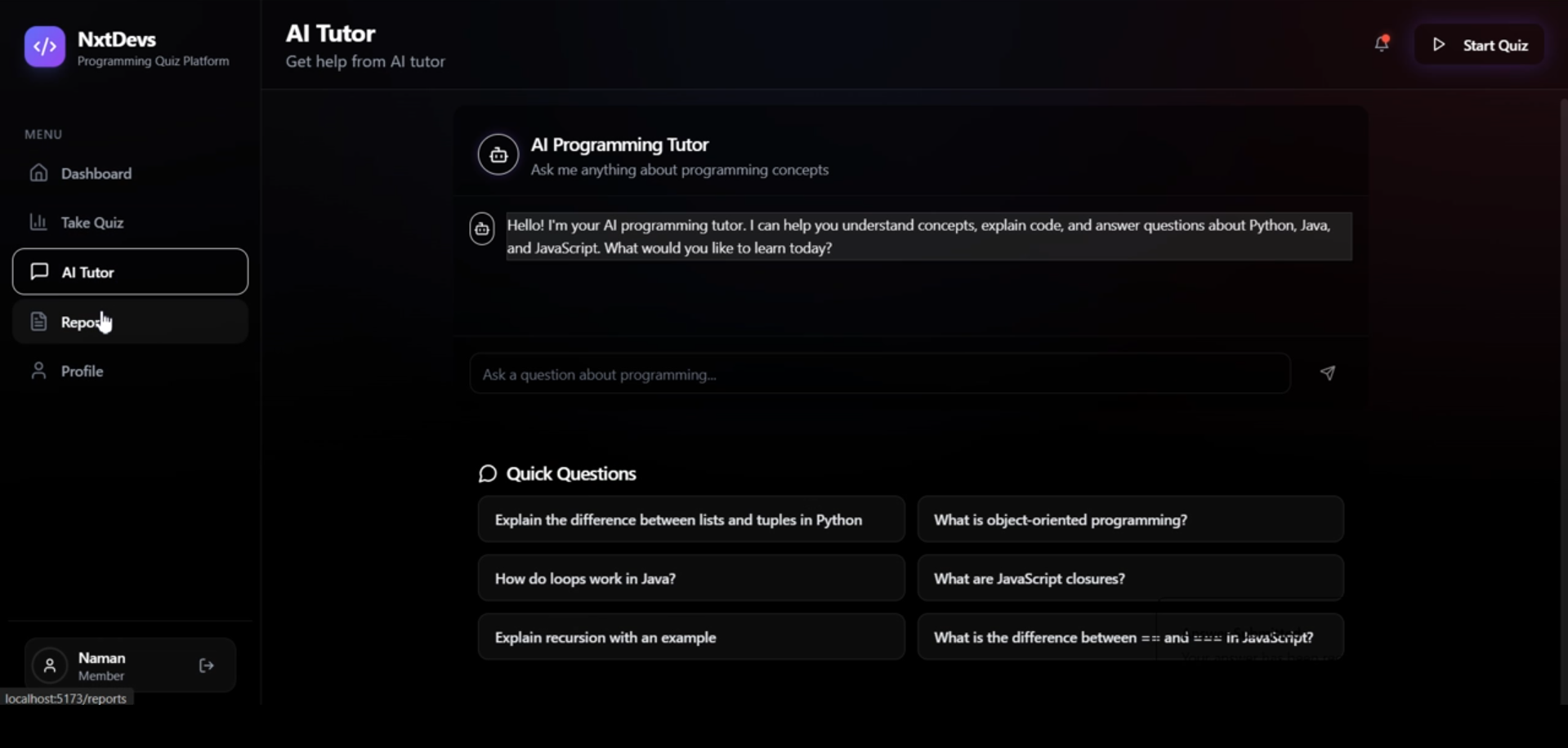
AI tutor
-
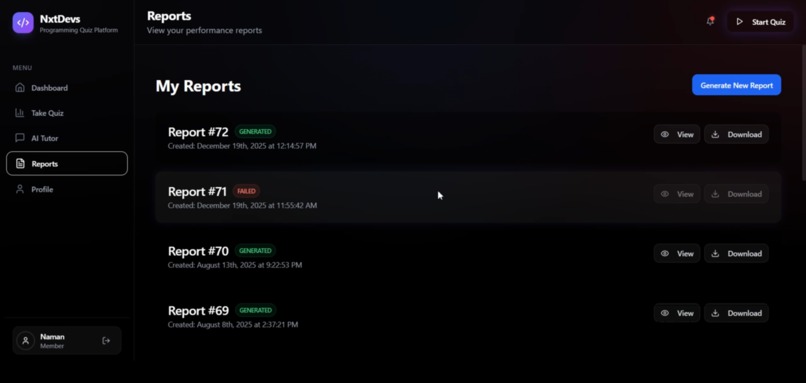
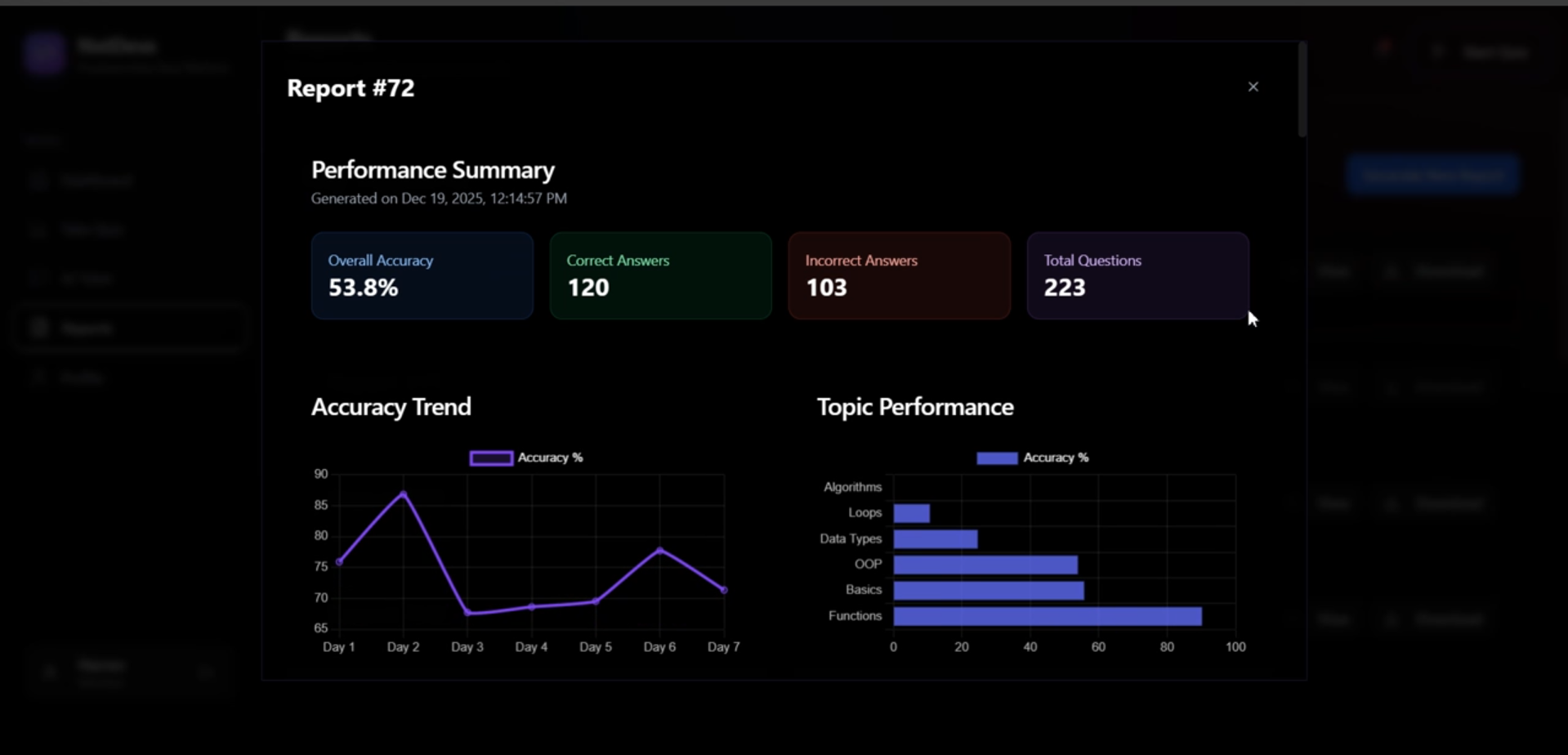
Report Generation
-
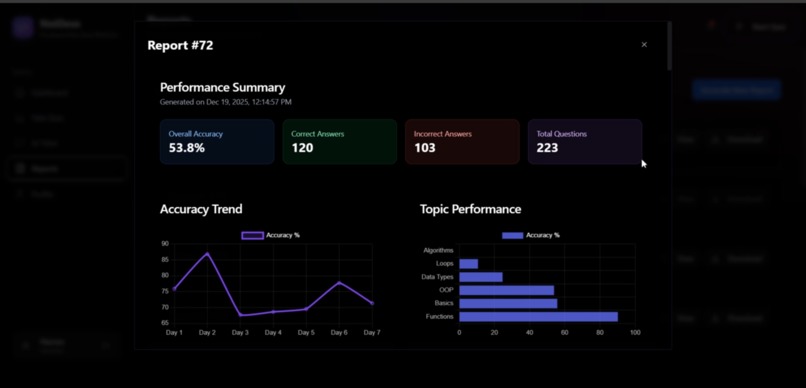
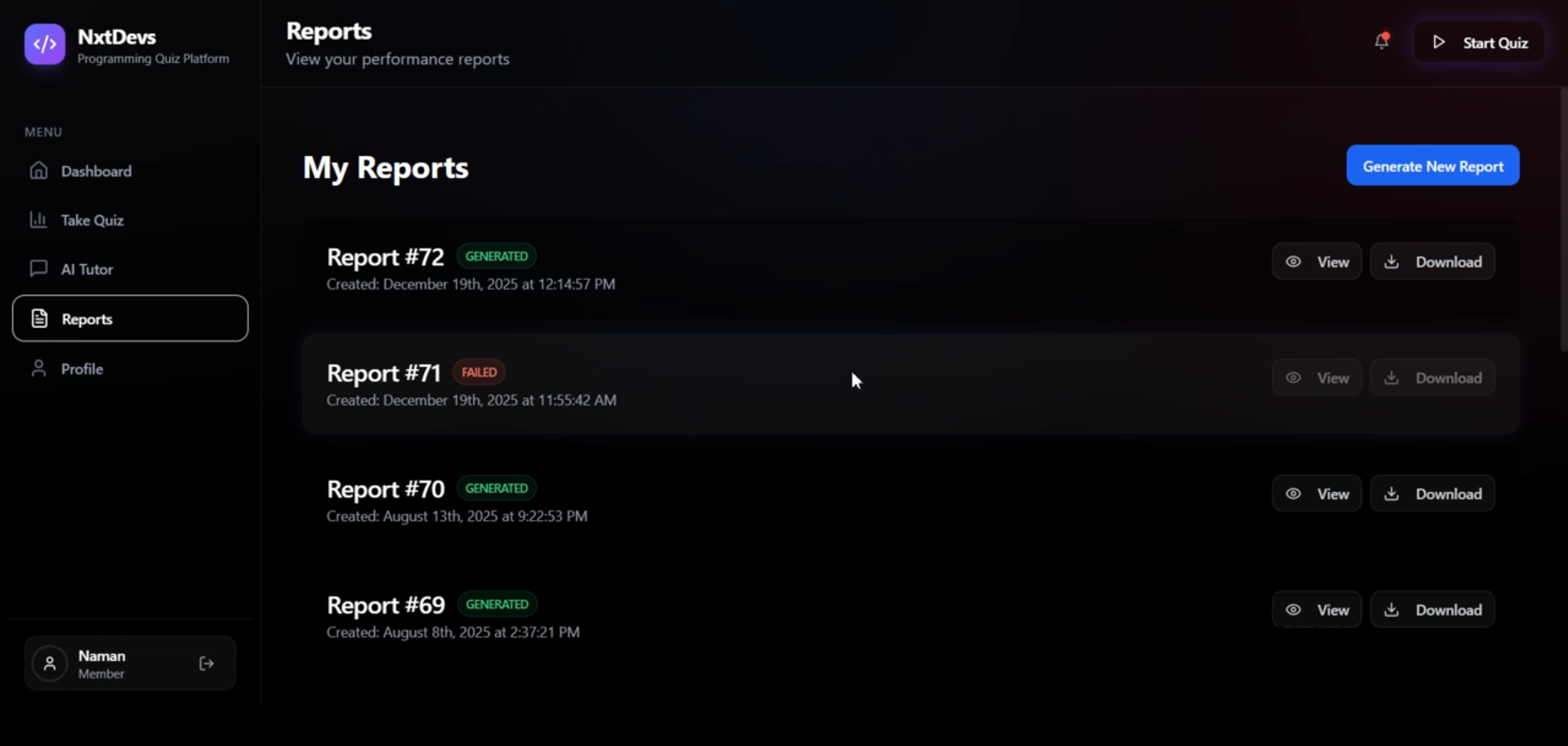
Report- performance card
About the Project
Inspiration
The idea for this project came from firsthand experience with technical interviews—both as candidates and observers. There is a massive disconnect between how developers prepare and how they are actually evaluated. Most preparation platforms optimize for solving isolated problems, while real interviews test reasoning, communication, trade‑off analysis, and live problem‑solving under pressure.
On the recruiter side, resumes, GitHub links, and ad‑hoc interviews often fail to surface real skill. Two candidates with identical resumes can perform very differently in an interview, yet recruiters lack structured, objective tools to identify that difference early.
We were inspired to build a system where preparation mirrors reality, and assessment reflects real ability, not just claims on a resume.
Problem We’re Solving
Interview preparation today is fragmented:
- Coding platforms feel like exams, not interviews
- Mock interviews are either expensive, inconsistent, or not scalable
- Feedback is often shallow (“solve more problems”)
- Recruiters rely on intuition instead of structured signals
Mathematically, the current hiring signal looks like:
$$ \text{Hiring Signal} \approx f(\text{Resume}, \text{Gut Feeling}) $$
We believe it should instead be:
$$ \text{Hiring Signal} = f(\text{Skill Evidence}, \text{Reasoning}, \text{Communication}, \text{Consistency}) $$ Our project aims to approximate this function as closely as possible.
What We Learned
Building this product taught us several critical lessons:
- Skill is multi‑dimensional: correctness alone is insufficient without reasoning and explanation.
- Interviews are performance systems, not knowledge tests.
- Personalization changes everything—resume and GitHub context dramatically improve relevance.
- Recruiters value structure over novelty; explainable signals matter more than flashy AI.
- Good feedback is specific, directional, and actionable, not generic.
We also learned that restraint is a superpower—deciding what not to build was as important as building the right things.
How We Built It
We designed the platform as a closed, self‑reinforcing loop:
Practice
Users solve MCQs, subjective questions, and coding problems.Analysis
The system tracks accuracy, time, topic‑level weaknesses, and patterns.Context Injection
Resume and GitHub data are parsed to understand real‑world experience and projects.Real Interview Simulation
A voice‑based AI interviewer conducts live technical interviews with coding and follow‑ups.Evaluation & Feedback
Detailed reports explain strengths, weaknesses, and next steps.Improvement
Recommendations feed back into practice, completing the loop.
Technically, the system is composed of:
- A modular backend for question generation and evaluation
- A secure sandbox for live code execution
- Speech‑to‑text and text‑to‑speech pipelines for voice interviews
- An AI orchestration layer for adaptive questioning and follow‑ups
- A unified data layer connecting practice, interviews, and reports
Each component is designed to be replaceable and scalable as the system evolves.
Challenges We Faced
Some of the most difficult challenges included:
- Designing interviews that feel realistic but unbiased
- Preventing the AI from behaving like a generic chatbot
- Balancing product ambition with MVP discipline
- Generating feedback that users can act on immediately
- Ensuring recruiter tools feel purpose‑built, not repurposed
We also faced classic startup challenges:
- Scope creep
- Performance tuning for real‑time interviews
- Building trust in automated evaluation
Each challenge reinforced our belief that clarity of purpose beats feature overload.
What Makes This Different
Unlike traditional platforms, this project:
- Treats interviews as simulations, not questionnaires
- Uses the same evaluation logic for both candidates and recruiters
- Connects preparation directly to hiring outcomes
- Focuses on how candidates think, not just what they answer
This alignment is the core innovation.
Takeaway & Vision
This project taught us that meaningful products emerge from alignment:
- Alignment between preparation and interviews
- Alignment between candidates and recruiters
- Alignment between evaluation and reality
Our long‑term vision is to move the industry away from resume‑driven hiring toward skill‑driven interviewing, starting with a single, honest question:
Can this person actually perform in a real interview?
This platform is our answer to that question.
Built With
- api
- docker
- fastapi
- github
- llms
- next.js
- postgresql
- python
- react
- typescript
- webrtc

Log in or sign up for Devpost to join the conversation.