-
-
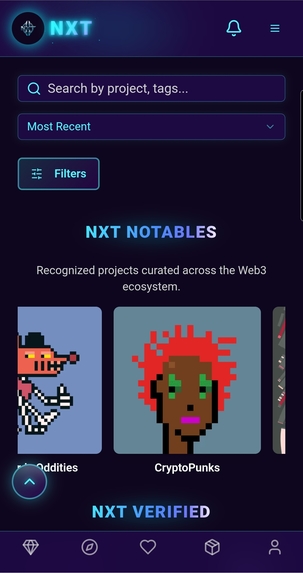
Home
-
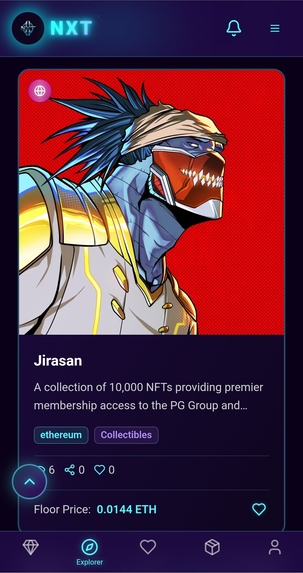
Explorer
-
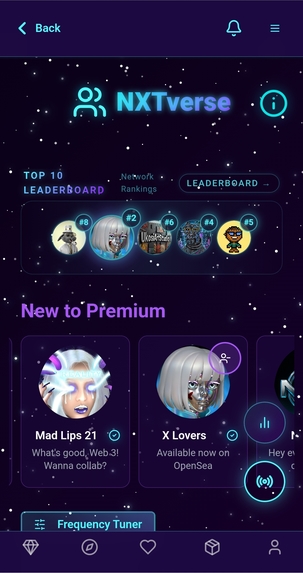
NXT verse
-
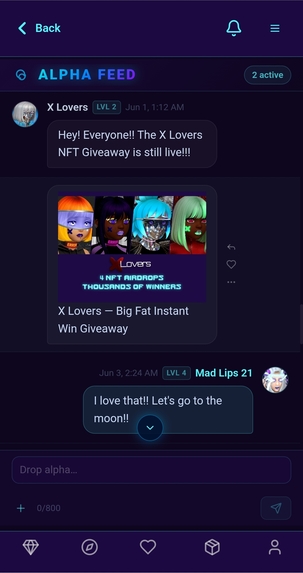
Alpha Feed
-
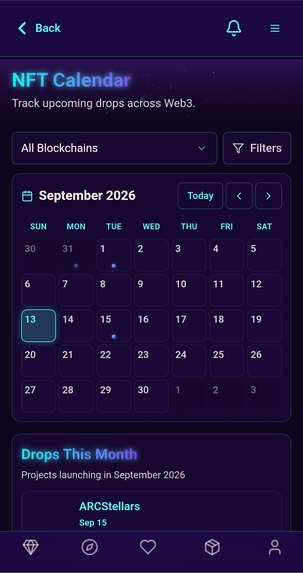
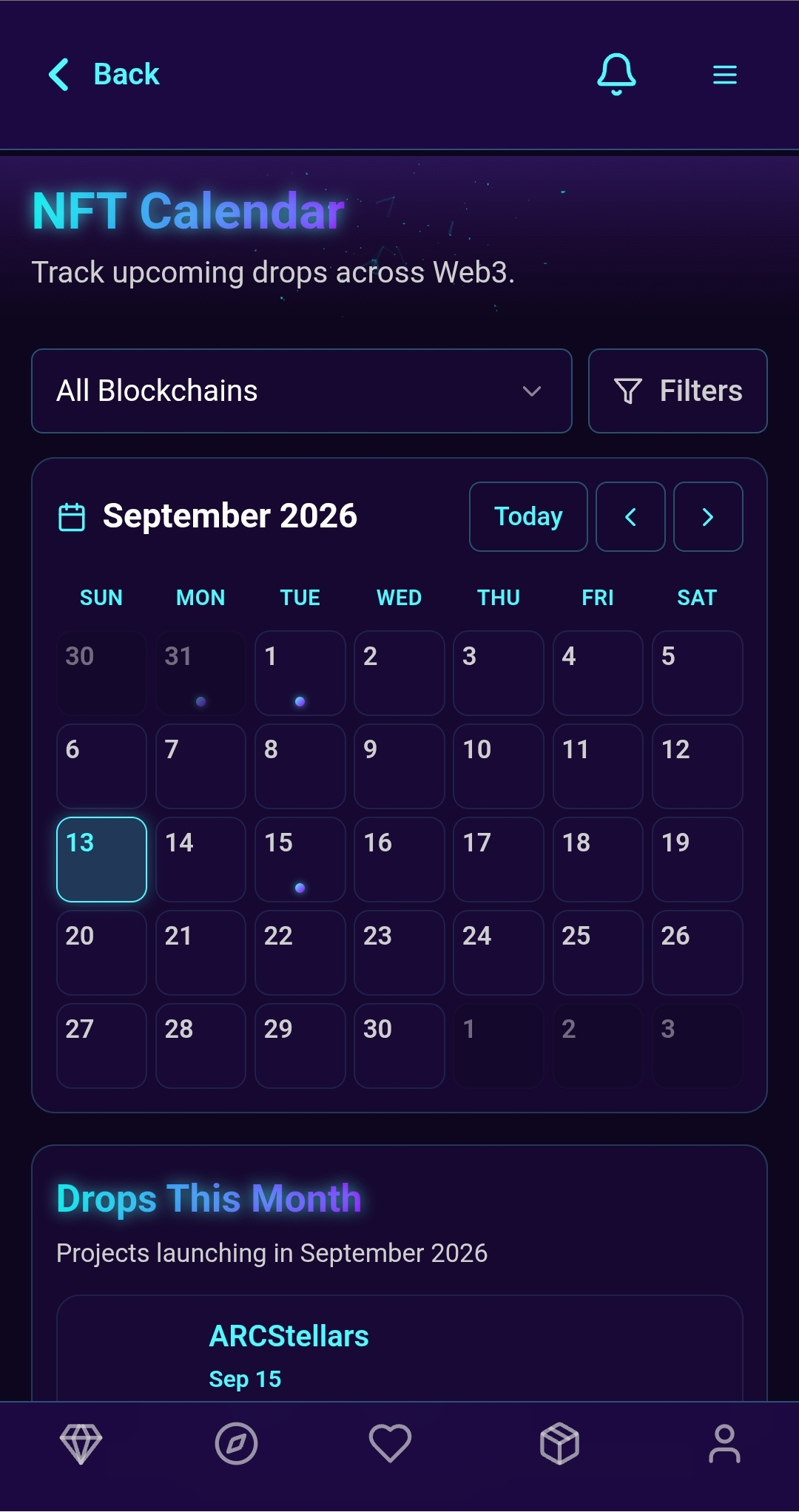
NFT Calendar
-
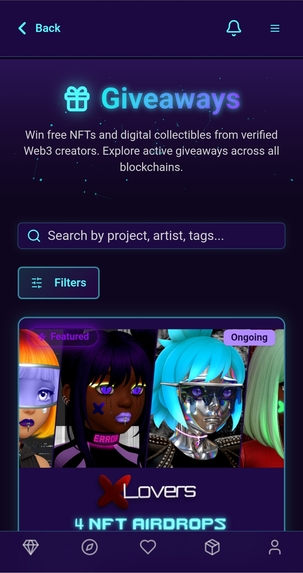
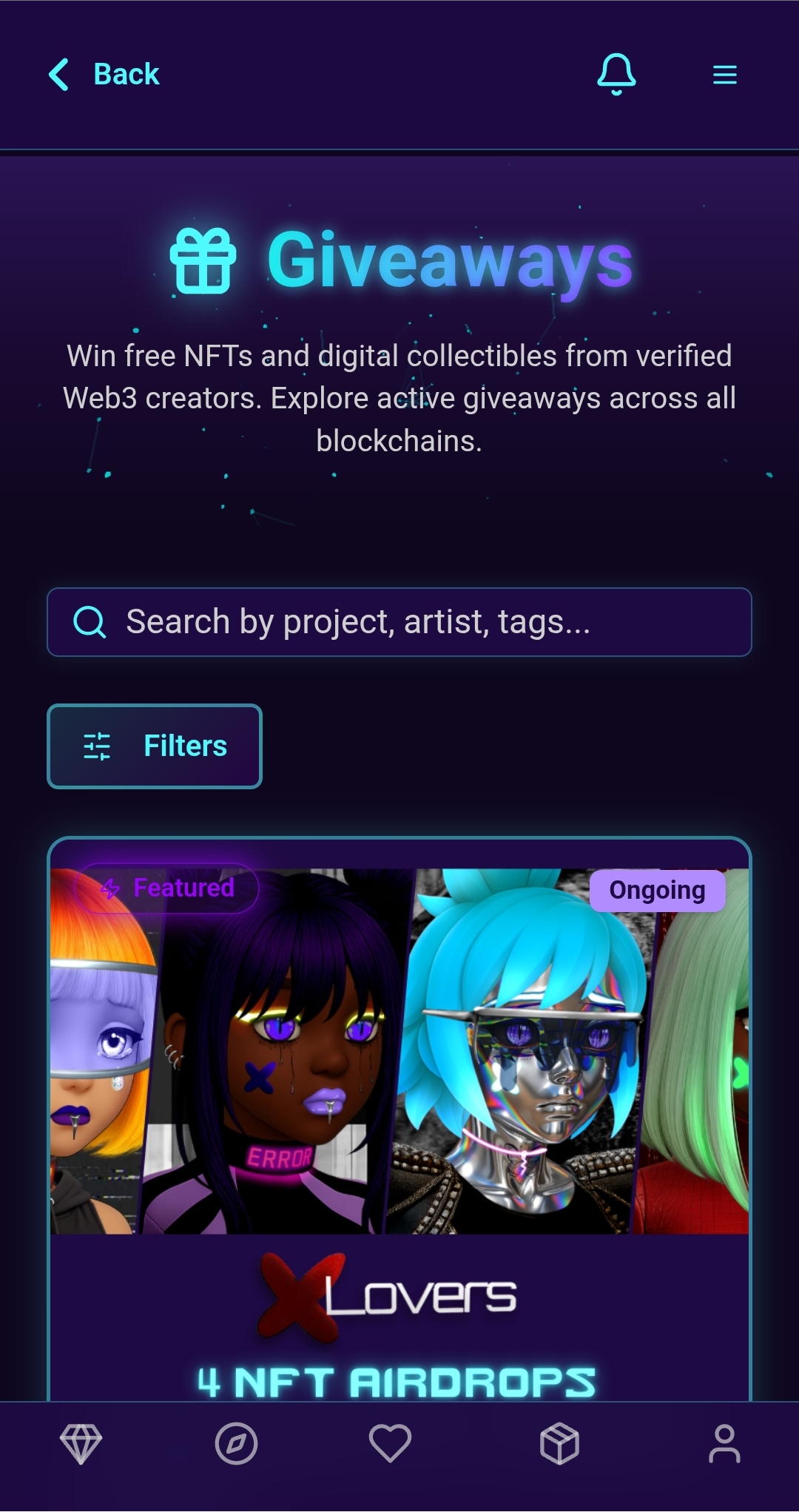
Giveaways
-
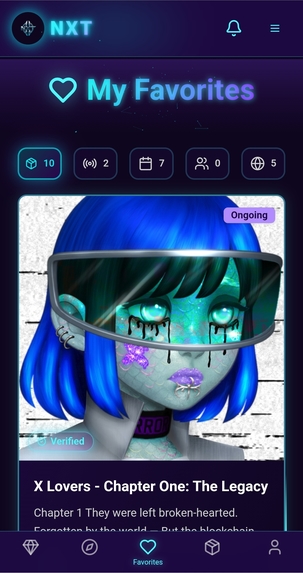
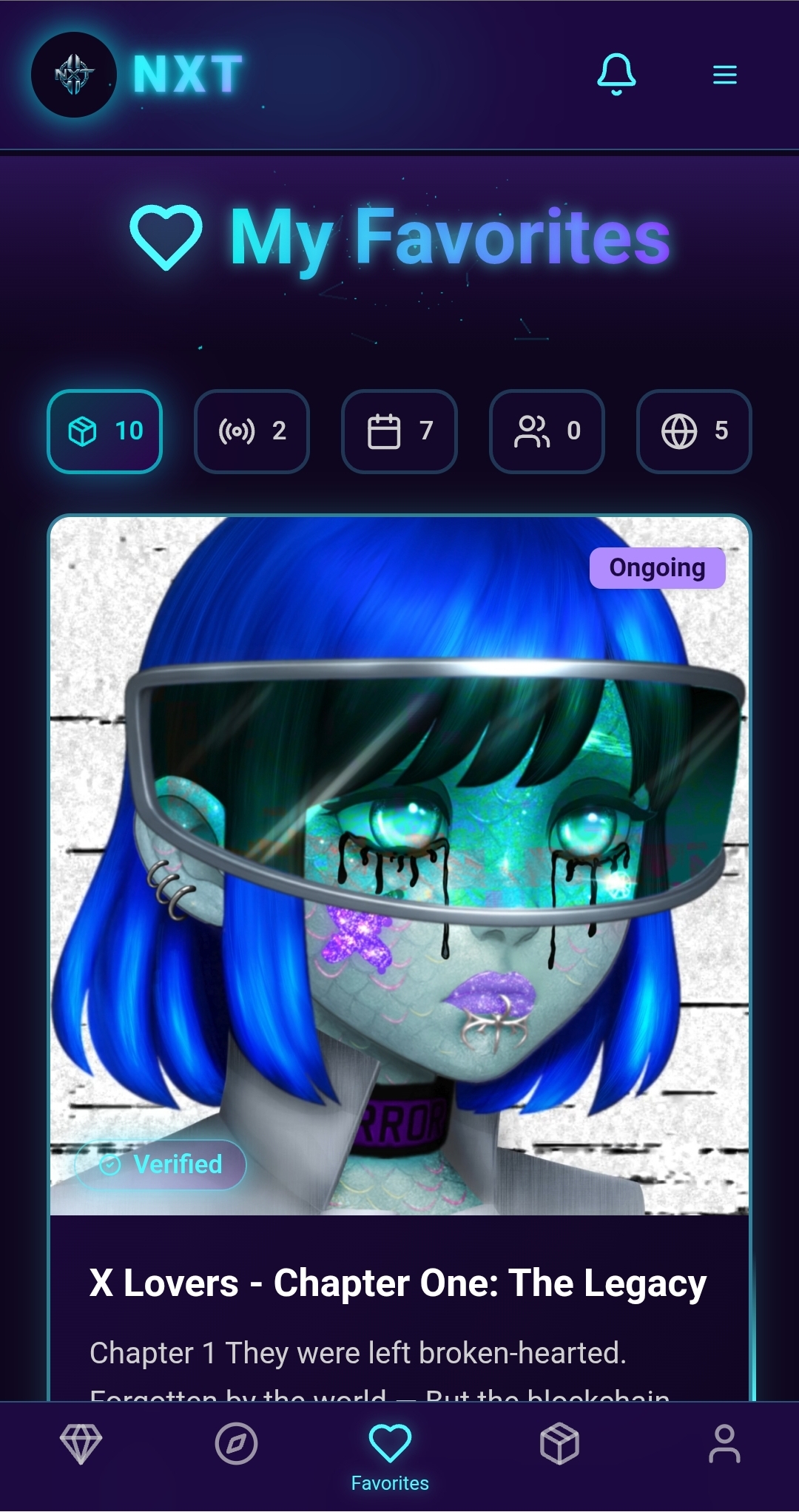
My Favorites
-
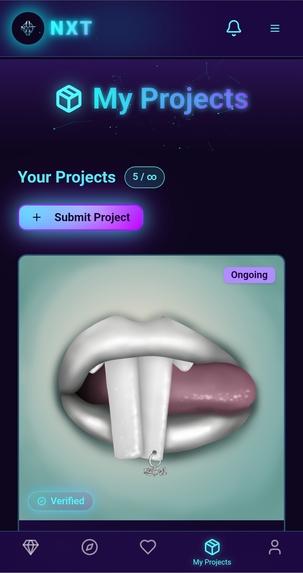
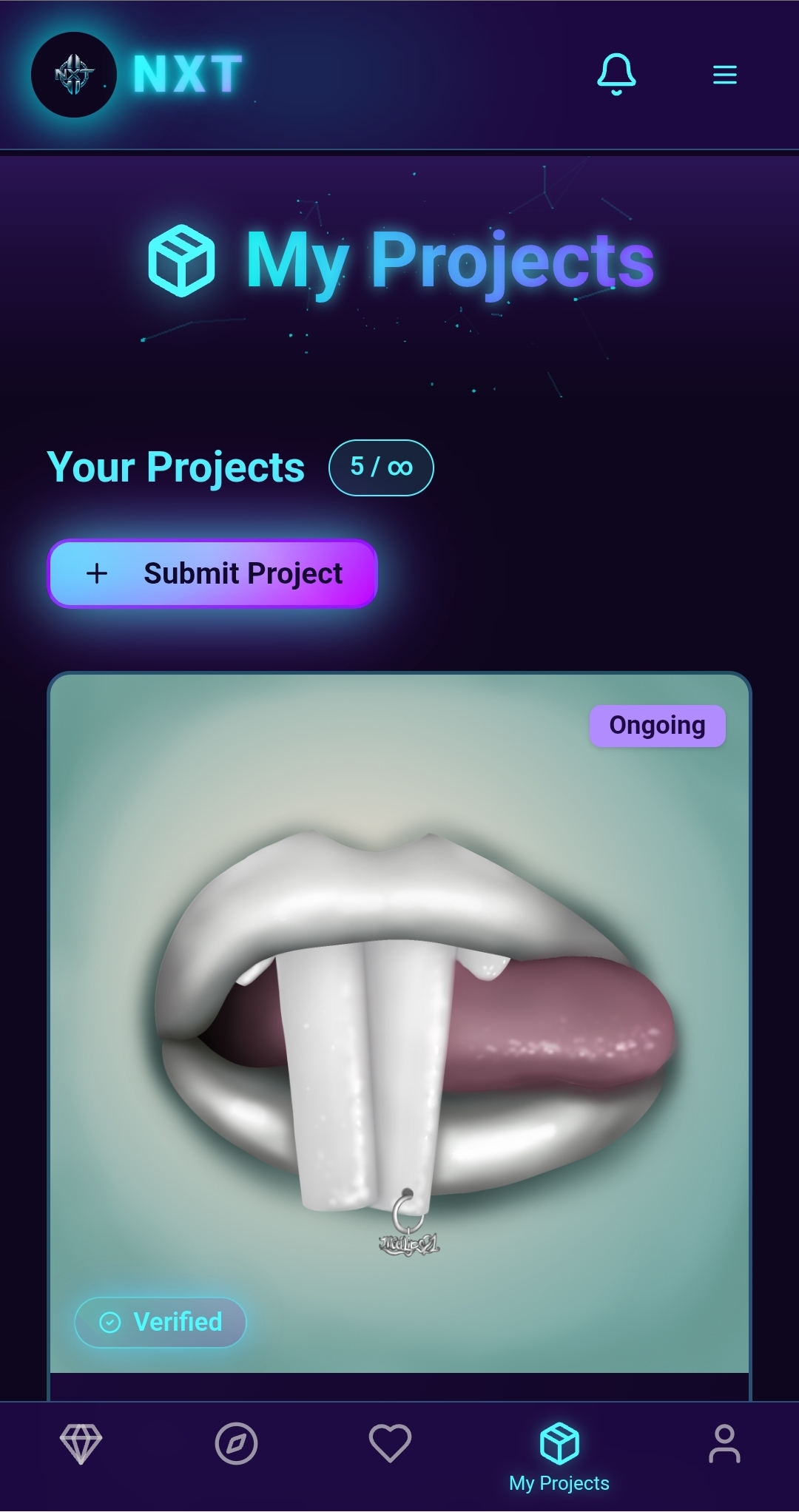
My Projects
-
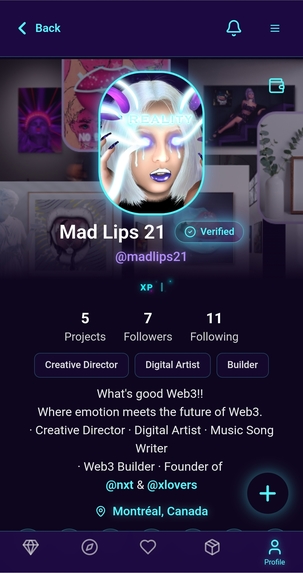
Profile
-
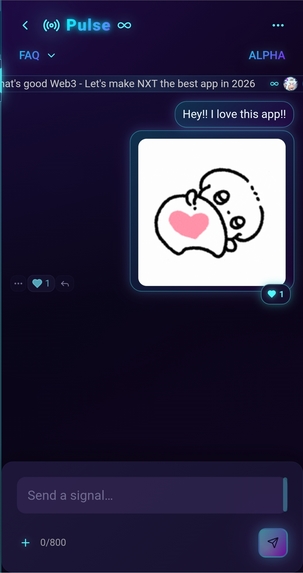
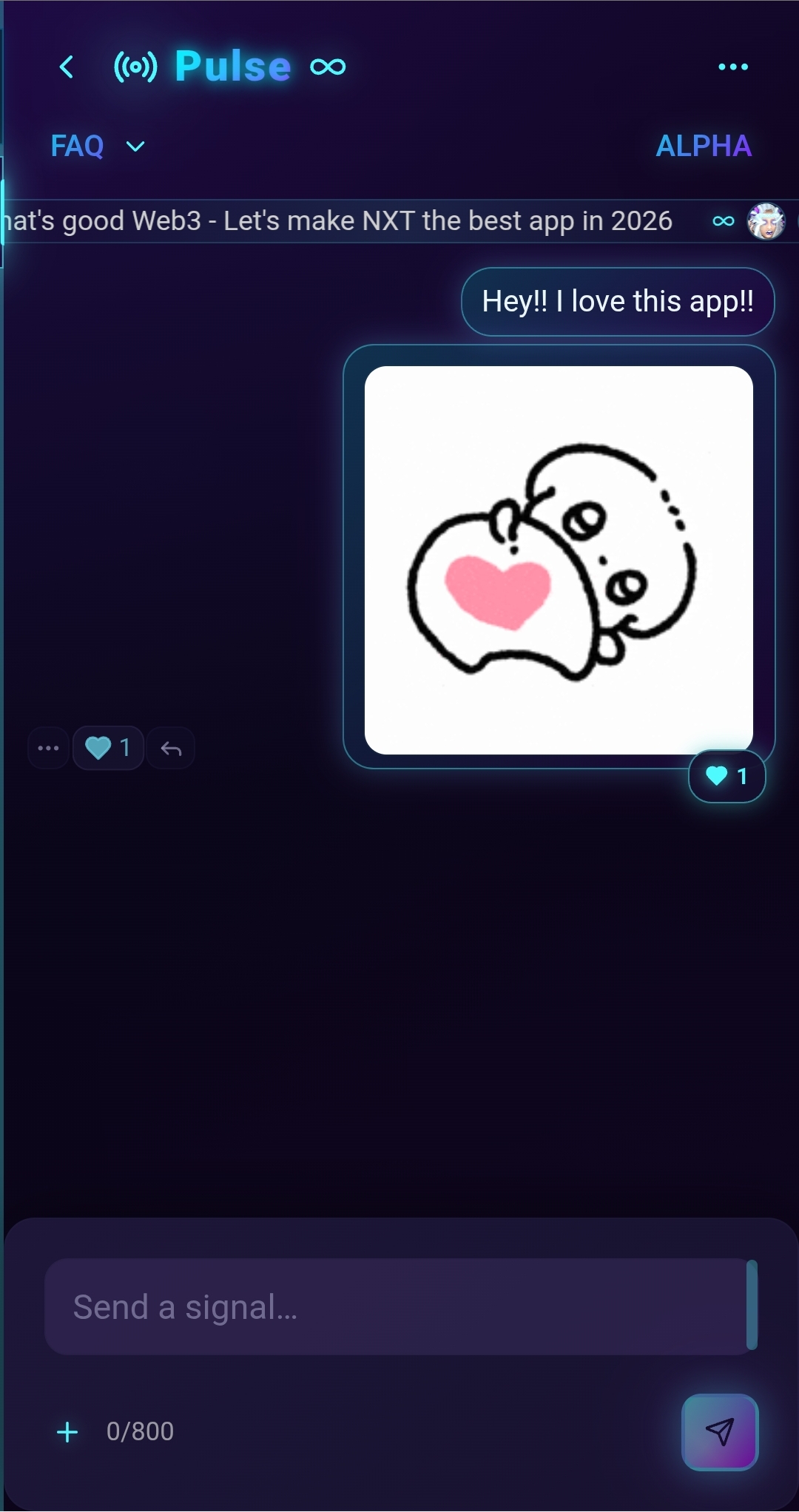
Pulse
-
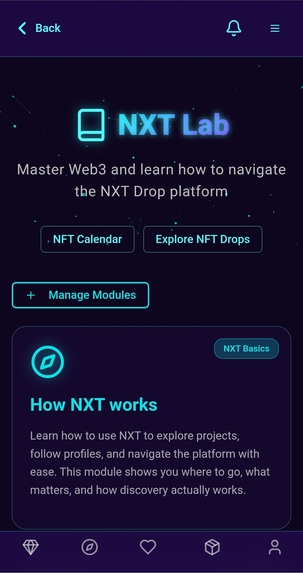
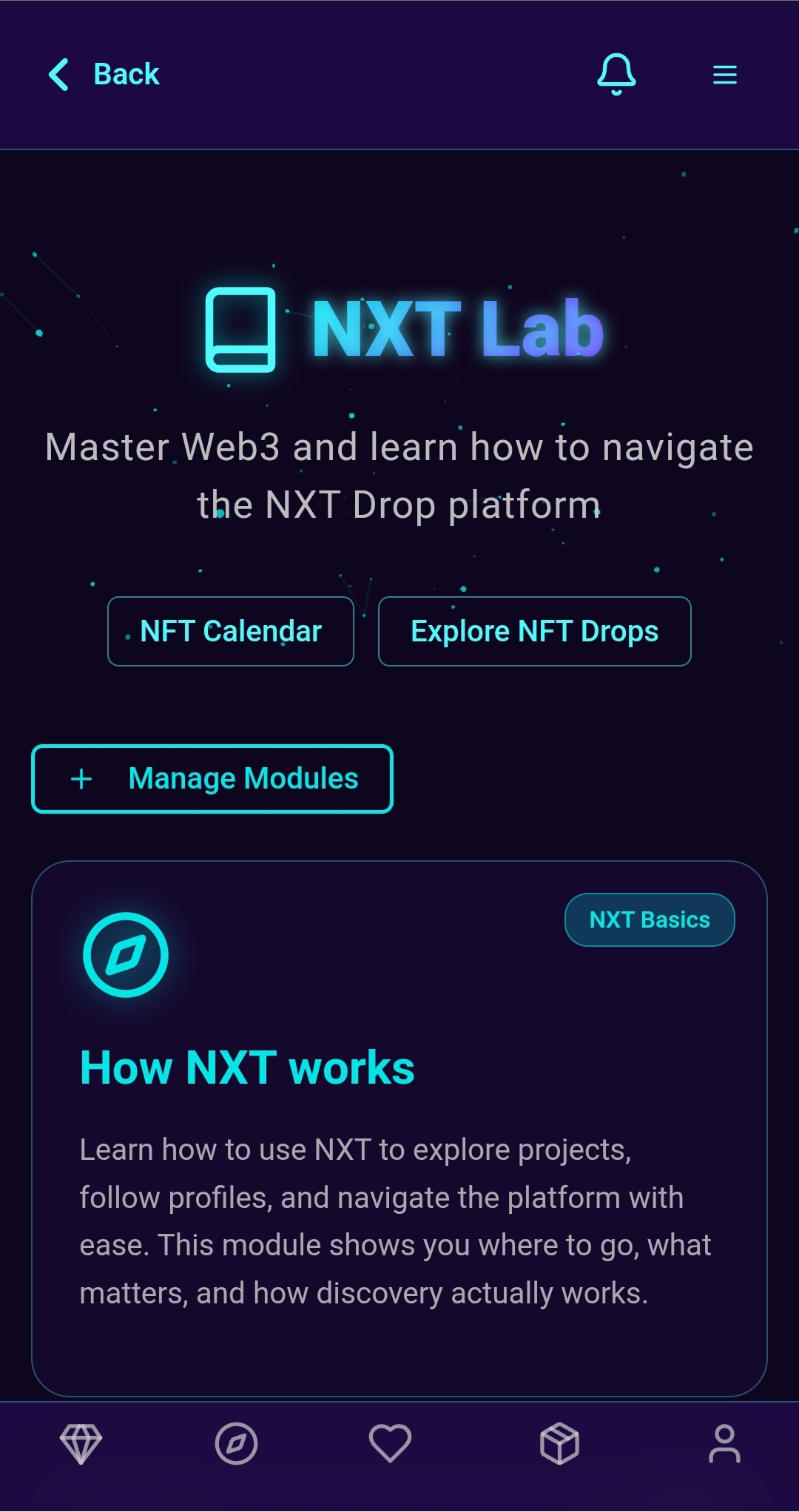
NXT Lab
-
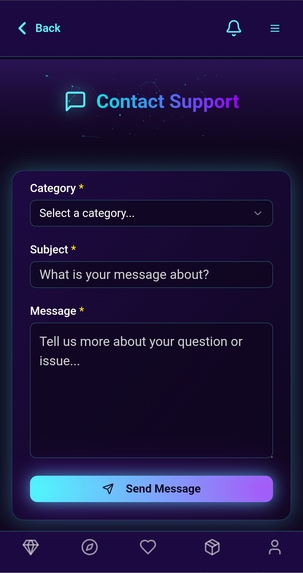
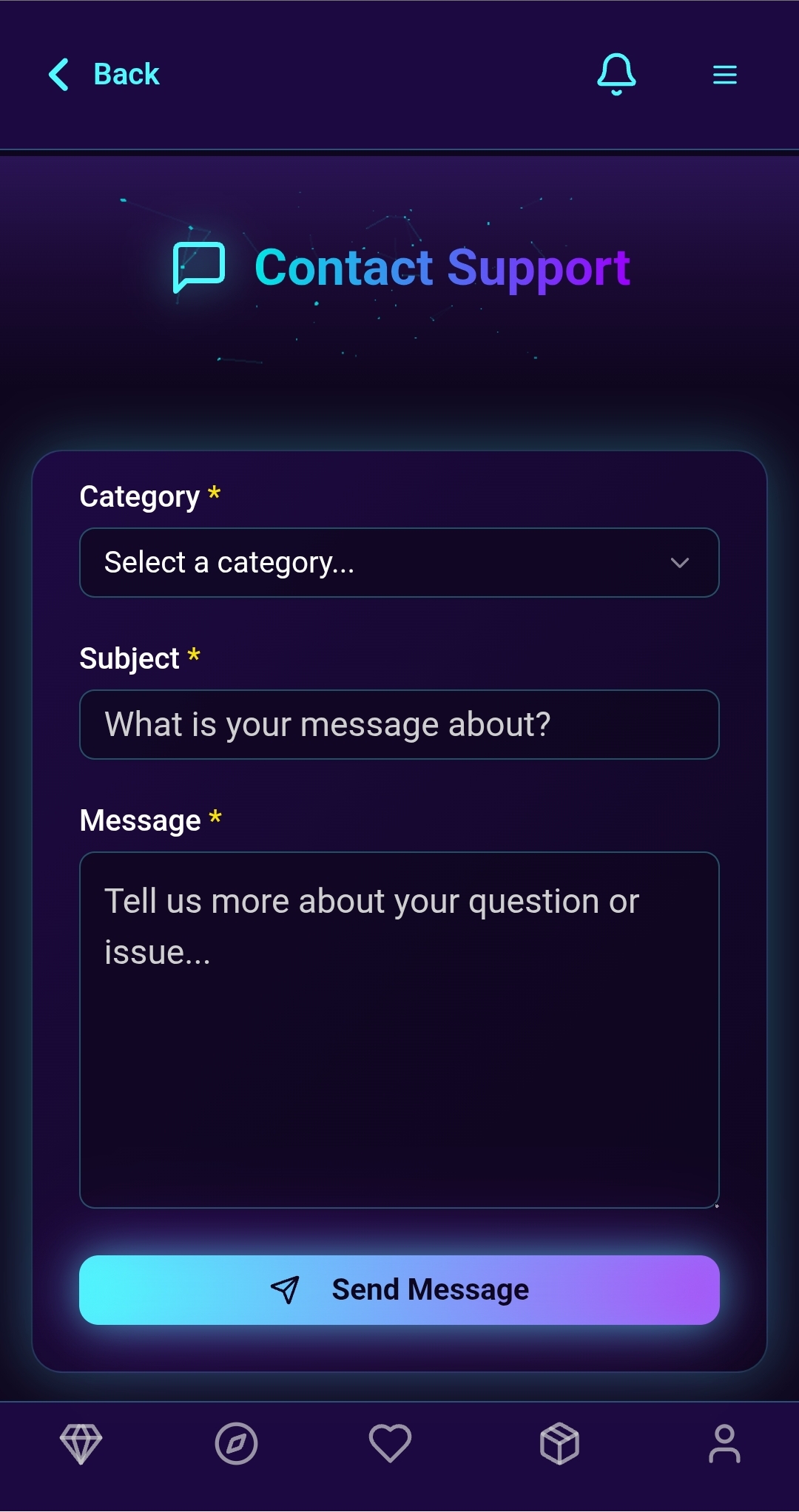
Contact
NXT Drop
Where NFT creators get found — without posting every single day.
Inspiration
I spent four months building an NFT project called X Lovers.
The art wasn't the hard part.
Getting anyone to see it was.
I posted on X, where the feed had become increasingly difficult for independent artists to break through. I posted in Discord communities, many of which were built around gaming or existing communities rather than discovery. I submitted my project to NFT calendars, where visibility was mostly concentrated around launch day.
It worked — but only for exactly as long as I kept shouting.
The moment I stopped posting to go make something, the visibility went with it.
It felt like standing in the middle of Times Square yelling about my work while everyone walked past.
And when I wanted to collaborate with another creator, there was nowhere obvious to look. No real creator directory. No discovery profiles designed around collaboration. No easy way to find a founder whose project actually fit mine.
Just hours of scrolling and guessing.
So I built the thing I couldn't find.
NXT Drop is a native Android Web3 discovery app where NFT projects can stay discoverable beyond launch day — and where creators and collectors can actually find each other.
What it does
NXT Drop is a discovery platform for NFT creators and collectors.
It is not a marketplace and it is not a trading app.
Nobody needs another place to buy.
People need a better place to be found.
NXT Drop gives users multiple ways to explore the Web3 ecosystem:
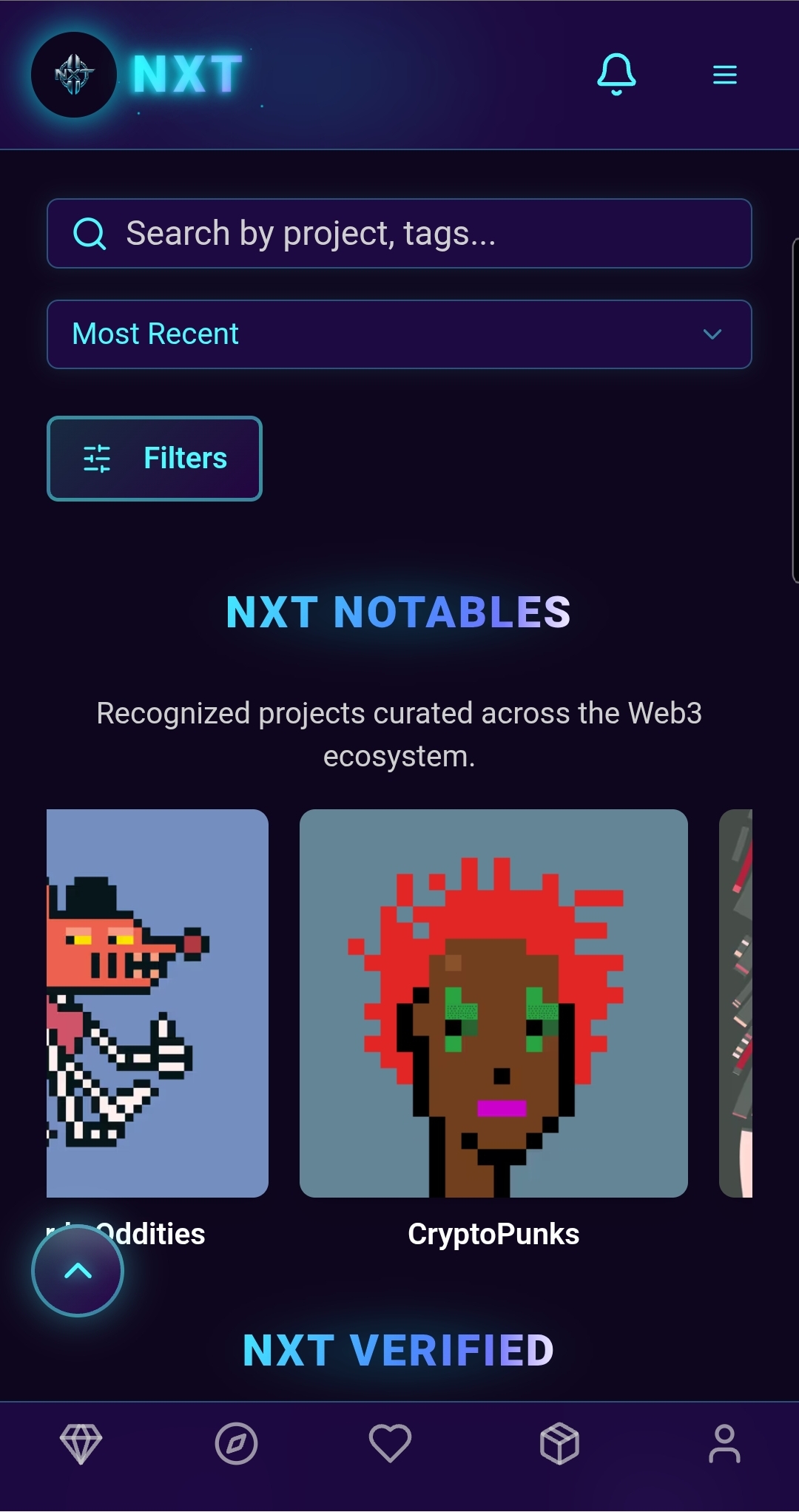
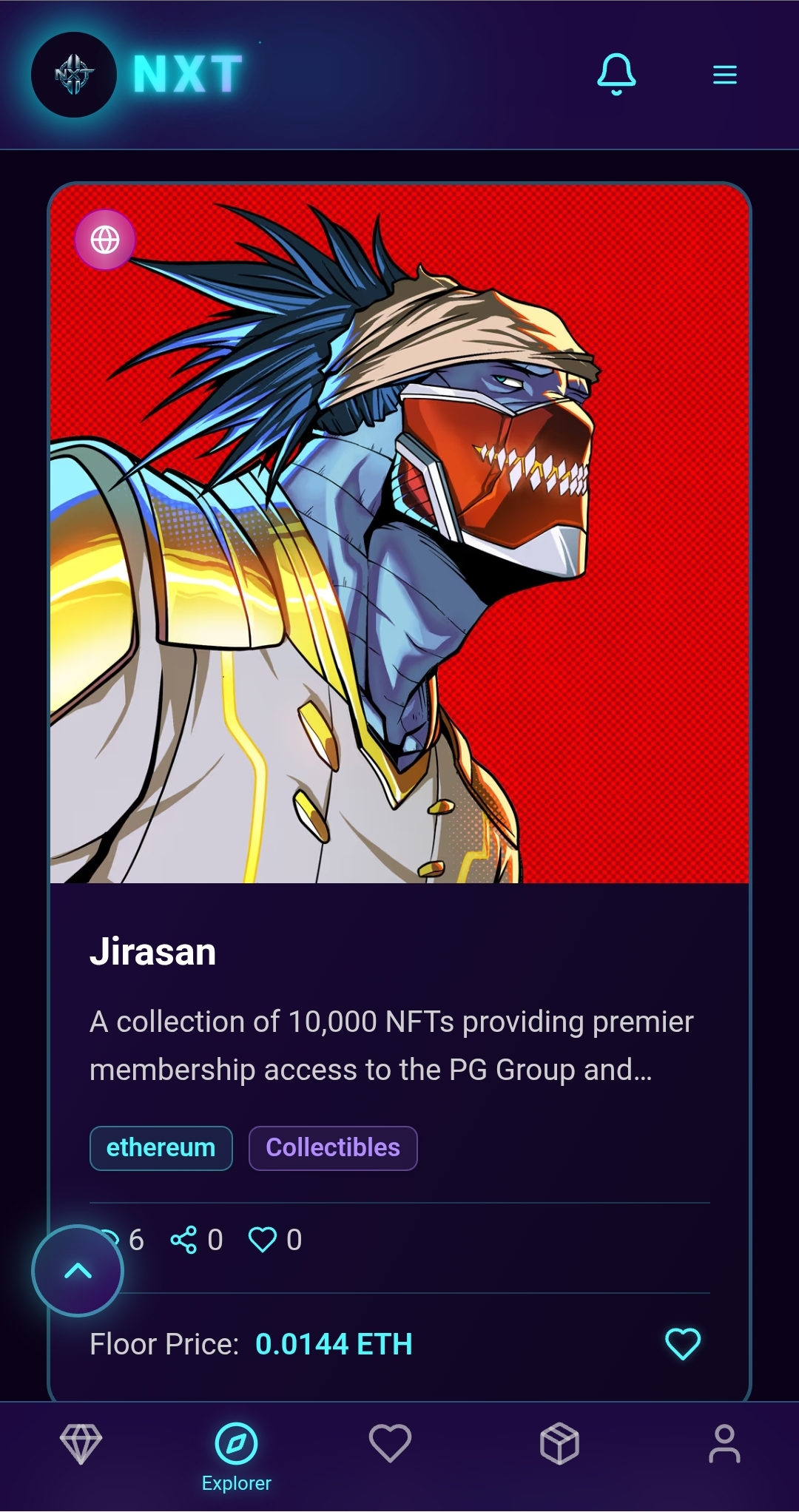
- Discover upcoming and existing NFT projects through a dedicated discovery experience
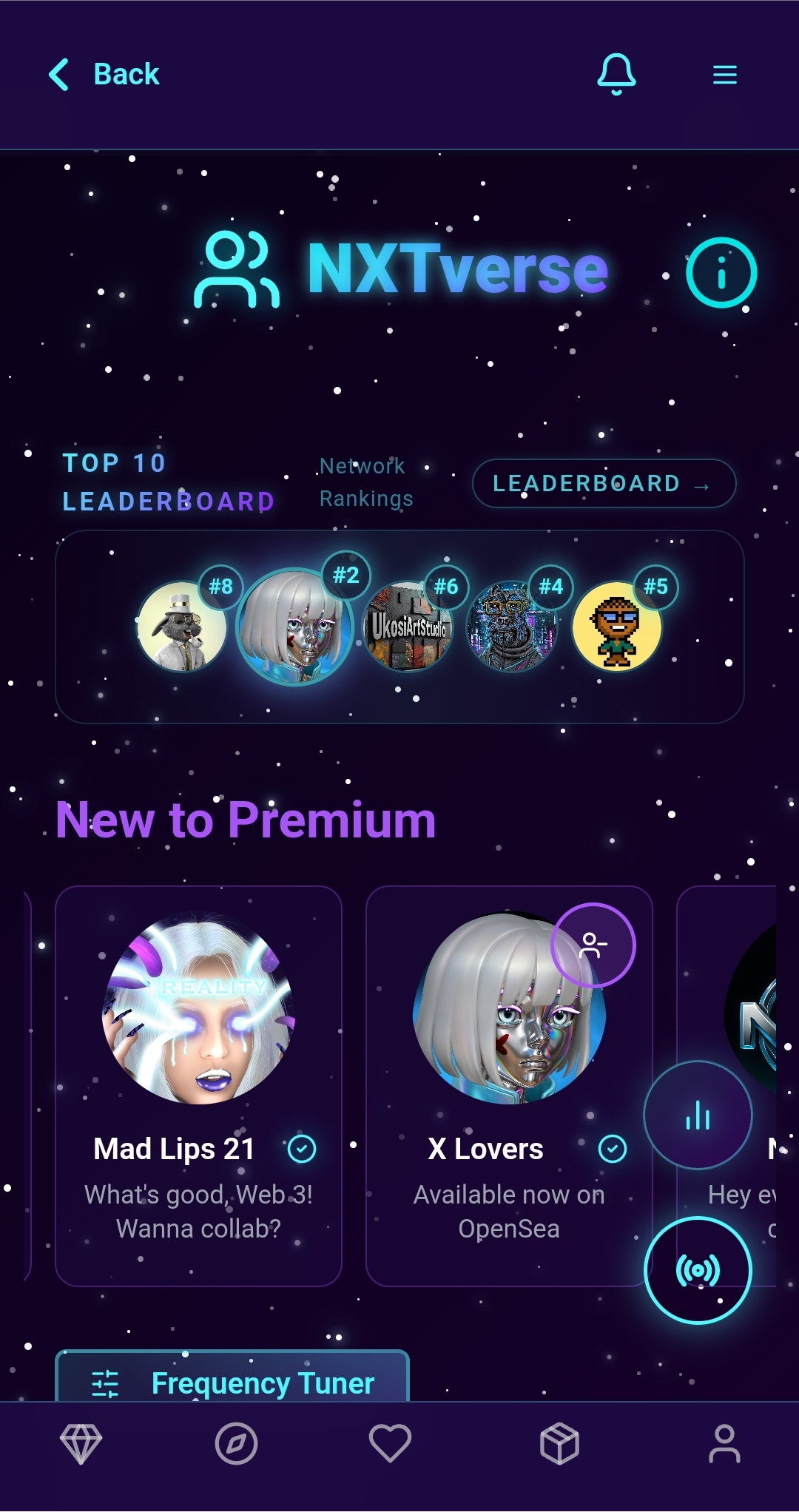
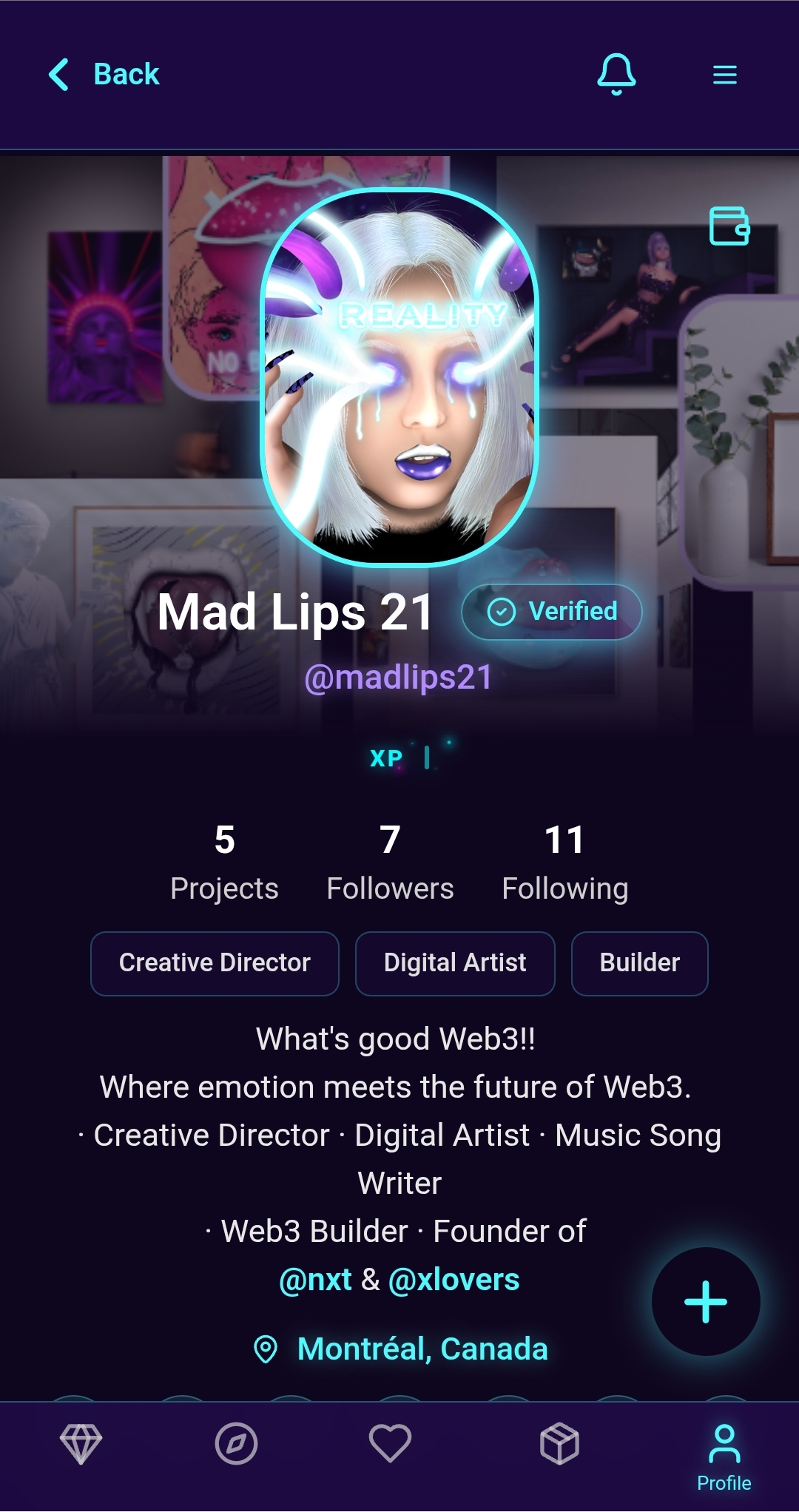
- Explore creator profiles and discover the people behind projects
- Follow projects and creators to build a personalized discovery network
- Save favorites and return to projects later
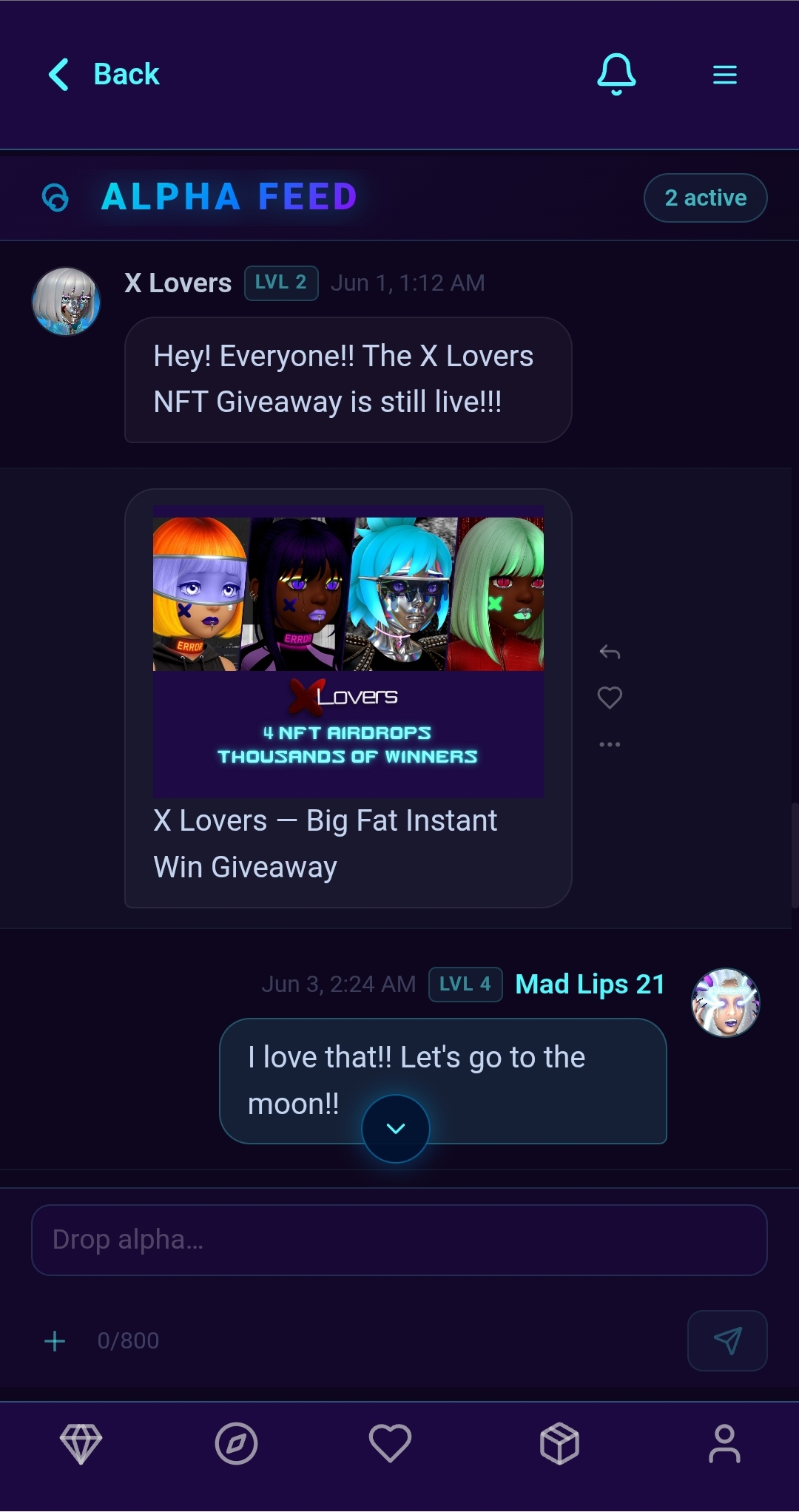
- Discover giveaways directly inside the ecosystem
- Use advanced filters to narrow discovery to relevant projects
- Explore NXTverse, a dedicated creator discovery environment
- View verified creators and verified projects to identify projects that have gone through additional review
- Use Spotlights for additional project visibility
- Access analytics and insights to understand project performance and visibility
NXT Drop also uses an XP system that rewards participation.
Instead of making visibility depend entirely on advertising budgets, creators can strengthen their presence by actually using the platform — completing their profile, interacting, following, participating and contributing to the ecosystem.
Paid visibility exists, but it does not replace organic discovery.
That distinction is fundamental to the product.
Privacy by design
Web3 was built around pseudonymous identity, and NXT Drop respects that.
Users can create a profile around a pseudonym and handle without being forced to publicly attach their legal identity to their work.
Credibility and identity are treated as two different things.
A creator can protect their real-world identity while still building reputation and trust around their work.
How I built it
I'm a digital artist, not a career engineer.
Here's how I built NXT Drop as an Android app.
The Android app didn't begin from a blank project. Before taking NXT Drop to Android, I had already spent months designing, building and testing its foundation as a working web platform.
That gave me a real product, real systems and a codebase I could take into Android development.
From there, the build happened in two major stages.
Stage One — Building the foundation
I started building NXT Drop with Base44.
Base44 gave me the environment to turn the concept into a working product and build the systems behind projects, creator profiles, follows, favorites, verification, project discovery and administration.
From there, the product kept growing.
The web application evolved into a much larger ecosystem with multiple account levels, project visibility rules, advanced filters, analytics, verification systems, Spotlights, giveaways, user profiles and an external project enrichment pipeline.
Vercel hosts the web deployment, Stripe handles supported web payments, and GitHub keeps the codebase under version control.
ChatGPT has been my development partner throughout the build, helping me reason through architecture, debug issues, audit behavior and translate technical problems into decisions I could understand and control.
But eventually, building a web product wasn't enough.
I wanted NXT Drop to become a real mobile application.
Stage Two — Building and shipping the Android app
This is where the project changed completely.
I exported the codebase, moved development into VS Code, integrated Capacitor, and created the Android project that could be built and managed through Android Studio.
Suddenly I was responsible for things the hosted environment had previously hidden from me:
- Gradle builds
- Android manifests
- Permissions
- Native configuration
- App signing
- Keystores
- Release builds
- Store requirements
- Testing
- Native SDK integrations
- The Google Play release pipeline
I also integrated the RevenueCat SDK through its Capacitor integration to manage Premium subscriptions and entitlement checks inside the Android application.
Moving from web development to an actual store-ready Android application taught me that building a product and shipping a product are two completely different disciplines.
A feature can work perfectly in development and still fail because of a native configuration, store requirement, permission, entitlement or build setting several layers away from the interface.
That became one of the biggest technical lessons of the entire project.
Two years ago, an independent artist with an idea like this might have needed a technical co-founder or enough capital to hire a development team before even testing it.
I started with an idea.
Then I used AI-assisted development to learn enough to build it, outgrow the original environment, take control of the codebase and bring the product toward a native Android release myself.
Challenges I ran into
Anonymity vs. discovery
This is one of the contradictions at the center of NXT Drop.
Web3 has a strong pseudonymous culture. Many legitimate artists and founders have very good reasons not to connect their legal identities to everything they create.
But discovery requires trust.
If I forced real-world identities, I would work against the culture I was trying to serve.
If I treated every claim as trustworthy, discovery would quickly become noise.
The solution was to separate identity from credibility.
NXT Drop's verification system is designed to give projects and creators additional credibility without requiring their public identity to become their legal identity.
You should be able to build trust around your work without giving up your privacy.
Organic discovery vs. paid visibility
The second challenge was almost philosophical.
How do you monetize visibility without recreating the exact problem you're trying to solve?
Discovery platforms can easily become pay-to-win systems where sponsored content takes over and independent creators disappear again.
So NXT Drop separates three concepts:
Discovery. Verification. Promotion.
Organic discovery remains part of the core platform.
Verification provides an additional trust signal.
Spotlights and other visibility products provide creators with optional promotional tools when they have something specific to push.
Paying for promotion should increase exposure. It should never manufacture credibility.
Building systems that affect each other
One of the hardest technical lessons was discovering how interconnected a real application becomes.
A small change to filters can affect several pages.
A permission rule can change what anonymous visitors see.
A project can exist correctly in the database but disappear from a public profile because one layer of visibility logic behaves differently.
As a visual artist, I was used to seeing the thing I was working on.
Software taught me to debug the invisible.
Accomplishments I'm proud of
The biggest accomplishment is simple:
NXT Drop became real.
What started as frustration while trying to promote my own NFT project became a functioning Web3 product with its own discovery system, creator ecosystem, verification architecture, analytics, monetization model and Android application.
I'm especially proud that the product hasn't abandoned the reason I built it.
Creators should not need the biggest audience or the biggest advertising budget just to have a chance of being discovered.
NXT Drop gives creators several paths to visibility: organic discovery, participation through XP, creator profiles, verification and optional promotion.
And because I'm an artist, the visual experience was never an afterthought.
NXT Drop was designed to feel like the culture it serves: digital, futuristic, bold and alive.
What I learned
The biggest thing I learned is that visibility isn't only a marketing problem. It's an infrastructure problem.
Every hour I spent constantly posting about X Lovers was an hour I wasn't spending making X Lovers.
No amount of hustle changes the architecture of a platform that was never designed to keep creative work discoverable.
So instead of trying to become louder, I started building different infrastructure.
I also learned that AI dramatically changes who gets to participate in software development.
AI can help write code.
It can help debug.
It can explain systems.
But it doesn't decide what deserves to exist.
The problem, the product decisions, the experience and the vision still have to come from somewhere human.
For me, they came from being the person who needed NXT Drop before NXT Drop existed.
And perhaps the most unexpected lesson was this:
I didn't need to become an engineer before I could start building.
I needed to become willing to understand the next problem.
Then the next one.
Then the next one.
What's next
The immediate priority is bringing NXT Drop through its Android launch and putting it into the hands of real Web3 creators and collectors.
From there, the roadmap includes:
- Launch and grow the Android application
- Continue improving the mobile experience based on beta feedback
- Expand creator discovery and NXTverse
- Strengthen personalization and project recommendations
- Expand creator analytics and project insights
- Continue improving external project enrichment
- Develop stronger creator-to-creator collaboration discovery
- Expand the ecosystem while keeping organic discovery meaningful
- Continue building NXT Drop beyond the launch moment of an NFT project
Collaboration discovery is especially important to me because it connects directly back to the original problem.
I didn't just struggle to find collectors.
I struggled to find other creators.
The long-term vision is therefore much bigger than an NFT calendar.
NXT Drop is becoming a discovery layer for Web3 — a place where creators, projects, collectors and opportunities can find each other beyond the noise of the feed.
NXT Drop started with one project I was struggling to get seen.
Now, I'm building the platform I wish had existed when I started.
Drop the future.
Built With
- api
- base
- base44
- cloudflare
- css
- ethereum
- github
- javascript
- moralis
- postgresql
- react
- rest
- revenuecat
- stripe
- supabase
- tailwind
- vite


Log in or sign up for Devpost to join the conversation.