-
-
Application Logo
-
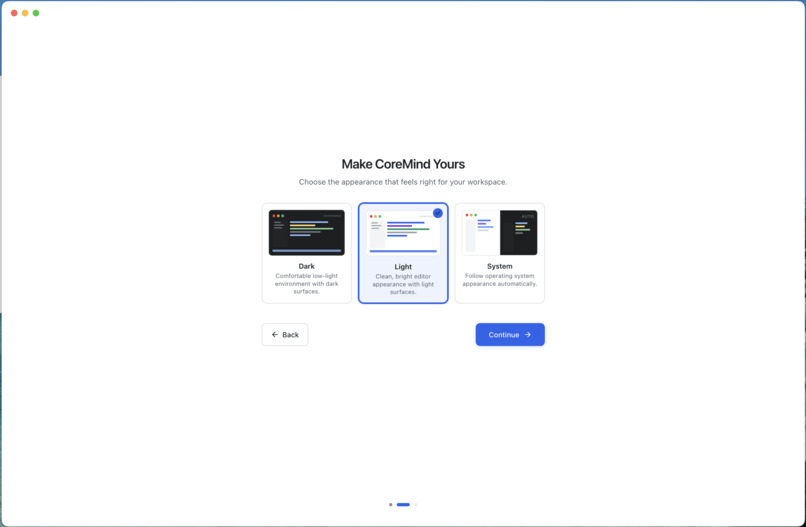
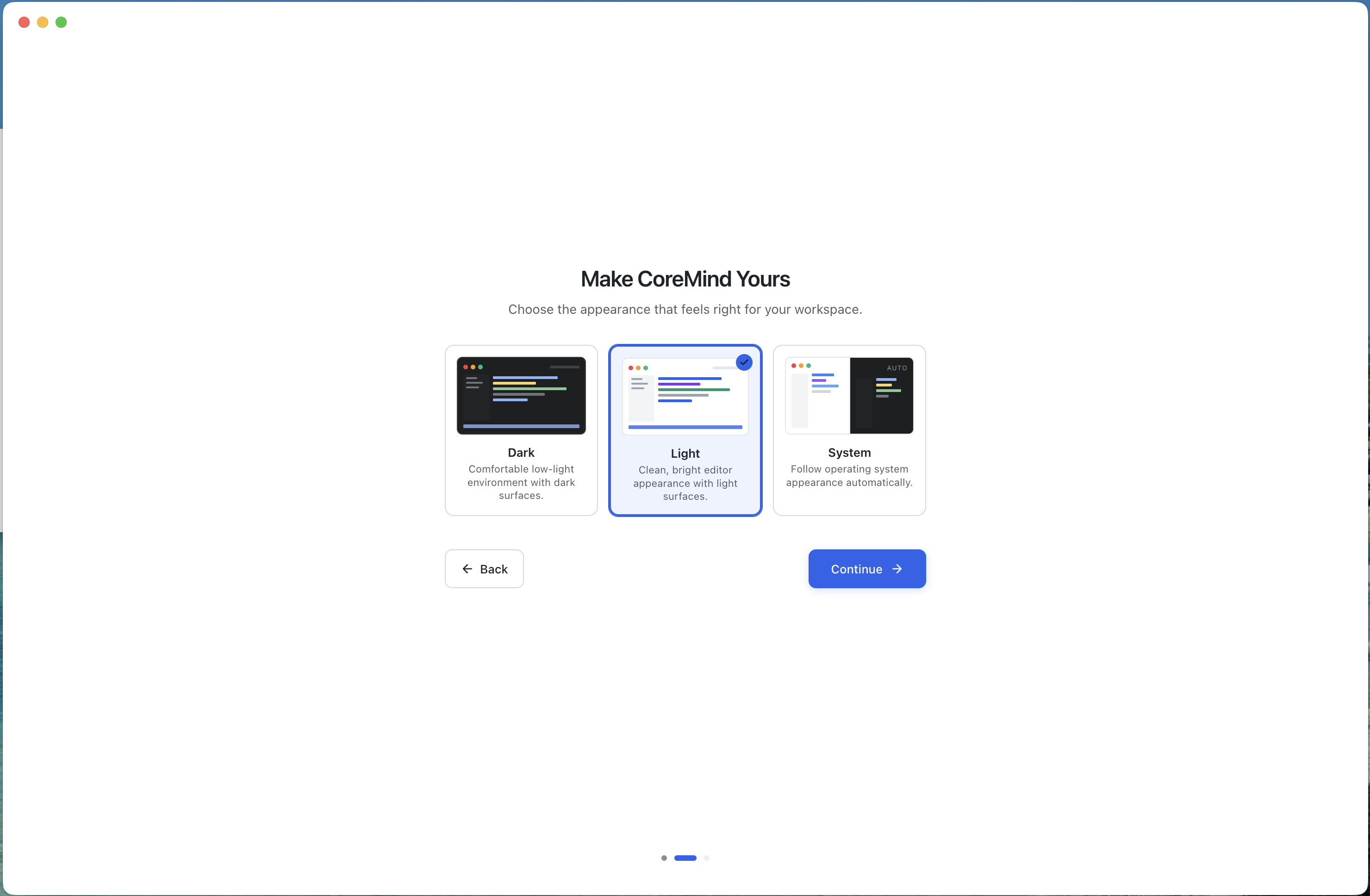
Theme selection
-
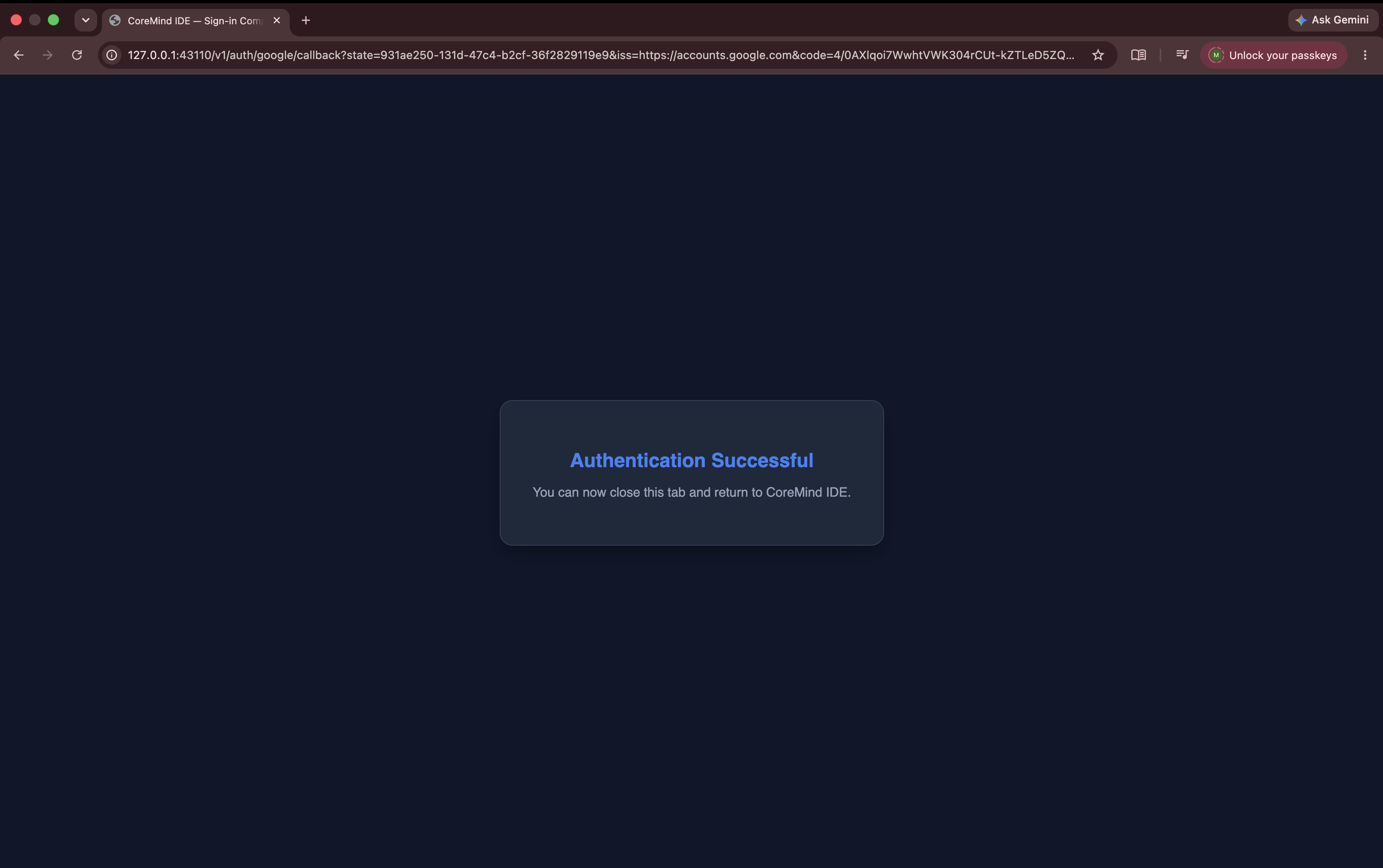
Authentication Successful
-
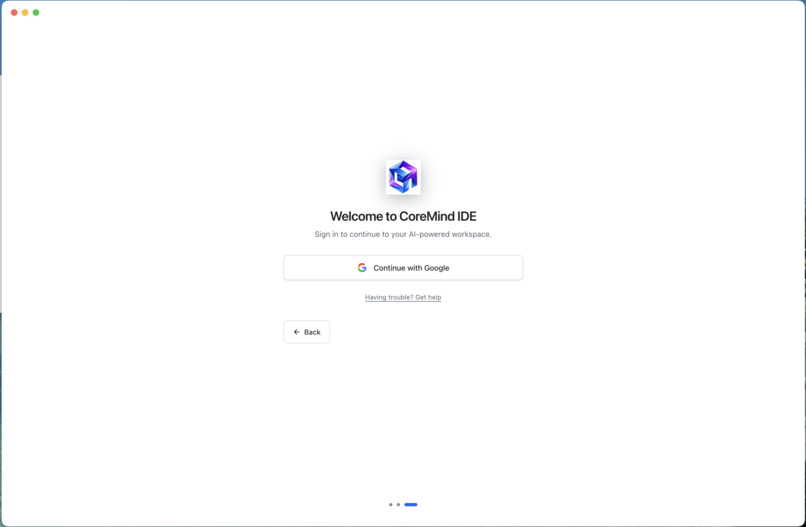
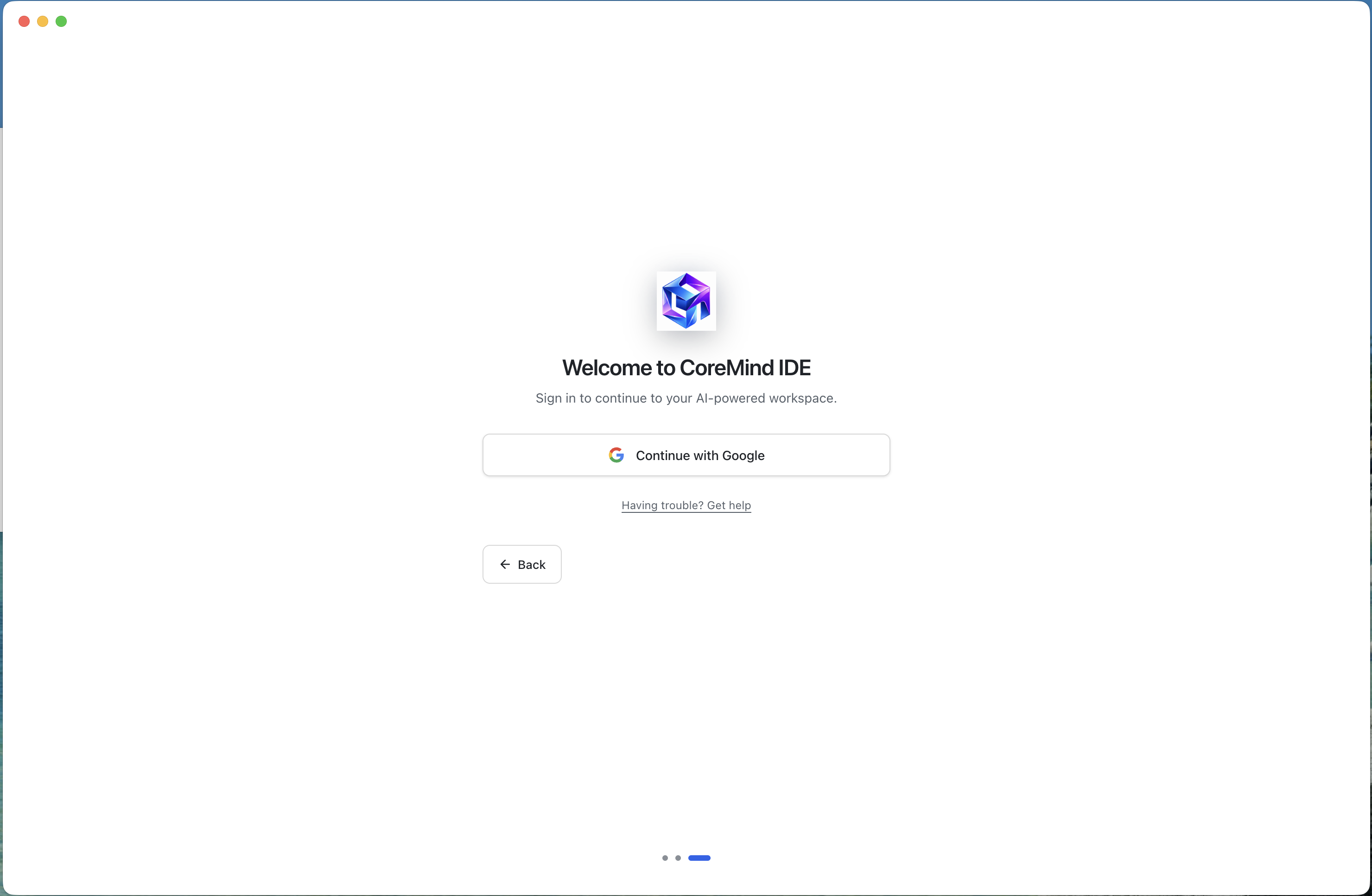
Authentication screen
-
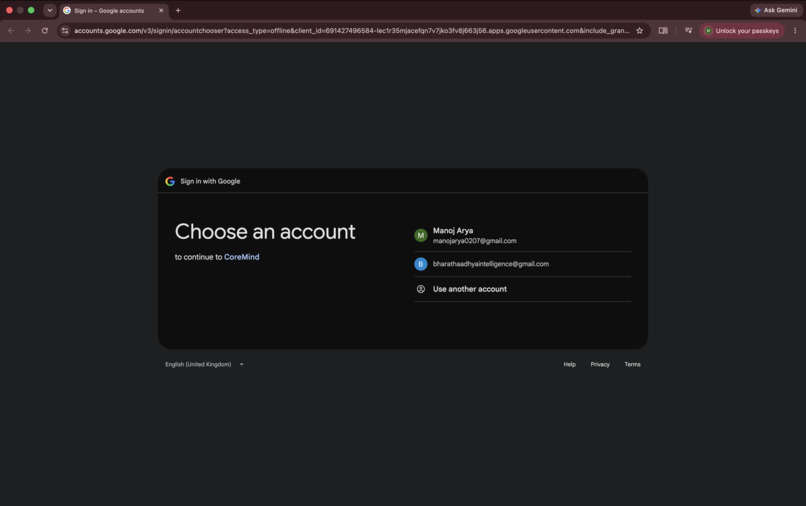
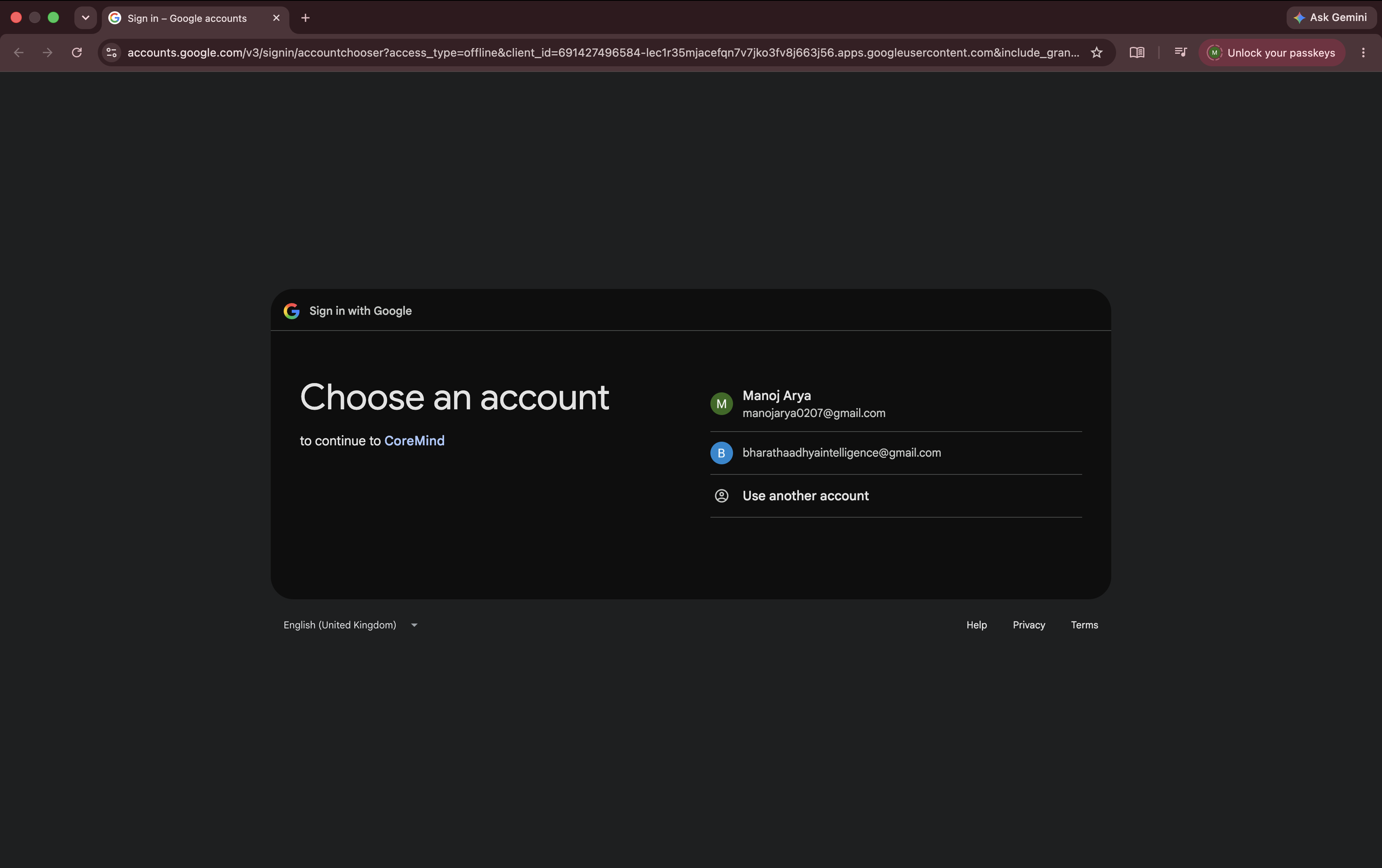
Authentication Email Selection
-
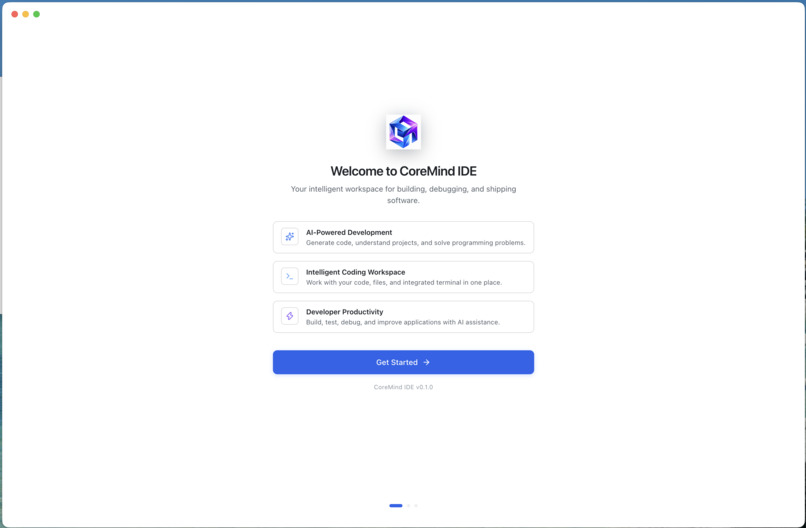
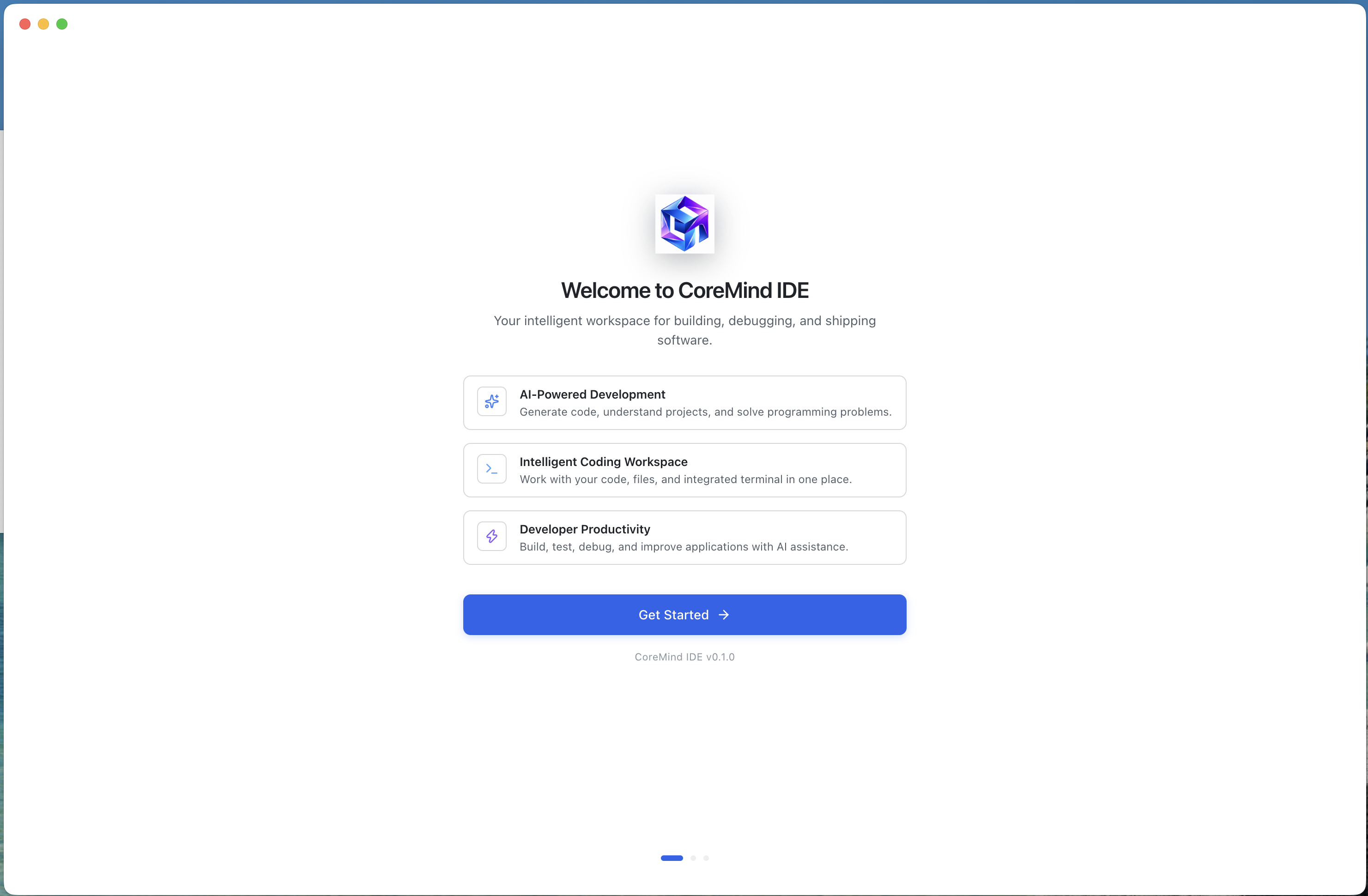
About Application
-
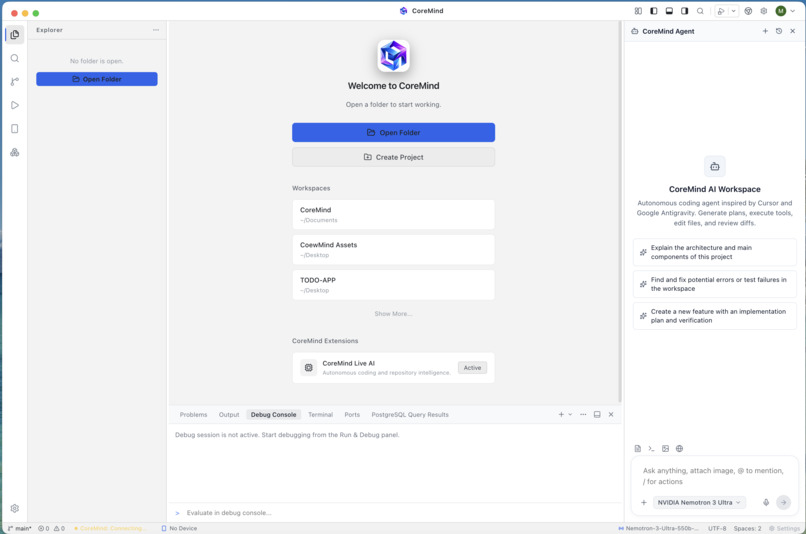
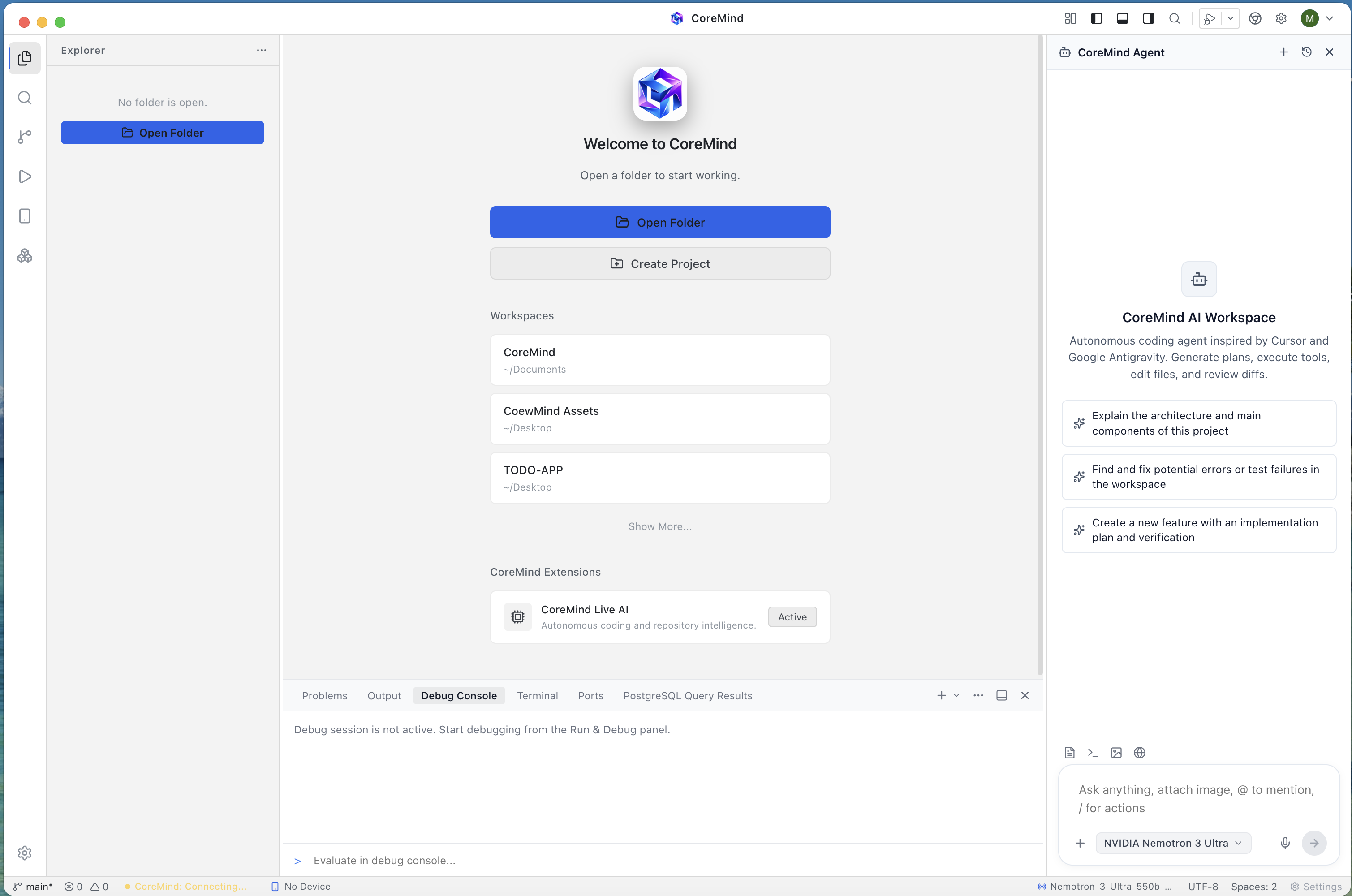
Application main screen
Inspiration
Modern software developers often switch between code editors, AI chat assistants, terminals, and testing tools to complete a single task. This fragmented workflow can interrupt concentration and make AI-assisted development less efficient.
We started building NVIDIA-CoreMind with a simple vision: create an AI-powered desktop IDE where developers can plan tasks, interact with AI, understand code changes, and develop applications within one unified workspace.
Our goal is to make AI a practical development partner rather than just another chatbot.
What it does
NVIDIA-CoreMind is an AI-powered desktop IDE designed to streamline the software development workflow through intelligent assistance and integrated developer tools.
Key features include:
- AI-powered coding assistance: Interact with AI models to receive programming guidance and assistance with code generation and modification.
- Intelligent task planning: Organize development requests into structured implementation steps.
- Code change visibility: Review file changes and understand modifications made during AI-assisted development.
- Integrated development workspace: Navigate project files and access essential coding tools within a unified interface.
- Development and testing workflow: Bring coding, terminal access, and application execution closer together.
CoreMind integrates NVIDIA AI models through Nebius Token Factory, connecting model capabilities with the developer workflow.
Our vision is to help developers move from an idea to implementation with greater clarity, control, and productivity.
How we built it
We developed CoreMind using Electron, React, and TypeScript, combining desktop application capabilities with a modern, component-based user interface.
Our technology stack includes:
- Electron: Desktop application framework.
- React: Interactive user interface and workspace components.
- TypeScript: Type-safe application development.
- Node.js: Desktop runtime and supported application services.
- NVIDIA AI models: AI capabilities for coding assistance.
- Nebius Token Factory: Access to supported AI models through an API integration.
We focused on building a familiar IDE experience with project navigation, an AI workspace, task planning, code editing, and visibility into code changes. We also worked on integrating NVIDIA model capabilities into the AI-assisted development workflow.
Challenges we ran into
One of our biggest challenges was designing an AI coding interface that feels like a natural part of an IDE rather than a separate chat application.
We also faced challenges in organizing AI conversations and task plans, designing clear code-change views, and connecting the AI experience with the broader development environment.
Another important challenge was balancing an intuitive user interface with the complexity of desktop application architecture and AI model integration. We had to think carefully about how developers interact with AI-generated code while maintaining visibility and control over their projects.
These challenges helped us focus on building a cohesive developer experience rather than simply adding AI features to an editor.
Accomplishments that we're proud of
We are proud of developing the foundation of CoreMind as an AI-powered desktop IDE and bringing together several important parts of the developer workflow in one application.
Our accomplishments include:
- Building a desktop application using Electron, React, and TypeScript.
- Designing an IDE-inspired workspace and AI-assisted interaction experience.
- Developing structured task-planning and code-change workflows.
- Working toward integrating NVIDIA AI models through Nebius Token Factory.
- Creating a project focused on making AI-assisted software development more organized and accessible.
Most importantly, we transformed our idea into a working project foundation and established a direction for a more integrated AI development experience.
What we learned
Building CoreMind taught us that an effective AI coding environment requires more than generating code. Developers also need structured planning, understandable code changes, reliable tooling, and an interface that keeps them in control.
We strengthened our understanding of desktop application development, frontend architecture, AI model integration, and developer experience design.
We also learned the importance of connecting AI capabilities to real development tasks and presenting complex workflows in a way that feels simple and intuitive.
What's next for NVIDIA-CoreMind
Our next steps are to improve CoreMind's AI-assisted coding workflows, strengthen code-change review, refine workspace navigation, and expand application development and testing capabilities.
We also aim to improve the reliability of NVIDIA model integration through Nebius Token Factory and make the overall experience more seamless for developers.
Our long-term vision is to evolve CoreMind into a powerful AI-powered IDE that helps developers plan, build, understand, and test software from one unified desktop environment.
We believe the future of AI-assisted development should combine intelligent automation with transparency, developer control, and a great user experience. CoreMind is our step toward that future.
Built With
- electron
- fastapi
- google-oauth
- monaco-editor
- nebius-token-factory-(nvidia-nemotron-models)
- python
- react
- sqlite
- typescript
- vite

Log in or sign up for Devpost to join the conversation.