-
-
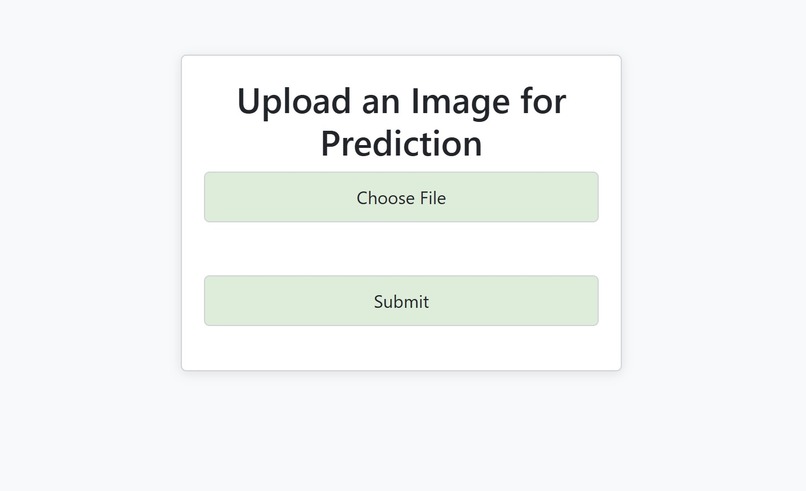
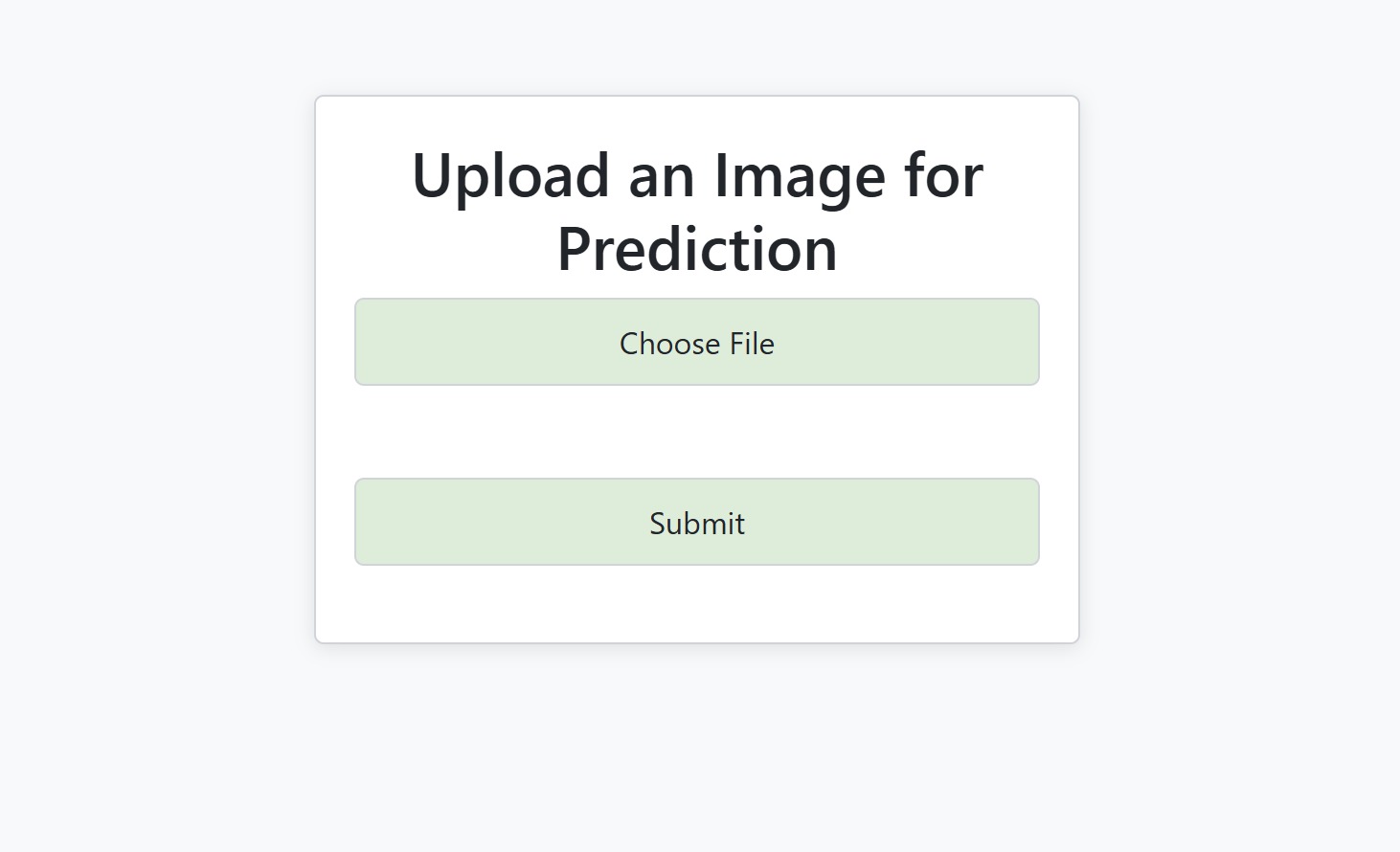
Welcome Screen!
-
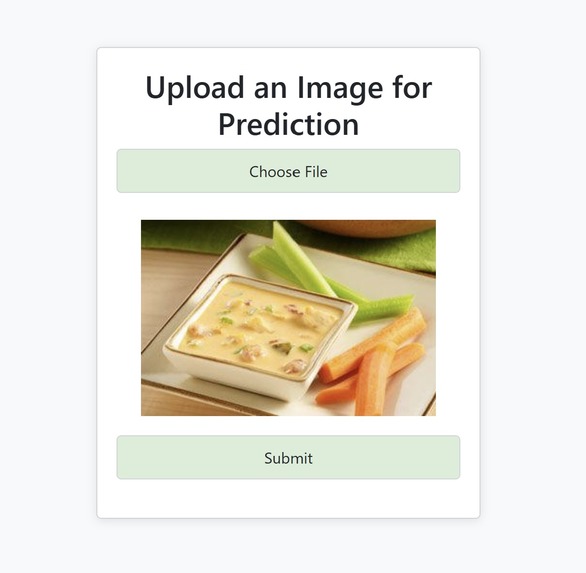
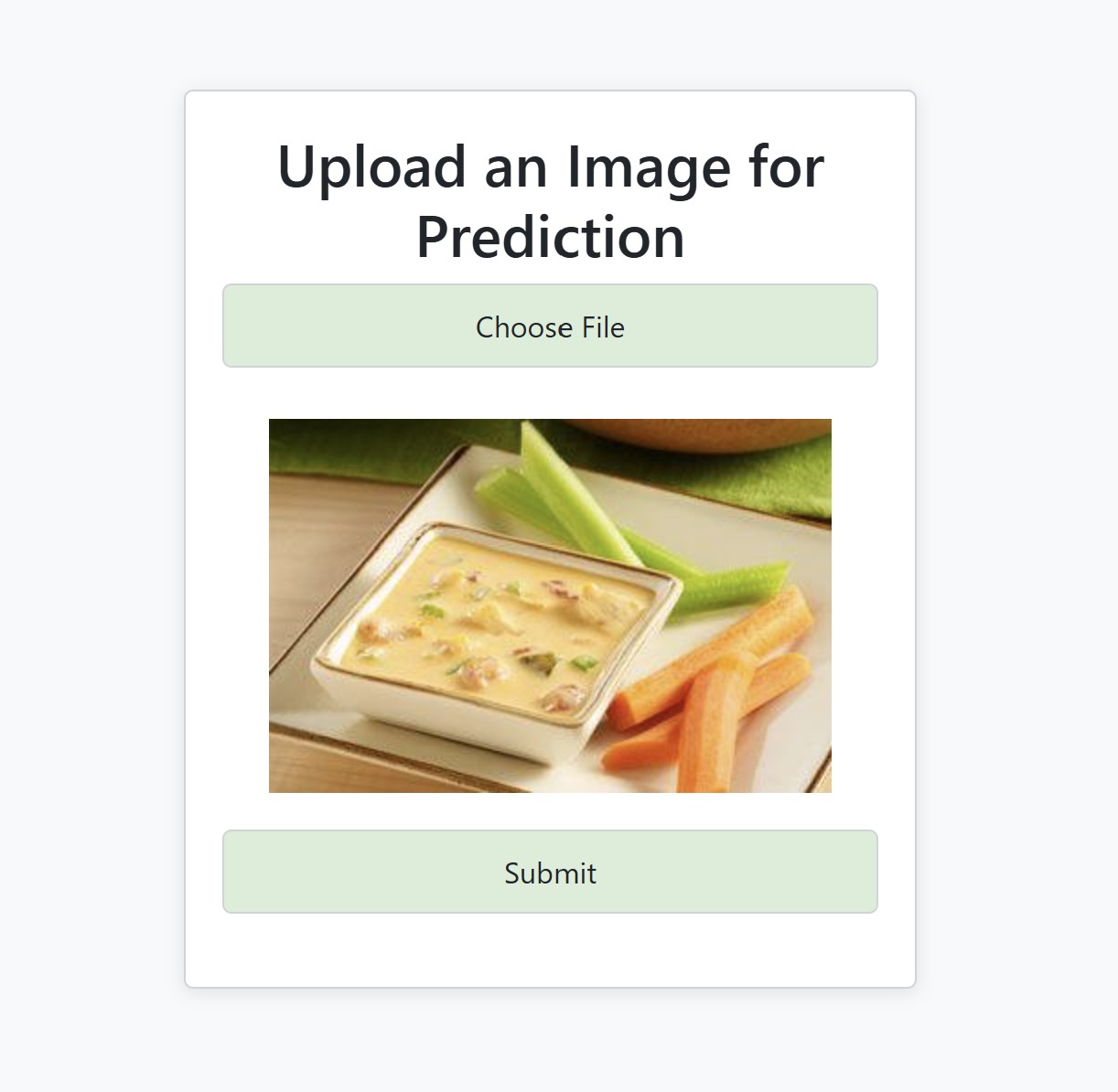
Uploaded Image display.
-
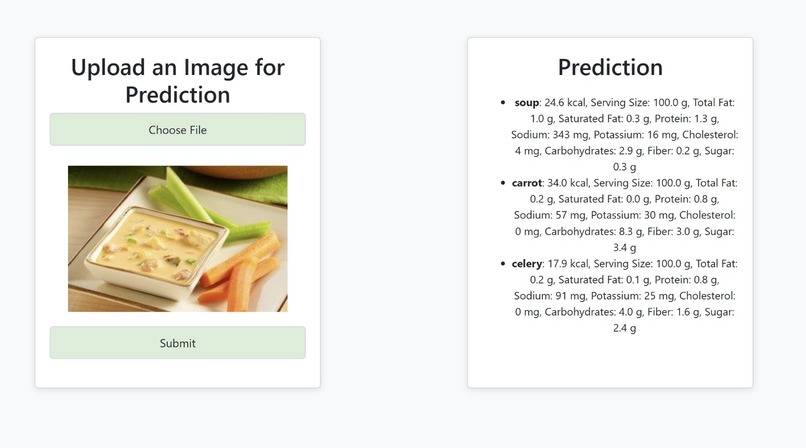
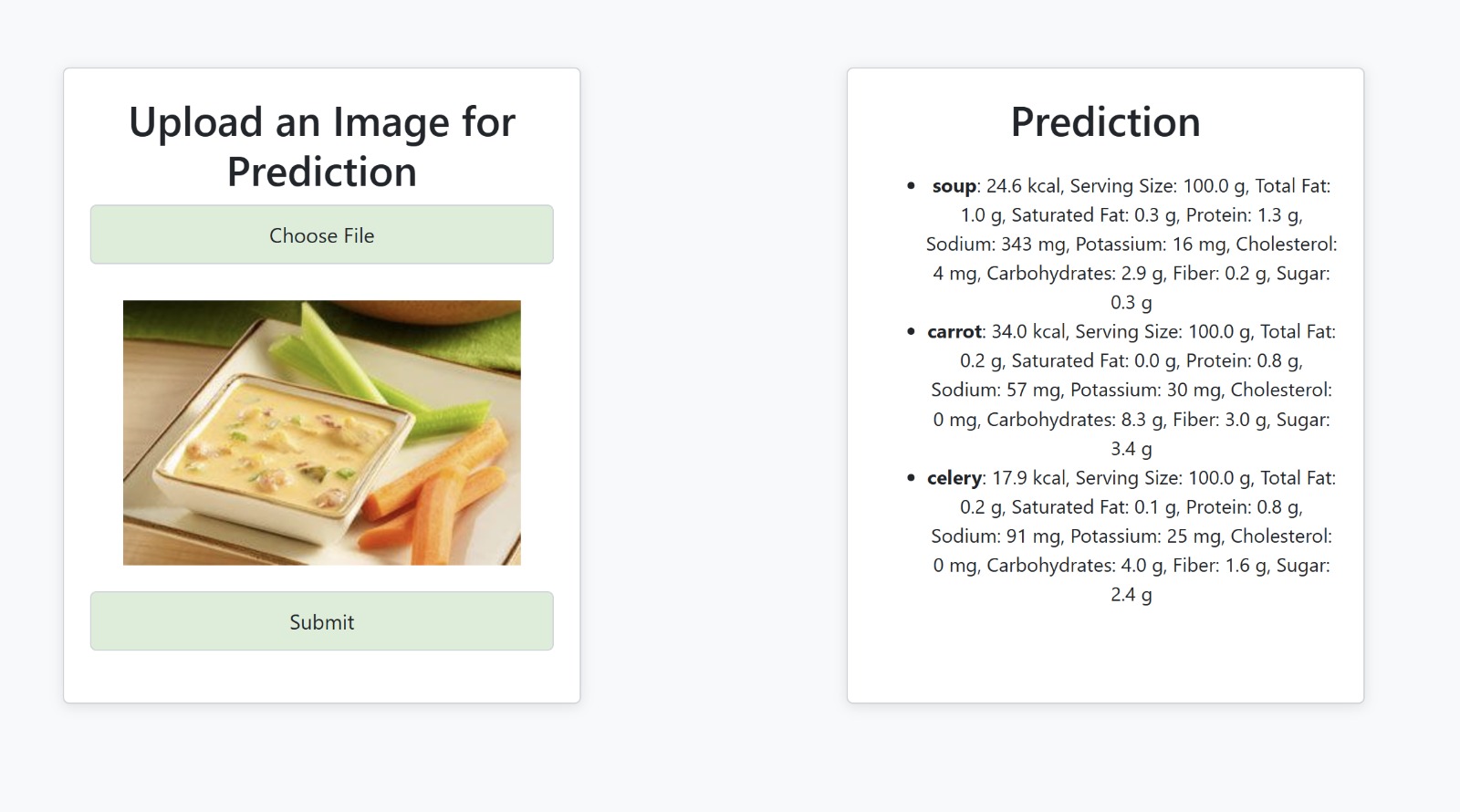
ML image segmentation model prediction (ingredients), and API call to CalorieNinjas result displayed.
-
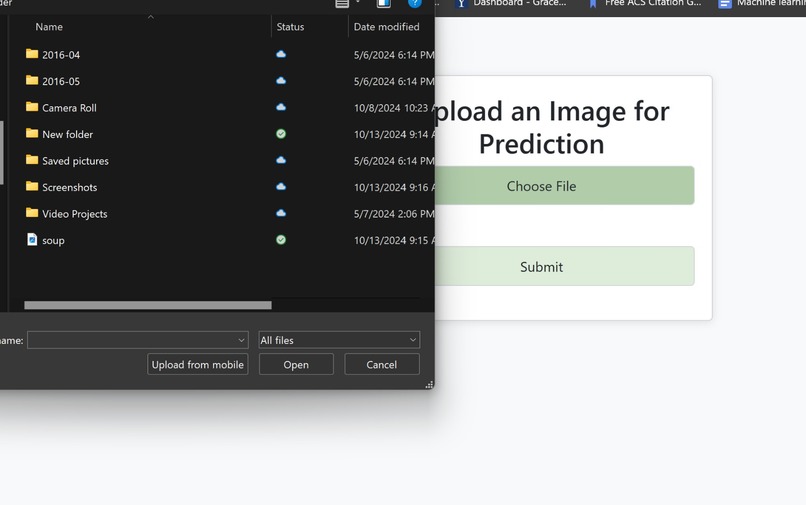
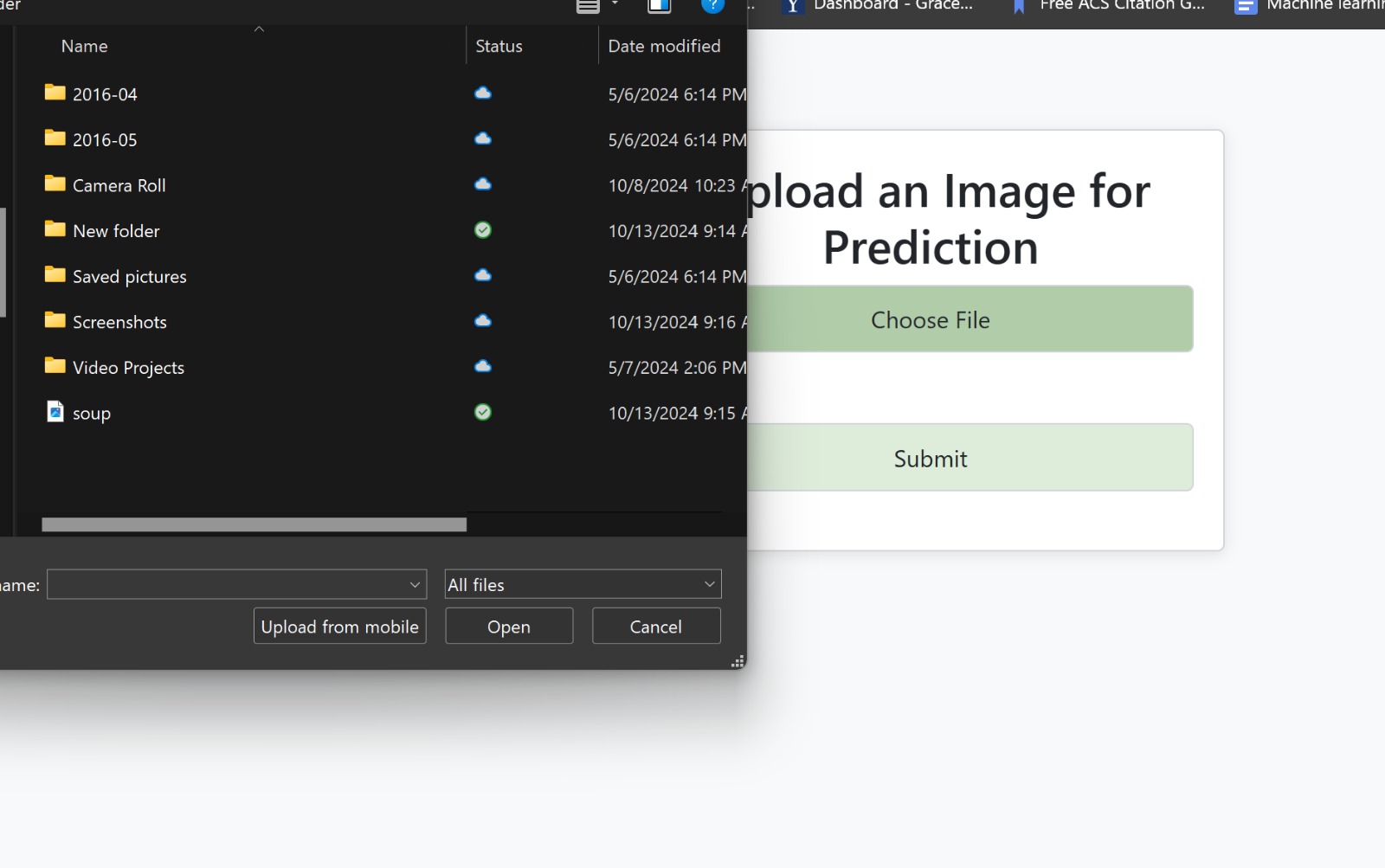
Image upload process.
Inspiration
The idea behind NutriVision came from the growing need for people to understand what they’re putting into their bodies, without the hassle of reading labels or manually searching for nutritional information. As college students who often struggle to prioritize healthy eating with our heavy workloads, we wanted to make it more accessible by leveraging AI/ML technology to give instant, accurate insights about any meal with just a photo.
What it does
NutriVision allows users to upload a picture of their meal, and in seconds, it analyzes the food, detects the ingredients, and provides detailed nutritional information like calories, proteins, carbs, and fats. Whether you're meal prepping, trying to meet fitness goals, trying to eat a little healthier, or simply curious about your food, NutriVision delivers the information you need effortlessly, with the click of a button, integrating seamlessly into users’ existing health and fitness routines.
How we built it
We trained NutriVision’s Python backend machine learning model using Intel Tiber Cloud Development – specifically with IDC’s Jupyter Notebook for development, with calls to a food database API for nutritional analysis of the identified ingredients in a meal. Here, we focused on accuracy in extracting ingredient information from food images and in querying nutritional information from an external service, Calorie Ninjas. We built the front-end UI in Visual Studio Code, using Python, HTML, and CSS for styling, focusing on simplistic, user-friendly design and clear messages.
Challenges we ran into
One of the biggest challenges was training the image recognition model to accurately identify a wide variety of foods from different angles, lighting conditions, and portion sizes. With this, our biggest challenge was time – we didn’t have enough time to develop a dataset as large and comprehensive as we wanted to have a more accurate model, so we had to settle for a smaller model with the ability to identify only 103 food types/categories instead which will serve as a foundation for future expansion. Along with this, we also had some challenges with model accuracy, as we did not have as much time to tune it as we would have liked, to improve response correctness.
Accomplishments that we're proud of
We are proud of the fact that we trained a full ML model within the short time span of the hackathon. Seeing it transform from an idea to a functioning app is incredibly rewarding. Additionally, ensuring the app remains user-friendly while delivering complex nutritional insights is something we’re very proud of.
What we learned
Throughout this project, we learned a lot about machine learning, image processing, and the complexities of food data. We also realized the importance of balancing technical functionality with simplicity, ensuring that anyone can easily use our app without getting bogged down by too much data or information on the output. Additionally, we learned how to work quickly and efficiently within short time constraints, dividing up work and collaborating smoothly to ensure everything got done.
What's next for NutriVision
We plan to expand NutriVision’s capabilities by adding features like AI-supported meal suggestions based on nutritional goals, better support for dietary restrictions, and integration with fitness apps. Additionally, we would like to support the development of NutriVision as a mobile app as well, for more convenient use by users. We also aim to refine the accuracy of our image recognition with more data and further tuning and also explore partnerships with nutritionists to give users even more personalized advice.

Log in or sign up for Devpost to join the conversation.