Inspiration
We noticed that most people struggle to understand what they are really eating. Nutrition labels are confusing, calorie tracking is manual, and healthy choices often depend on guesswork. We wanted to simplify nutrition awareness using AI and make healthy eating more accessible for everyone.
What it does
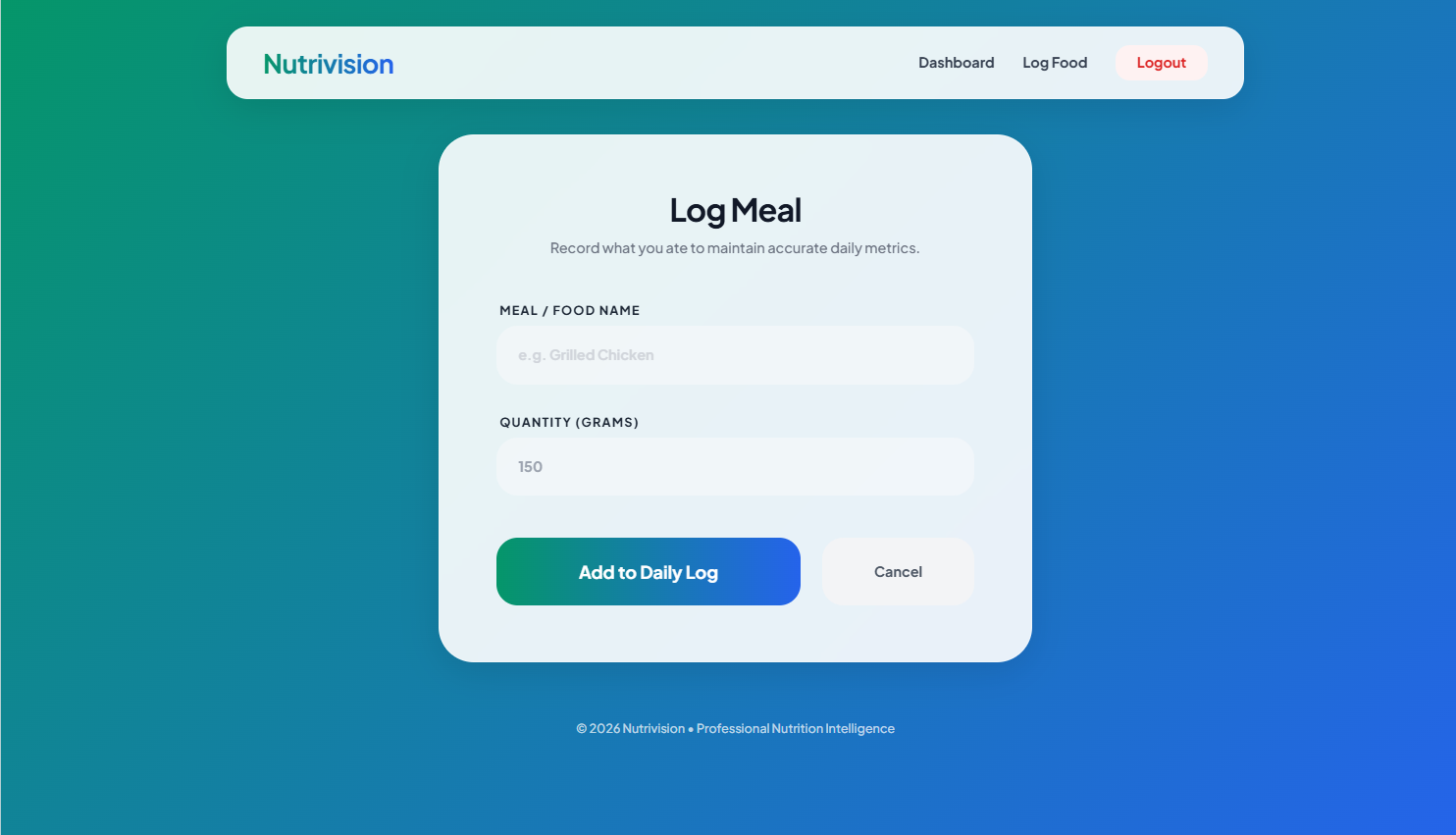
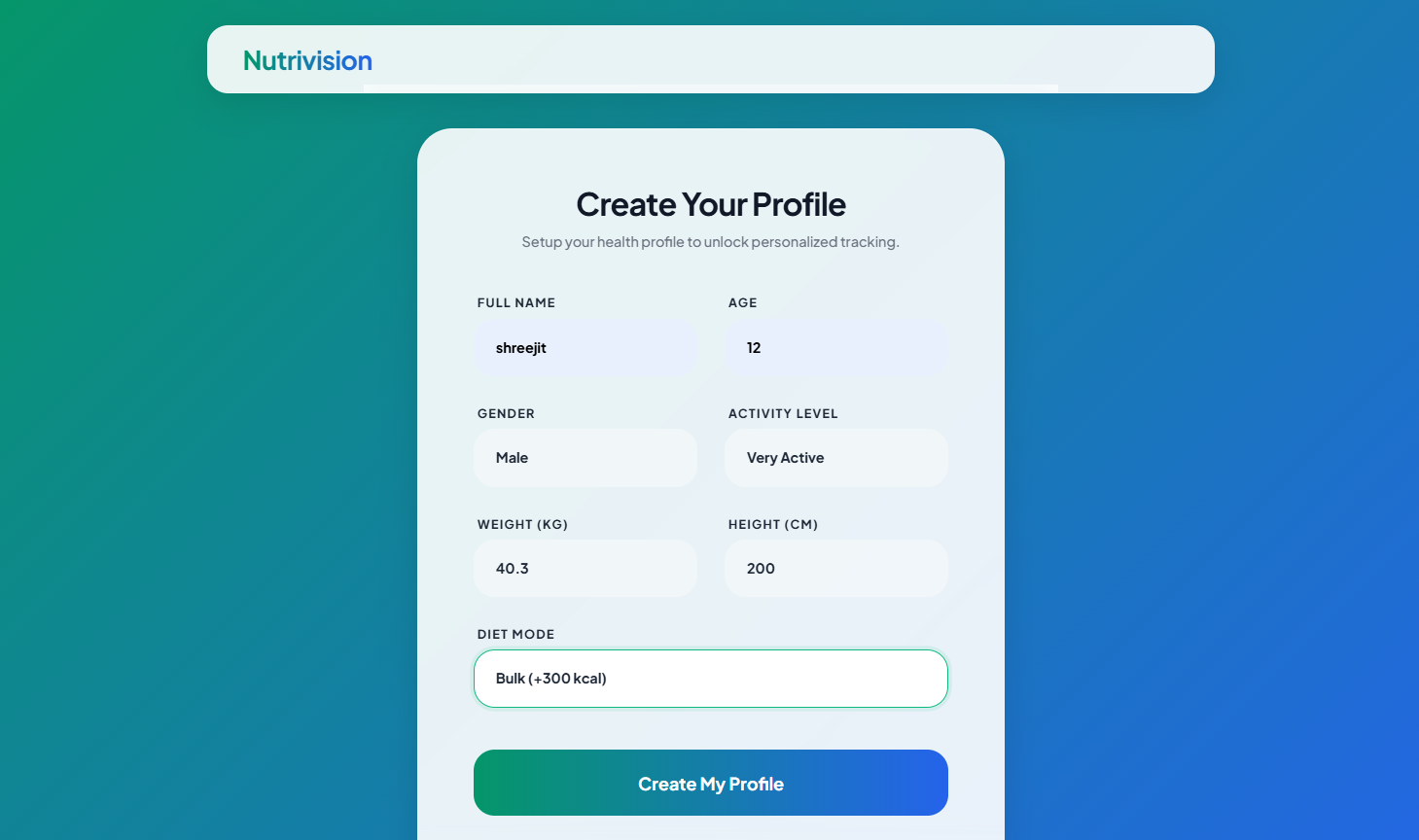
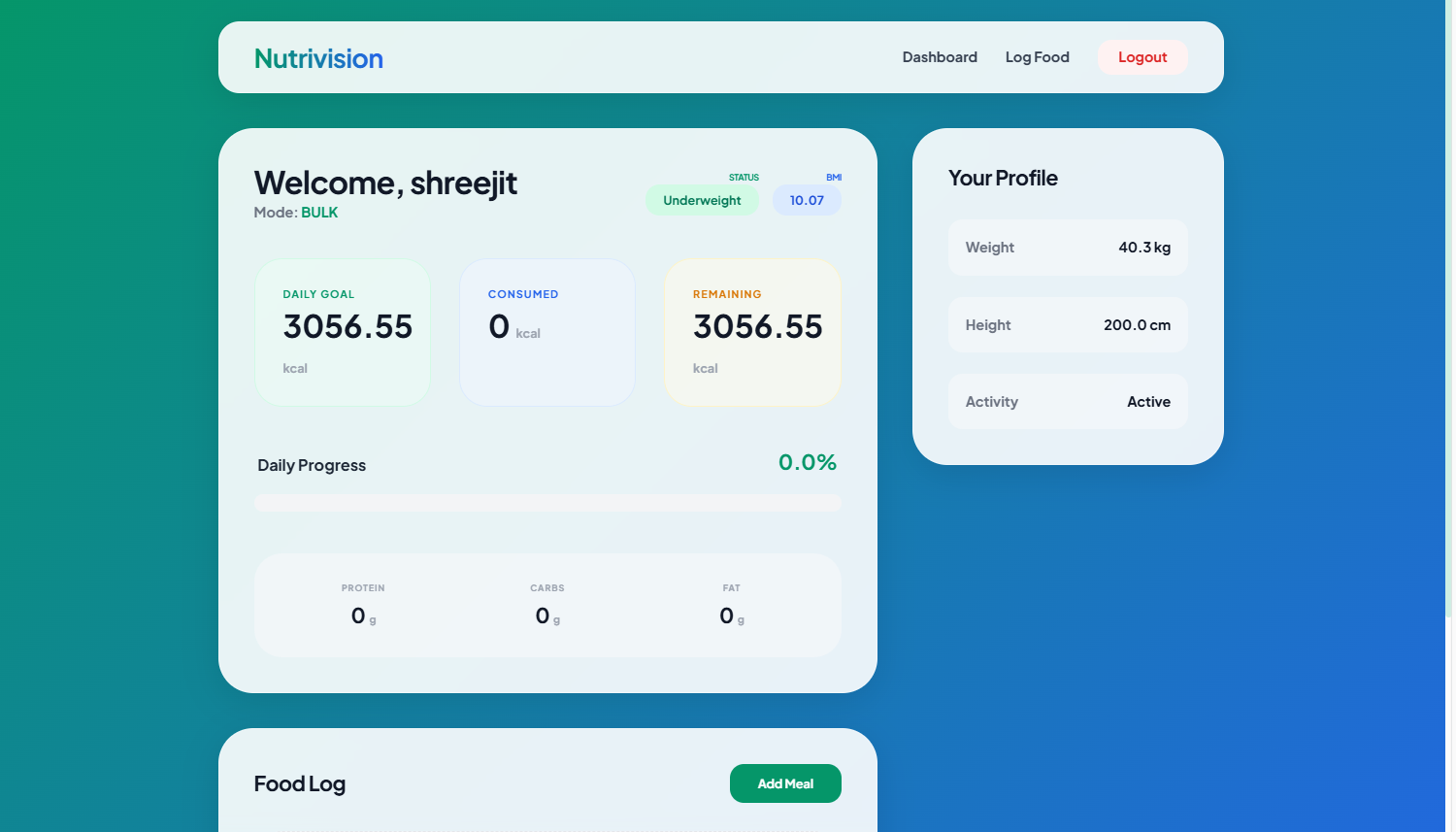
NutriVision helps users analyze food using images or input. It identifies food items and provides nutritional breakdown like calories, protein, carbs, and fats. It can also suggest healthier alternatives and help users track their daily intake in a simple dashboard.
How we built it
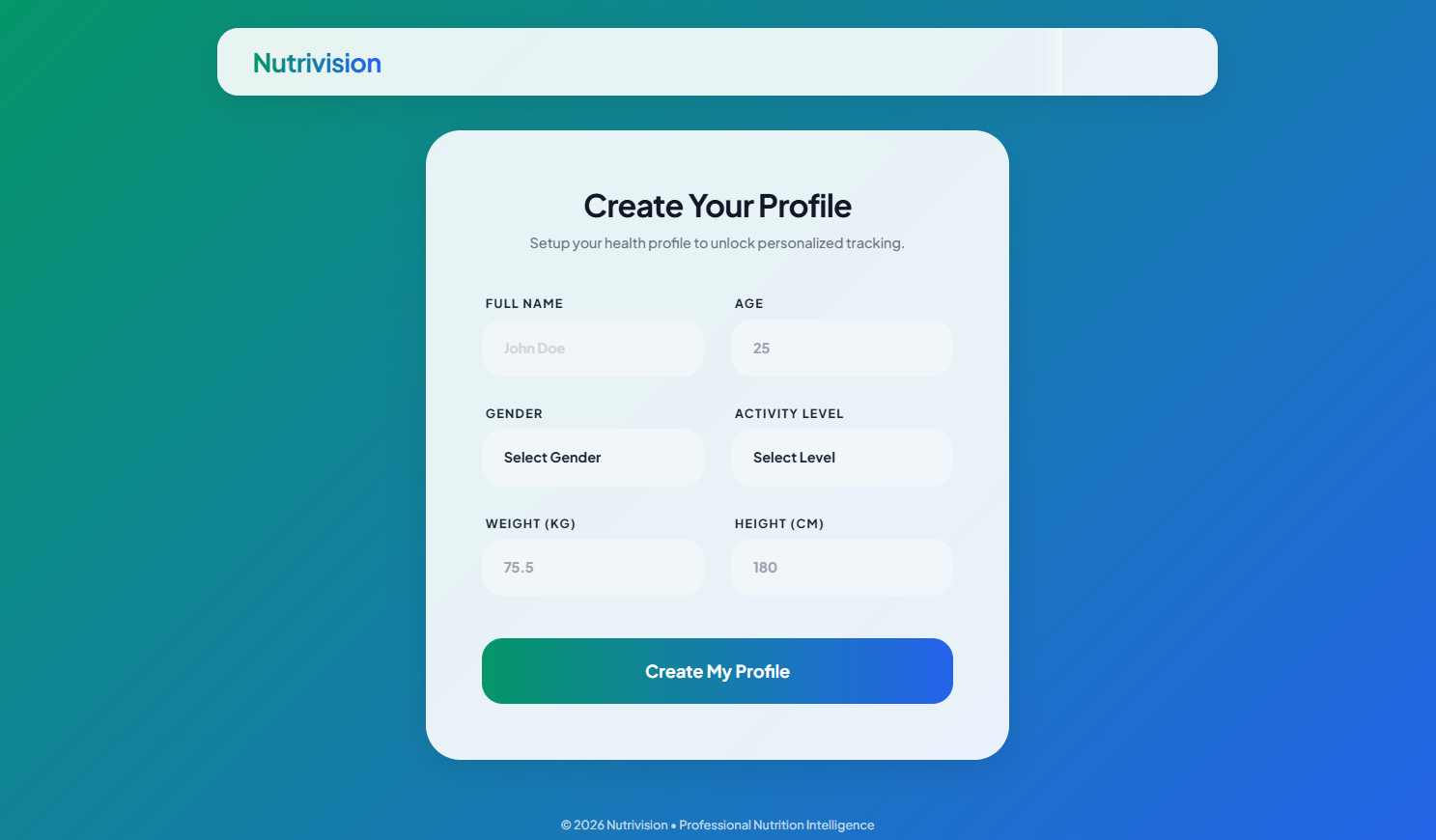
We built NutriVision using a machine learning model for food recognition combined with a web application interface. The backend processes images and matches them with a trained dataset to estimate nutrition values. The frontend displays results in a clean, user-friendly dashboard.
Challenges we ran into
Food recognition accuracy was difficult due to similar-looking dishes. Estimating nutrition values without exact ingredients was another major challenge. Integrating model predictions smoothly into the web app also required multiple iterations.
Accomplishments that we're proud of
We successfully created a working end-to-end system that can analyze food and return meaningful nutritional insights. We also managed to keep the interface simple and fast, making it usable even for first-time users.
What we learned
We learned how important data quality is in machine learning, especially for food classification. We also improved our skills in model integration, API handling, and building user-centric UI designs.
What's next for NutriVision
Next, we plan to improve accuracy with a larger dataset and better models. We also want to add personalized diet plans, barcode scanning for packaged food, and a mobile app version for easier daily use.


Log in or sign up for Devpost to join the conversation.