Inspiration
We always can't decide what to eat, so using NutriTrack we can help ourselves and others create delicious calorific and healthy meals based on the groceries and ingredients we might have. Making something out of what's in our fridge or pantry, would increase productivity and the privilege of exploring different kinds of foods.
What it does
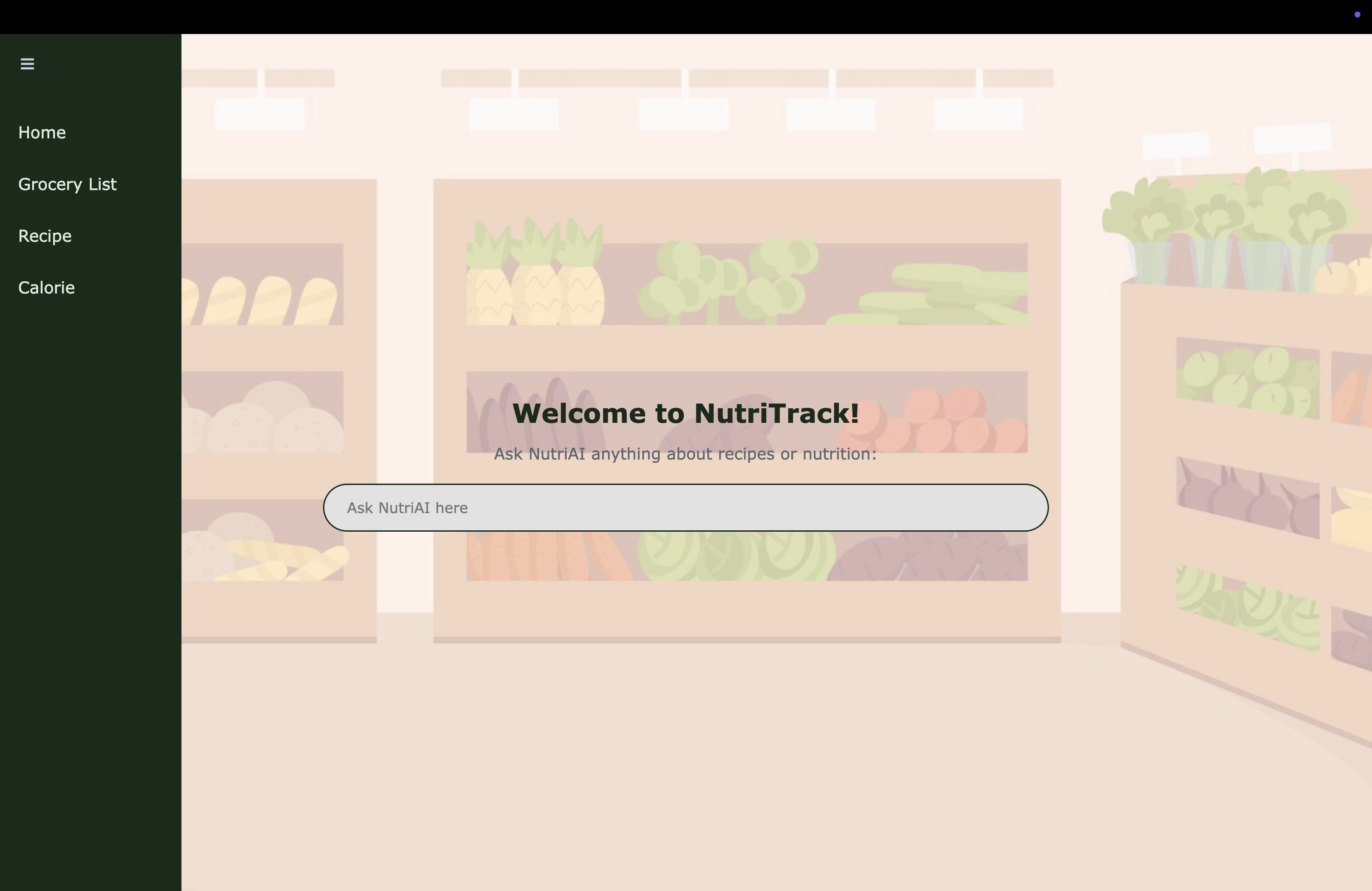
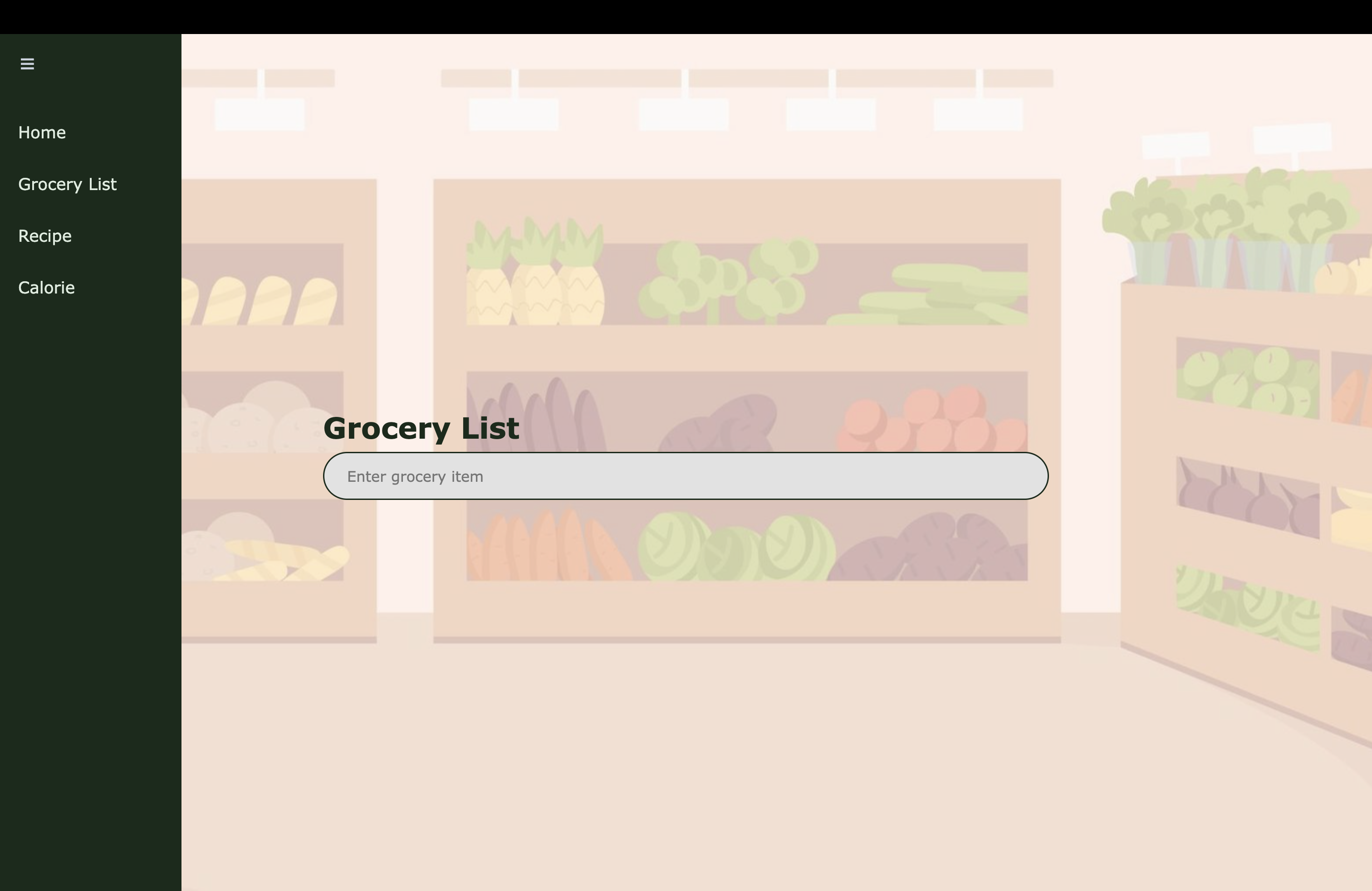
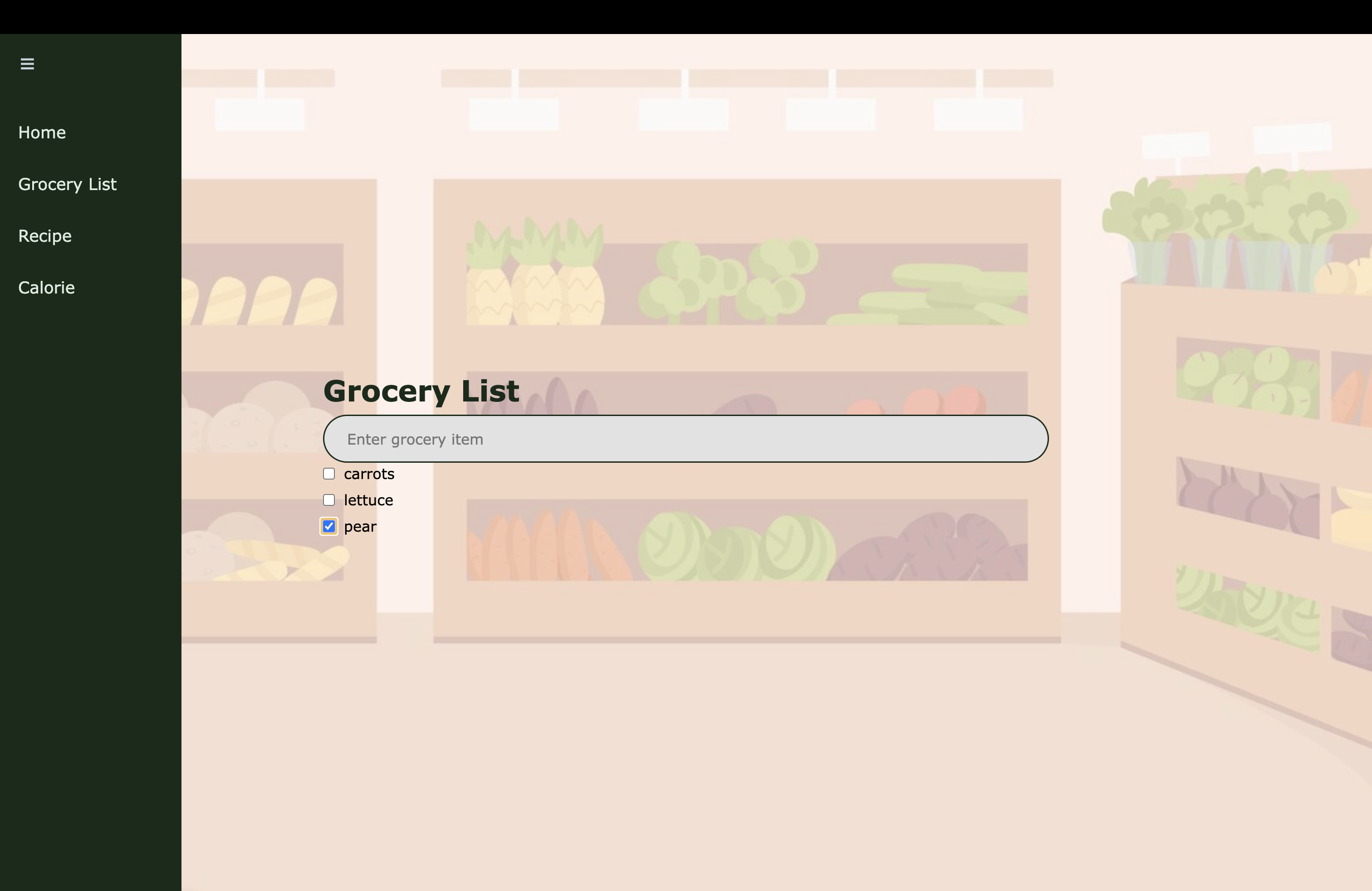
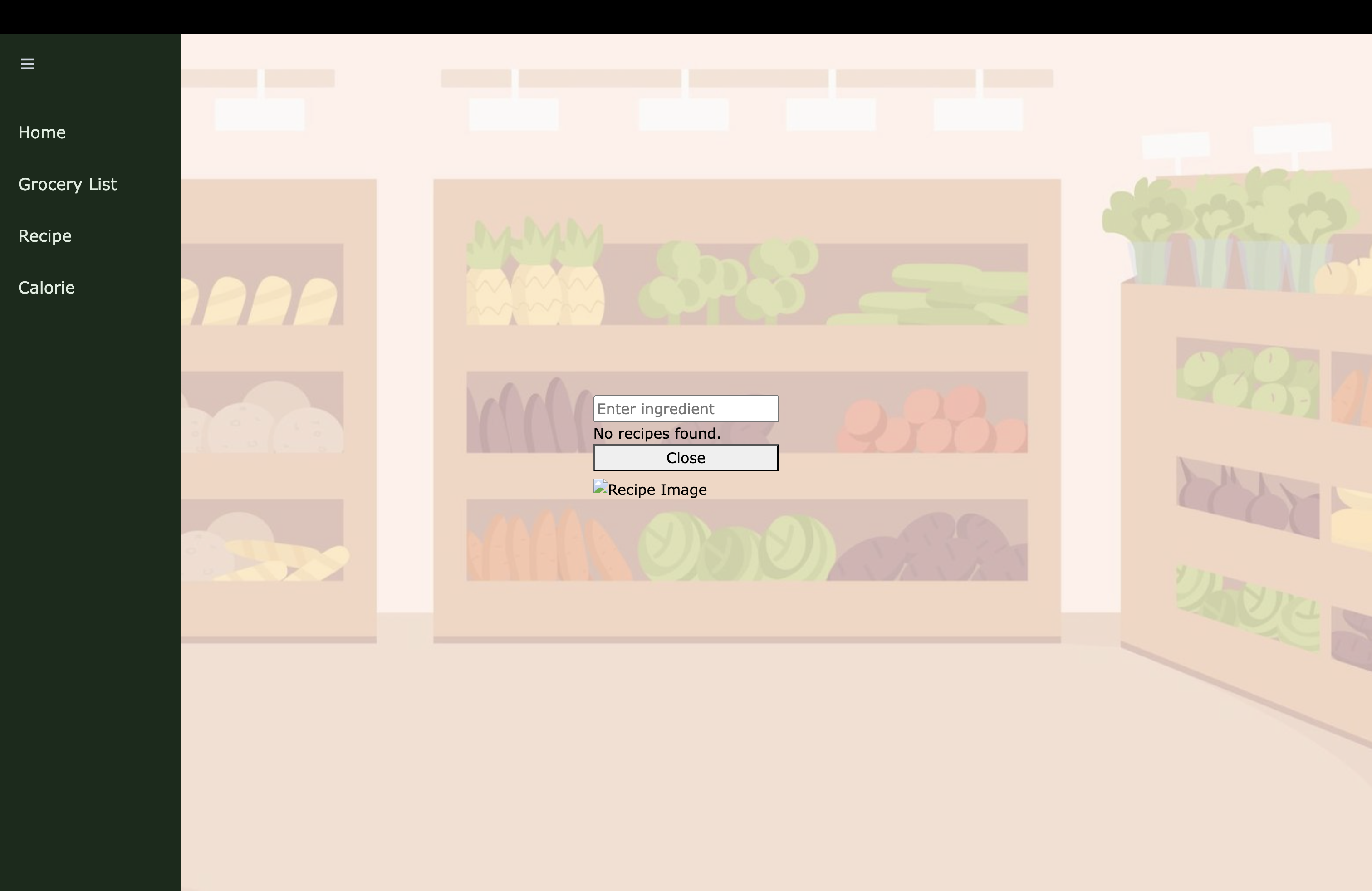
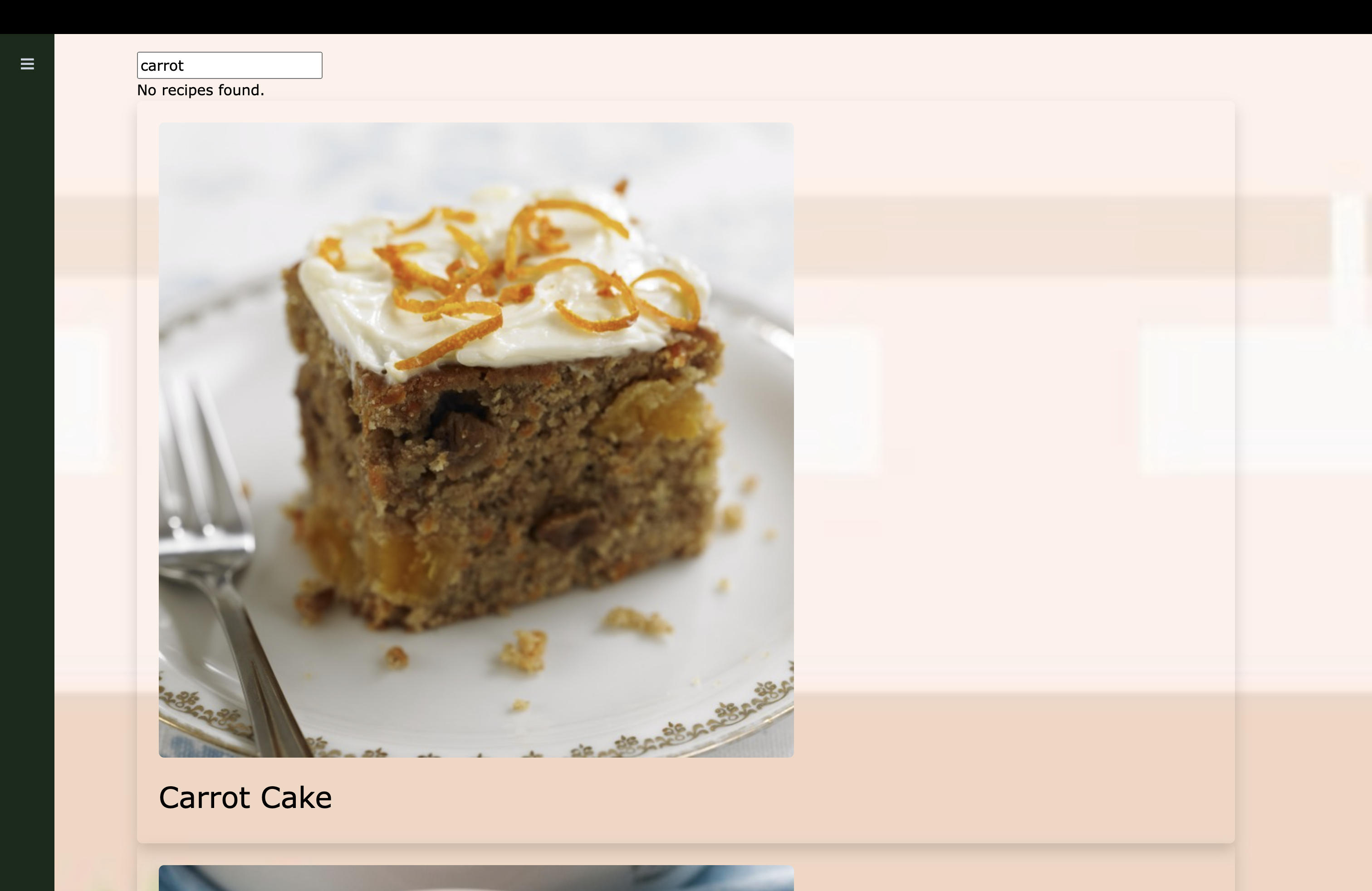
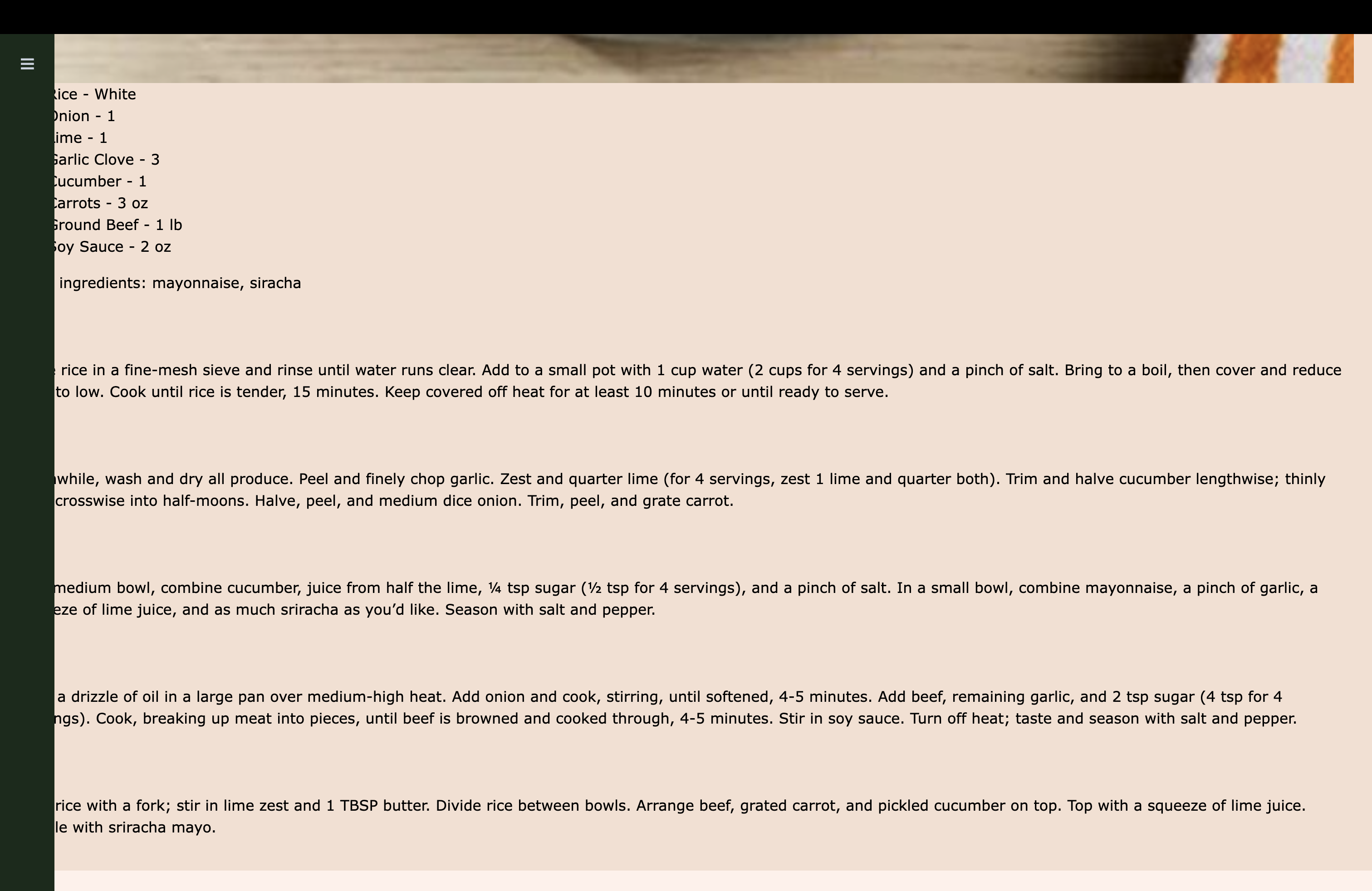
Asks user for input of what groceries they have. Then, uses the groceries to figure out what dishes are possible to be made with it using generative AI(OpenAI).
How we built it
We began our project by creating a UML diagram to map out the structure of each function and how they would connect within our application. Planning the UML diagram visually gave us a clearer understanding of the project’s workflow before we began to code. For the front-end, we used HTML, CSS, and JavaScript, alongside frameworks like Bootstrap to design and style the interface. On the back-end, we utilized Node.js to build the server-side functionality and Postman to test the API endpoints. Throughout the development process, we also experimented with other back-end environments such as Flask and tools like GitHub Copilot to enhance productivity. We also explored Cline to evaluate its potential for supporting our project. This combination of tools and experimentation allowed us to refine our approach and deliver a robust solution.
Challenges we ran into
We encountered several challenges during the development process. It was our first time using GitHub, and learning how to effectively manage version control and collaboration posed a steep learning curve. We weren’t able to implement all the features we had envisioned, due to both time constraints and because we lacked experience with certain technologies, like React, which could have simplified the process. Our overall inexperience also meant we worked slower than we initially anticipated. On the technical side, we ran into an issue where the terminal wouldn’t function properly without a package.json file, requiring us to locate the physical folder to troubleshoot the problem. We also forgot to install npm at the start, which delayed progress as we worked to set up our environment correctly. Despite these challenges, we gained invaluable experience and learned a great deal throughout the project, and we have learned for our future projects.
Accomplishments that we're proud of
We are particularly proud of using a UML diagram to map out our project structure and workflow. This approach allowed us to effectively plan and divide our tasks, ensuring clear distinctions between front-end and back-end development. It not only streamlined our collaboration but also gave us a strong foundation to build upon, making the overall development process more organized and efficient.
What we learned
We learned that integrating AI APIs can be quite challenging, especially when starting from the back-end. Testing each endpoint and ensuring seamless communication with the front-end required a great deal of troubleshooting and patience. Additionally, we gained a deeper understanding of how to effectively use GitHub in a collaborative team environment. This experience taught us the importance of version control, branch management, and clear communication when working on a shared codebase. Overall, these challenges helped us grow our technical and teamwork skills.
What's next for NutriTrack
Looking ahead, there are several exciting features we’d like to incorporate into NutriTrack. One key goal is to integrate generative AI to enhance functionality, such as generating personalized recipes or meal plans based on user preferences. We also aim to allow users to save their favorite dishes and schedule them for future use with a calendar feature. Enhancements to the calorie tracker, including automated calorie calculations, are another priority. Additionally, we plan to implement a drag-and-drop interface, enabling users to easily move previously searched dishes into a scheduled meal format. Lastly, transitioning the back-end to React and creating a mobile application will further improve accessibility and user experience, bringing NutriTrack to a wider audience.
Built With
- css3
- html5
- javascript
- node.js
- openai
- recipesapi

Log in or sign up for Devpost to join the conversation.