-
-
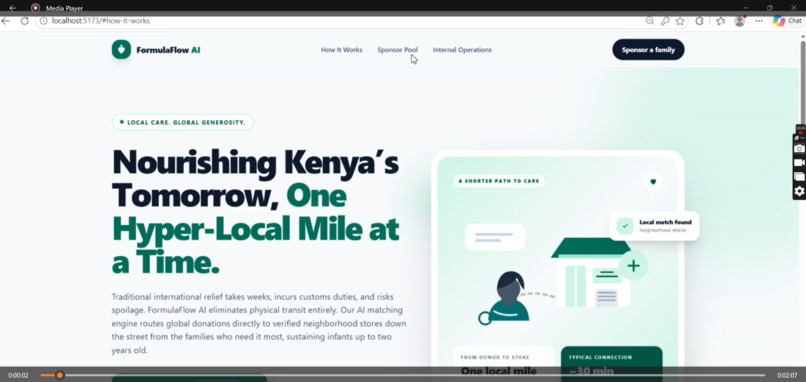
Home page
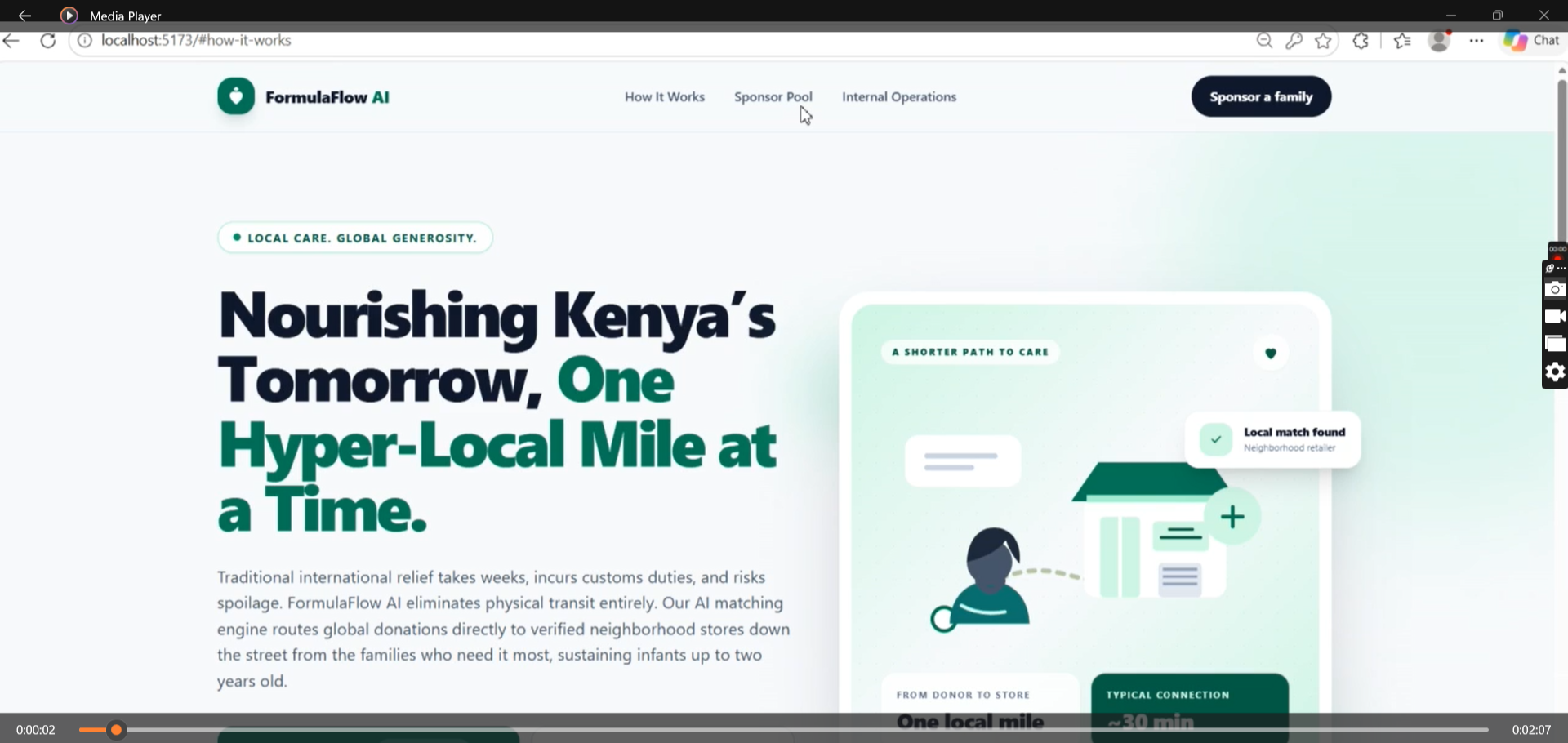
Inspiration
Life is unpredictable. In some of the most heartbreaking circumstances, a mother may not have the privilege of holding the baby she carried for nine months. Maternal illness, severe malnutrition, insufficient milk supply, or the loss of a mother can leave a newborn without access to breast milk.
When breastfeeding is not possible, safe infant feeding alternatives can become a critical medical necessity. Yet for vulnerable families, the cost and availability of infant formula can create another barrier between a newborn and the nutrition they need to survive and thrive.
In Kenya, formal human milk banking systems and regulatory frameworks remain limited. For families who cannot access breast milk, commercially prepared infant formula may therefore be one of the practical alternatives available. But even that alternative can be financially out of reach.
More than a decade ago, after the birth of my first child, I experienced a frightening struggle with my own milk supply. I was fortunate enough to afford the formula my baby needed. But the experience stayed with me because I realized that another mother facing the same situation might not be able to afford even a single tin.
That realization inspired FormulaFlow AI.
The problem is not always that food does not exist. Sometimes, the family simply cannot afford to access it in time.
Our vision is to build a transparent, technology-enabled bridge between vulnerable infants and the people willing to help, while giving donors and organizations a trusted way to direct resources and measure their impact.
FormulaFlow AI is not simply about formula. It is about making sure poverty does not become the reason a vulnerable infant goes without essential nutrition.
What It Does
FormulaFlow AI is an agentic fintech prototype that connects global donors with local infant nutrition needs through PayPal.
On the donor side, users can express their intended contribution through a simple natural-language interface. The application translates that intent into a tailored PayPal Checkout experience, allowing contributions to be processed securely.
On the administrative side, FormulaFlow AI uses an AI-driven procurement workflow to monitor simulated local inventory and identify critical shortages. When a verified shortage is detected, the system evaluates available suppliers based on factors such as cost, availability, and proximity.
Once an authorized procurement action is approved, the system can initiate a PayPal Payout to an eligible PayPal recipient in the sandbox environment, demonstrating how funds can move from a contribution workflow toward local procurement.
The platform also maintains an impact trail showing the relationship between funding, procurement, and assistance delivered.
How We Built It
Frontend: React, TypeScript, and Tailwind CSS, with a premium dark-mode interface and glassmorphism-inspired visual design.
Data Command Center: AG Grid Community for real-time operational data, grouping, filtering, status rendering, and procurement monitoring.
Backend: FastAPI with Python for transaction orchestration, business logic, simulated telemetry, and asynchronous processing.
Fintech: PayPal Checkout Orders API v2 for incoming contributions and PayPal Payouts API v1 for eligible outgoing payments in the sandbox environment.
AI Agent: An orchestration layer that interprets donor intent, evaluates simulated inventory and supplier data, and coordinates the procurement workflow.
Challenges We Ran Into
One of our biggest challenges was creating a reliable two-sided sandbox payment workflow.
The system needed to process incoming PayPal transactions while separately coordinating potential outgoing payments without creating duplicate transactions, race conditions, or inconsistent state.
We addressed this with an asynchronous transaction workflow in FastAPI that separates payment verification, fund allocation, procurement decisions, and payout execution.
We also built the procurement logic around dynamic supplier and inventory data so the agent can evaluate available options before generating an outbound payment request.
Accomplishments We Are Proud Of
We built a working prototype that demonstrates an agentic commerce workflow for humanitarian use.
A donor can express an intention through natural language, initiate a PayPal payment workflow, and have that transaction reflected in the platform's operational data.
On the procurement side, the system can detect a simulated shortage, evaluate supplier options, calculate the required procurement quantity, and prepare an eligible PayPal Payout workflow.
This demonstrates how AI can move beyond generating recommendations and become an execution layer connecting financial transactions with real-world operational decisions.
What We Learned
We learned that the potential of AI in fintech is not limited to chat interfaces or dashboards.
When combined with payment infrastructure, AI can interpret intent, evaluate operational conditions, coordinate decisions, and initiate financial workflows.
Building FormulaFlow AI also showed us how important safeguards are when AI interacts with money. Payment verification, authorization, transaction state, audit trails, and human oversight must remain fundamental parts of the system.
What's Next
Our goal is to evolve FormulaFlow AI from a sandbox prototype into an open-source platform that can support nonprofit organizations working in infant nutrition.
Our next priorities include computer vision tools that could help field workers verify product information such as barcodes and expiration dates, as well as geographic intelligence for optimizing local delivery routes.
We also want to expand the platform's verification, reporting, and partner network so organizations can move from identifying needs to coordinating assistance with greater speed and transparency.
FormulaFlow AI is built around a simple idea: technology should make it easier for help to reach the people who need it most.
