-
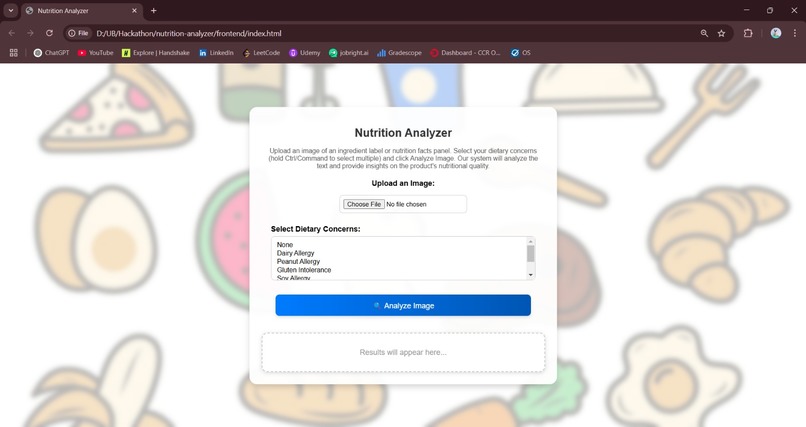
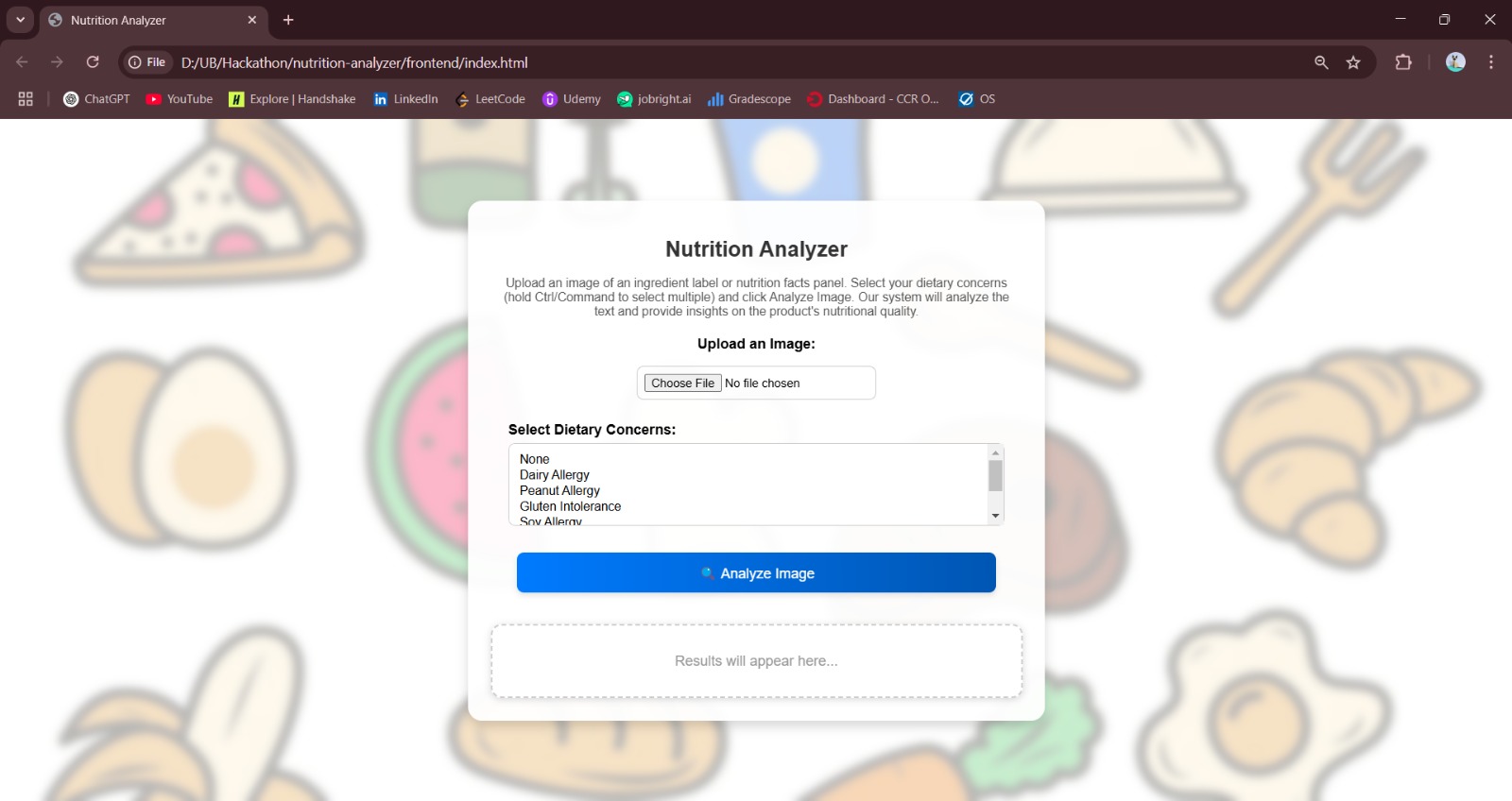
Input page
-
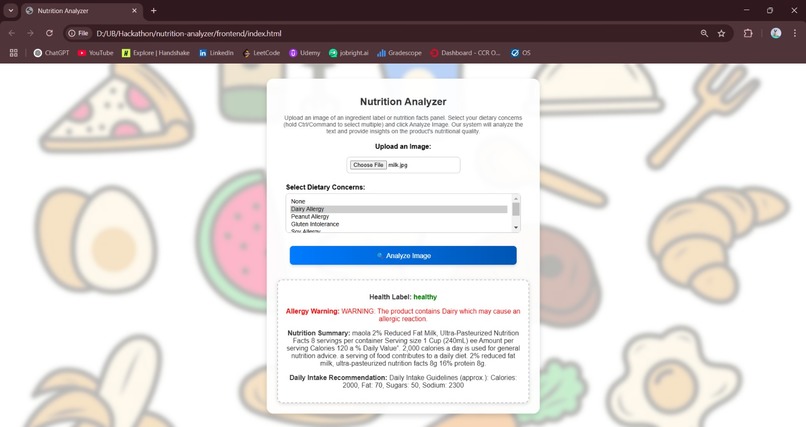
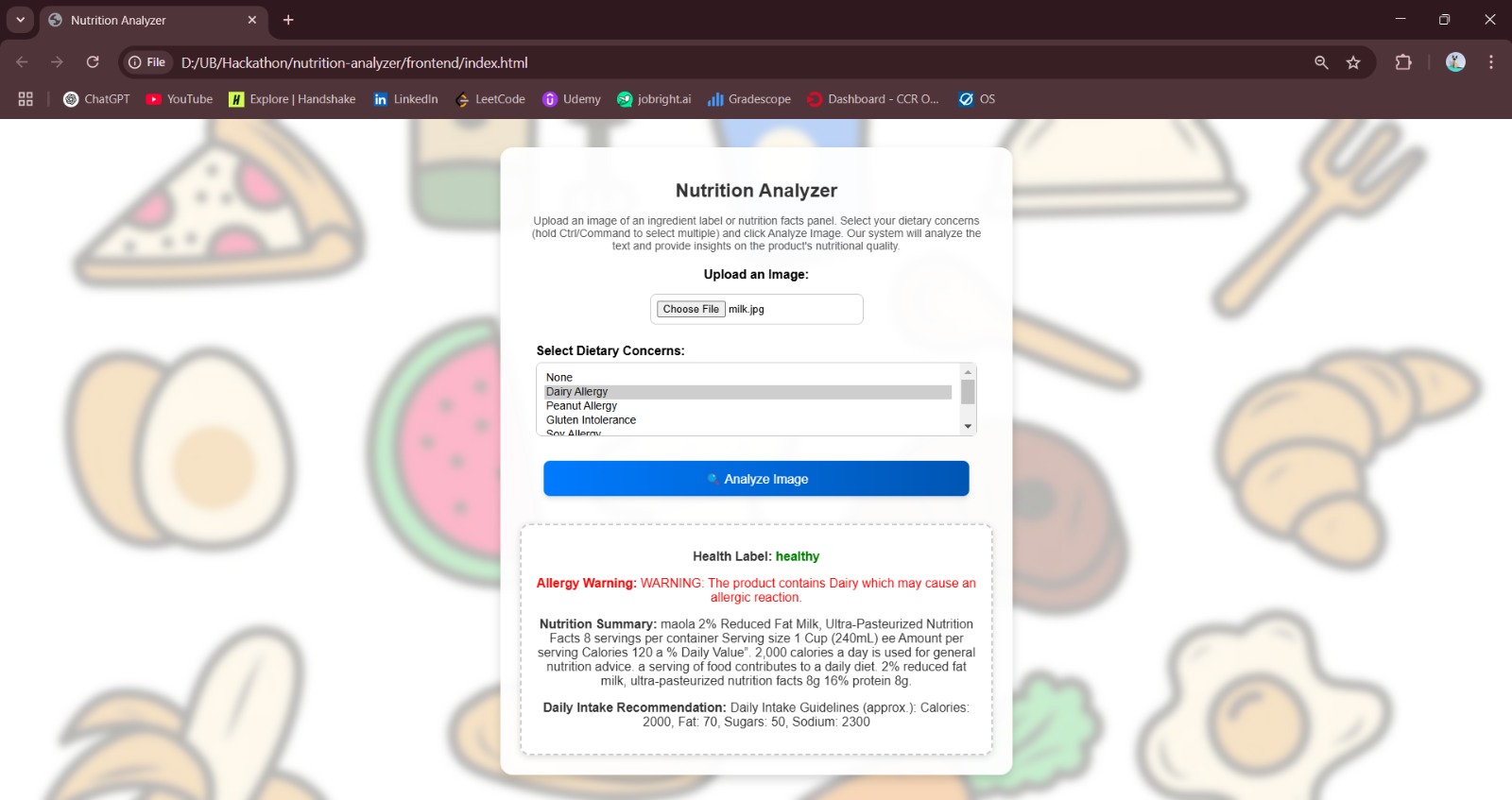
Output page
-
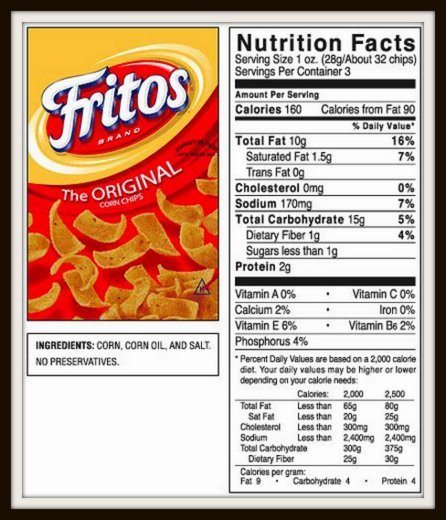
-
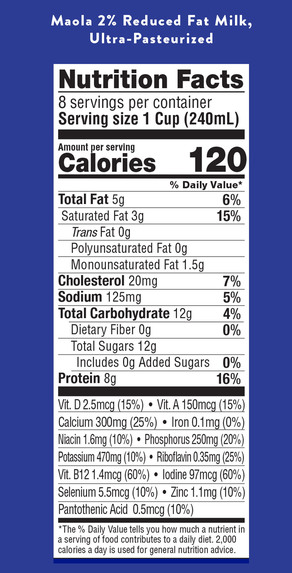
Inspiration
As a group of international students, we often struggle to maintain a healthy diet amidst our busy schedules. With packed lectures, assignments, and social commitments, we tend to rely on pre-packaged, ready-to-eat meals. However, understanding nutrition labels can be confusing, and misleading claims, hidden ingredients, and a lack of personalized guidance make it even harder to make informed food choices. Our inspiration came from the common challenge faced by students—balancing convenience with healthy eating. We wanted to develop a solution that leverages AI to decode nutrition labels, expose misleading claims, and offer personalized health insights. By simplifying nutritional awareness, we aim to empower students to make better dietary decisions effortlessly, helping them stay healthy while managing their academic and personal lives.
What it does
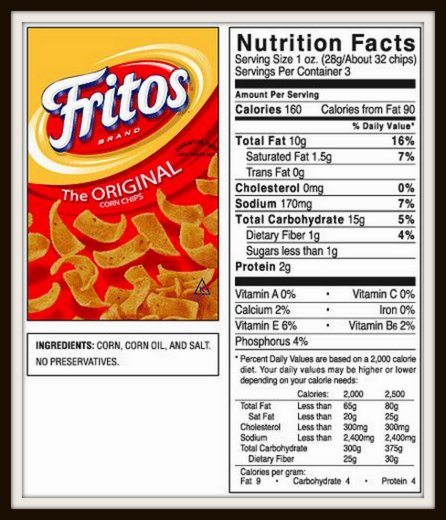
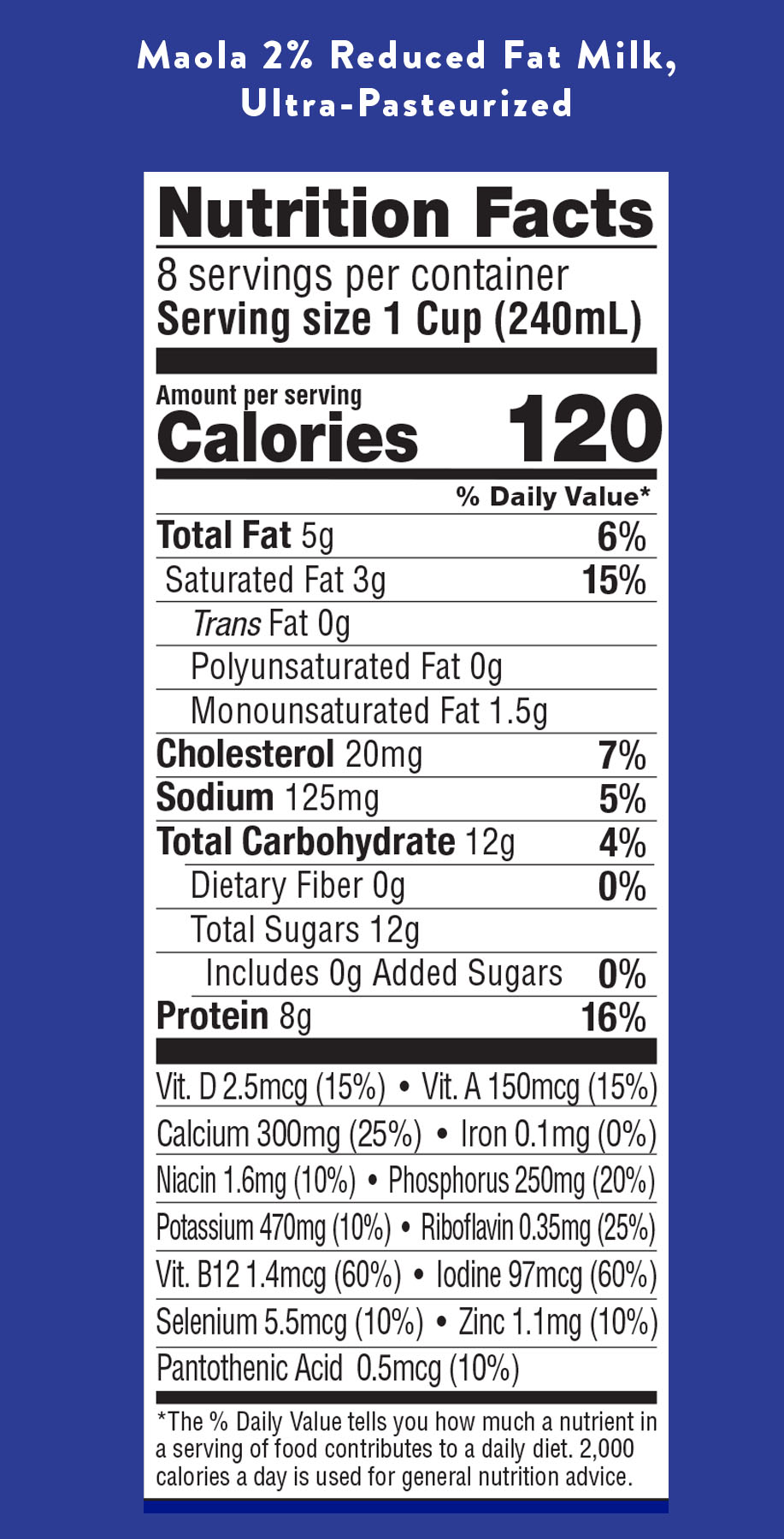
The Nutrition Analyzer is a smart web application that allows users to: Upload an image of a nutrition label to extract key details using AI. Input dietary preferences and allergies for personalized analysis. Get an instant health classification—healthy, moderately healthy, or unhealthy. Receive detailed nutritional summaries, including calories, macronutrients, and ingredients. Get allergy warnings based on user input. View daily intake recommendations for better dietary decisions.
How we built it
Image Processing & AI: We used machine learning models (such as DistilBERT) to extract text from nutrition labels and analyze them. Web Application: The front-end was built using React, while the back-end leverages Python & Flask for AI processing. Health Classification Algorithm: We implemented a system to categorize food items based on extracted nutritional data. Database Integration: A dataset of nutritional information was used to enhance analysis and provide comparisons.
Challenges we ran into
Accurate Text Extraction: Some nutrition labels had low-quality prints, complex fonts, or blurry images, making OCR-based extraction challenging. Classification Complexity: Defining precise health thresholds for classifying food as healthy or unhealthy required extensive data validation. Personalization Handling: Implementing custom dietary preferences while maintaining accurate health assessments was a balancing act. Real-Time Processing: Ensuring fast and accurate analysis without lag was a performance challenge.
Accomplishments that we're proud of
Successfully implemented AI-based nutrition analysis from images. Developed a personalized dietary insights feature tailored to users' health needs. Built an interactive and user-friendly web application for seamless experience. Implemented real-time health classification, making nutrition evaluation quick and accessible. Created a foundation for future AI-driven food recommendations.
What we learned
The importance of AI in simplifying complex health data for users. How OCR and image recognition can be optimized for better text extraction. The challenges of balancing personalization with accurate nutritional analysis. The significance of real-time data processing for an intuitive user experience. How expanding the database can enhance AI-driven insights for better decision-making.
What's next for Nutrition Analyzer Web App
- AI-Driven Food Recommendations Introduce a smart suggestion engine that recommends healthier alternatives when a product is classified as unhealthy. Provide personalized meal suggestions based on a user's dietary preferences and health goals.
- Expanded Database & Nutritional Insights Integrate with a larger food database to enhance accuracy and provide comparisons between similar products. Leverage real-time health research and nutrition trends to keep users informed about better dietary choices.
- Barcode Scanning for Instant Analysis Add barcode scanning functionality, allowing users to scan packaged foods and get instant nutritional breakdowns. Fetch data from existing food and nutrition databases to enrich insights.
- Integration with Health & Fitness Apps Sync with fitness trackers (e.g., Fitbit, Apple Health, Google Fit) to provide a holistic health overview. Use daily activity data to give tailored dietary recommendations based on calorie burn and fitness goals.
- Voice Command & Chatbot Assistance Implement a voice assistant that allows users to ask for food analysis hands-free. Introduce an AI-powered chatbot to provide quick nutrition advice and answer health-related queries.
Built With
- distilbert
- fastapi
- frontend
- pytesseract
- python
- t5
- transformers

Log in or sign up for Devpost to join the conversation.