-
-
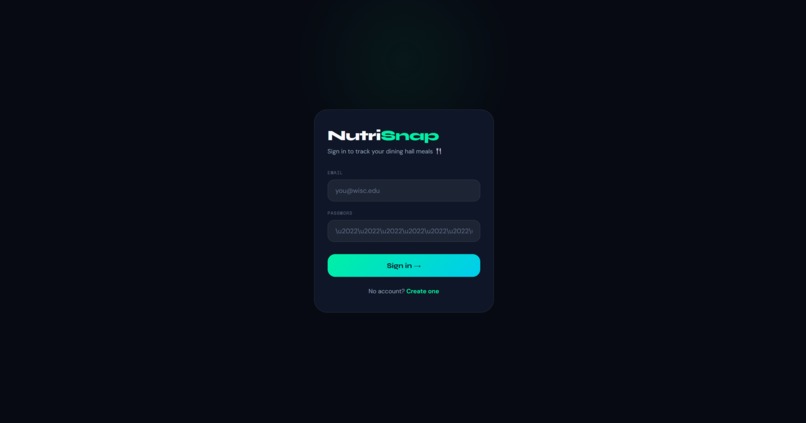
Authentication
-
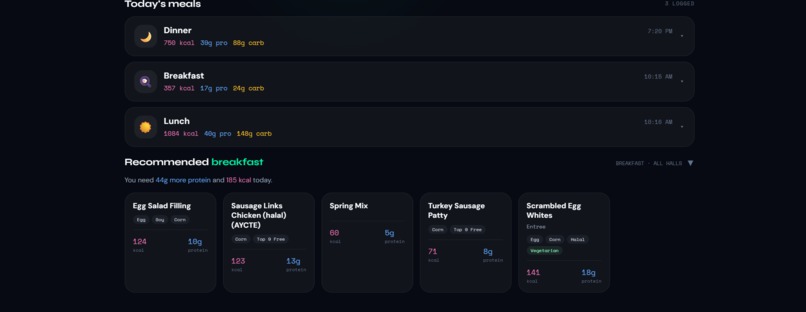
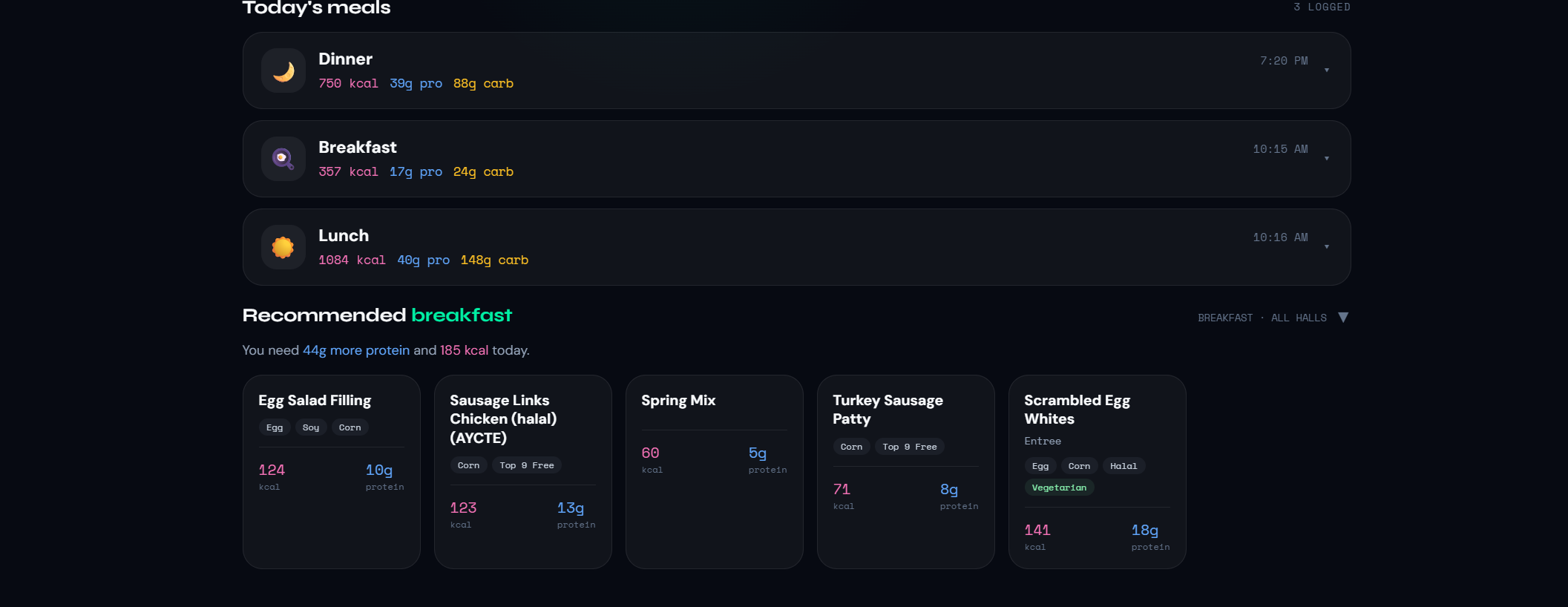
Recommended meals
-
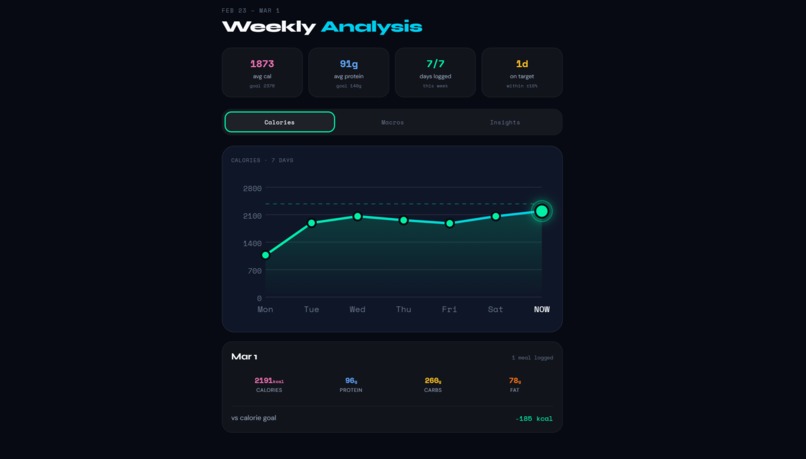
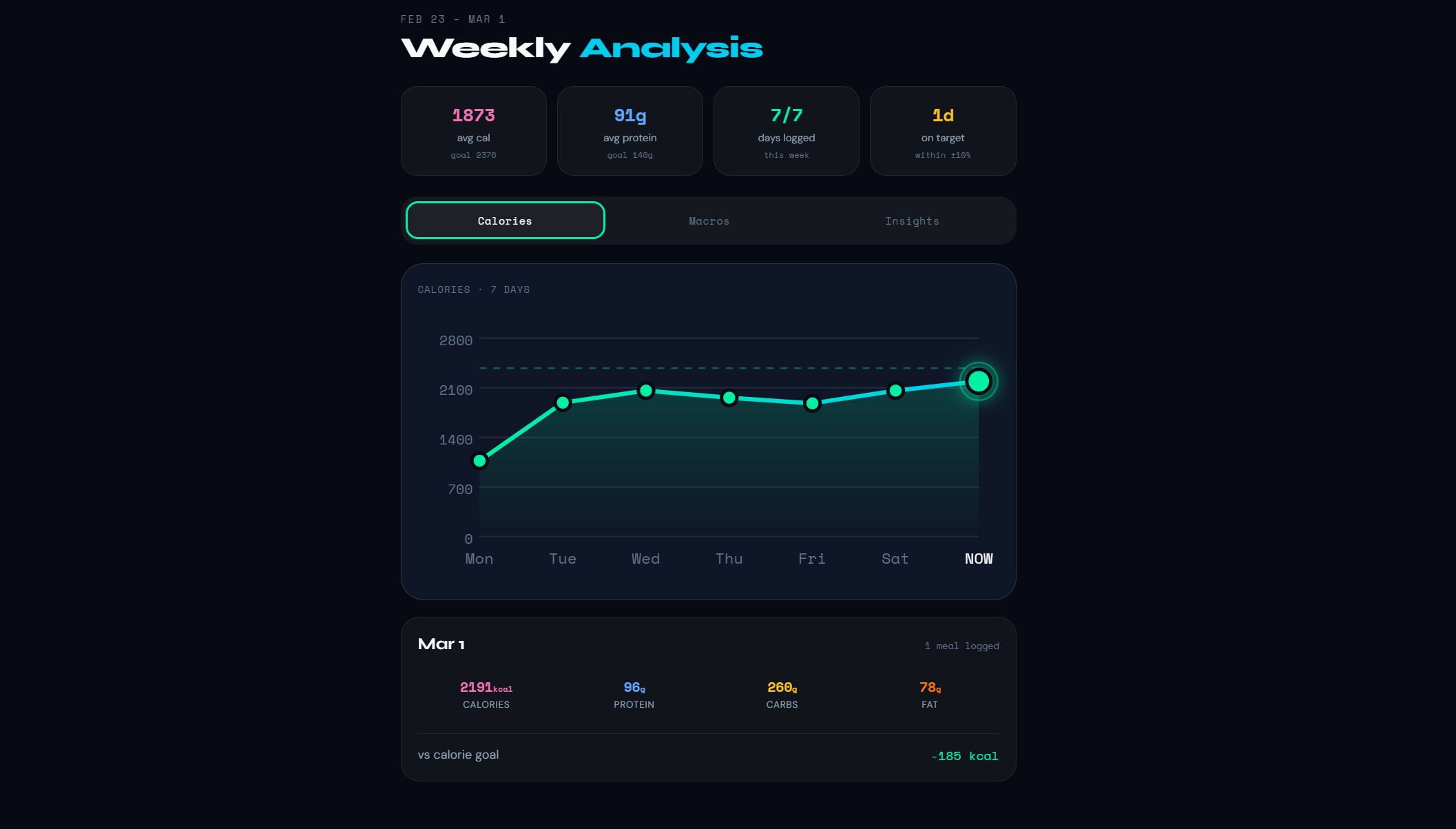
Analysis
-
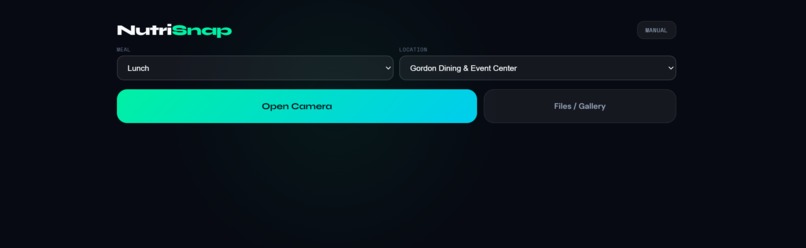
Image search
-
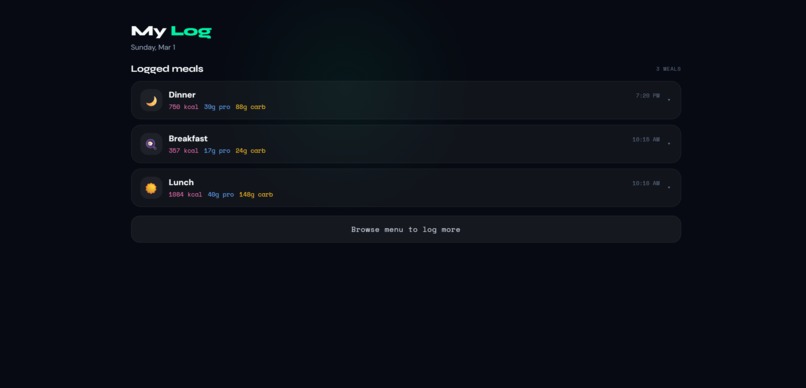
Log page
-
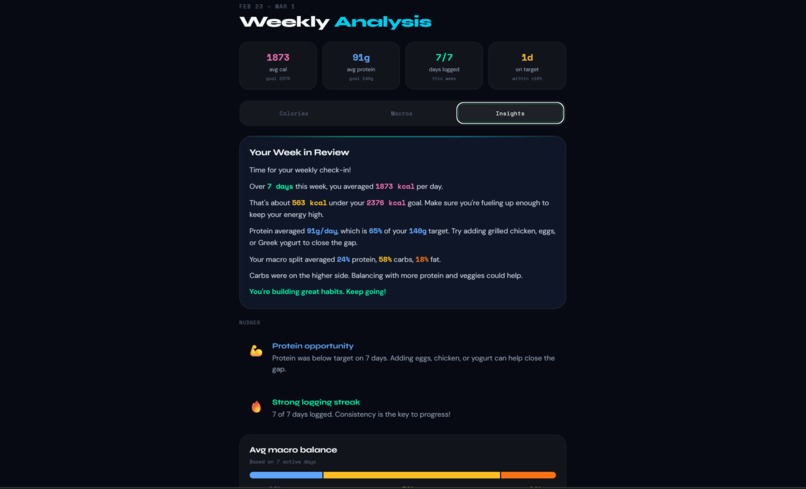
Insight
-
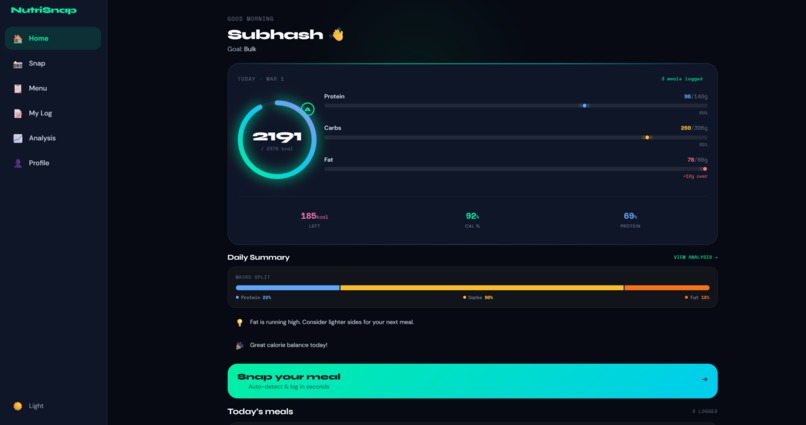
Dashboard
-
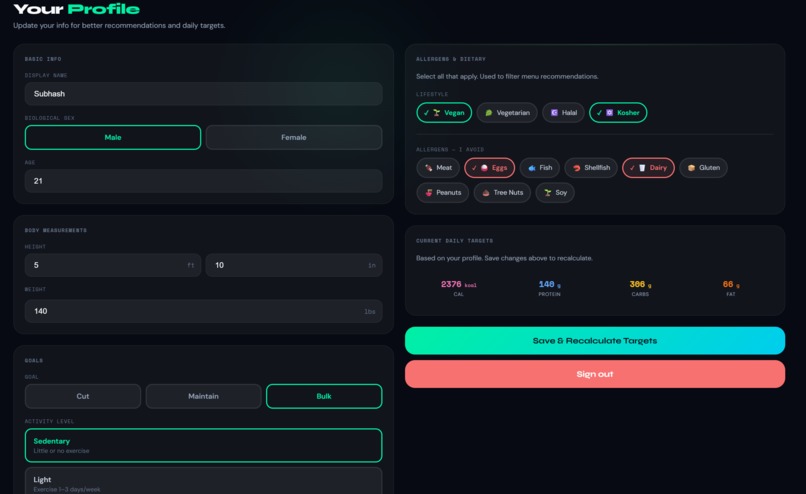
Profile
-
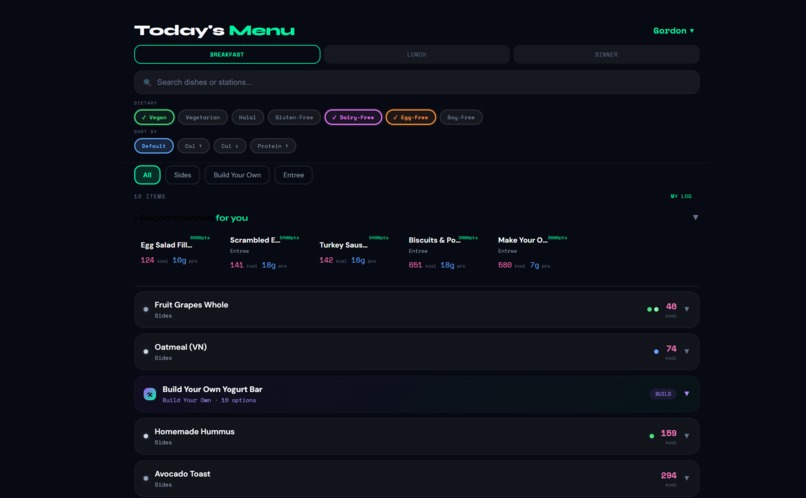
Menu page
About the Project
NutriSnap began from personal experience. One of our teammates did not realize how quickly unhealthy eating patterns were building until he had already gained excessive weight and started facing health issues. It was never one single unhealthy meal, but the accumulation of small, untracked habits over time. Another teammate had heard repeated complaints from friends that calorie trackers were useful in theory but frustrating in practice. Manual logging was slow, inconvenient, and easy to quit. This made us realize that the real problem was not the lack of nutrition information, but the lack of accessible, low friction awareness.
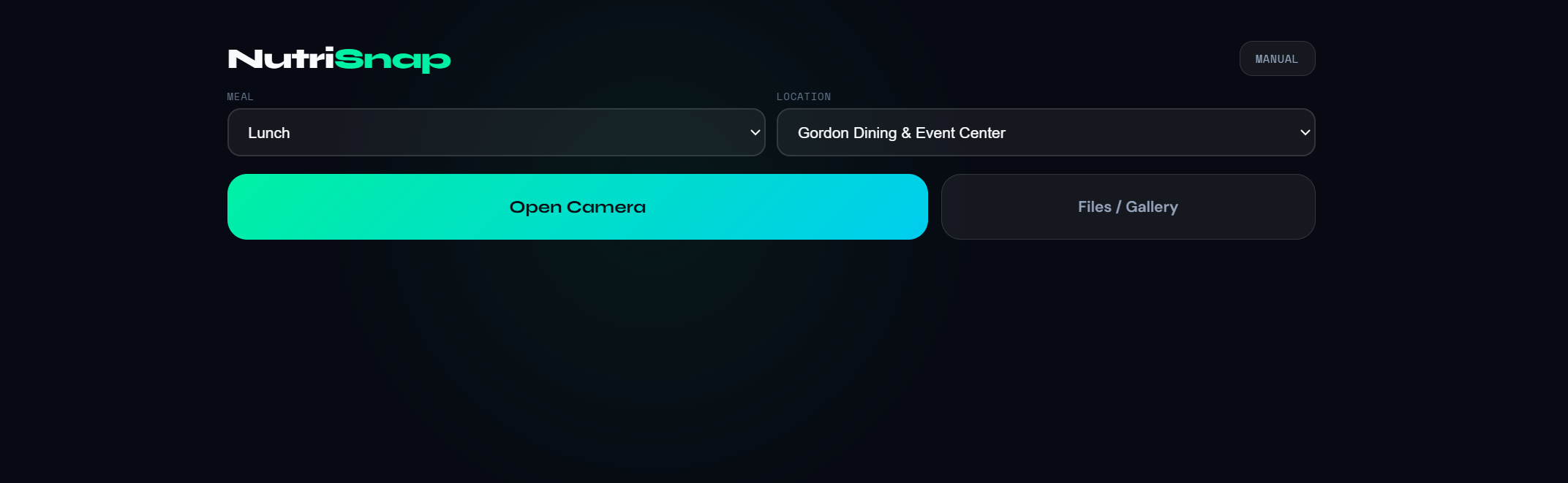
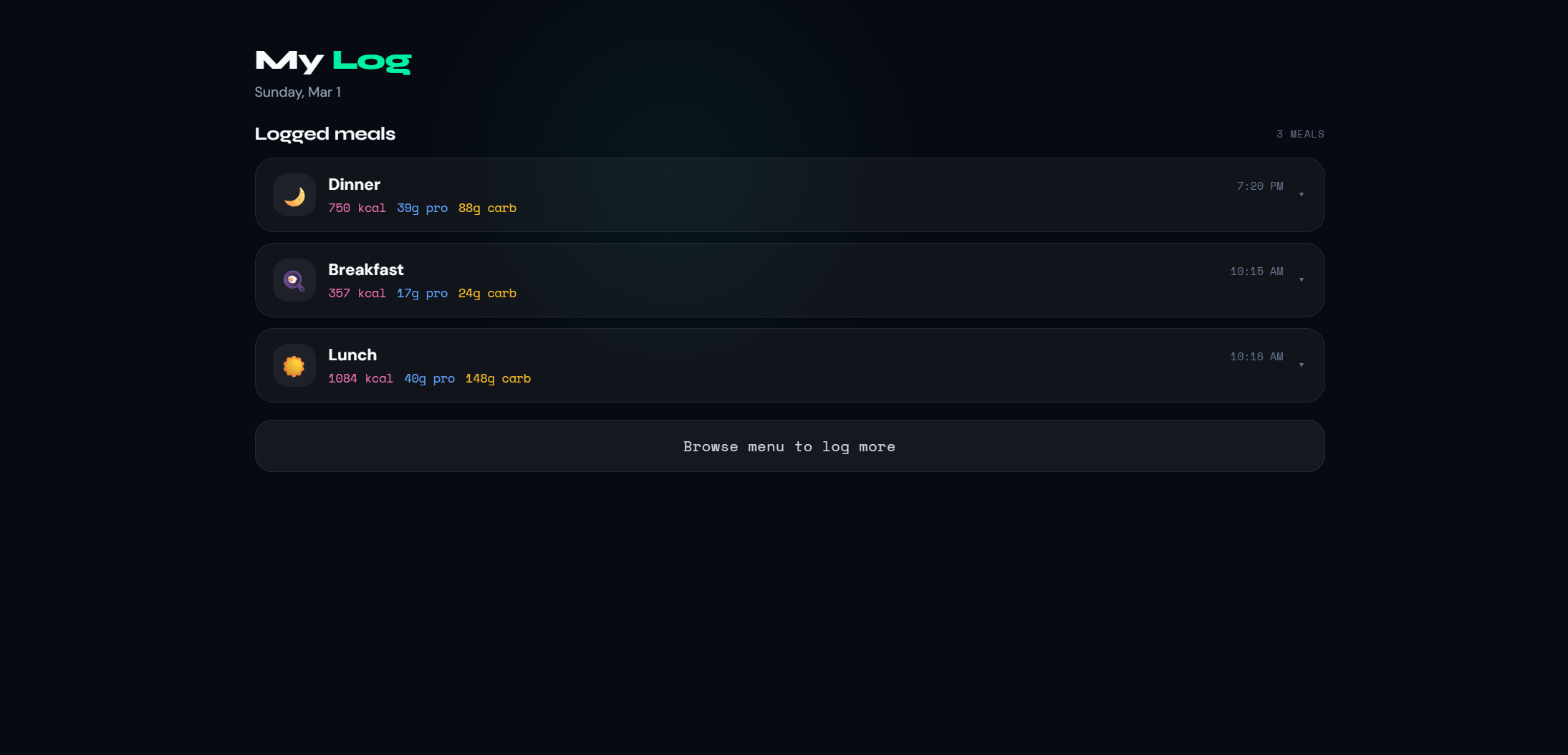
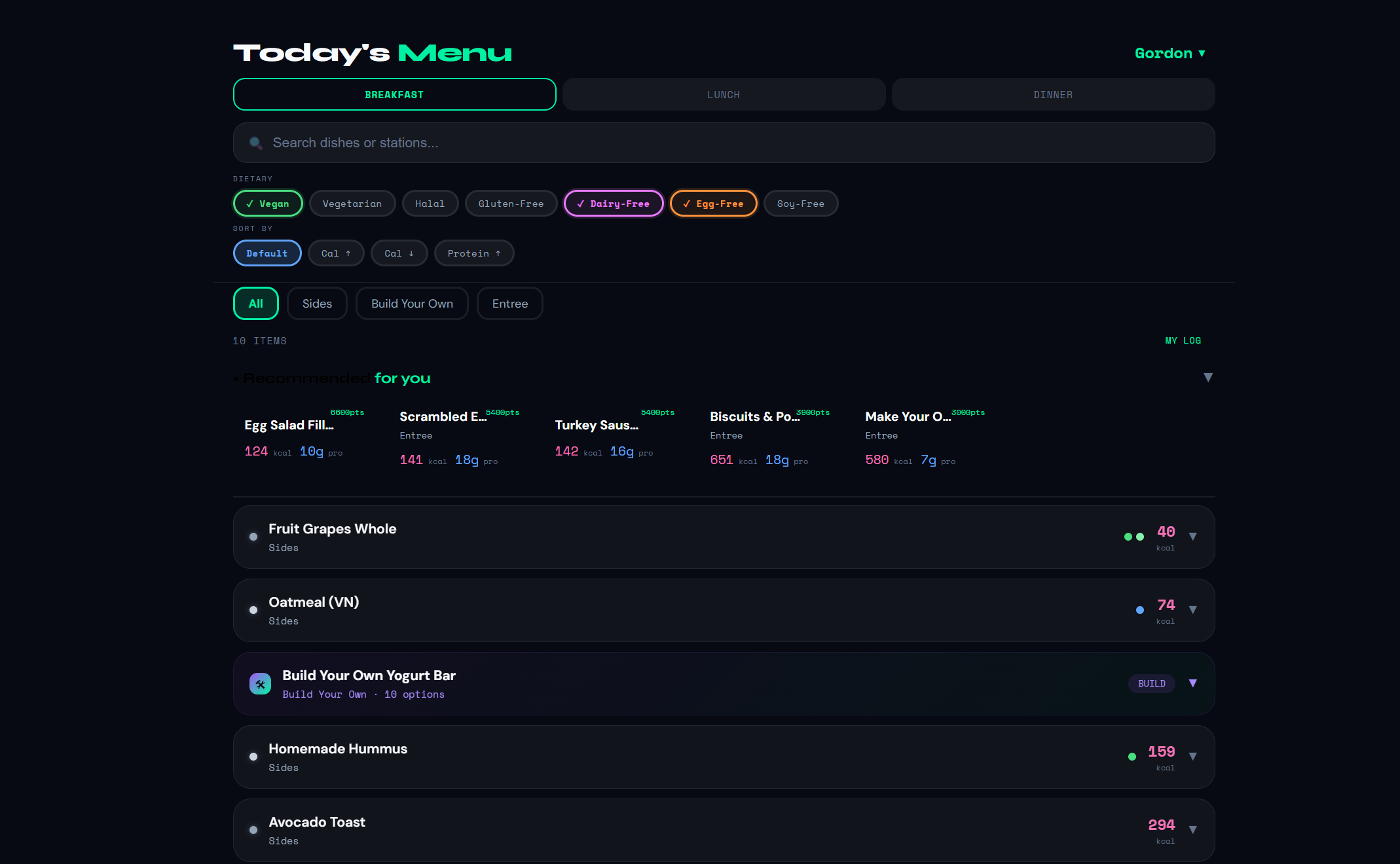
This inspired us to build NutriSnap, an AI powered nutrition coach designed for student life. Instead of forcing users to manually search and log meals, NutriSnap allows them to snap a photo of their food or check their campus dining hall menu. Our app pulls live dining hall menu data and uses Gemini to classify foods and generate nutrition insights. This allows students to instantly understand what they are eating and make informed decisions.
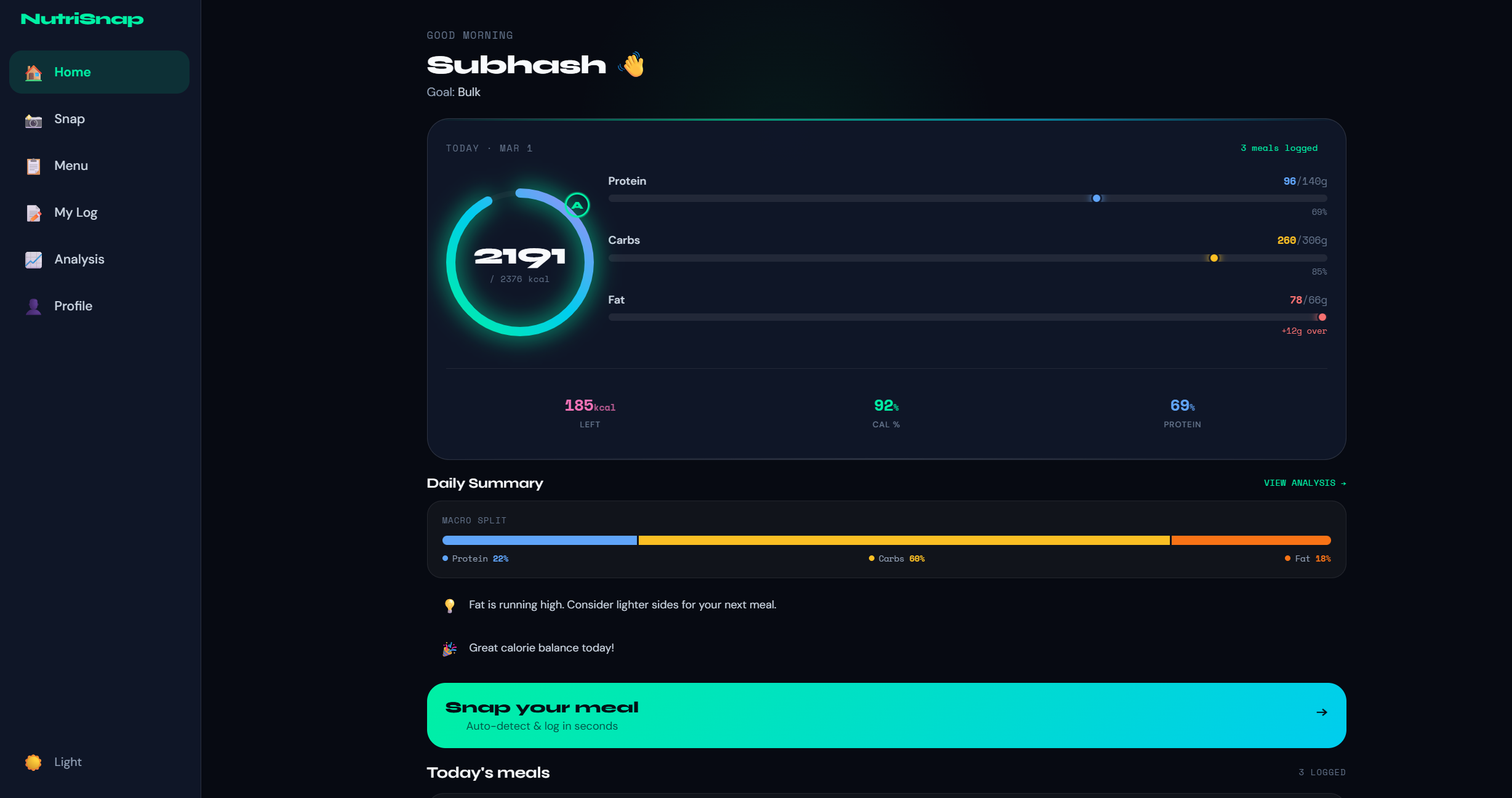
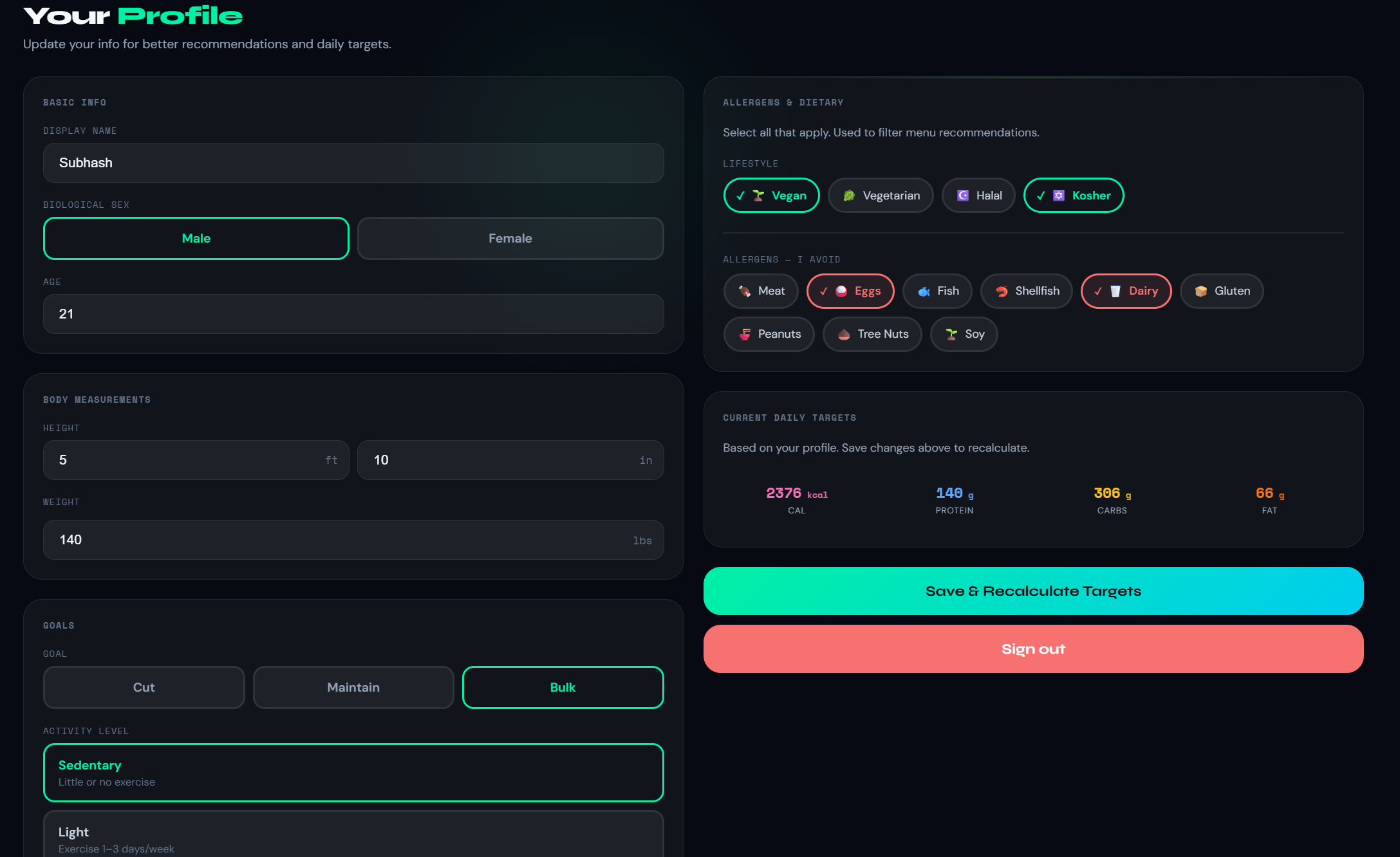
We also wanted NutriSnap to help students plan meals based on their health goals. To support this, we incorporated a metabolic baseline using resting metabolic rate, which represents the energy the body uses at rest. This provides a foundation for estimating daily needs:
$$ \text{Daily Calorie Target} = \text{Resting Metabolic Rate} + \Delta $$
where $\Delta$ represents a surplus for bulking or a deficit for cutting. This transforms nutrition from guessing into informed planning.
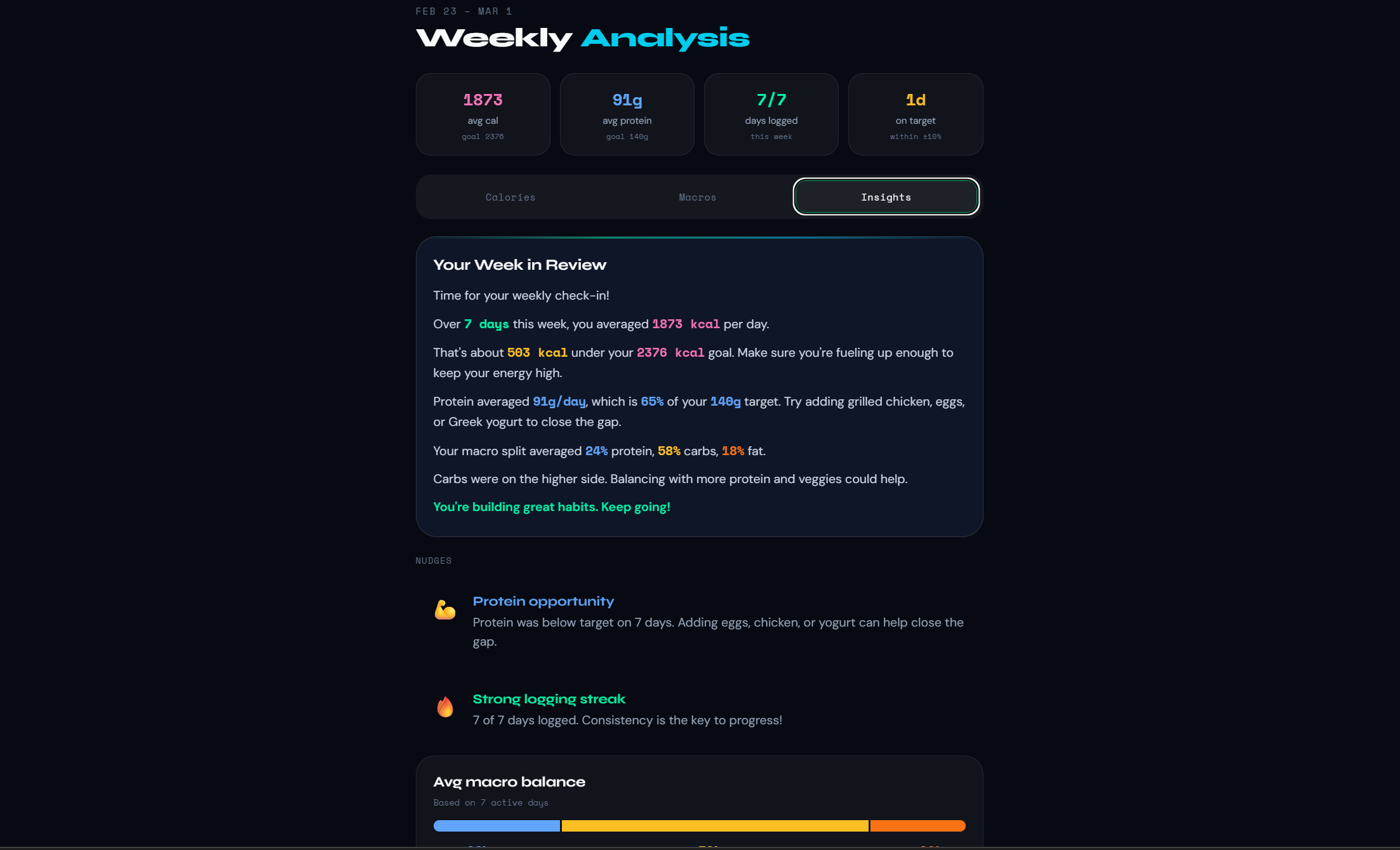
One of the hardest challenges we faced was building the seven day insight algorithm. Showing one day of calories does not provide meaningful feedback. Real health awareness comes from trends over time. We designed a system that aggregates daily intake and analyzes patterns so users can see where they can improve. This required building logic that could still generate useful insights even when data was incomplete.
Another major challenge was image analysis and food matching. Detecting food in an image is difficult, but matching it to the correct dining hall item is even harder. Many foods look similar, and meals often contain multiple components. To solve this, we compared image predictions against the current dining hall menu to narrow possibilities. When automatic matching was uncertain, manual entry was provided as a reliable fallback.
Through this project, we learned that usability matters more than perfect accuracy. Students need tools that fit naturally into their daily lives. We learned how to integrate AI image analysis, real world dining data, and personalized insight into one seamless system. We also learned how to design feedback that encourages awareness rather than shame.
NutriSnap is only the beginning. Our next step is expanding beyond campus dining services and improving recognition accuracy and personalization. Our goal is to help students build sustainable health awareness over time. NutriSnap does not aim to judge users. It aims to empower them with knowledge.
Built With
- cloudflare-cdn
- cloudflare-pages
- css
- express.js
- git
- github
- google-cloud-vision/vertex-ai
- html
- javascript
- node.js
- render
- supabase-(postgresql)

Log in or sign up for Devpost to join the conversation.