-
Welcome!
-
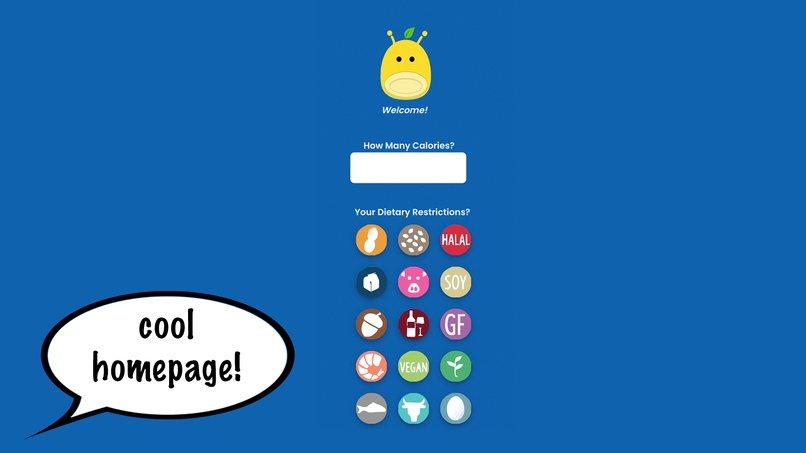
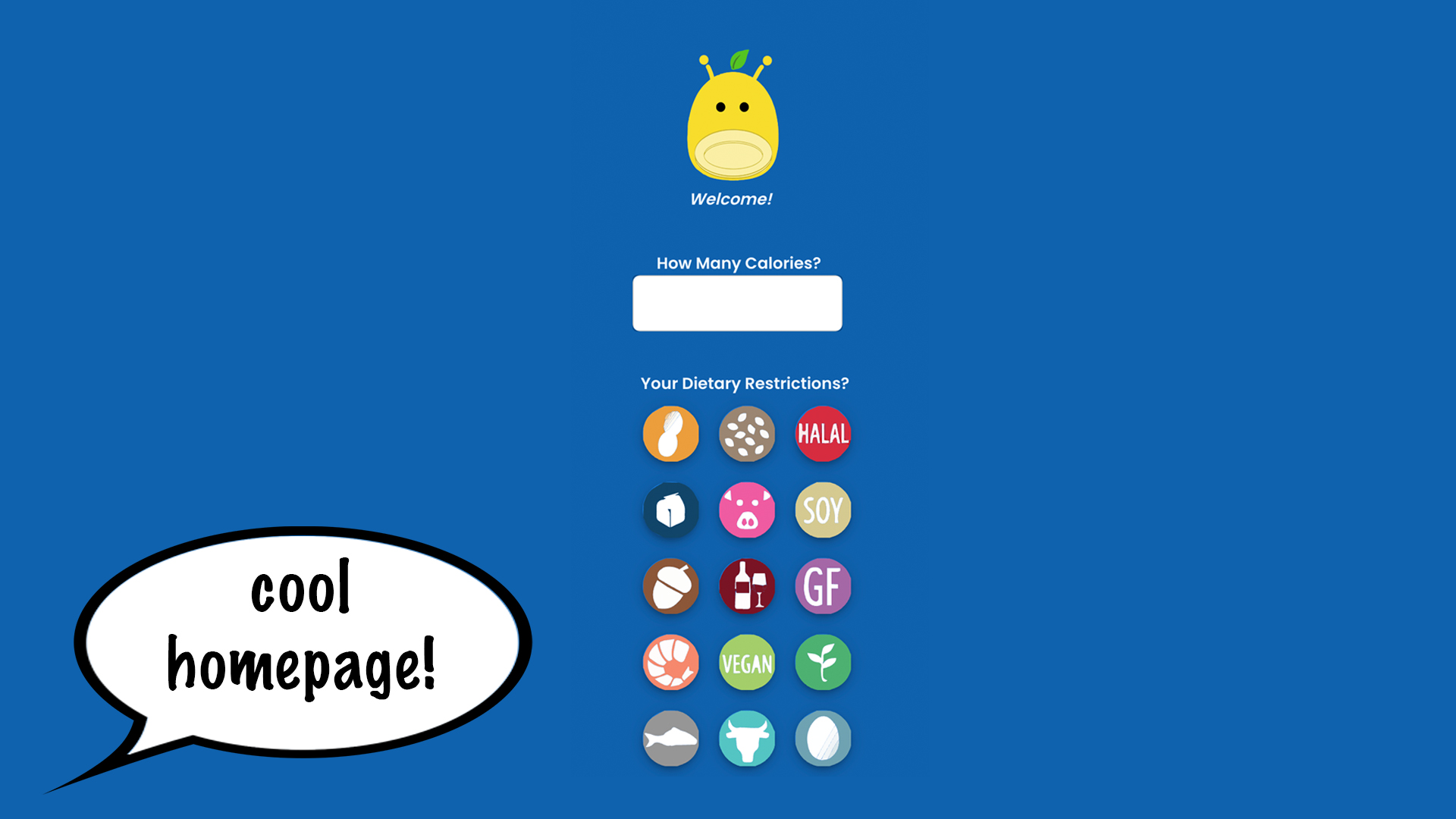
Here is the homepage of NutriSlug.
-
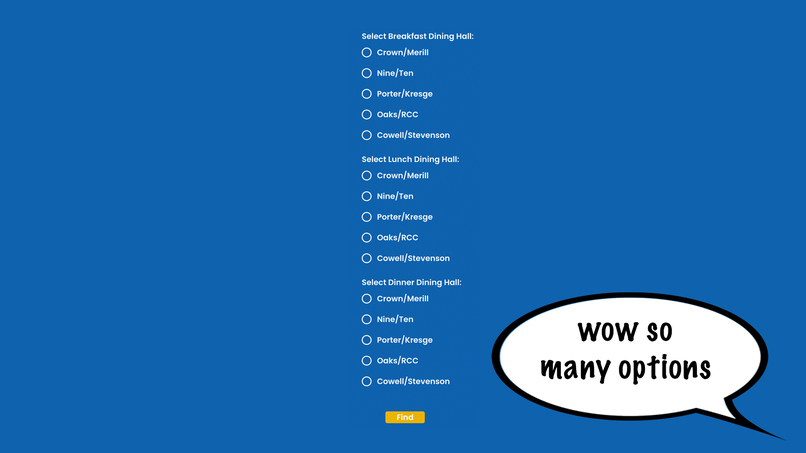
Here is more of the homepage of NutriSlug.
-
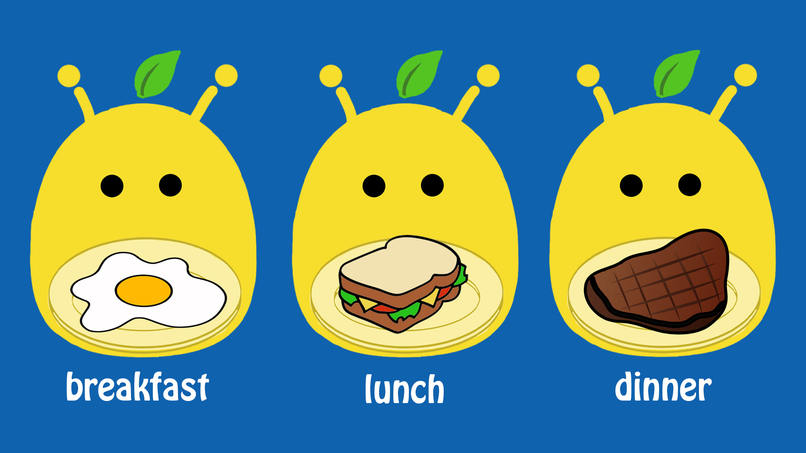
Breakfast, lunch, and dinner are made easy with NutriSlug.
-
Thank you!



Inspiration
Every member of our team has a story about struggling and working towards improving our overall physical well-being. When we decided it was time to pursue a better life through our health, we naturally had to consider our nutrition and food consumption habits. However, upon arriving at UCSC, we noticed a greater difficulty in maintaining a healthy diet. In addition to the inconsistent dining hall food, the web application displaying the available foods and their nutrition facts was incredibly difficult to navigate and use to track our calorie and macronutrient consumption. Hence, at this year's CruzHacks hackathon, we decided it was time to take matters into our own hands and build a better webpage.
What It Does
From the UCSC Dining Hall Menus website (https://nutrition.sa.ucsc.edu/), our web application obtains the available food from each dining hall and its nutrition information (calories, protein, carbohydrates, and fat) and generates possible meal options using AI and adjusts suggestions based on previously selected options and user information such as dietary restrictions.
How We Built It
We used a shared GitHub repository and a stack consisting of Python and React.js. We used Python for web-scraping and AI processing + generation and React.js for all front-end displays and processes.
Challenges We Ran Into
We found it difficult to handle the size of the web-scrape payload, choosing what to discard or add, and how to optimize its performance given the large amounts of data we were attempting to obtain on and the number of requests we had to send to the UCSC Menus' website. We also found it difficult to connect the back and front ends of our application since we were unfamiliar with fusing the languages that we knew.
Accomplishments That We're Proud Of
We are proud that we were able to develop a working web scraper with Python that would convert a day's worth of dining hall menus into a readable .json file that our AI could understand and process. We were also proud of the AI itself, seeing as it was made completely from scratch, giving us full customization and saving us resources on unnecessary processes.
What We Learned
We learned how to work with other team members who possessed a diverse and different set of experiences and knowledge. We also enhanced our ability and skills in machine learning and web development.
What's Next for NutriSlug?
We plan to continue developing our AI algorithm, enhancing the scale and optimizing the performance of the web application, and seeking out our first clients, possible investors, and prospective mentors.

Log in or sign up for Devpost to join the conversation.