-
-
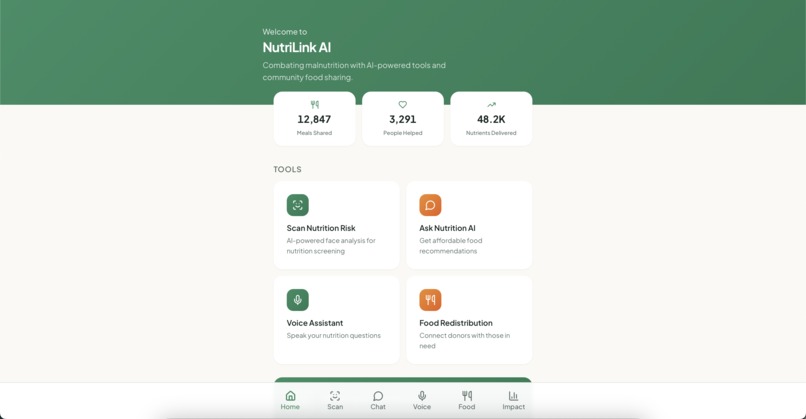
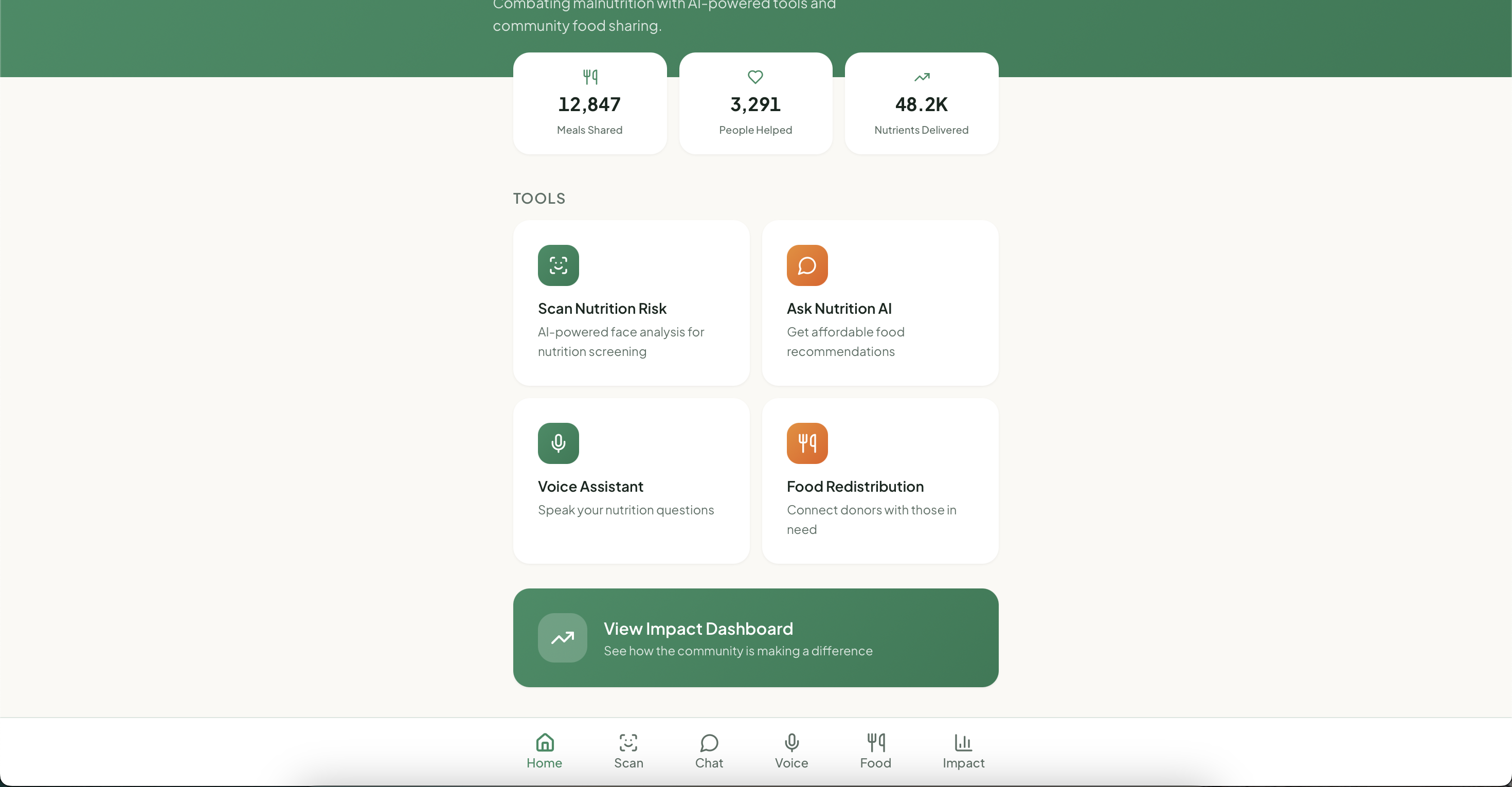
NutriLink Website Homepage 1/2
-
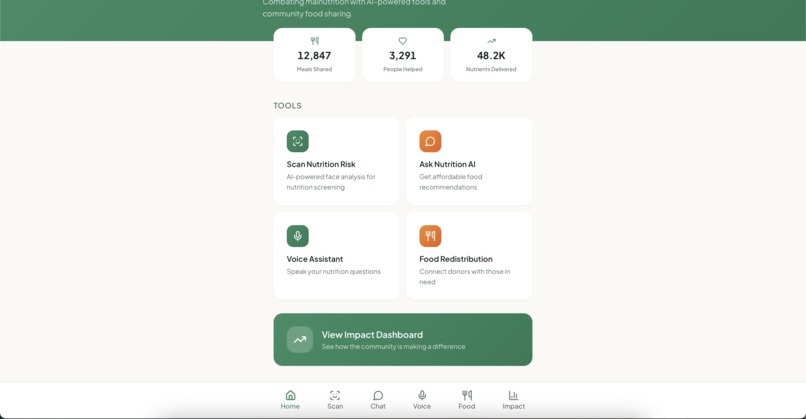
NutriLink Website Homepage 2/2
-
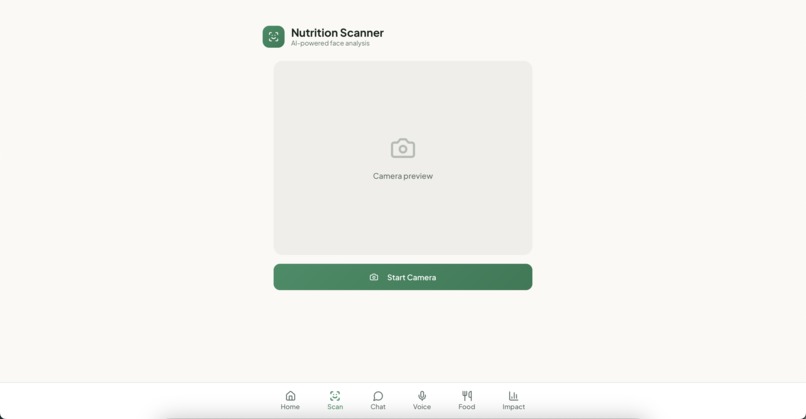
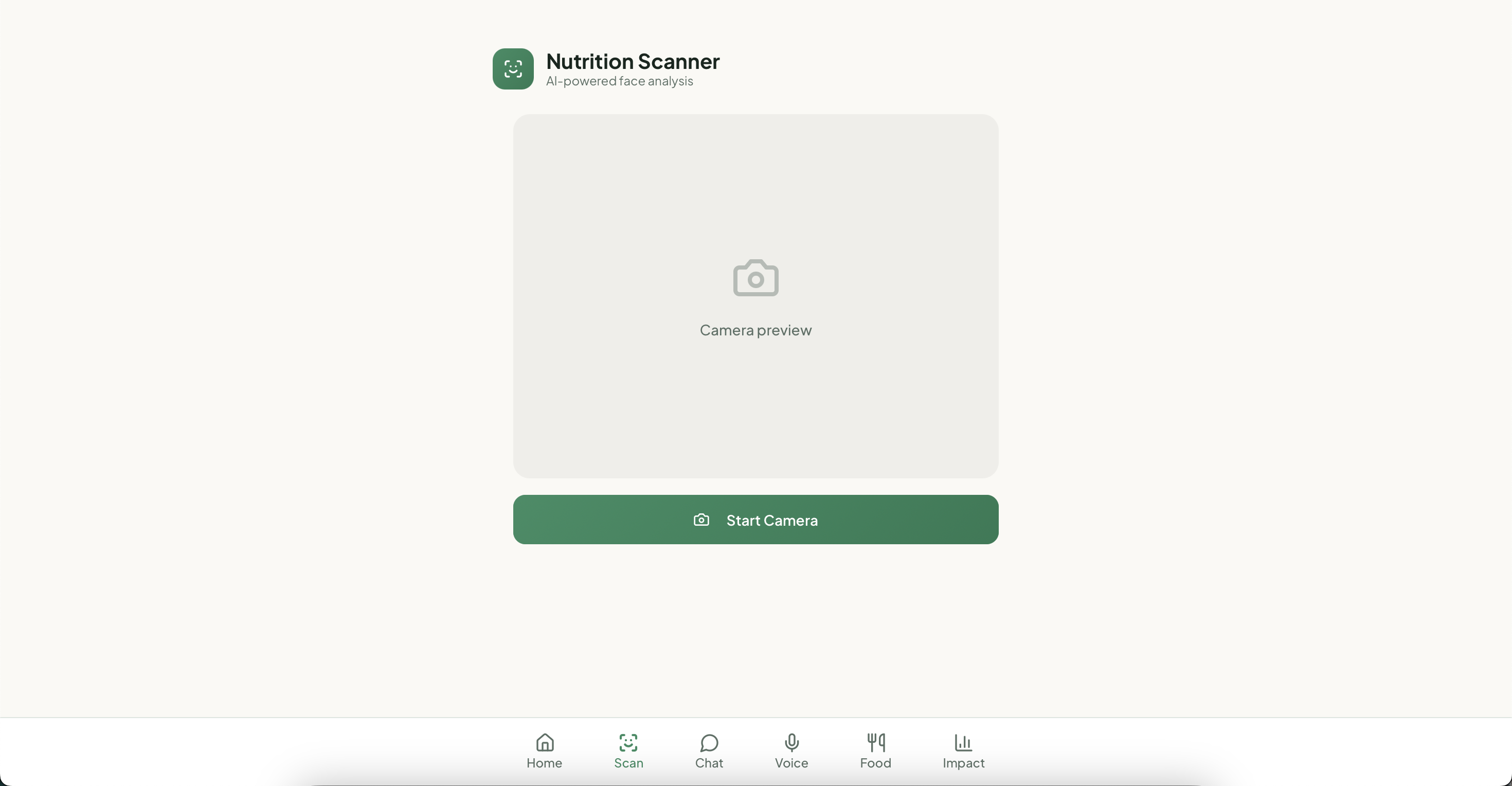
NutriLink Website Scan Page
-
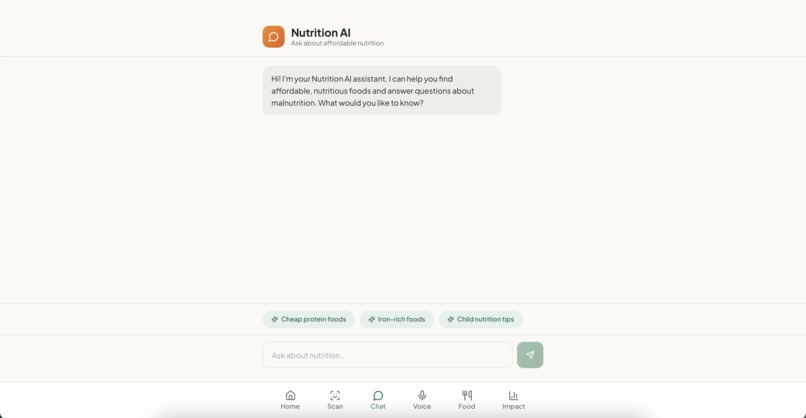
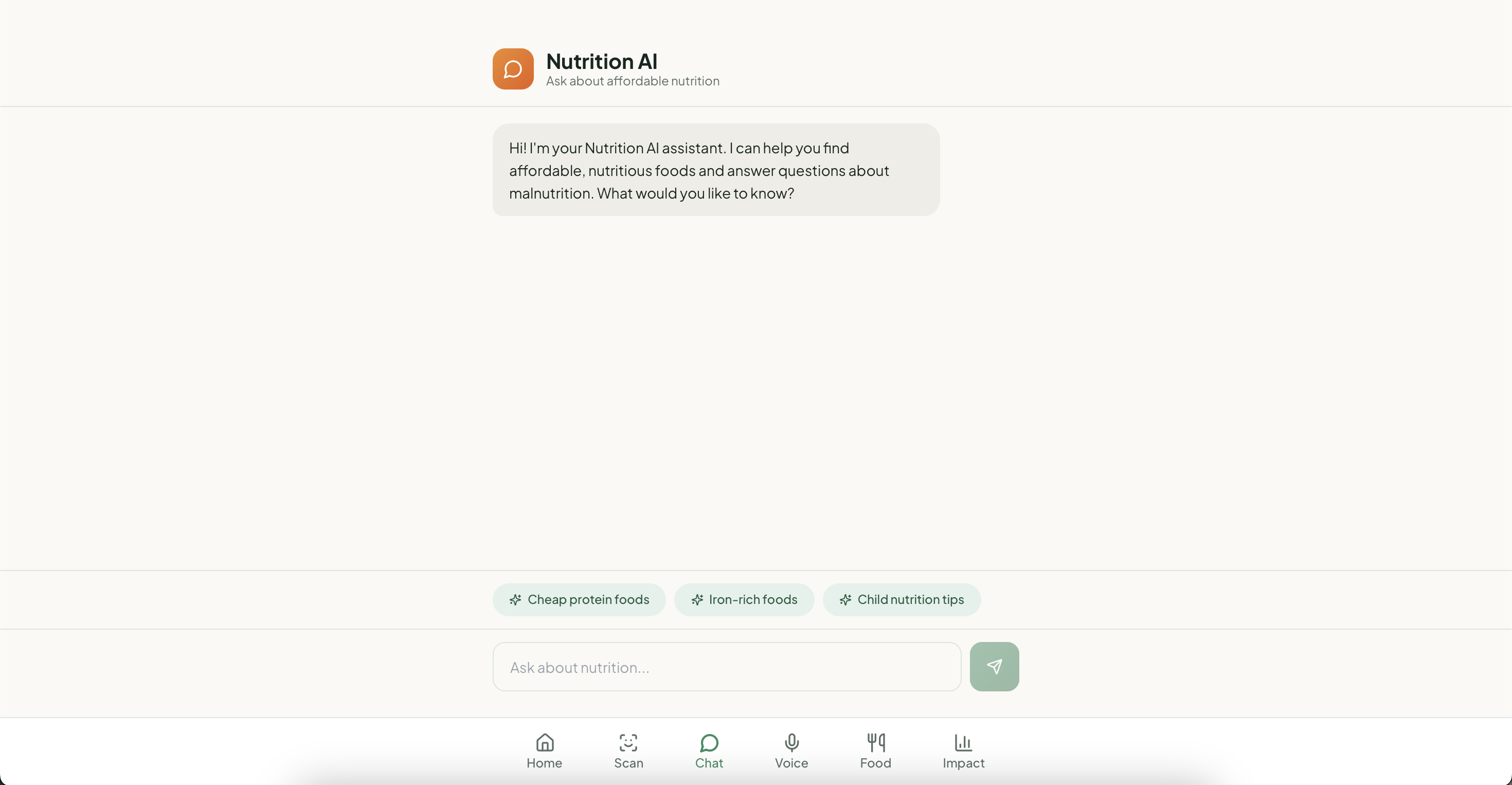
NutriLink Website Chatbot Page
-
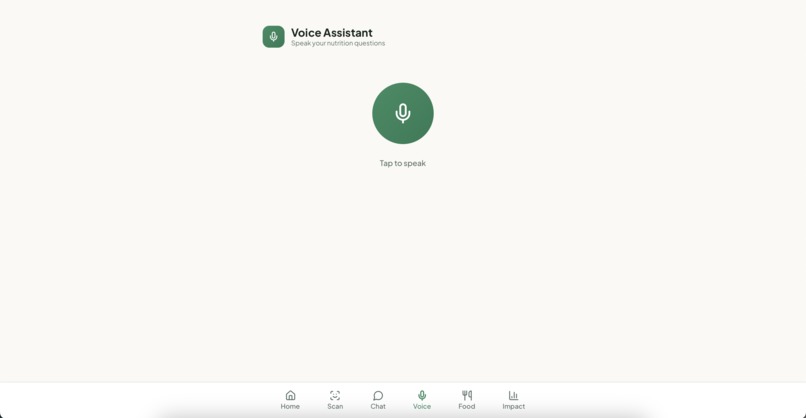
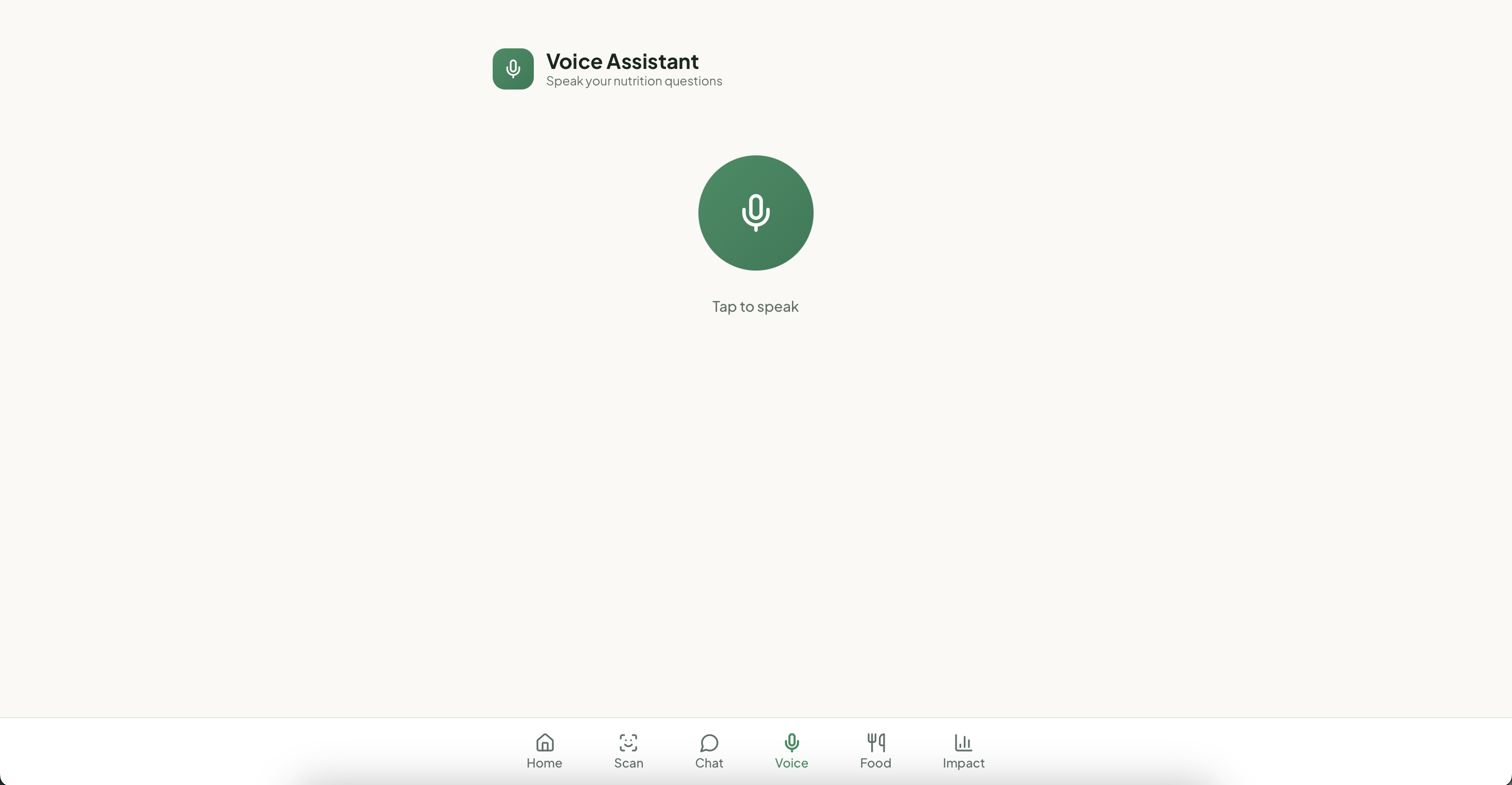
NutriLink Website Voice AI Page
-
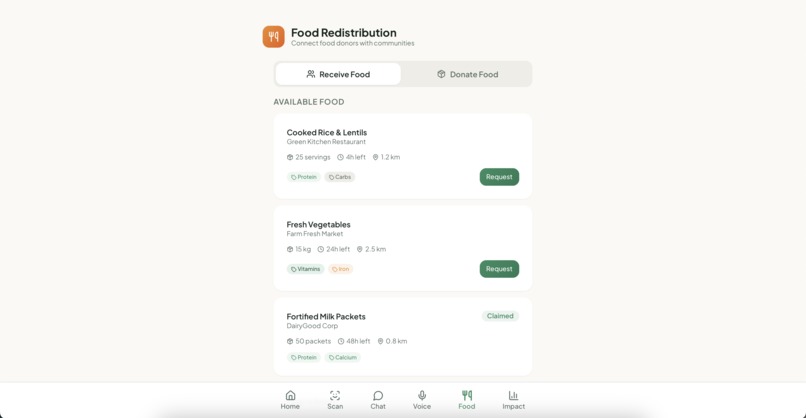
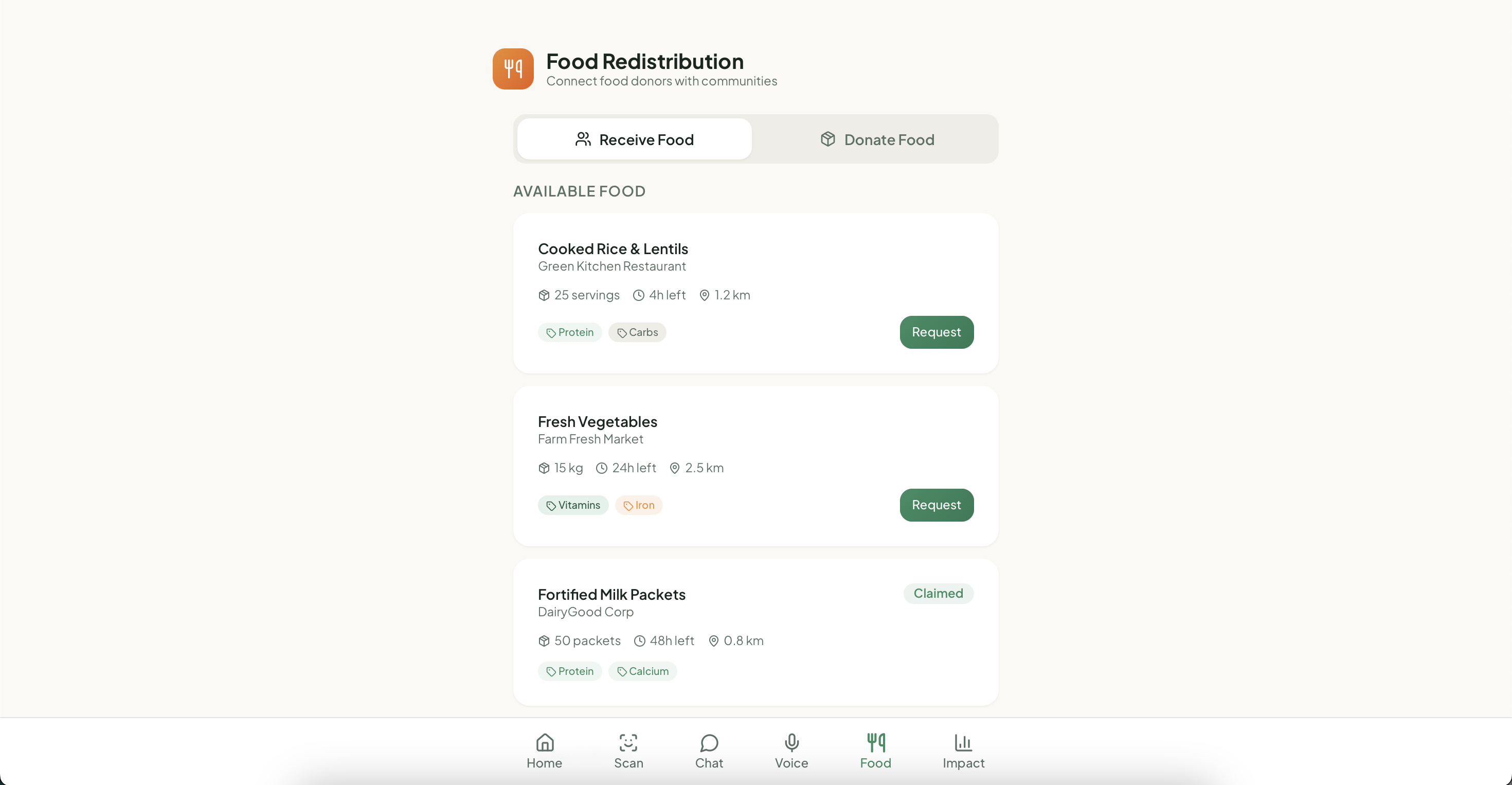
NutriLink Website Food Page 1/2
-
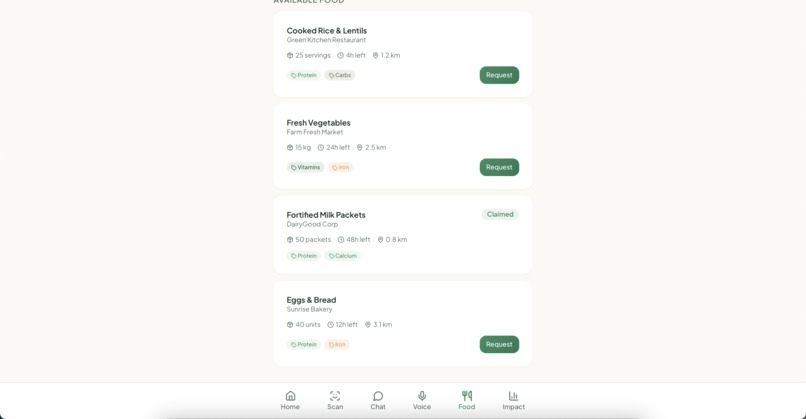
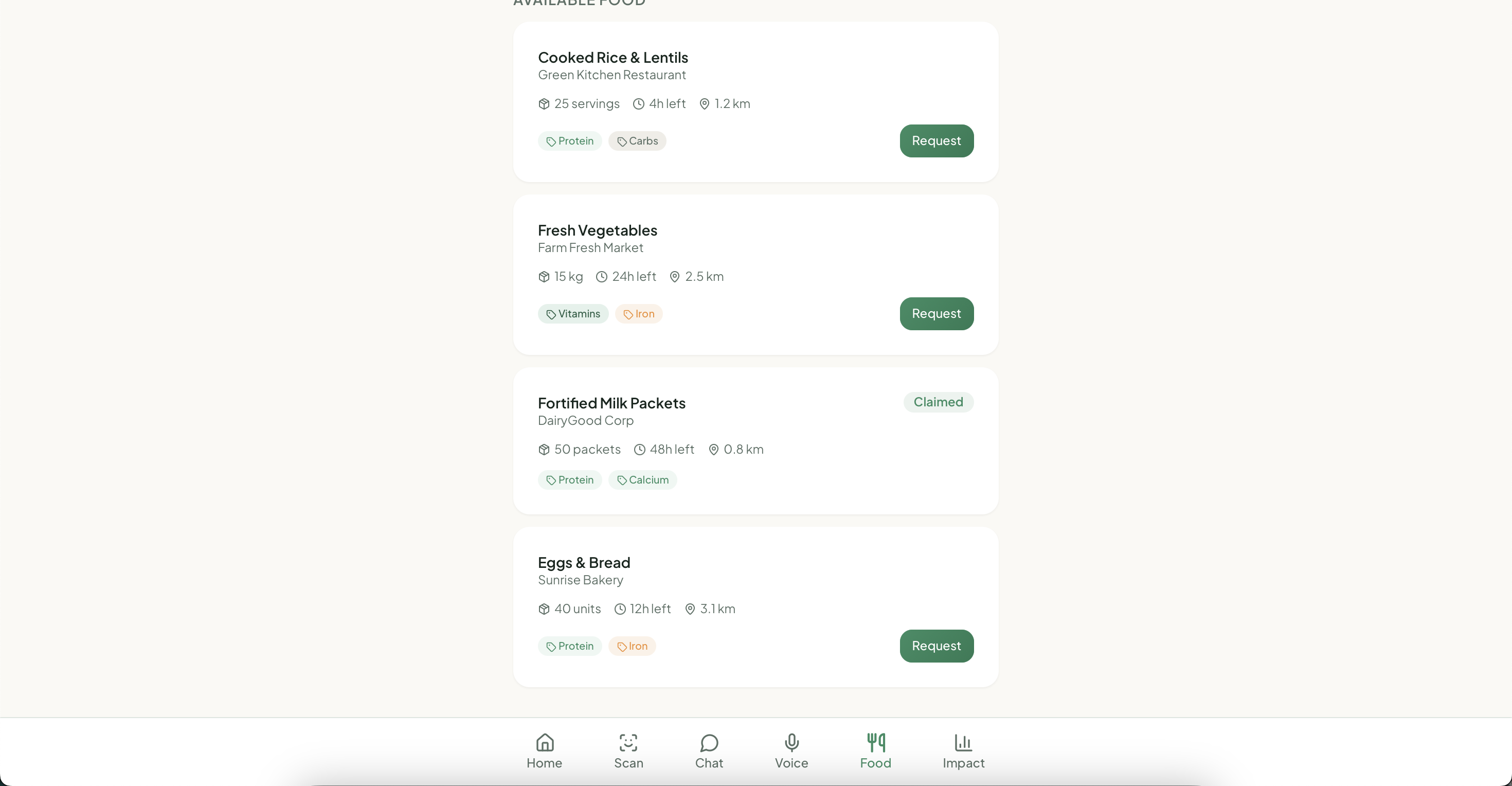
NutriLink Website Food Page 2/2
-
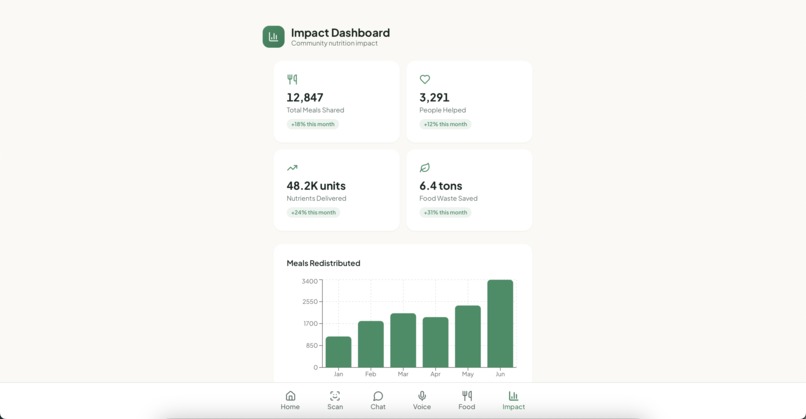
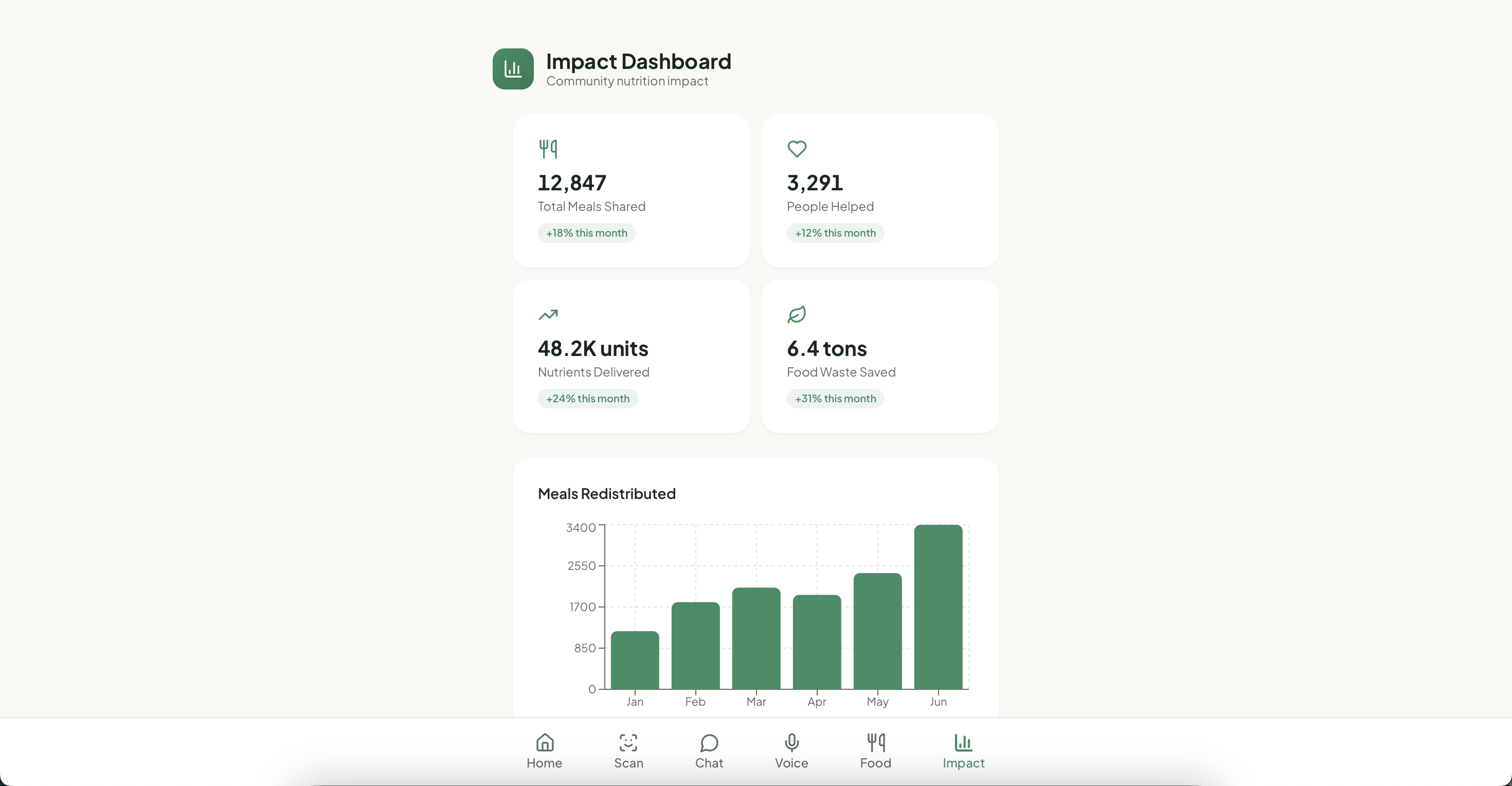
NutriLink Website Impact Page 1/2
-
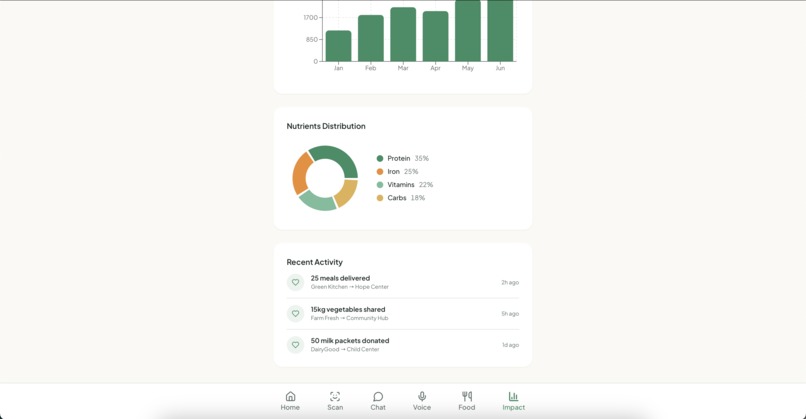
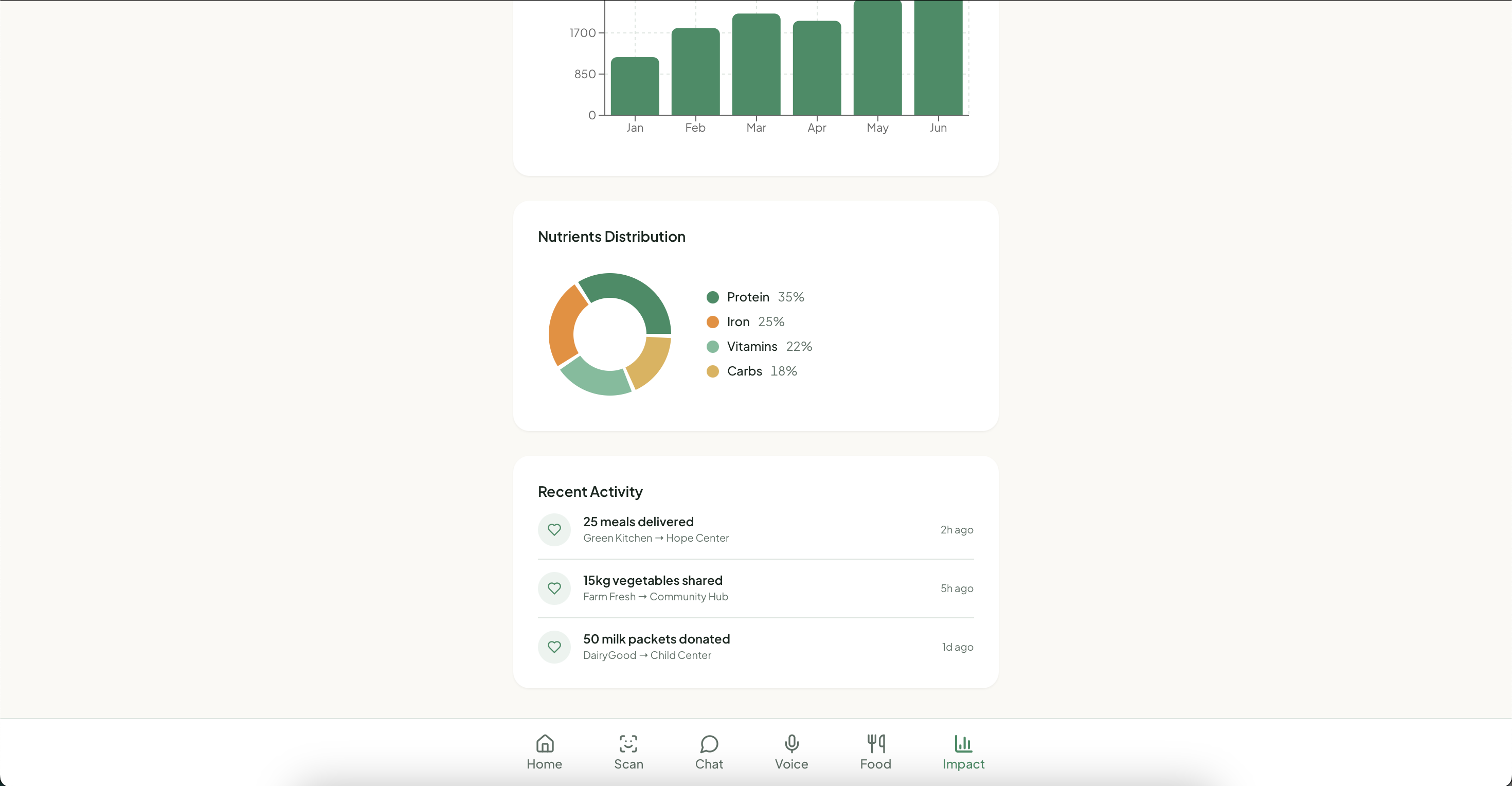
NutriLink Website Impact Page 2/2
-
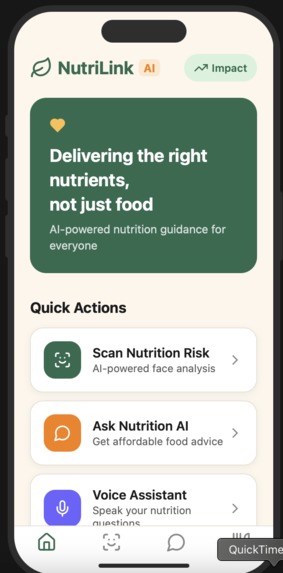
NutriLink Mobile App Home Page 1/2
-
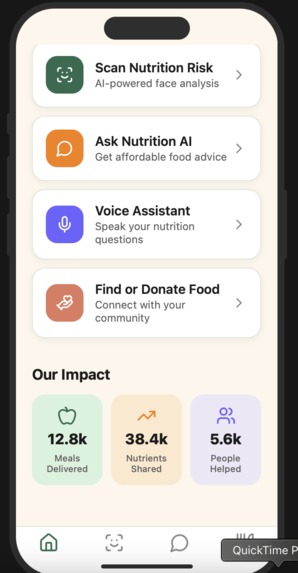
NutriLink Mobile App Home Page 2/2
-
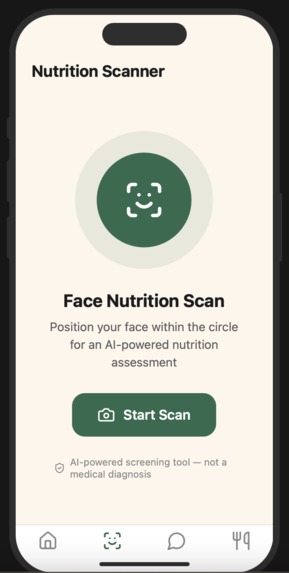
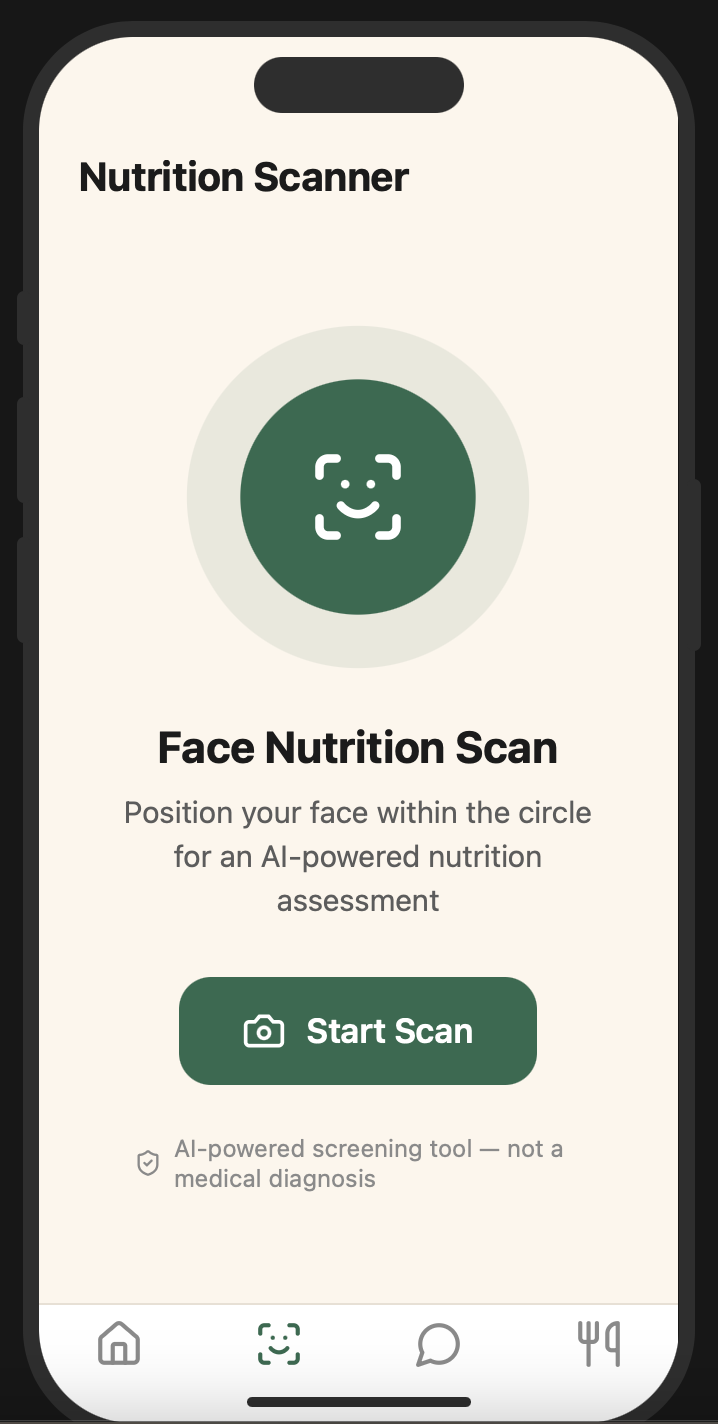
NutriLink Mobile App Scan Page
-
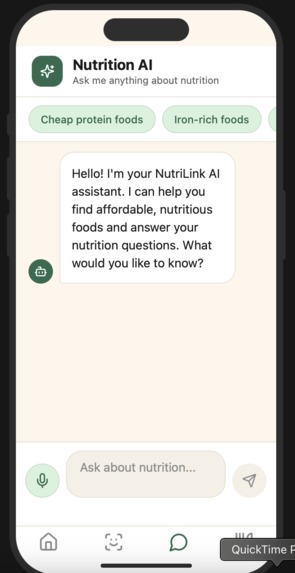
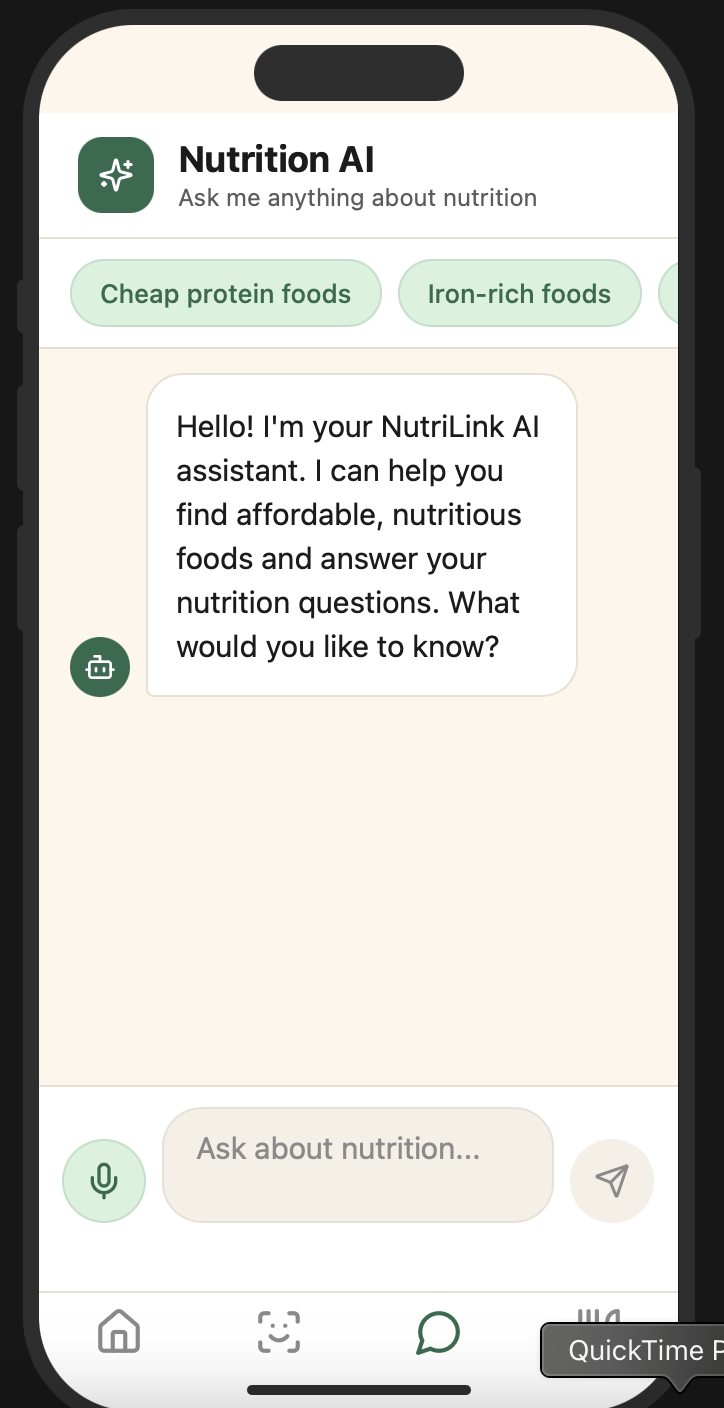
NutriLink Mobile App Chatbot Page
-
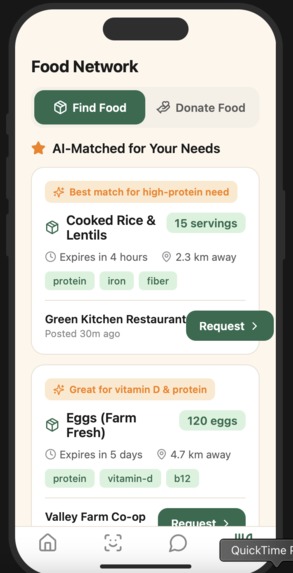
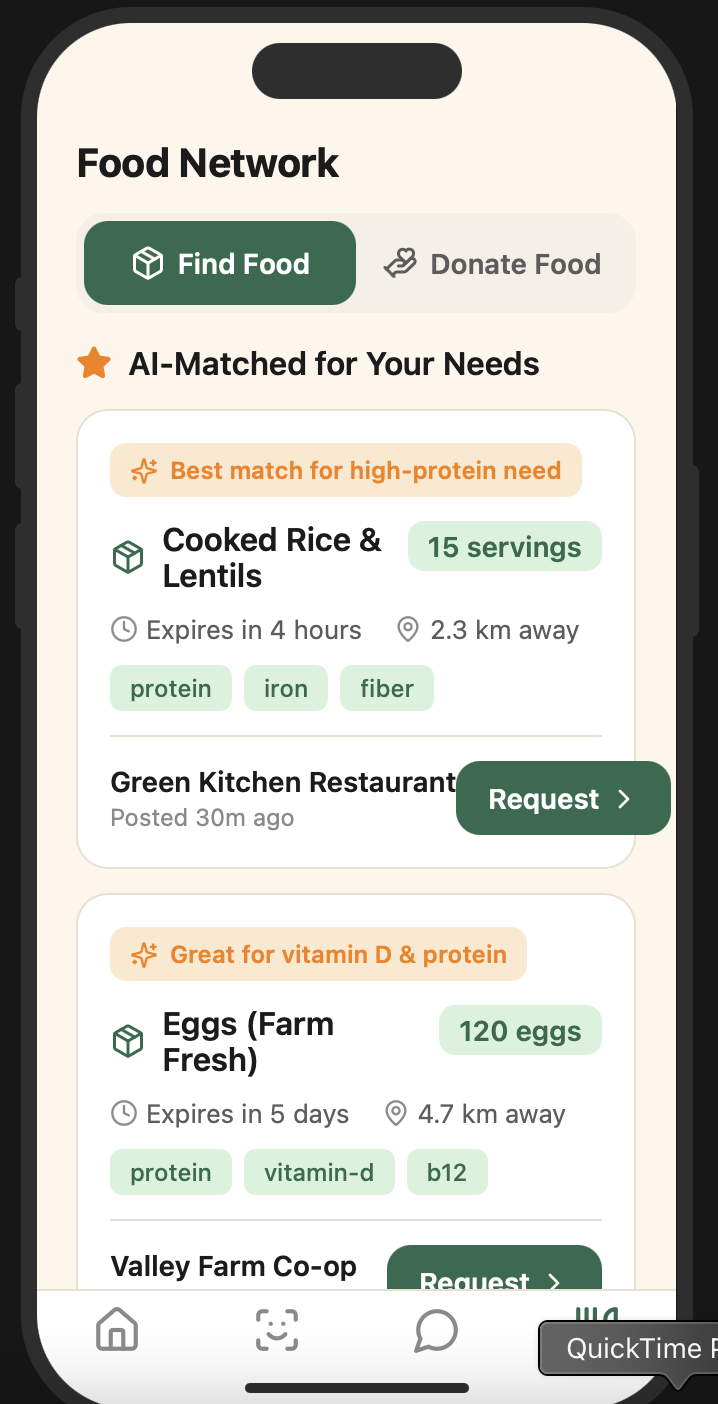
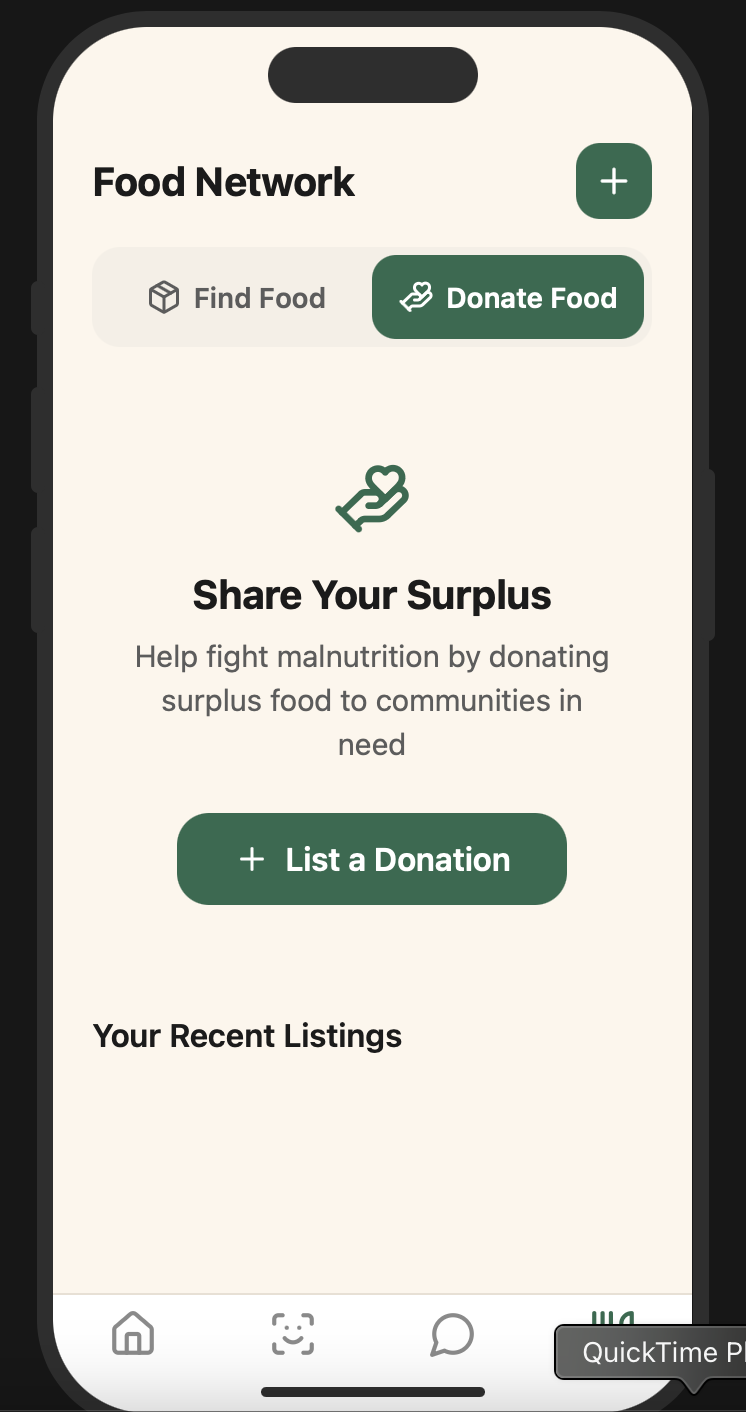
NutriLink Mobile App Food Page 1/2
-
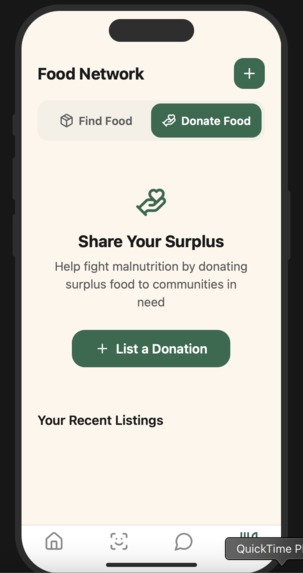
NutriLink Mobile App Food Page 2/2
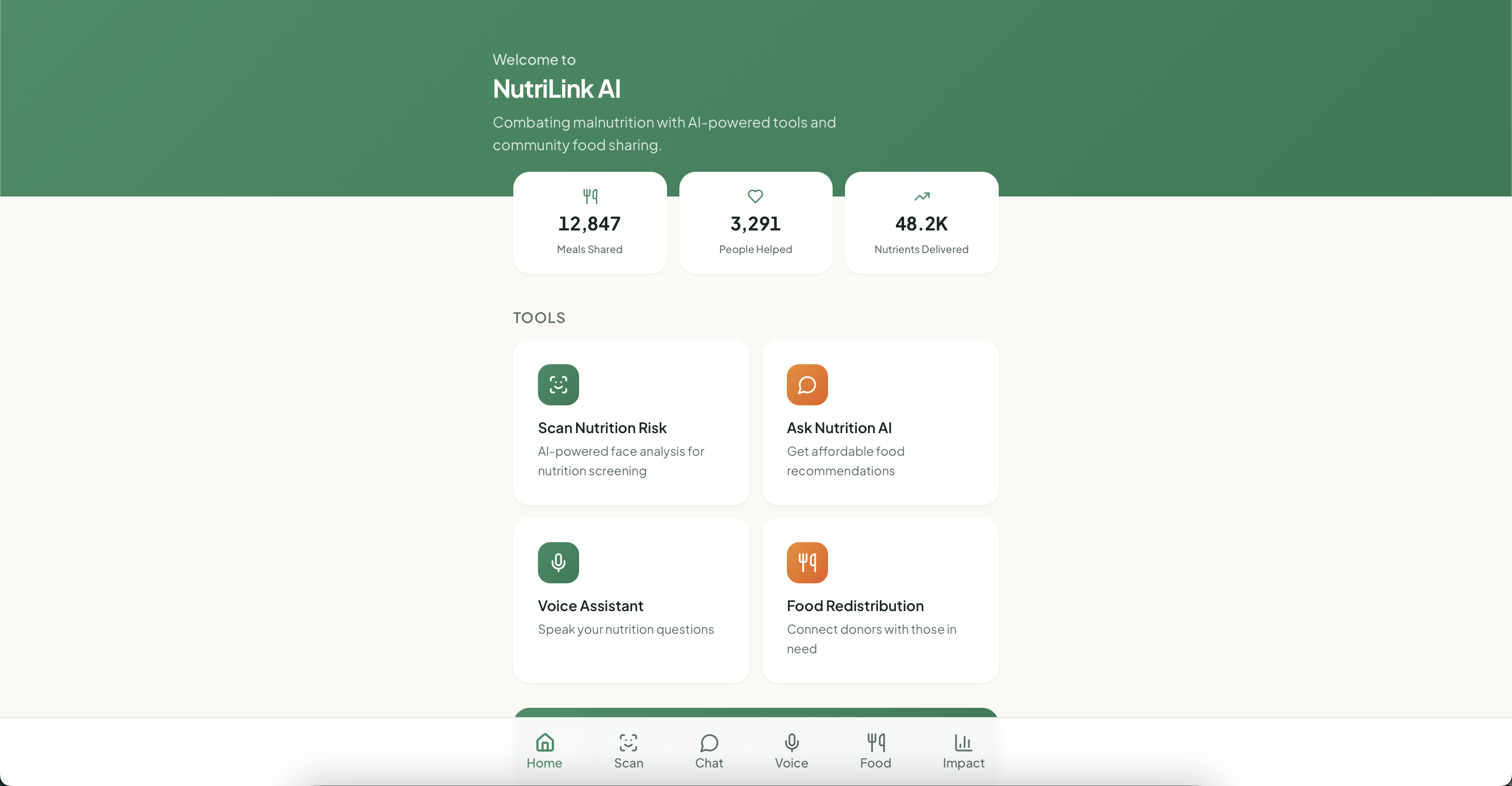
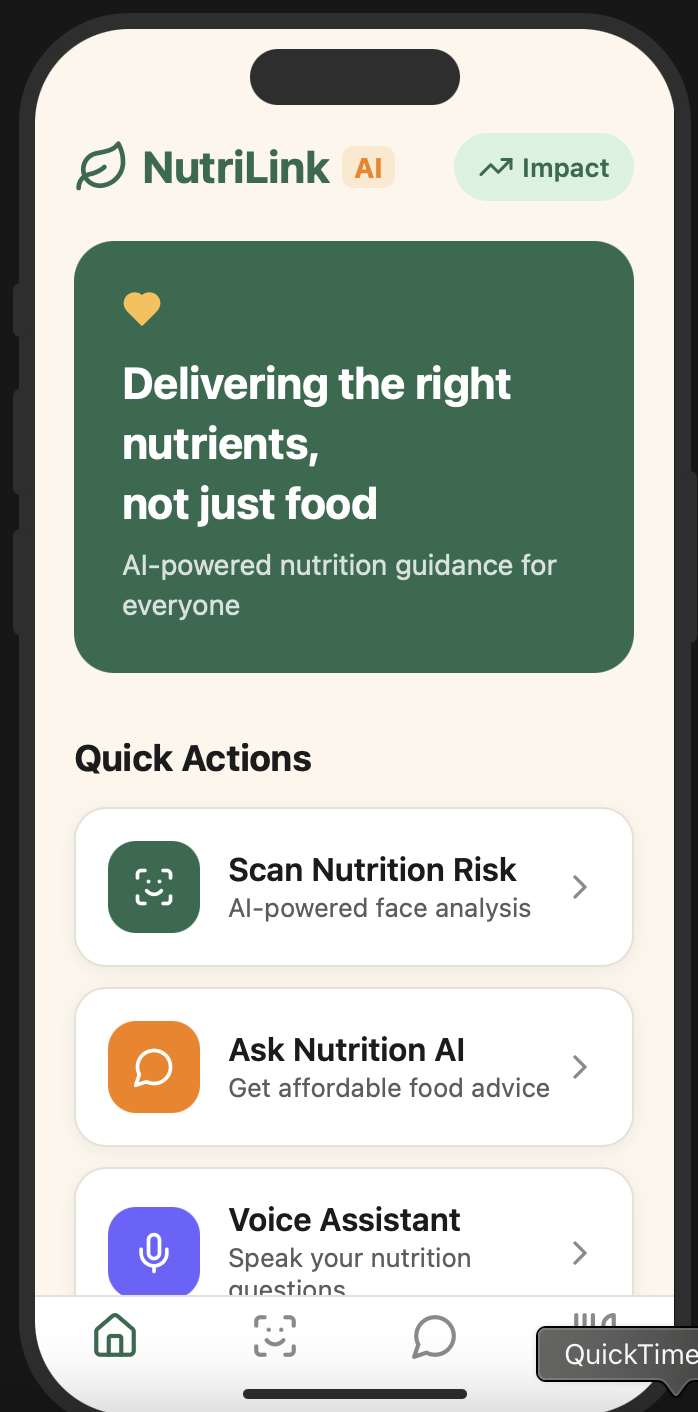
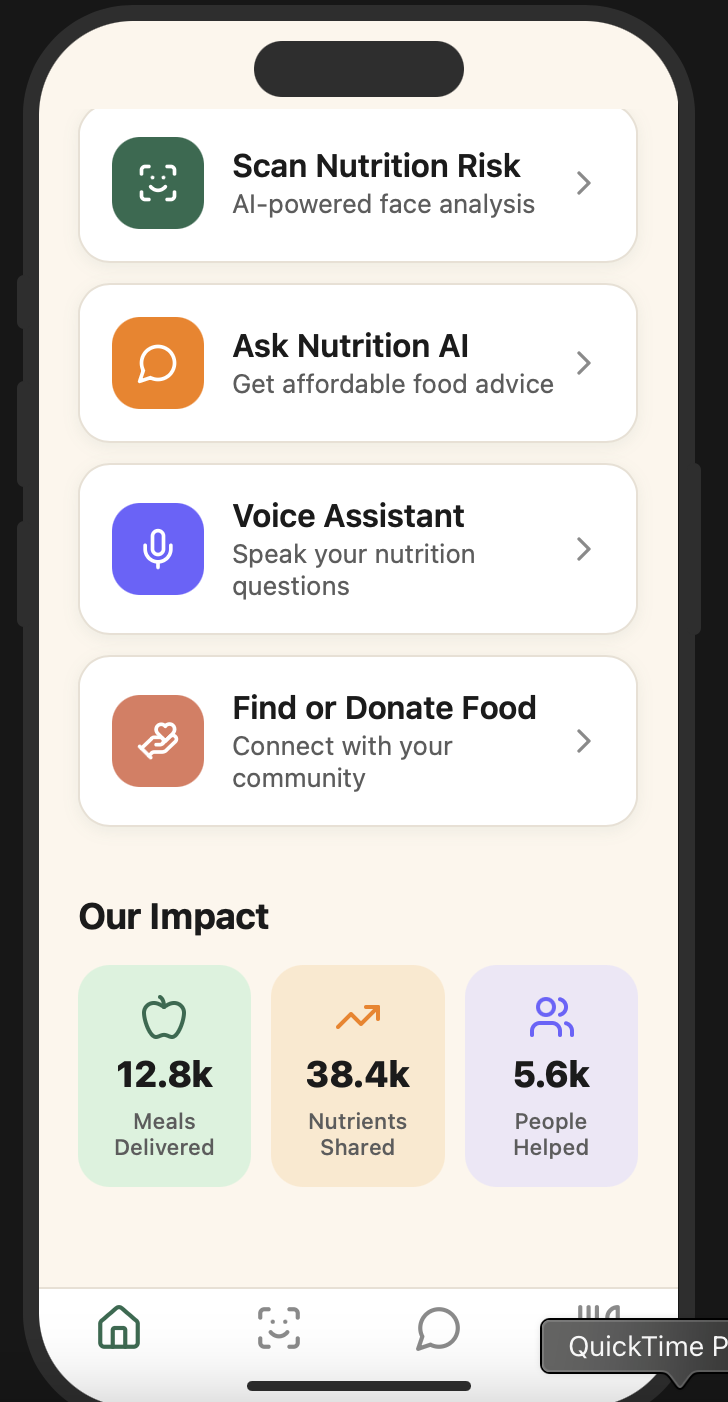
NutriLink AI — Delivering the Right Nutrients, Not Just Food
Inspiration
Over 700 million people worldwide suffer from malnutrition—not just hunger, but a lack of essential nutrients like protein, iron, and vitamins.
What shocked us most is that even when food is available, it often doesn’t match what people’s bodies actually need. Food distribution systems focus on quantity, not nutritional quality.
We wanted to change that. So we built NutriLink AI—a platform that uses AI to ensure people receive the right nutrients, not just calories.
What It Does
NutriLink AI is a mobile-first platform that combines AI, accessibility, and food redistribution to tackle malnutrition in a smarter way.
AI Nutrition Scanner
- Uses computer vision to analyze facial indicators
- Estimates potential malnutrition risk (non-diagnostic)
- Suggests nutrients and affordable foods
Nutrition AI Assistant
- Chat-based assistant powered by AI
- Provides simple, low-cost, locally relevant food recommendations
- Answers nutrition-related questions
Voice Assistant
- Speech-to-text + AI + text-to-speech
- Enables hands-free interaction
- Designed for low-literacy users
Smart Food Redistribution
- Connects donors (restaurants, stores) with receivers (NGOs)
- Matches food based on nutritional needs, not just availability
- Reduces food waste while improving health outcomes
Impact Dashboard
- Tracks meals delivered
- Tracks nutrients distributed
- Measures real-world impact
How We Built It
We combined multiple technologies into one unified platform:
- Frontend: React + React Native (Expo)
- Backend: Firebase / Supabase
AI & APIs:
- OpenAI (chat + reasoning)
- Whisper (speech-to-text)
- Text-to-Speech APIs
Computer Vision: TensorFlow.js / MediaPipe
Data Handling: Cloud database + local caching for low connectivity
We also used heuristic-based models for malnutrition screening due to limited datasets, ensuring the system remains lightweight and fast.
Challenges We Ran Into
- Limited training data for accurate malnutrition detection
- Balancing AI complexity vs. hackathon time constraints
- Designing for low-resource environments (low bandwidth, low literacy)
- Ensuring the system is scalable and realistic, not just theoretical
What We Learned
- Accessibility is just as important as innovation
- AI doesn’t need to be perfect to be impactful
- Real-world constraints lead to better, more thoughtful design
- Combining multiple simple systems can create powerful solutions
What’s Next
- Improve AI accuracy using real health datasets
- Add offline-first syncing for rural communities
- Expand multilingual support
- Partner with NGOs for real-world pilot programs
- Enhance food matching using more advanced optimization models
Our Mission
To make nutrition accessible, intelligent, and equitable for everyone—regardless of location or resources.

Log in or sign up for Devpost to join the conversation.