-
-

Home page
-
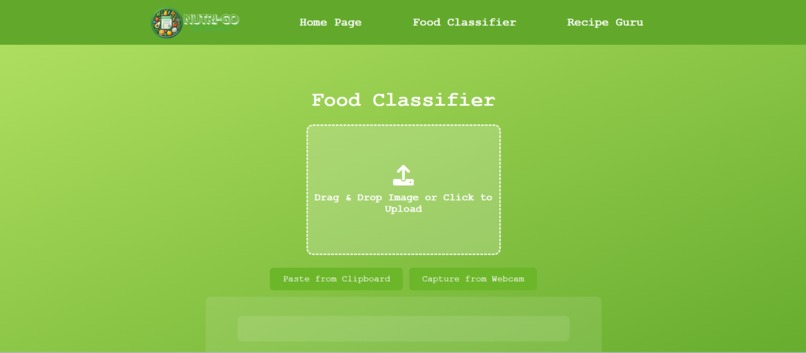
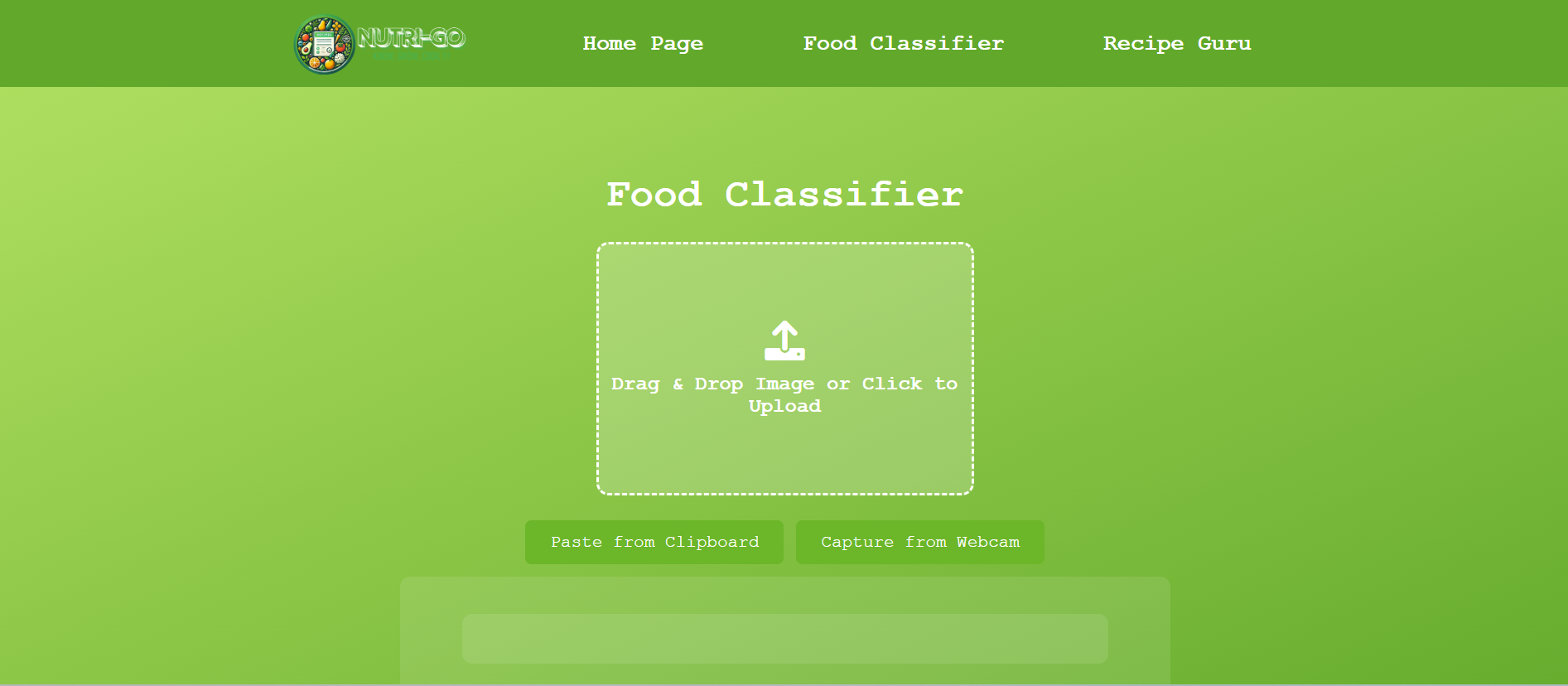
Food Classifier
-
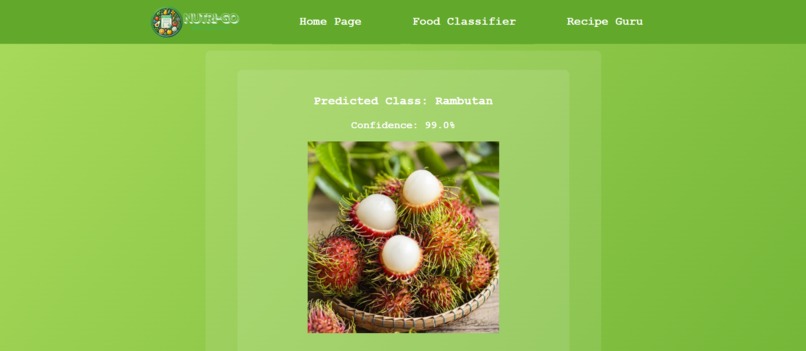
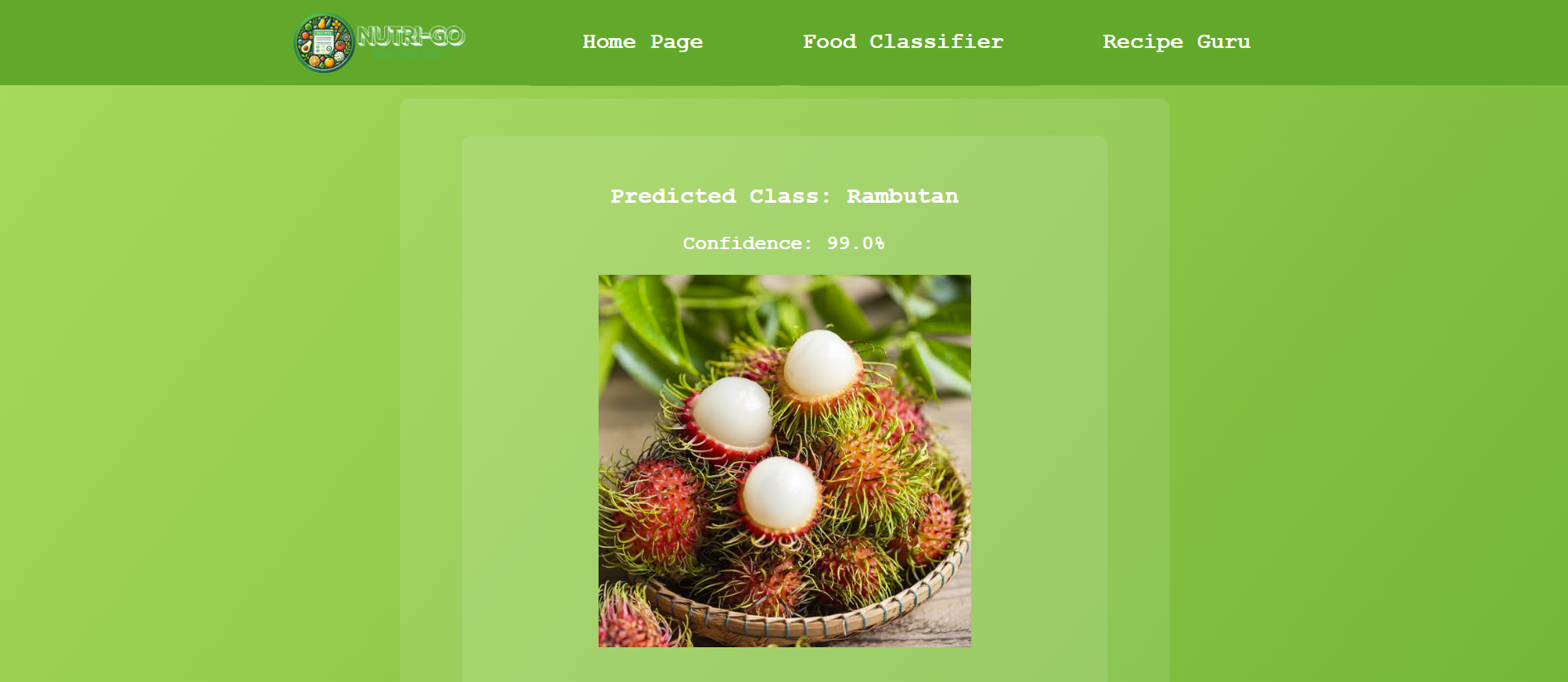
Classifying report
-
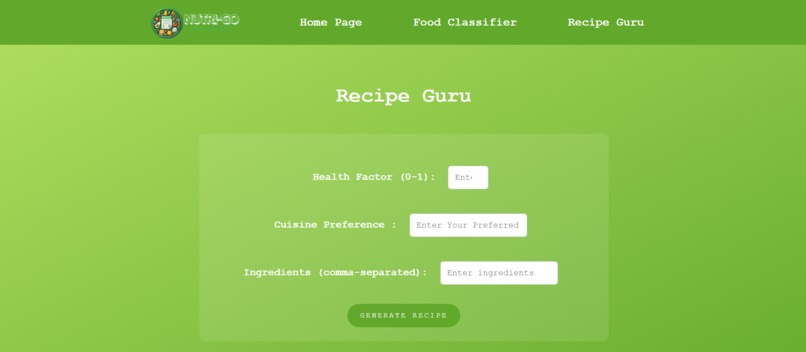
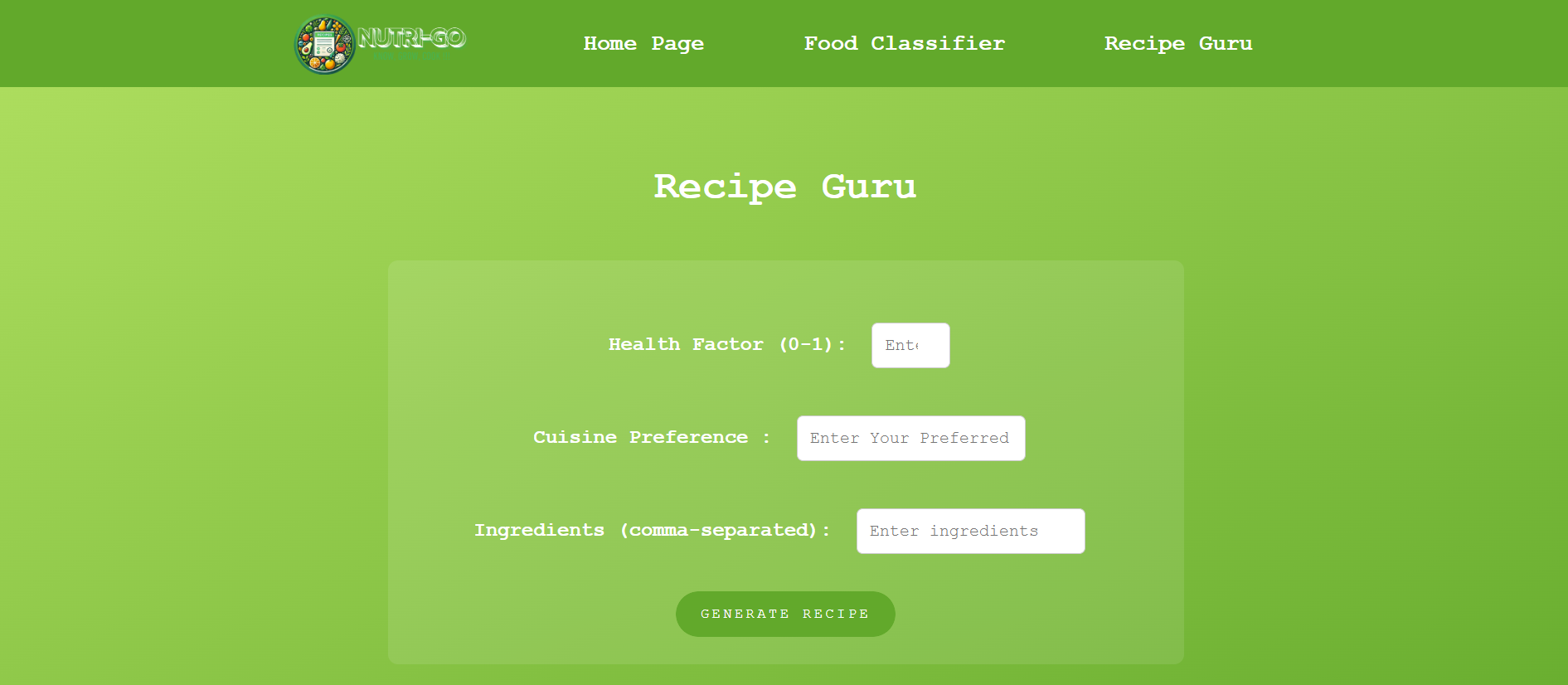
Recipe Generator
About the Project
What Inspired Us
The inspiration for this project came from observing how many people, including ourselves, face challenges in understanding the nutritional value of their meals. We noticed a significant gap in accessible tools to help individuals make informed dietary decisions, especially when it comes to healthy eating. Moreover, food waste is a pressing issue, with many people struggling to creatively incorporate leftover ingredients into their meals. These insights led us to create an AI-powered app that addresses these problems in a meaningful and practical way.
What We Learned
Throughout this journey, we gained valuable insights into the intersection of technology and human well-being. Here are some key takeaways:
- AI in Nutrition: We explored how machine learning models can accurately identify food items and provide detailed nutritional information.
- Personalization: Tailoring recipes to individual preferences and dietary needs requires both technical expertise and empathy for users.
- User-Centric Design: Understanding the challenges users face in meal planning and creating solutions that are intuitive and impactful.
- Sustainability Awareness: Developing features that promote reduced food waste and encourage responsible consumption.
How We Built the Project
- Problem Identification: We began by identifying the specific challenges people face when it comes to food, nutrition, and meal planning.
- AI Technology: Leveraging machine learning, we created an image recognition system capable of identifying food items from photos.
- Nutritional Database: We integrated a comprehensive database to provide detailed nutritional breakdowns, including calorie counts, vitamins, minerals, and other key nutrients.
- Recipe Generator: Using generative AI models, we developed a feature that creates personalized recipes based on the identified food items and user preferences.
- User Interface: We designed an intuitive and user-friendly interface to ensure the app is accessible to a wide audience.
Challenges We Faced
- Data Accuracy: Ensuring the nutritional database was comprehensive and accurate was a significant challenge, as inconsistencies could lead to incorrect information.
- Image Recognition: Training the model to identify diverse food items, including greens and dishes with multiple ingredients, required extensive datasets and fine-tuning.
- Personalization: Creating recipes that genuinely matched users’ dietary needs and preferences was complex, requiring advanced recommendation algorithms.
- Sustainability Features: Designing functionalities that promote reduced food waste while aligning with user habits was a delicate balance.
- Development Time: Integrating various technologies and maintaining a seamless user experience within the given timeline required effective team collaboration and time management.
The Problem We're Solving
The lack of accessible, reliable, and convenient tools to help individuals make informed dietary choices. Many people struggle to understand the nutritional value of the food they consume, especially when it comes to greens, leading to unhealthy eating habits and associated health issues. Additionally, people often lack creative ways to incorporate certain ingredients into their meals, which can result in food waste or a limited diet.
Our Solution
Our solution is an AI-powered app designed to simplify and enhance the way people approach food and nutrition. By leveraging advanced AI technology, the app allows users to:
- Identify food items through photos.
- Instantly receive a detailed nutritional breakdown, including calorie content and key nutrients.
- Generate personalized recipes tailored to the identified ingredient, offering creative meal ideas to suit various dietary preferences and needs.
This solution empowers users to make healthier choices, reduce food waste, and turn everyday ingredients into exciting, nutritious meals effortlessly.
Contributing to the Following SDGs
- SDG 2: Zero Hunger - Encouraging healthy eating and reducing food waste, ensuring access to nutritious food.
- SDG 3: Good Health and Well-being - Promoting informed dietary choices to improve overall health and reduce lifestyle-related illnesses.
- SDG 12: Responsible Consumption and Production - Encouraging sustainable food practices and minimizing food waste.
Using the Following Technologies
- AI / Machine Learning: To power food identification, nutritional analysis, and recipe personalization.
This project represents our commitment to improving lives through technology while addressing global challenges like health, sustainability, and hunger.


Log in or sign up for Devpost to join the conversation.