-
-
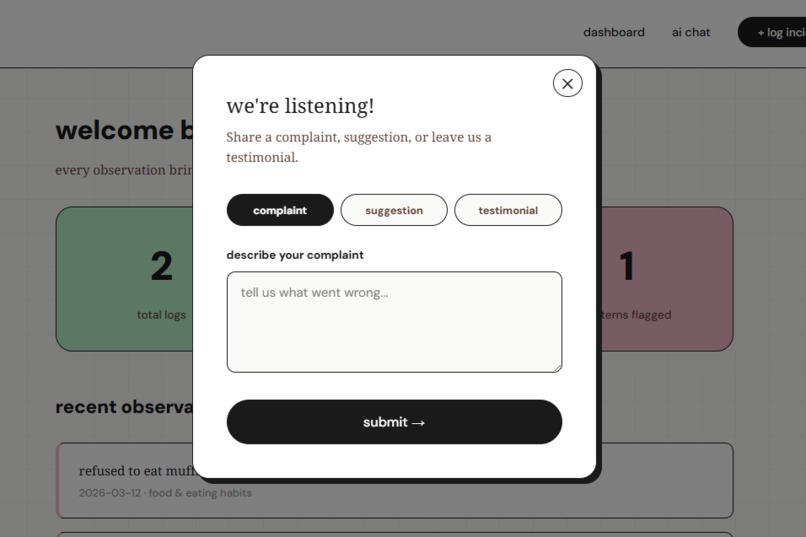
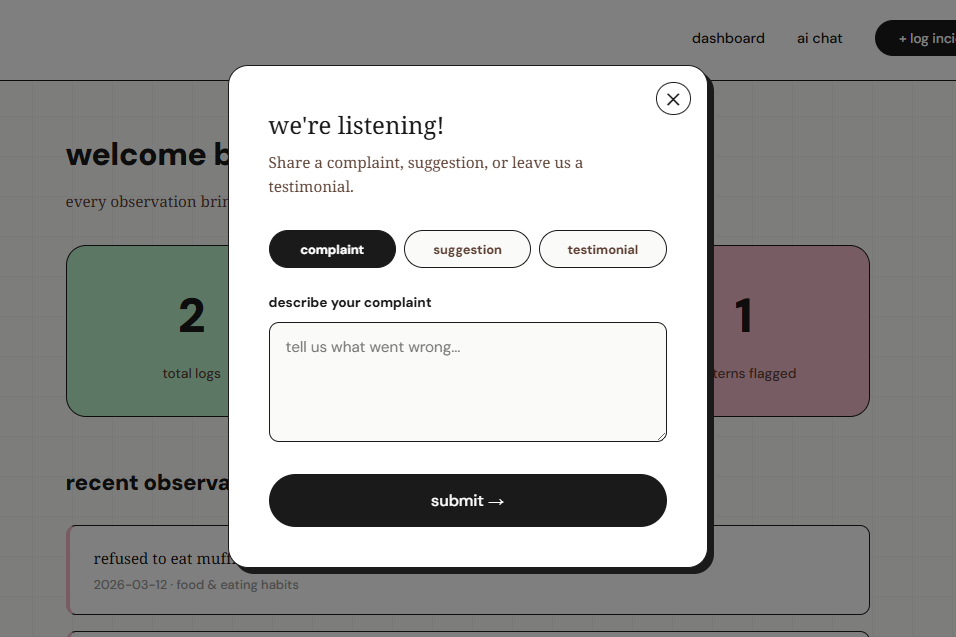
feedback and suggest
-
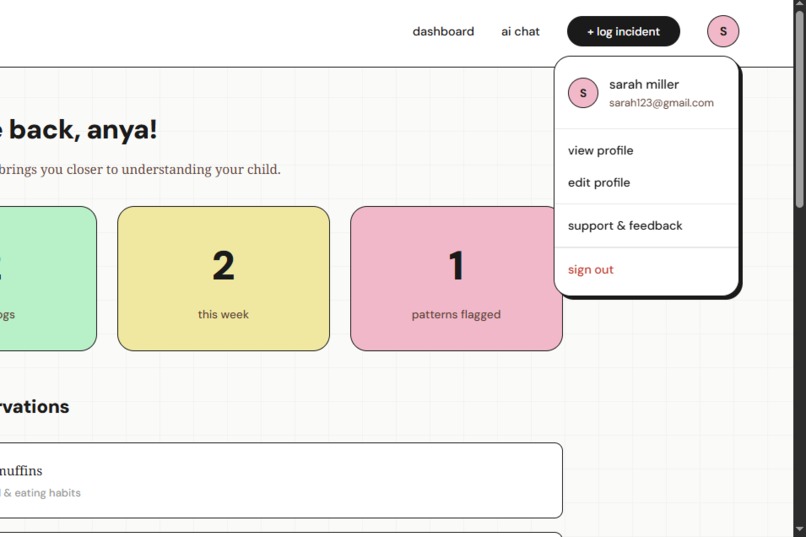
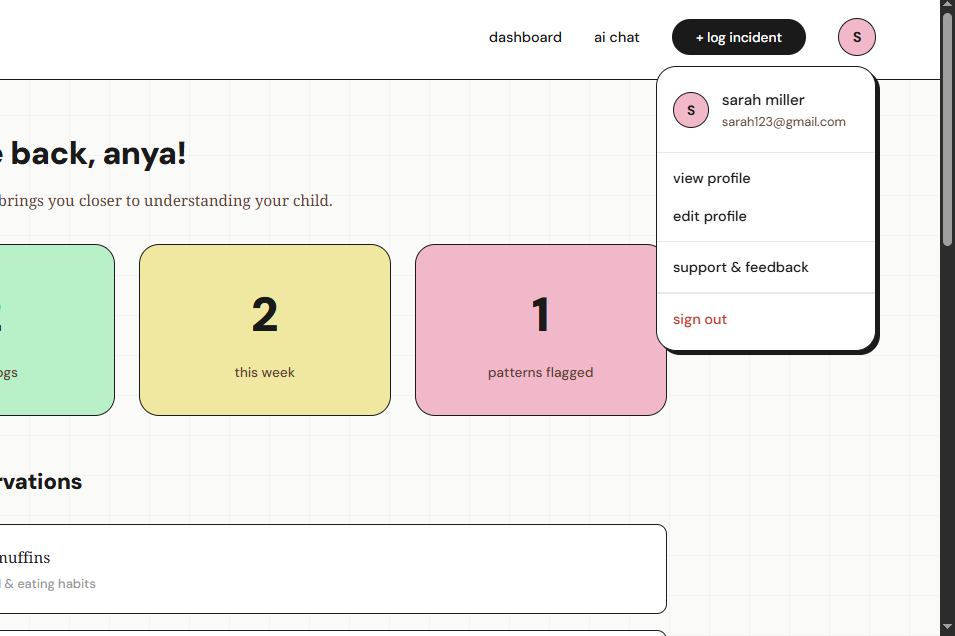
user views account
-
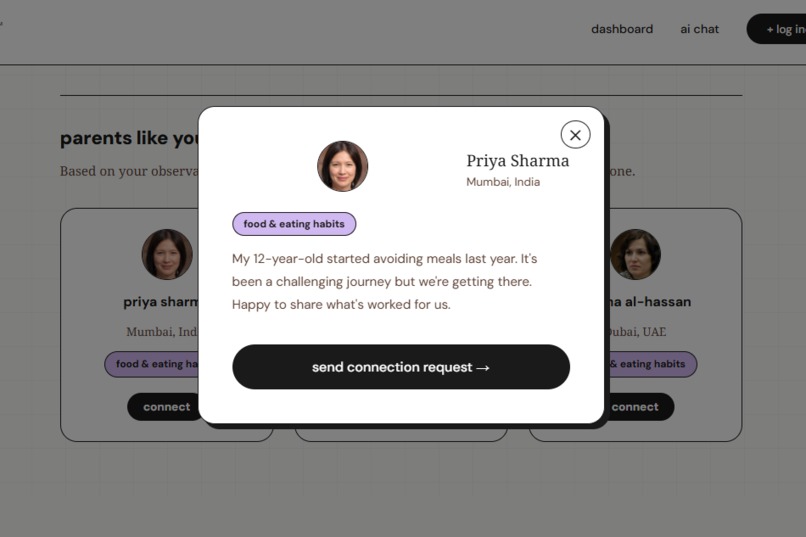
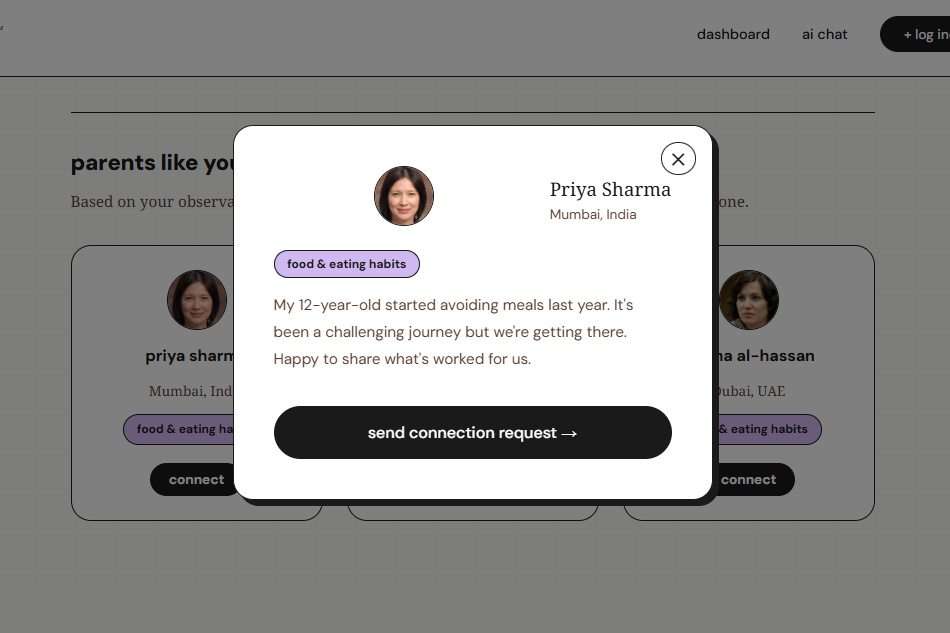
connection request
-
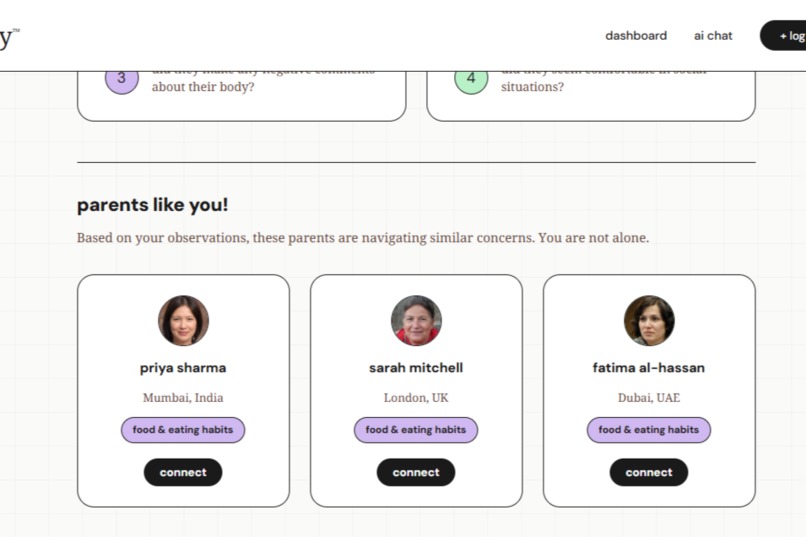
connection section
-
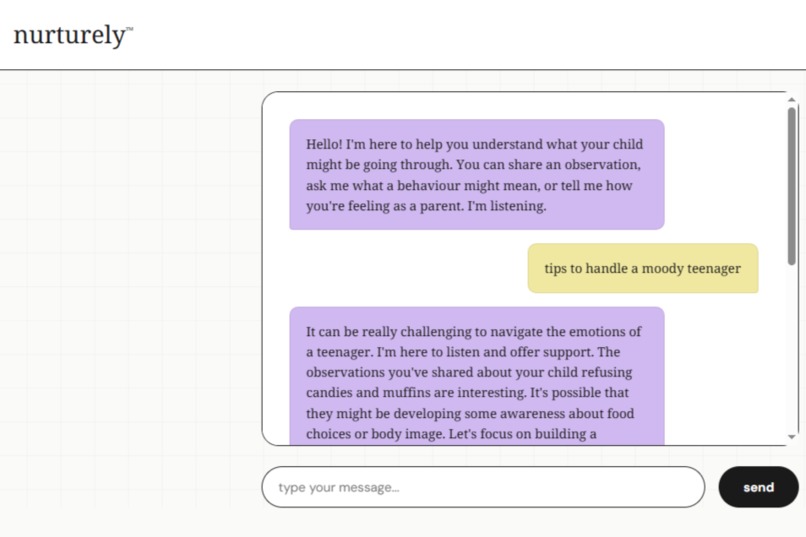
ai chat
-
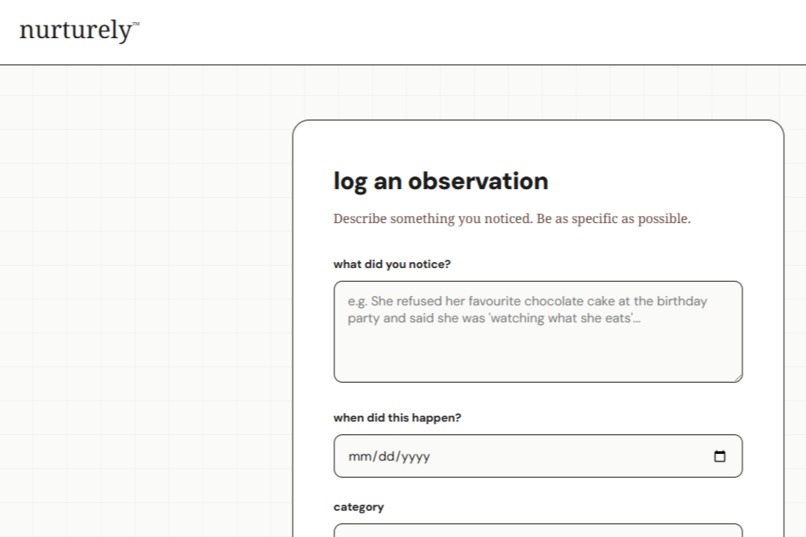
log incident
-
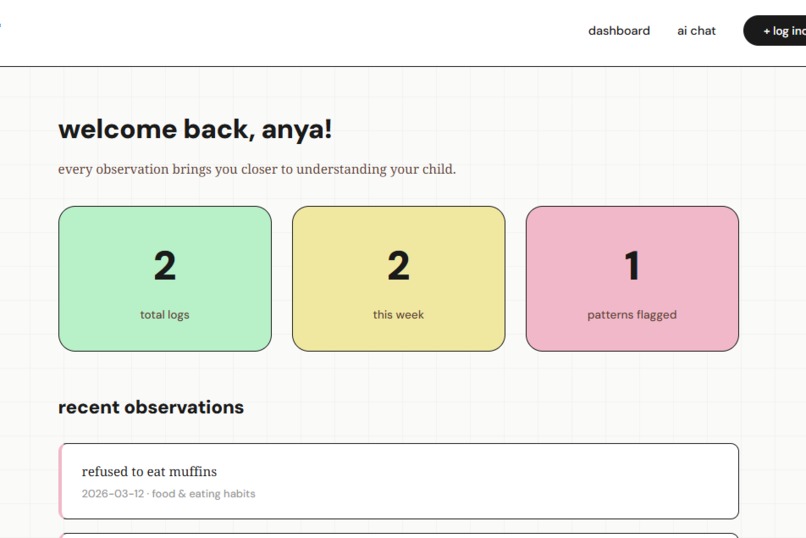
parent dashboard
-
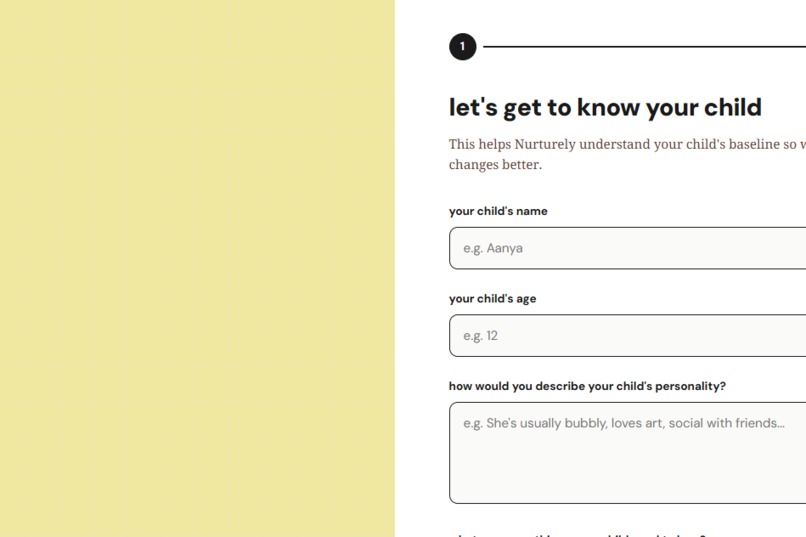
child page
-
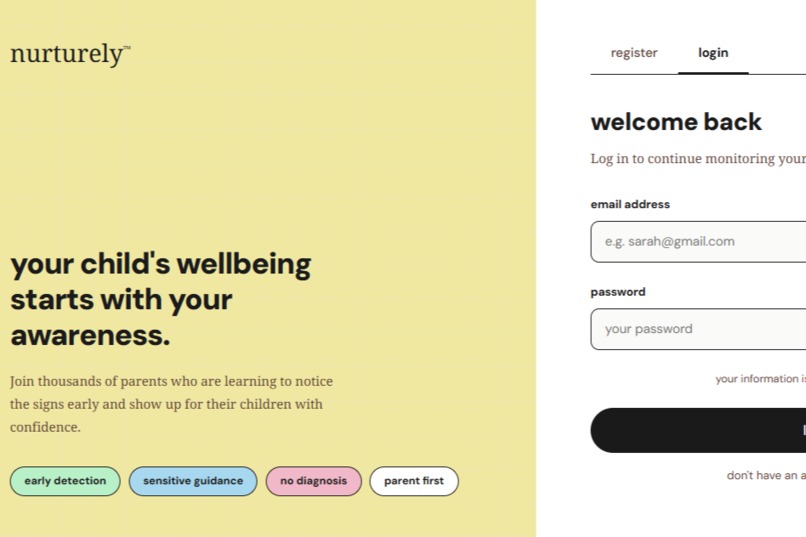
login/register page
-
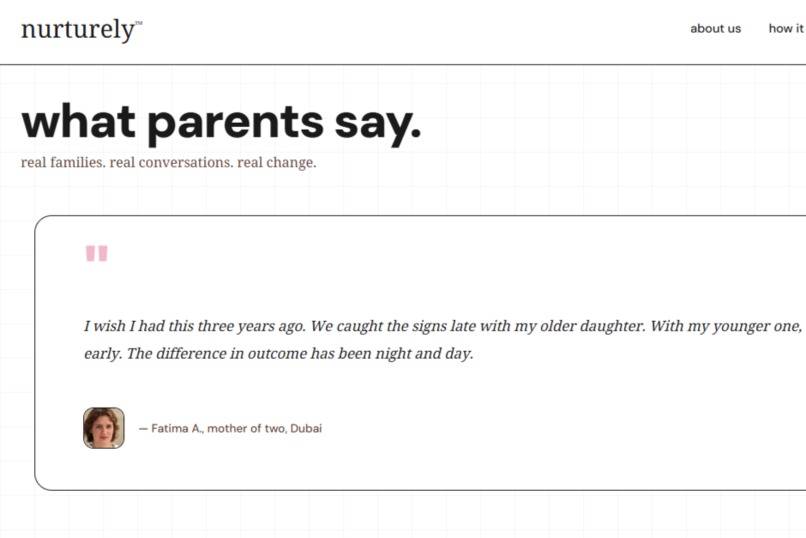
testimonials
-
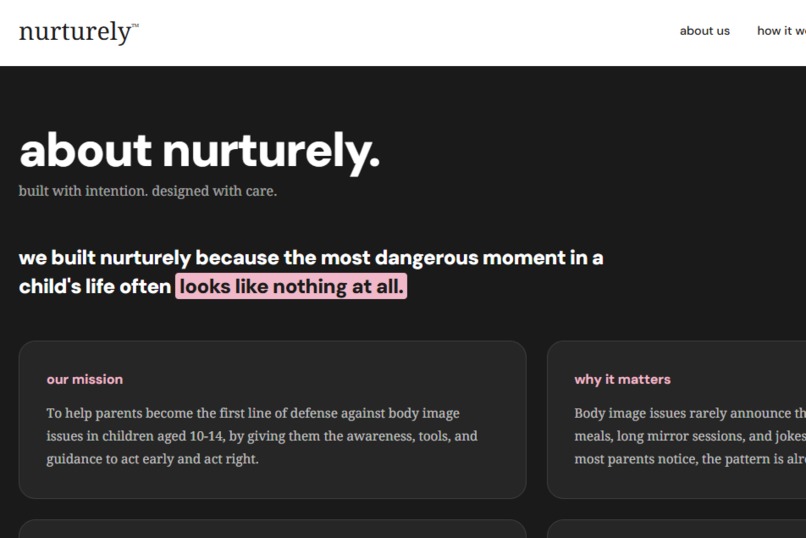
about the website
-
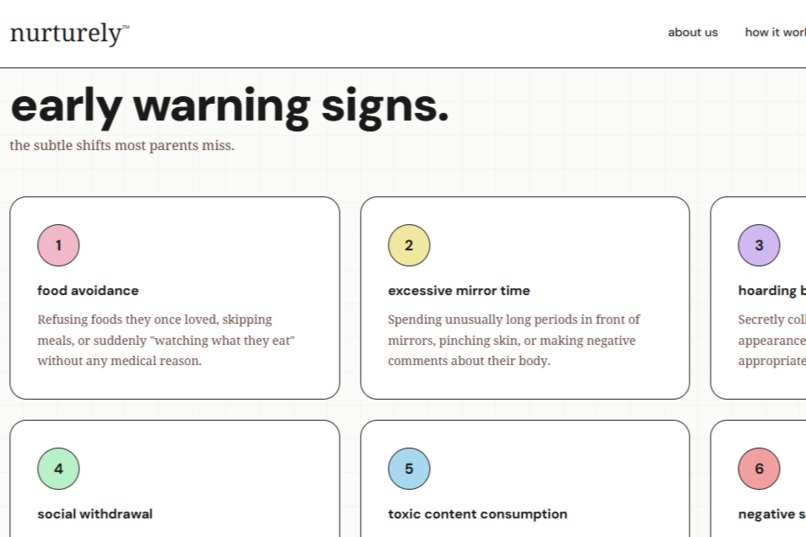
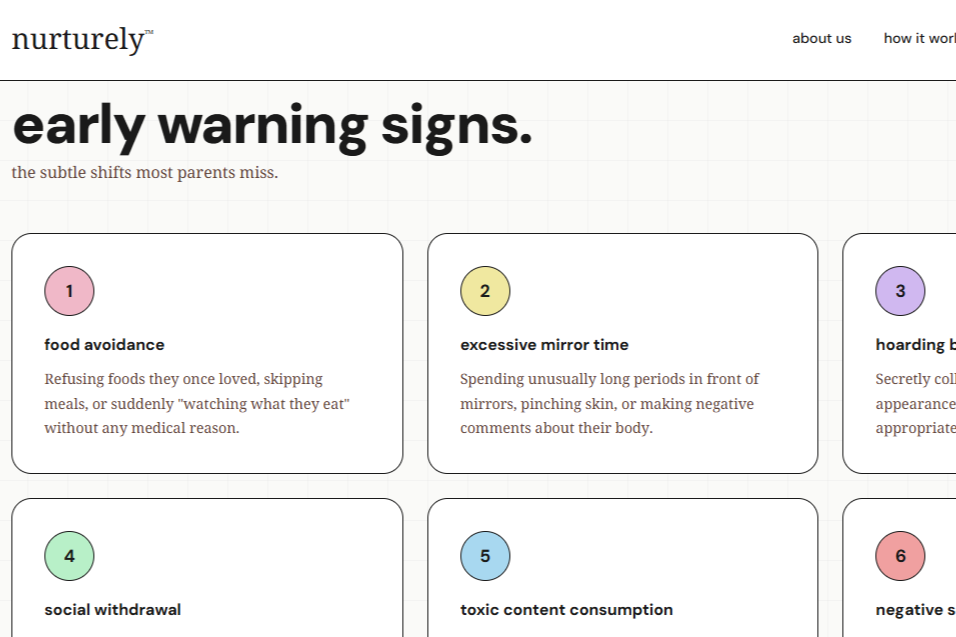
warning signs section
-
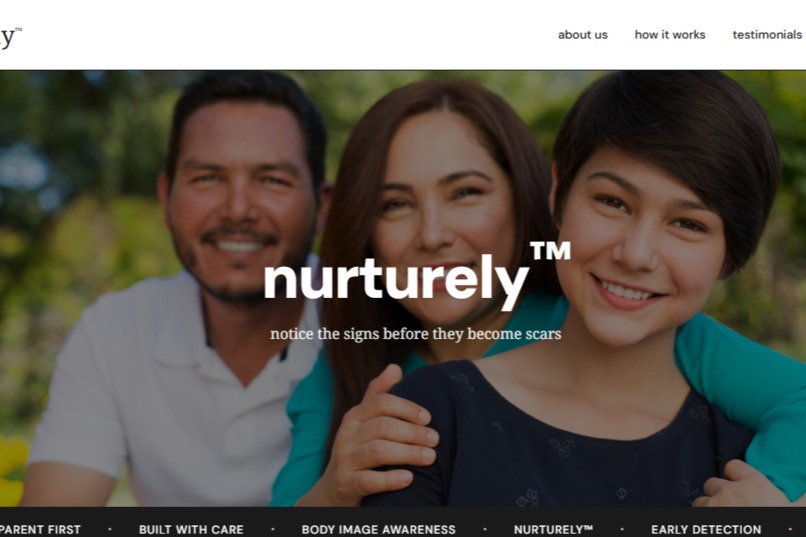
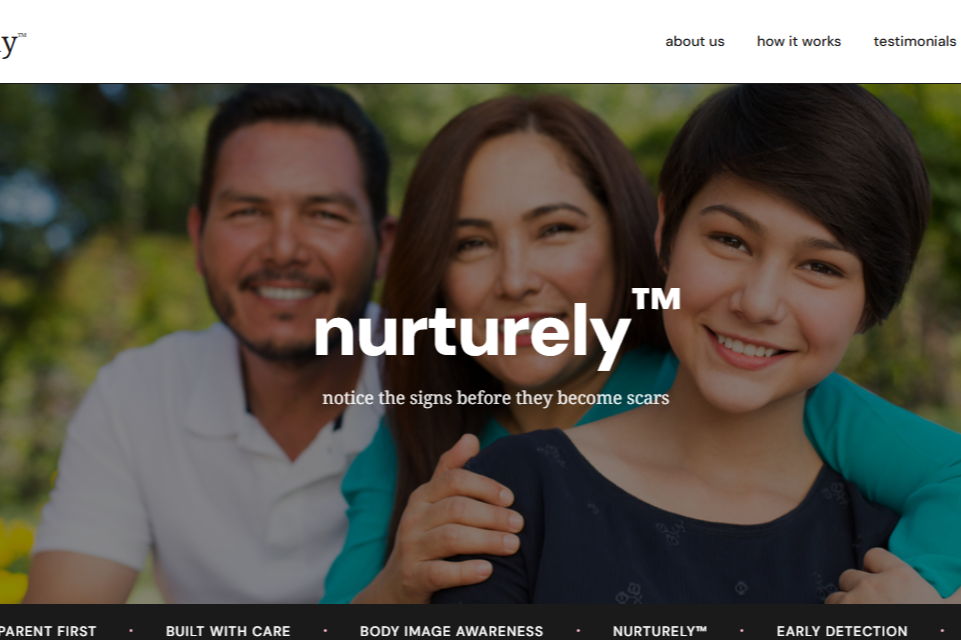
landping page
Inspiration
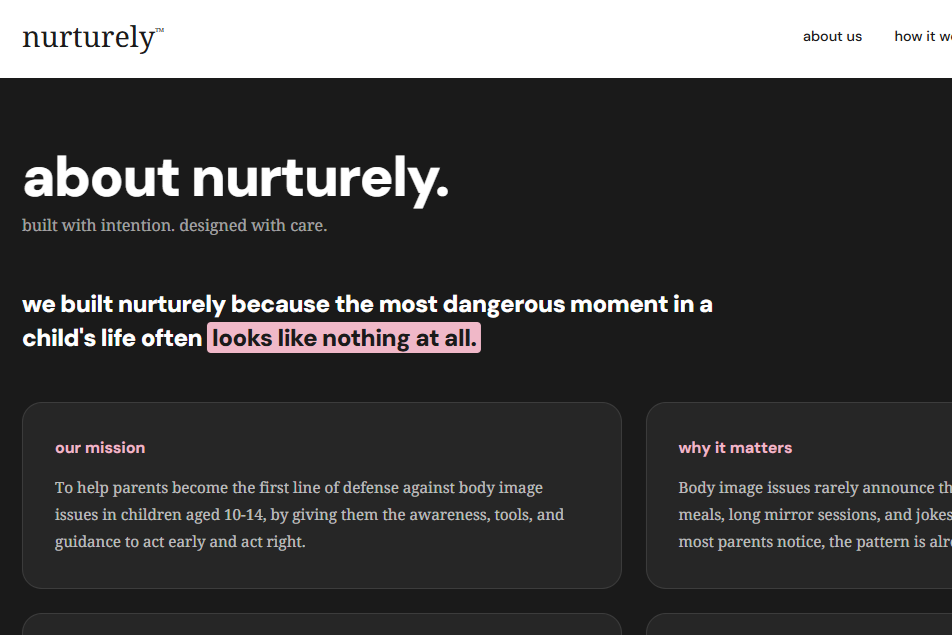
The idea for Nurturely did not come from a research paper or a trend report. It came from a simple observation: the most dangerous moment in a child's life often looks like nothing at all.
A 12-year-old refusing her birthday cake. A teenager spending an extra hour in front of the mirror. A hidden stash of makeup products. These are not dramatic red flags. They are quiet, easy-to-dismiss moments that parents brush off as "just a phase."
But sometimes, they are the beginning of something much deeper.
The 10-14 age window is uniquely dangerous. It is the first time a child sees their body change. The first time they realise they do not look like the Disney princesses or anime characters they grew up idolising. And at that exact moment of confusion and vulnerability, the algorithm steps in. It serves them influencer content, diet plans, and toxic body standards disguised as inspiration.
Most parents miss it. Not because they do not care, but because nobody told them what to look for.
Nurturely was built to change that.
What it does
Nurturely is an AI-powered early warning system designed to help parents identify body image concerns in their children aged 10 to 14, before those concerns become a crisis.
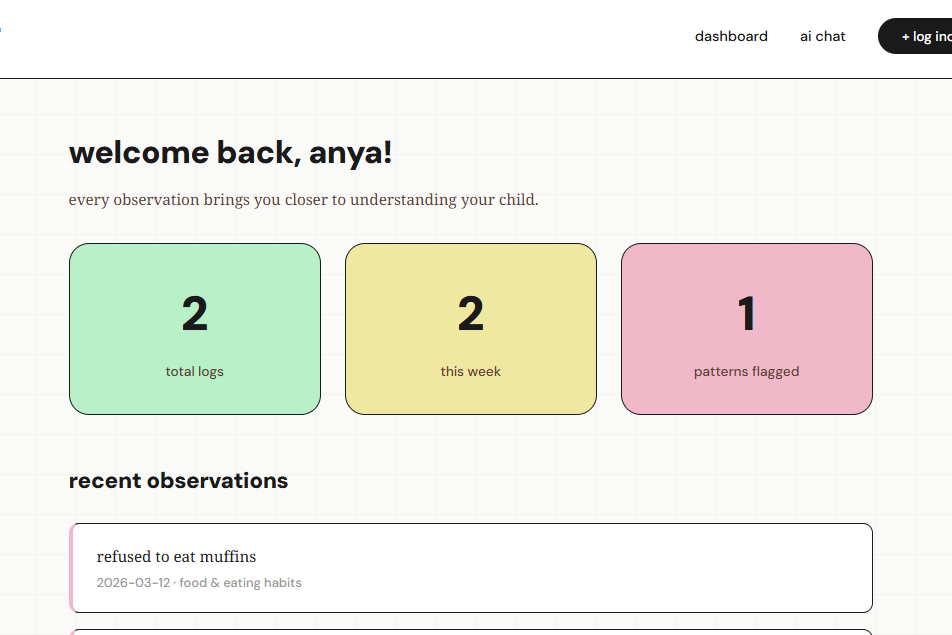
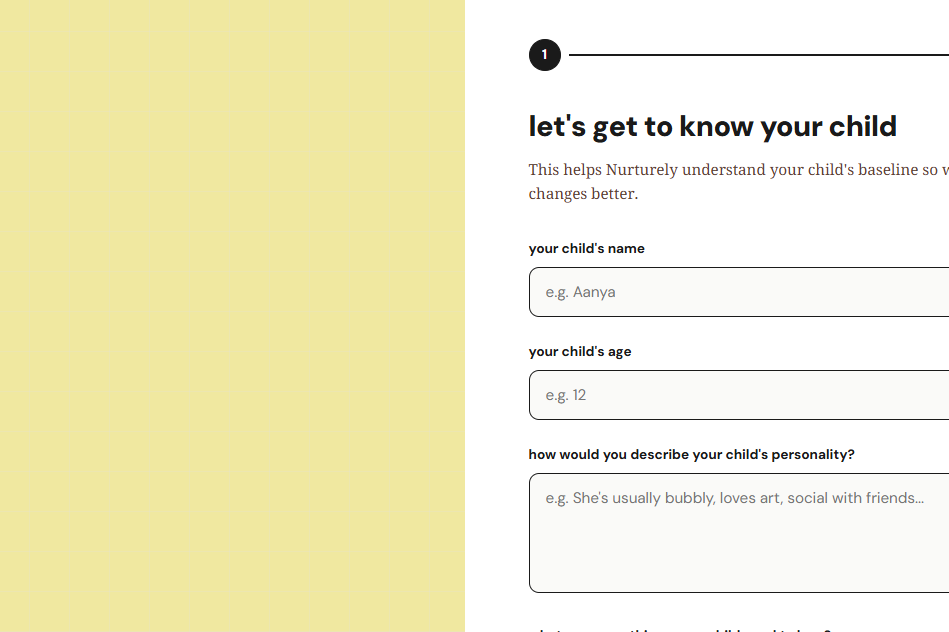
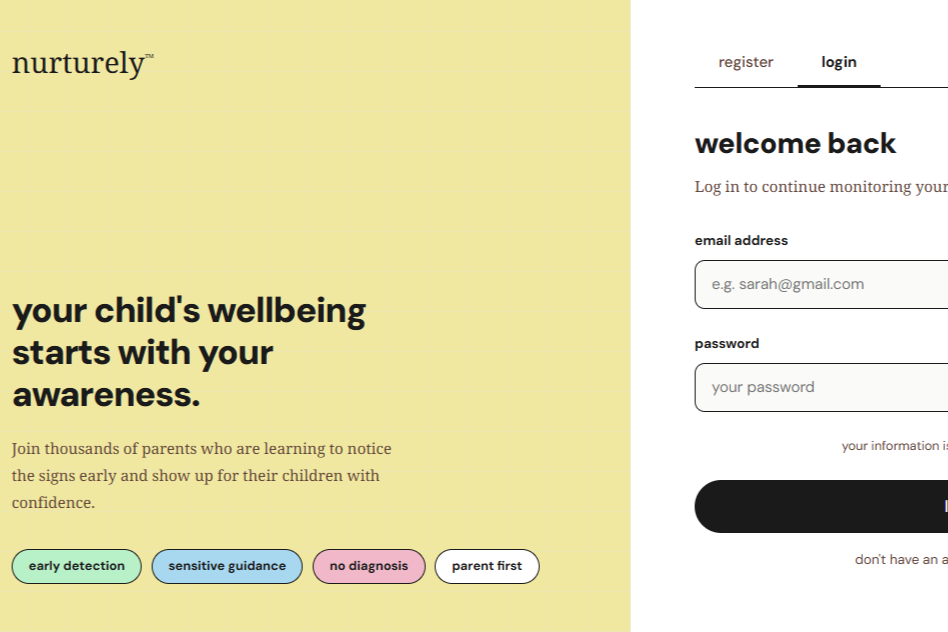
Parents begin by creating an account and setting up a profile for their child, establishing a behavioral baseline that captures their personality, interests, and habits before any changes were noticed.
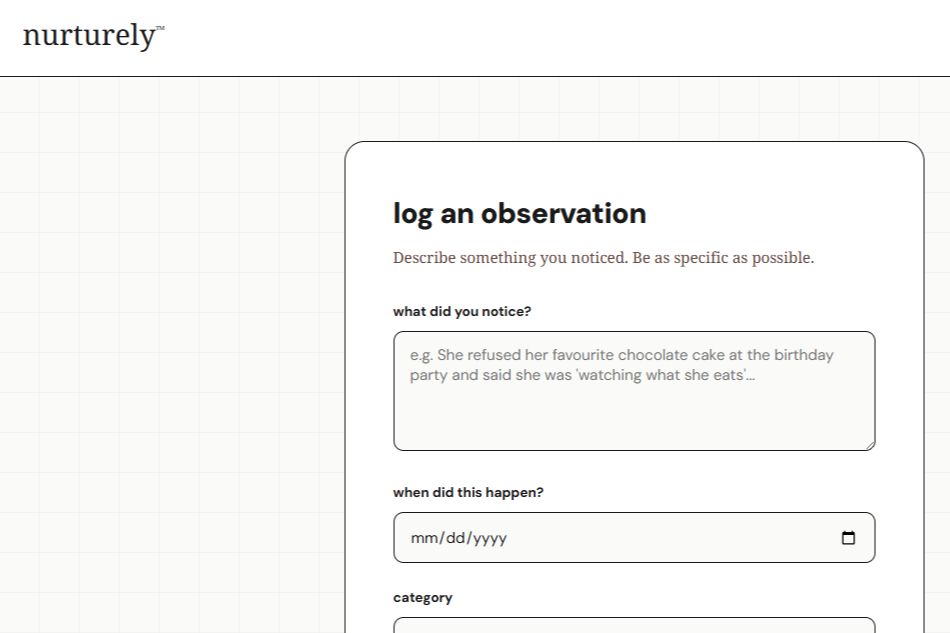
From there, parents can log observations as they happen. A skipped meal. A negative comment about their body. An unusual amount of time spent in front of the mirror. A hidden collection of beauty products. Each observation is categorised, dated, and stored securely in the database.
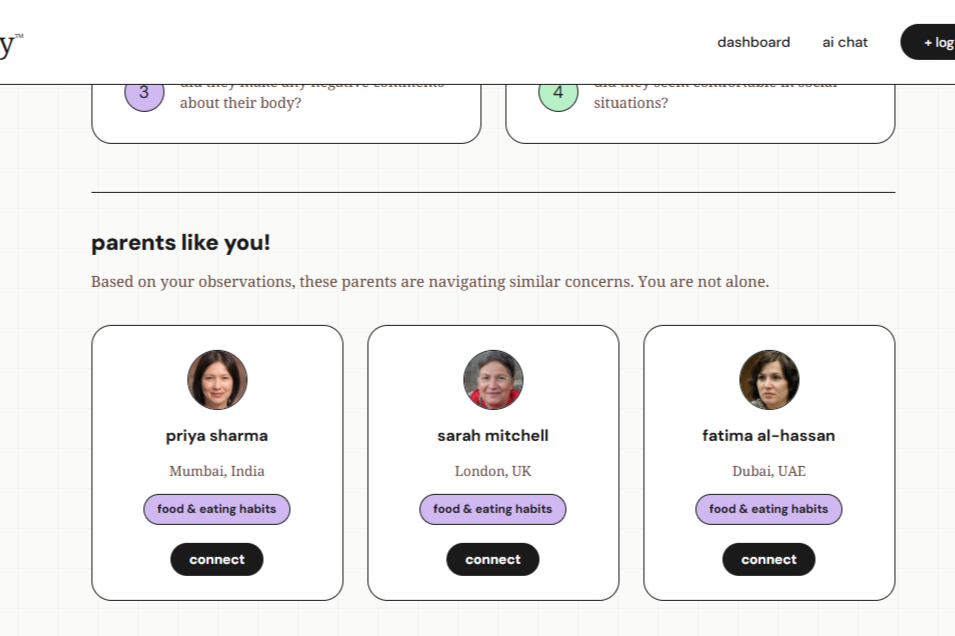
As observations accumulate, Nurturely's pattern detection engine analyses them and flags recurring concerns. When a pattern is identified, the Connect feature surfaces other parents dealing with similar situations, creating a sense of community and shared experience.
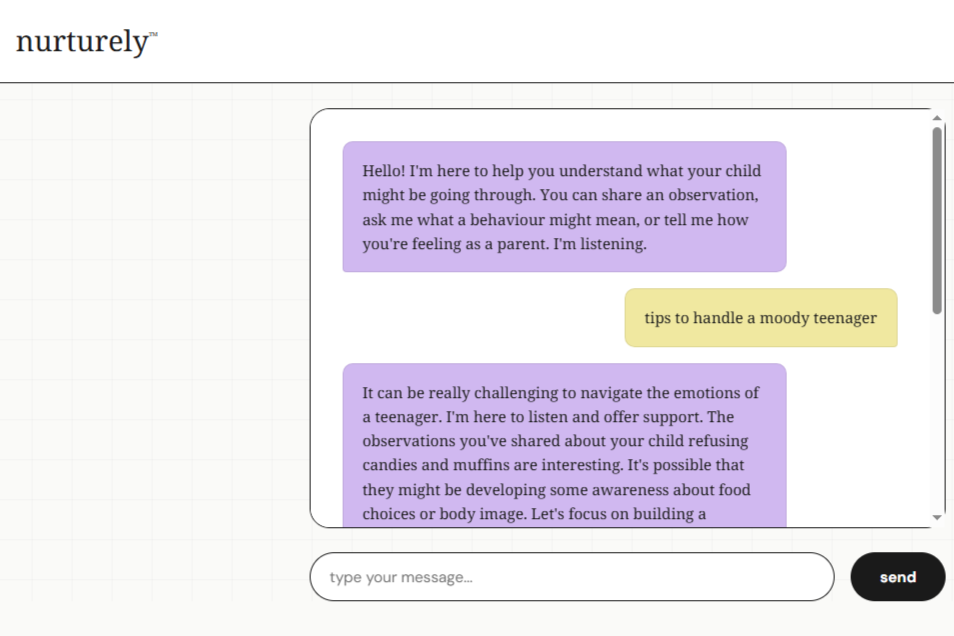
At the heart of Nurturely is the AI chat, powered by Groq and the Llama 3.3 70B model. Parents can share their observations and fears with the AI and receive warm, sensitive, actionable guidance on how to approach their child without alarming them, confronting them, or breaking their trust. The AI never diagnoses. It listens, validates, and guides.
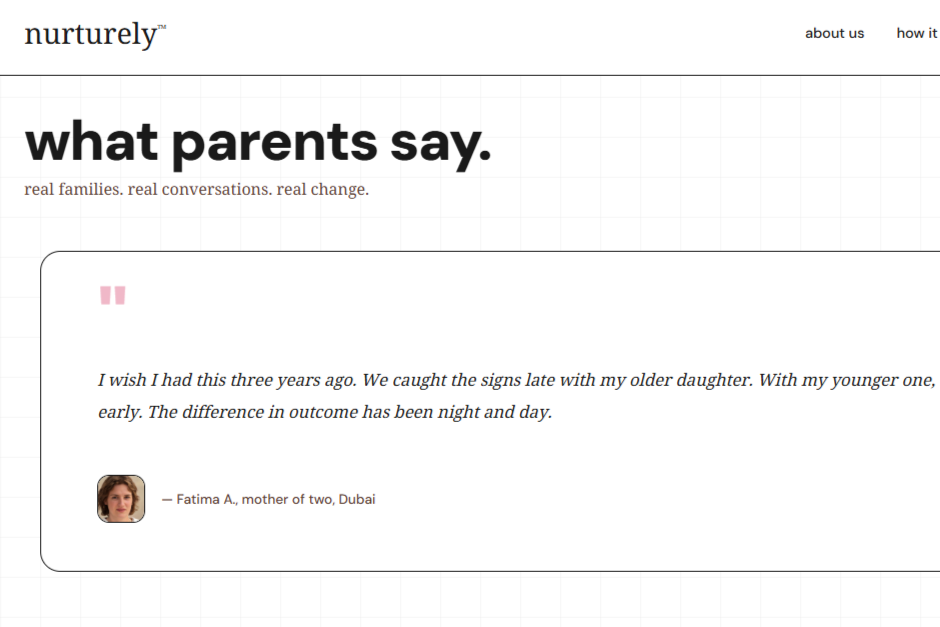
Parents can also manage their profile, upload a photo, edit their information, and submit complaints, suggestions, or testimonials through the built-in support system.
Nurturely does not surveil children. It does not diagnose them. It equips parents to show up better, earlier, and with more confidence, at the moment it matters most.
How we built it
The frontend is built with HTML, CSS, and vanilla JavaScript as a single page application with section-based navigation. The design language draws inspiration from bold editorial web design, featuring a grid texture background, strong typography using DM Sans and Noto Serif Ethiopic, and a pastel color palette with high contrast dark borders.
The backend is powered by Python and Flask, serving the frontend and handling all API routes. User data, child profiles, incident logs, support messages, and parent profiles are all stored in a SQLite database with proper relational structure.
Authentication is handled using bcrypt for password hashing. Profile pictures are stored in the static directory and served by Flask.
The AI chat is powered by the Groq API running the Llama 3.3 70B model. The system prompt was carefully designed to ensure the AI always responds with warmth, sensitivity, and actionable guidance, never with diagnosis or alarm.
Pattern detection works by analyzing the frequency of logged incident categories. When two or more incidents share the same category, a pattern is flagged and the Connect feature surfaces suggested parent profiles dealing with similar concerns.
Challenges we ran into
The biggest challenge was designing the AI guidance system. It is easy to make an AI that gives information. It is much harder to make one that gives the right information in the right tone at the right moment.
I spent significant time crafting the system prompt to ensure the AI would never make a parent feel judged, never over-diagnose, and always prioritise the parent-child relationship above everything else.
The second challenge was the Connect feature. Building a real social network was out of scope for a hackathon timeline, but a completely fake feature would feel hollow. The solution was to mock it intelligently: surfacing realistic parent profiles based on the flagged pattern category, with genuine bios and diverse global representation. It looks and feels real enough to demonstrate the concept compellingly.
The third challenge was the UI redesign. The first version of Nurturely looked clean but generic. Inspired by bold editorial web design, I rebuilt the entire CSS system with stronger typography, grid textures, dark borders, and high contrast color blocking. The result is a product that looks as considered as the problem it is solving.
Accomplishments that we're proud of
Building a fully functional, full stack AI-powered web application solo is something I am genuinely proud of. But beyond the technical achievement, what I am most proud of is the thoughtfulness behind every decision.
Nurturely is not just a project. It is a product that could genuinely help families. The fact that the AI responds with warmth and sensitivity, that the design feels premium and trustworthy, that the pattern detection is meaningful rather than arbitrary, that the Connect feature makes parents feel less alone, all of these details matter deeply to me.
I am also proud of identifying a problem that is globally relatable but deeply personal, and building a solution that respects the complexity of that problem rather than oversimplifying it.
What we learned
Building Nurturely taught me that the hardest part of solving a sensitive problem is not the technology. It is the empathy.
Every design decision, every AI prompt, every piece of guidance text had to be calibrated carefully. Too alarming and parents panic. Too soft and they dismiss it. The goal was always to create a tool that feels like a wise, calm friend, not a clinical warning system.
On the technical side, I learned how to build a full stack web application from scratch using Flask and SQLite, integrate a large language model API with a carefully designed system prompt, implement secure authentication using bcrypt, and design a responsive production grade frontend using pure HTML, CSS, and JavaScript.
I also learned that the best product ideas do not come from browsing GitHub for inspiration. They come from paying attention to the world around you.
What's next for Nurturely
Nurturely in its current form is a proof of concept with real functionality. But the vision is much larger.
The immediate next steps would be deploying Nurturely to a live server so any parent anywhere in the world can access it without running it locally.
The Connect feature, currently mocked, would become a real community platform where parents can message each other, share experiences, and support one another through moderated, privacy-first channels.
The pattern detection engine would evolve from simple category frequency counting into a genuine AI analysis system that identifies nuanced behavioral patterns across time, generates weekly insight reports for parents, and provides increasingly personalised guidance as more data is logged.
A mobile application would make Nurturely accessible at the moment parents notice something, rather than requiring them to open a laptop.
Finally, Nurturely could partner with child psychologists and family therapists to validate and enrich the AI guidance system, ensuring every response is not just empathetic but clinically informed.
The goal has always been the same: to give every parent the awareness to notice the signs, before they become scars.


Log in or sign up for Devpost to join the conversation.