-
-
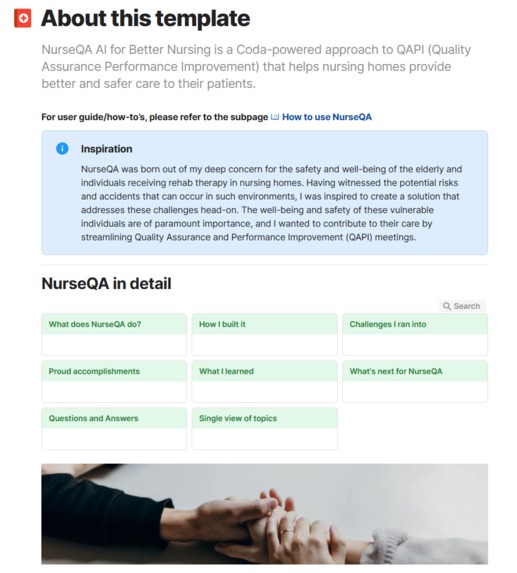
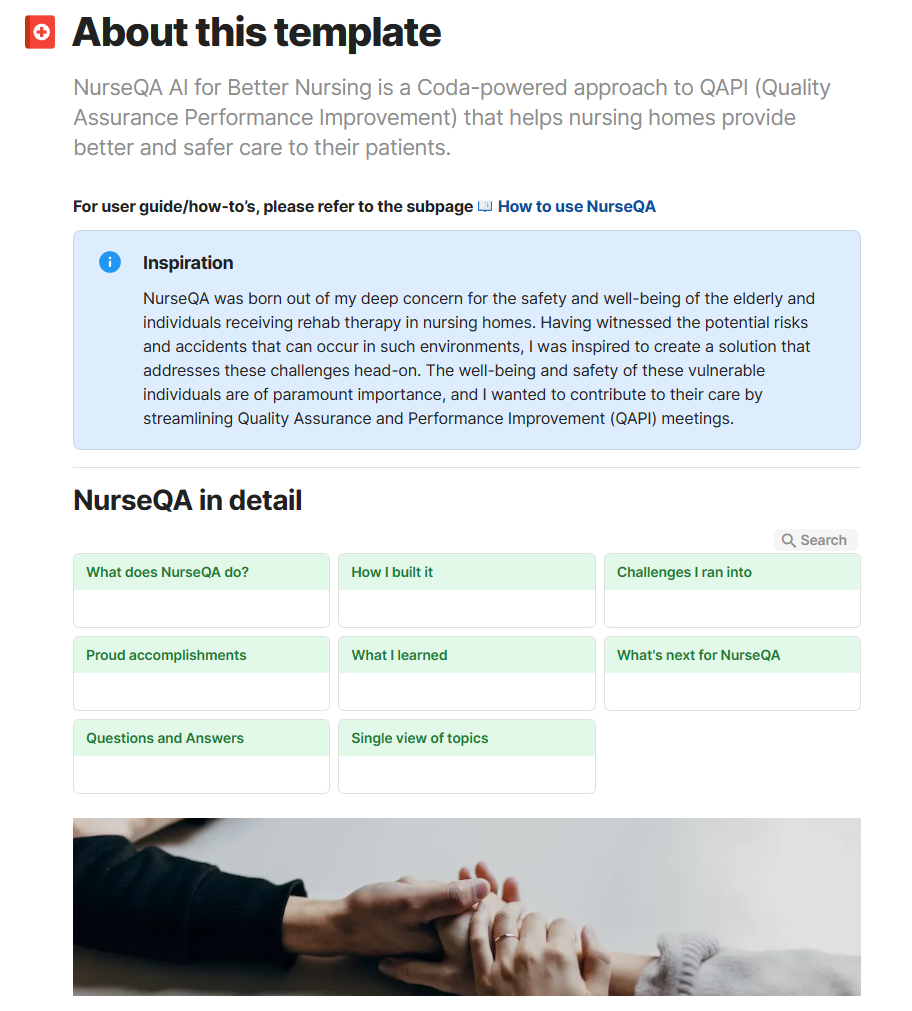
Introduction to NurseQA. Inspiration, how it was built, etc can be be found enclosed in each card.
-
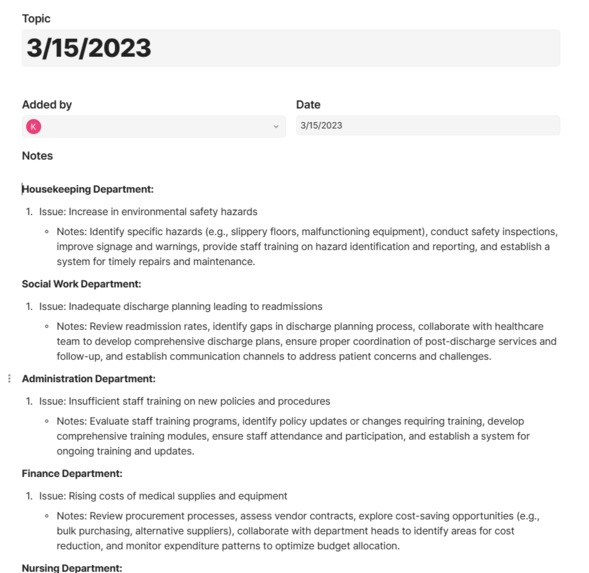
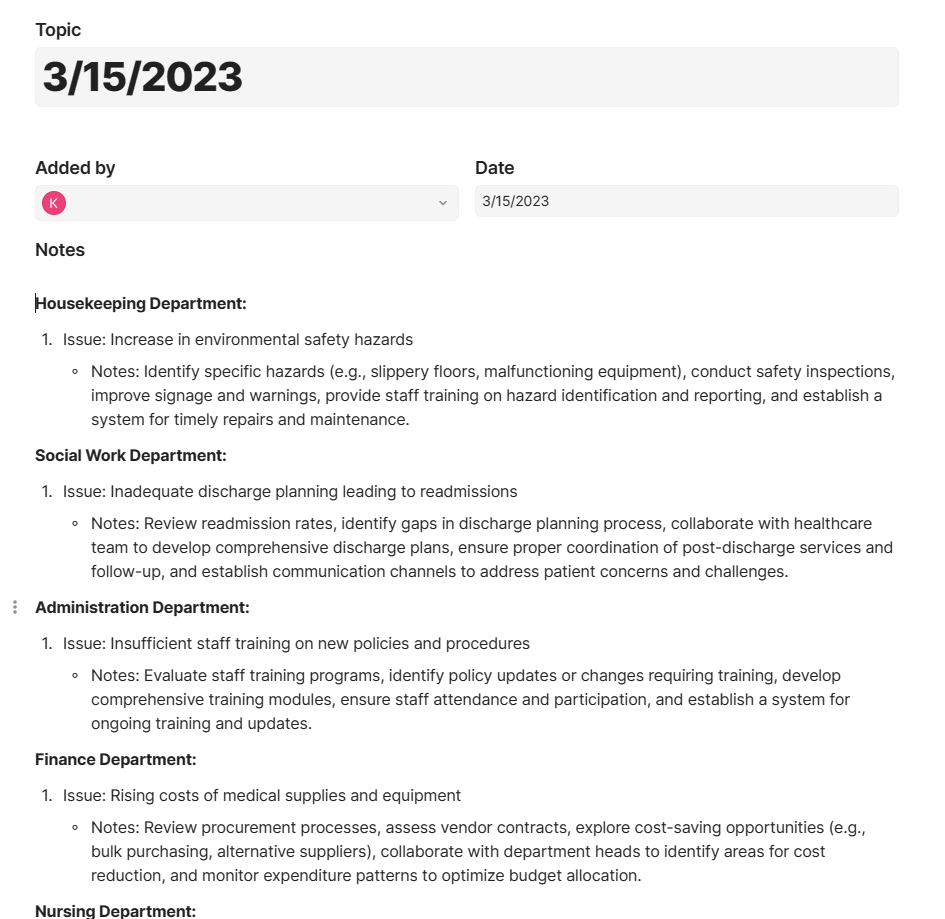
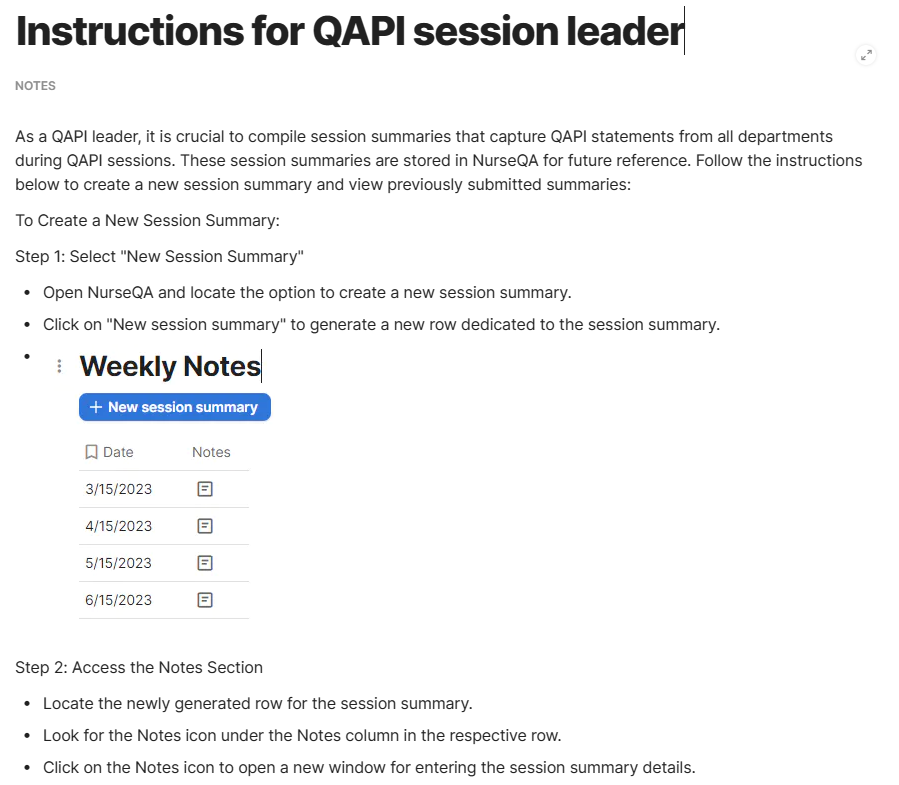
Session Summary
-
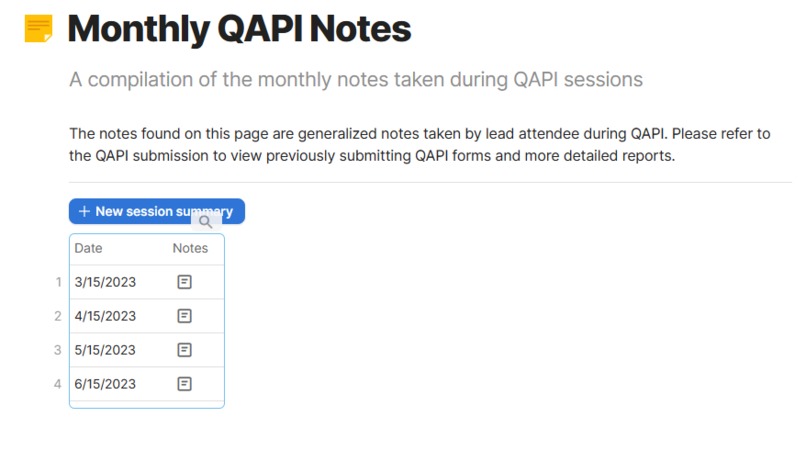
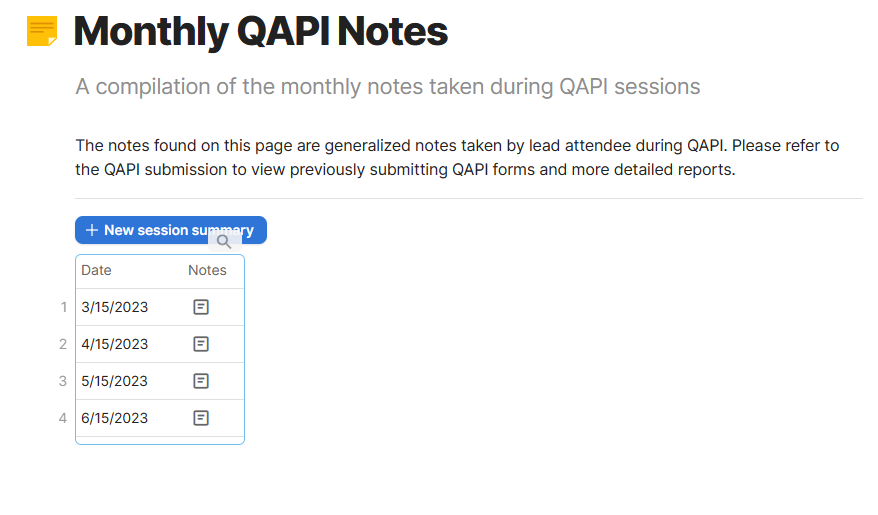
List of Session Summaries
-
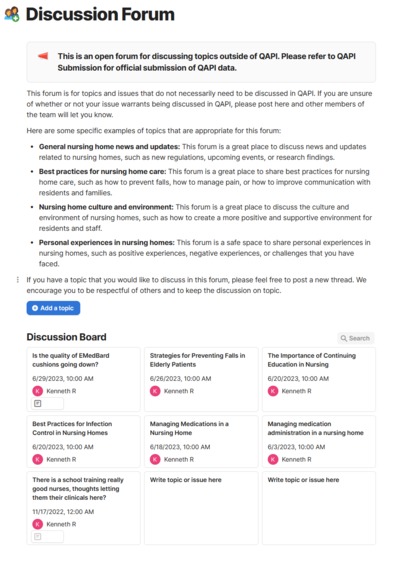
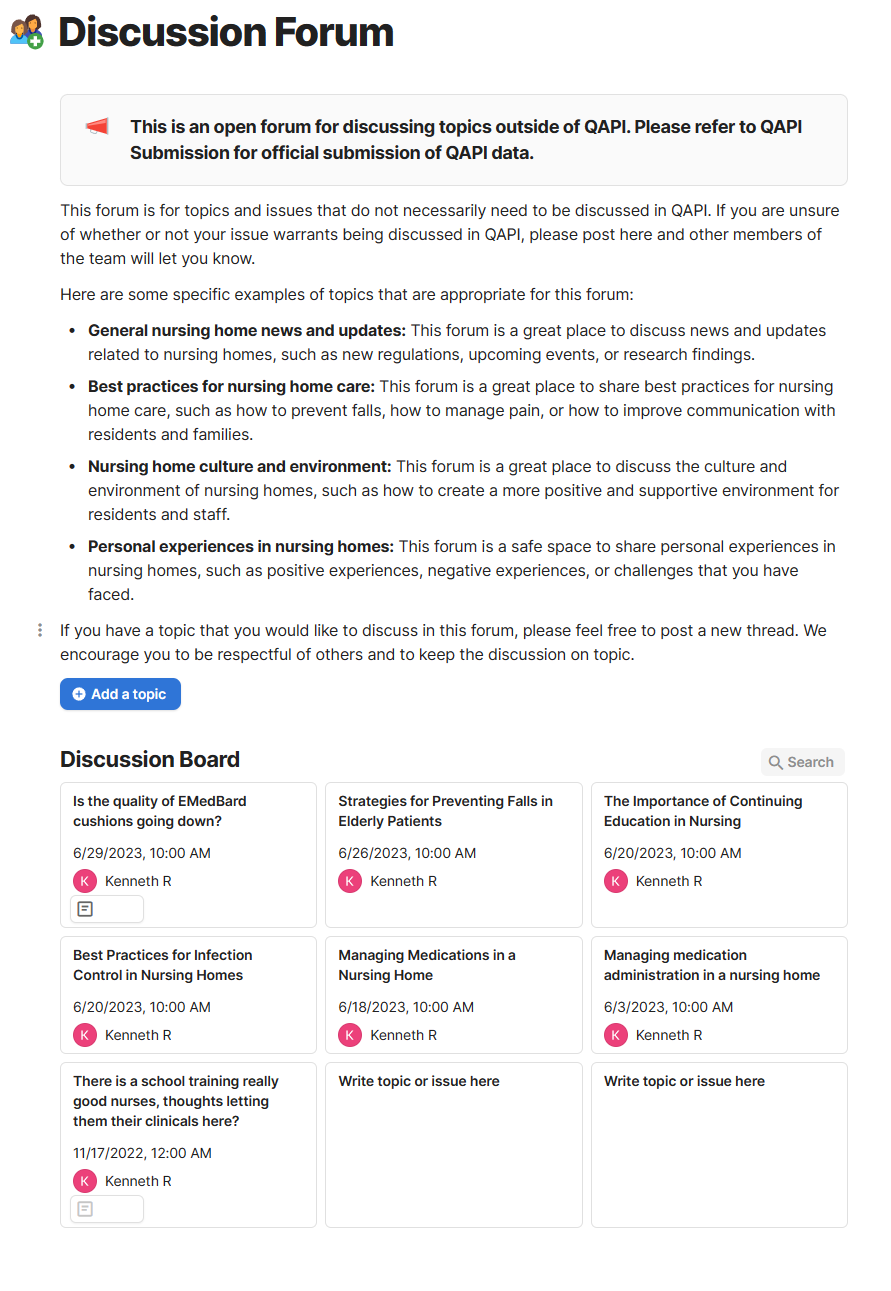
Discussion Forum
-
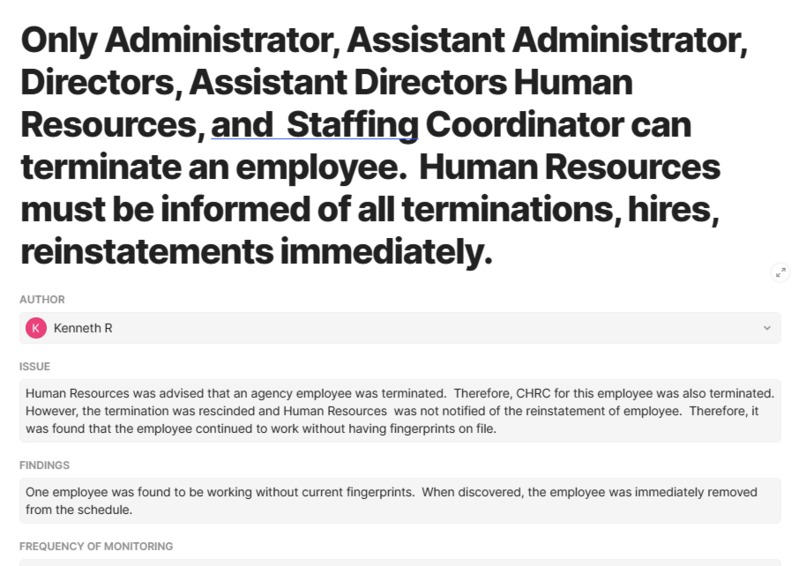
AI Generated corrective actions at the top of submitted QAPI forms
-
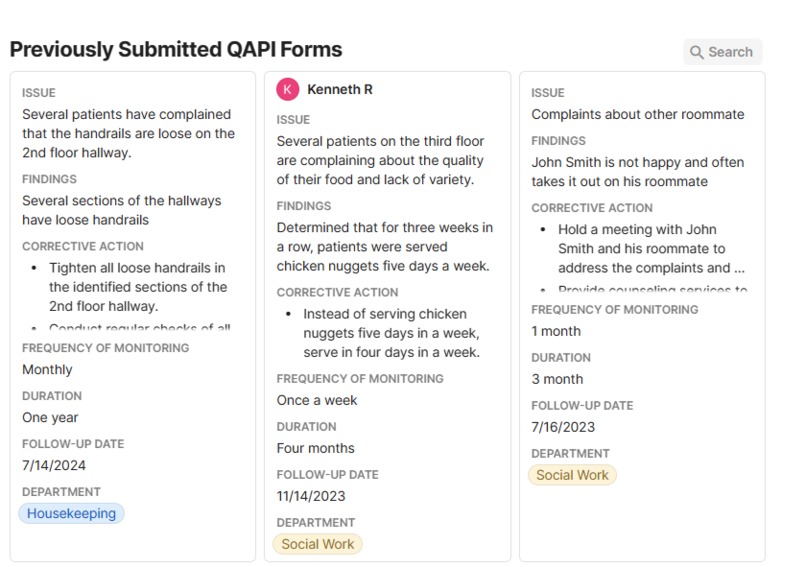
Previously submitted QAPI forms
-
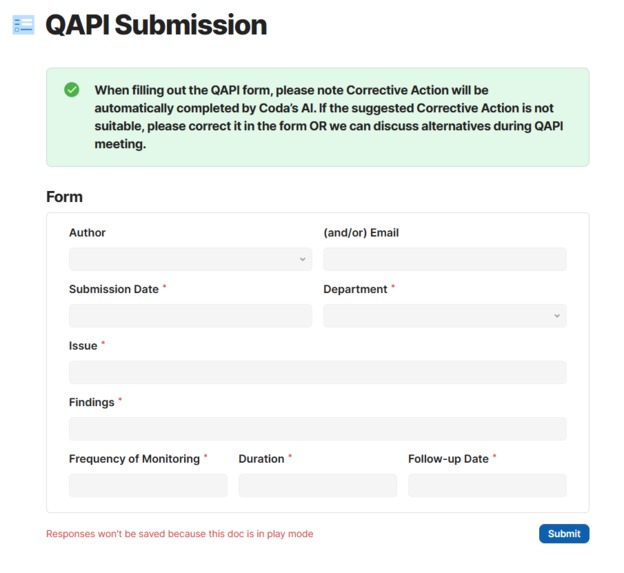
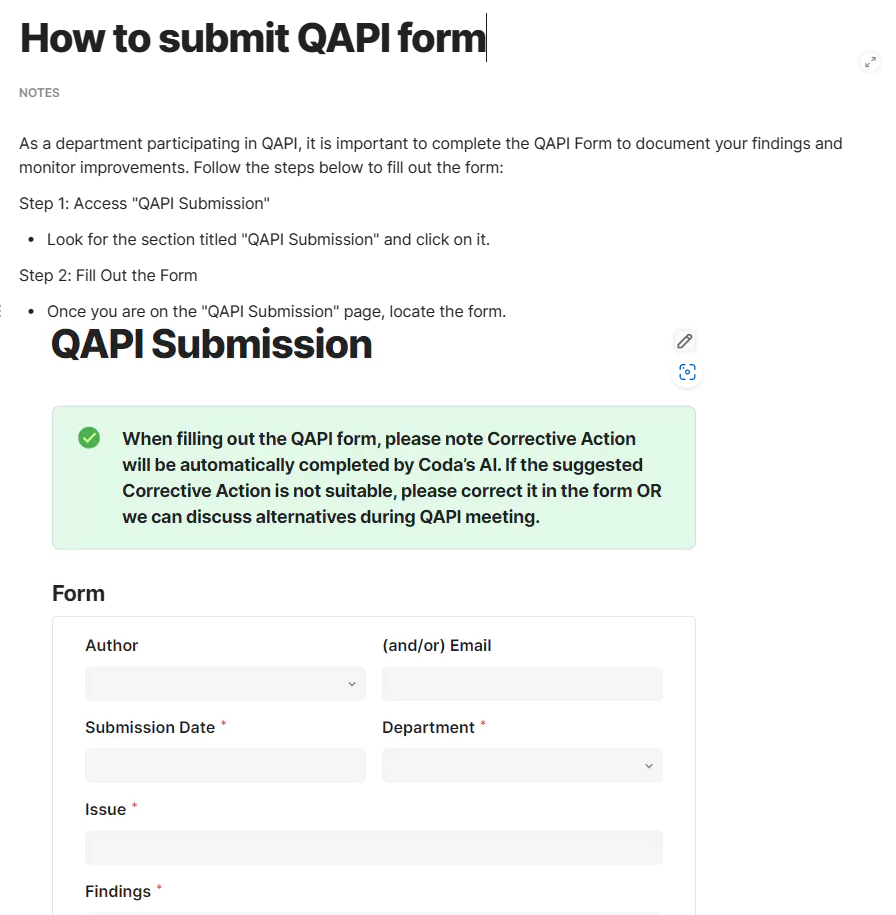
Submission Form (there is a corrective action text box but Coda's AI will fill that field. You have the option of editing the answer)
-
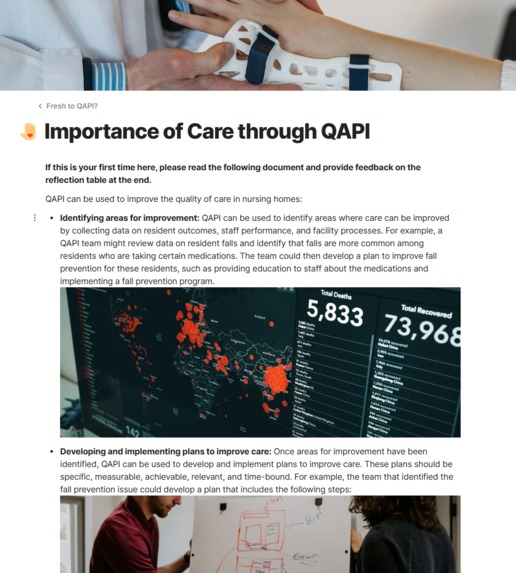
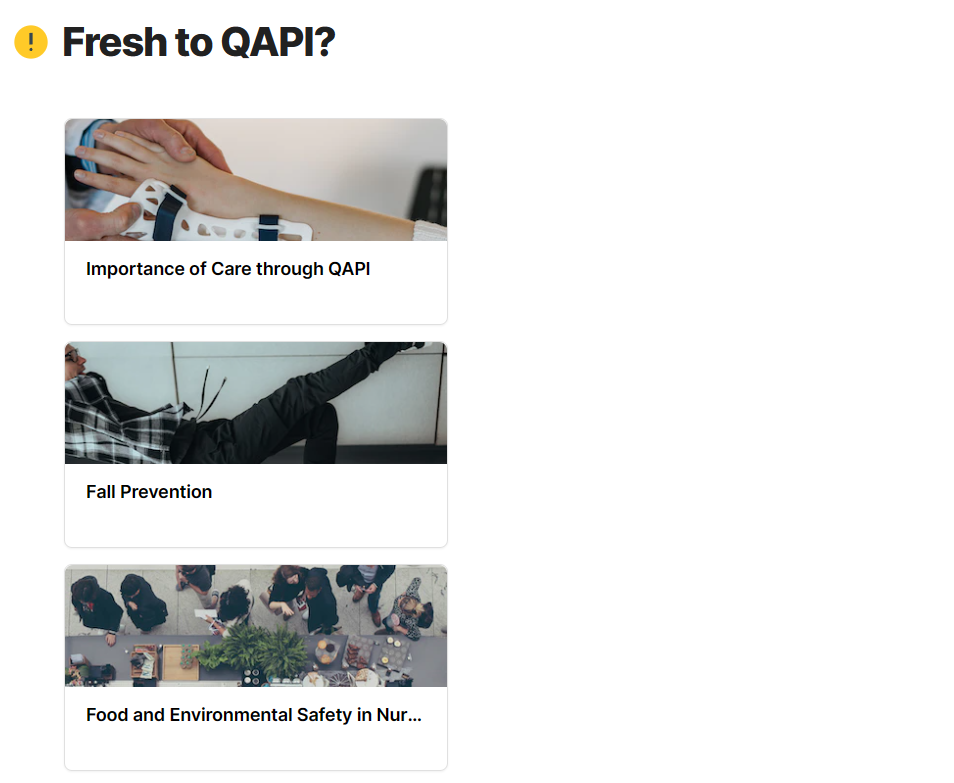
Preview of inservice documents and articles for new QAPI participants
-
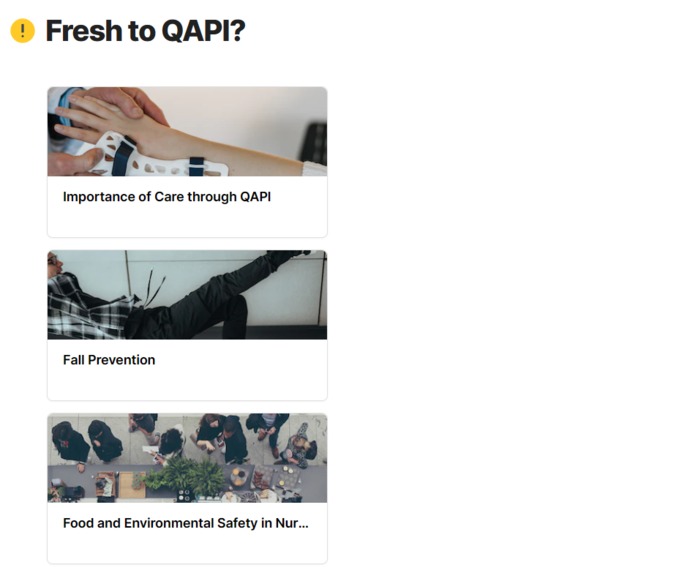
List of inservice documents for new QAPI participants
-
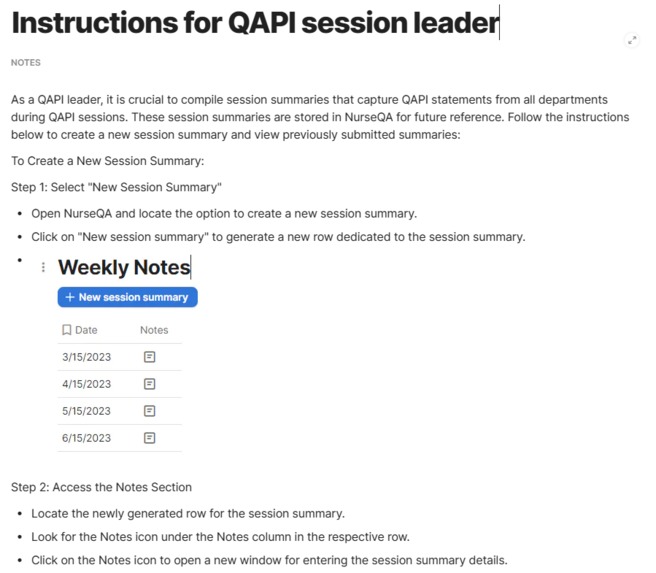
How to guide for session leader
-
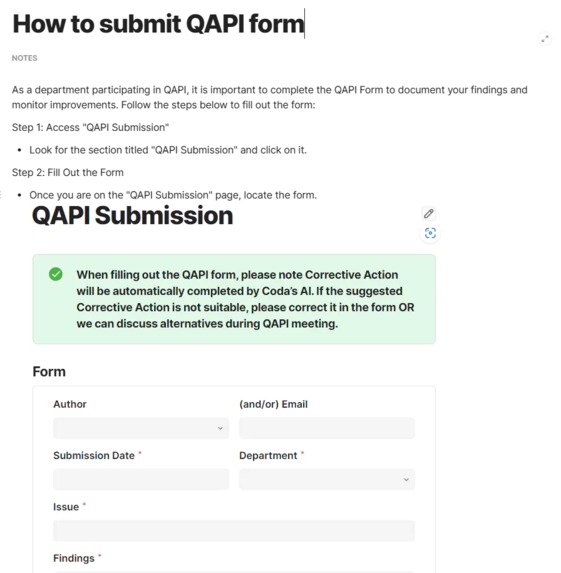
How to guide for submitting QAPI forms
-
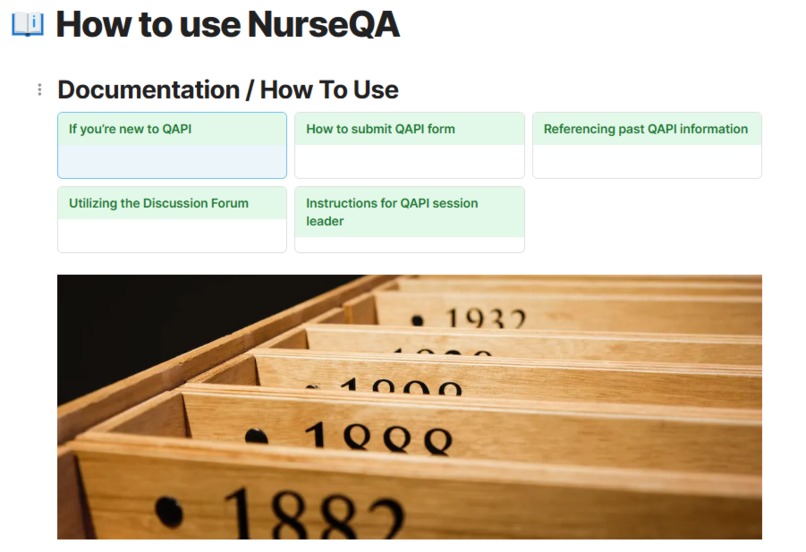
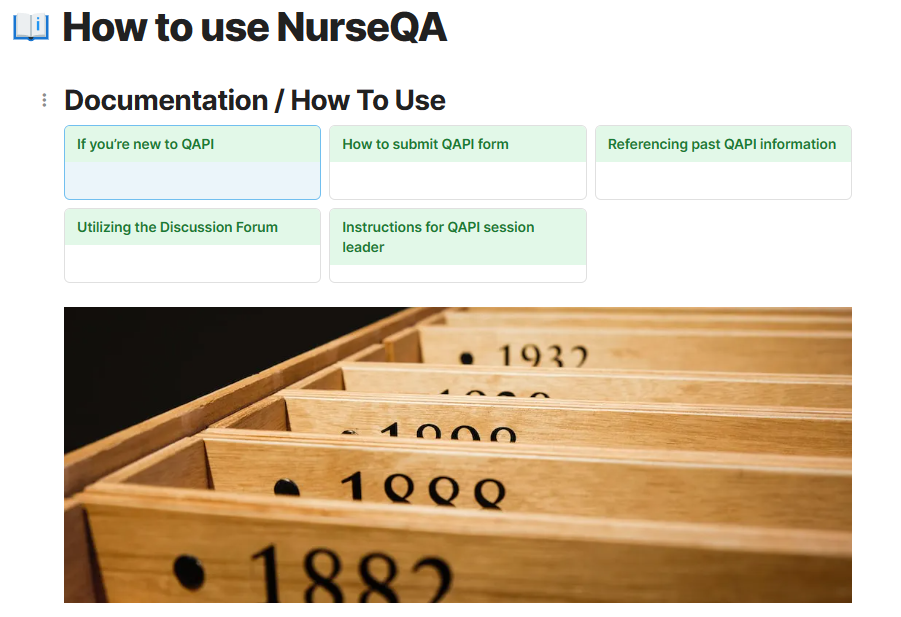
List of How To Guides/Documentation
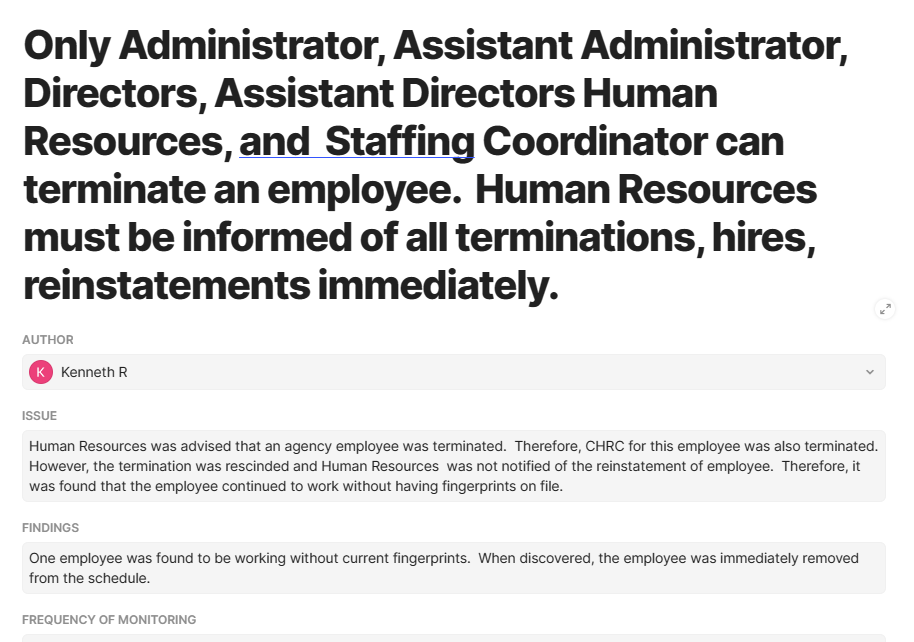
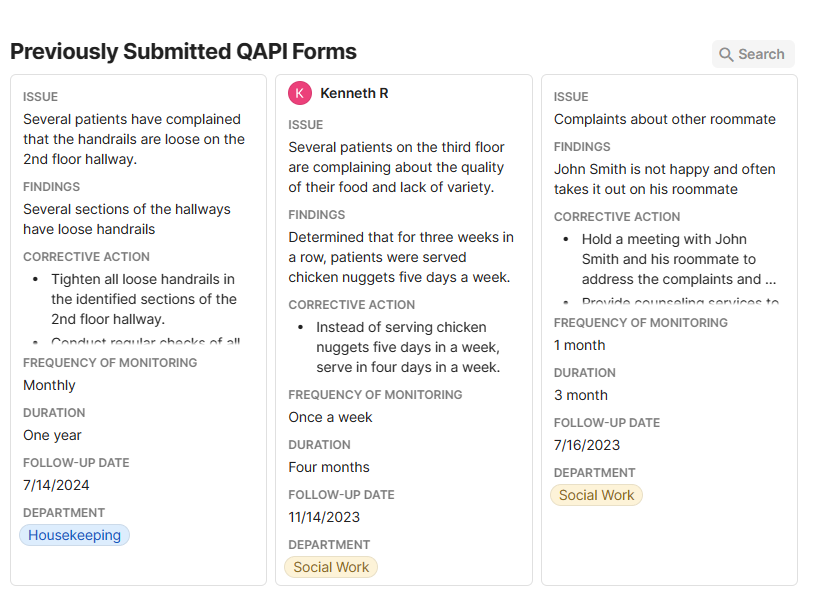
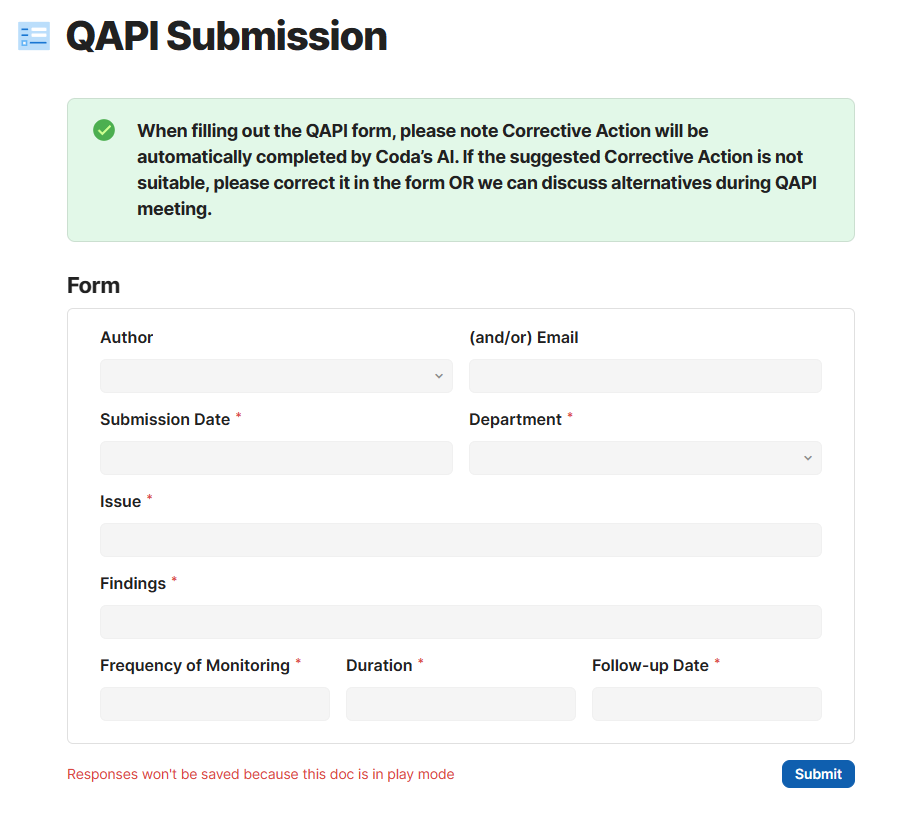
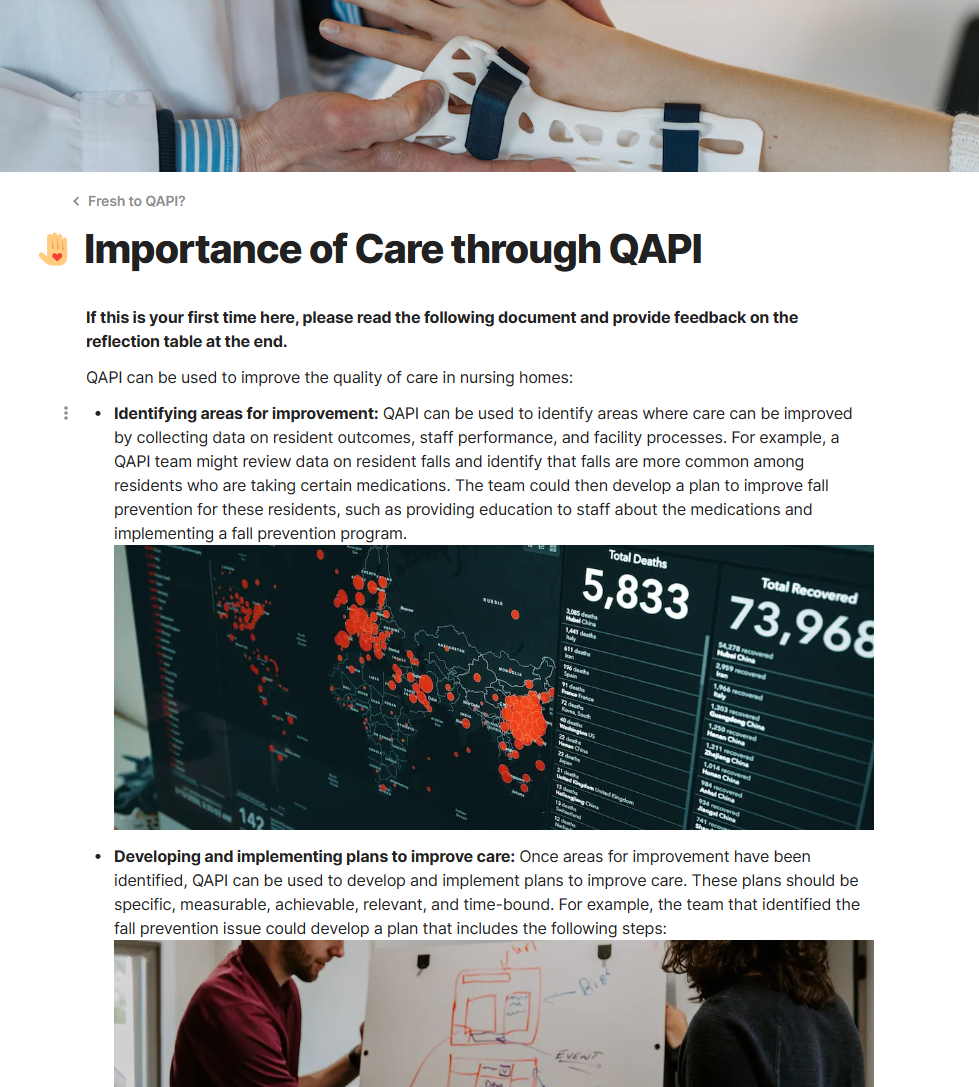
Inspiration
NurseQA was born out of my deep concern for the safety and well-being of the elderly and individuals receiving rehab therapy in nursing homes. Having witnessed the potential risks and accidents that can occur in such environments, I was inspired to create a solution that addresses these challenges head-on. The well-being and safety of these vulnerable individuals are of paramount importance, and I wanted to contribute to their care by streamlining Quality Assurance and Performance Improvement (QAPI) meetings.
By focusing on accident prevention and ensuring proper care, NurseQA aims to mitigate risks and enhance the overall safety within nursing homes. The project was driven by a desire to empower healthcare professionals with a tool that would facilitate effective communication, problem identification, and resolution in a structured manner. By centralizing QAPI meetings and information, we can better track incidents, identify potential problems, and take proactive measures to address them. Ultimately, the goal is to create an environment where residents can receive the highest standard of care while minimizing the occurrence of accidents and ensuring their well-being.
What it does
NurseQA is a comprehensive solution designed to streamline Quality Assurance and Performance Improvement (QAPI) meetings in nursing homes. It provides a centralized platform to enhance communication, problem-solving, and the overall quality of care provided to residents.
Here's what NurseQA does:
Centralizes QAPI Meetings: NurseQA serves as a central database for all QAPI meetings. It provides a dedicated space to store forms, notes, and other relevant information related to QAPI processes.
Efficient Issue Tracking: The template allows for efficient tracking of issues discussed during QAPI meetings. Each issue can be documented, further discussed, and tracked for resolution and improvement.
Prioritizes Important Issues: NurseQA helps prioritize critical issues that during QAPI meetings. By providing a forum to discuss low priority concerns, issues related to resident safety and well-being will receive adequate focus in QAPI meetings.
AI-Assisted Corrective Actions: NurseQA integrates AI capabilities to suggest effective corrective actions for identified issues. Leveraging technology, the template provides valuable insights and recommendations to assist in formulating appropriate solutions.
Knowledge Sharing: The platform facilitates knowledge sharing by providing important content for new supervisors and department representatives. This allows them to familiarize themselves with essential information before QAPI meetings, ensuring everyone is on the same page.
Improved Accountability: NurseQA tracks engagement and monitors who has read the introduction content, promoting accountability among team members. This feature ensures that everyone stays informed and up to date with the latest information and discussions.
Quick Access to Past Discussions: The template allows for quick access to submitted forms and previous discussions, making it easier to reference past issues, actions taken, and their outcomes. This enables informed discussions and follow-ups during subsequent QAPI meetings.
By offering these features, NurseQA simplifies and enhances the QAPI process in nursing homes. It aims to improve communication, problem-solving, and the overall quality of care, ultimately ensuring the safety and well-being of residents and promoting continuous improvement in the provision of healthcare services.
How I built it
To build NurseQA, I embarked on a journey of creating a streamlined and efficient solution for QAPI meetings in nursing homes. Here's an overview of how I built it:
Identifying the Need: I recognized the importance of improving the quality of care and safety in nursing homes, particularly during QAPI meetings. Understanding the challenges faced in these settings inspired me to create a solution that addresses these specific needs.
Planning and Design: I carefully planned and outlined the key features and functionalities required for NurseQA. This involved brainstorming sessions, researching industry best practices, and gathering user requirements to ensure the solution meets the unique demands of QAPI meetings.
Selecting the Platform: After careful consideration, I chose a suitable platform to develop NurseQA. This involved evaluating various options and selecting the one that provided the necessary capabilities and flexibility to bring the vision to life.
Development and Implementation: Using my technical skills and knowledge, I began developing the NurseQA solution. This included setting up the database structure, designing user interfaces, integrating AI capabilities, and implementing the various features discussed earlier.
Testing and Refinement: Throughout the development process, I conducted rigorous testing to identify and address any bugs or issues. I sought feedback from potential users, incorporating their suggestions and making iterative improvements to enhance the user experience and functionality. This primarily focused on optimizing the AI prompts in the QAPI form.
Building NurseQA involved a combination of technical expertise, domain knowledge, user-centric design, and a strong commitment to improving the quality of care in nursing homes. The process was iterative and collaborative, ensuring that the final product effectively addresses the needs of QAPI meetings and contributes to the overall well-being of residents.
Challenges I ran into
Integrating AI into the form posed a unique set of challenges during the development of NurseQA. My goal was to leverage AI capabilities to suggest corrective actions based on the reported issues and findings. However, I encountered several hurdles in ensuring the AI-generated solutions aligned with a nursing home perspective.
The primary challenge was fine-tuning the AI model to provide actionable and practical corrective actions. While AI can generate creative solutions, it was crucial to ensure that the suggestions were feasible within the constraints of a nursing home environment. This required testing and iterating on the AI model to improve the relevance and effectiveness of the generated solutions.
Additionally, there was a need to strike a balance between the AI-generated suggestions and the expertise of the healthcare professionals using NurseQA. The AI was intended to assist and augment decision-making rather than replace human judgment. Providing clear guidance and context within the form interface helped users understand the role of AI-generated suggestions and make informed decisions based on their expertise and knowledge of the nursing home operations.
Despite these challenges, integrating AI into the form was a rewarding endeavor. It added a valuable layer of support and efficiency to the QAPI process by offering suggested corrective actions based on reported issues. The iterative refinement of the AI prompts and fine-tuning of the model ultimately contributed to a more effective and user-friendly NurseQA solution.
Accomplishments that I am proud of
I take great pride in having created a solution within NurseQA that fosters constant communication among all departments in nursing homes. This feature ensures that less important issues can be addressed effectively while reserving QAPI meetings for discussing the most crucial matters.
By providing a platform for constant communication, NurseQA enables departments to collaborate and share information on less critical issues through bulletins, forums, or other dedicated channels. This allows for timely resolution without the need to allocate valuable meeting time to every minor concern.
I am particularly proud of the AI-powered QAPI form within NurseQA. By integrating AI capabilities, I am able to harness the power of technology to suggest corrective actions based on the issues and findings reported. This not only enhances the efficiency of the QAPI process but also assists in formulating effective solutions that are tailored to the nursing home environment.
The AI-powered QAPI form provides valuable insights and prompts for corrective actions, empowering healthcare professionals to make informed decisions and address issues proactively. This innovative feature significantly enhances the effectiveness and impact of the QAPI process, ultimately contributing to the safety and well-being of residents.
I believe that by creating a way for all departments to be in constant communication while reserving QAPI meetings for the most crucial issues, and by incorporating an AI-powered QAPI form, NurseQA optimizes efficiency, collaboration, and the overall quality of care within the nursing home environment.
What we learned
During my research to develop NurseQA, I discovered the impressive level of customization offered by Coda documents. This flexibility allowed me to tailor NurseQA to the specific needs of nursing homes and QAPI meetings.
However, what I found most valuable during my research was the wealth of information I gathered from different nursing home departments. By actively engaging with healthcare professionals and understanding their processes, I gained crucial insights into how they identify and correct issues.
Through conversations and observations, I learned about the challenges they face and the importance of effective communication among departments. This knowledge became the foundation for designing NurseQA to facilitate constant communication and collaboration.
Understanding how crucial issues are identified and resolved was paramount. By integrating AI into the QAPI form, I ensured that NurseQA provides valuable suggestions and prompts for corrective actions. This empowers healthcare professionals to make informed decisions and proactively address issues.
In summary, my exploration of Coda's customization capabilities combined with the knowledge gained from nursing home departments allowed me to create NurseQA—a tailored solution that streamlines QAPI meetings and fosters efficient issue identification and resolution.
What's next for NurseQA AI for Better Nursing
Moving forward, there are exciting plans for the continued enhancement of NurseQA:
Improving the QAPI Form: Further research will be conducted to refine the QAPI form within NurseQA. The goal is to explore how Coda's AI capabilities can assist in identifying measurable issues, such as the number of falls, and generate separate graphs that visually represent the progress in reducing these identified issues. This will provide valuable insights and facilitate data-driven decision-making in improving the quality of care.
Exploring 3rd Party Extensions and Integrations: Researching and exploring 3rd party extensions and integrations is a priority. This will involve investigating available tools and integrations that can further enhance the user experience and expand the functionality of NurseQA. By leveraging external resources, we can bring in additional features and capabilities to optimize the QAPI process and provide a seamless and comprehensive solution.
The vision for NurseQA is to continually evolve and adapt to meet the ever-changing needs of nursing homes and QAPI processes. By incorporating AI enhancements, leveraging data visualization, and exploring integrations, NurseQA will continue to empower healthcare professionals, streamline workflows, and improve the quality of care provided to residents.
Built With
- coda.io

Log in or sign up for Devpost to join the conversation.