Inspiration
Nurse TiTi was inspired by a simple but serious problem: during emergencies, people often panic or do not know what to do before professional help arrives. In Nigeria, delays in receiving care can make an already dangerous situation worse. We wanted to create a tool that could guide an ordinary person through appropriate first-aid steps while help is being sought.
What it does
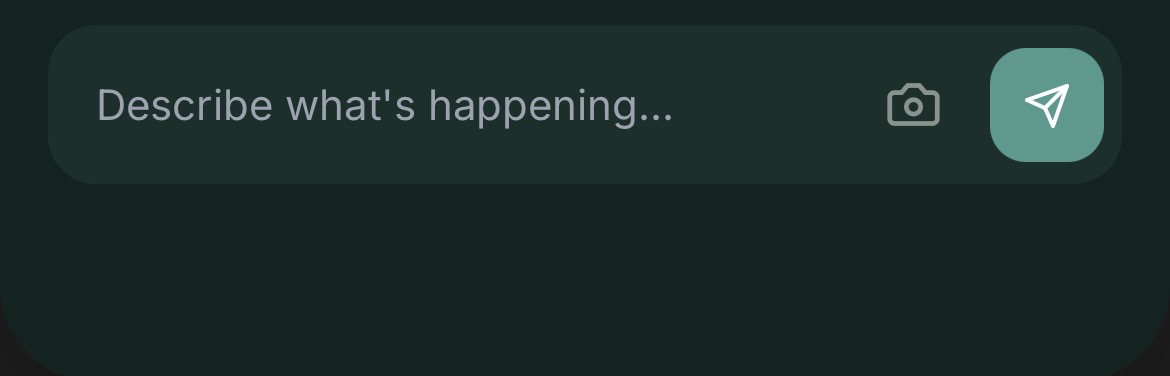
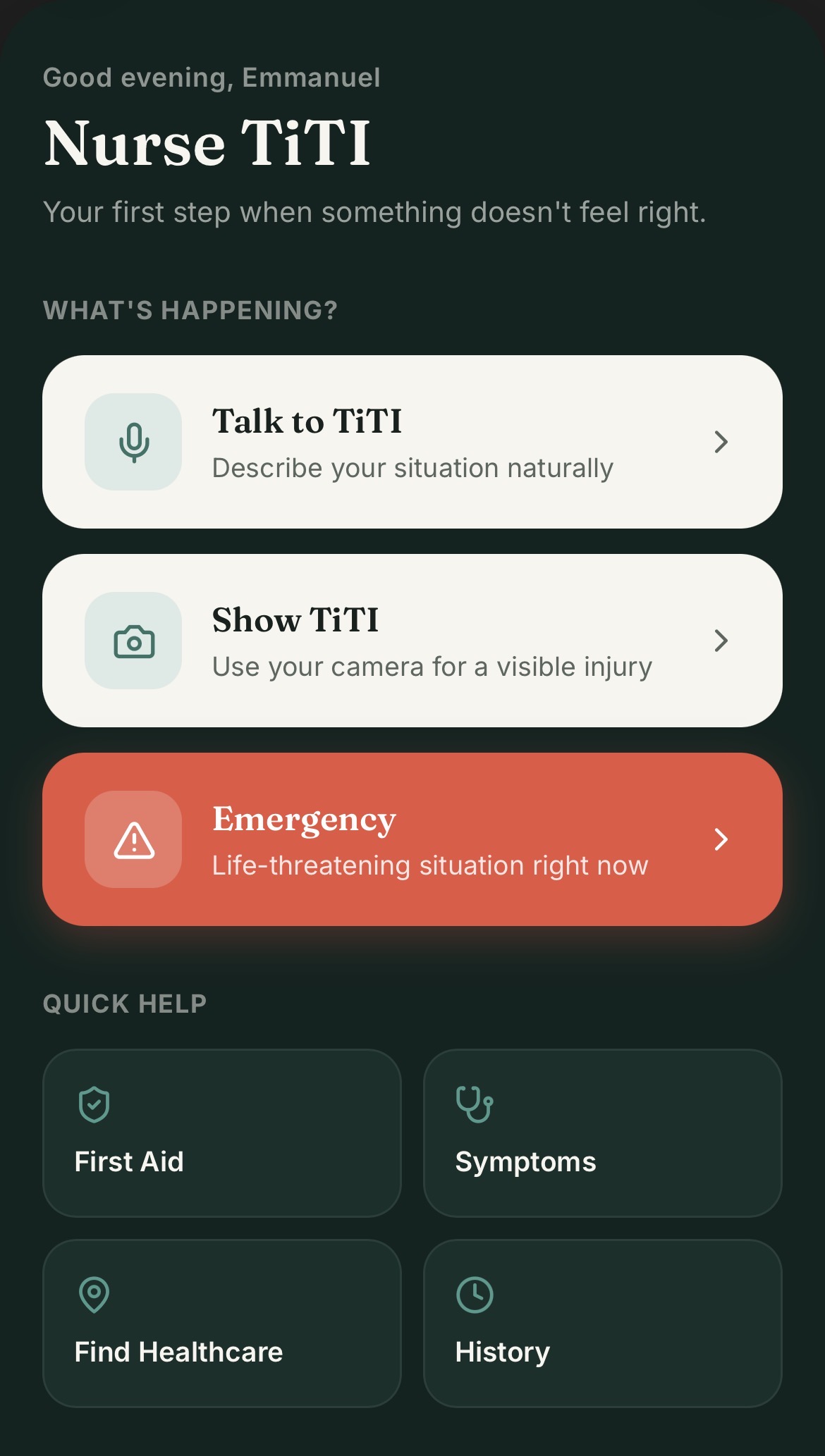
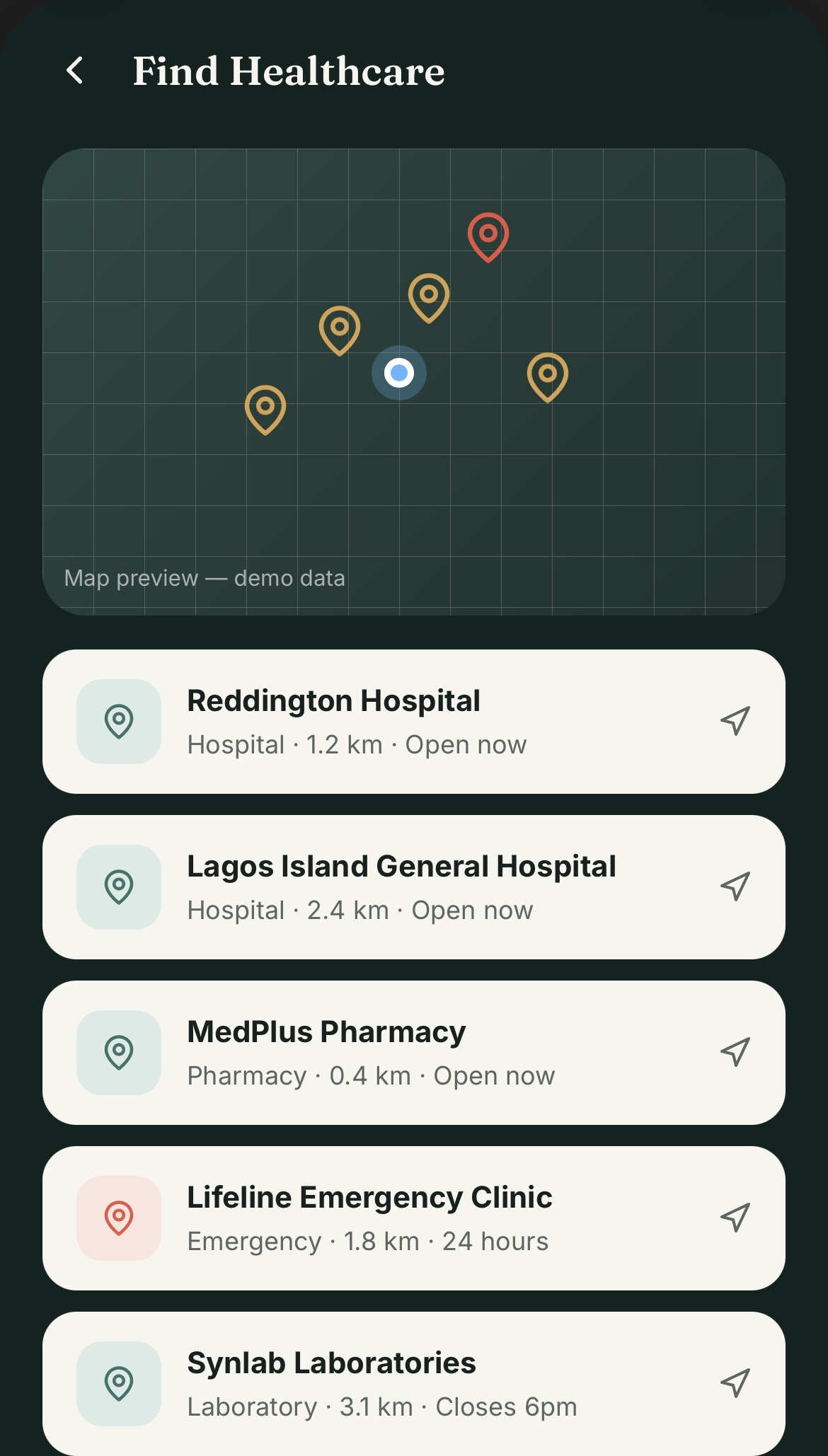
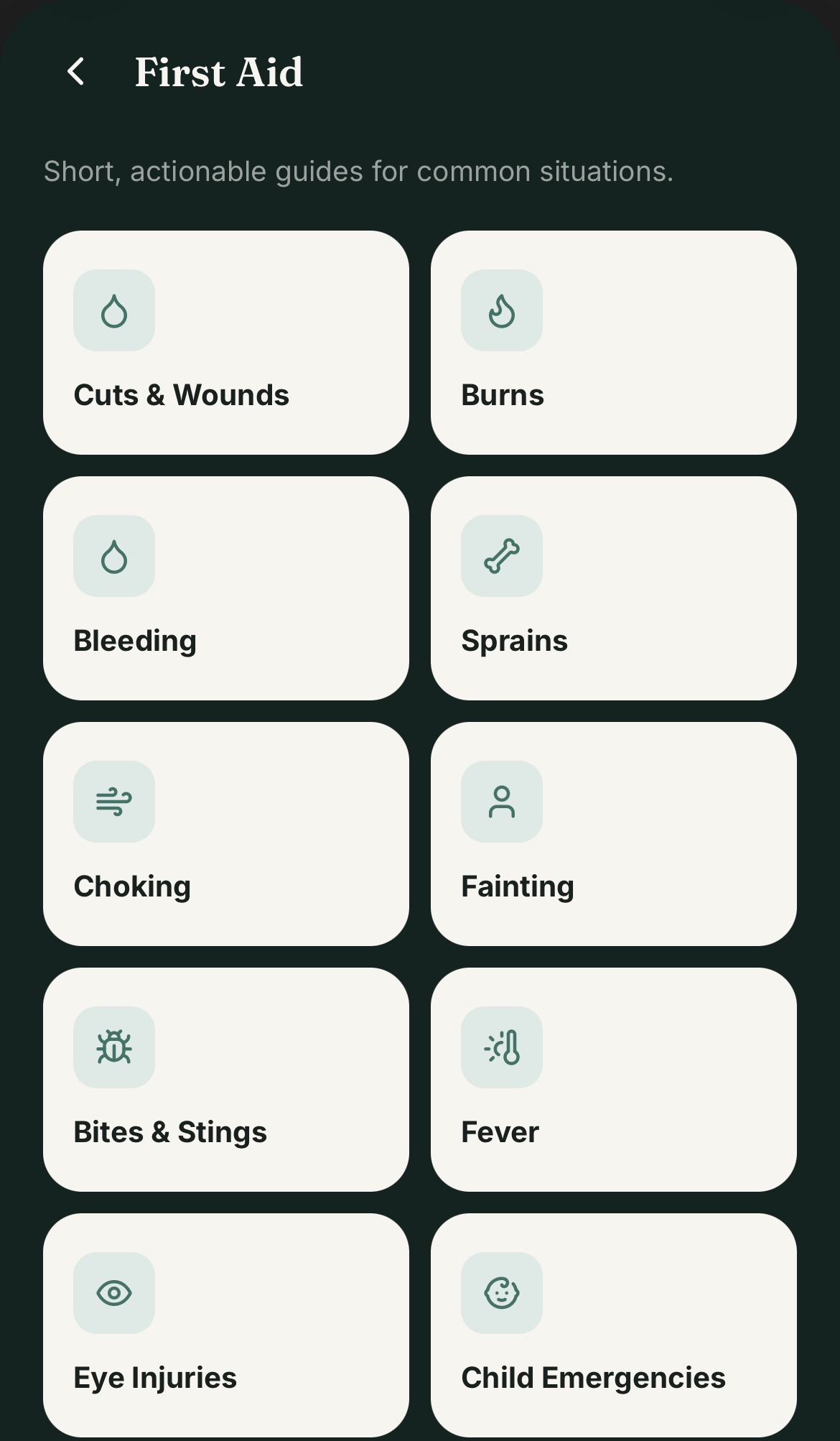
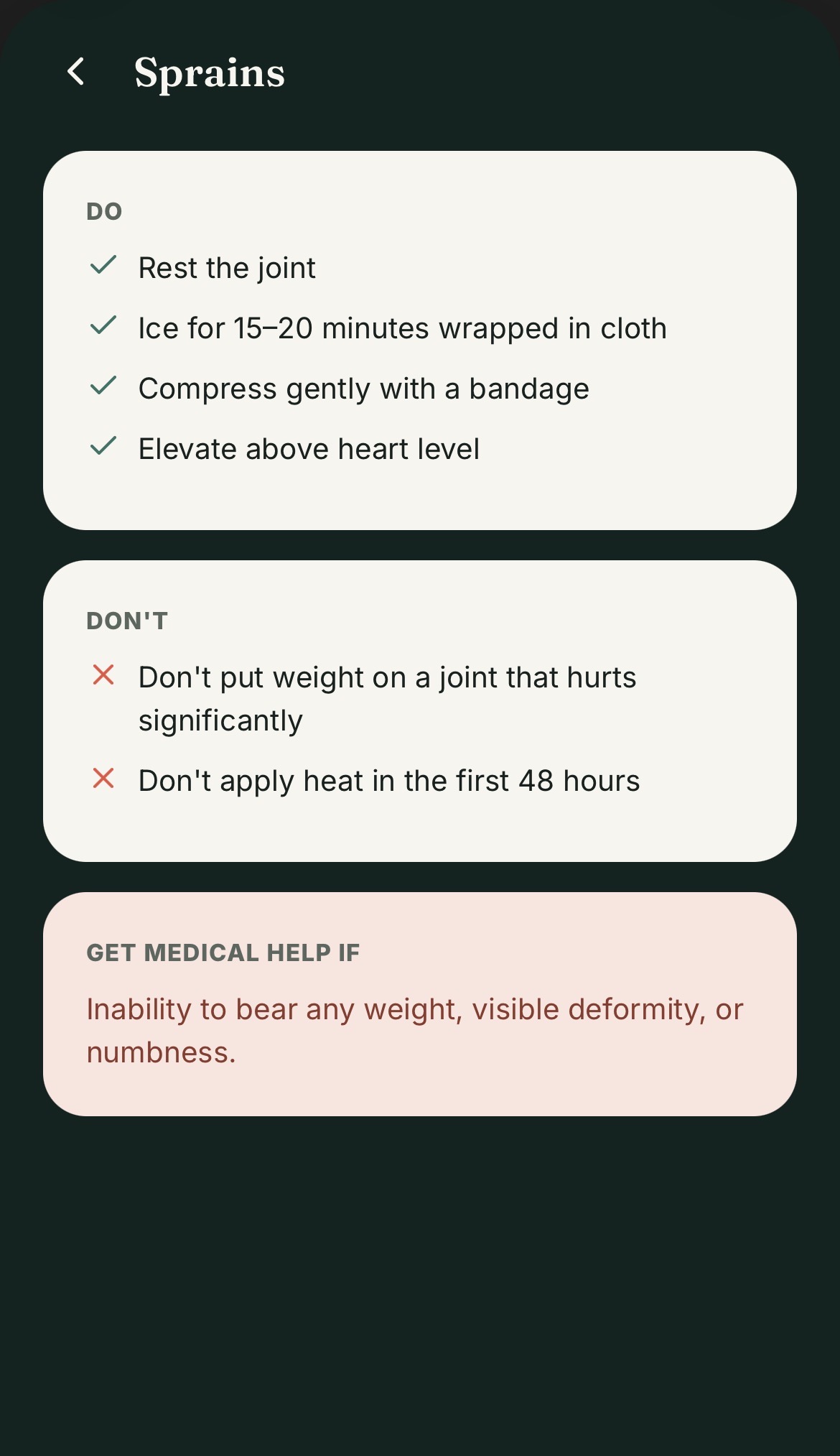
Nurse TiTi is an AI-powered emergency and first-aid navigation platform. A user can describe or show an injury or emergency situation and receive guided first-aid information, with the system helping them understand what to do next and when professional medical attention may be necessary. The platform is also designed to support emergency escalation by sharing a user’s location and important medical information with designated contacts when appropriate.
How we built it
We designed Nurse TiTi around an AI-powered conversational interface that can interpret emergency descriptions and provide structured first-aid guidance. The concept combines AI assistance, emergency-contact workflows, location sharing, and user medical-profile information such as blood group and relevant conditions. Our prototype development focuses on making the experience simple enough to use during stressful situations.
Challenges we ran into
One of our biggest challenges was balancing usefulness with safety. Medical emergencies require accurate information, and an AI system must not encourage users to replace professional medical care with an AI response. We also had to think carefully about privacy, consent, location sharing, unreliable internet access, and how to make the interface usable when someone is frightened or under pressure.
Accomplishments that we’re proud of
We transformed an initial idea into a defined emergency-assistance concept with a clear user problem, target audience, product workflow, and emergency escalation system. We are particularly proud of designing Nurse TiTi around helping people take the right immediate steps while connecting them to appropriate human help, rather than positioning AI as a replacement for healthcare professionals.
What we learned
We learned that building for emergencies requires more than simply providing information. The system has to consider speed, clarity, trust, privacy, consent, accessibility, and escalation to real-world assistance. We also learned that AI products in sensitive areas need strong safety boundaries and should complement professionals rather than attempt to replace them.
What’s next for Nurse TiTi
Our next step is to develop a more functional prototype and test it with real users in controlled scenarios. We plan to improve emergency detection, first-aid guidance, location-based emergency workflows, medical-profile handling, and offline/low-connectivity functionality. We also want to explore partnerships with healthcare providers, emergency-response organizations, and technology companies to validate and eventually deploy Nurse TiTi at scale.

Log in or sign up for Devpost to join the conversation.