-
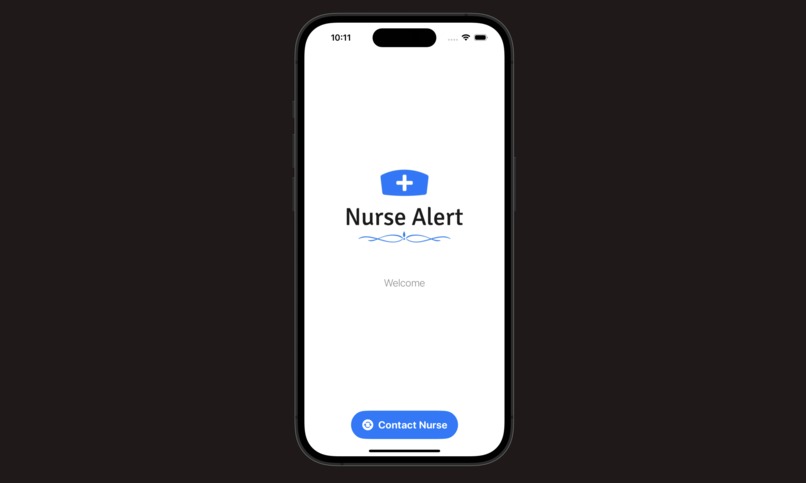
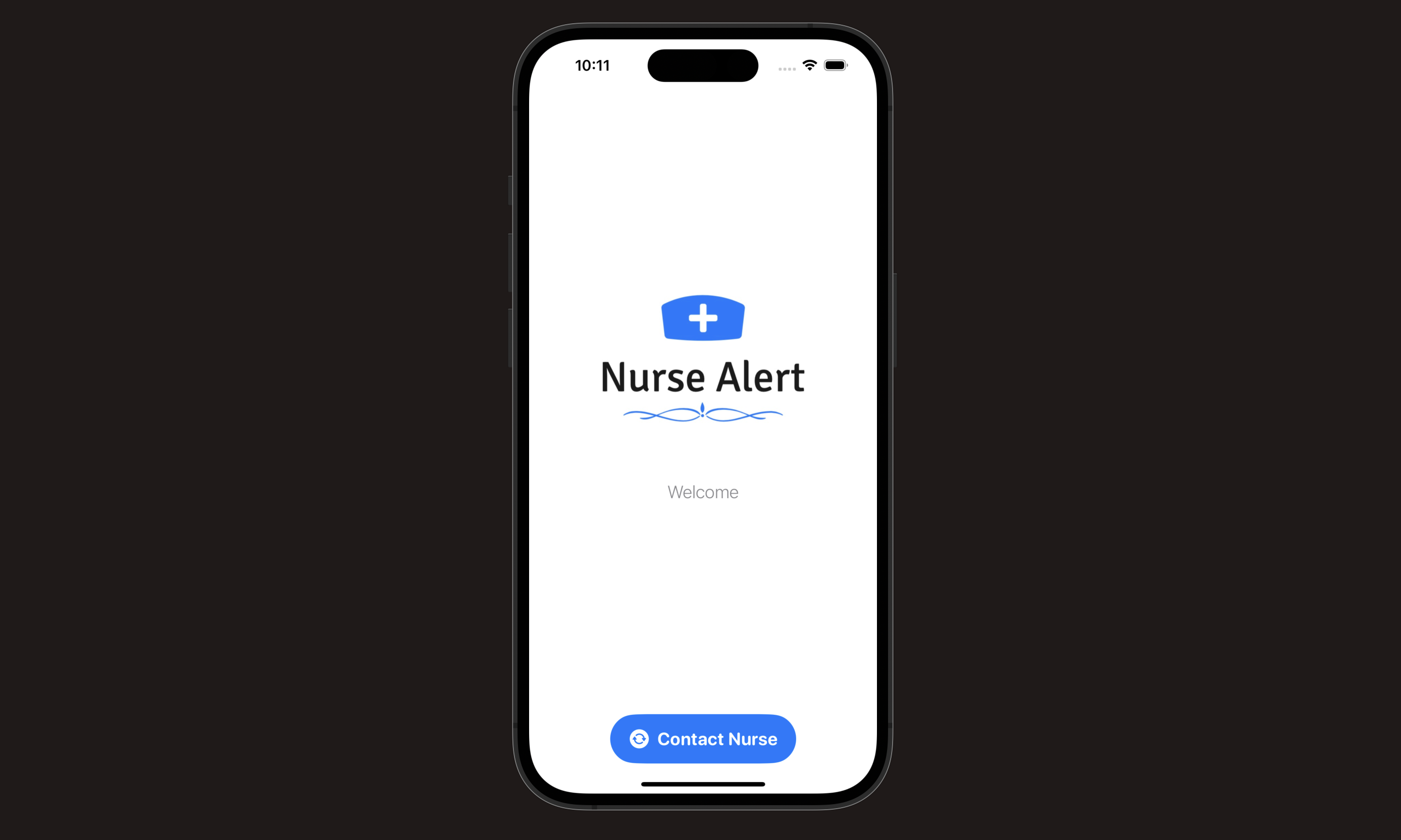
Home screen of the application along with logo.
-
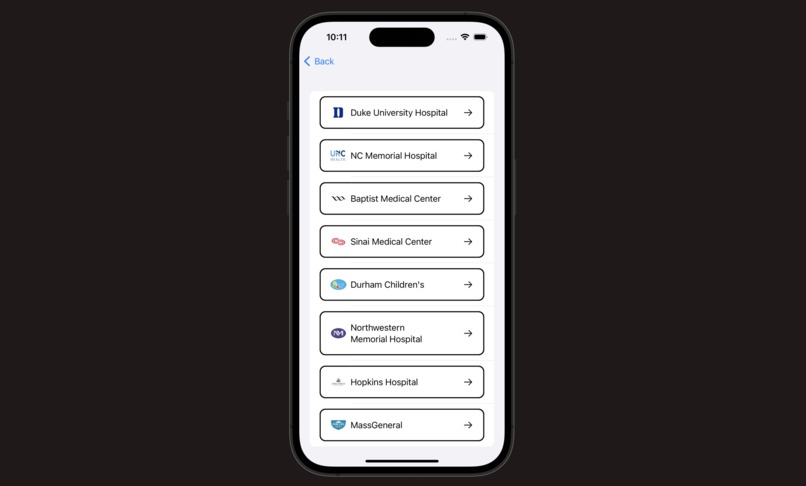
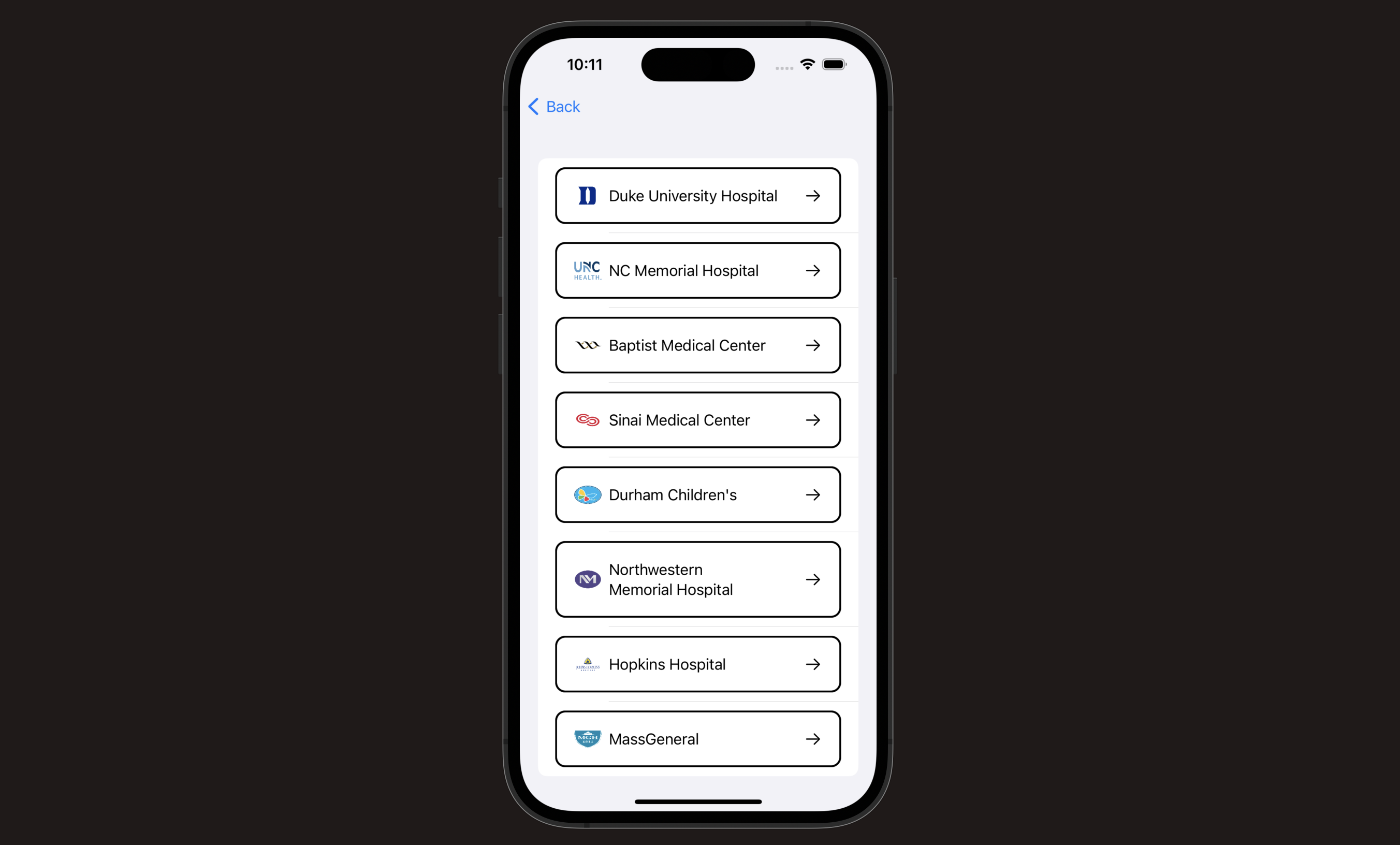
Hospital list read from a MySQL Database using AWS services.
-
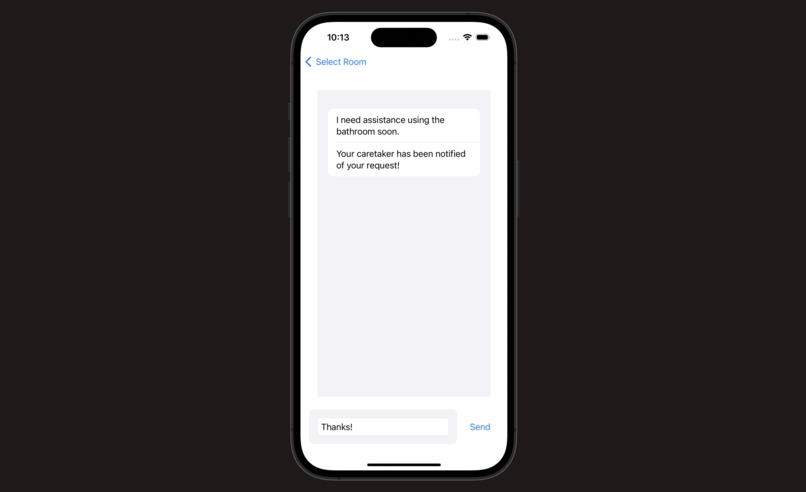
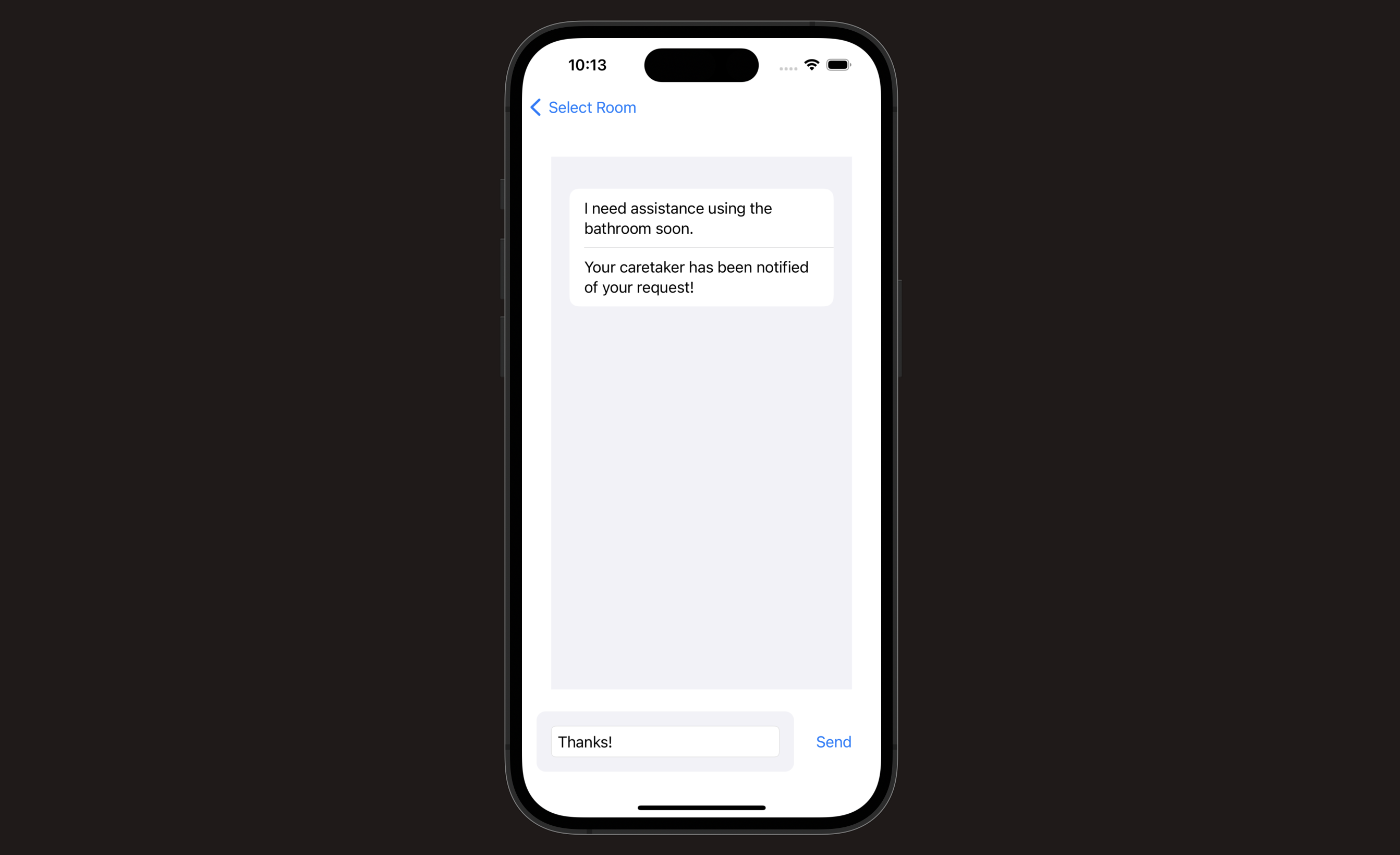
User Interacting with LLM. Trained model understands the relative severity of requests, and pings nurses quickly and efficiently.
-
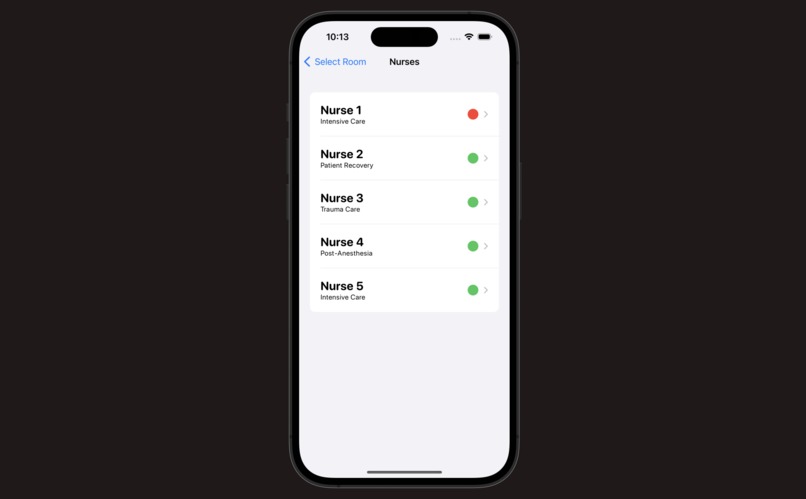
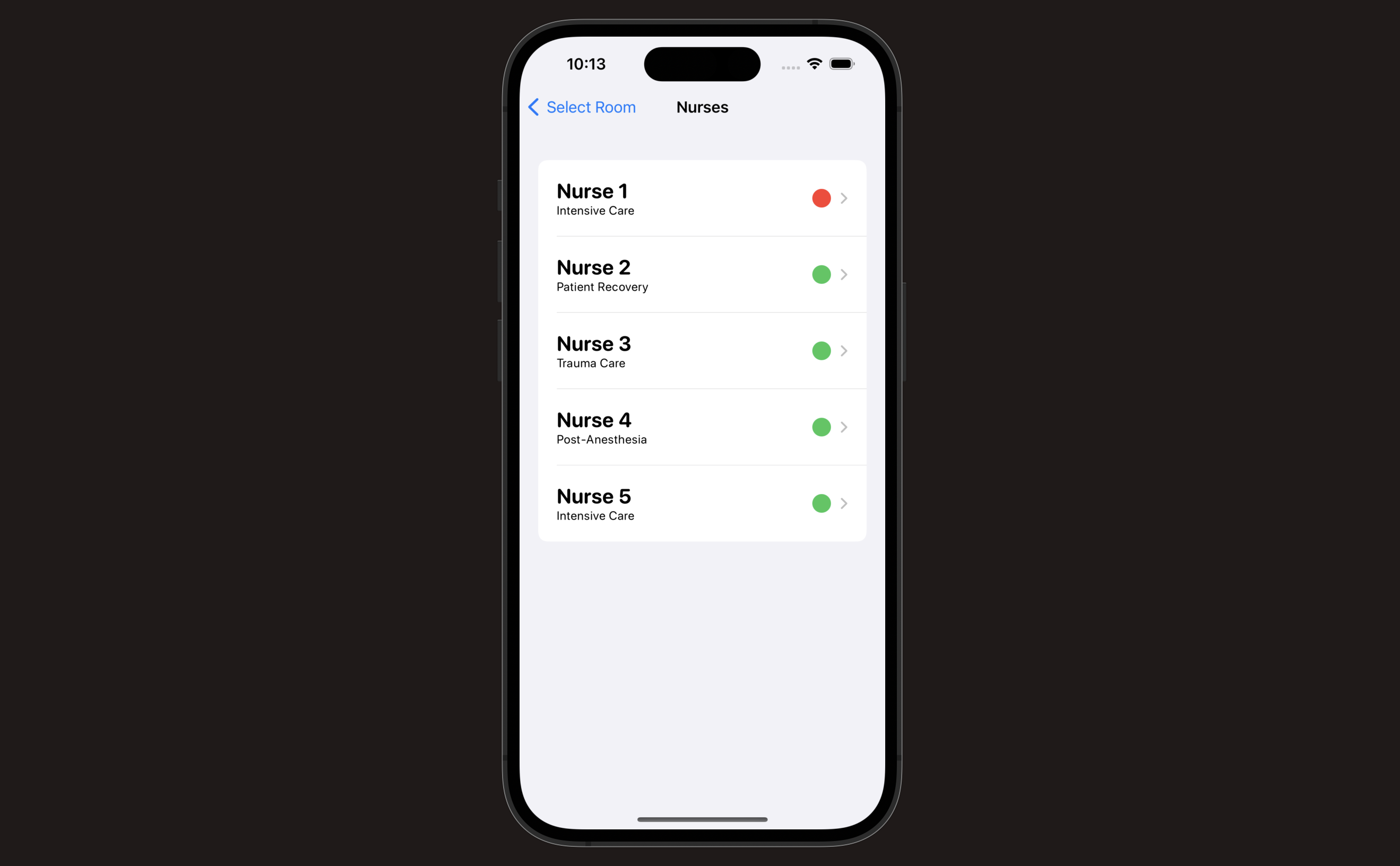
For administrators, shuffle staff around and reassign them to rooms based off of their availability.
-
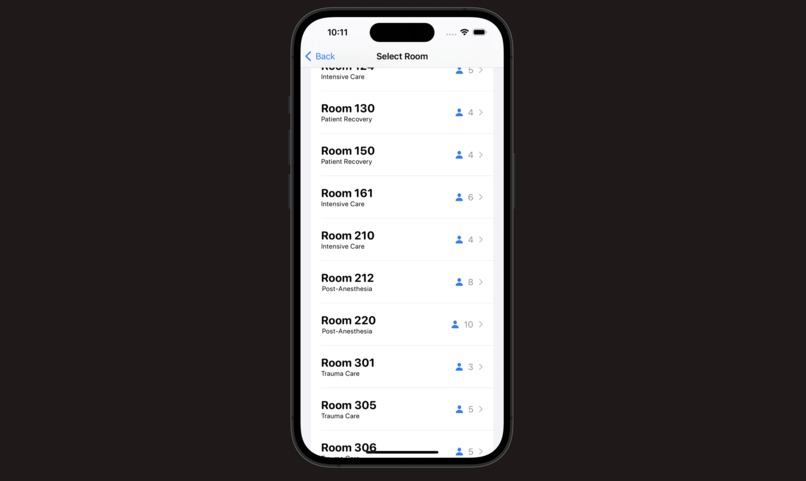
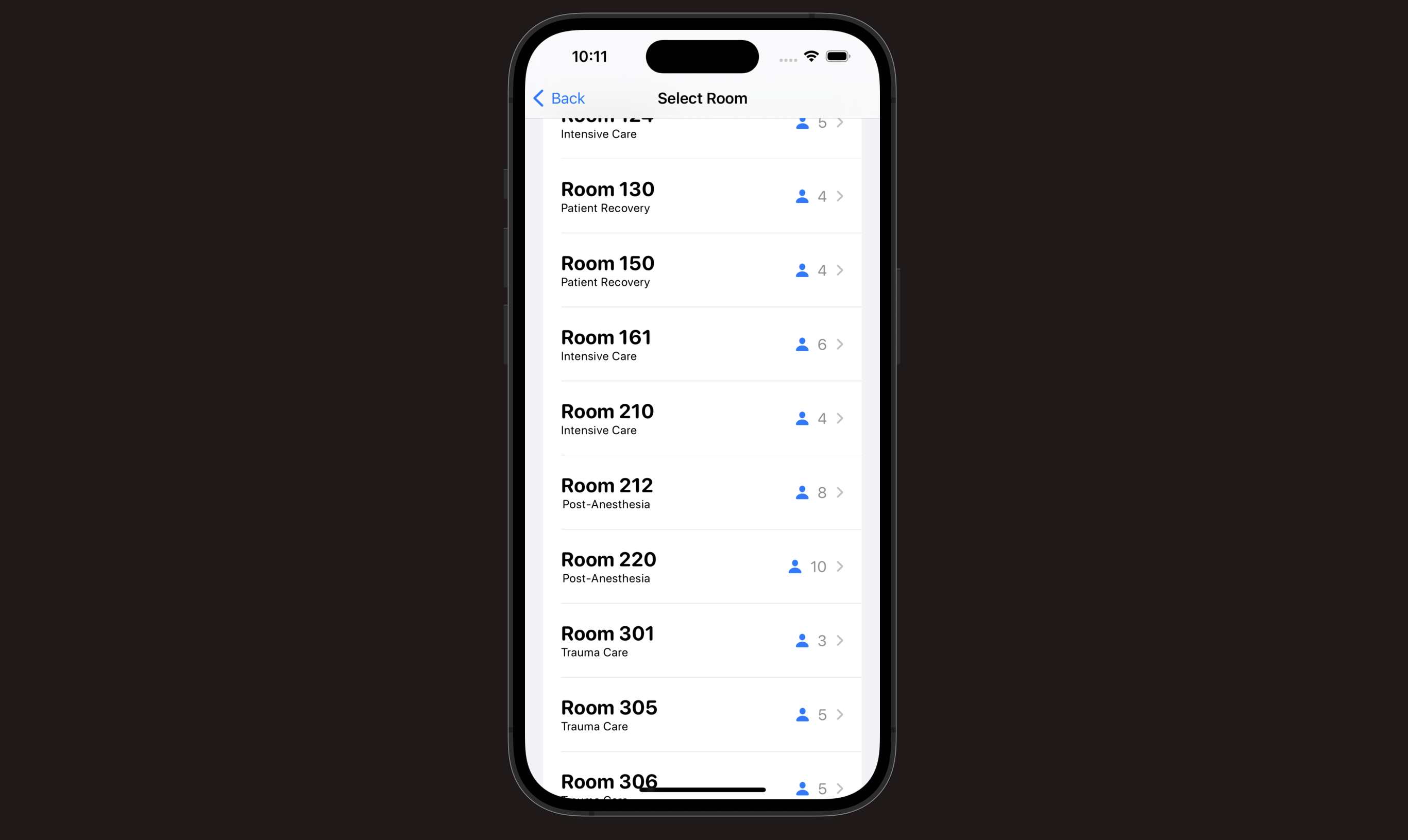
List of rooms in the hospital along with the number of assigned staff to a given room.
-
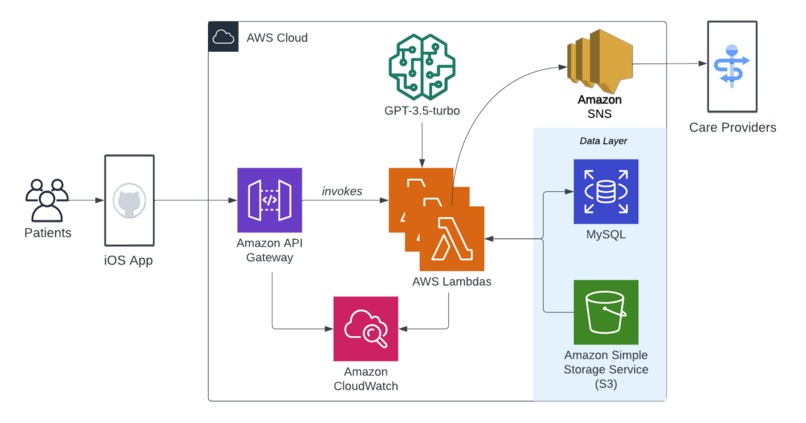
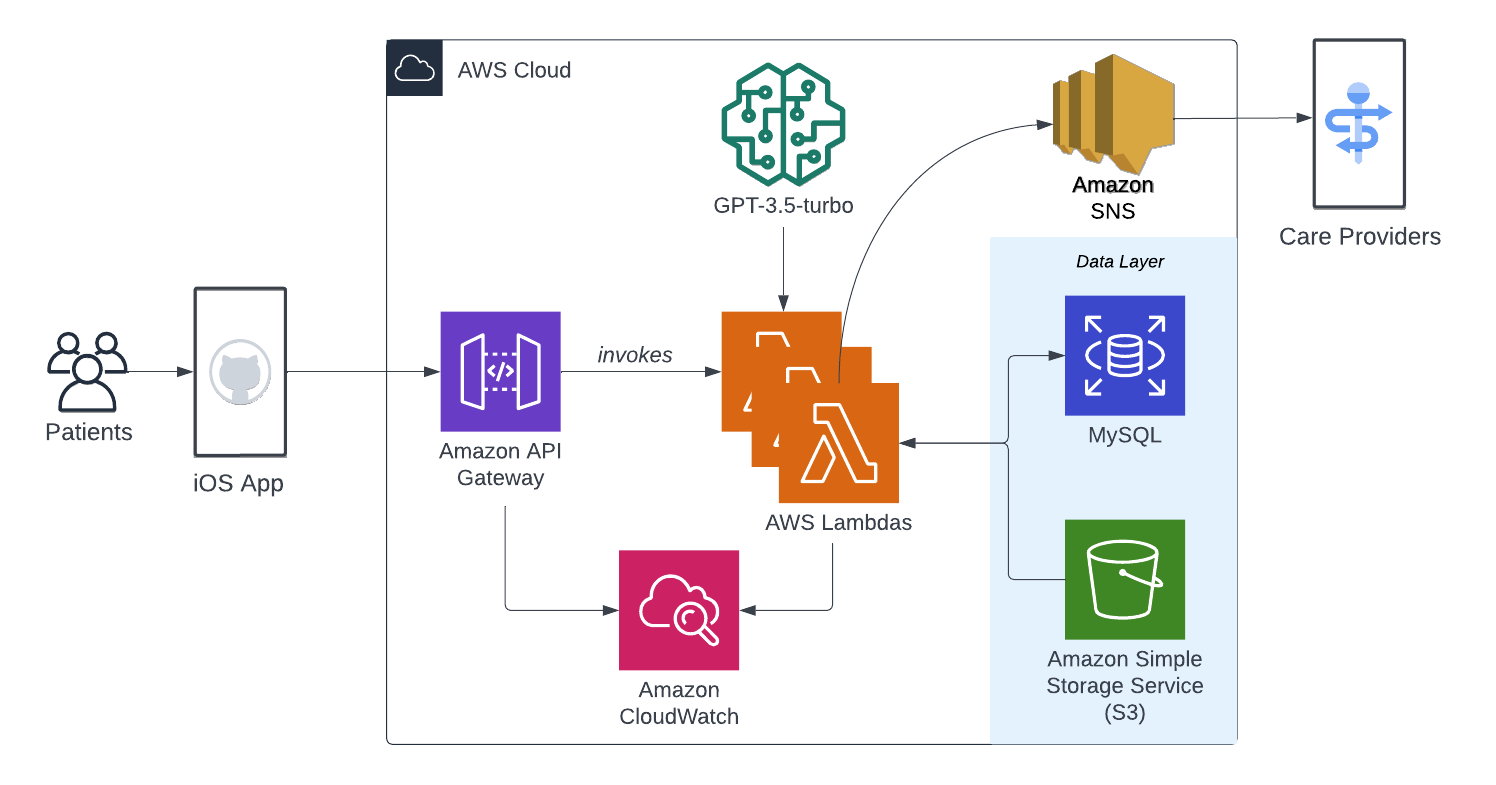
High-level architecture diagram for NurseAlert app.
Inspiration
Upon attending the patient-safety talk hosted on Friday night, we gained greater insight into the significance of patient-provider communication. It is when this communication is optimized for efficiency and directness, that patient error can be minimized. On Friday, our team visited Duke Hospital to interview nurses and doctors to better understand current roadblocks to optimal communication. There, several nurses pointed out that the patient-to-nurse call buttons have an operator "middle-person" who delegates patient calls to nurses, but does not always have access to variables such as urgency of the request or current patient condition. Ultimately, this lack of information often leads to a disruption in workflow. Not to mention: hospital ratings are directly impacted by patient satisfaction reviews, meaning that our app will work to boost hospital ratings. Nurses are unable to distinguish low severity and high severity requests, and this can increase stress and burn-out. This inspired us to create a tool that prioritizes patient requests with high severity, which means that patients will receive attention immediately and minimize further unnecessary health risks. Simultaneously, nurses can treat requests accordingly. Organization in the medical field is CRUCIAL, and NurseAlert allows medical professionals and patients to reap the benefits of an organized workflow.
What it does
NurseAlert streamlines communication between patients and nurses to ensure patients get necessary medical attention and enable medical professionals to keep a steady workflow in hospitals/clinics. NurseAlert allows patients to type their request, which is then ingested by a gpt 3.5 turbo Large Language Model (LLM) we fine-tuned using data from patient-physician interactions and LangChain. The LLM classifies the patient’s request as severe, mild, or low urgency. Nurses will then receive an SSM message from the app indicating the urgency of the patient’s request (as determined by the trained LLM) and the room in which the patient is located. In scenarios where a patient request is urgent (such as trouble breathing), a nurse can stop what they’re doing to attend to the patient’s needs. On the other hand, when a patient has a request of low urgency (such as needing to go to the bathroom) the nurse can finish his/her task before attending to the patient’s request.
Additionally, NurseAlert has a platform for medical staff to check which nurses are assigned to each room (and the status of those nurses), to allow for better organization and delegation of human resources to the patient in need.
How we built it
We used AWS for our backend: AWS lambda, API gateway, CloudWatch, S3, Amazon RDS (mySQL). We coded our front-end in XCode on Swift and SwiftUI. Our backend was in Python and included a LLM we trained. We worked with vs-code and intellij. We used GitHub.
Challenges we ran into
Our first major roadblock came when attempting to train the large language model, as we needed to find a dataset whose language resembled patient requests, not just medical jargon. Instead, we used GPT to generate our own data set based on a few sample pieces of metadata.
More, we worked hard at designing and implementing an entire server-less backend from scratch. We designed database schema and worked with AWS services to create the back-bone of our iOS application.
Accomplishments that we're proud of
This was the first hackathon for three out of the four of us—and we were pleasantly surprised to see the complexity that our project achieved in a short amount of (sleepless) time. We were able to integrate a large language model into our solution as well as carry out a full-stack process, with a fully implemented database and front-end.
We are also proud of rooting our project in a problem we were able to hear about and witness first-hand. In the hours before 10pm on Friday, we went to Duke Hospital to hear first-person accounts from nurses, EMTs, and MDs about how they would like to see healthcare improved. We worked with them to come up with several possible solutions. Ultimately, we decided to stick with NurseAlert since it seemed the most holistic and wide-reaching solution: improving hospital staff's experiences, patient's experiences, and reducing costs for the hospital.
What we learned
Throughout the past three days, we collectively acquired collection of technical skills spanning from training our own large langage model with custom data and an OpenAI API to integrating a full stack solution to a modern problem. We also learned the importance of consistent progress as emphasized by SCRUM methodology.
What's next for Nurse Alert
Our model was able to successfully learn how to classify the severity of patient requests. With this information, we envision a tool that can determine which available provider (e.g., Nurse, Nurse's Aid) would best equipped (and most available) to address the request. For example, training the model to delegate patient requests to either a nurse aid, nurse, physician’s assistant, or presiding physician. Additionally, in hospitals where staff numbers are limited, creating a feature to notify the personnel that is next best-suited to address the patient’s request. For example, if multiple high severity requests are notifying the same presiding physician, there will be a delay in addressing patient needs. Instead, if the app recognizes that the physician is addressing an in-progress emergency, it will notify the physician’s assistant.
We could include a tool to track patient satisfaction for hospitals that begin implementing NurseAlert. This way, hospitals can tangibly track the money they save, and the people's lives they improve.
Built With
- amazon-cloudwatch
- amazon-rds-relational-database-service
- amazon-sns
- amazon-web-services
- api-gateway
- cloud9
- cloudwatch
- github
- gpt-3.5-turbo
- jupyter-notebook
- lambda
- llm
- mysql
- python
- rest
- s3
- sns
- swift
- swiftui
- vs-code
- xcode


Log in or sign up for Devpost to join the conversation.