Nura
Inspiration
Most brain-training apps give players disconnected mini-games and a mystery score, while computer science courses often teach algorithms through theory before intuition.
We wanted to bridge that gap.
Nura was inspired by a simple question:
What if people could experience an algorithm before learning its name?
Instead of memorizing BFS, DFS, Dynamic Programming, or Union-Find from textbooks, players learn naturally by solving interactive puzzles. Once they finish, Nura reveals the underlying algorithm through visual animations, pseudocode, and optional AI explanations.
What it does
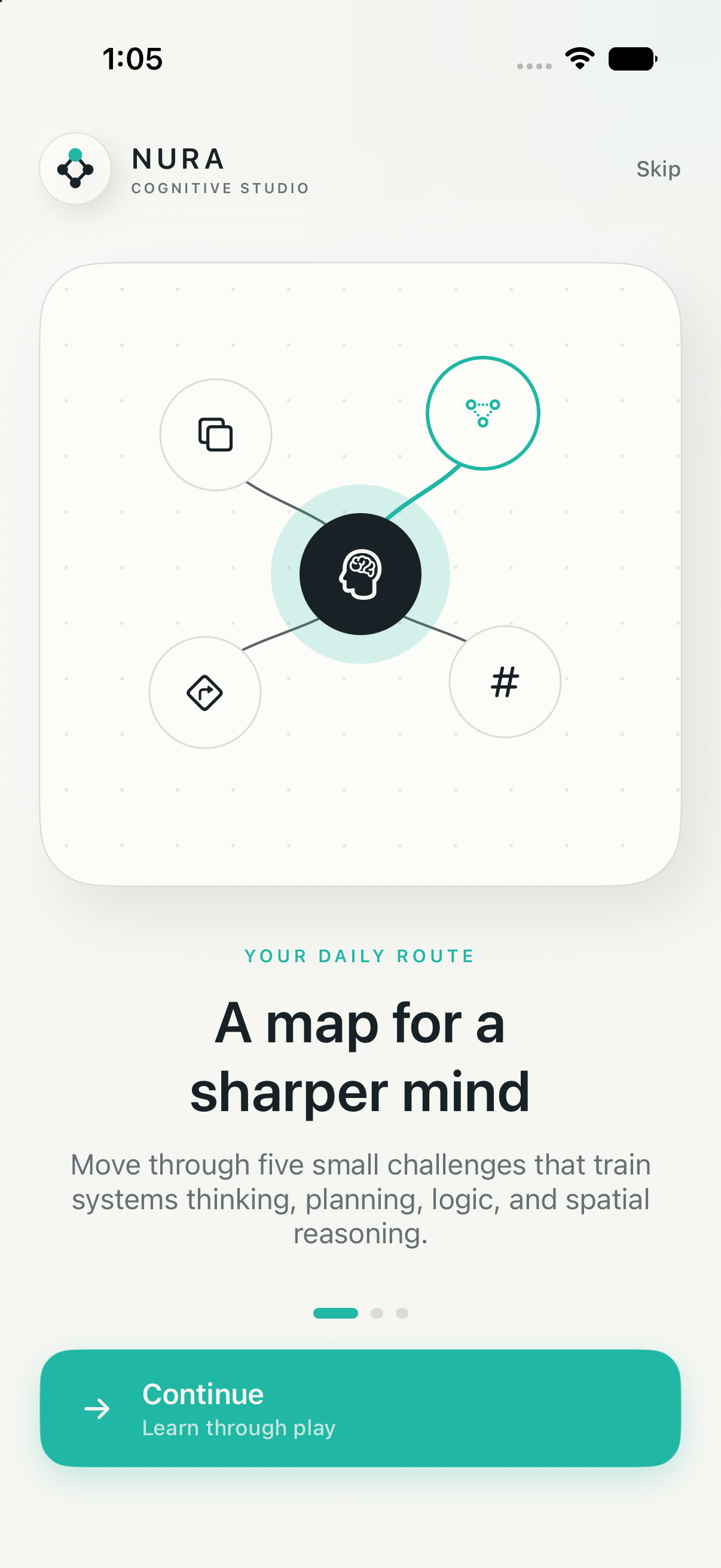
Nura transforms real computer-science algorithms into engaging cognitive puzzles.
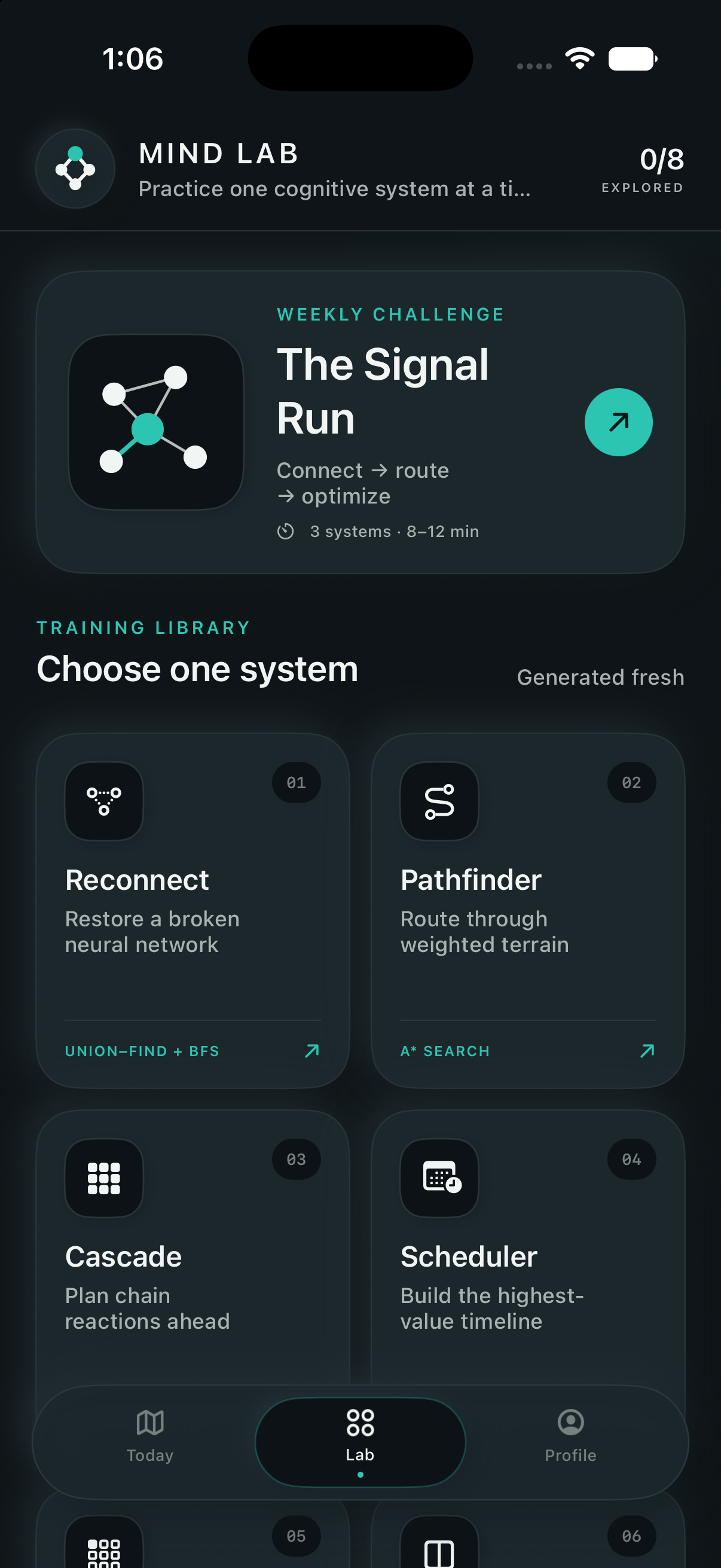
Players solve challenges inspired by:
- Breadth-First Search (BFS)
- Depth-First Search (DFS)
- A*
- Dynamic Programming
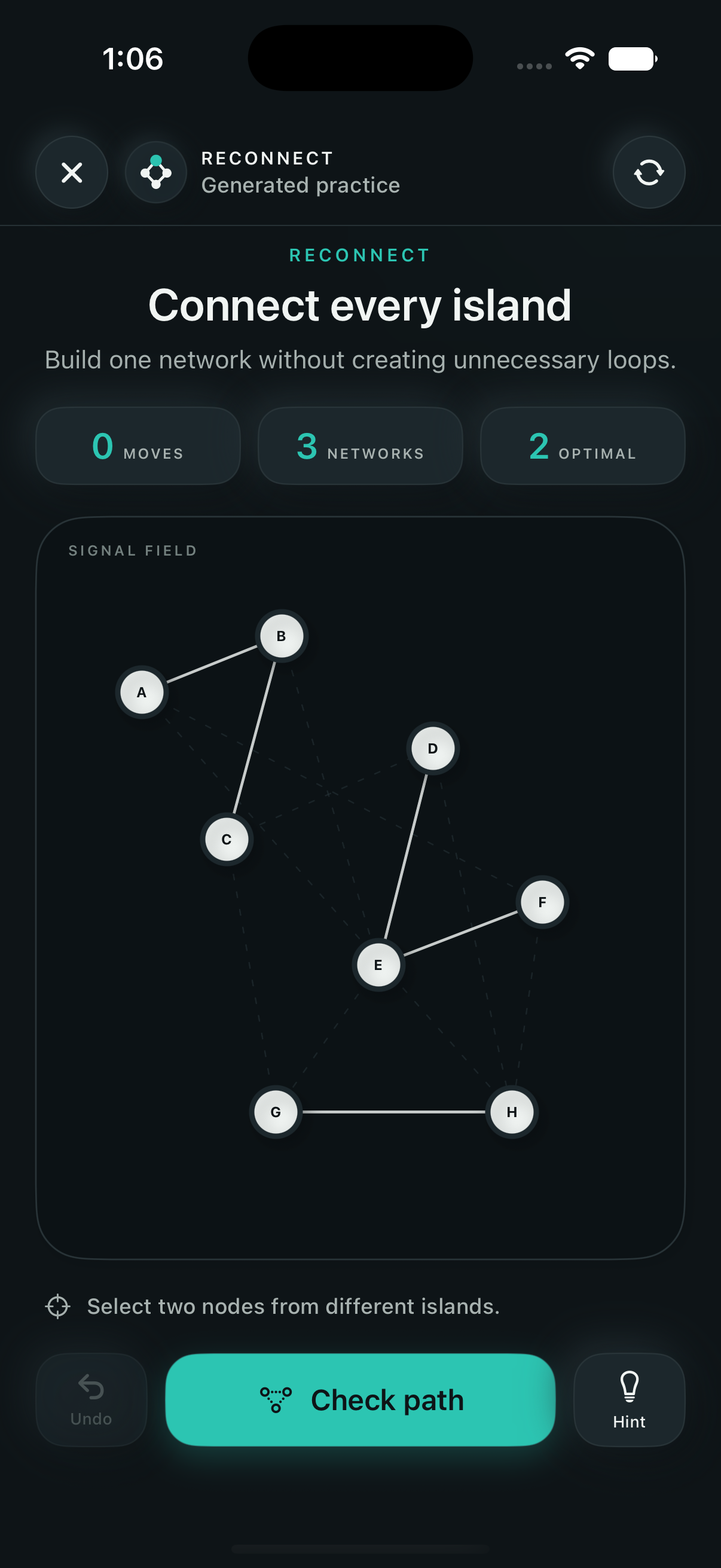
- Union-Find
- Constraint Satisfaction
- Matrix Transformations
- Deterministic Simulations
Every puzzle is evaluated using the real algorithm instead of AI guesses.
After each solve, Nura:
- Scores accuracy, efficiency, and speed
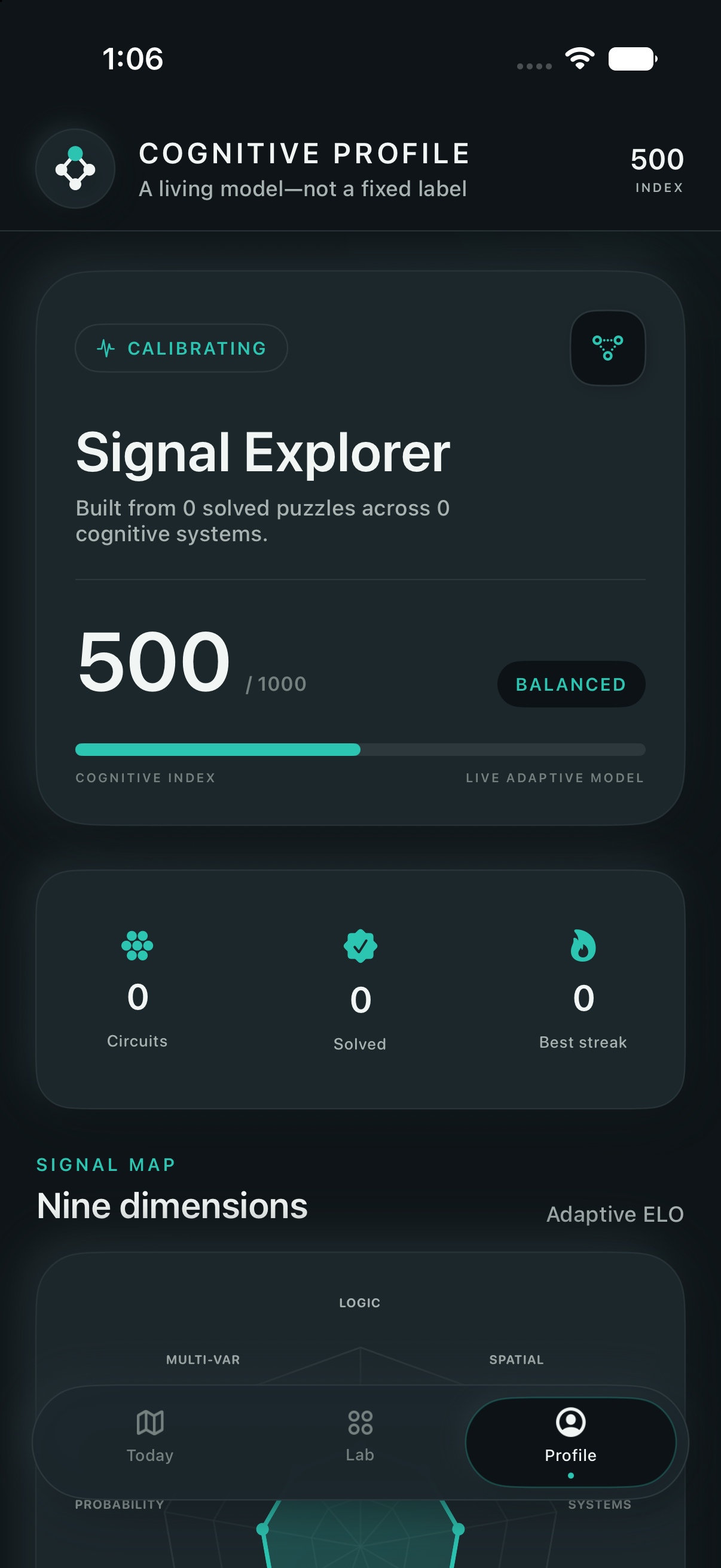
- Updates a private nine-dimensional cognitive profile
- Shows an animated algorithm trace
- Explains the solution with readable pseudocode
- Offers optional AI coaching to improve future performance
Everything works offline using deterministic puzzle generation and local SwiftData storage.
How we built it
Nura is built as a fully native iOS application using:
- Swift
- SwiftUI
- SwiftData
- MVVM Architecture
- Protocol-Oriented Programming
- Deterministic Puzzle Generation
- Graph Algorithms
- Dynamic Programming
- Constraint Solving
- NVIDIA NIM
- GPT-5.6
- Codex
Each puzzle follows the same architecture:
Generator → Gameplay → Solver → Score Engine → Cognitive Profile → Algorithm Review
Every puzzle has its own seeded generator, formal solver, scoring pipeline, replay support, and visualization system.
Challenges we ran into
One of the biggest challenges was making eight completely different algorithmic puzzles feel like one cohesive product.
We also wanted every puzzle to be validated by deterministic algorithms instead of AI-generated answers while keeping the gameplay intuitive and enjoyable.
Designing a cognitive score that encourages learning without making intelligence or medical claims required careful consideration.
Creating an offline-first architecture while supporting optional AI coaching was another significant engineering challenge.
Accomplishments that we're proud of
- Built eight playable algorithm-driven puzzle worlds
- Created a reusable puzzle architecture
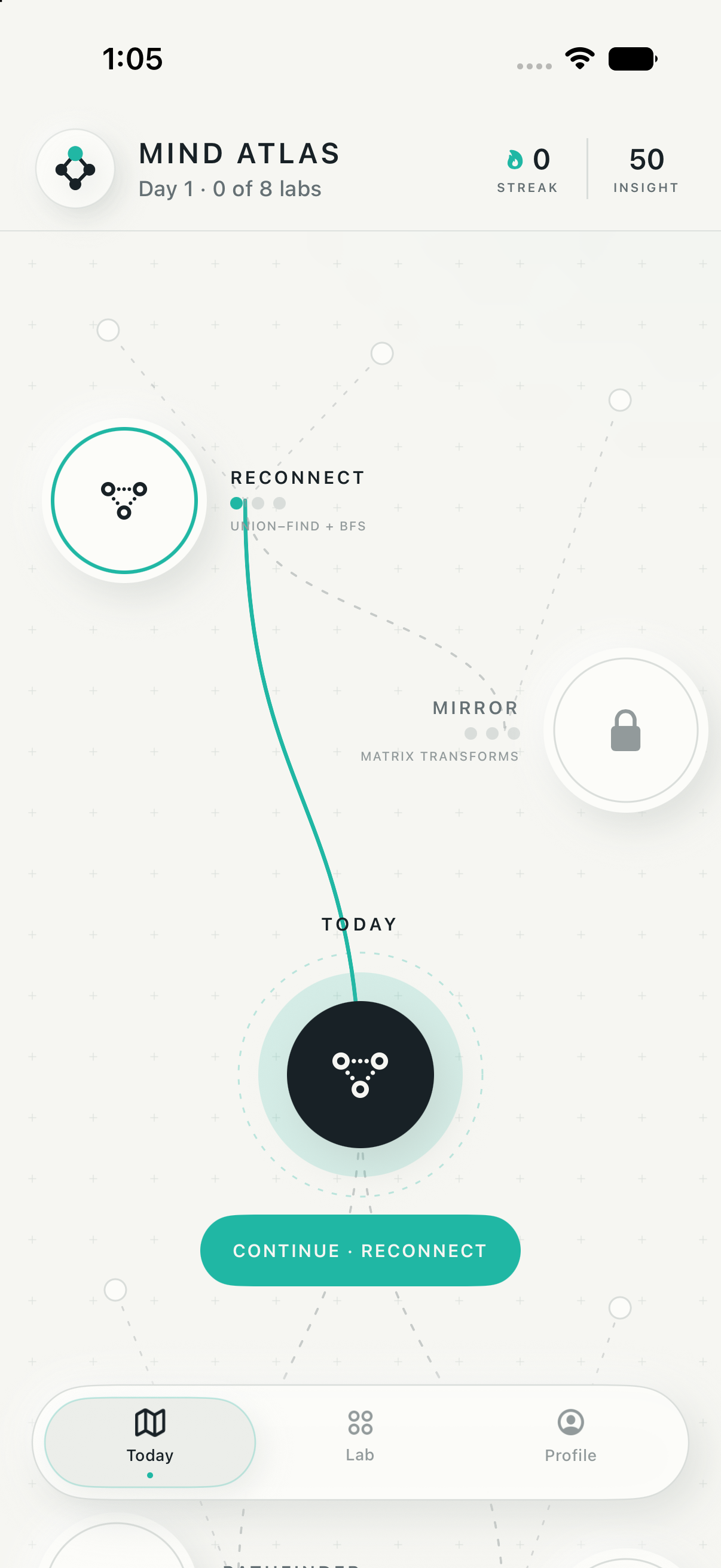
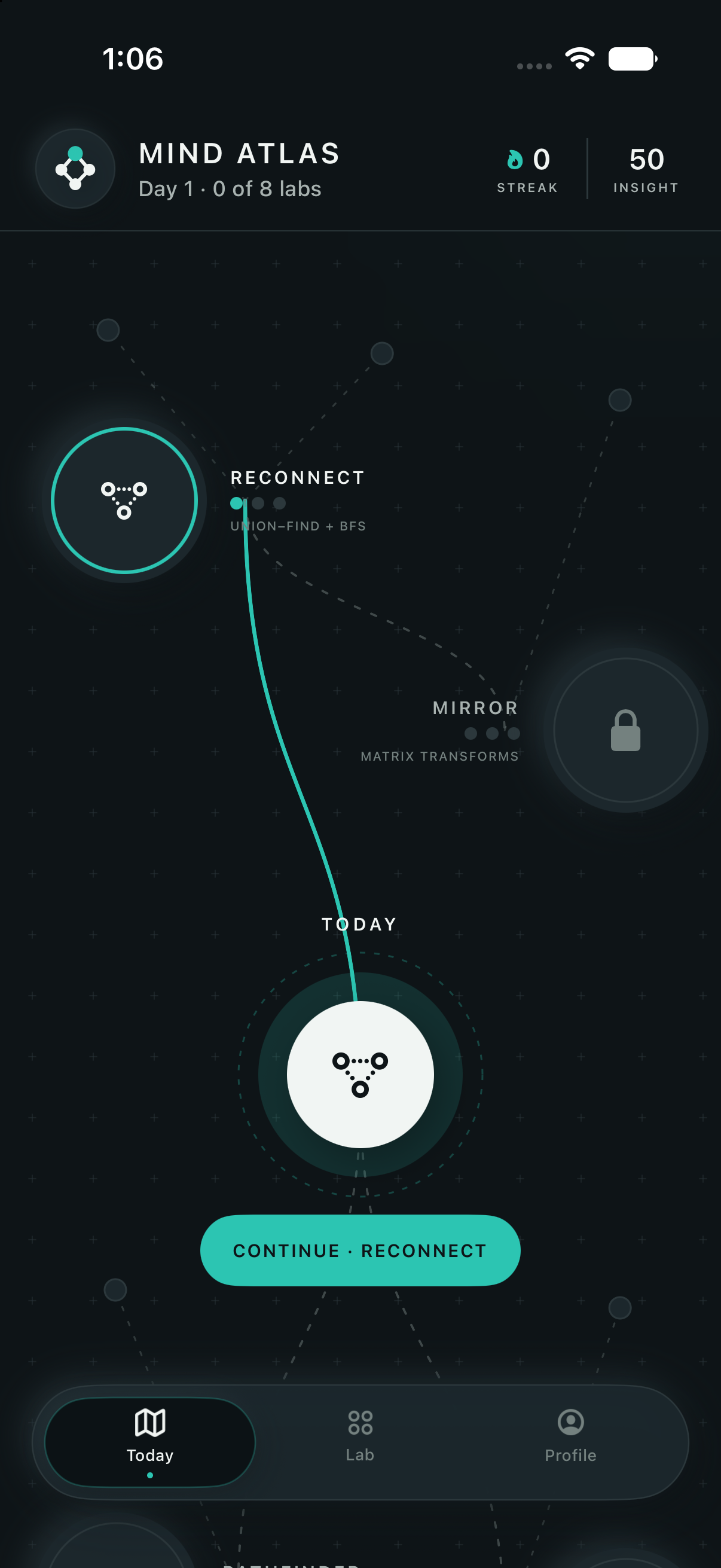
- Designed the Mind Atlas progression system
- Developed a nine-signal cognitive profile
- Implemented deterministic algorithm validation
- Added animated algorithm explanations and pseudocode replay
- Built an offline-first experience with optional AI coaching
- Created a polished native SwiftUI interface supporting Light and Dark Mode
What we learned
We discovered that people understand algorithms much better after they've already experienced them.
Instead of teaching BFS or Dynamic Programming first, letting players solve the puzzle before revealing the algorithm creates a far more memorable learning experience.
We also learned that consistency matters more than adding more puzzles. Every game should share the same learning journey: guide, play, score, explanation, and replay.
What's next for Nura
We're planning to expand Nura with:
- More algorithm-based puzzle worlds
- Daily challenges and global leaderboards
- Adaptive difficulty using player performance
- Accessibility improvements
- Shared weekly puzzle seeds
- Secure cloud synchronization
- Richer AI coaching
- Android and iPad support


Log in or sign up for Devpost to join the conversation.