-
-
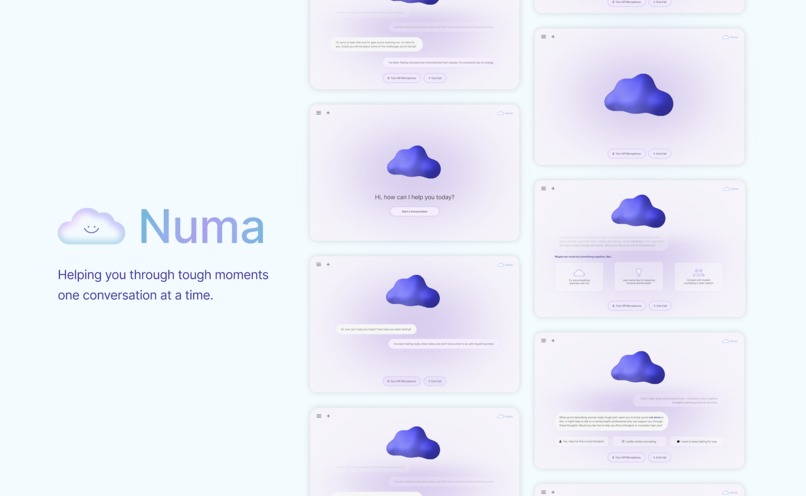
Numa
-
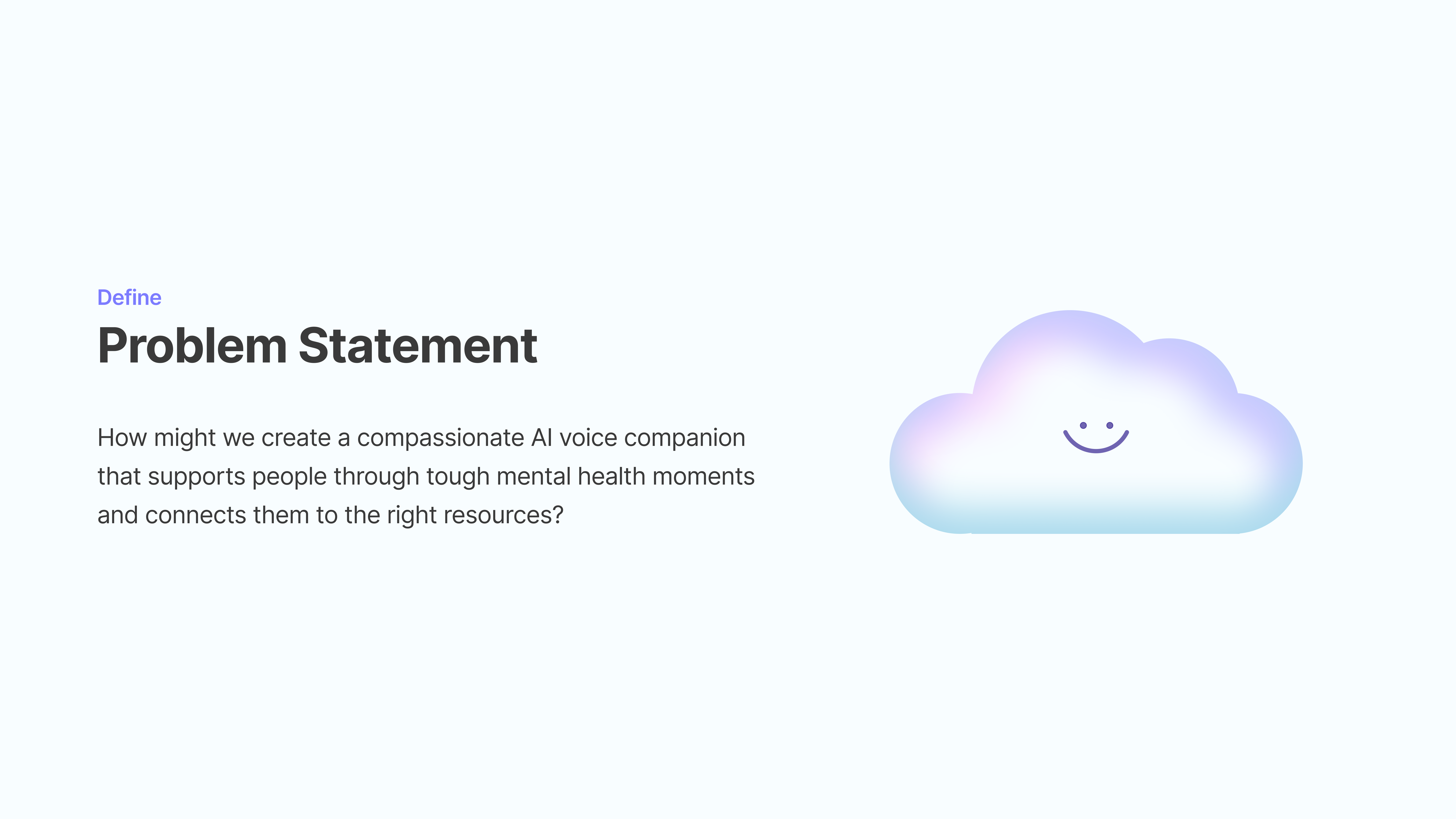
Problem Statement
-
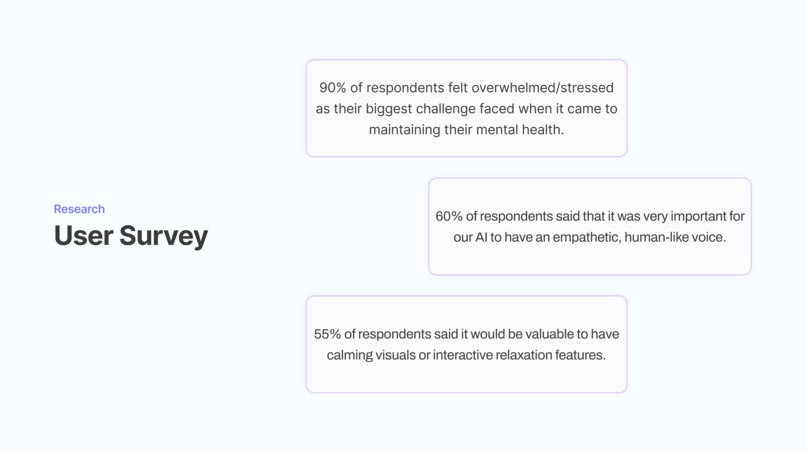
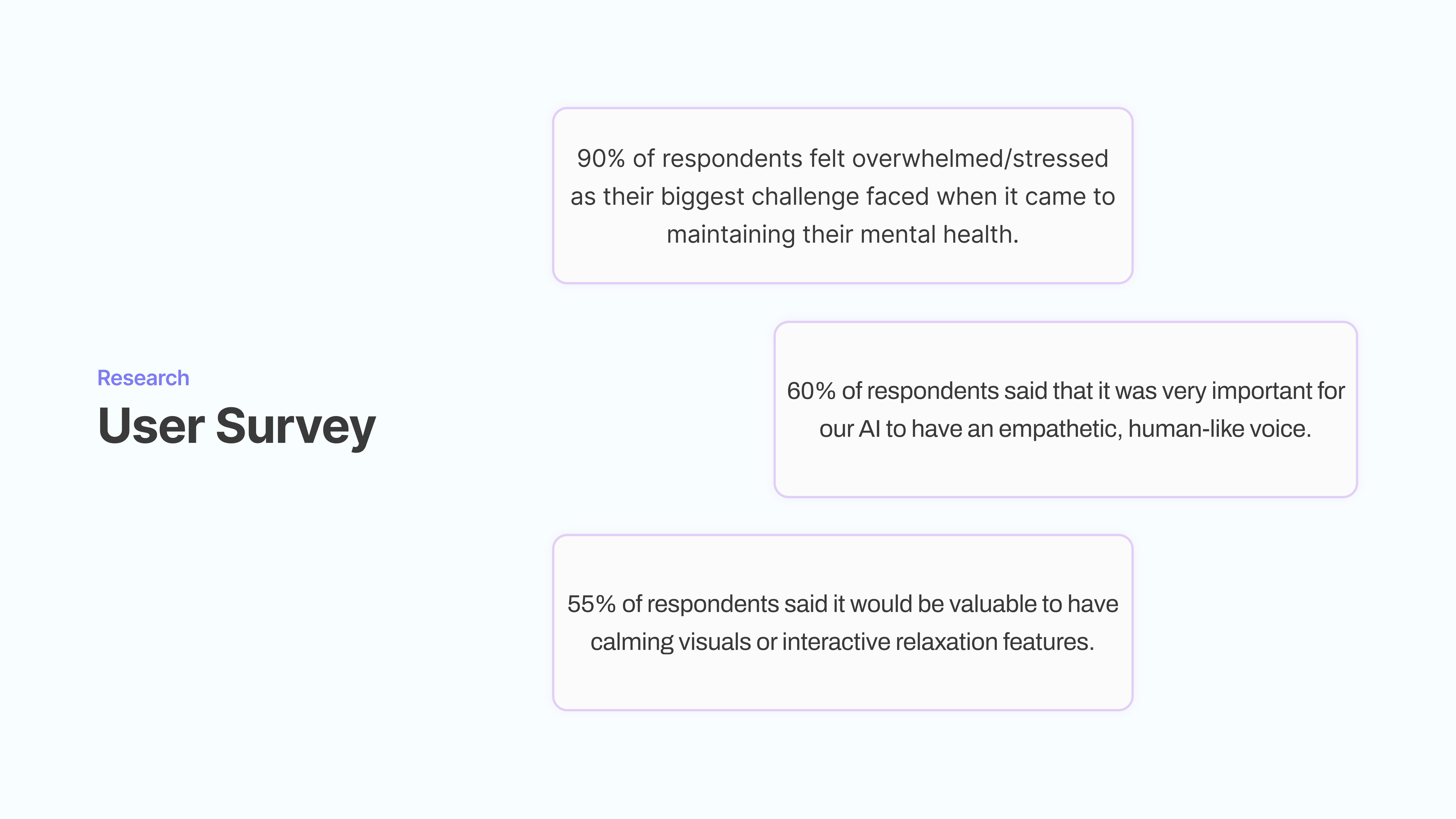
User Survey Summary
-
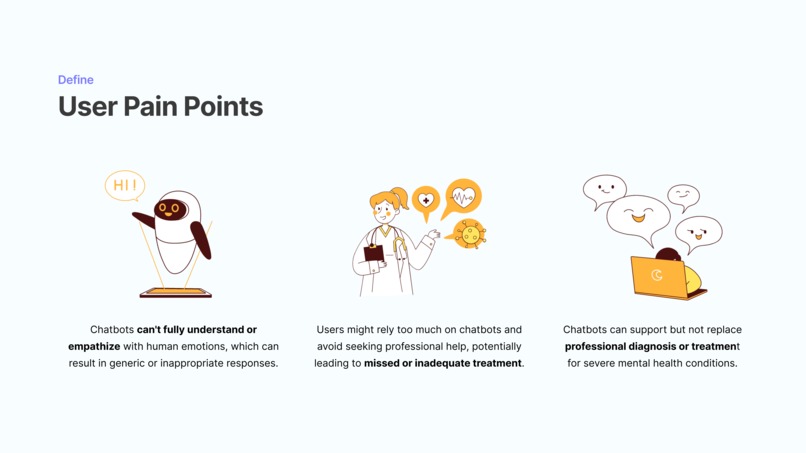
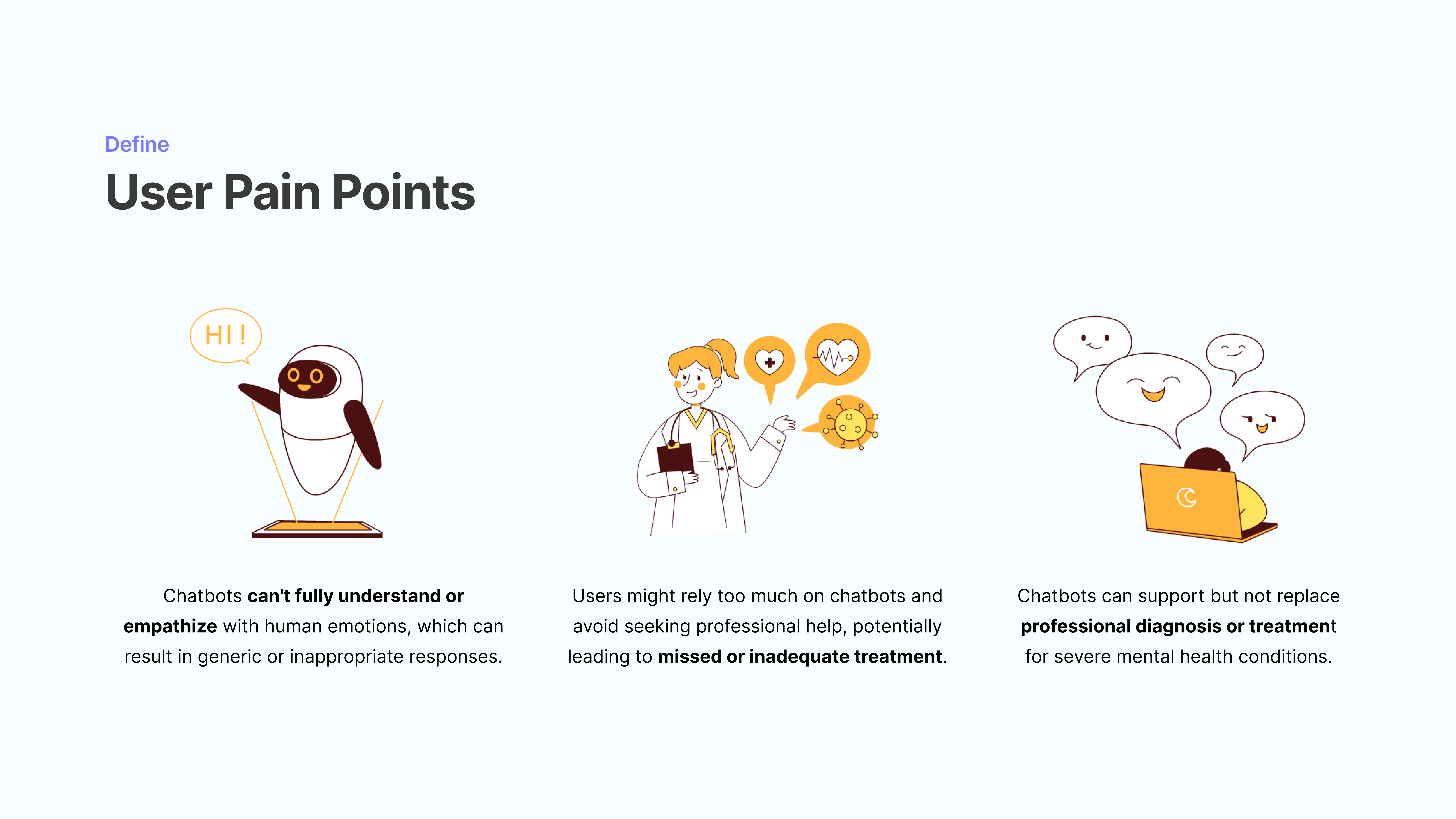
User Pain Points
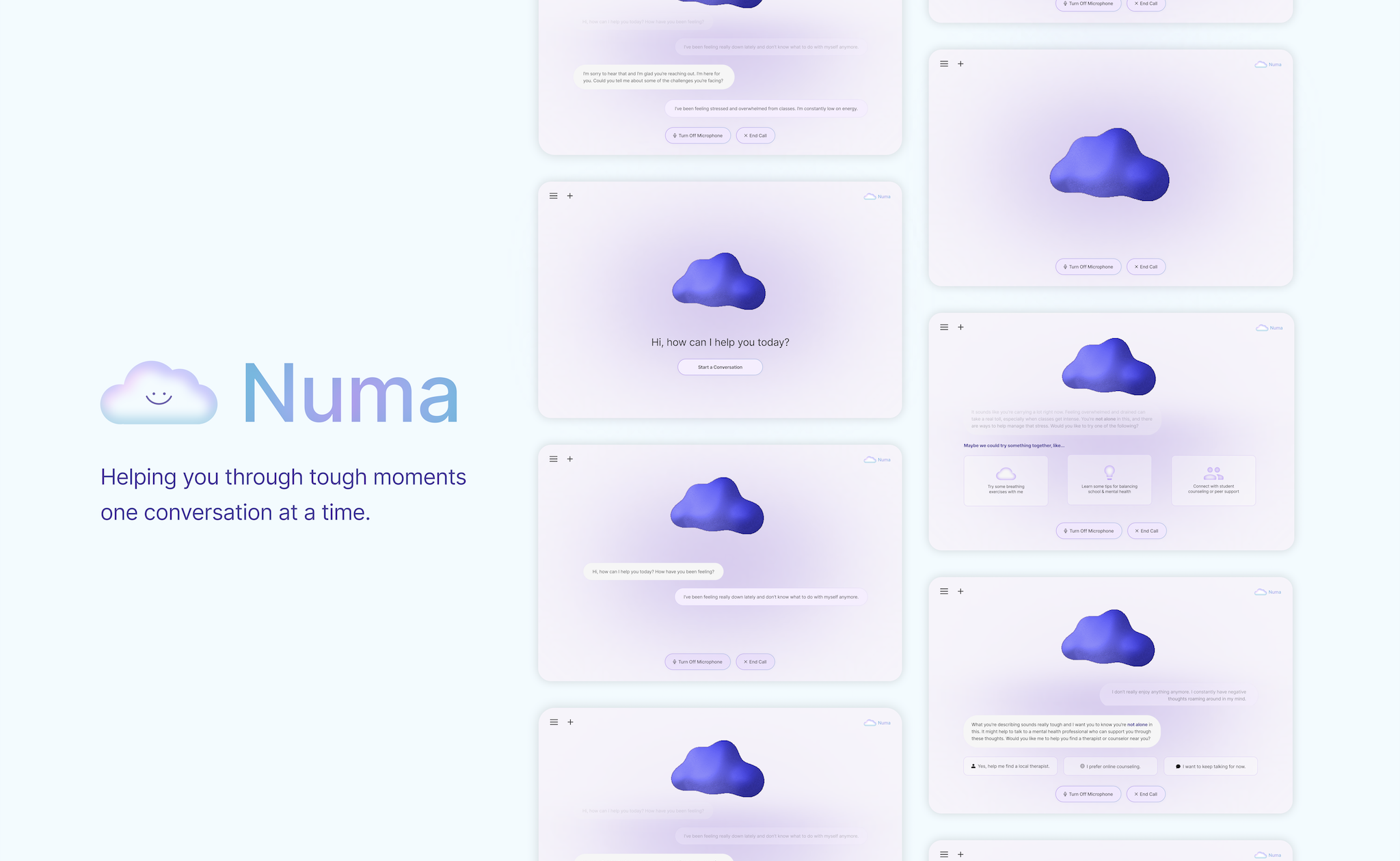
Our Vision: A Transformative Multi-Agent System for Mental Health In today’s world, we're seeing a shift toward multi-agent systems, and this is where the future is headed. Startups and companies across the globe are striving to perfect this technology, and while perfecting it is a challenge from an engineering standpoint, the potential for transformation is immense. That's why we're incredibly excited about where we are right now with our project.
The Challenge: Bridging the Gap in Mental Health The mental health system in the U.S. is already burdened, and one of the biggest challenges people face is the difficulty in finding the right services and being matched with the appropriate care. It’s often a complex, time-consuming process, and we believe technology can solve this.
What we’re proposing is a future where we use agentic AI to help everyday people navigate the mental health system, making it easier for them to find and connect with the support they need in a human-centric way. Our goal is to create an intuitive experience that empowers users to get help quickly, accurately, and compassionately.
Current Challenges and Technical Focus We are thrilled with where we are in this journey, but we’re also facing some challenges. One of the main difficulties we’re tackling right now is the latency between the voice agent's response and when we hear back from it, as well as distinguishing background noise to ensure accurate transcription and communication.
Additionally, the transition from the voice agent to the next step in the system delivering personalized resources to the user needs improvement. These are critical areas for refinement as we aim to improve response time and the accuracy of the system.
Our Approach: Multi-Agent System for Personalized Mental Health Support To address these challenges, we’ve built a multi-agent system that begins with a voice agent. Here’s how it works:
- Voice Agent Integration: The voice agent picks up audio directly from the browser. We then transcribe this audio into text using OpenAI’s Whisper model.
- Conversation Generation: Using GPT-4, we generate responses based on the user’s inputs. We stream tokens and send these chunks to Cartisa, the surface we use for voice agents.
- Assessing Severity: Once the voice agent determines the severity of the user’s situation (mild, moderate, or severe), the conversation is handed off to the appropriate agent based on the voice agent's conclusions.
- Mild Situations: Provide users with resources to improve their mental well-being and introduce new coping practices.
- Moderate Situations: The search agent takes over, using local information to find nearby therapists or mental health centers.
- Severe Situations: For urgent cases, we quickly encourage users to contact emergency healthlines or go to the ER.
Looking Ahead: Automation and Expansion While we’ve made great progress, there’s still much more to do. In the future, we plan to further automate the process. For instance, the agent could email therapists, call crisis lines on behalf of users, and offer even more interactive and engaging activities. We envision a fully automated mental health assistant that provides immediate, personalized, and proactive support.
Conclusion We’re building a future where AI is a powerful ally in mental health care, helping users find the support they need quickly and with empathy. By combining multi-agent systems, real-time responses, and personalized care, we’re on the path to transforming how people access mental health services.
Built With
- agentic
- ai
- figma
- gpt4.0
- llm
- next.js
- speech-to-text
- spline
- text-to-speech
- typescript
- whisper


Log in or sign up for Devpost to join the conversation.