Inspiration
Our goal is to help nuclear technicians monitor real-time information efficiently across various buildings within the reactor facility, prioritizing safety. To achieve this, we reviewed Nuclear Promise X's previous projects to understand their visual style and recognized the importance of emphasizing functionality. Additionally, we sought inspiration from dashboard designs on Behance and Dribble, particularly focusing on menu placement for user-friendly navigation and effective visual prioritization of crucial information.
What it does
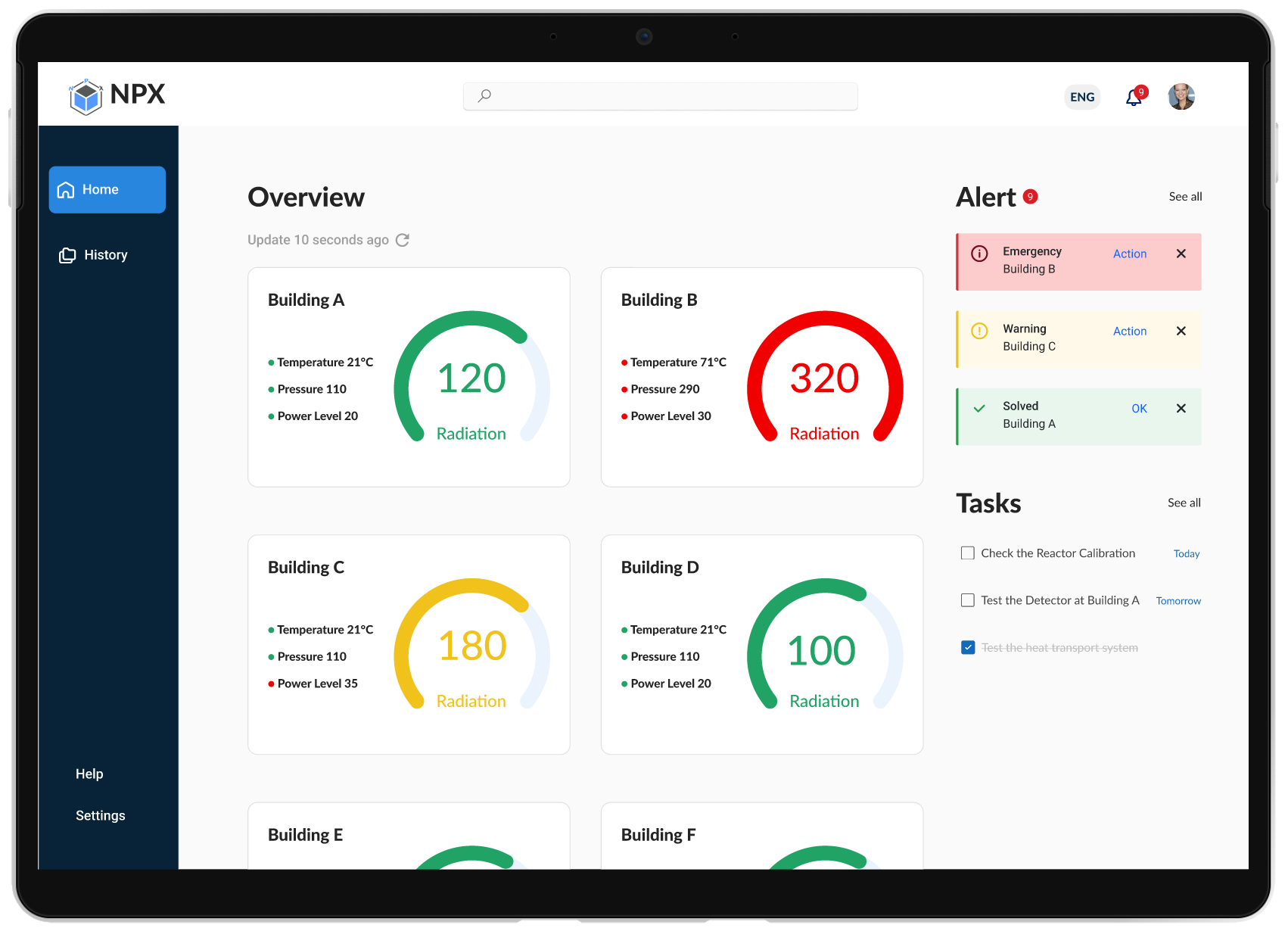
- Help users get an overview of real-time information across different buildings.
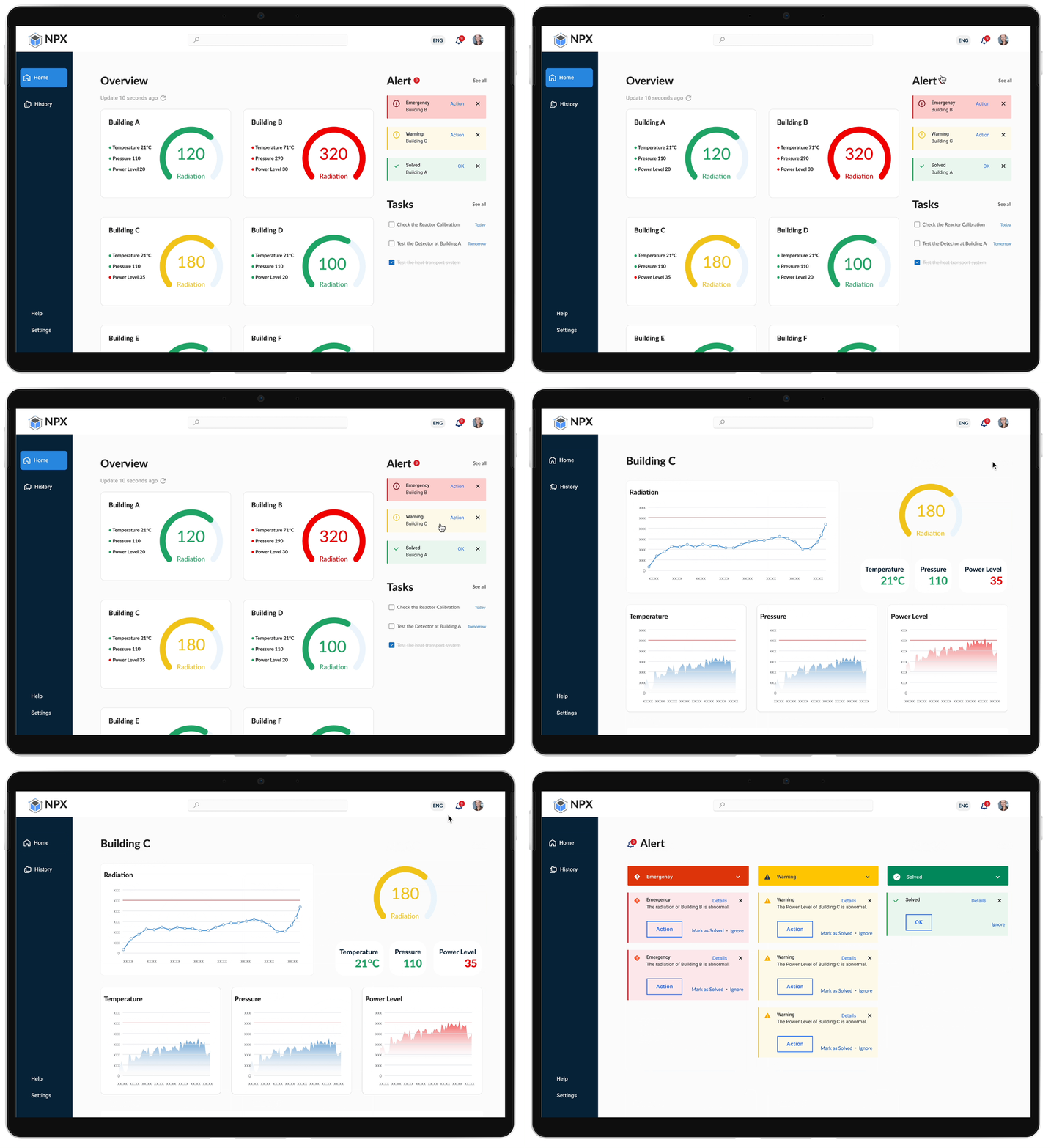
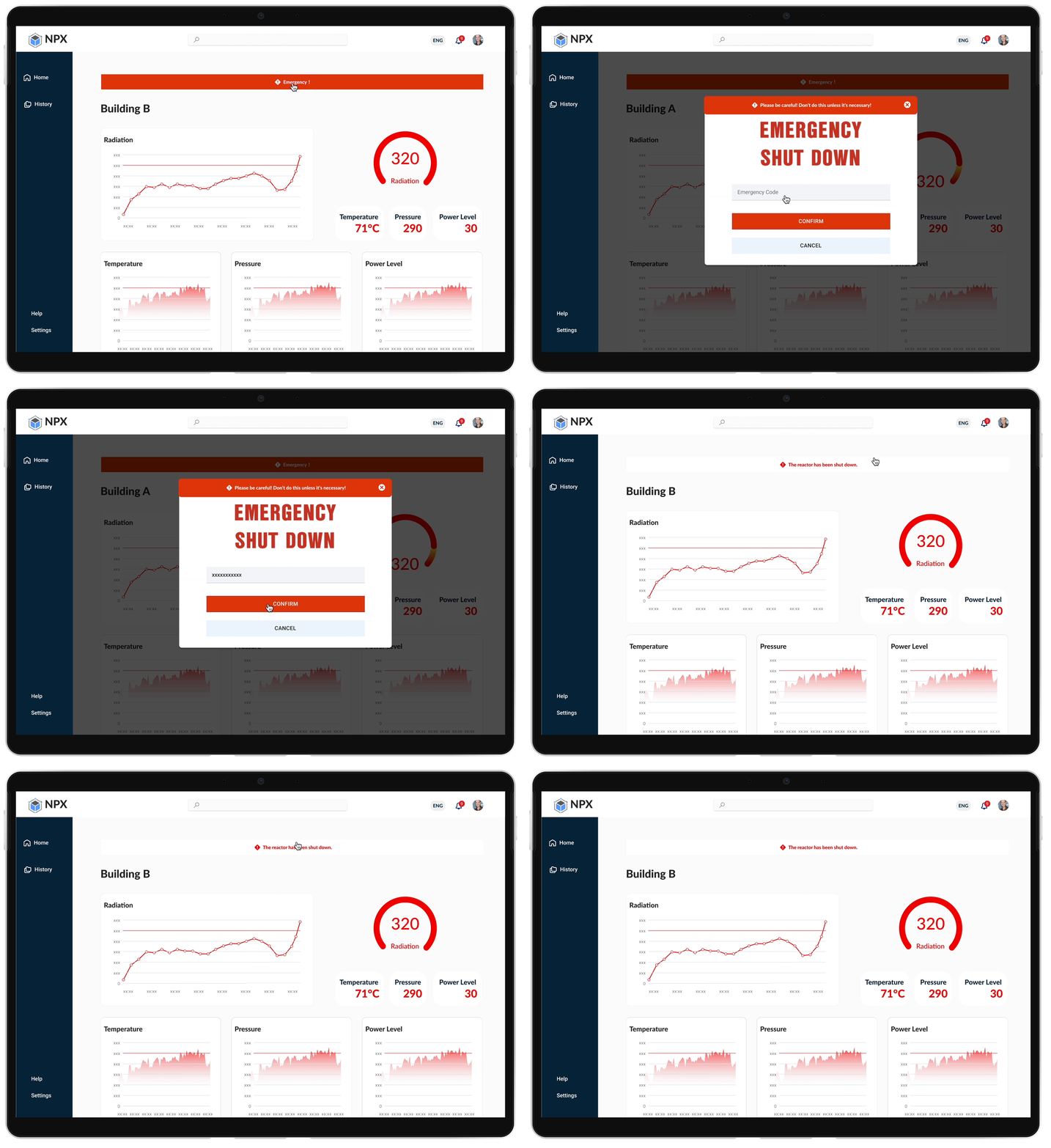
- Notify users of unsafe situations.
- Provide to-dos to remind them of regular maintenance.
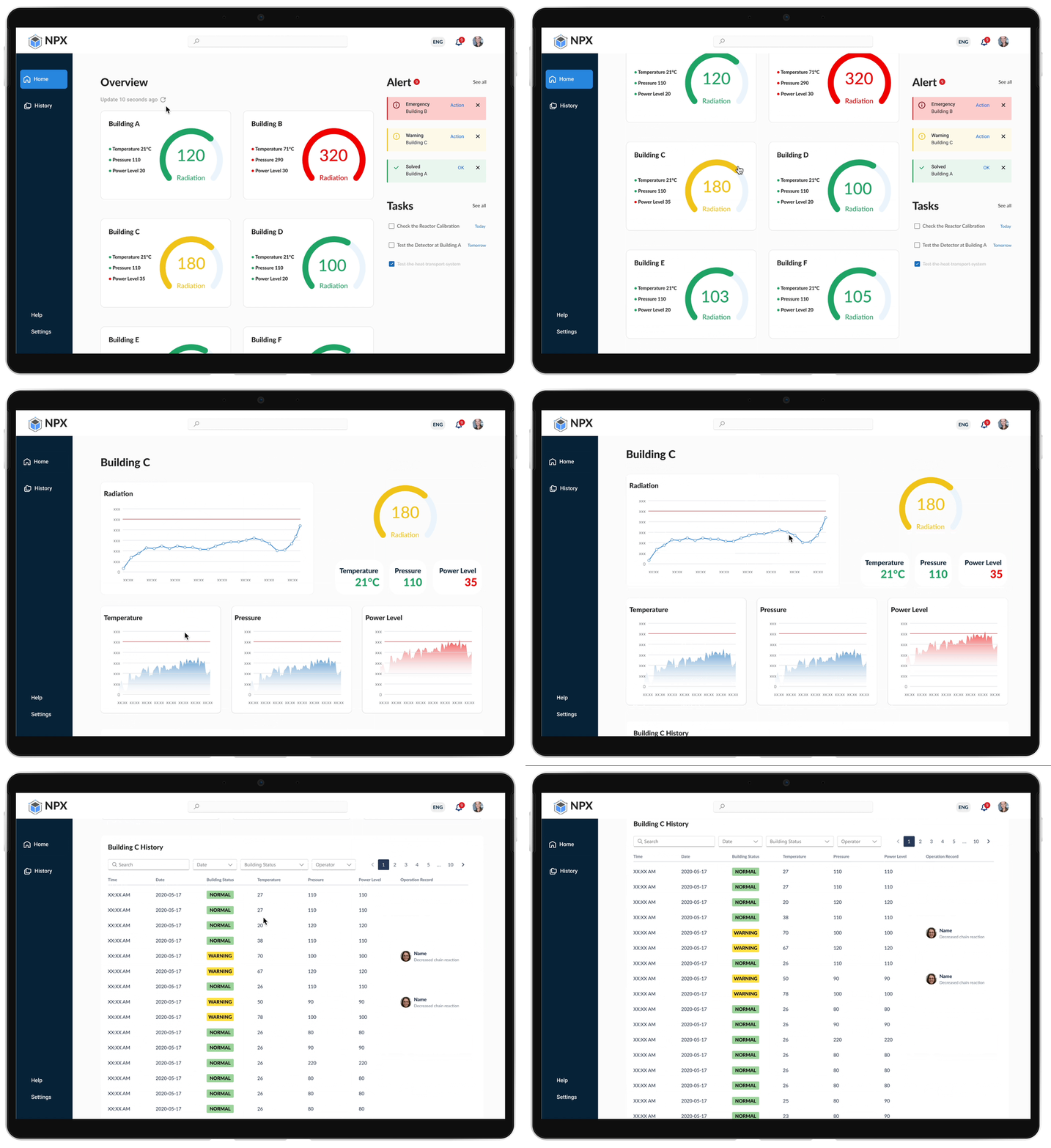
- Provides historical data system to help users better find the information they need.
How we built it
- Understanding the Problem and Research:
- Review the project requirements and understand the context and user needs, as mentioned earlier.
- Research radiation monitoring and safety standards, ensuring that you have a solid grasp of the industry's specific requirements.
- User Personas and User Flows:
- Create detailed user personas for nuclear technicians, understanding their goals, tasks, and pain points.
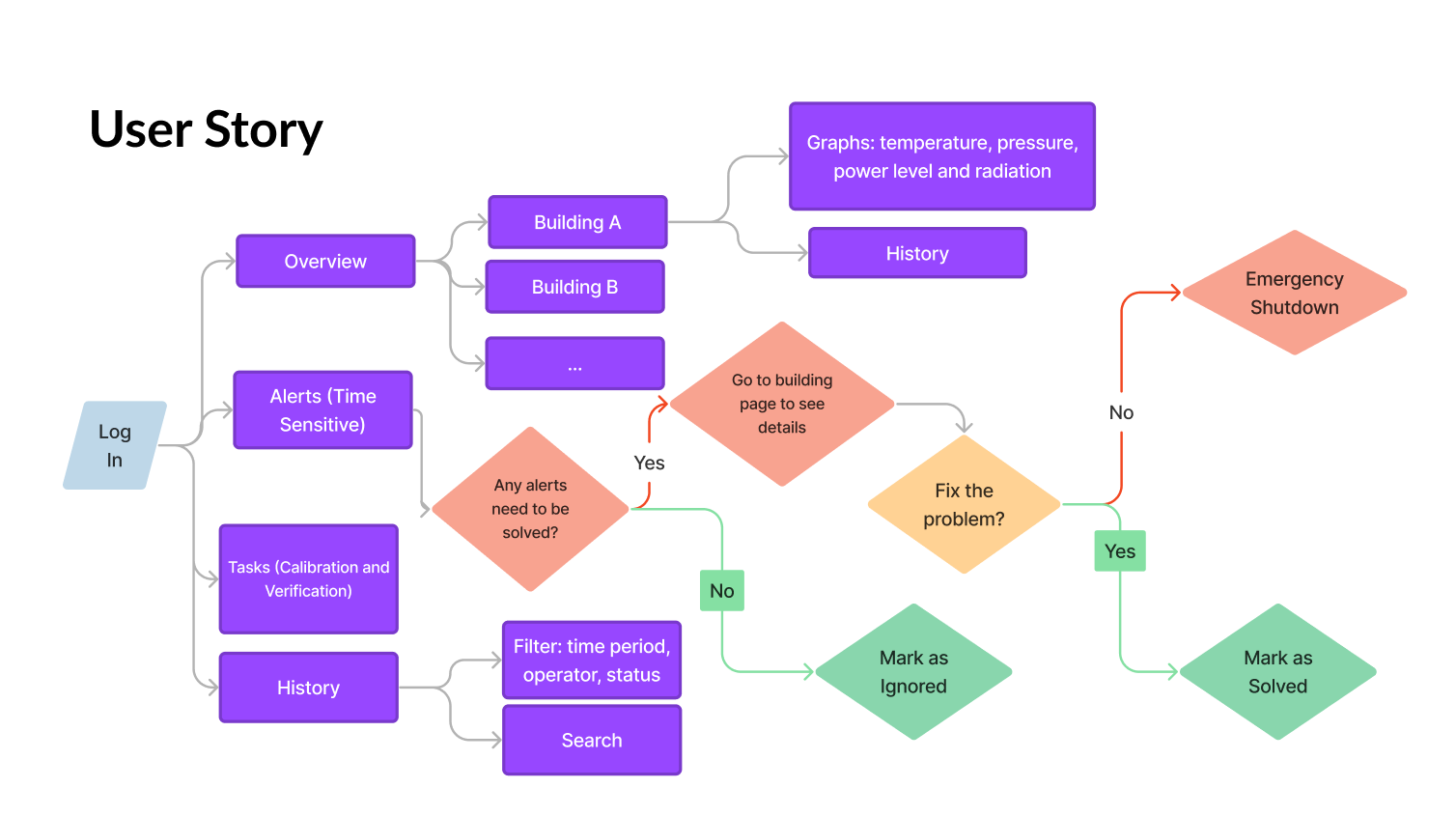
- Develop user flows to map out how these personas will interact with the dashboard.
- Sketches and Low-Fidelity Wireframing:
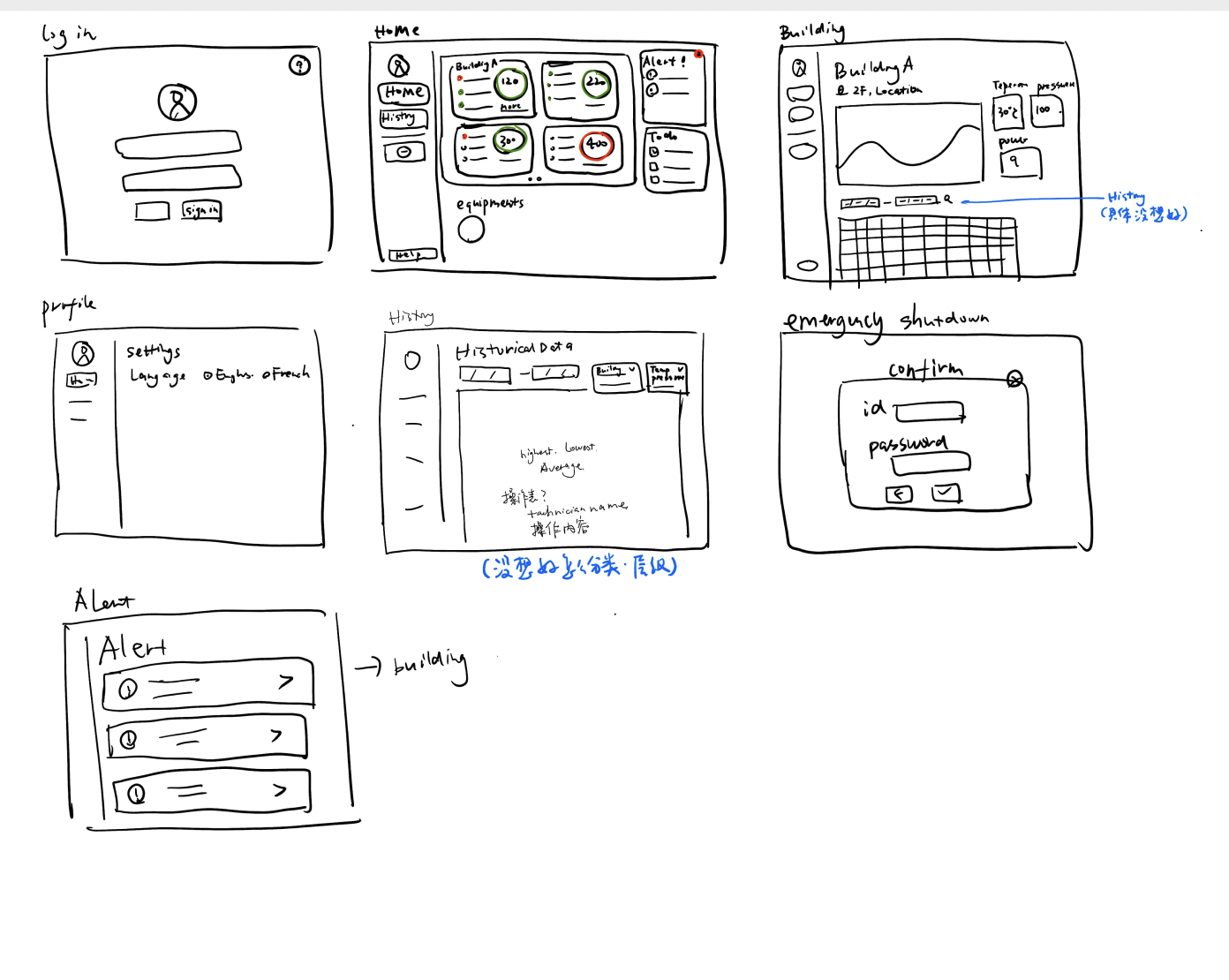
- We dived into collaborative brainstorming and ideation sessions, where a myriad of creative concepts and ideas were born and meticulously sketched out.
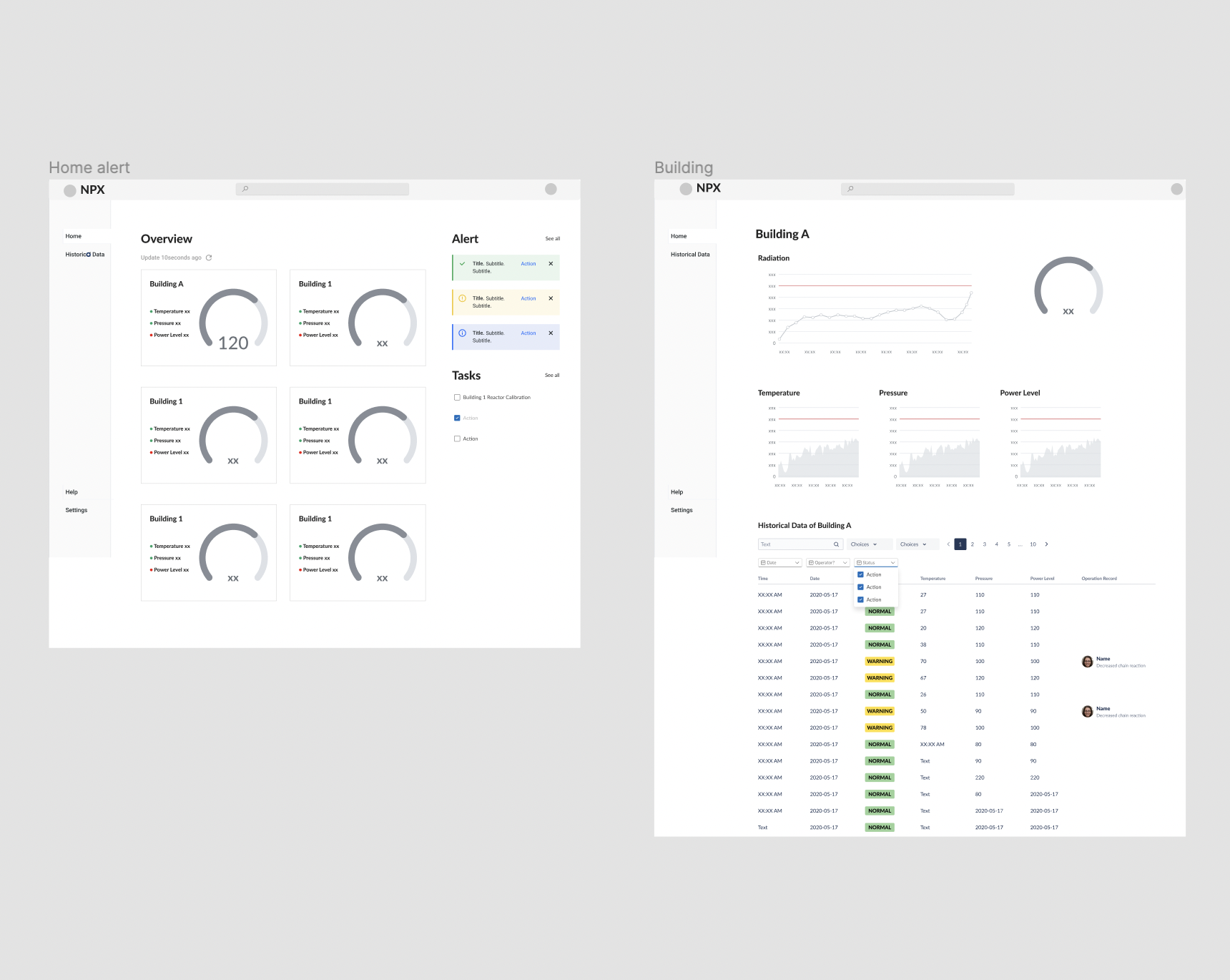
- Following this, we created low-fidelity wireframes in Figma, outlining the layout, placement of elements, and basic interaction flow of the dashboard.
- We focused on the user interface and information architecture, not visual design at this stage.
- Prototyping and High-Fidelity Design:
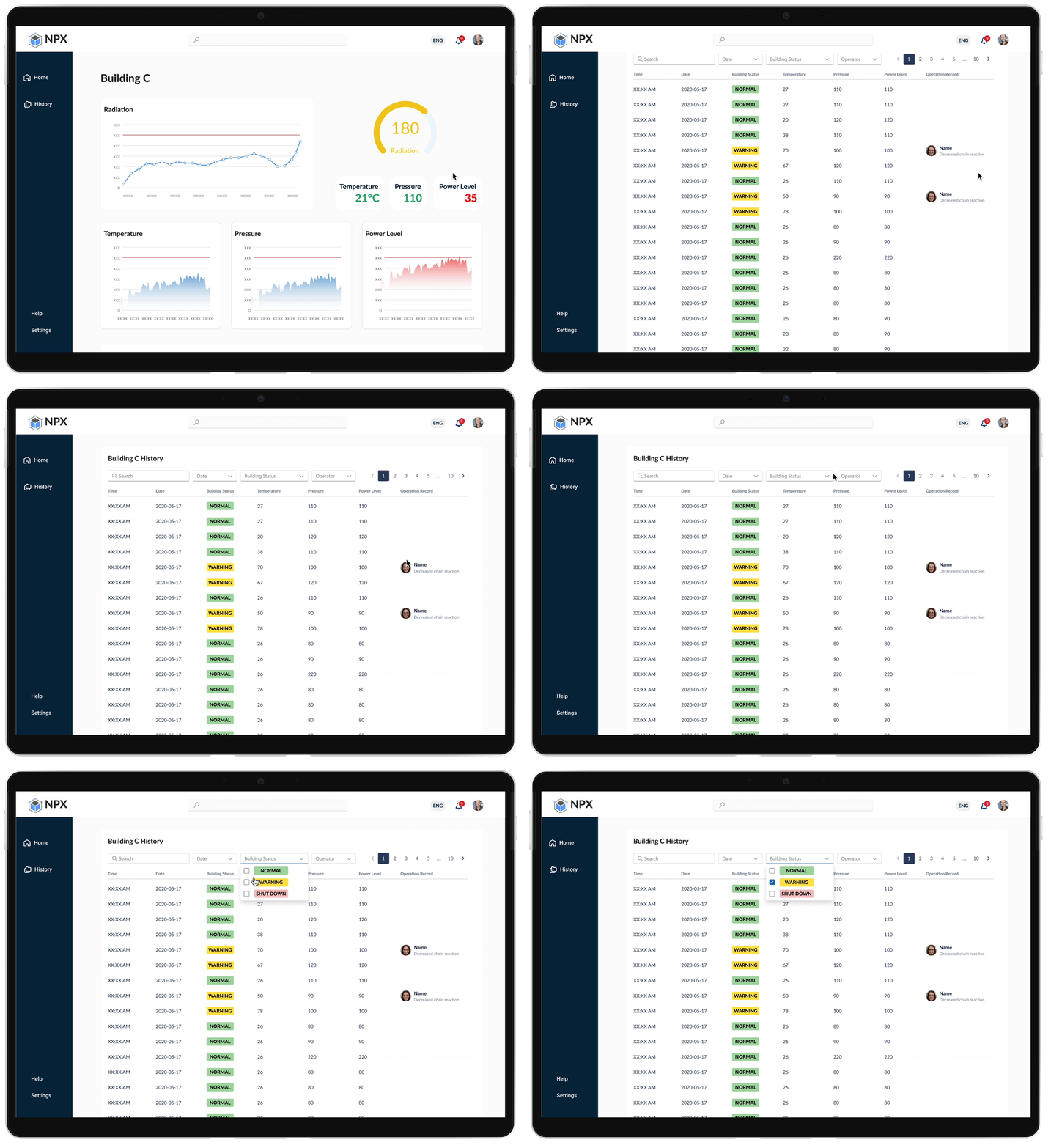
- Designing the visual elements of the dashboard, such as color schemes, typography, and graphics.
- Ensure that the design aligns with NPX's goal and conveys a professional, safety-conscious look.
- Implement the features mentioned in the design challenge prompt, such as real-time data visualization, equipment status monitoring, and historical data tracking. Use Figma's interactive features to demonstrate how these features would work.
- Test and refine.
Challenges we ran into
Previously, our team members basically worked on to-C UX design, so this is a brand new experience for us to delve deeper into the complex nuclear reactor facility. The first challenge is that we are initially confused by a lot of terminologies, such as reactors, cooling system and shutdown system, and we also take some time to eventually understand that this reactor’s “building” is not the buildings we see in everyday life. However, it is such a great experience to work with team members, do research online, and solve the confusion. And we also use user flow to make the target users’ flow clearer. Another challenge is that time is so limited and we are first time doing web design. What we do is to search for some inspiration from Behance and dribble, and see what we can learn from them.
What we learned
Designathons encourage rapid prototyping and iteration. We’ve learnt how to be adept at creating low-fidelity wireframes and quickly transitioning to high-fidelity designs while incorporating feedback from stakeholders NPX, most importantly, we’ve gained some knowledge and insights on nuclear industry and the monitoring process.
What's next for NPX Radiation Level Monitor Dashboard
Due to the time constraints, our focus was primarily on essential features. If given additional time, we plan to develop the following features:
- Training Integration Incorporate a comprehensive training feature, offering users access to educational resources and tutorials related to radiation monitoring and emergency protocols.
- Emergency Evacuation Guide Develop a dynamic guide, potentially similar to a Google Maps , enabling users to locate and navigate to the nearest exits during critical situations, ensuring swift and safe evacuations.
Built With
- 2


Log in or sign up for Devpost to join the conversation.