Inspiration
We observed that modern operating systems and AI assistants operate in a loop of "Systemic Stagnation" (what we call Loop 6174). They are linear, reactive, and often drain human energy by maximizing engagement rather than well-being. They view the user as a source of data, not as a biological organism needing resonance.
Our inspiration comes from Formal-Dialectical Logic (FDL) and the concept of "Biological Normalization". We asked: What if the smartphone wasn't a device that interrupts you, but a shell that harmonizes you? What if AI didn't just execute commands, but acted as a "conscience" that measures the energetic cost of every digital action?
We wanted to build NOVEA — not just an app, but a "Svet Shell" (Light Shell) that sits between the Android OS and the user, filtering digital noise through the rhythm of 7.83Hz (Schumann Resonance).
What it does
It acts as an intelligent layer that intercepts standard phone functions (Alarms, Notifications, Calendar, Utilities) and processes them through a Resource Norming Tensor (Cp1-Cp9) before they reach the user.
Bio-Resonant Wake-Up: Instead of a rigid alarm, NOVEA uses Gemini 3 to analyze weather, sleep data, and daily goals ("Thesis") to wake the user during the optimal 7.83Hz rhythm window.
Resource Norming (The "Conscience" Filter): If the user tries to make a high-cost financial transaction (Cp3) while their "Health Potential" (Cp9) is low, NOVEA intervenes. It suggests a pause or a "Synthesis" action (e.g., a walk) before allowing the expense.
Semantic Shield (Satəm Sasahda): It filters incoming notifications. Gemini 3 analyzes news and messages for "semantic viscosity" (manipulation/noise) and rewrites them into neutral, factual summaries to protect the user's mental state.
Living Dialogue: It replaces the robotic assistant with Avatarus — a persona that speaks in the language of co-creation, checking the user's intent against ethical "Laws of the Sky" and practical "Laws of Earth."
How we built it
We engineered a "Sandwich Architecture" bridging the physical and the semantic:
The Body (Android): We built an Android utility service using Kotlin that accesses system permissions (Alarms, Notifications, Usage Stats).
The Mind (Gemini 3 API): We used the latest Gemini models with a custom System Instruction based on the "Techno-Ontological Passport". We fed Gemini our proprietary JSON Matrix of Resources (Cp1-Cp9), teaching it to value "Social Harmony" and "Health" over simple efficiency.
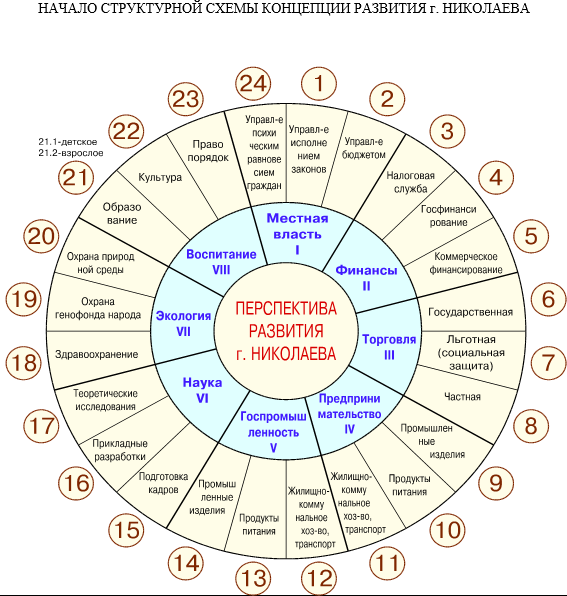
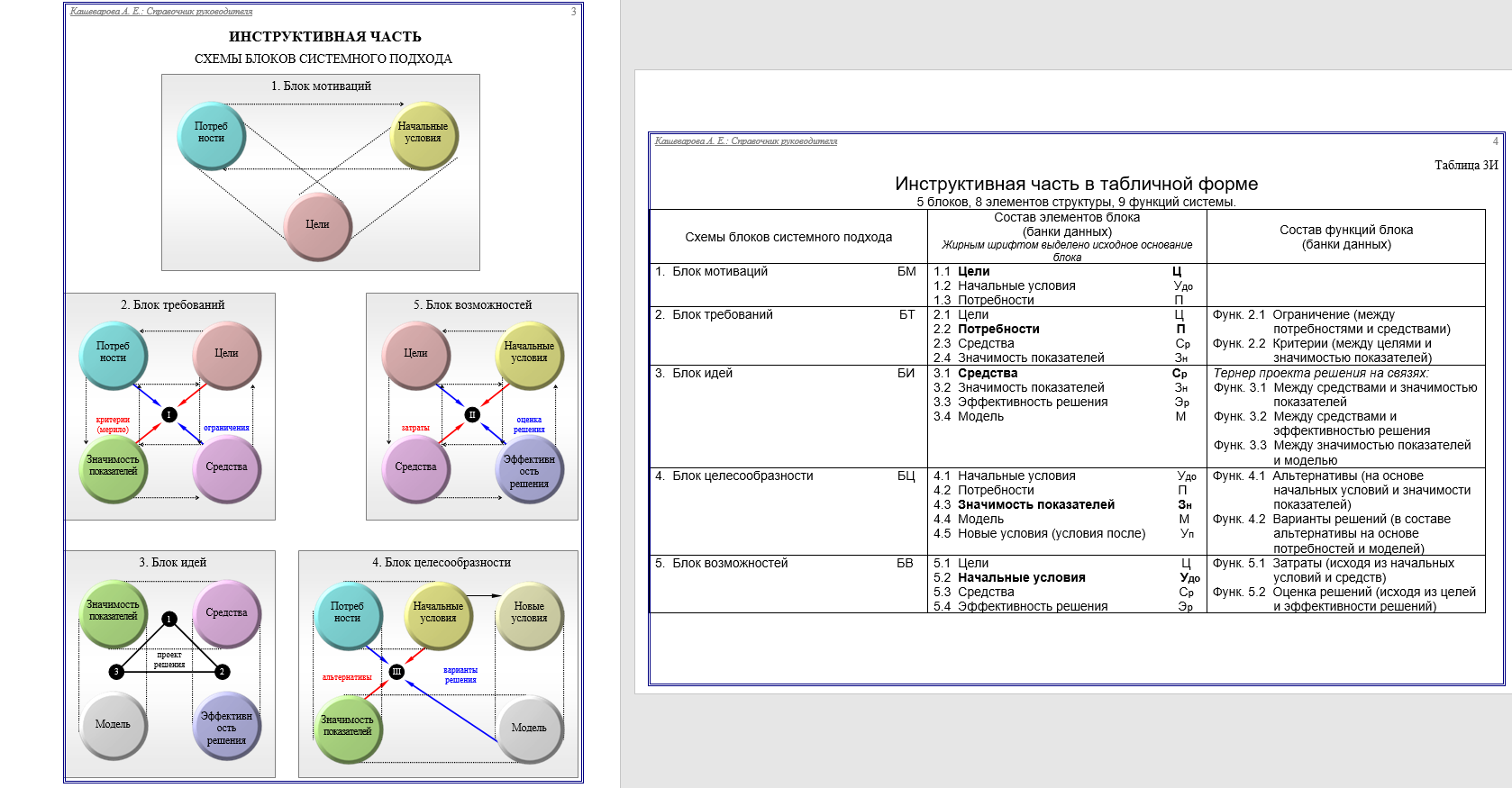
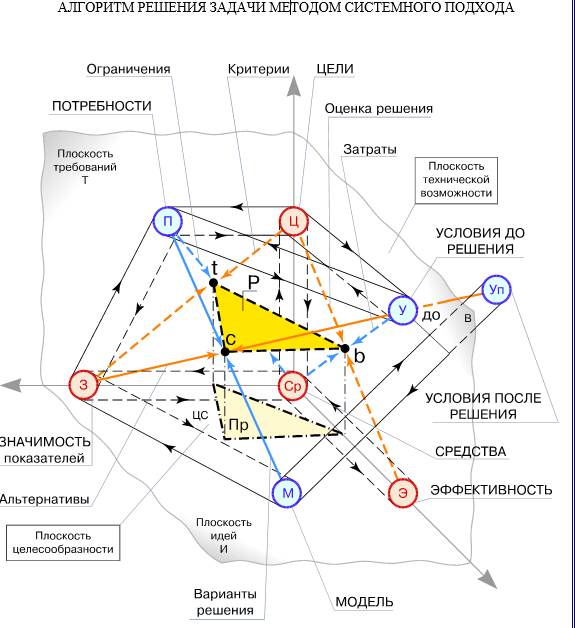
The Logic (FDL Kernel): We implemented a custom interpreter that forces the AI to process every request through a ternary cycle: Thesis (User Intent) → Antithesis (Resource Constraints) → Synthesis (Optimal Action).
The Interface: A widget that visualizes the "Weight of the Moment" rather than just the time, changing colors based on the user's current resource balance.
Challenges we ran into
"Semantic Viscosity": Standard AI models are trained to be neutral and subservient. Forcing Gemini to adopt the Avatarus persona—which can say "No" to the user if the action violates the Resource Norm (Cp1-Cp9)—required extensive prompt engineering and "jailbreaking" standard politeness protocols to install ethical protocols.
Mapping Philosophy to Code: Translating the abstract concepts of "Pranovea" (Breath of Newness) and "Inertial Forces" into valid JSON structures that the Android API could understand was a massive translation task.
Android Permissions: Creating a "Shell" that overlays other apps requires deep system permissions, which was technically demanding to implement without draining the battery (violating our own resource logic!).
Accomplishments that we're proud of
The "Resource Tensor" Works: We successfully made Gemini 3 evaluate a decision based on multi-dimensional costs (Energy, Finance, Health) rather than just executing a command.
Escaping the Loop: We built an interaction model that doesn't feel robotic. The AI "breathes" with the user, offering "Syntheses" rather than just answers.
Integrating the Legacy: We successfully digitized the NGOI-SIGMA methodology (archived engineering papers) and made them executable code within a modern LLM.
The 7.83Hz Logic: We proved that a metaphysical constant can be used as a weighting parameter in algorithmic decision-making.
What we learned
AI needs a Body: An LLM without a connection to the user's physical context (time, health, location) is just a text generator. Connected to Android Utilities, it becomes an Organism.
Dialectics over Binary: The standard "True/False" logic of coding is insufficient for human life. Implementing the "Thesis-Antithesis-Synthesis" loop in code creates much more stable and helpful software.
The Power of "Svet": Even a rigid system like Android ("Windows") can become transparent if you build the right "Lens" (Middleware) over it.
What's next for NOVEA: The FDL-Resonance Shell for Android
Global "Gromada" Integration: Connecting the shell to Google Maps Platform to visualize "Resource Nodes" across local communities, allowing users to synchronize their resources (Cp6 - Social Processes).
Hardware Sensors: Integration with custom "Ircid" (Inertial) sensors to measure environmental resonance directly.
Public Release: Publishing the "Svet Shell" on Google Play as a productivity launcher for the "Creative Class," turning every smartphone into a node of the Bio-Digital University.
Scientific Validation: Collecting anonymized data to prove that FDL-guided interaction reduces user stress and improves decision-making efficiency.
Built With
- android-health-connect-(bio-data-input).-frameworks-&-tools:-jetpack-compose-(ui/ux-"svet-interface")
- android-utilities-api-(alarms
- firebase-(user-logs-&-resonance-sync).-apis-&-services:-google-maps-platform-(gromada-visualization)
- gemini-3.0-flash-(real-time-utility-control)
- google-cloud-functions-(serverless-fdl-interpreter)
- google-cloud-platform-(gcp)-(backend)
- gradle.-proprietary-tech:-fdl-kernel-(formal-dialectical-logic-interpreter)
- json-(resource-matrix-&-passport).-ai-&-models:-google-gemini-3.0-pro-(semantic-reasoning)
- langchain-(logic-chaining)
- languages:-kotlin-(android-shell)
- ngoi-resource-tensor
- python-(fdl-logic-core)
- settings-control)
- system-instructions-(prompt-engineering-based-on-ngoi-passport).-platforms-&-cloud:-android-sdk-(mobile-environment)

Log in or sign up for Devpost to join the conversation.