-
-

Logo
-

onboarding 1
-
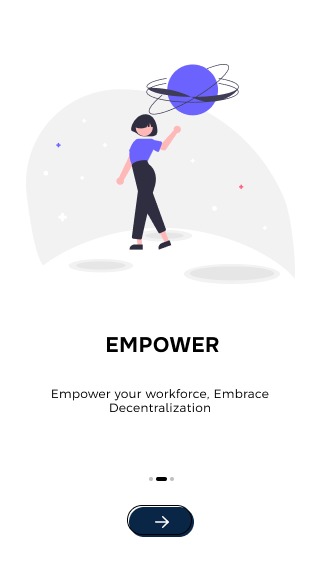
onboarding 2
-

onboarding 3
-
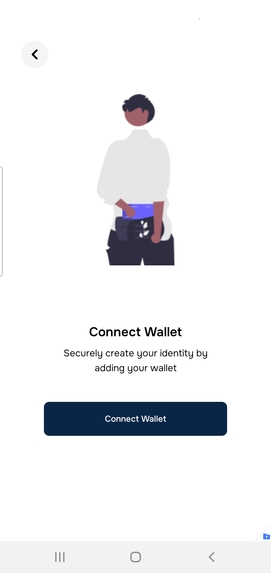
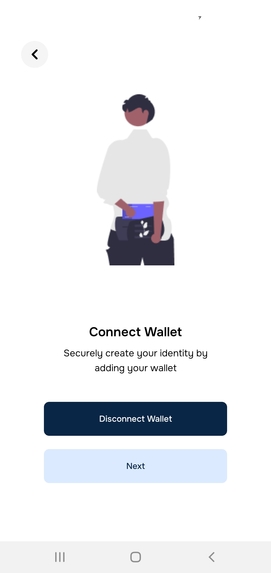
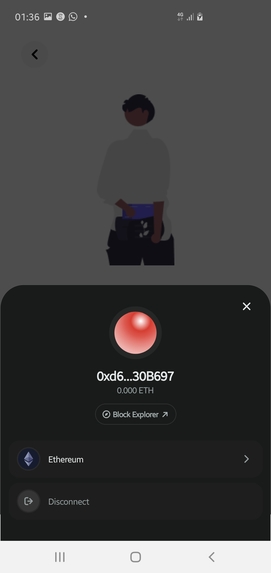
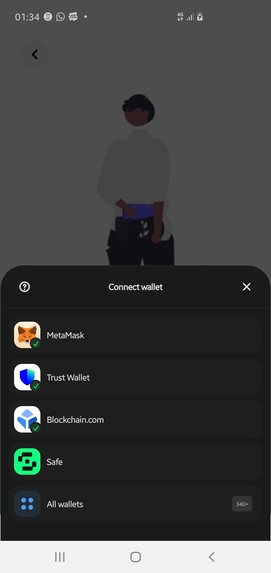
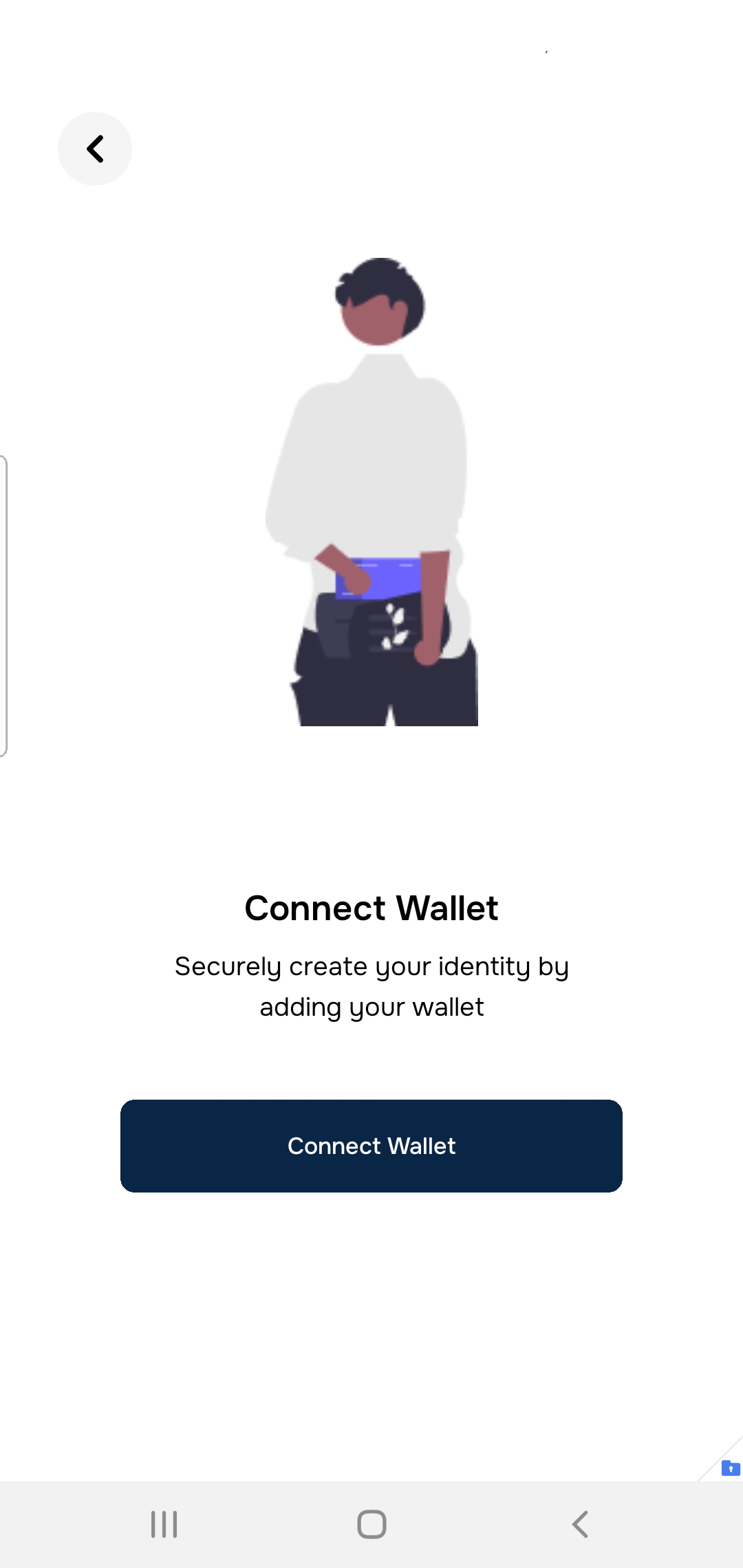
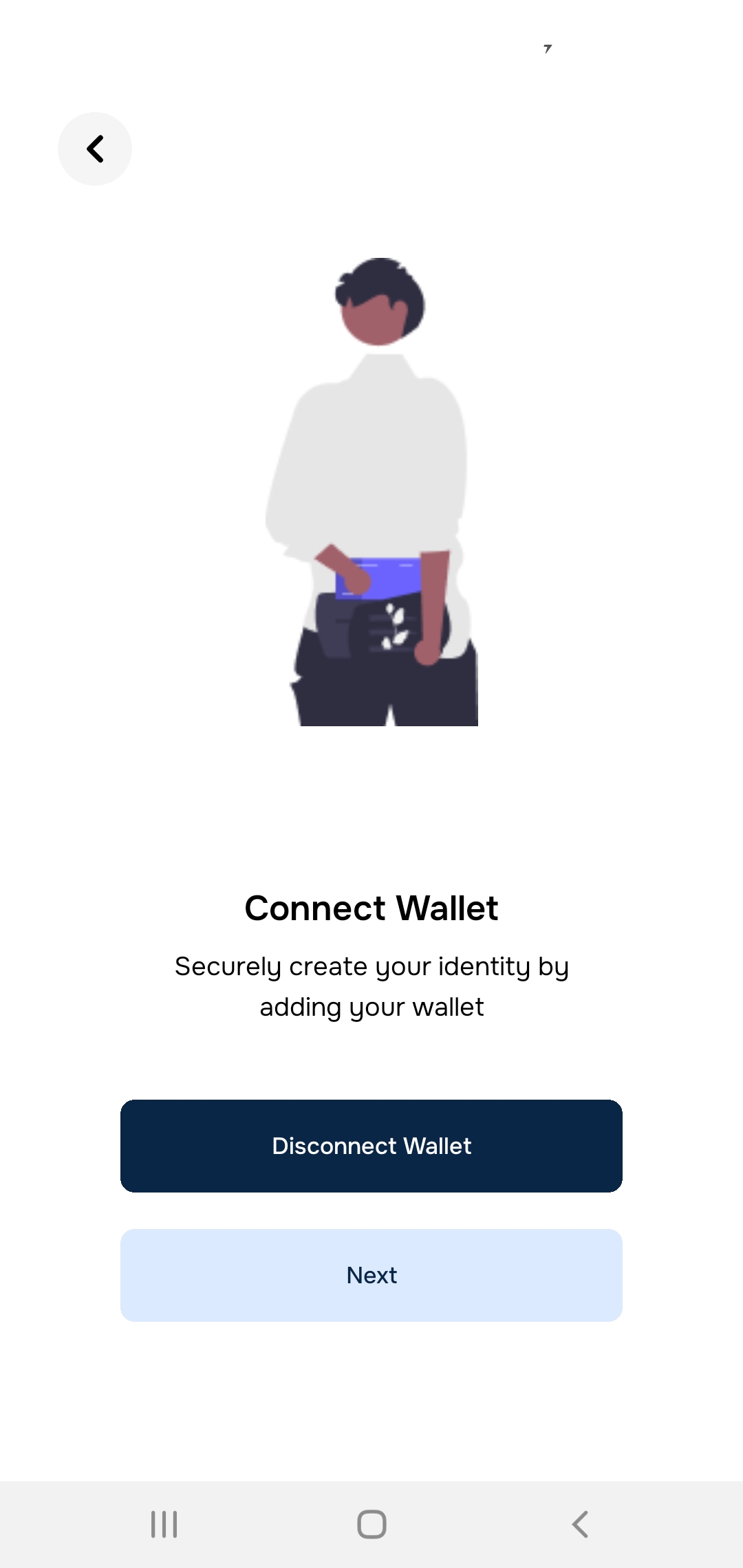
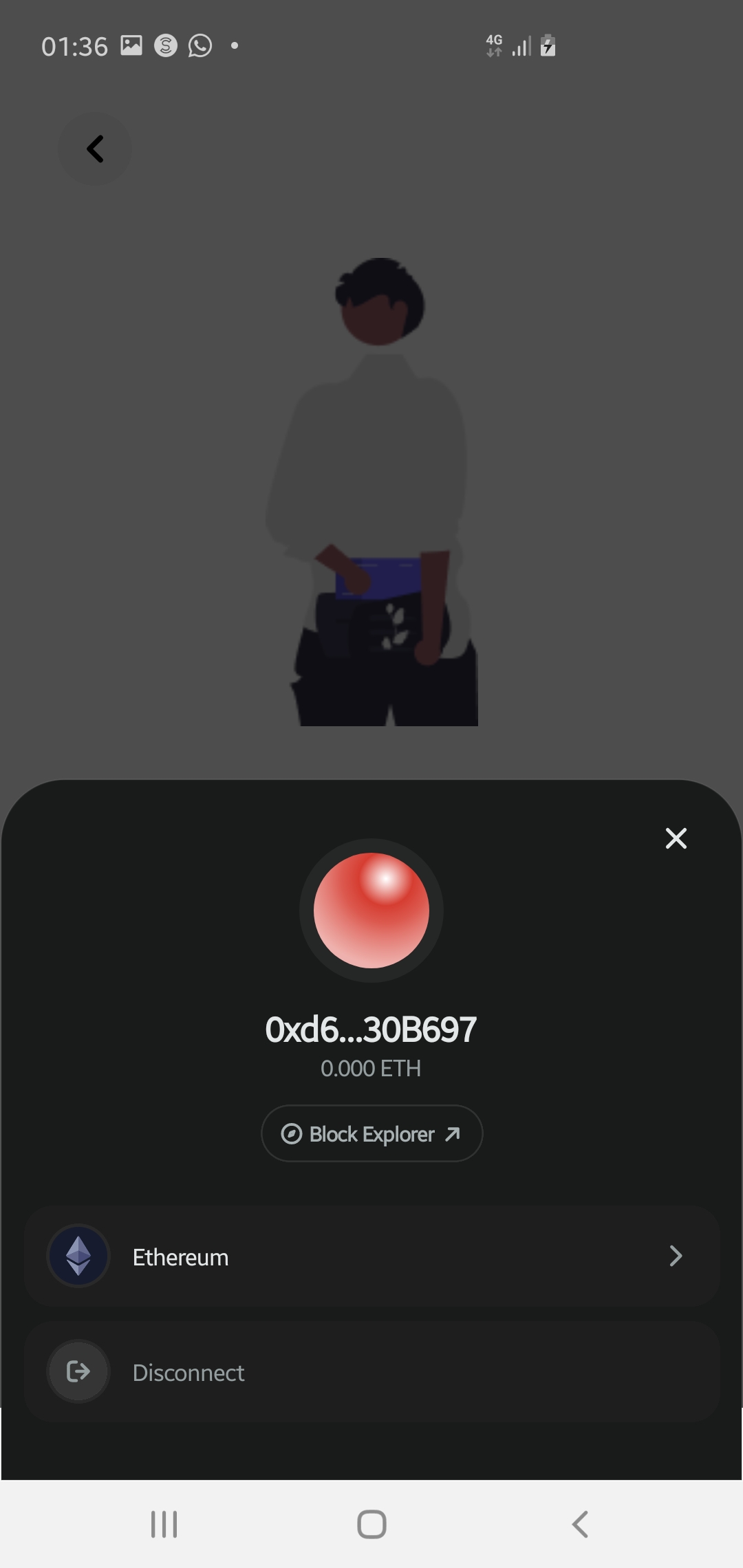
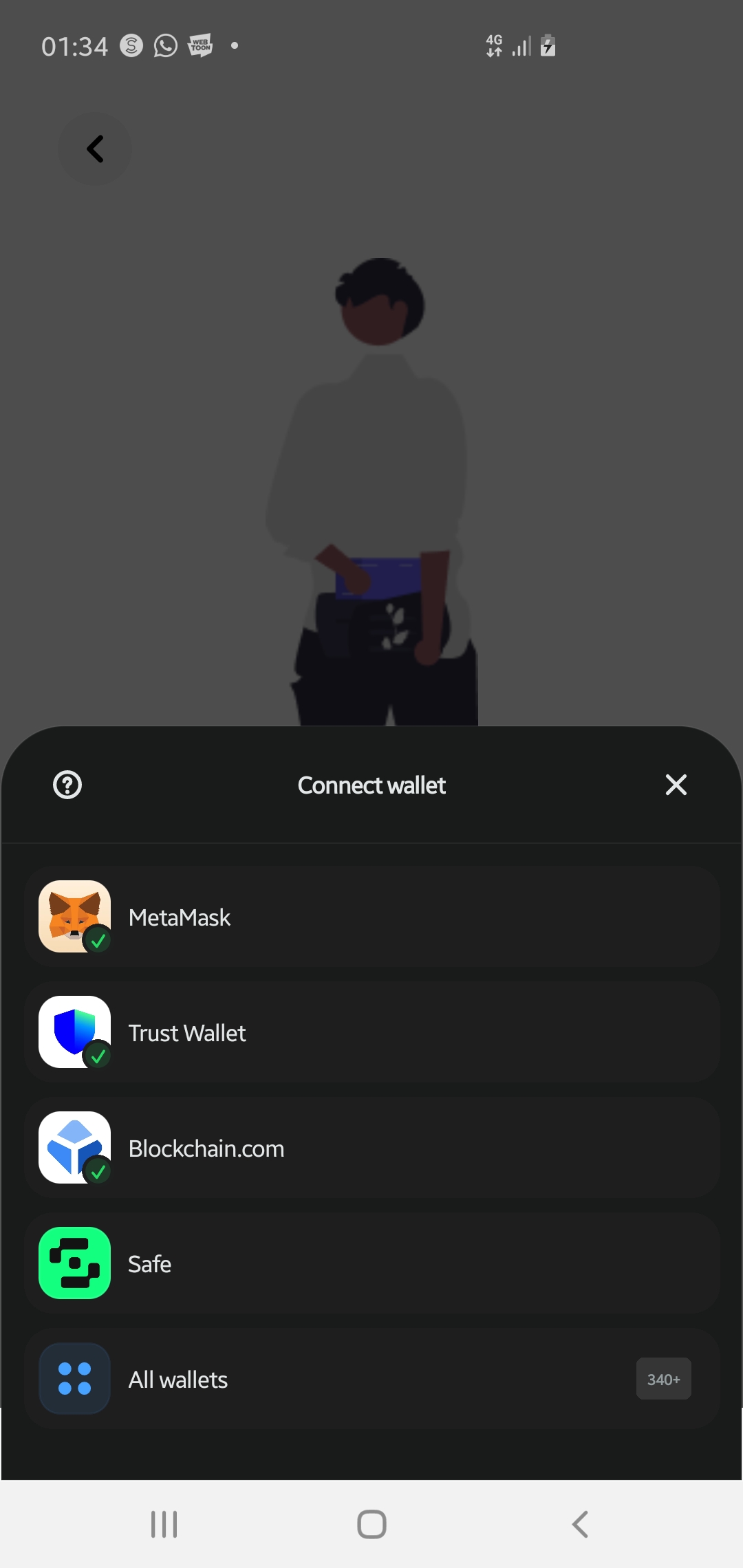
Connect wallet
-
-
-
-
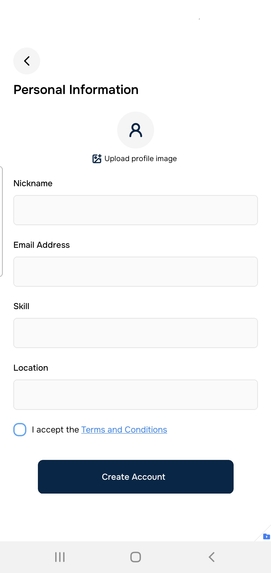
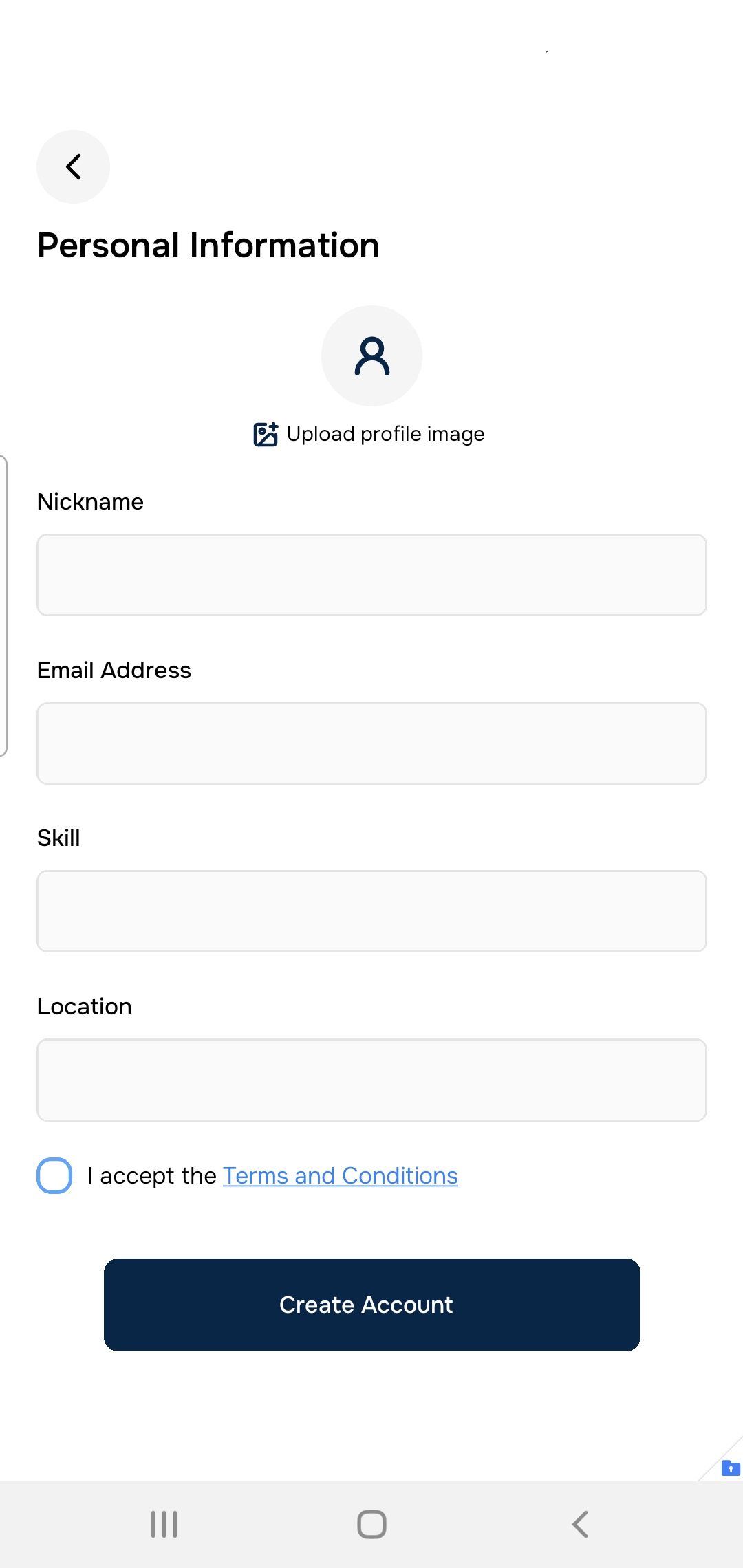
Create account
-
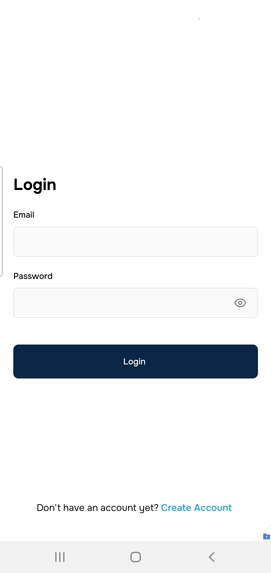
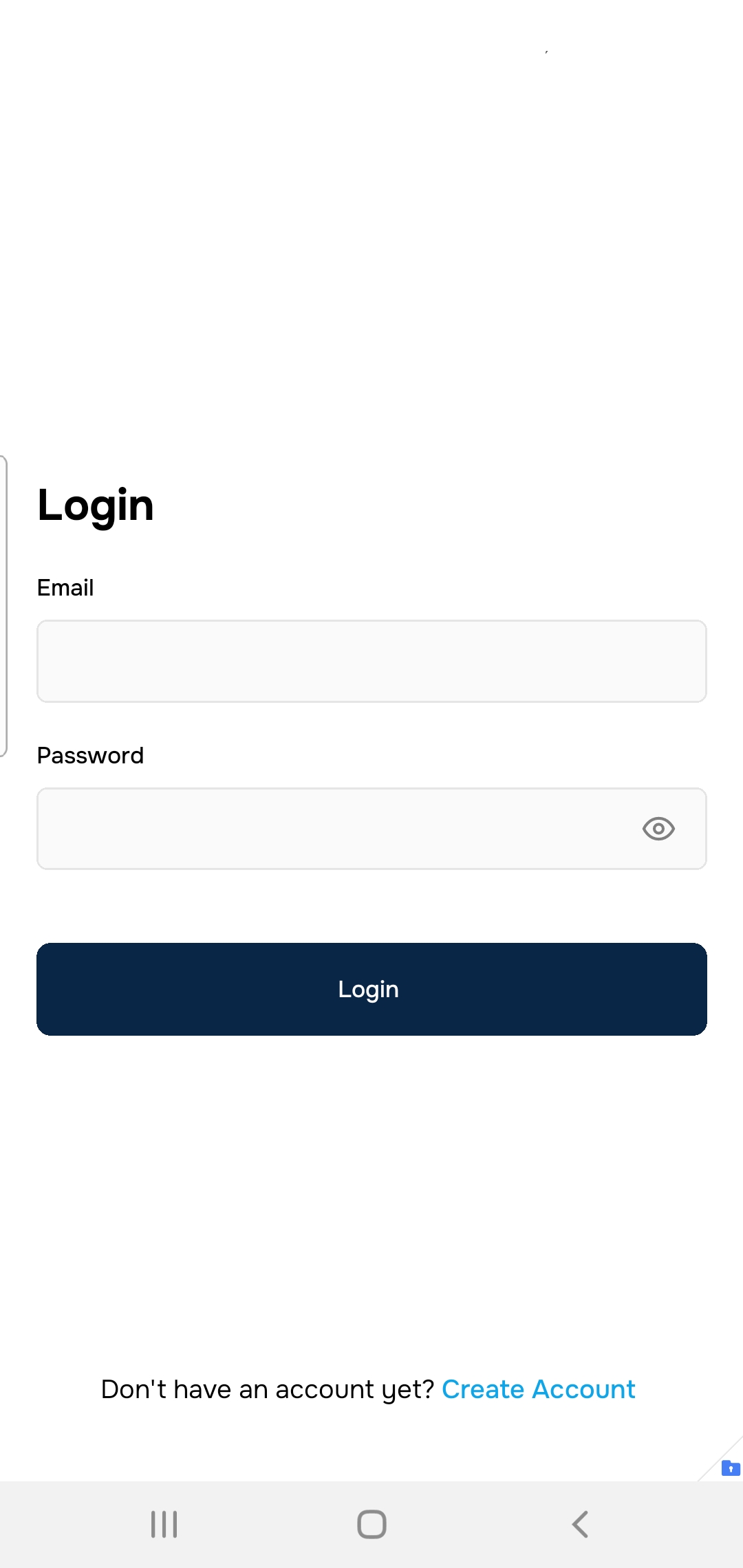
Login
-
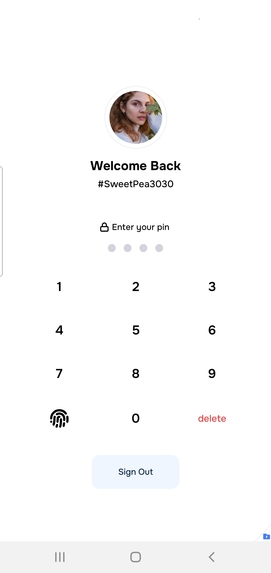
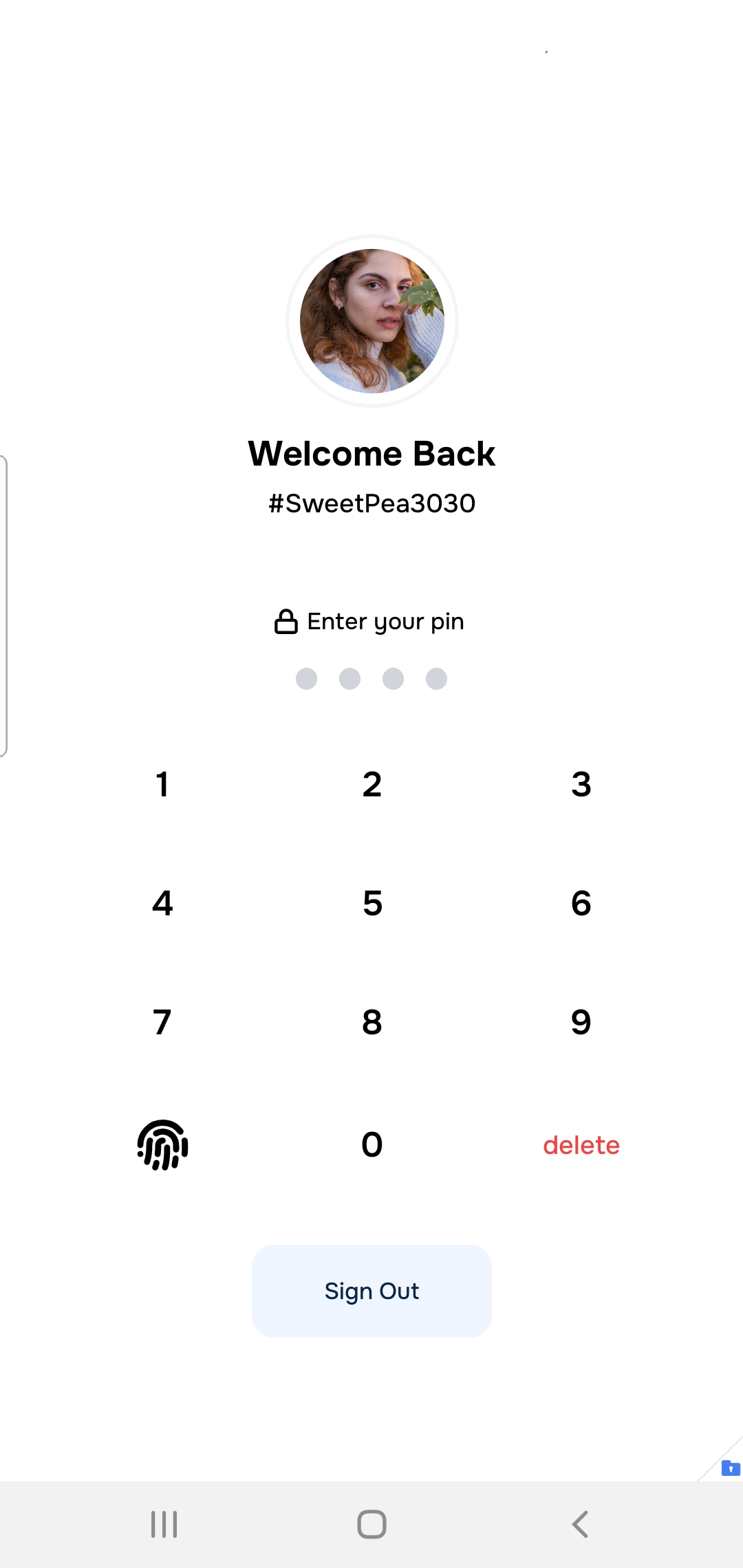
Login with pin
-
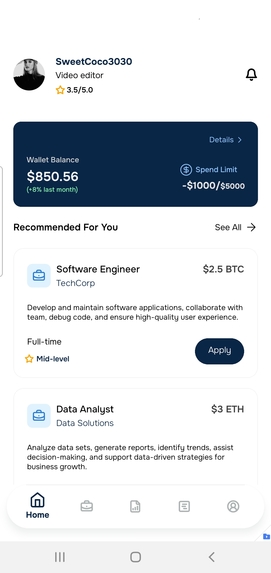
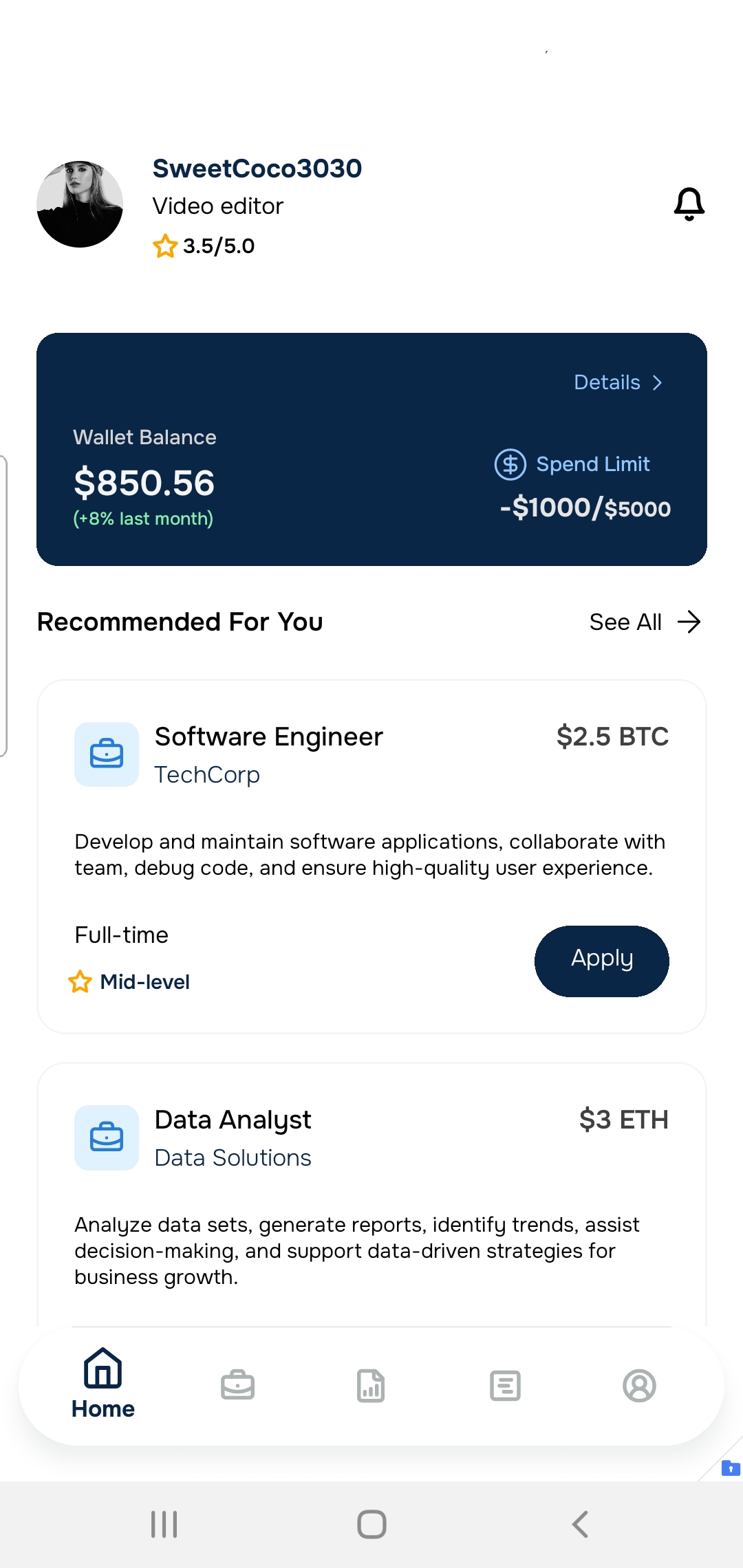
Homepage
-
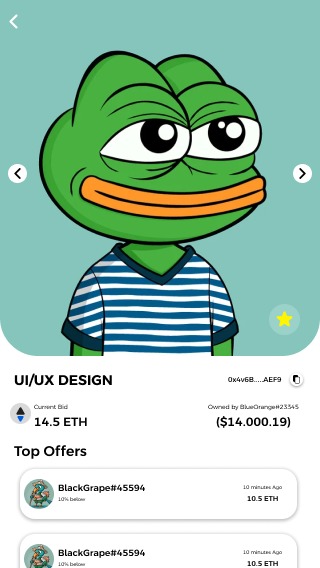
User project
-
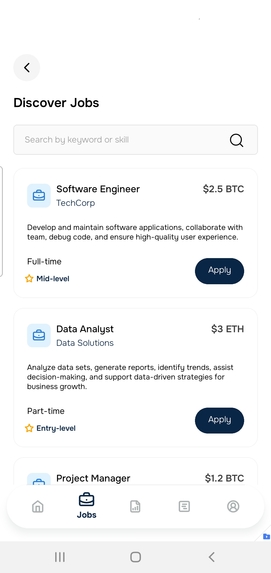
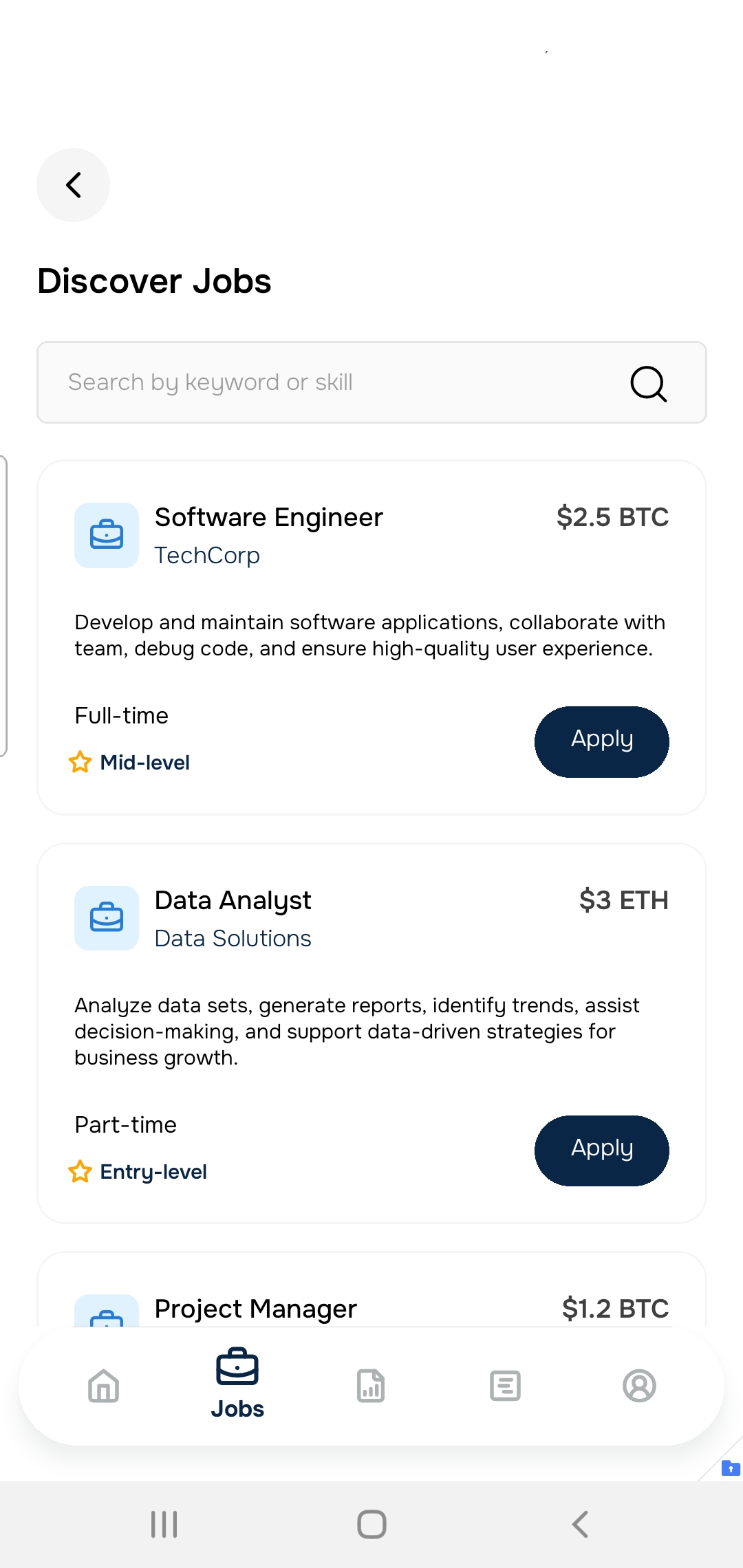
Jobs page
-
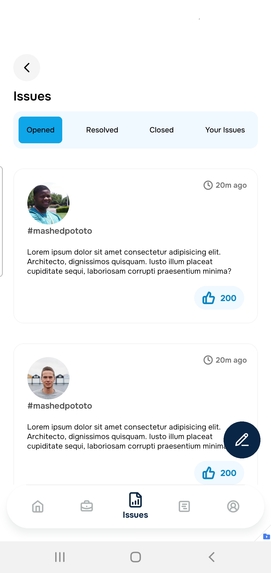
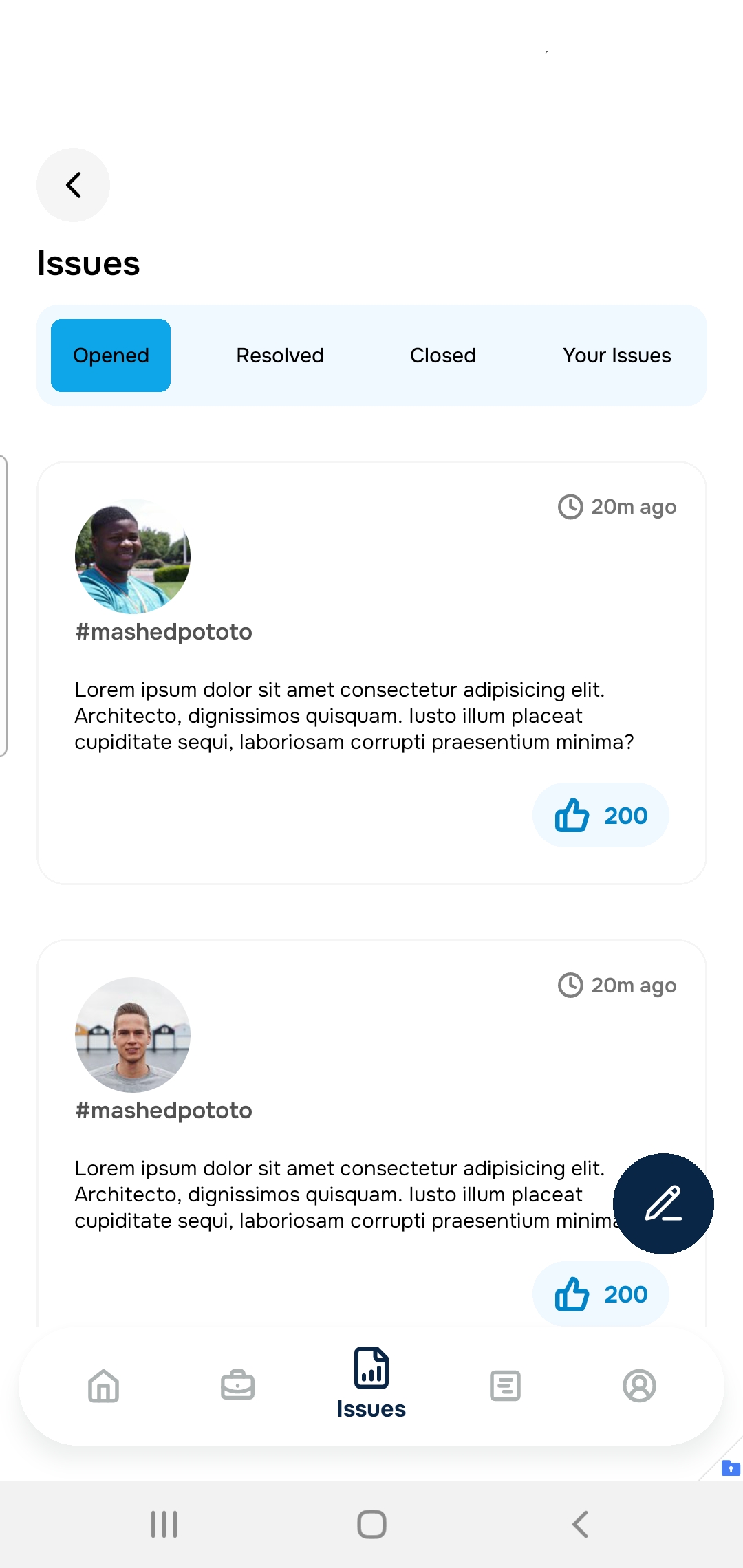
Issues feed
-
-
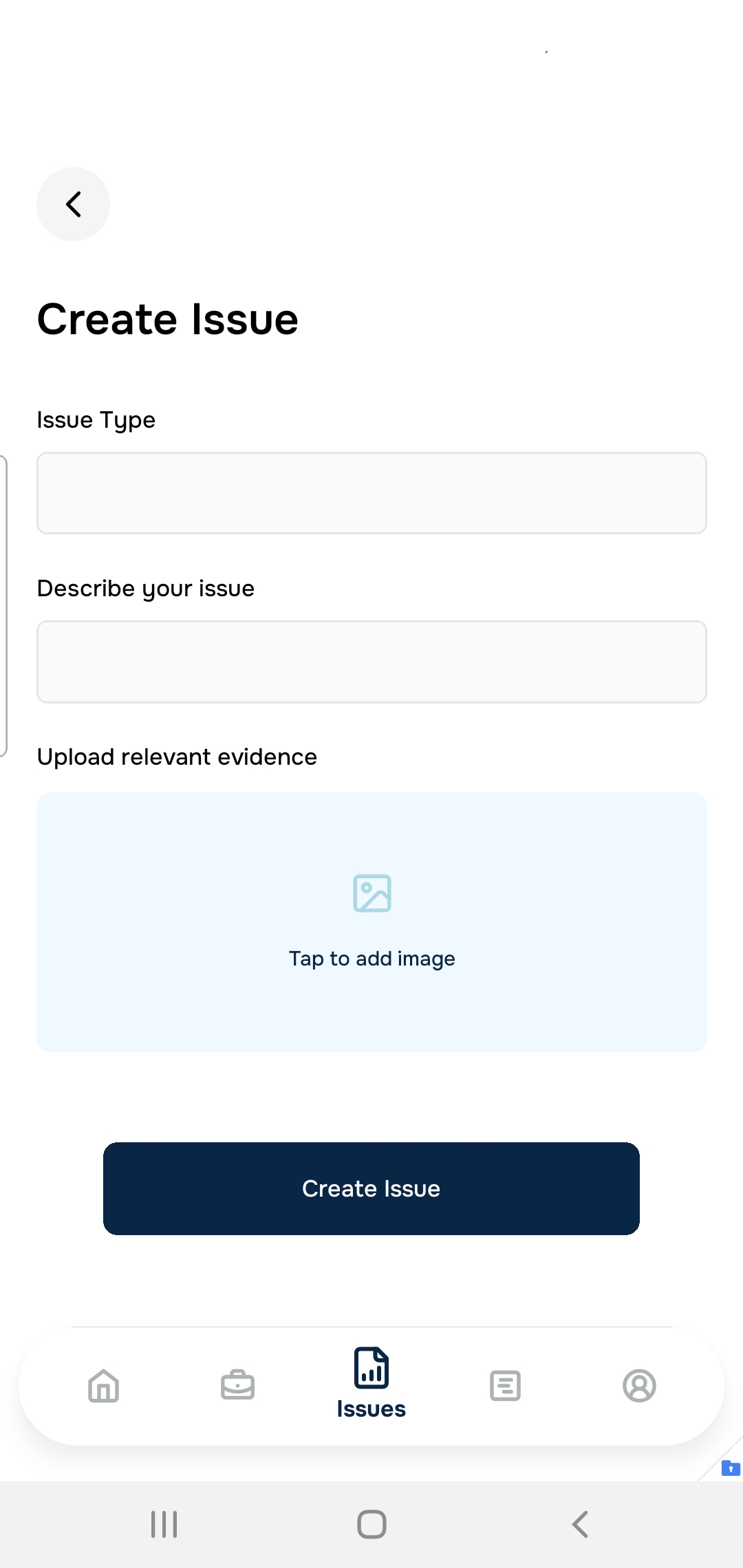
Create issue



Inspiration
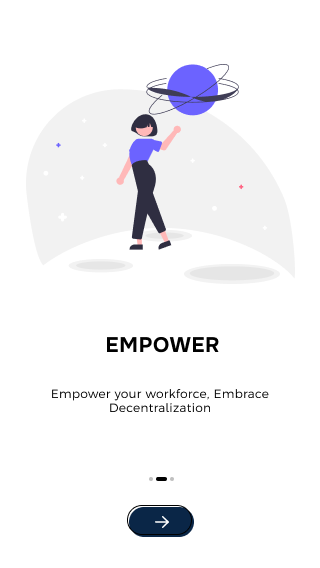
The project name NovaHive symbolizes a vibrant, innovative community platform that brings new energy and solutions to the freelancing world, fostering collaboration and efficiency. My teammates and I saw that there was a gap in the industry and such gap includes, lack of payment transparency, middleman influence, roles limitation, talent matching struggles. Many platforms lack a transparent and fair bidding system, leaving freelancers without an equal chance to compete for projects
What it does
It offers a transparent payment system which are processed through smart contracts, ensuring freelancers are paid promptly and fairly without any hidden fees or delays. NovaHive supports a wide range of roles, from traditional freelancing gigs to niche expertise, allowing freelancers to showcase their unique skills and find matching projects more efficiently. By removing intermediaries, NovaHive fosters direct communication and negotiation between clients and freelancers, promoting trust and understanding. NovaHive introduces a fair and transparent bidding system, where all freelancers have an equal chance to compete for projects, ensuring that quality and suitability take precedence over connections or arbitrary criteria.
How we built it
The frontend was a mobile application built with react native and expo SDK, Zustand for state management, wallet connect modal, Moti for animations. the expo SDK was used to manage routing, file upload, local storage with expo secureStore and build the application with expo prebuild and EAS development/Android build. We followed a component-based architecture with in developing each visual element displayed on the app. The Backend Step1 Design and Develop Smart Contracts:
- Use Solidity to write smart contracts.
- Define core logic, data structures, and integrate Chainlink oracles if needed.
- Example functionalities: token management, data storage, business logic.
Compile and Deploy Smart Contracts:
- Compile the smart contracts using Foundry.
- Deploy the contracts to the desired blockchain network (development for testing, mainnet for production).
Step 2: Controller (Backend) Set Up Backend Framework:
- Use Express.js for the backend server.
API Endpoints:
- Create RESTful API endpoints to handle client requests.
- Endpoints will interact with the smart contracts using Web3.js.
Web3.js Integration:
- Initialize Web3.js in the backend to connect to the blockchain network.
- Use Web3.js to call smart contract methods and handle blockchain transactions.
Business Logic:
- Implement business logic in the backend to process and validate client requests.
- Ensure data integrity and security before interacting with the smart contracts.
Challenges we ran into
We encountered challenges while implementing Chainlink, necessitating an in-depth review of the documentation.
Accomplishments that we're proud of
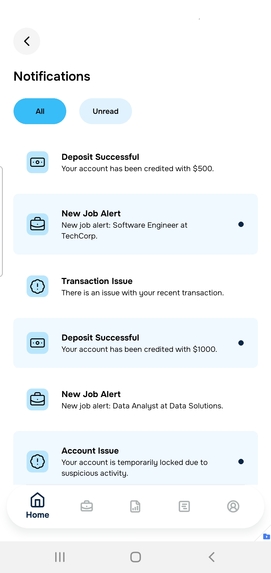
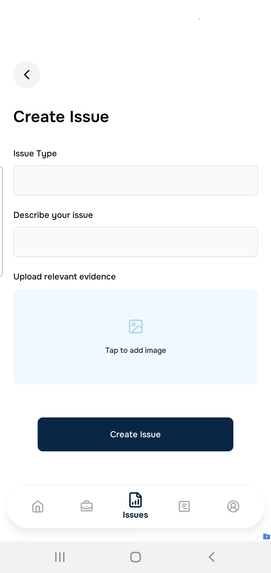
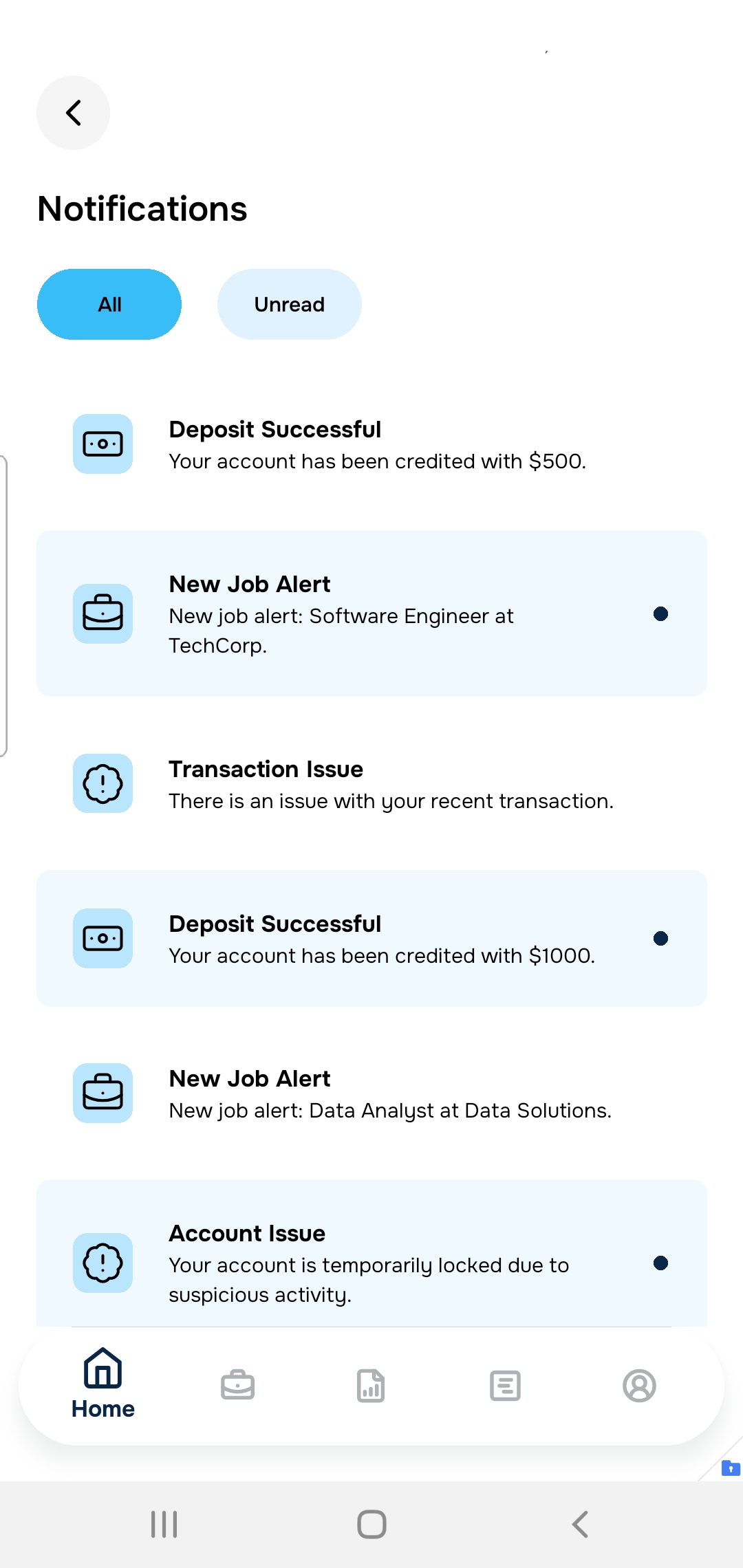
We are pleased to have successfully integrated Chainlink tools into our platform. This accomplishment allows us to seamlessly merge Web2 and Web3 technologies, resulting in a secure and cohesive system. Key features include the development of a transparent issue resolution system that fosters trust and accountability, the implementation of a fair and transparent project bidding system that rewards quality and reliability, and the creation of real-time data analytics. These analytics enable users to monitor their profile views and provide hiring talents with insights into their project and profile engagement. Additionally, we have integrated payment functionality using wallet addresses.
What we learned
As a team, we have recognized the importance of user-centered design in addressing real-world pain points and the transformative potential of blockchain technology in revolutionizing payment processing and dispute resolution. Additionally, we identified the necessity of ongoing user education and support to facilitate the adoption of new technologies.
What's next for NovaHive
While we were unable to implement all the planned features, we are committed to expanding our platform post-hackathon. Our future plans include building a vibrant community of freelancers and employers through forums, webinars, and networking events. We aim to utilize advanced AI algorithms to enhance talent matching and project recommendations. Furthermore, we intend to expand our platform to cater to a global audience, ensuring diverse opportunities for freelancers and providing employers with access to a wider talent pool.

Log in or sign up for Devpost to join the conversation.