Inspiration In today's information-heavy world, students, researchers, and professionals are constantly bombarded with lengthy documents, reports, and papers. We've all been there — staring at a 50-page PDF the night before a deadline, wishing someone could just tell us what matters most. That shared frustration is what sparked the idea behind AI Document Summarizer. We asked ourselves: What if AI could do the heavy reading, so people could focus on the thinking? That question became our mission.
How We Built It Our system follows a clean three-step pipeline:
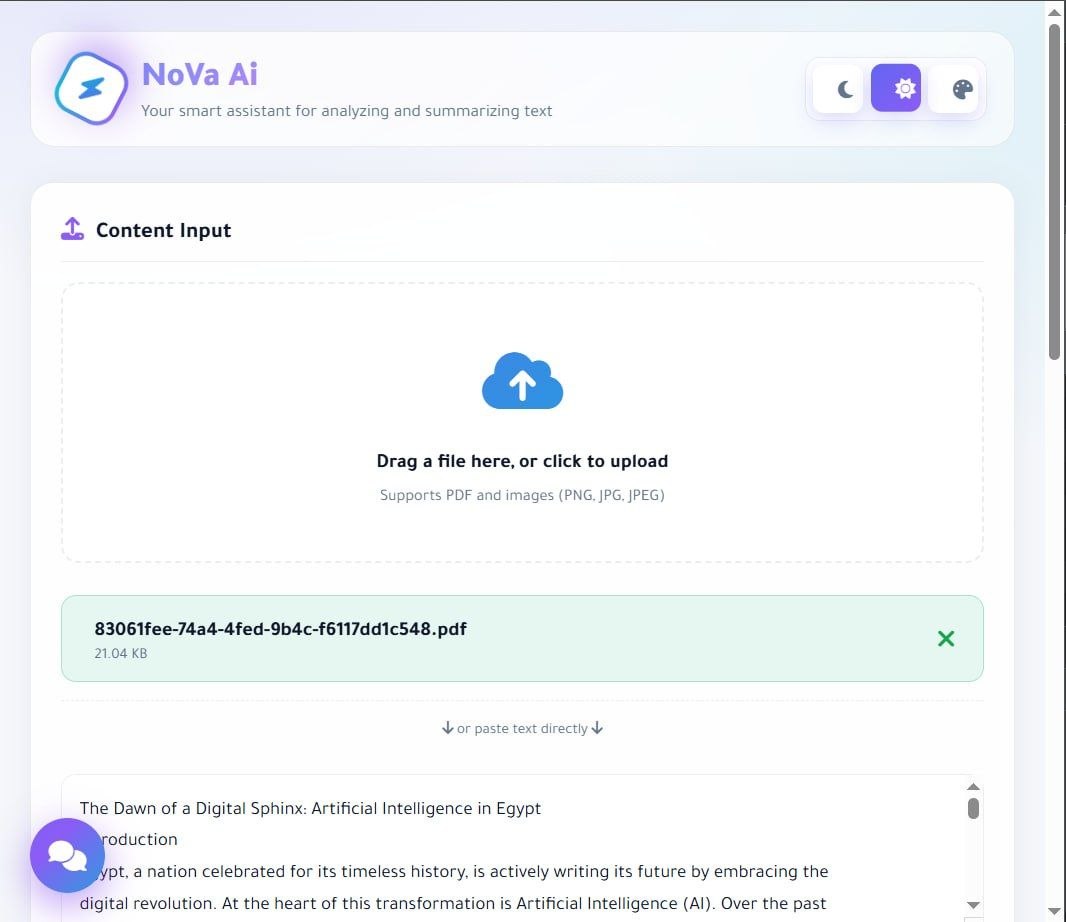
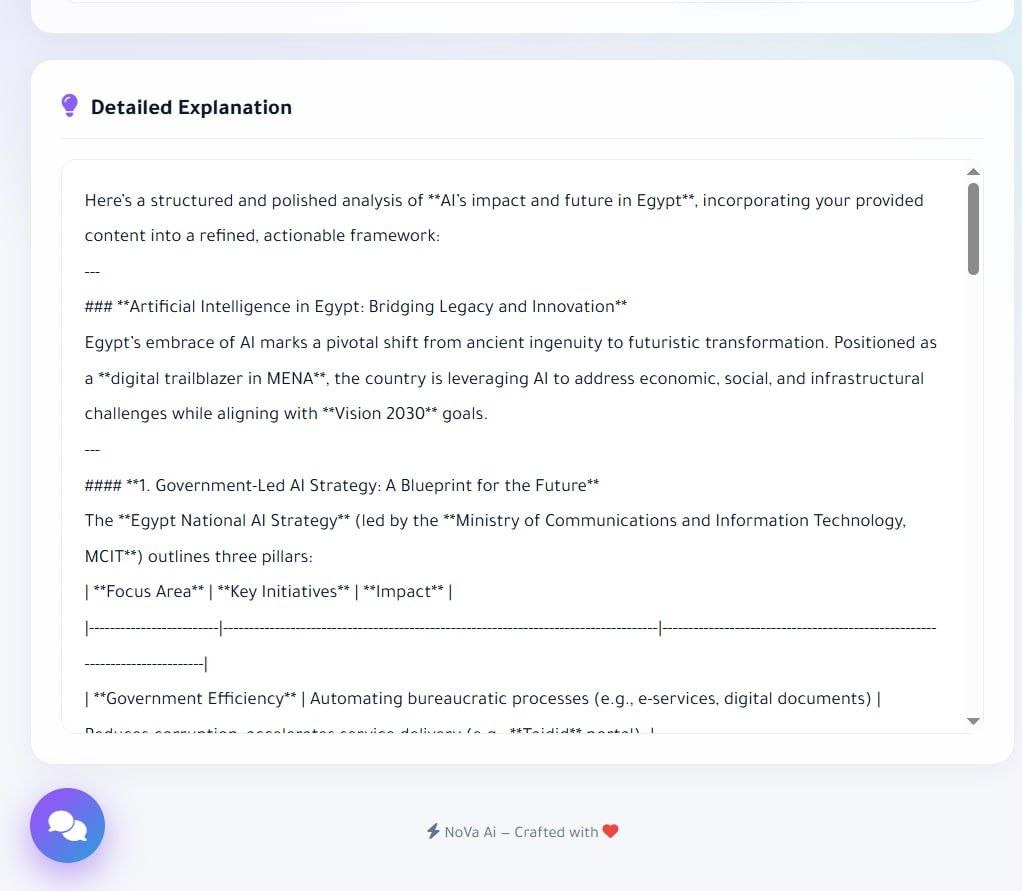
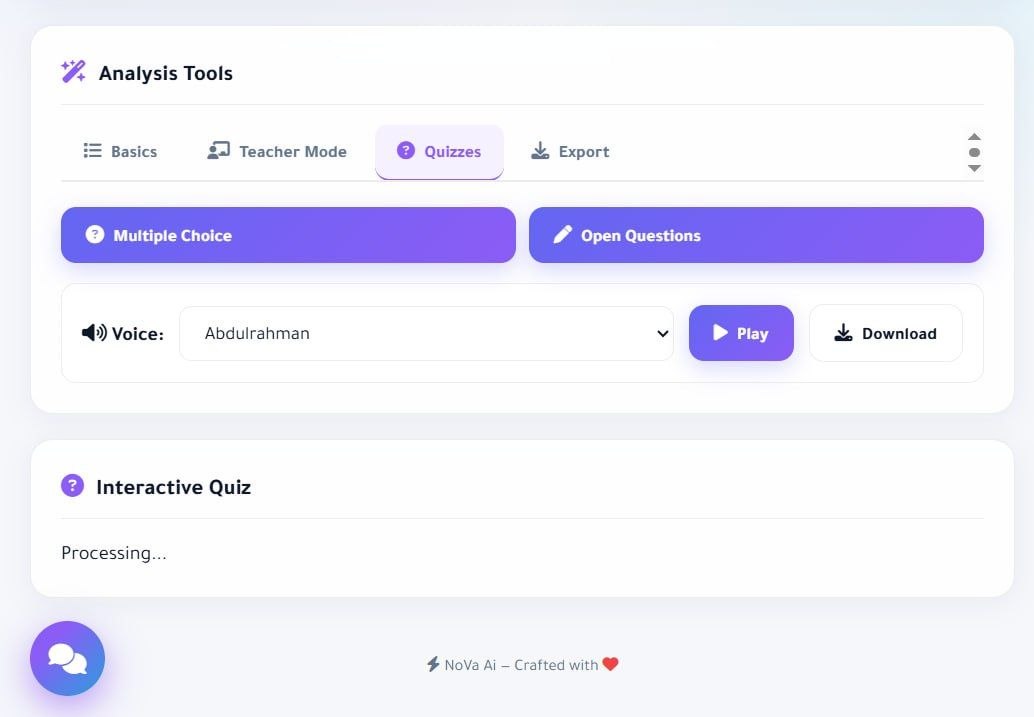
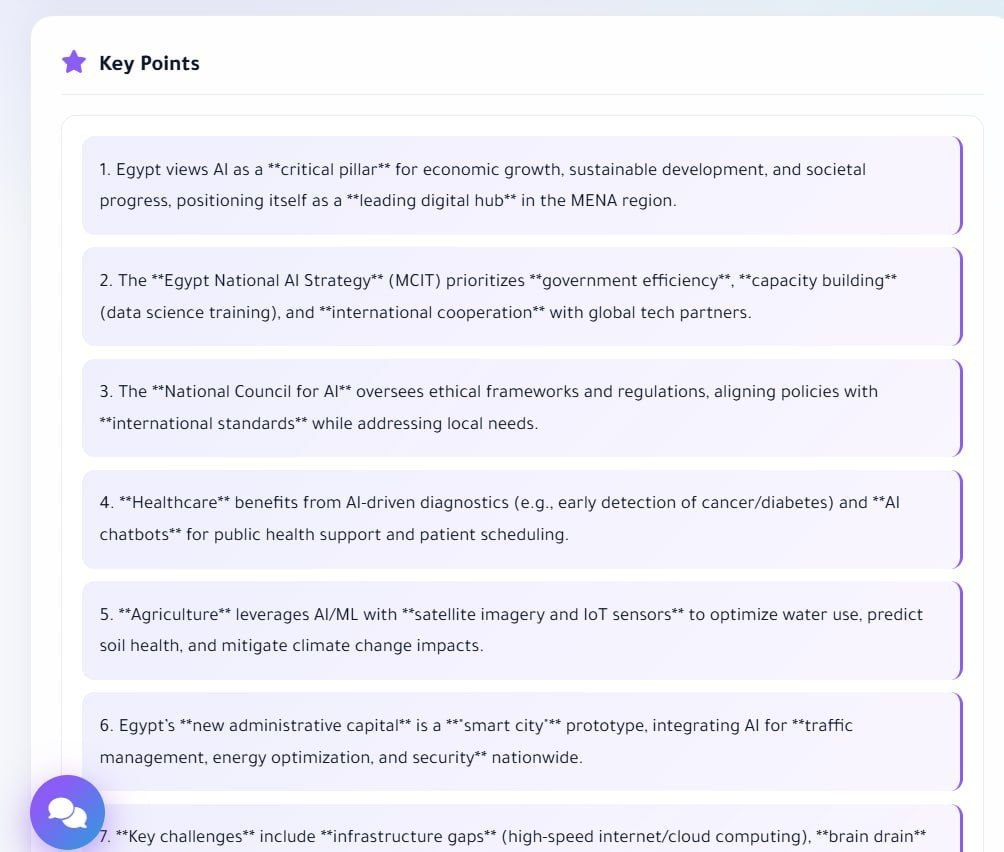
Upload — The user uploads a document (PDF or text-based file). Analyze — The AI processes the content and identifies key information. Summarize — The system generates a concise, readable summary highlighting the most important points.
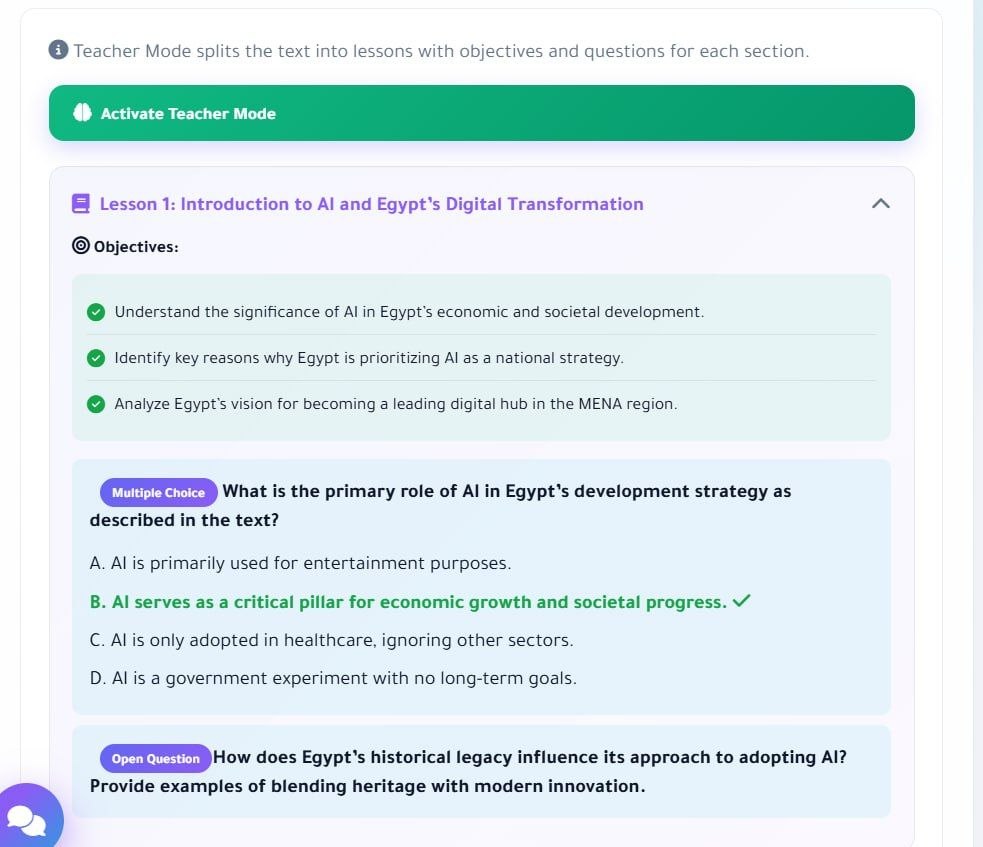
What makes our approach different is the Human-in-the-Loop (HITL) design philosophy. Rather than treating the AI's output as final, we built a feedback layer that allows users to review the generated summary and request modifications. This creates a collaborative loop between human judgment and AI capability, resulting in summaries that are more accurate, relevant, and trustworthy.
What We Learned Building this project taught us a great deal — technically and otherwise:
Prompt engineering matters. Getting the AI to produce summaries that are genuinely useful (not just shorter versions of the text) required careful design of how we frame instructions. User experience is everything. A powerful AI feature is only valuable if the interface makes it easy to use. We learned to design with the end user in mind at every step. Human feedback is a feature, not a fix. Incorporating user review into the core workflow — rather than as an afterthought — fundamentally improved output quality and user trust.
Challenges We Faced No project comes without its hurdles. Ours included:
Handling diverse document formats — Documents vary wildly in structure, length, and writing style. Making the summarizer work reliably across different types of content was a key challenge. Balancing brevity and completeness — A summary too short loses important context; one too long defeats the purpose. Finding the right balance required iteration and testing. Designing meaningful feedback loops — Building a Human-in-the-Loop system that feels natural (not burdensome) to the user took careful UX thinking.
What's Next We're proud of what we built, but we see this as just the beginning. Our roadmap includes:
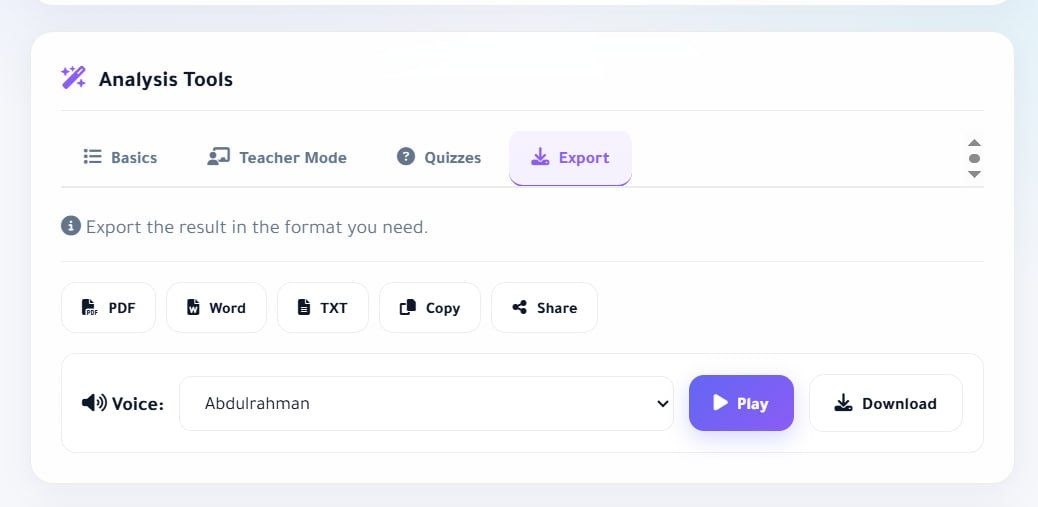
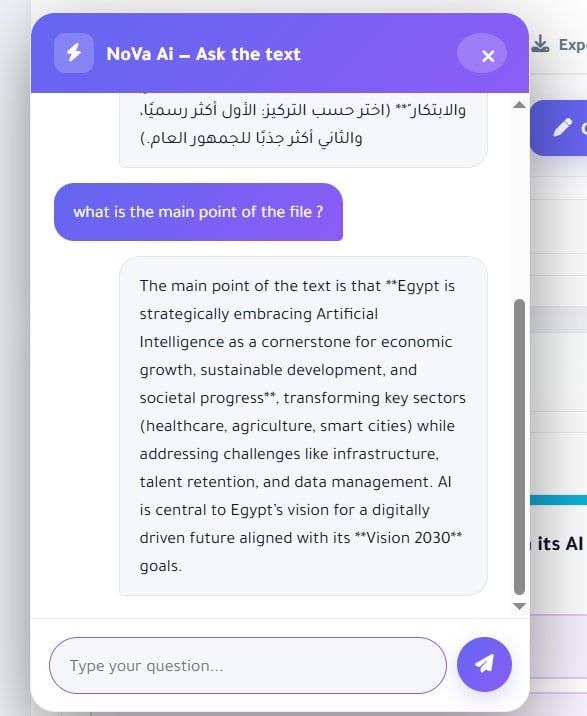
Multi-language support — So users can summarize documents in their native language. Adjustable summary lengths — Short, medium, or detailed — letting users choose what fits their needs. Advanced features — Such as keyword highlighting, section-based summaries, and Q&A over documents.
Team NoVe This project was brought to life by five passionate team members: Zekra · Jana · Abdelrahman · Mariam · Esraa We believe AI should work with people — not replace their judgment. That belief is at the heart of everything we built.
Built With
- ai
- api
- application
- artificial
- chatgpt
- cloud
- crhome.eu.cc
- css
- custom
- development
- frontend
- github
- gpt-5.1
- hosting
- html
- javascript
- learning
- machine
- natural-language-processing
- rest
- summarization
- text
- vercel
- web


Log in or sign up for Devpost to join the conversation.