-
-
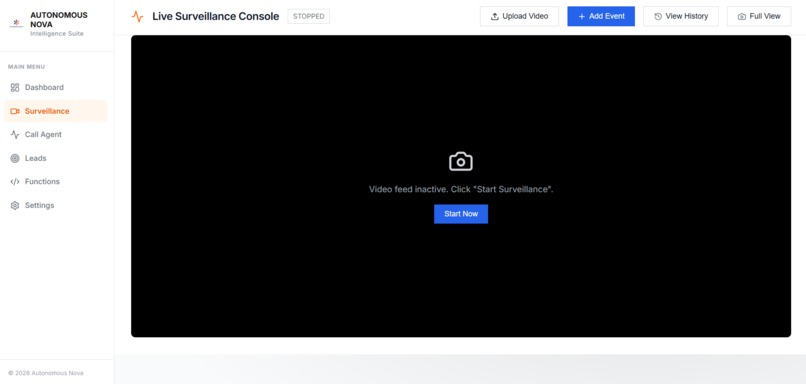
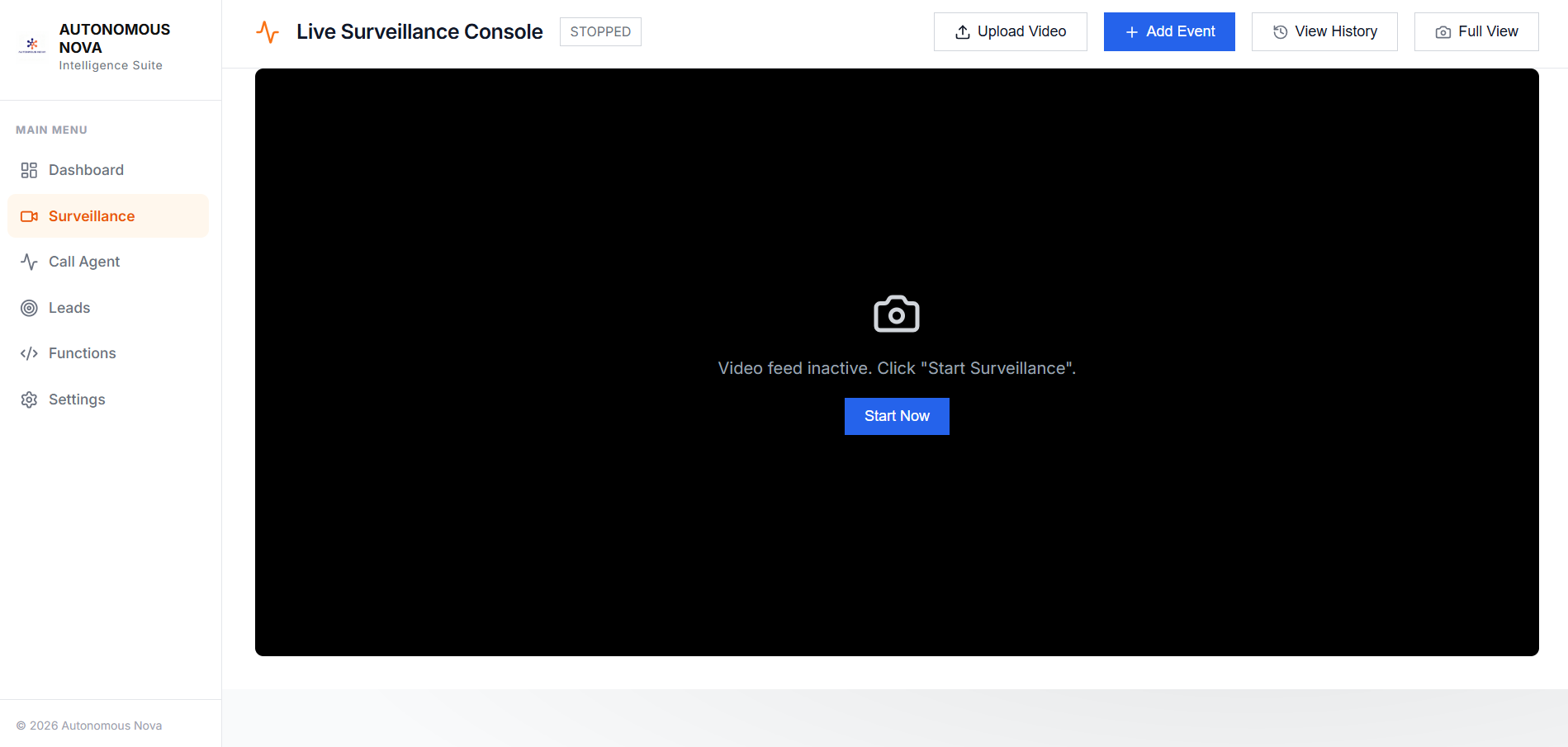
AI Surveillance
-
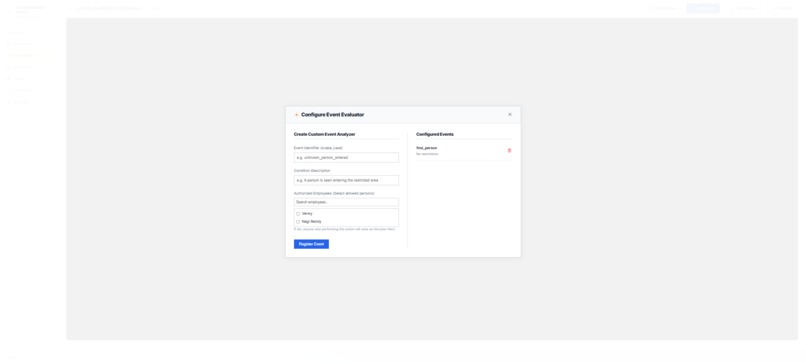
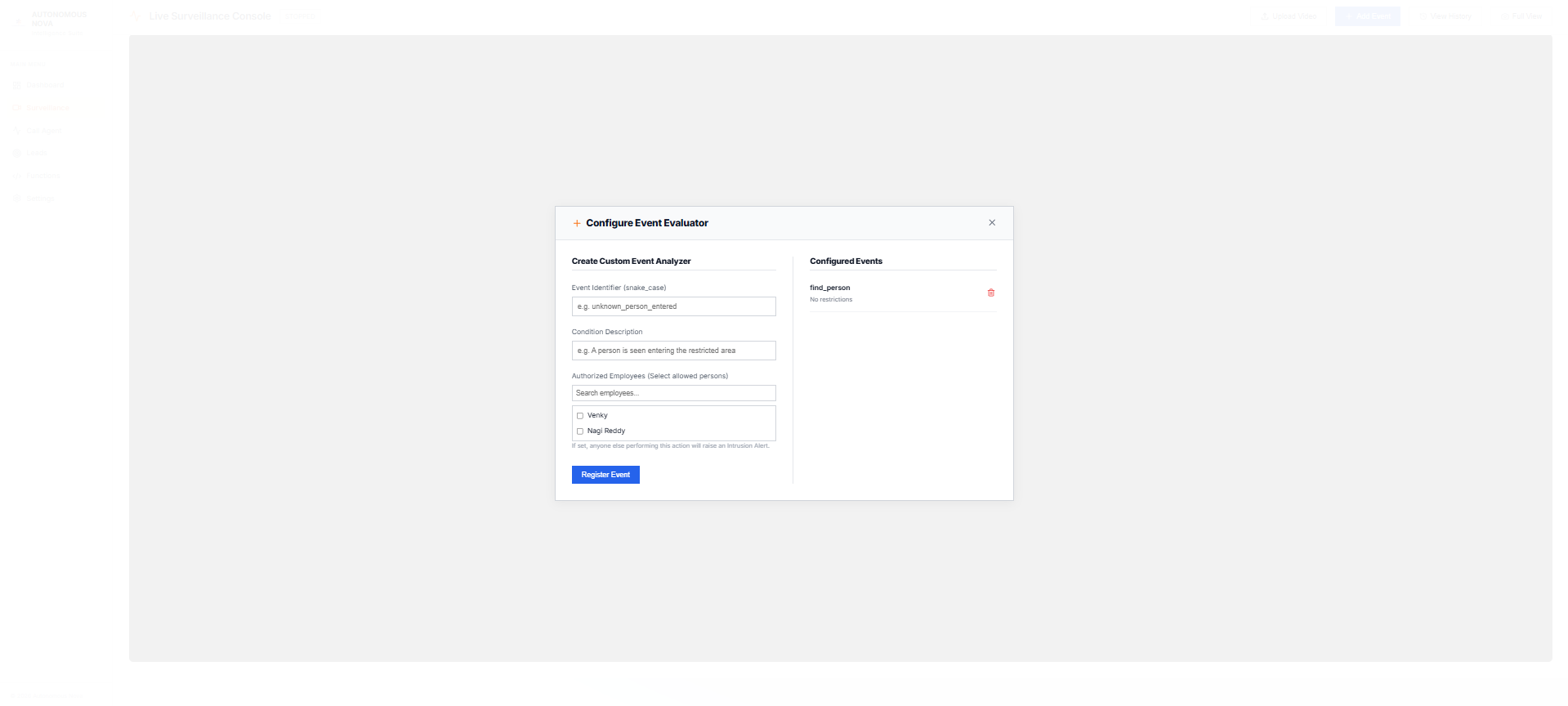
Surveillance trigger adding screen
-
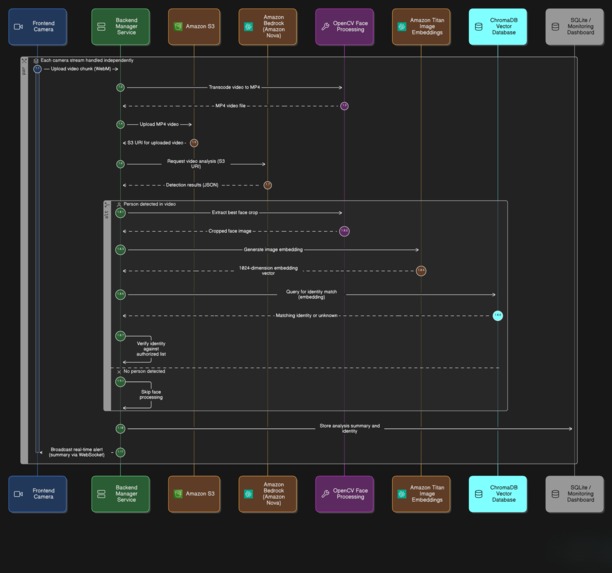
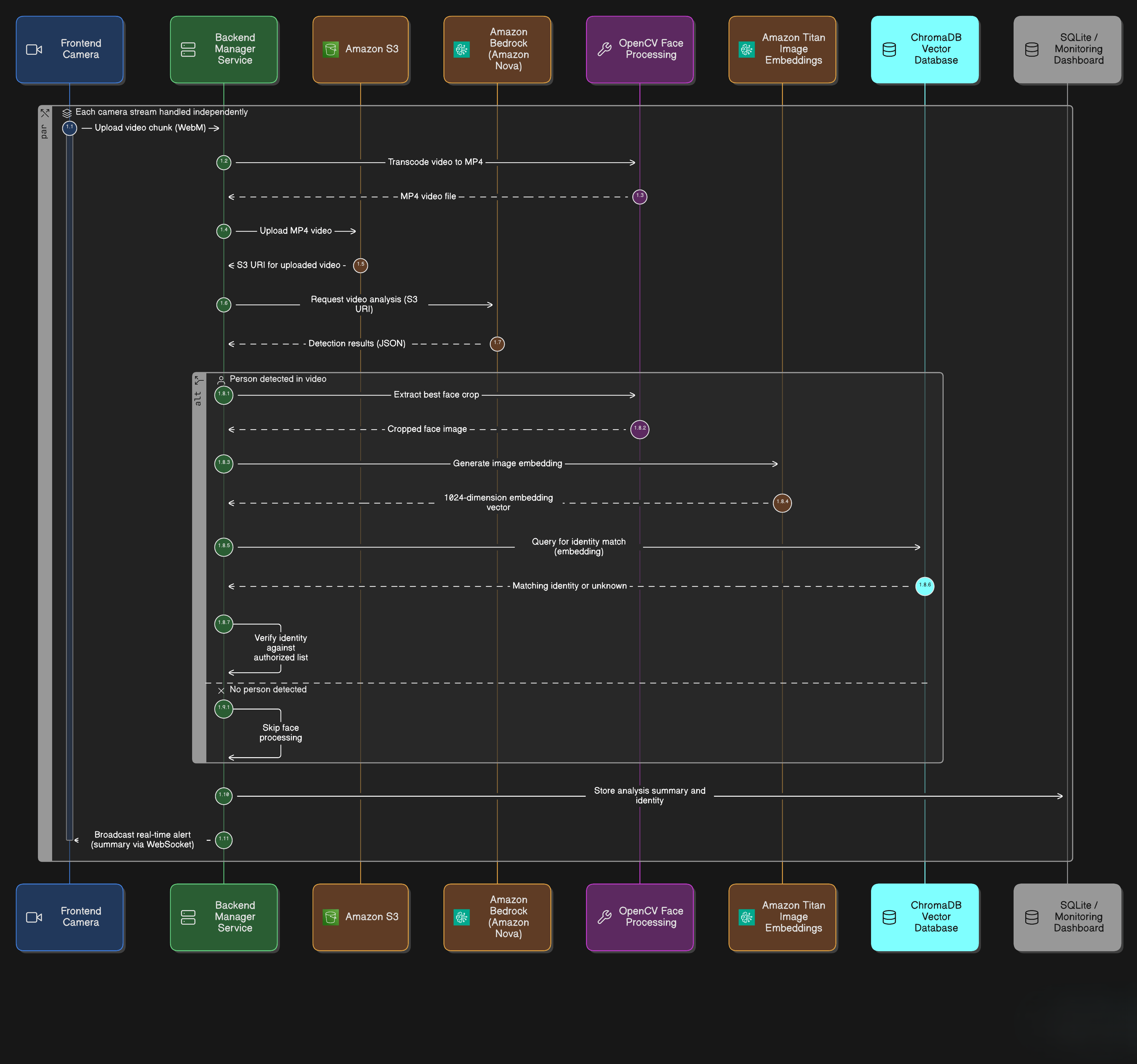
Surveillance architecture flow diagram
-
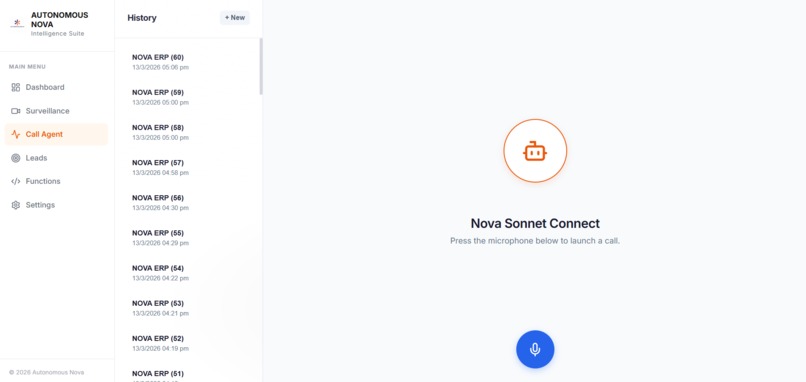
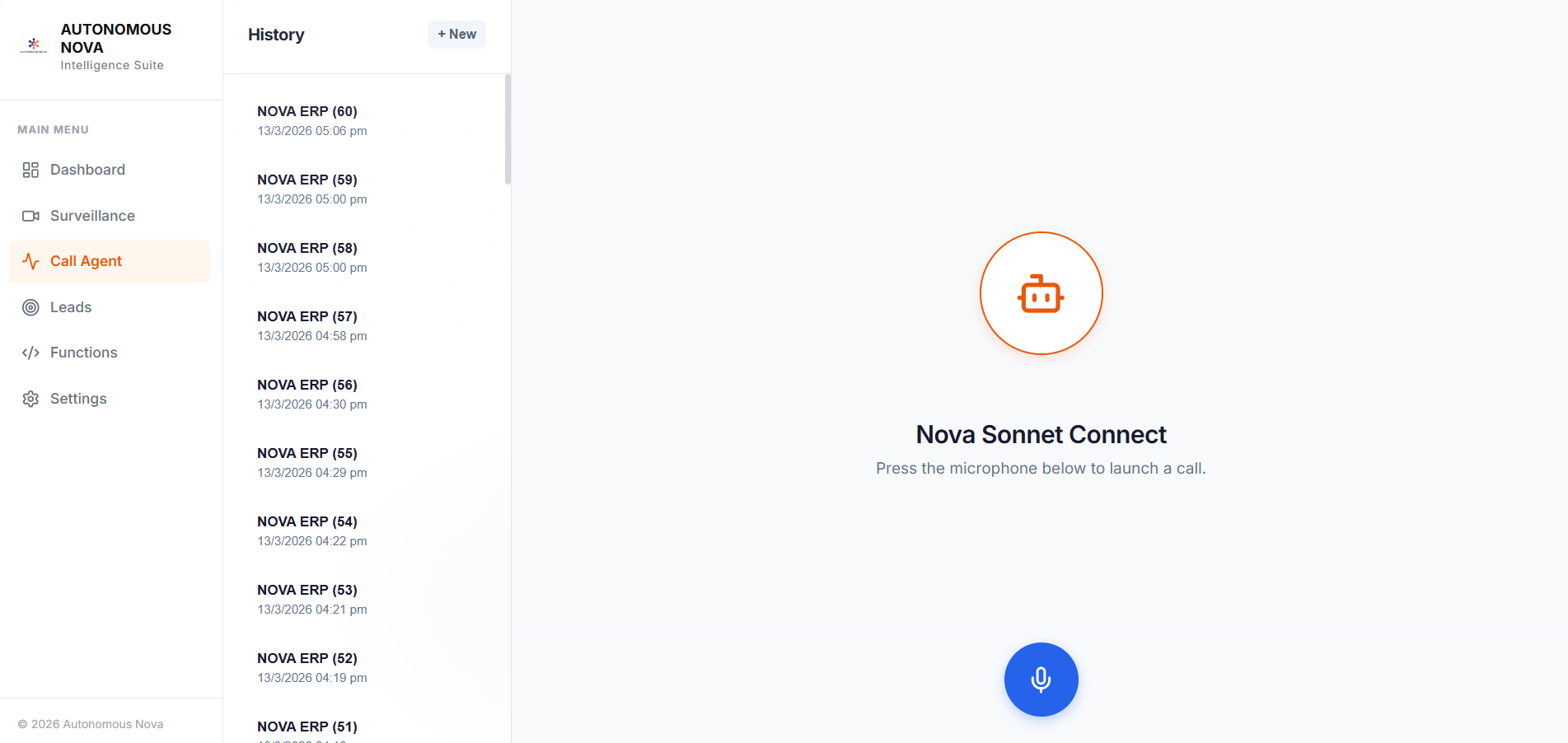
Voice Support
-
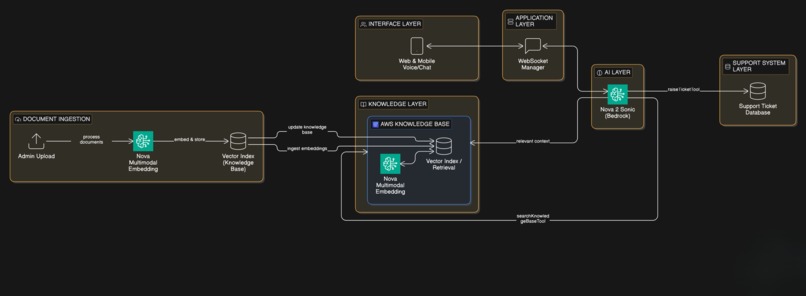
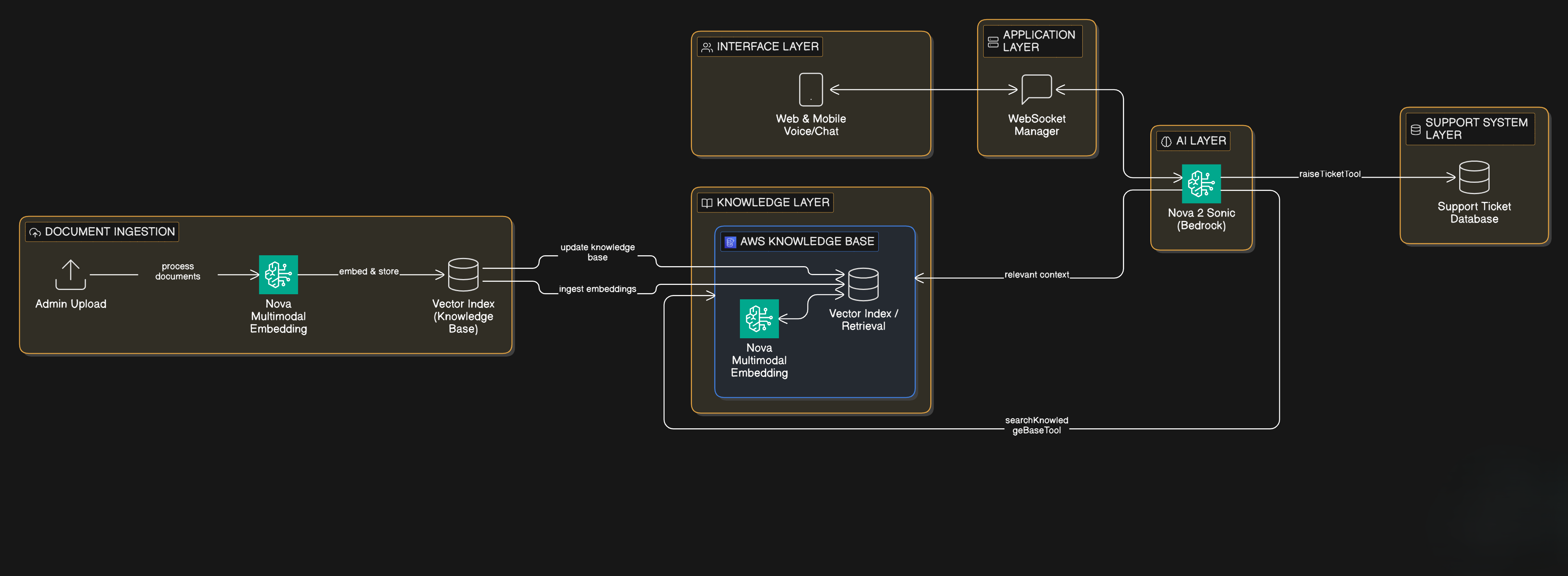
Nova 2 sonic call agent architecture flow diagram
-
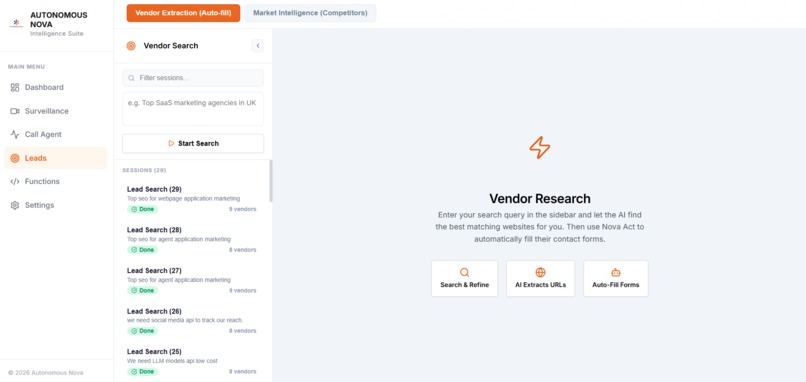
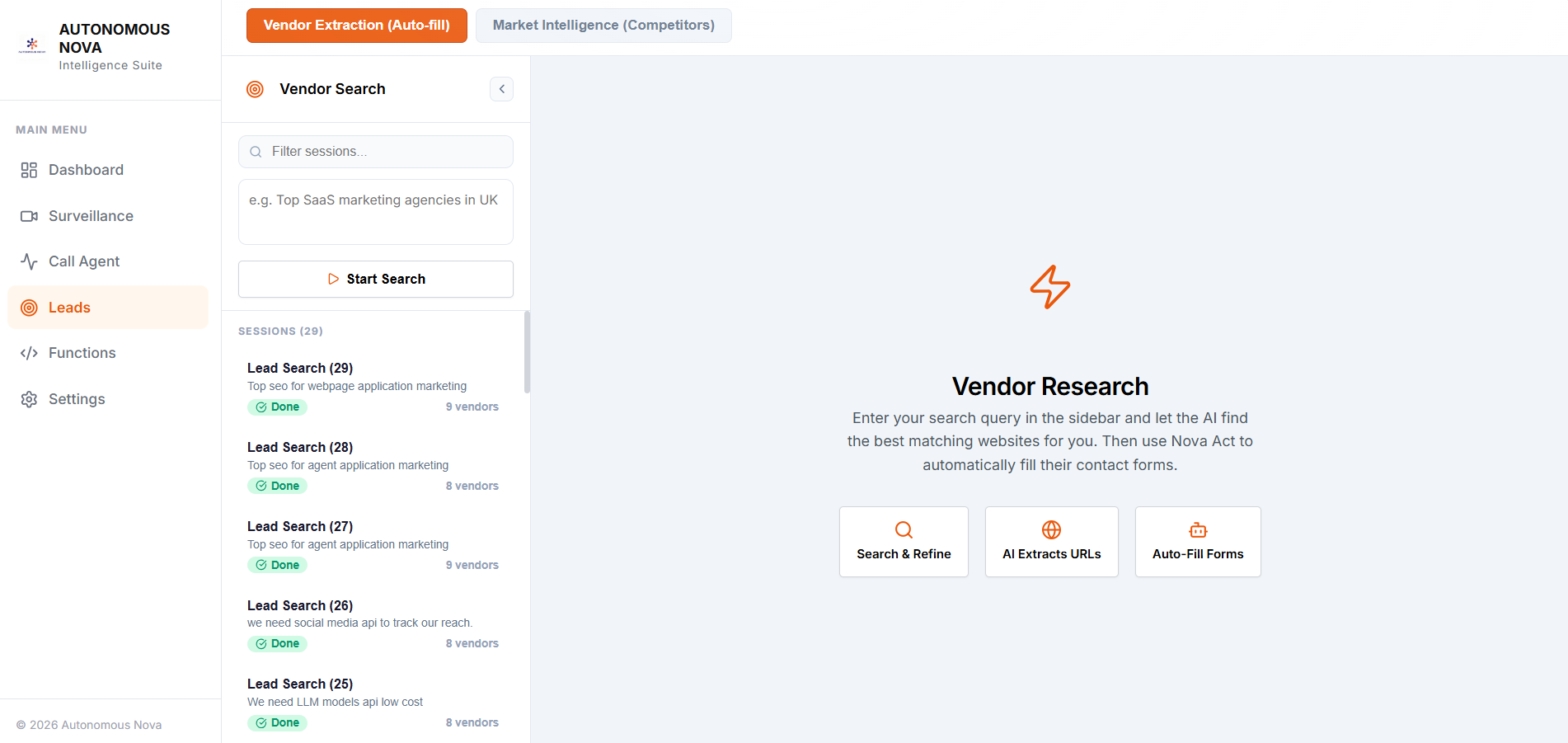
Market and Vendor Intelligence
-
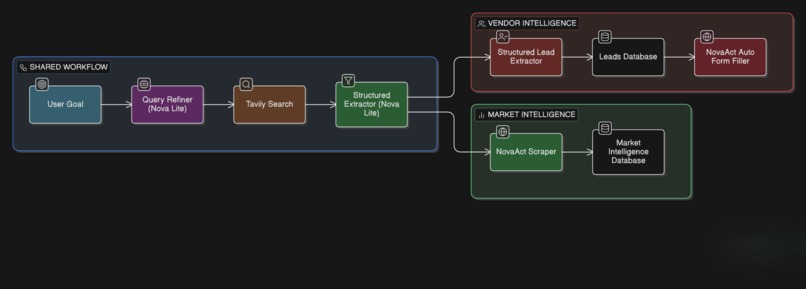
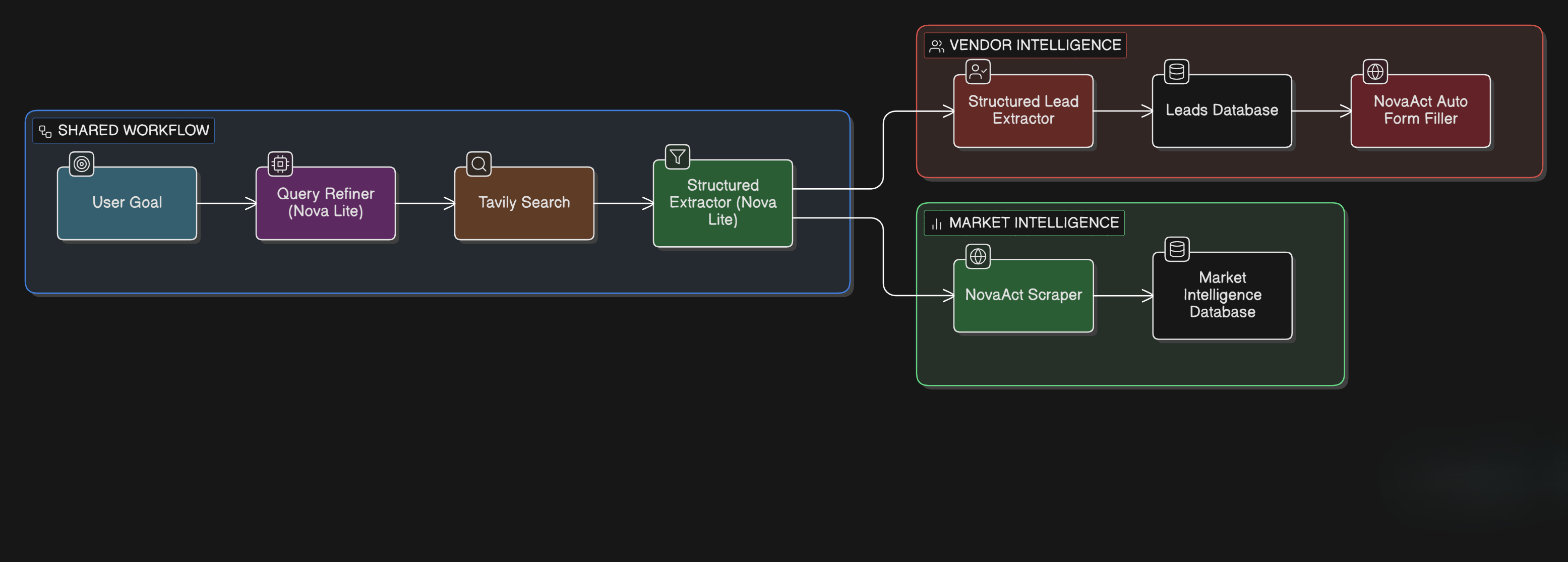
Nova Act architecture flow diagram (Market and Vendor)
-
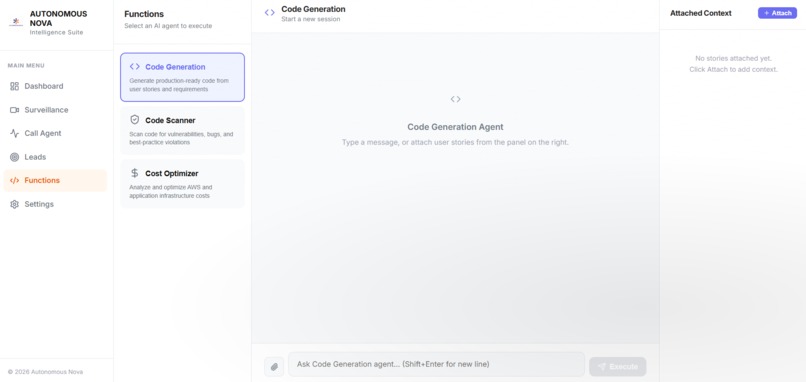
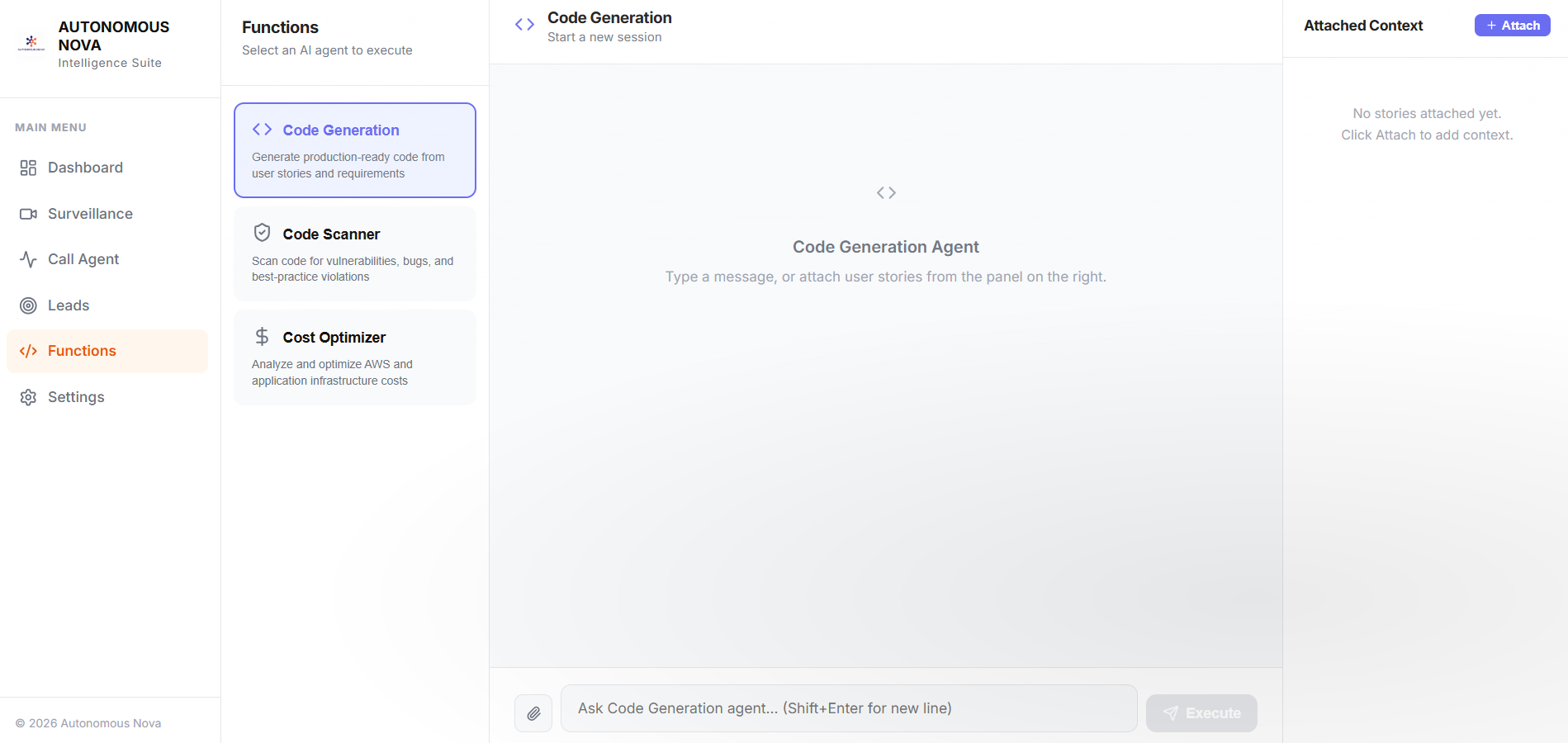
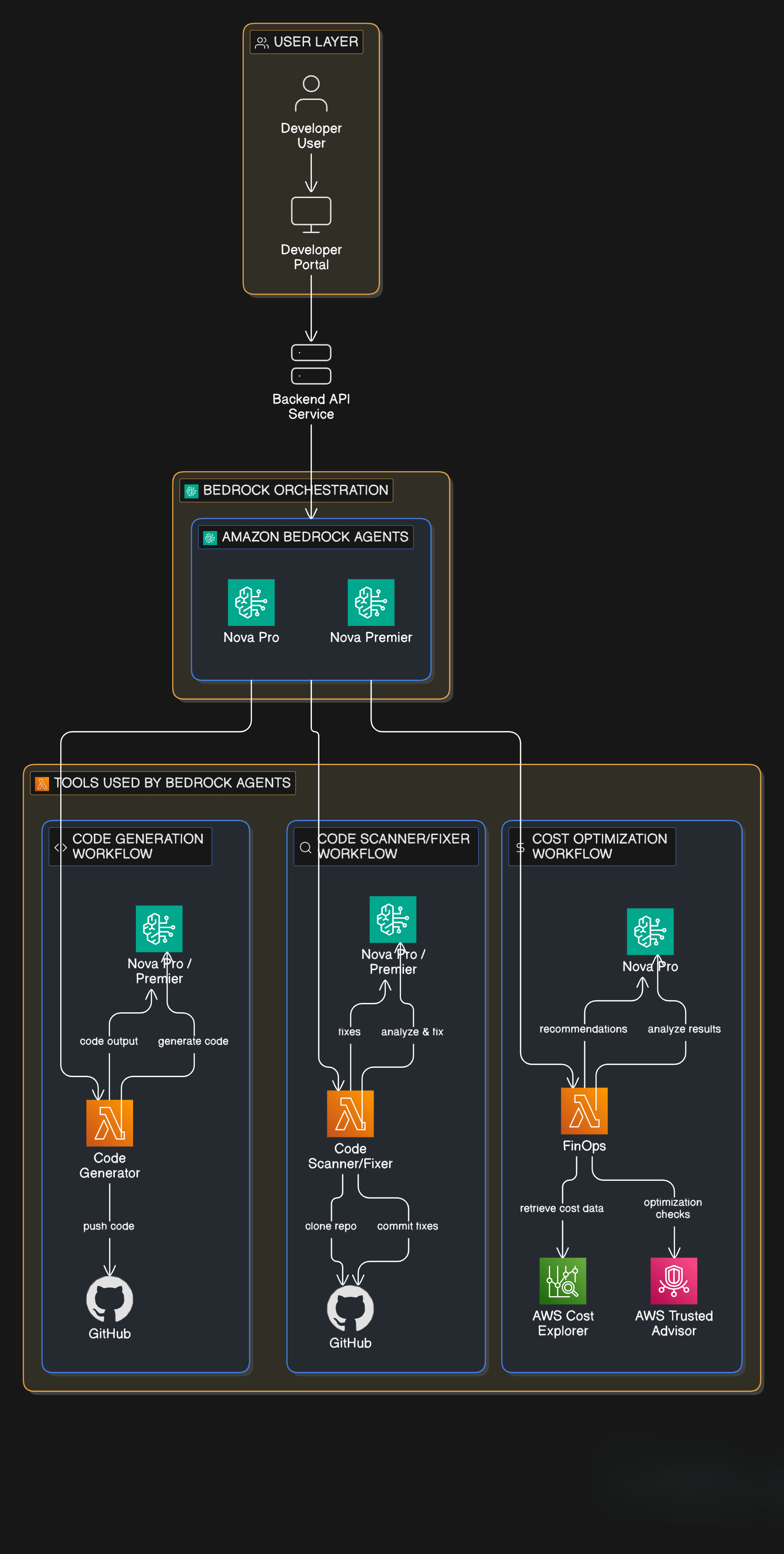
Code and Cost Optimization
-
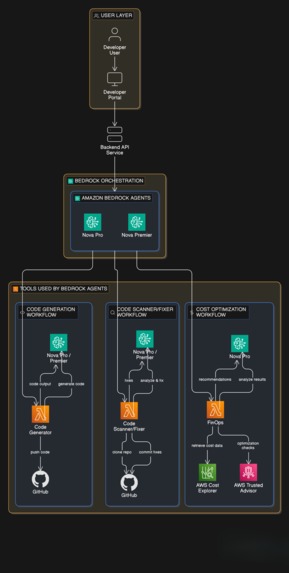
Code and Cost Optimization architecture flow diagram
-
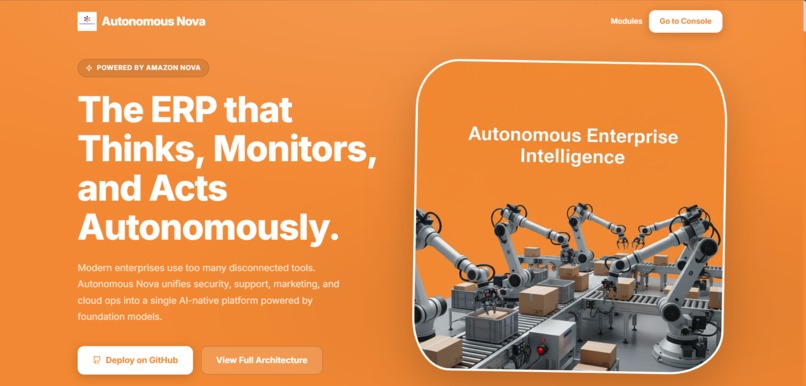
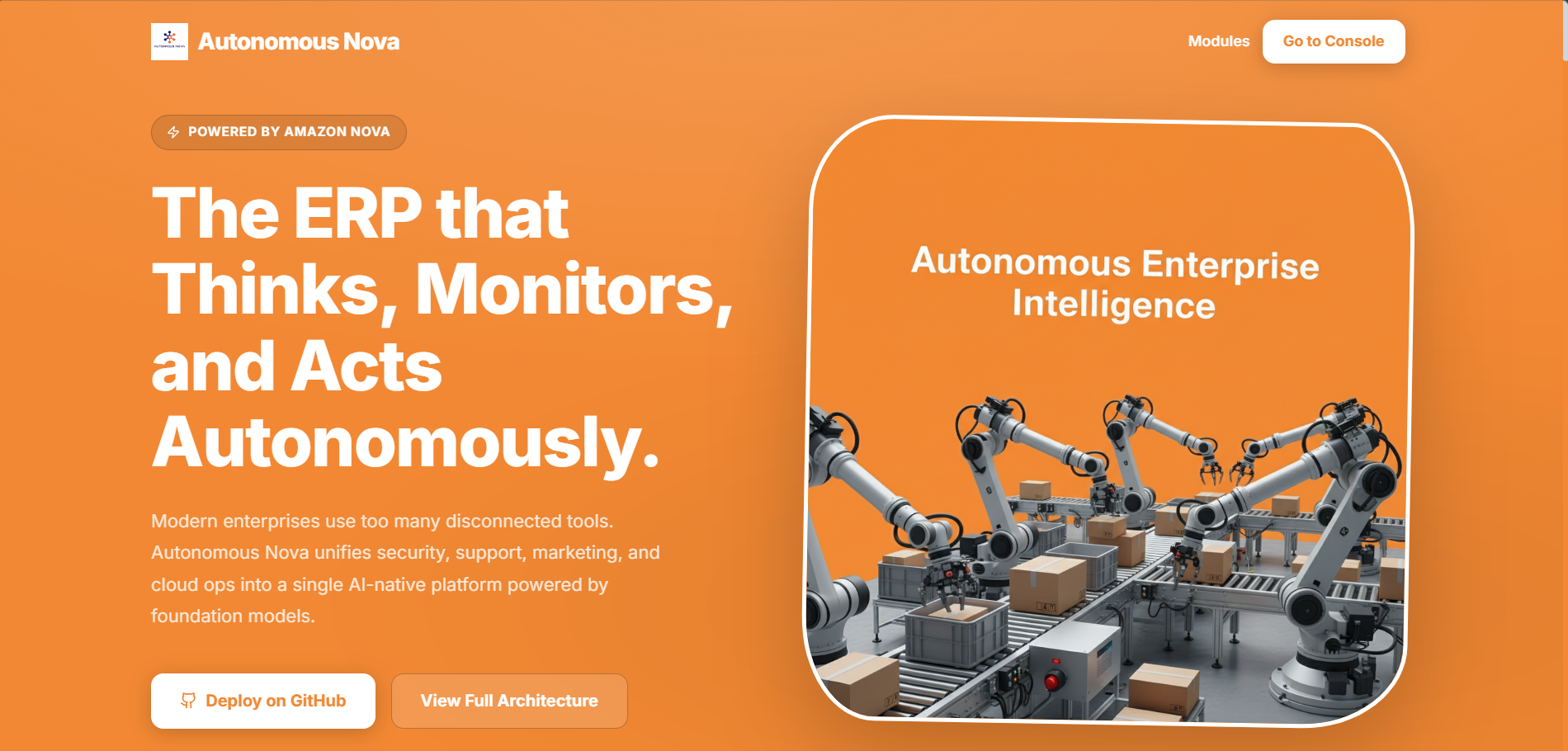
Main
-
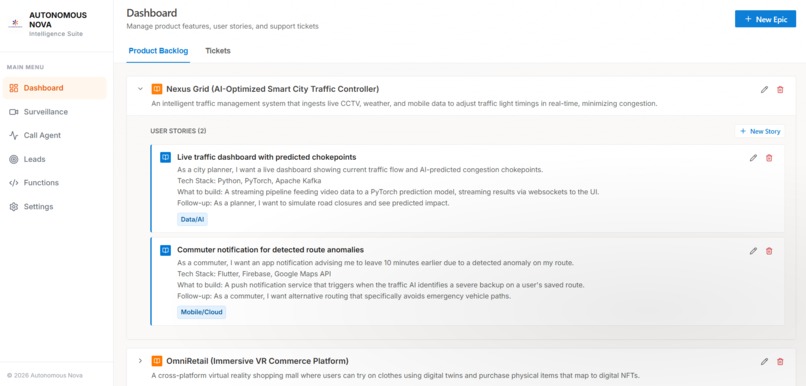
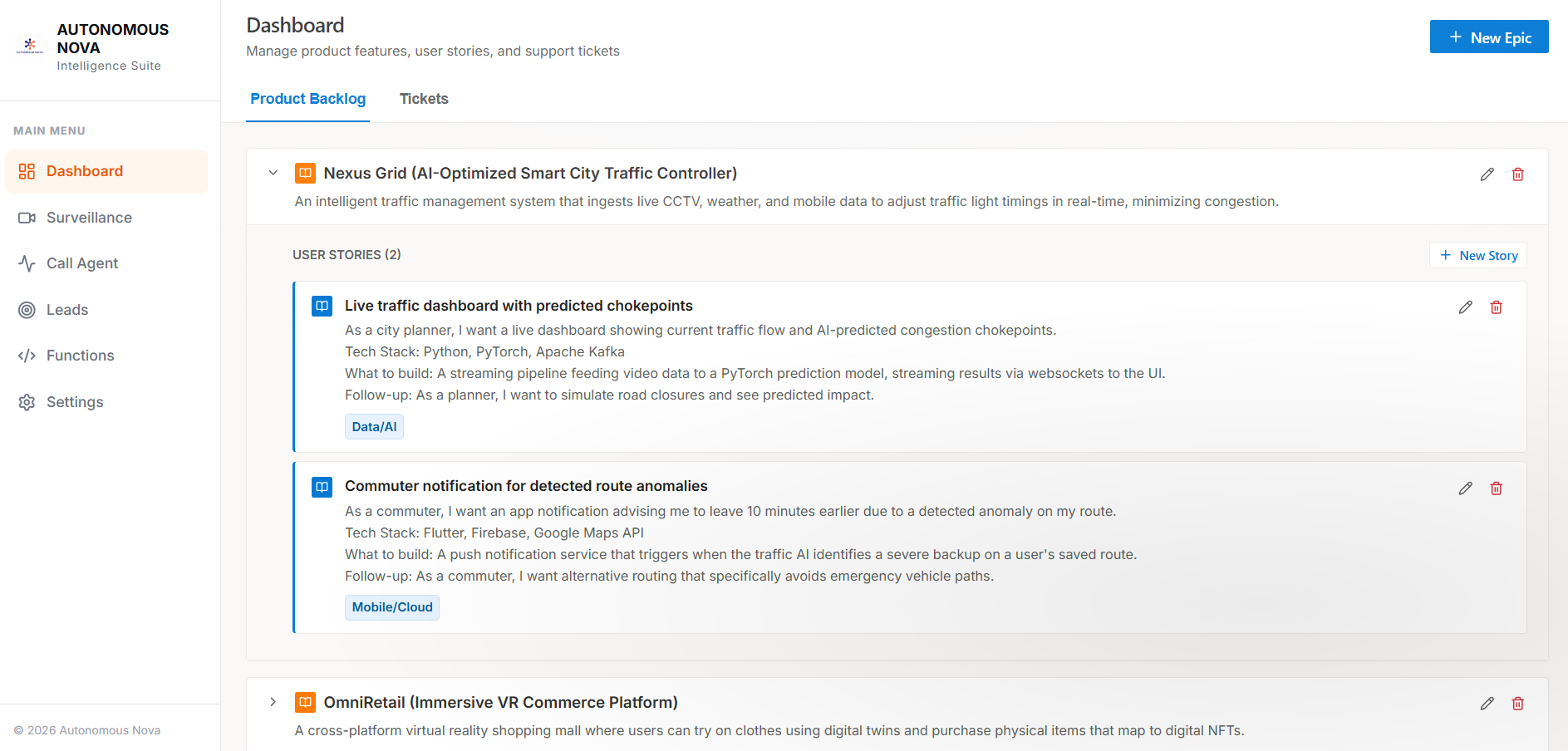
Product Backlog
-
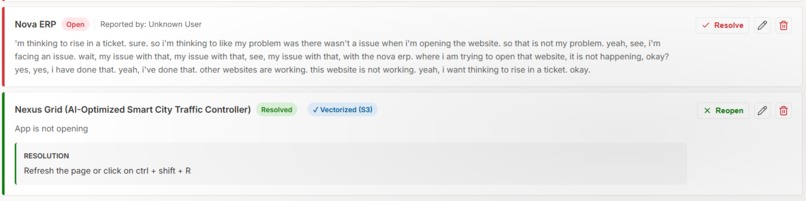
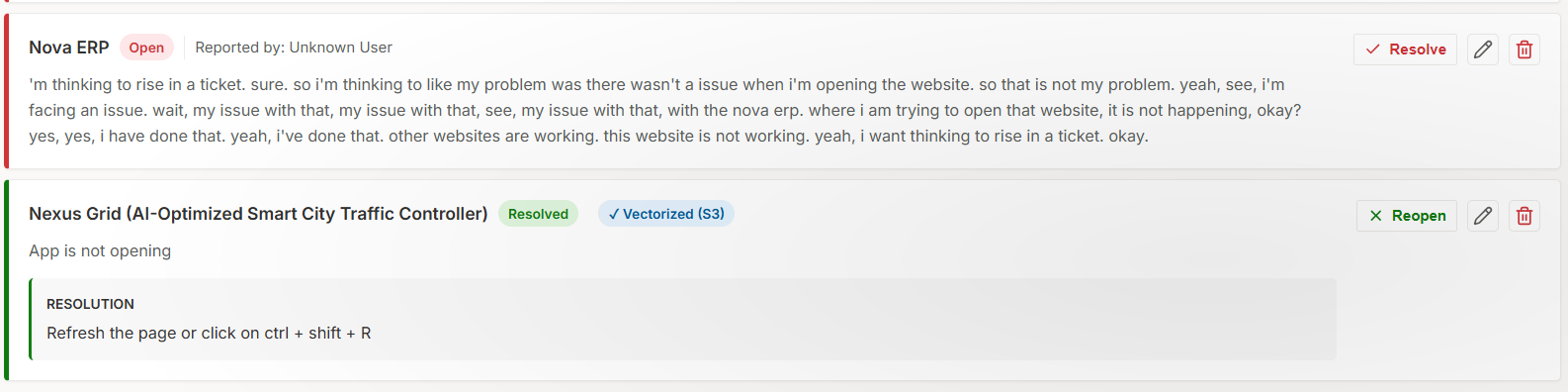
Ticket
-
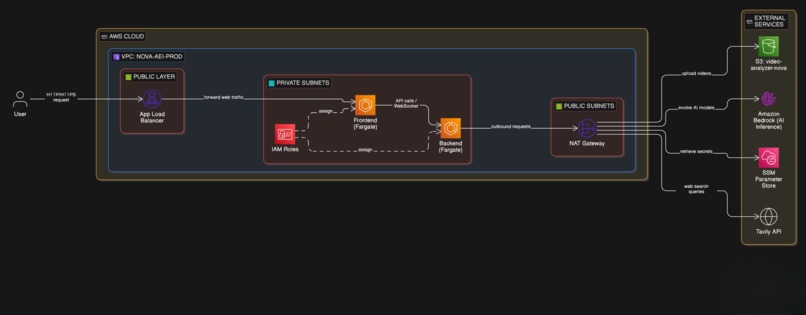
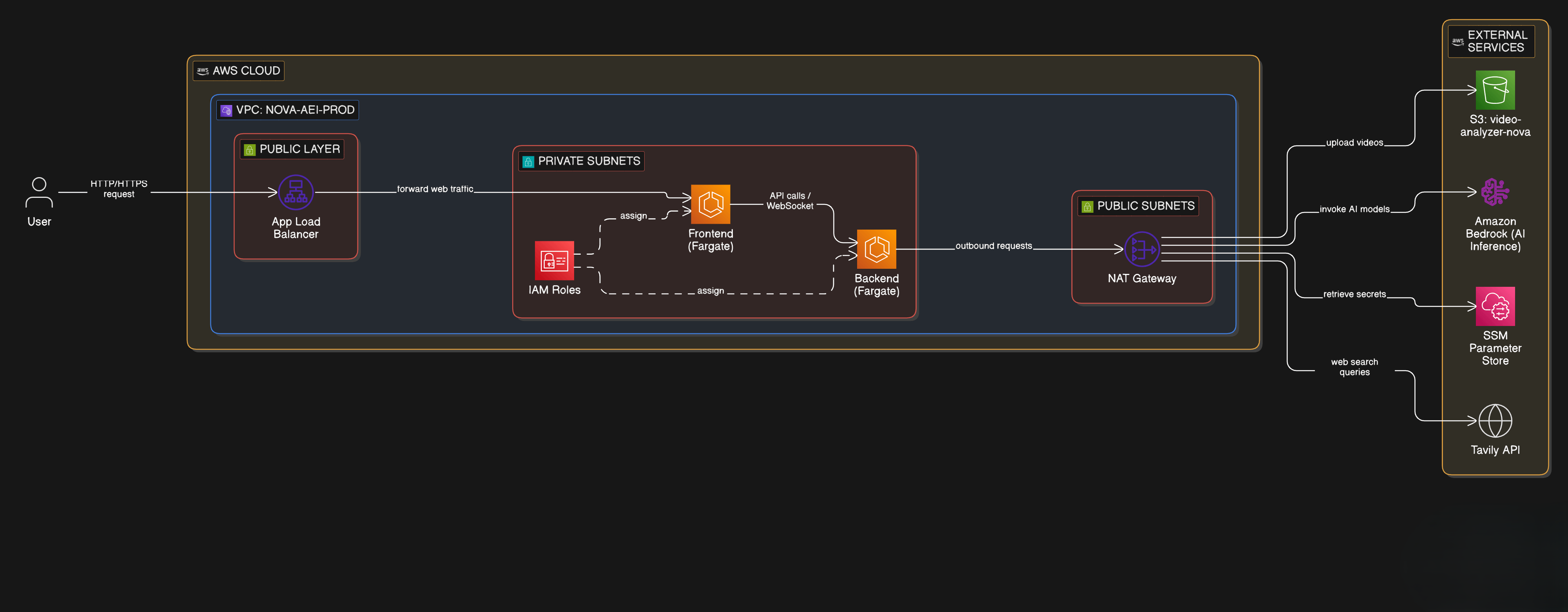
aws architecture flow diagram
Autonomous Nova – Project Story
The Idea
In the early stages of a startup, a small team has to manage everything at once. One moment you're writing code, the next you're answering customer questions, checking security cameras, researching competitors, or contacting vendors. None of these tasks are individually complex, but together they create constant interruptions that slow down product development.
Large companies solve this problem by hiring dedicated teams for DevOps, security monitoring, customer support, and research. Startups rarely have that luxury.
That led us to ask a simple question:
What if AI could act as an operational layer for startups?
Instead of using many disconnected tools, we wanted to build one intelligent system that could observe daily operations, understand what is happening, and automate repetitive work. That idea became Autonomous Nova.
Real-World Use Case
Imagine a small startup office running with just five people.
Security cameras are installed but nobody actively watches them. Customer questions come in through calls and messages while developers are trying to focus on building the product. At the same time, founders need to research competitors, contact vendors, and monitor infrastructure.
Autonomous Nova acts as a digital operations assistant that quietly manages these tasks in the background.
If someone enters the office, the system analyzes the camera feed and verifies whether the person is a known employee. If an unknown face appears, the system immediately alerts the team.
When a user asks a product question, Nova’s voice assistant responds automatically by retrieving answers from the company’s documentation. If the question requires developer attention, Nova creates a support ticket and logs the conversation.
At the same time, Nova continuously researches competitors, collects product information, and identifies potential vendors. Instead of manually searching and filling contact forms, the system automates outreach and organizes the collected data for the team.
By handling these operational tasks, Autonomous Nova allows founders and engineers to focus on what matters most: building the product.
System Architecture Using AWS
Autonomous Nova is built entirely on AWS infrastructure, using Amazon Nova models through AWS Bedrock as the intelligence layer.
The system begins with real-world inputs such as video streams, voice conversations, user queries, and developer activity. These inputs enter the system through a FastAPI backend hosted on Amazon EC2, which acts as the orchestration layer.
For the AI surveillance system, camera feeds are streamed using WebRTC. The backend converts the video into small segments and stores them in Amazon S3. These segments are analyzed using Amazon Nova 2 Lite through AWS Bedrock, which detects people and important events in the footage. Face images are processed with OpenCV and converted into embeddings, which are stored in a vector database for identity matching. When an unknown face is detected, an alert is sent to the dashboard.
For customer support automation, voice conversations are processed using Amazon Nova 2 Sonic for real-time speech understanding. The system retrieves answers from a knowledge base built using Amazon Nova Multimodal Embeddings. Documentation files stored in Amazon S3 are indexed and searched using semantic retrieval, allowing the assistant to respond naturally to user questions.
The market intelligence agent uses Nova Act to browse the web, analyze competitor websites, and collect vendor information. The system can extract pricing data, identify product features, and automatically fill vendor contact forms when needed.
For developer productivity, Autonomous Nova includes AI engineering assistants powered by Nova Pro and Nova Premier. These models analyze code repositories, generate suggestions, and automate DevOps tasks. The agents run through AWS Bedrock Agents, while automation tasks such as code scanning, notifications, or repository updates are executed using AWS Lambda.
All system events, alerts, and AI actions are streamed to a central dashboard so users can monitor what the AI agents are doing in real time.
Challenges We Faced
One of the biggest challenges was integrating multiple AI capabilities into a single platform. Vision processing, speech interaction, document retrieval, and web automation all require different pipelines.
We also needed to design the system for real-time processing. Video streams, voice conversations, and developer activity all generate continuous data, so the infrastructure had to remain responsive while scaling efficiently.
Another challenge was designing trust into the system. Automation is powerful, but users should always understand what the AI is doing. We built dashboards and approval workflows so important actions remain transparent and controllable.
What We Learned
Building Autonomous Nova showed us how powerful multimodal AI systems can be when connected to real operational workflows.
Instead of using AI only for chat interfaces, we learned that AI becomes far more useful when it can observe environments, retrieve information, and execute actions automatically.
We also discovered that smaller specialized agents often work better than a single large system. When different AI agents collaborate—handling security, support, research, and development—they create a much more flexible and scalable solution.
Future Vision
Autonomous Nova is only the beginning. In the future, we plan to expand the system into a fully autonomous operational platform for startups.
AWS services will allow the platform to scale automatically. Video processing pipelines can expand using serverless infrastructure, while AI agents powered by Amazon Nova models can manage increasingly complex workflows.
Future versions of the system could integrate with tools like GitHub, Slack, and cloud infrastructure to automatically detect issues, optimize deployments, and assist teams in real time.
Our long-term vision is simple:
A startup should be able to operate with the efficiency of a large company, even with a very small team.
By combining Amazon Nova models with the scalability of AWS, Autonomous Nova moves one step closer to that future.
Built With
- amazon-bedrock
- amazon-nova-2-lite
- amazon-nova-2-sonic
- amazon-nova-lite
- amazon-nova-premier
- amazon-nova-pro
- amazon-web-services
- amazon-web-services-(aws)
- api
- aws-bedrock-agents
- aws-bedrock-knowledge-bases
- aws-lambda
- bedrock-embeddings
- chromadb
- css
- fastapi
- git
- github
- html
- javascript
- langgraph
- nova-multimodal-embeddings
- opencv
- python
- server-sent-events-(sse)
- sqlite
- tavily-search-api
- websockets

Log in or sign up for Devpost to join the conversation.