-
-
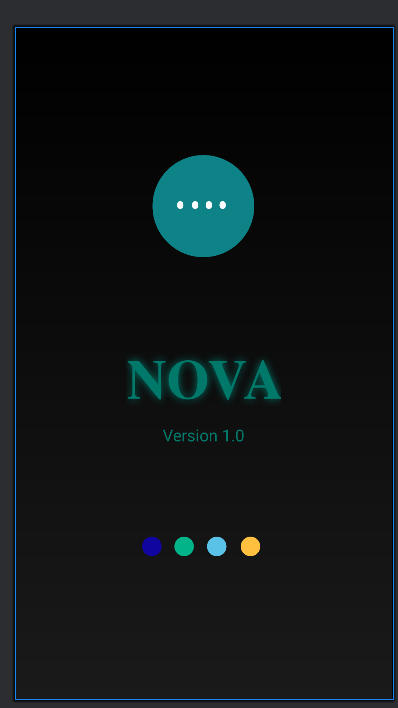
Loading Page
-
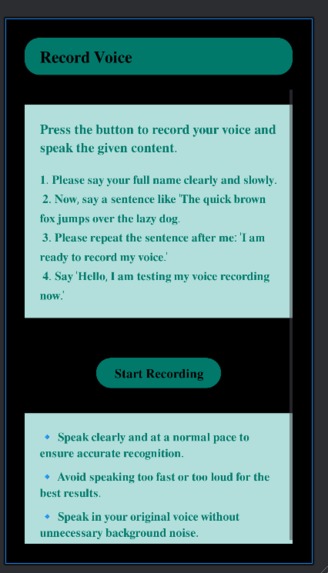
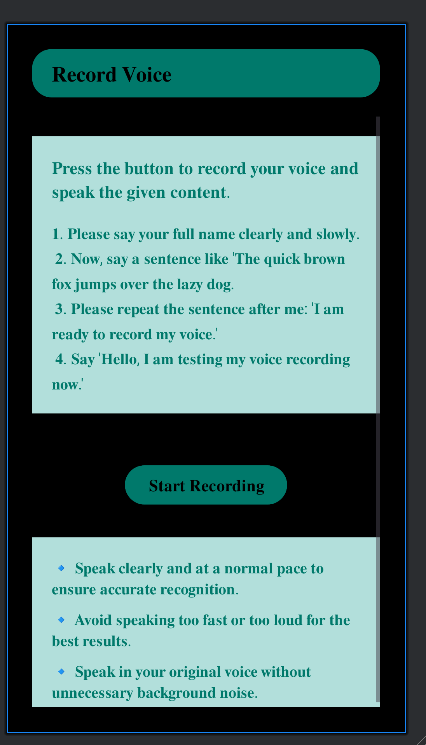
User's voice Recording Page
-
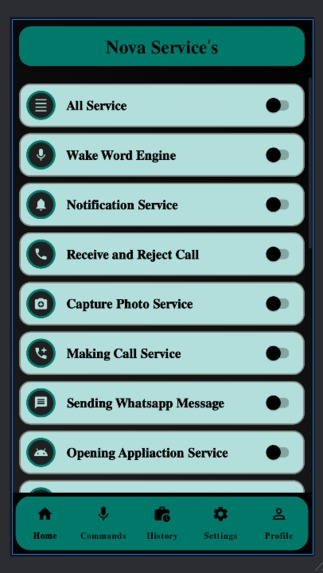
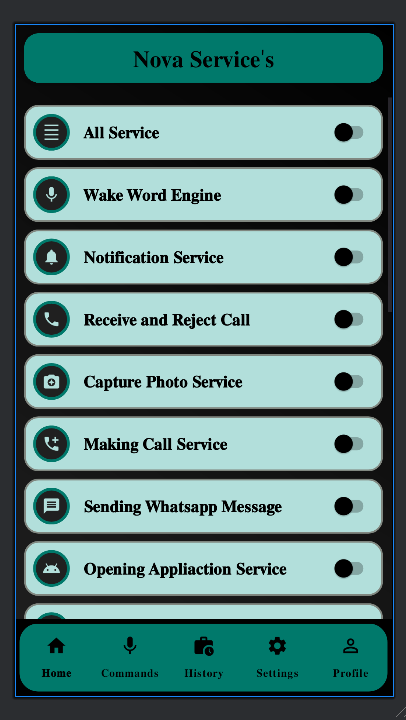
Home page ( service controller page )
-
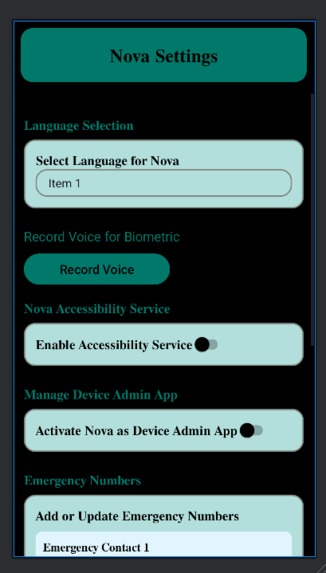
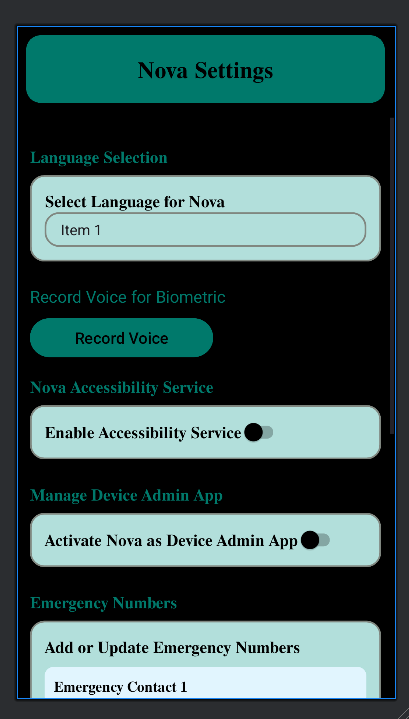
Setting page
Inspiration
The idea for NOVA emerged from the need for a more intelligent and personalized digital assistant — one that doesn’t just execute basic commands, but truly understands the user's context and interacts naturally. Existing assistants often feel limited and impersonal, so the vision behind NOVA was to create a voice-based companion that empowers users to control their Android device seamlessly and even connect with other devices remotely. This inspiration was driven by a desire to blend real-time communication, smart automation, and contextual awareness into a single assistant.
What it does
NOVA is an Android-based voice assistant designed to offer advanced functionality through natural voice commands. It performs tasks such as toggling Wi-Fi, adjusting brightness, making calls, and sending messages — all without touching the screen. NOVA also supports real-time screen streaming from the phone to a PC using socket communication, enabling remote monitoring and interaction. One of its standout features is the ability to greet users based on their activity and time of day, like saying "Welcome back" after a long idle period or "Good morning" if the phone is unlocked early in the day. Additionally, NOVA can sync across devices using Firebase, allowing a user to remotely request access to another phone running NOVA and stream its screen after permission is granted.
How we built it
NOVA was developed using Kotlin for the Android environment. The voice recognition functionality was implemented using Android’s built-in Speech Recognition APIs, paired with custom logic to interpret a wide variety of voice commands naturally. For real-time data exchange and device syncing, Firebase Realtime Database was integrated to handle requests and responses across different devices. The screen streaming feature was built using socket programming, allowing the phone to send screen frames to a PC application efficiently. We also made use of background services to ensure that NOVA remains responsive and active even when the app is not in the foreground.
Challenges we ran into
While building NOVA, several technical and architectural challenges surfaced. Implementing low-latency screen streaming between Android and PC via sockets required careful handling of data compression and real-time frame transmission. Another major challenge was ensuring that the assistant could understand a variety of user commands without depending heavily on hardcoded phrases, which meant building a flexible and scalable intent-matching system. Managing persistent background services in Android, especially under the OS’s strict power optimization policies, was also complex. Lastly, synchronizing data securely and instantly between devices through Firebase while avoiding unnecessary delays was a key hurdle that needed creative design and testing.
Accomplishments that we're proud of
We are proud to have successfully created a fully functional voice assistant that is both practical and smart. Achieving real-time screen sharing from Android to PC without relying on third-party apps was a significant technical achievement. We also developed a contextual greeting system that adds a layer of personalization to the assistant, making it feel more human-like. The Firebase-based multi-device connection system worked reliably, allowing a remote device to respond to and act on voice-triggered requests, which added an impressive cross-device capability to NOVA.
What we learned
Through this project, we gained deeper insights into Android’s voice recognition capabilities and background processing models. Implementing socket-based screen sharing gave us a hands-on understanding of real-time data transmission, network optimization, and system resource management. We also learned how to design a Firebase structure that supports two-way device communication in real time, while handling permissions and status checks efficiently. More importantly, we discovered the challenges of designing a user experience that feels intuitive, responsive, and genuinely helpful through voice interaction alone.
What's next for NOVA
Moving forward, we plan to enhance NOVA with more intelligent natural language processing, possibly by integrating lightweight on-device ML models for better understanding of user intent. We also aim to add end-to-end encryption for screen streaming and device communication to ensure user privacy and data security. Another major improvement will be to enable full remote control of the streamed screen, not just viewing. We are also considering building a web-based control panel that would allow users to monitor and interact with their Android device from any browser. Lastly, we hope to extend NOVA’s compatibility to non-Android platforms, making it a truly cross-device assistant.
Built With
- android-studio
- firebase
- kotlin
- voice


Log in or sign up for Devpost to join the conversation.