
Inspiration 💡
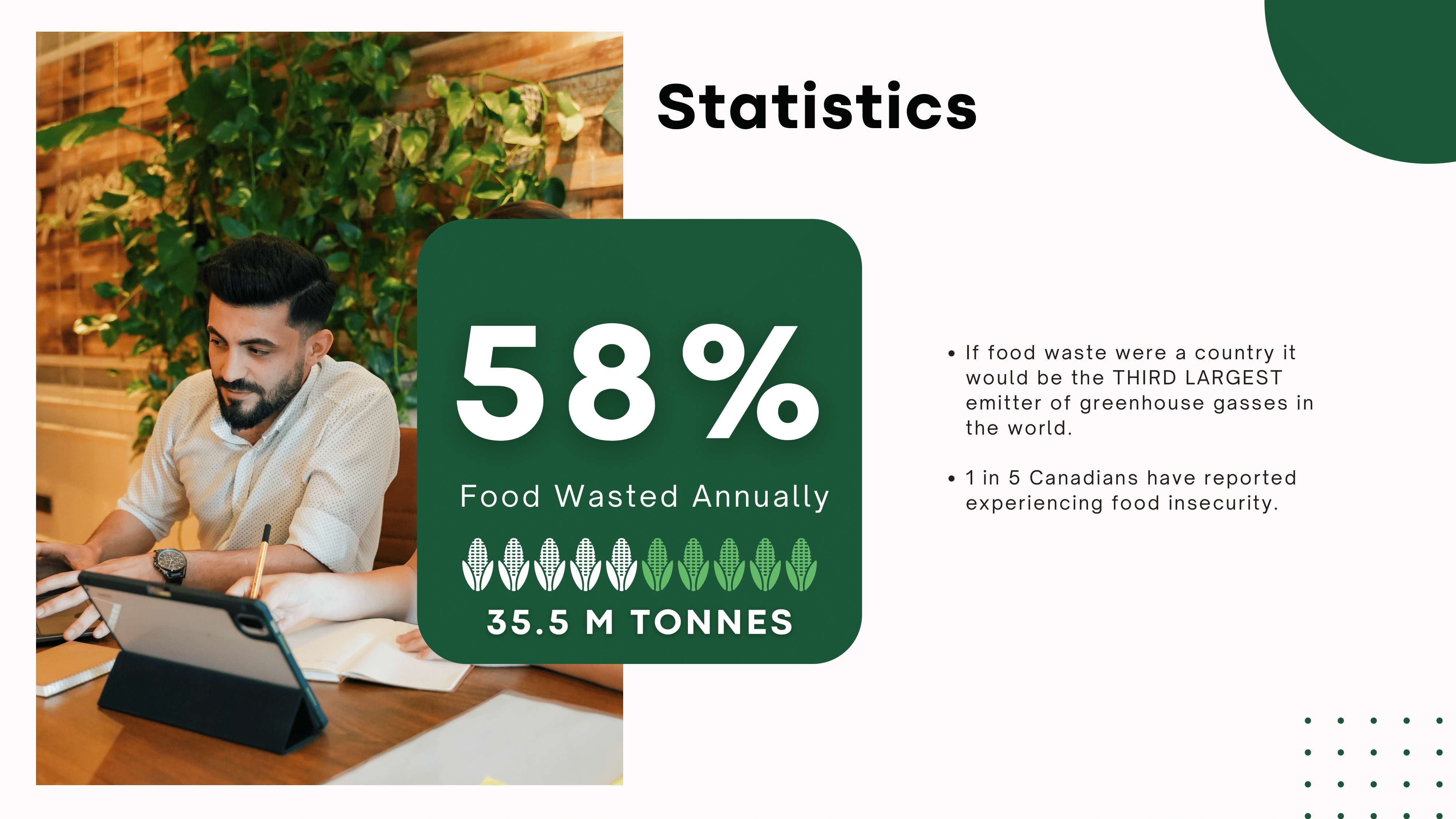
In Canada, a staggering 58% of food produced, around 35.5 million tonnes is lost or wasted each year. This surplus strains our economy while contributing to environmental repercussions such as carbon dioxide and methane gas emissions from production and waste sitting in landfills. As the cost of living soars, a growing number of Canadians face food insecurity which illustrates the dire need for a solution to connect the surplus issue to individuals in need. Our team has developed a web app that allows businesses and charities to connect with each other, ensuring we all do our part as Canadians, to change the way we address food management.
What it does 📂
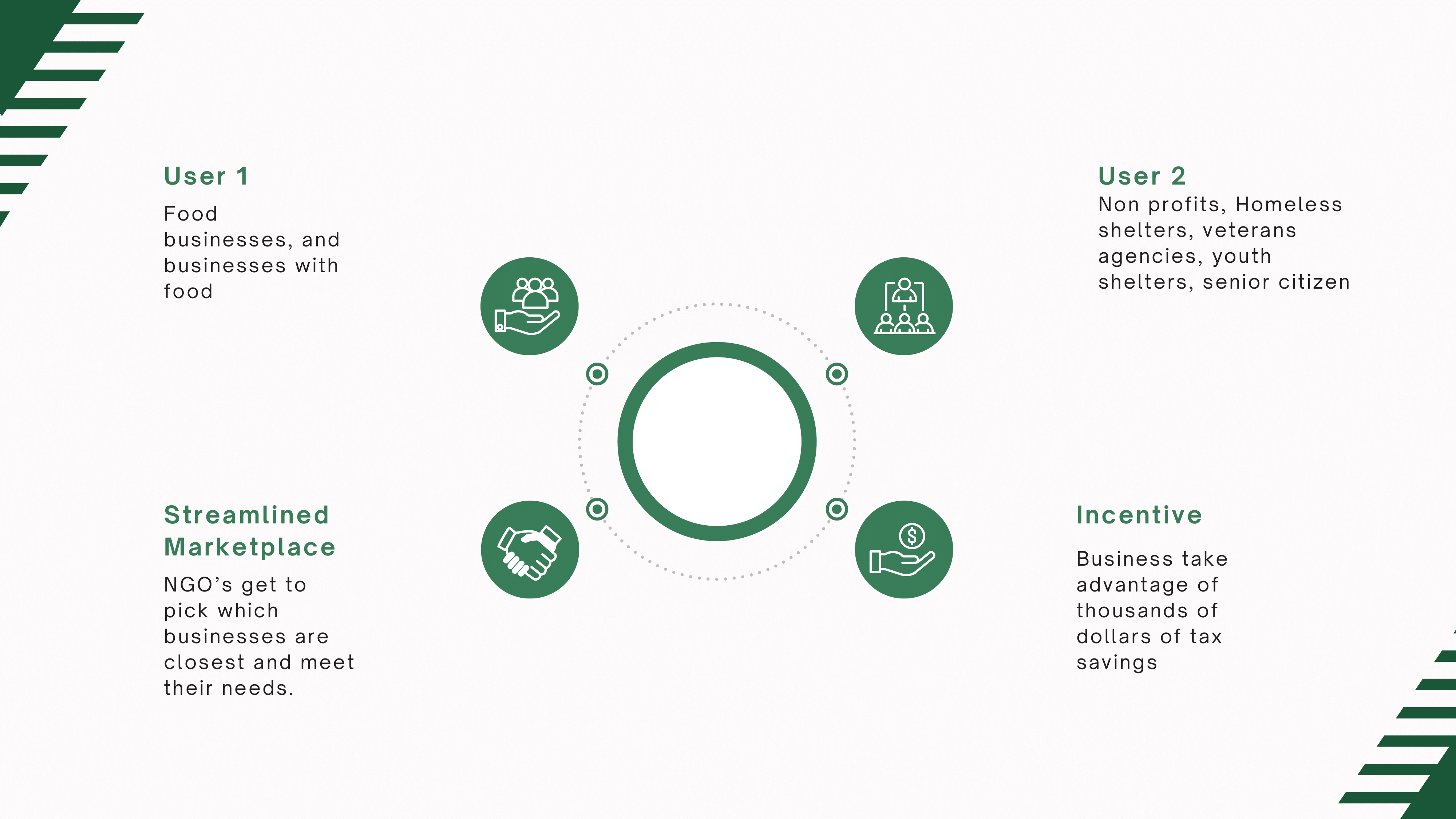
NourishNet is a platform that connects organizations with a surplus of food to nonprofits such as food banks where products can be distributed to the community. The app lets businesses enter information about their food donation, such as their location, contact, and specific details about the food. As an incentive for companies to upload donation posts, they can get tax deductions when they donate more than $1000 worth of food. On the non profits perspective, they can browse through listings and contact the companies through our email feature when they are interested.
How we built it 📝
CSS, HTML, and Django were used for front-end, formatting/styling objects, and web development. Redis Cloud was used for our local database to store the information of a business’ listing information (location, email, donation details). Python was mainly used for the backend.
Challenges we ran into 🤔
Using Redis Cloud and Django for the first time: None of us have ever used Django or Redis before. Through many trial and error attempts, we figured out how to use the different libraries both softwares offered, and how to use the documentation to familiarize ourselves with the syntax and concepts.
The Ideation Process: We struggled to brainstorm feasible ideas that were of interest and satisfied the challenge statements. The ideation process took all of Friday and this significantly affected our time management with the remaining areas of the project. We were unable to implement as many features as we wished due to time constraints, as we only had the full day of Saturday to finish everything.
Configuration Process of Redis Cloud: Due to our unfamiliarity with Redis as well as the tight time frame, we were under pressure to both learn and implement Redis at the same time. This resulted in us facing significant problems when trying to configure Redis with the backend of our project.
Accomplishments that we're proud of 🏆
With SheHacks+ 8 being most of our first hackathons, we are proud of the fact that we were able to develop our first full stack project and create a functional web app using new tools and technologies. Our team is proud to have preserved through countless challenges, created a tangible finished product, worked collaboratively and most importantly, had a great time.
What we learned 📖
- How to Effectively Use Redis Databases in Python
- How to use Django
- How to effectively design a project
What's next for NourishNet 🍀
- Users are able to upload images (to help make the process more transparent and trustworthy)
- In-App contact methods (a chatbox that eliminates the need to contact the business through email)
- Map/Location system that allows charities to see local businesses in their area

Log in or sign up for Devpost to join the conversation.