
Inspiration
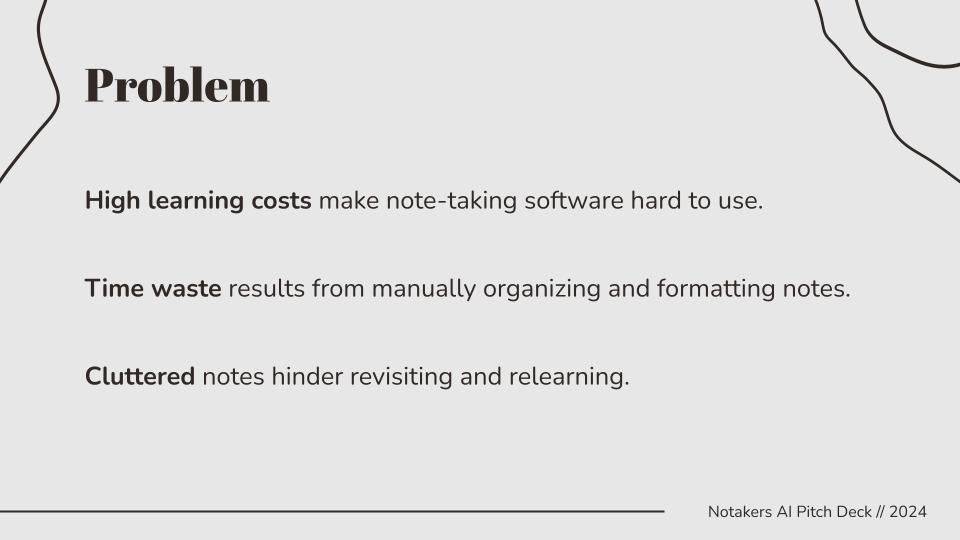
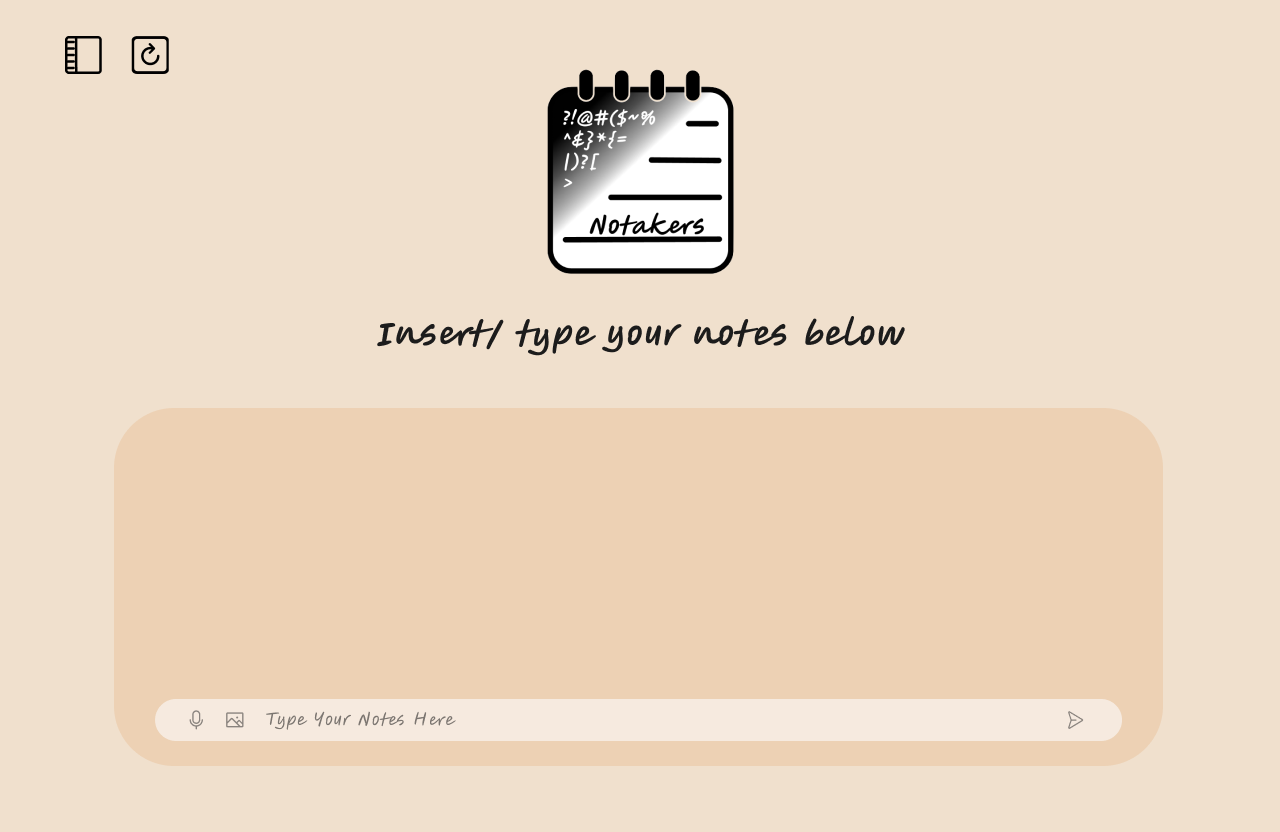
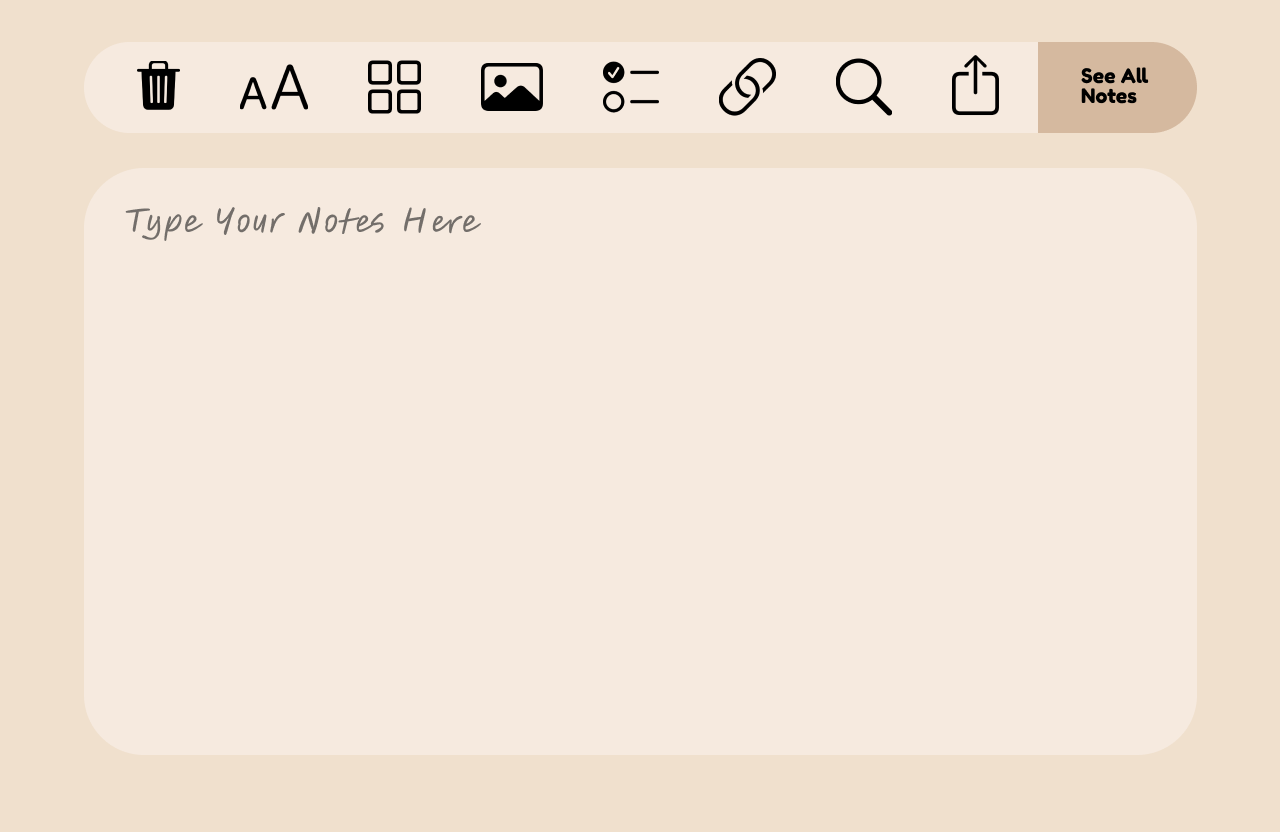
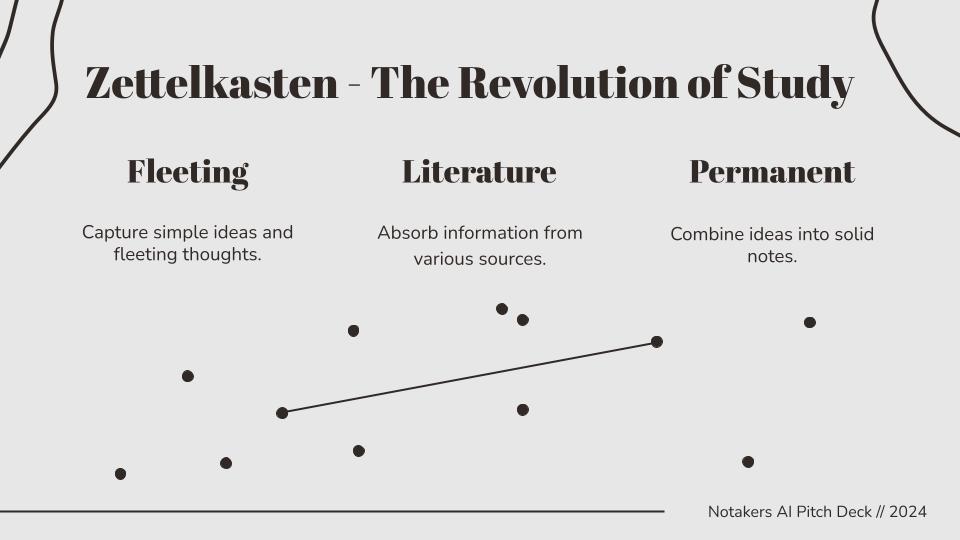
High cost of learning is a common issue with many feature-rich note-taking software today. They may be excellent tools for some, but you might struggle to use them effectively. Cluttered notes make it challenging to revisit and relearn important information. Time is always being wasted when you try to organize and format notes manually. Meaningless, repetitive work to record similar ideas.
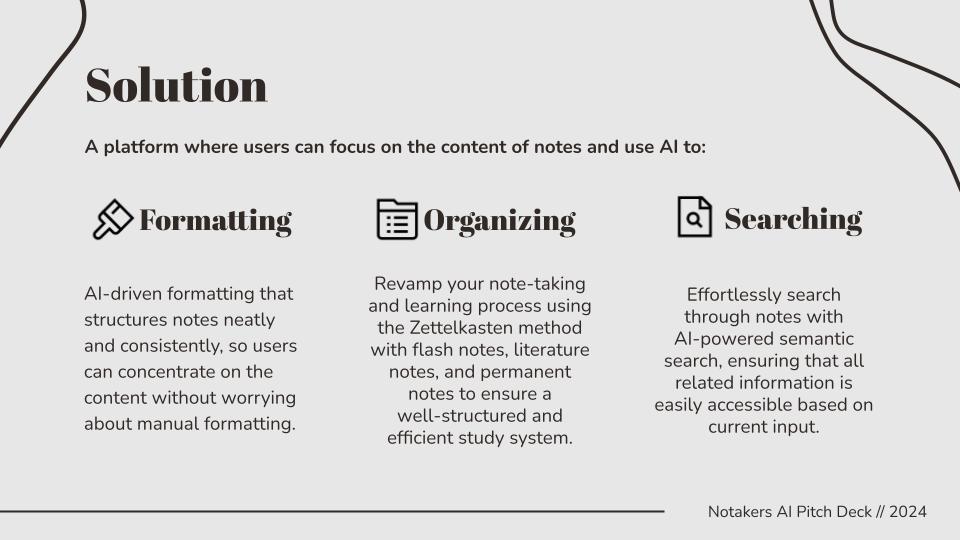
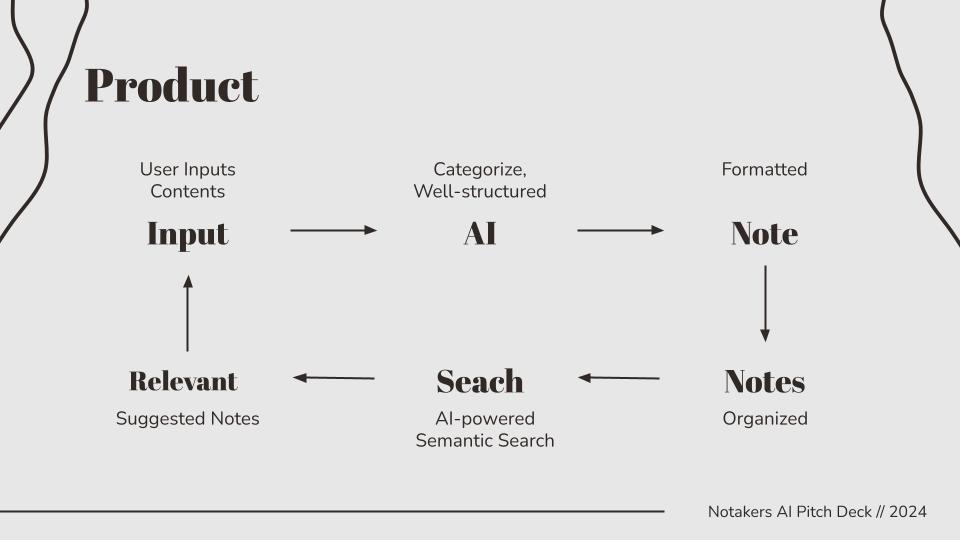
All these issues make your learning process cumbersome and inefficient. We aim not only to simplify these learning processes but also to create a software that integrates your knowledge and inspirations.
What it does
How we built it
To develop our project, we utilized the Intel Tiber Developer Cloud, which provides a robust and scalable environment for our needs. Here are the key steps and components involved in building our solution:
Setting Up the Environment:
-We set up our instances on the Intel Tiber Developer Cloud. Specifically, we used a Small VM instance equipped with the Intel® Xeon® 4th Gen Scalable processor. -The environment provided us with the necessary computational power and flexibility to handle our workload efficiently. Backend Development:
For the backend, we utilized FastAPI, a modern and fast web framework for building APIs with Python 3.10. FastAPI allowed us to quickly develop and deploy our backend services, providing robust and efficient API endpoints to handle requests and manage data. Frontend Development:
The frontend of our application was built using React, a popular JavaScript library for building user interfaces. React enabled us to create a dynamic and responsive user interface that interacts seamlessly with our backend services. Leveraging Intel Extensions for PyTorch (IPEX) and LLM:
We incorporated Intel Extensions for PyTorch (IPEX) to optimize and accelerate our machine learning workflows. This integration allowed us to leverage advanced optimizations and hardware acceleration provided by Intel, ensuring efficient and performant model training and inference. Prompt Engineering for Output Generation:
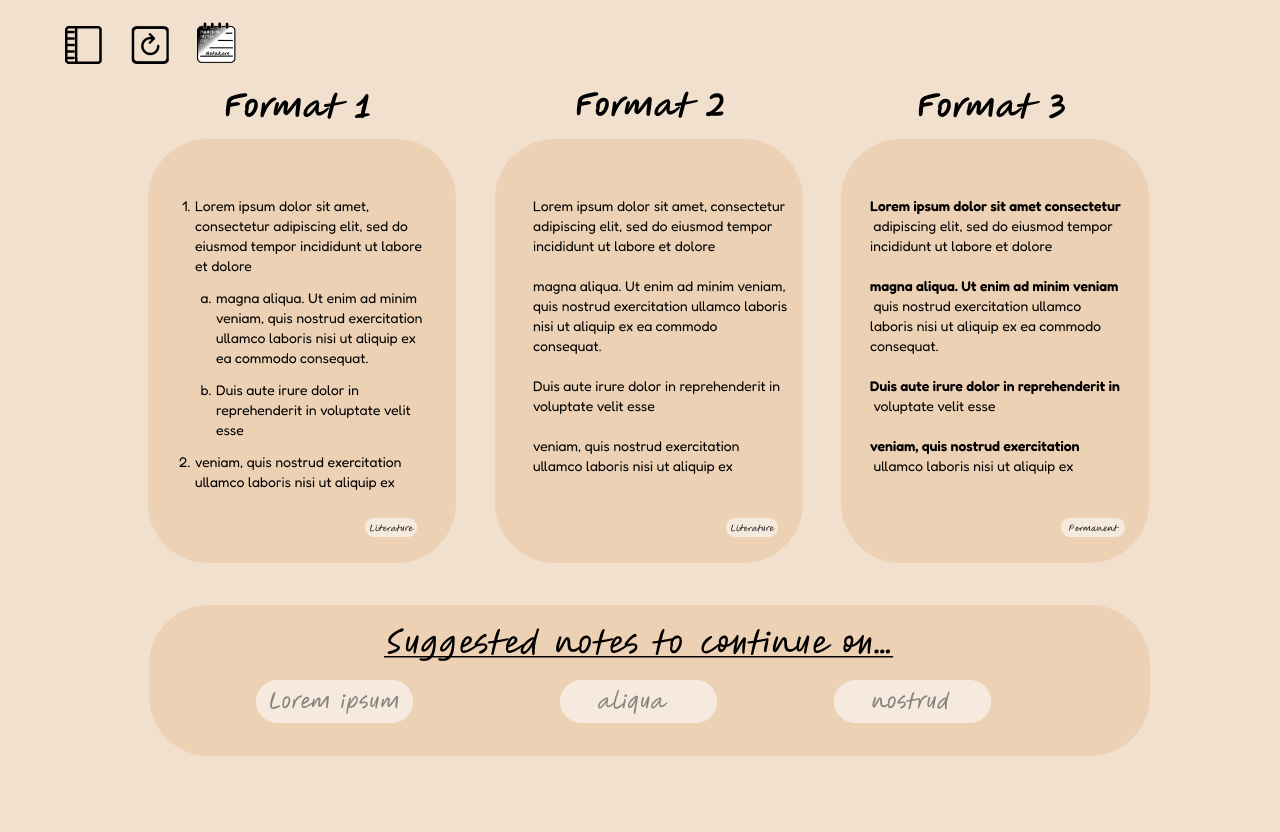
A crucial aspect of our project was designing effective prompts to generate high-quality outputs. By carefully crafting our prompts, we were able to harness the power of large language models (LLMs) to produce accurate and relevant results.
Challenges we ran into
Accomplishments that we're proud of
What we learned
What's next for Notakers AI
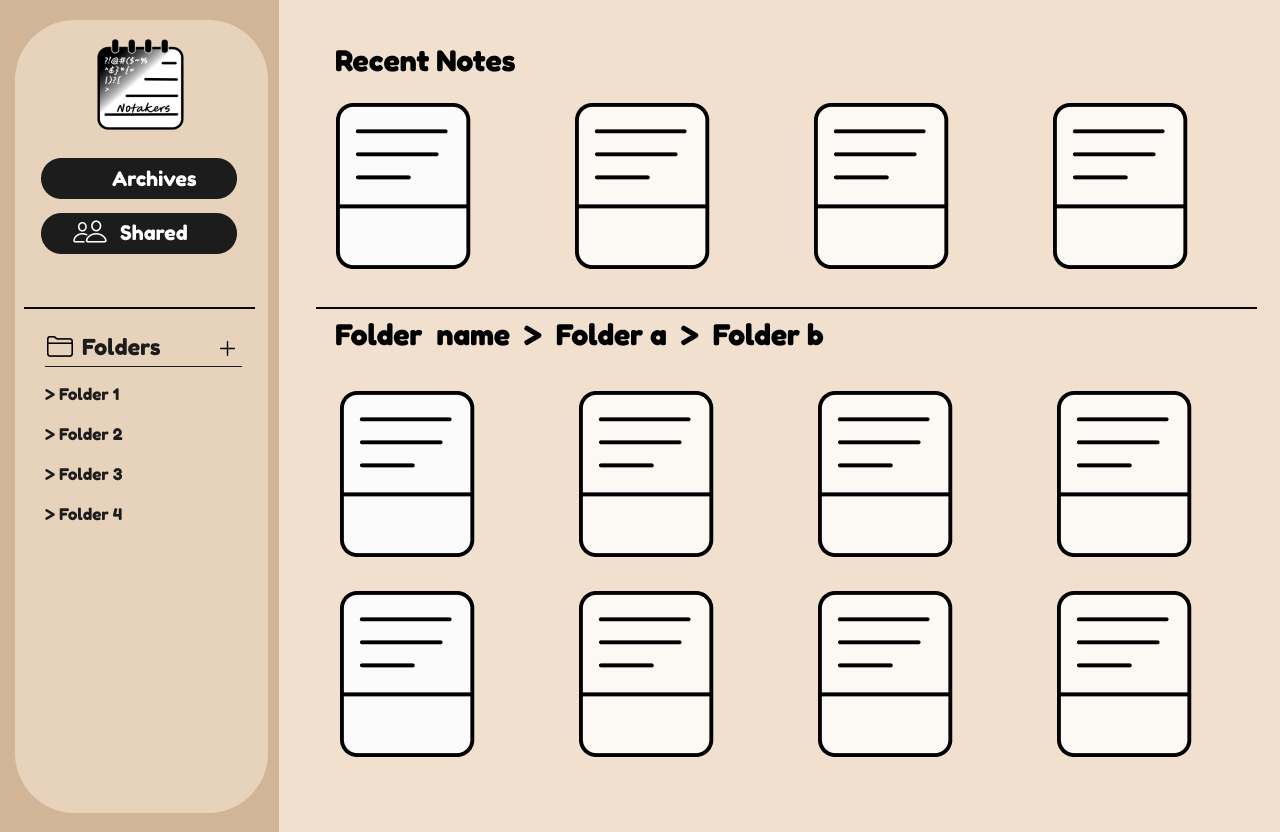
Next, we plan to design a comprehensive knowledge base that seamlessly integrates all your notes, allowing users to draw inspiration and ideas from the interconnected content. This knowledge base will help users better organize and relate their thoughts and information, enhancing learning efficiency and fostering creative thinking.
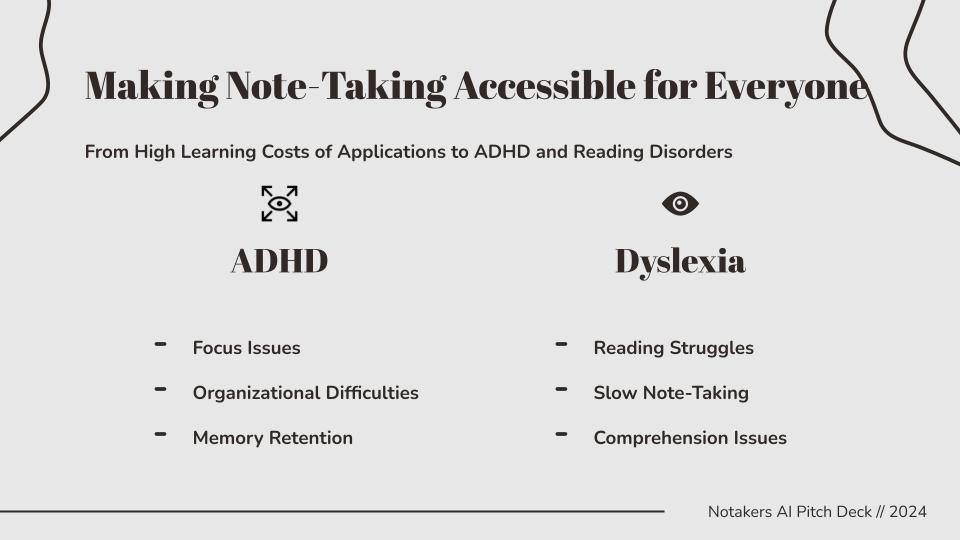
We also aim to incorporate speech-to-text and text-to-speech functionalities. These features will be particularly beneficial for individuals with reading disorders and ADHD, enabling them to quickly and easily record and review their ideas. With speech-to-text, users can effortlessly convert spoken words into written notes, while text-to-speech allows them to listen to their notes, making comprehension and retention easier.
These enhancements not only simplify the learning process but also ensure that every user, regardless of their challenges, can efficiently capture and integrate their knowledge and inspiration. We believe that with these improvements, Notakers AI will become an indispensable tool for learning and creativity.

Log in or sign up for Devpost to join the conversation.