Inspiration
Medical debt is often confusing because the truth is spread across bills, insurance explanations, receipts, and collection notices. We wanted to help patient advocates understand both the individual evidence and the community context surrounding medical-debt collection pressure.
What it does
Not My Debt helps advocates:
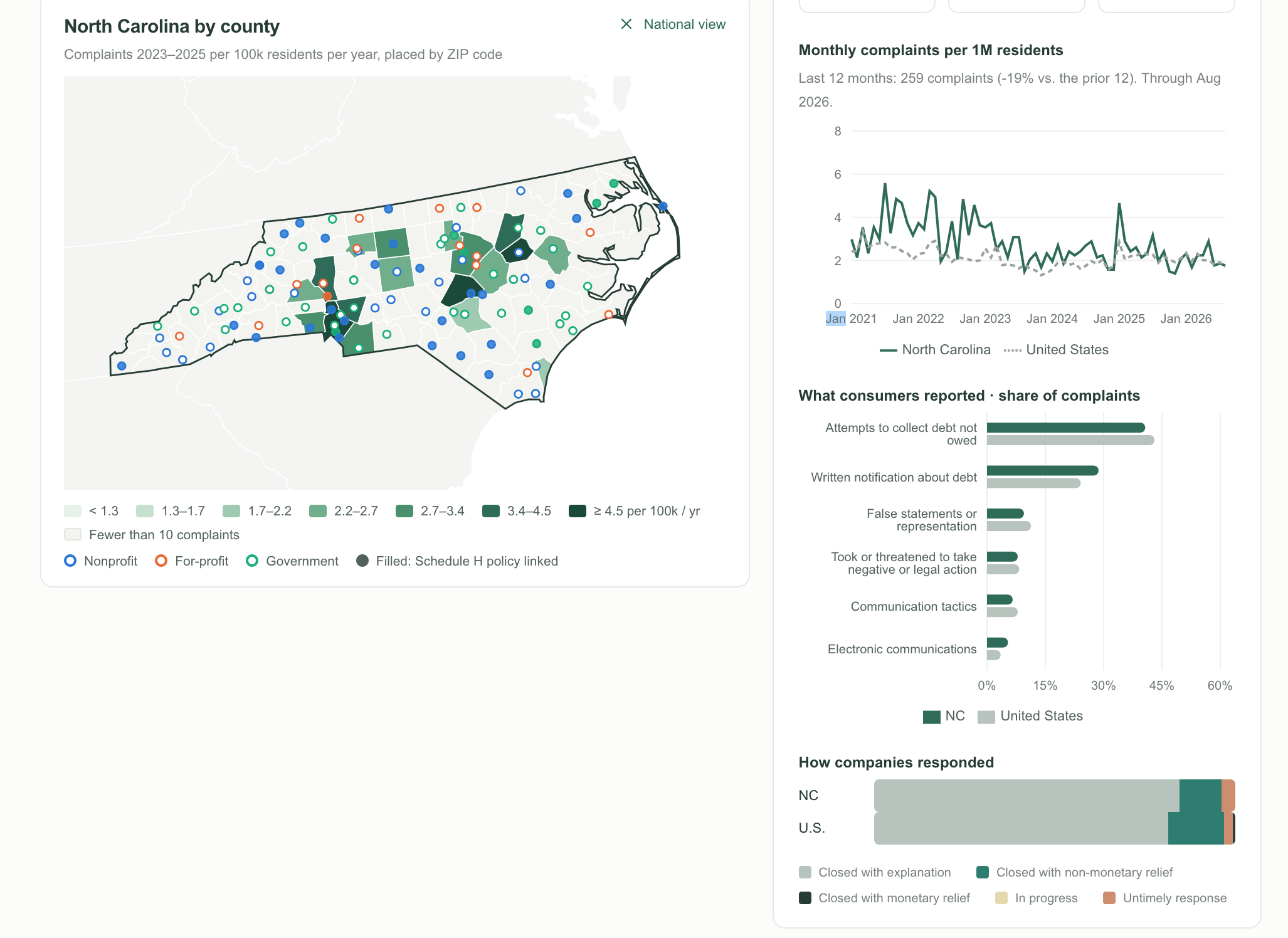
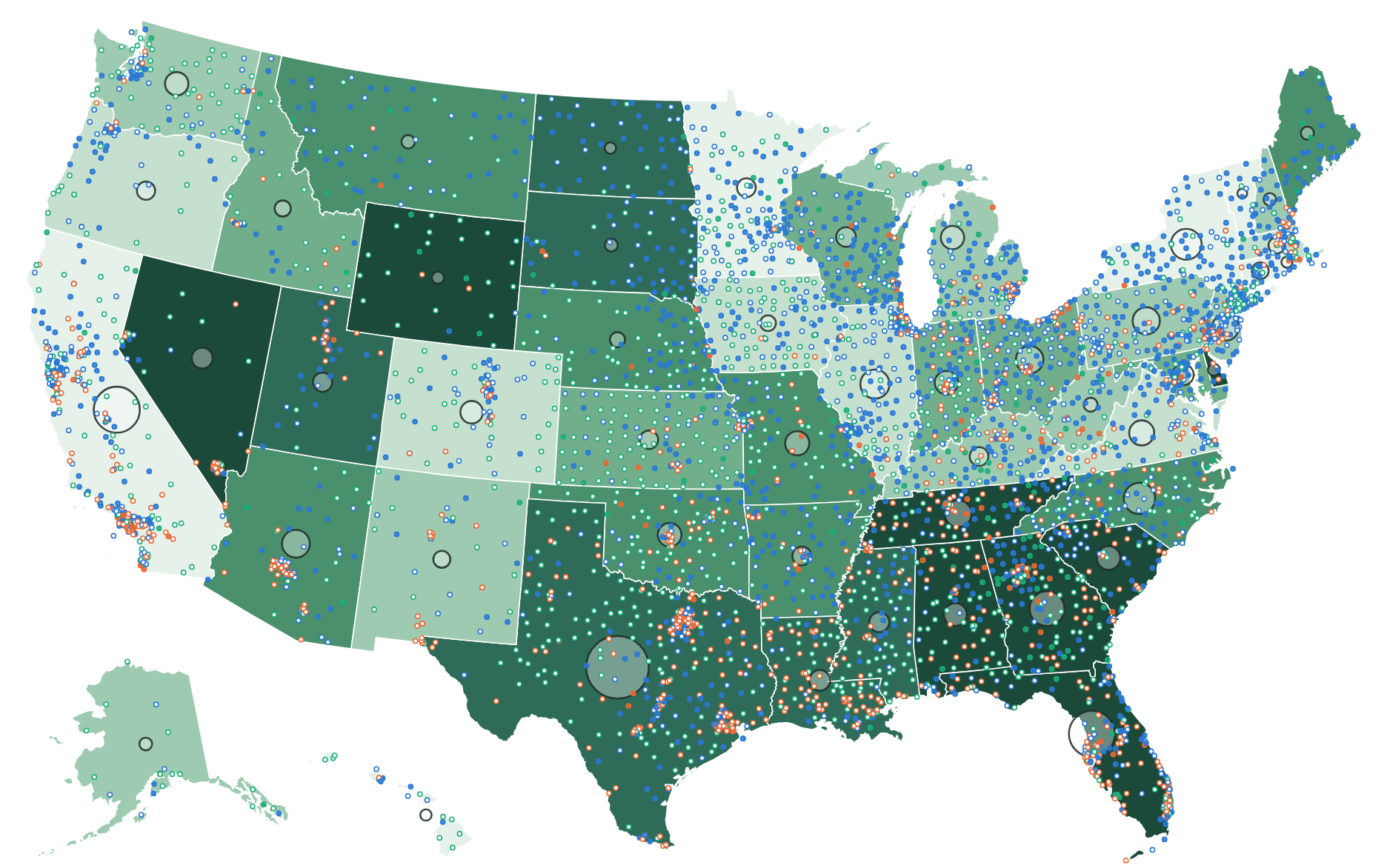
- Explore reported medical-debt complaint patterns across U.S. states.
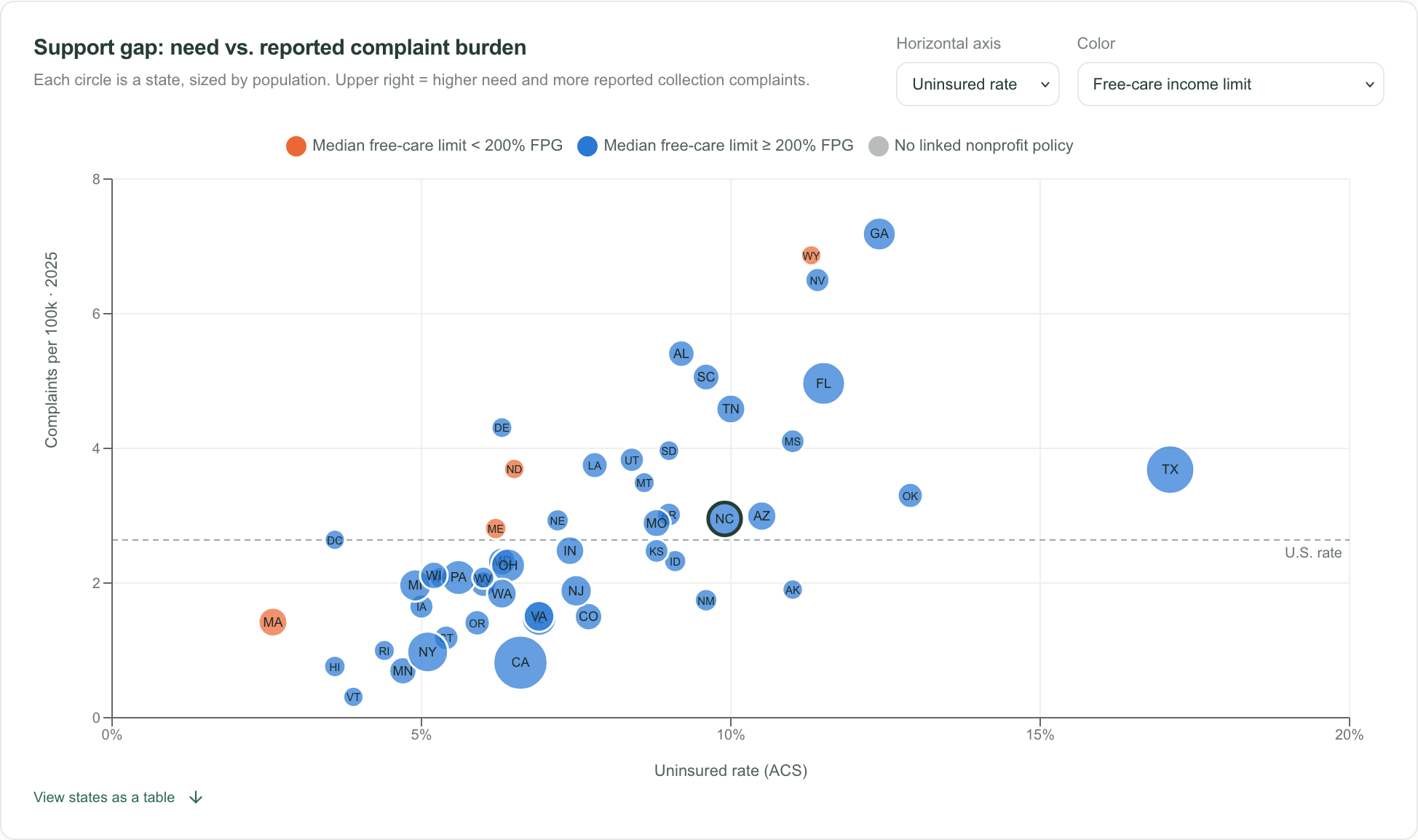
- Compare complaint rates with population, poverty, and uninsured rates.
- Review nearby hospital and financial-assistance information.
- Reconcile bills, EOBs, receipts, and collection notices.
- Identify possible discrepancies without making unsupported legal conclusions.
- Generate a source-linked evidence packet for review.
How we built it
We built a Next.js and React interface with TypeScript, Recharts, and a bundled SVG state map. The evidence engine is written in Python and connects to the frontend through stateless API routes.
The Community Explorer uses versioned snapshots from:
- CFPB 2025 medical-debt complaints
- 2024 ACS five-year estimates
- CMS hospital directory data
- Three reviewed North Carolina assistance examples
The case workflow uses fictional documents for the demo and keeps case data in memory.
Challenges we ran into
The biggest challenge was preserving accuracy while combining datasets with different definitions, time periods, identifiers, and geographic boundaries.
We also had to handle ambiguous billing evidence carefully. An EOB describes patient responsibility, but it does not prove payment. A complaint may identify a collector without identifying the hospital involved. These distinctions shaped both the data model and the interface language.
Accomplishments that we're proud of
We created a working end-to-end flow from community exploration to individual evidence review.
The app includes:
- A national complaint-rate map
- Linked state trends and comparison charts
- Searchable hospital directories
- Reviewed assistance resources
- A printable community briefing
- Evidence reconciliation with source passages
- Conservative handling of missing, duplicate, and conflicting records
- A response packet generator
The project passes 153 automated tests plus Python linting, TypeScript checks, ESLint, and a production build.
What we learned
Public complaint data is useful for finding patterns, but it is not a complete measure of harm or proof that a hospital caused a problem.
We also learned that clear provenance matters as much as the visualization. Every measure needs its period, denominator, source, and limitations stated directly where people use it.
What's next for Not My Debt
Next, we want to:
- Expand reviewed financial-assistance coverage beyond North Carolina.
- Add CFPB pagination and more robust refresh workflows.
- Improve accessibility for charts and map interactions.
- Add county and ZIP-level exploration where data quality supports it.
- Connect assistance resources more directly to the evidence navigator.
- Add price-transparency comparisons for a small set of services.
- Test the workflow with patient advocates and legal-aid organizations.
Built With
- next.js
- python
- react
- recharts
- typescript


Log in or sign up for Devpost to join the conversation.