Inspiration
The concept for this web-based application is inspired by the idea of connecting memories to specific geographic locations. It allows individuals to share their experiences and historical moments in a unique, interactive way. By pinning virtual time capsules to various locations that others have visited, the app creates a digital bridge between different times and places, fostering a sense of community and shared history.
What it does
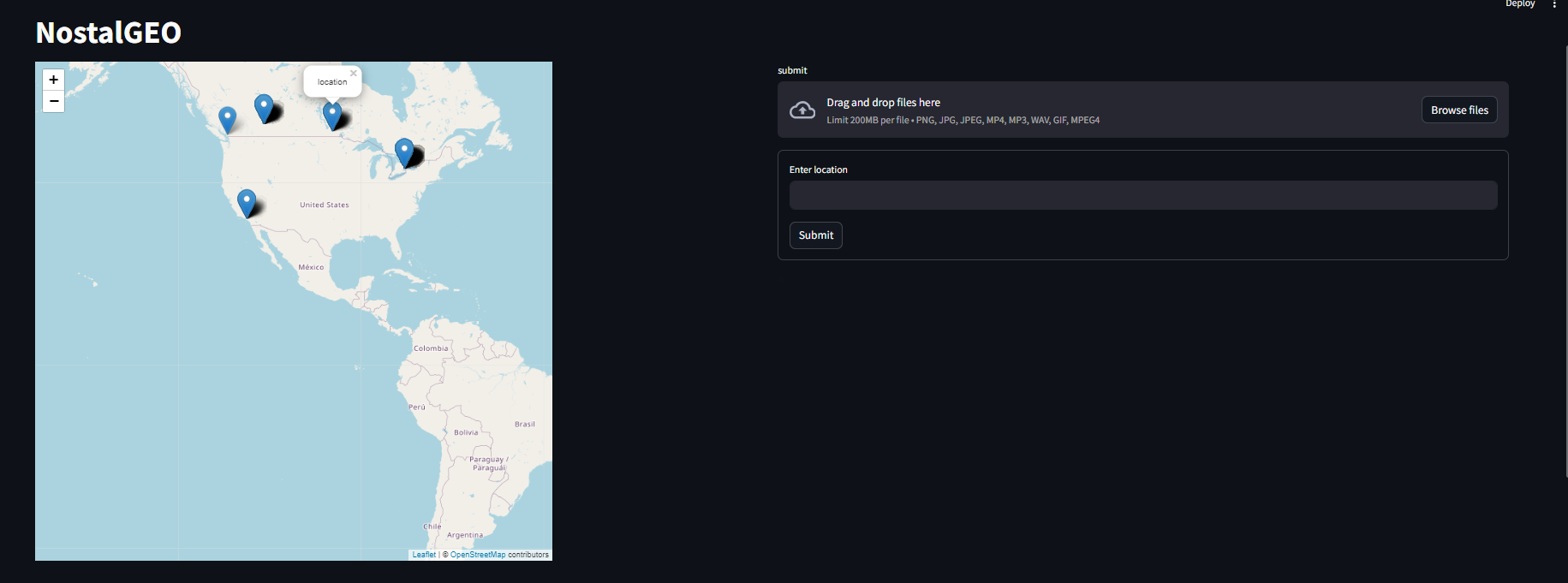
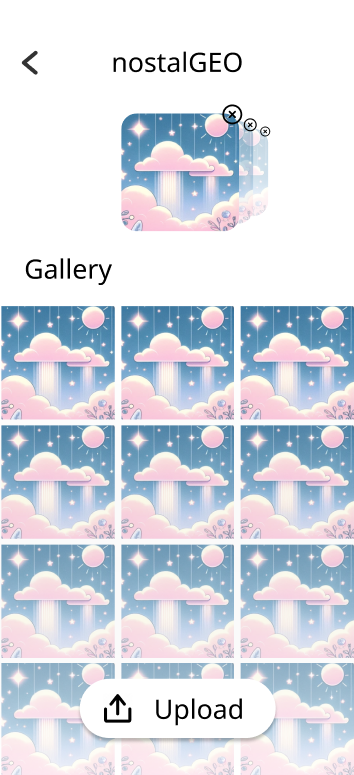
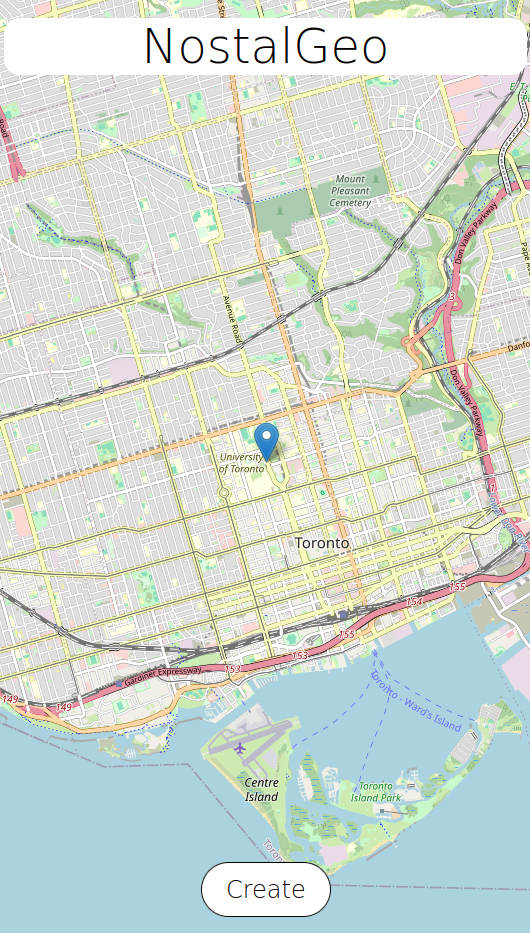
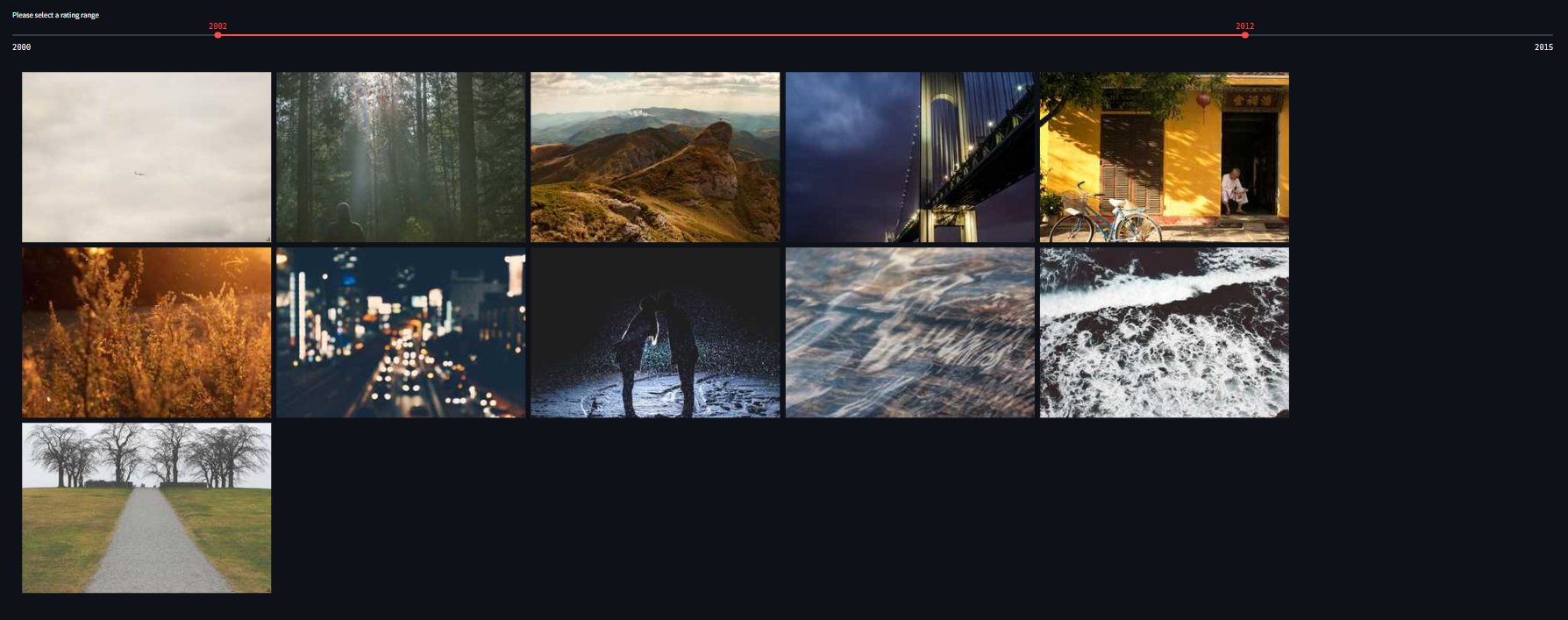
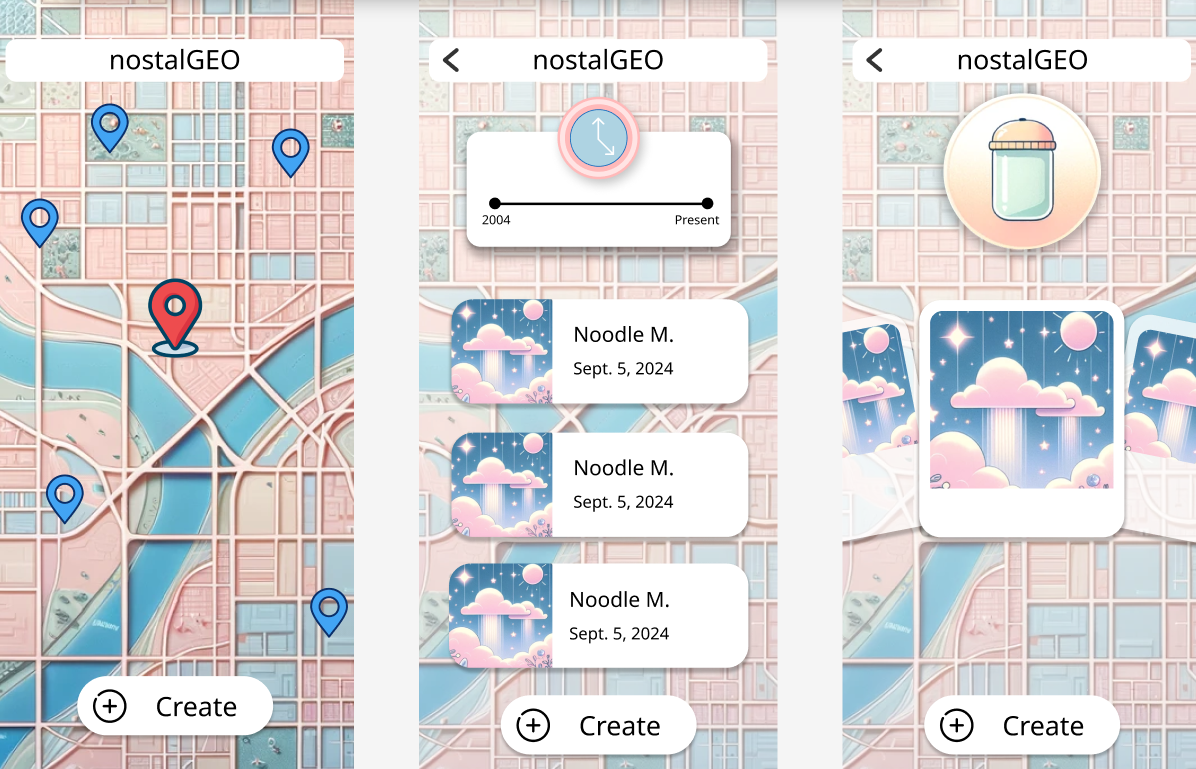
This application enables users to discover and interact with virtual time capsules at specific locations using their mobile devices. When users are physically present at a capsule's location, the app reveals the content, offering a glimpse into past experiences and memories shared by others. Users can filter these memories by year, allowing them to see how a location has changed over time. The time capsules, created and contributed by users, enrich the app's content, making each visit to a location a unique and personal experience.
How we built it
We developed a sophisticated web application by integrating a variety of powerful technologies and programming languages. For the front-end, we utilized Streamlit, a modern and interactive framework that greatly simplified the creation of user interfaces. The backend of our application was built using a combination of Python, SQL, and Node.js, forming a robust and scalable foundation. To enhance the functionality of our app, we incorporated the Geocoder API, which allowed us to implement precise location-based features effectively. For our database needs, we chose SQLite3 due to its lightweight nature and ease of integration. Node.js played a crucial role in our project, acting as the interface between our front-end and back-end components, ensuring smooth communication and data flow throughout the application. This combination of technologies enabled us to create a dynamic and user-friendly web application.
Challenges we ran into
In this project, one of the most challenging aspects we encountered was the integration of the front end and back end components, primarily due to the fact that they were built using different programming languages. This discrepancy in language frameworks required a meticulous approach to ensure seamless communication and data exchange between the front end and back end systems. We had to implement robust interface protocols and carefully design our APIs to bridge the gap between the diverse languages. The process involved not only technical expertise but also a deep understanding of how each part of the application interacts with others. Despite these challenges, our team managed to create a cohesive and efficient system, demonstrating our ability to overcome complex integration hurdles in web application development.
Accomplishments that we're proud of
Throughout the hackathon, our team achieved significant milestones that we are immensely proud of. One of the standout accomplishments was our deep dive into Streamlit and its various components. We not only mastered the basics but also explored advanced features, significantly enhancing our skill set with this cutting-edge tool. Additionally, we made considerable strides in utilizing GitHub Copilot. This AI-powered coding assistant proved to be a game-changer, streamlining our development process and boosting our coding efficiency. Learning to leverage Copilot effectively allowed us to write more complex code faster and with greater accuracy. These achievements in both understanding Streamlit and harnessing the power of GitHub Copilot are testaments to our team's dedication to continuous learning and innovation in the realm of software development.
What we learned
During our recent project, we gained substantial insights into front-end development using Streamlit, a Python-based web framework. This learning experience was enlightening in terms of understanding both the advantages and constraints inherent in utilizing a Python-centric approach for web development. We delved into the capabilities of Streamlit, appreciating its intuitive design and the ease with which it allows for the creation of interactive, data-rich web pages. Concurrently, we also became acutely aware of its limitations, particularly when it comes to certain aspects of front-end customization and performance optimization. This comprehensive exploration of Streamlit not only enhanced our technical skills but also deepened our understanding of the practical implications of choosing specific web frameworks in the context of software development.
What's next for nostalGEO
As nostalGEO moves forward, we have an exciting roadmap for scaling and enhancing the application. A key focus will be on expanding our infrastructure to accommodate a larger user base, ensuring that our platform can efficiently handle increased traffic and data. We're also planning to transition to a more sophisticated JavaScript-based front end, which will allow for greater flexibility and a more dynamic user experience. Deployment is another critical area, with plans to migrate to a cloud-based database solution, providing us with the scalability and reliability needed for our growing application. In terms of features, we're looking to enrich Nostalgeo with additional functionalities, making it more comprehensive and user-friendly. Improving loading times is high on our agenda, aiming for a faster and more responsive application. Lastly, we're excited about integrating AI capabilities into nostalGEO, which will open up new possibilities for user interaction and content personalization, setting a new standard for our application in the realm of digital nostalgia and geographical exploration.

Log in or sign up for Devpost to join the conversation.