-
-
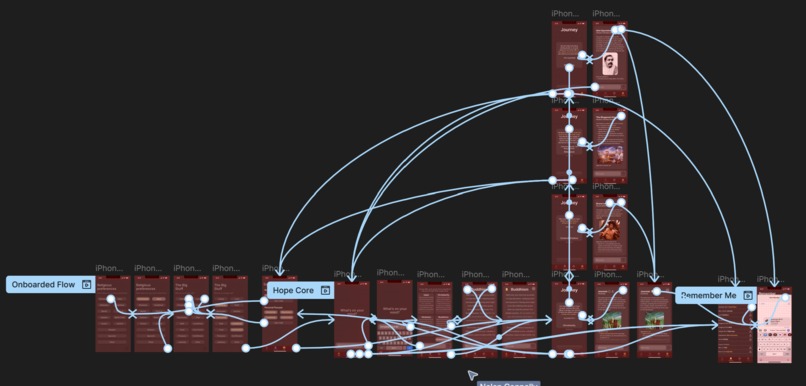
Figma Interaction Wiring
-
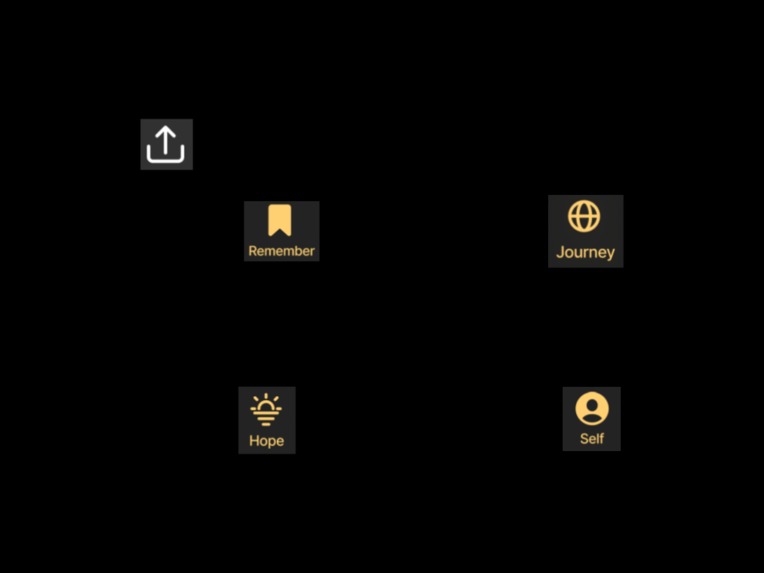
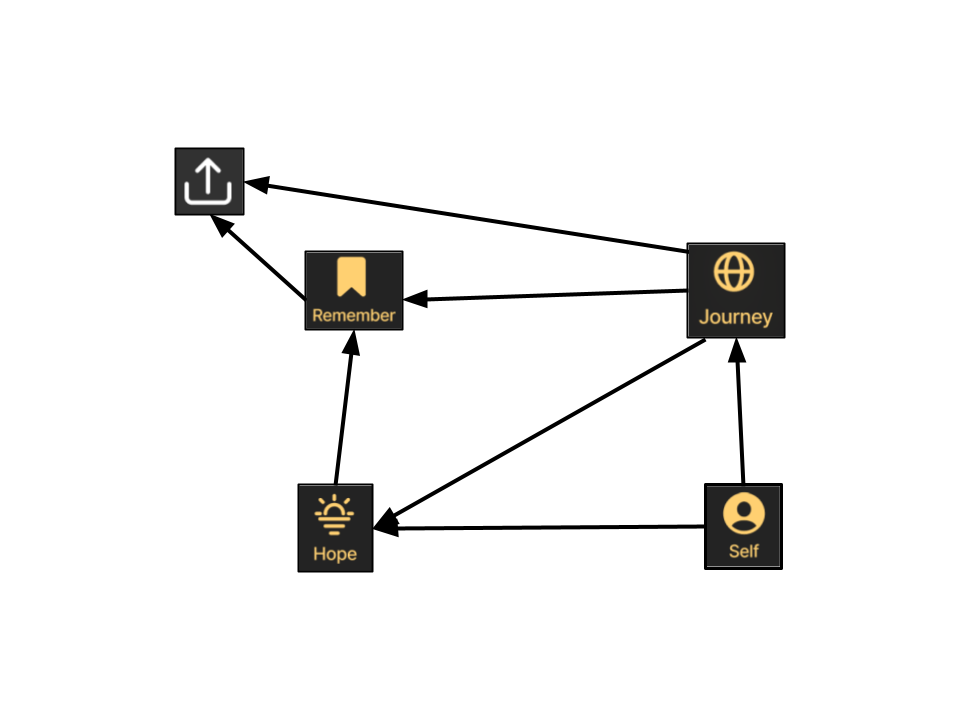
App Features Wireframe
-
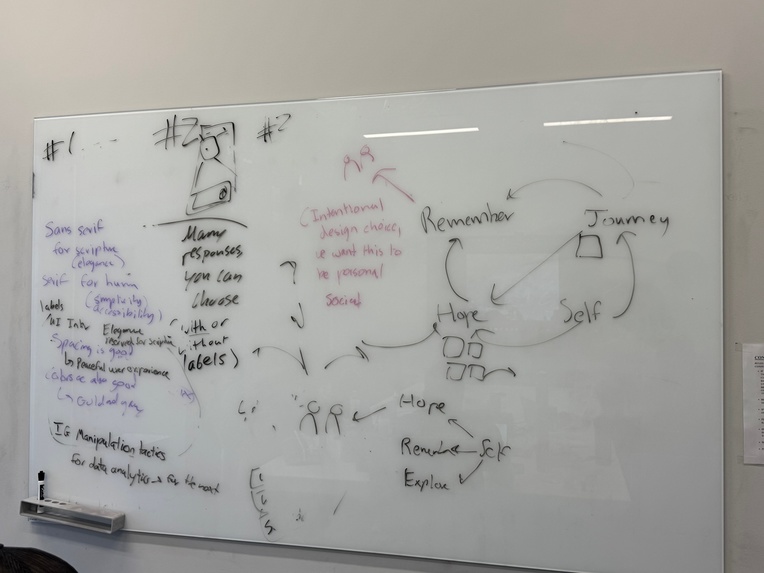
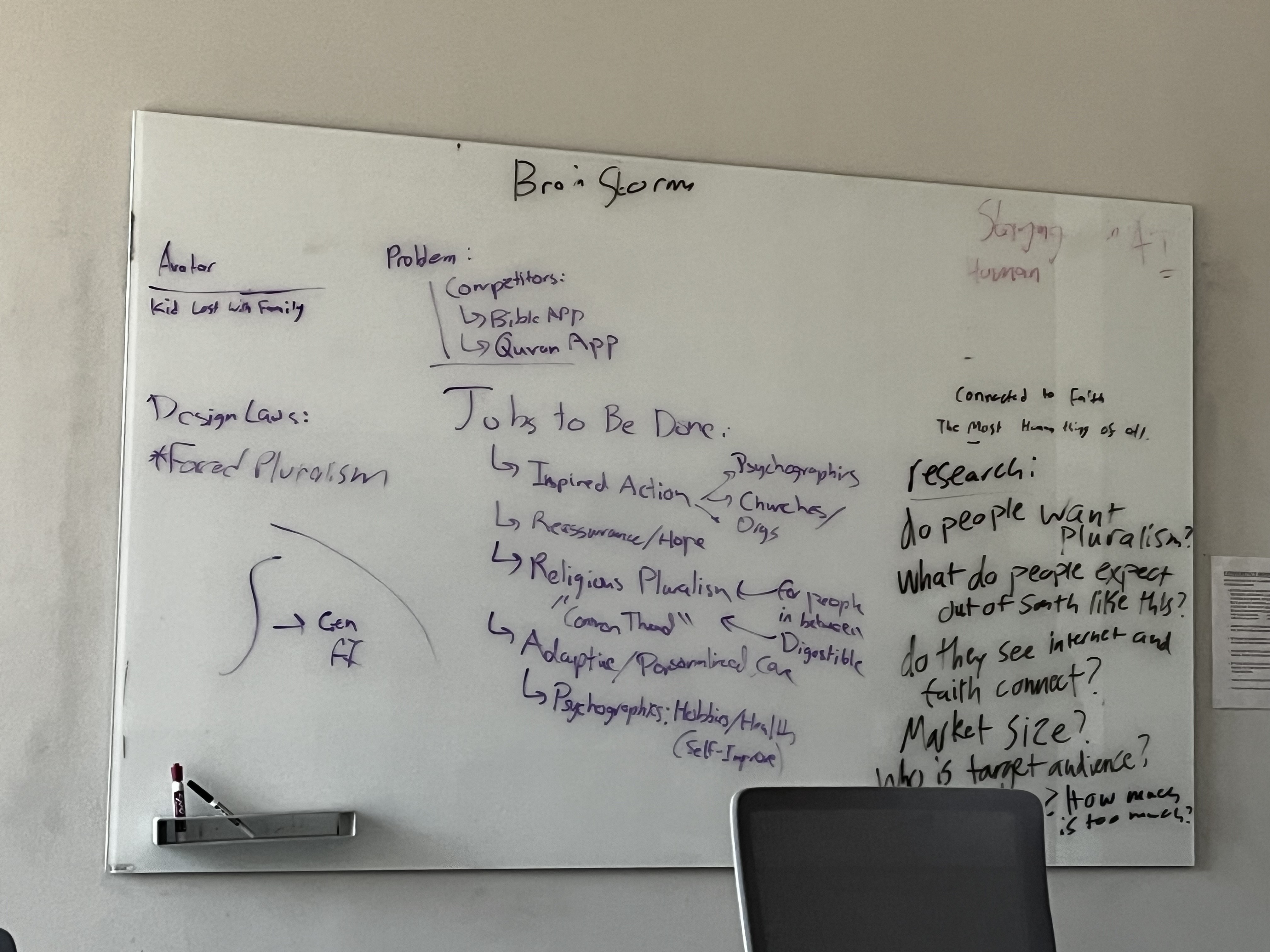
Whiteboard 4
-
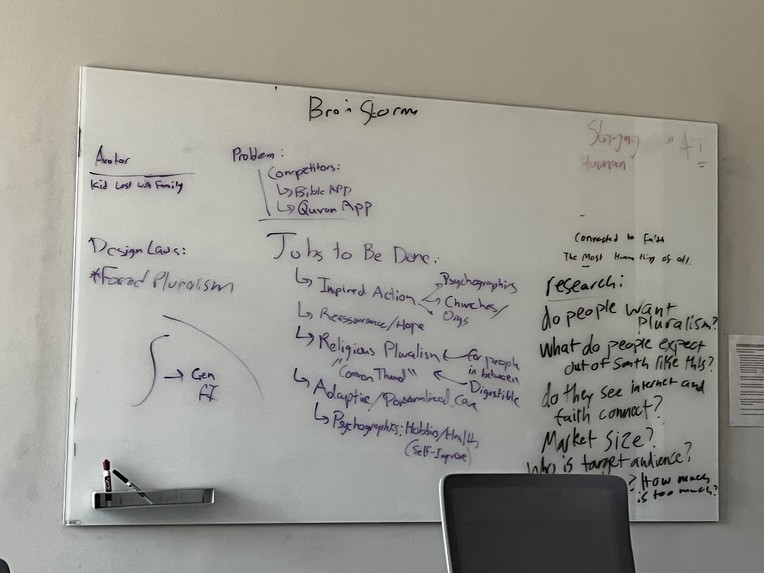
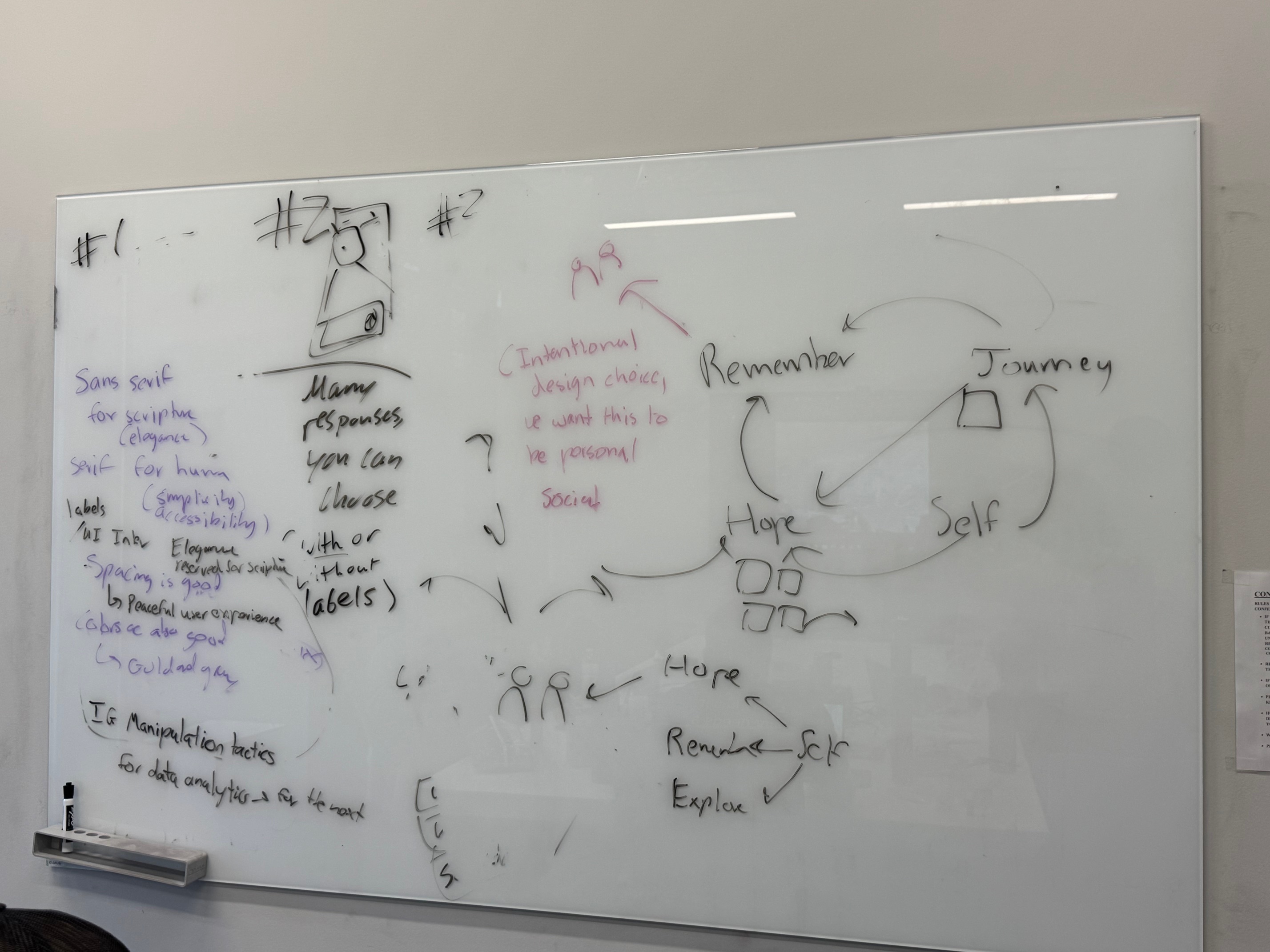
Whiteboard 3
-
Whiteboard 2
-
Whiteboard 1
-
Onboarding Screen
-
Journey Screen
-
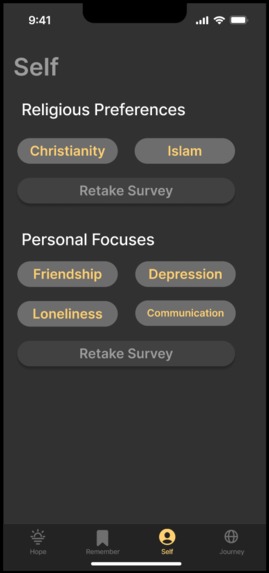
Self Screen
-
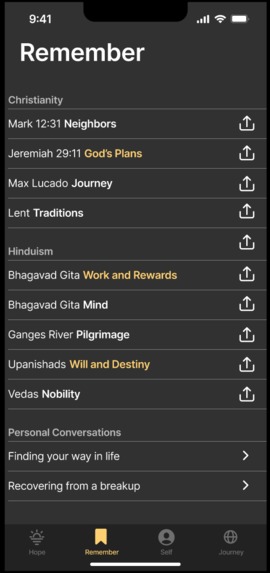
Remember Screen
-
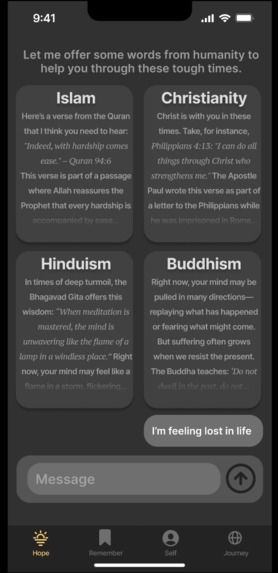
Hope Screen
-
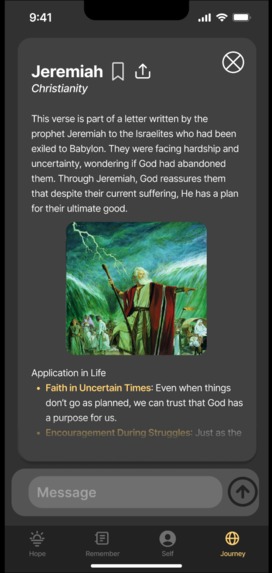
Journey Zoomed-In Screen
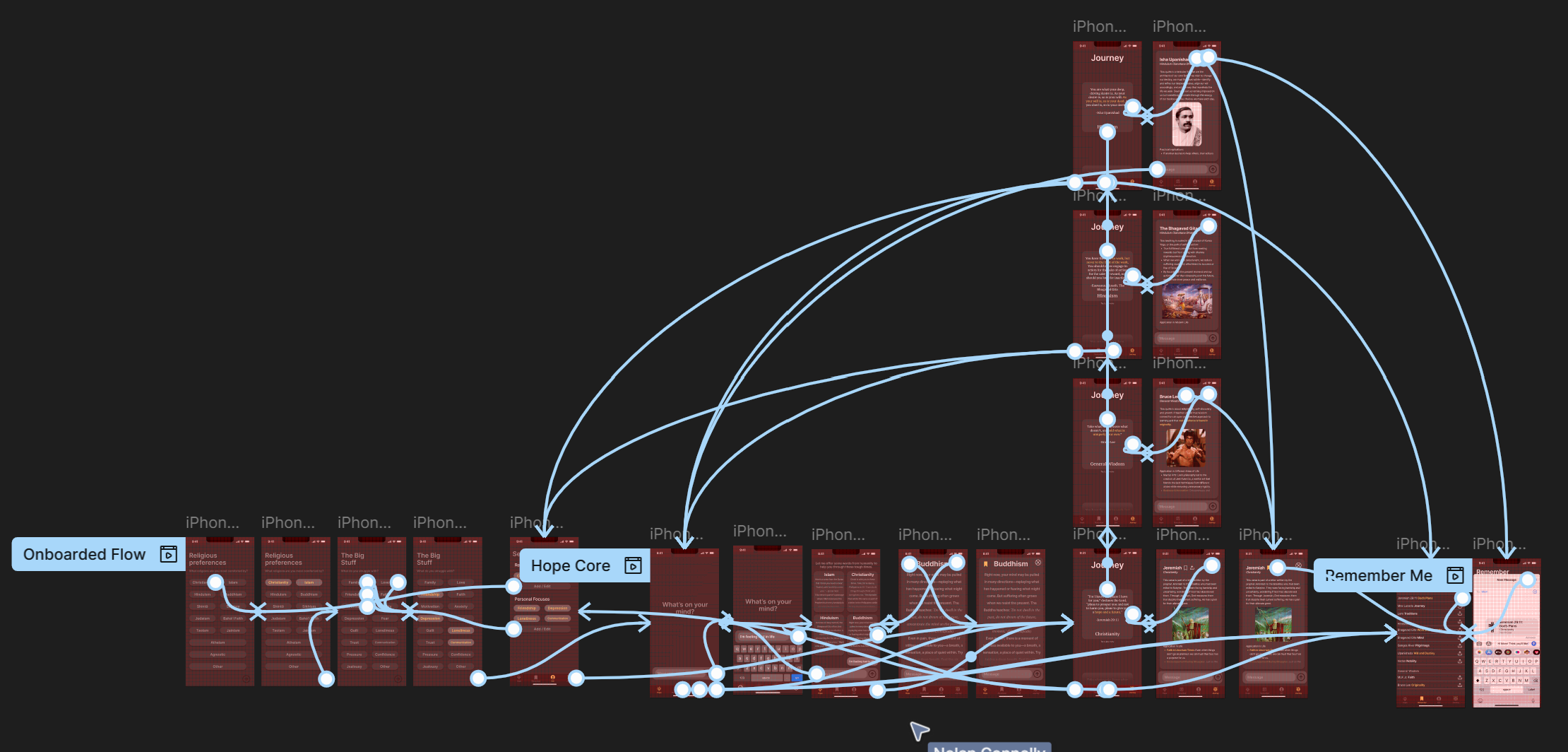
For optimal viewing experience, please open the Figma in full screen.
Your Project (150 words):
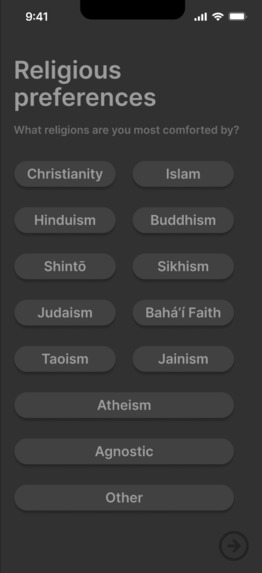
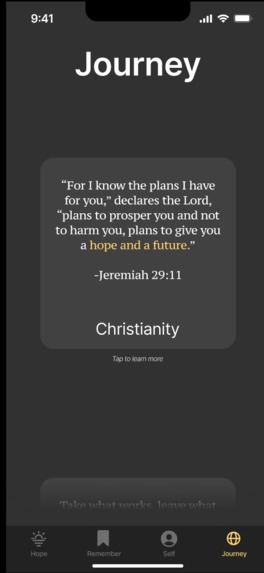
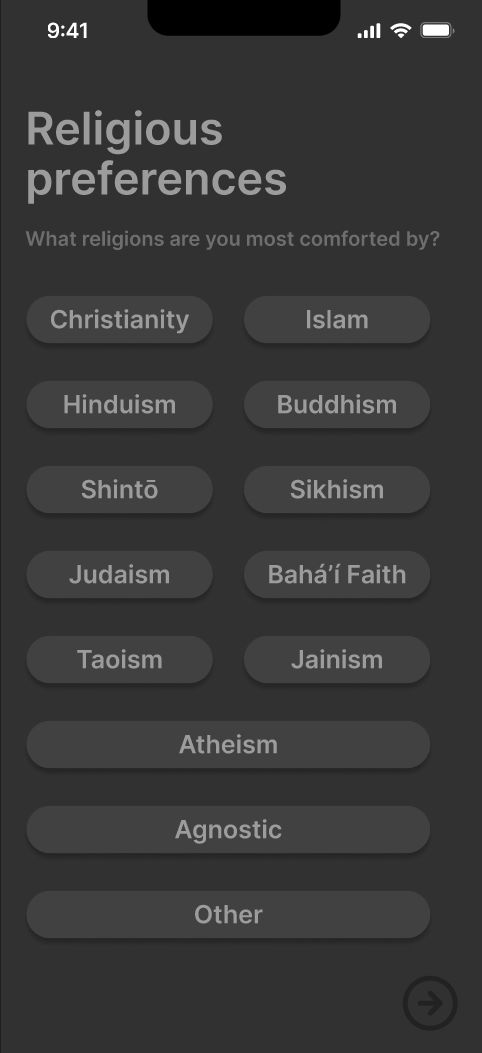
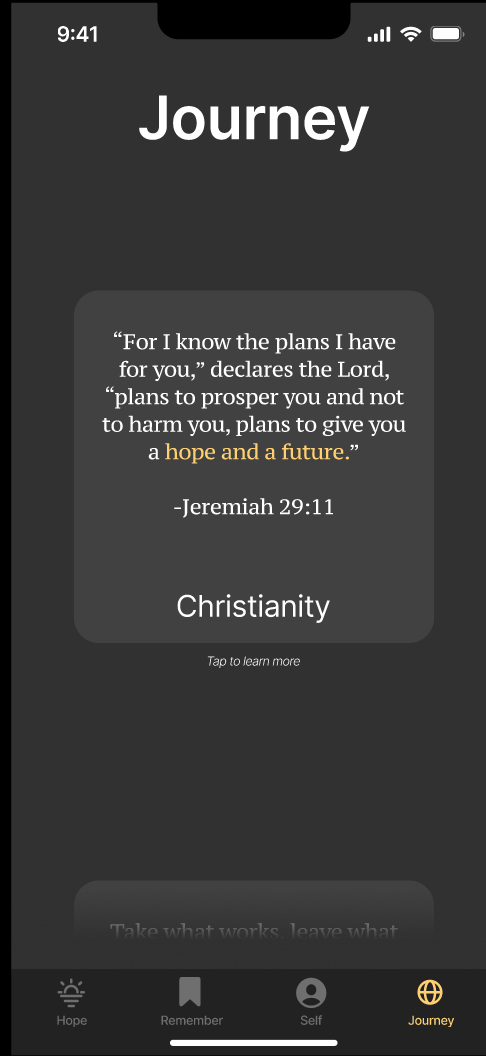
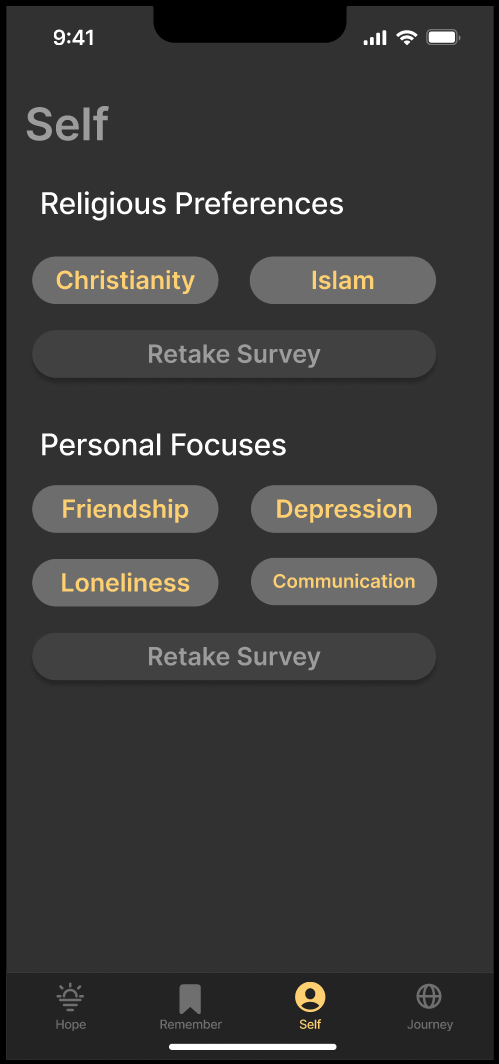
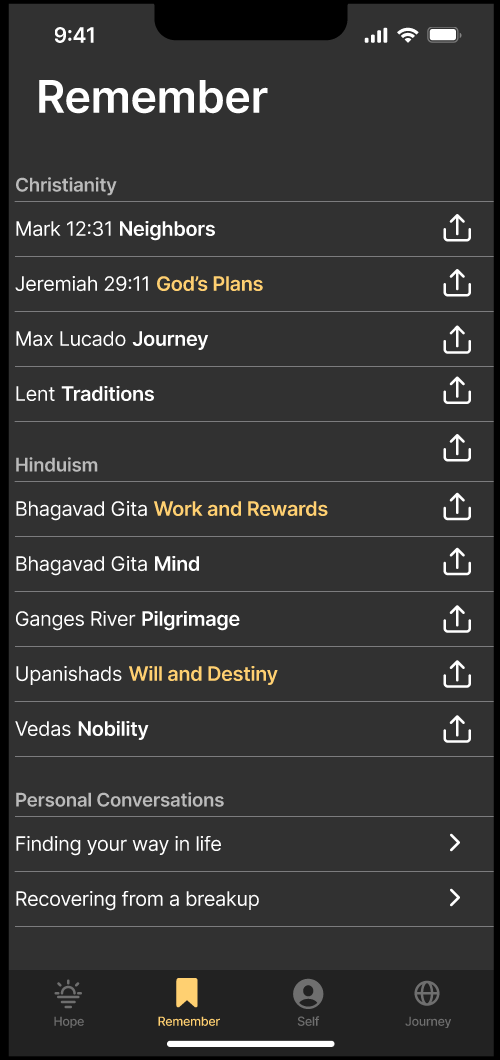
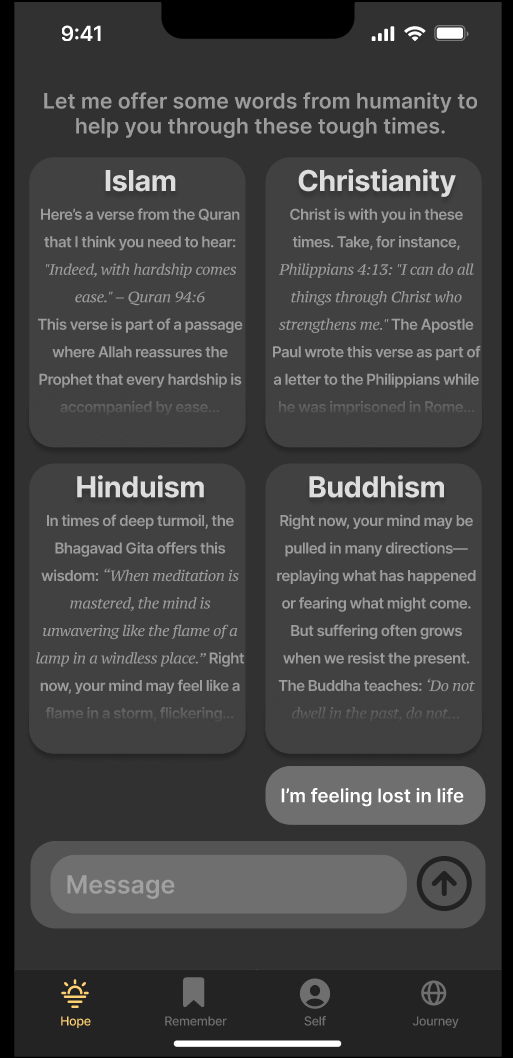
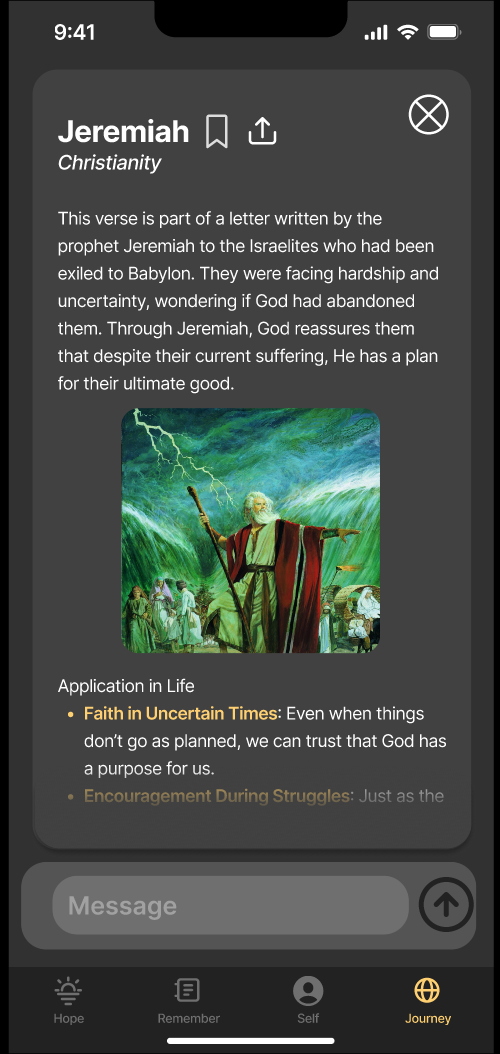
NorthStar is a faith-based app designed to help people find hope, wisdom, and spiritual guidance in difficult times. Instead of focusing on a single religion, it offers personalized insights from multiple faiths, tailored to the user’s needs. Upon onboarding, users select their religious preferences and the challenges they’re facing. The Hope page allows them to share their thoughts and receive comforting responses from different religious perspectives. The Journey page encourages exploration by offering quotes and wisdom from scriptures, philosophy, and influential figures. The Remember tab lets users save meaningful insights for future reflection. Our design prioritizes calmness and accessibility, with intuitive navigation, soft typography, and a gold and dark theme symbolizing hope in dark times. Based on insights from 15 in-person interviews, NorthStar creates a judgment-free, adaptive space where users can connect, explore, and reflect—ensuring faith remains a guiding force in modern life.
You research process and findings (500 words):
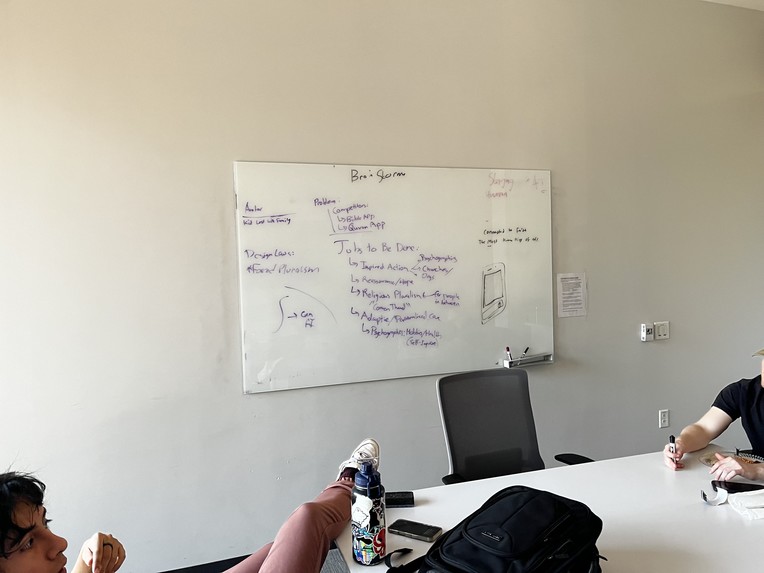
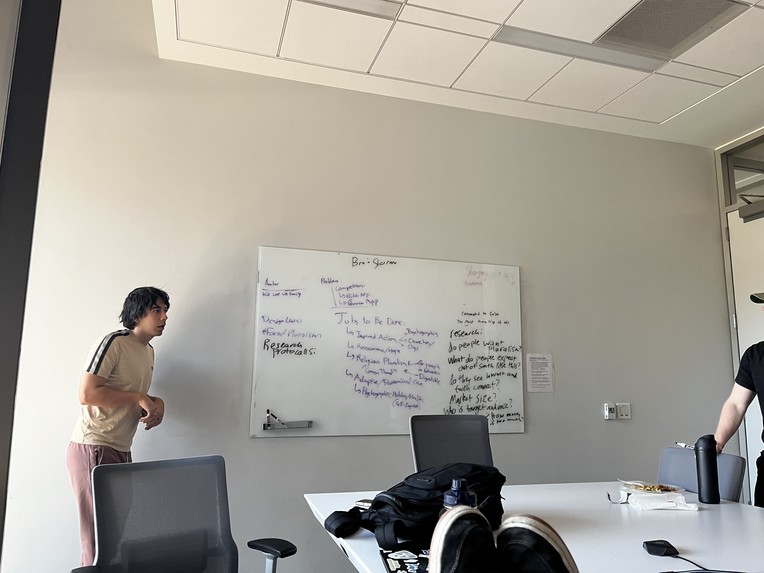
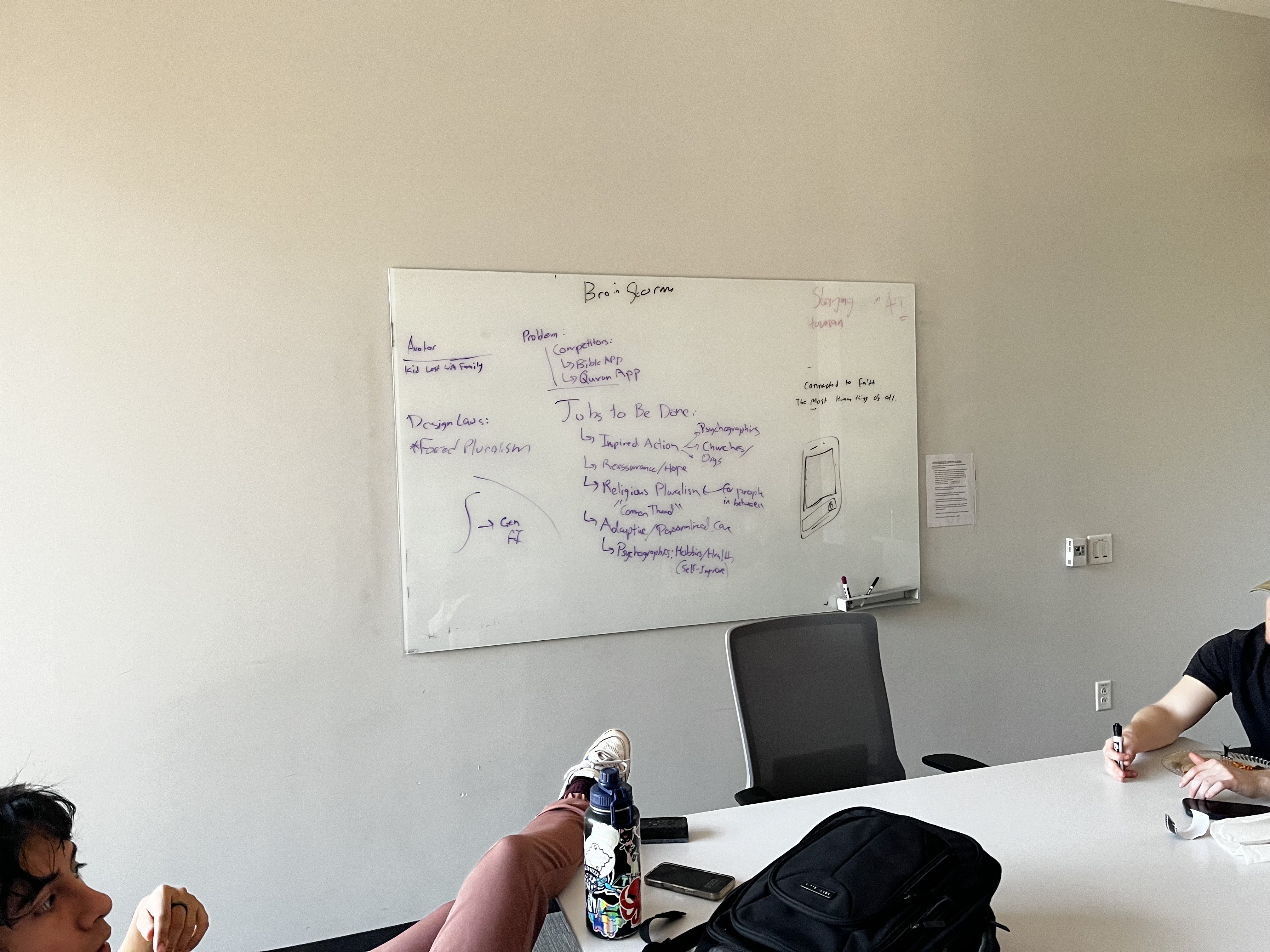
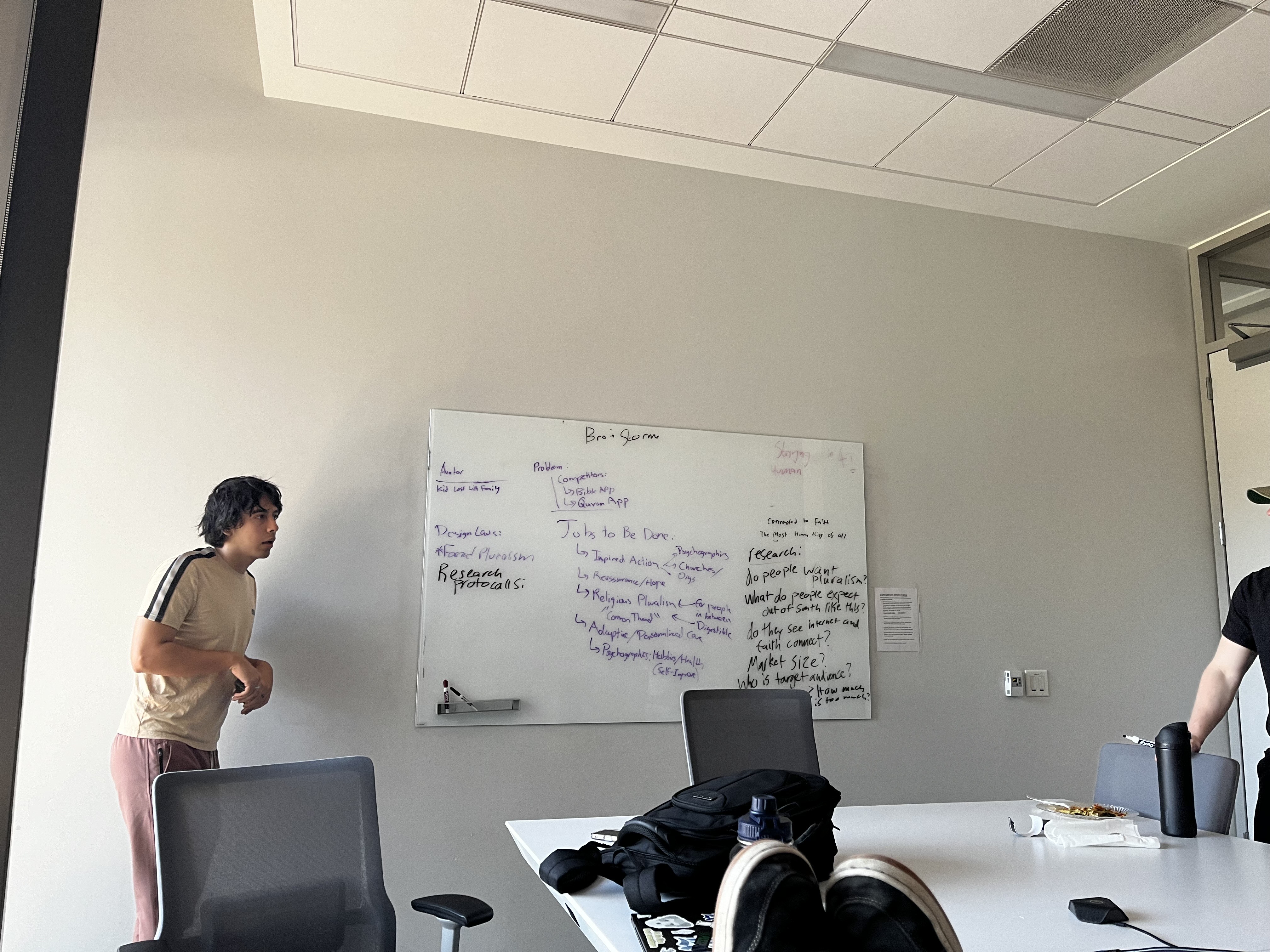
The development of NorthStar was guided by extensive user research, including in-depth interviews with 15 Rice University students. We asked them 5 open ended questions and took time to analyze their individual responses to gain a deeper understanding of the problem. Here are the questions we asked: How did your religious status come about? Have you ever felt lost with your faith? What did you do? How do you feel about pluralism? How do you feel about people believing in multiple religions? How do you think technology and apps can help bring people closer to faith? When you encounter problems, what about faith helps you? Here are some quotes from the interviews: “I looked up online different faiths and I found I disagreed with a lot of Christianity.” “I do believe things that don’t adhere to one specific faith.” “Technology can help discover different faiths.” “I think it's okay to believe in certain parts and not in certain parts, religion is there for when things are really difficult.” “It’s better to talk to AI about religion because it’s neutral!” These interviews revealed that young people often seek faith primarily for comfort and reassurance rather than strict religious adherence. However, many feel reluctant to engage with religious figures or institutions, even though they are open to exploring different perspectives. Additionally, users expressed a desire for a technology-driven approach to spirituality, seeing digital tools as a valid medium for reflection and learning. Based on these insights, the team identified two primary objectives for the app: providing comfort during times of struggle and encouraging exploration of new spiritual and philosophical perspectives. To support these goals, NorthStar was designed with thoughtful UI/UX principles, including generous spacing for a calming user experience, a combination of sans-serif and serif fonts for accessibility and elegance, and a gold-accented color scheme to evoke warmth and hope. By integrating these elements, the app ensures a smooth and intuitive experience that meets users where they are in their spiritual journey. Several important design decisions were made to align with user needs and preferences. First, the core features—Hope, Journey, Remember, and Self—were structured to provide both immediate comfort and long-term exploration. The Hope feature allows for real-time interaction with faith-based wisdom, while Journey introduces users to new perspectives that they may not have encountered otherwise. The Remember feature ensures that users can save and reflect on meaningful insights, creating a personalized spiritual archive. Additionally, the Self section enables AI-driven personalization, ensuring that content remains relevant and engaging for each individual. A key design challenge was ensuring seamless interaction between these features. For instance, user preferences in Self influence the religious content shown across the app, while conversations from Hope can be saved in Remember for continued reflection. Similarly, insights from Journey can transition into interactive discussions in Hope, allowing for a fluid and engaging experience.
Your most important design decisions (500 words):
Several key design decisions were informed by extensive user research to ensure NorthStar provided a meaningful and intuitive experience. One of the most critical aspects of the design was feature selection, which was tailored to meet users' spiritual and emotional needs. The "Hope" chat-style feature was created to offer faith-based wisdom in response to users' concerns, providing immediate comfort and guidance. The "Journey" feature was designed to encourage exploration beyond a single faith, allowing users to engage with diverse religious and philosophical perspectives. The "Remember" feature enabled users to save meaningful insights for later reflection, ensuring that important spiritual moments could be revisited over time. Finally, the "Self" feature allowed for future personalization, ensuring that content is tailored to individual user preferences, making the experience both relevant and impactful. Beyond individual features, the overall synergistic UX design played a crucial role in making NorthStar seamless and engaging. User preferences set in the "Self" section dynamically influenced recommendations throughout the app, ensuring that users received content that aligned with their beliefs and interests. Conversations initiated in "Hope" could be saved in "Remember" for continued reflection, allowing users to return to meaningful discussions at any time. Additionally, insights discovered through "Journey" could be expanded into interactive discussions in "Hope," fostering deeper engagement with new ideas. This interconnected approach ensured that the app was not only easy to navigate but also functioned as a cohesive spiritual companion rather than a collection of disjointed features. To further enhance user experience, visual and interaction design were carefully considered. Easy navigation was prioritized to make faith exploration effortless and intuitive. Thoughtful UI choices, such as button placement, color scheme, and typography, were implemented to reinforce a calming and reflective atmosphere. The gold and gray color scheme was chosen to evoke warmth and hope, while the combination of sans-serif and serif fonts balanced modern accessibility with a sense of tradition and depth. Generous UI spacing was also integrated to create a relaxing experience, ensuring that users felt at ease while engaging with the platform. Through continuous testing and iteration, NorthStar evolved into a thoughtfully designed prototype that bridges faith and technology in a meaningful way. By prioritizing personalized spiritual guidance, seamless user experience, and an aesthetically calming interface, the app successfully meets the needs of modern users seeking hope, wisdom, and connection in an increasingly digital world.
Built With
- figma

Log in or sign up for Devpost to join the conversation.